Change, Continuity, and the Fragility of Legacy in Long-Running Franchises
Every long-running franchise eventually faces the same moment: it must change or it must calcify.
Change invites backlash. Refusing to change invites irrelevance
What we are witnessing in contemporary media is not simply disagreement about creative direction. It is a deeper conflict over ownership of identity. Audiences who have lived with a franchise for decades often feel that they understand its essence — sometimes better than the creators currently steering it. When alterations arrive, the debate is rarely about a single character decision or plot twist. It is about the perceived erosion of core identity.
The question beneath the noise is simple and difficult:
What is the franchise?
Is it tone?
Is it characters?
Is it visual language?
Is it ideology?
Is it genre?
Is it emotional promise?
Most collapses happen when creators misidentify what the audience believes is sacred.
The Illusion of Surface Identity
One of the most common mistakes is confusing surface iconography with structural identity.
Logos, costumes, catchphrases, and legacy characters are visible markers. They are not the foundation. A franchise can preserve all recognizable elements and still feel alien if its internal logic changes.
Consider the tonal fracture that many fans felt in the Star Wars sequel trilogy beginning with The Last Jedi. The film was ambitious, visually confident, and thematically confrontational. For some, it deepened the saga. For others, it destabilized mythic structures that defined, particularly the treatment of legacy heroism and archetype continuity. The division was not primarily about plot mechanics. It was about philosophical tone. Was the saga fundamentally mythic optimism, or was it deconstructive introspection?
The iconography remained. The interpretive lens shifted.
When audiences feel that the interpretive lens has changed without permission, identity conflict begins.
When Change Feels Like Replacement
There is a difference between evolution and substitution.
Evolution preserves emotional DNA while allowing form to shift.
Substitution removes DNA and installs a new operating system.
The 2016 Ghostbusters reboot illustrates how tonal recalibration can fracture audience expectation. The original film balanced supernatural threat with grounded deadpan humor. The reboot leaned heavily into improvisational comedy and overt comedic energy. The issue for many viewers was not casting women or modernization alone… it was tonal displacement. The atmosphere shifted from dry absurdity inside a semi-serious paranormal framework to overt comedy driving the premise. The identity debate was not about representation. It was about tonal architecture.
When tonal architecture changes, audiences interpret it as identity erasure.
The Danger of Reactive Course Correction
A second trap emerges when backlash provokes overcorrection.
Following the Star Wars division around The Last Jedi, The Rise of Skywalker (the last sequel film) attempted to reconcile multiple factions of the audience simultaneously. The result, for many critics, felt structurally unstable: a narrative pulled in competing directions. In trying to restore perceived lost identity while also concluding a new arc, the film exposed how difficult it is to reverse philosophical shifts midstream.
Identity cannot be negotiated film by film without visible seams.
Consistency is not rigidity. But it does require internal conviction.
When Reinvention Works
Change is not inherently destructive. In many cases, reinvention has rescued or elevated franchises.
James Bond’s Casino Royale radically recalibrated the tone of the 007 series. It stripped away exaggerated gadget spectacle and reintroduced physical vulnerability, psychological interiority, and grounded brutality. Yet it preserved the essential pillars: espionage, sophistication, danger, and charisma. The aesthetic shifted; the emotional contract remained.
Similarly, Casino Royale redefined after the tonal excess of earlier entries. It did not replace the character’s moral framework. It intensified it. The darkness was not cosmetic… it was philosophical. Audiences accepted the shift because it felt like a deepening of identity rather than a rejection of it.
A more dramatic transformation occurred with God of War. The original series was operatic rage and mythological spectacle. The 2018 installment slowed the pace, introduced fatherhood as a thematic spine, and altered camera language entirely. Yet Kratos’ internal conflict (rage versus restraint) remained intact. The franchise matured without denying its past.
Reinvention succeeds when it reframes core identity rather than replacing it.
The Core Identity Principle
Franchises are not defined by plot events.
They are defined by emotional promises.
A western promises frontier morality and harsh landscapes.
A superhero saga promises mythic struggle and symbolic heroism.
A space opera promises scale and archetype.
When those promises shift, audiences feel betrayal… even if production quality improves.
Change must answer a central question:
What cannot be removed?
If removing an element collapses recognition at the thematic level, that element is structural.
Internet Amplification and Identity Policing
Modern discourse intensifies conflict because audiences now participate in identity negotiation publicly and constantly. Fandom spaces transform interpretation into battlegrounds. Canon becomes legal territory. Terms like “not real,” “not canon,” or “not my version” emerge as defensive strategies.
But identity is not static. It is sedimentary. Layers accumulate. Erasing previous layers destabilizes the base. Pretending previous layers never existed alienates long-term investment.
The most effective evolutions treat continuity as architecture, not obstacle.
How to Change a Franchise Effectively
1. Identify the Emotional Spine
Before altering tone, genre, or character roles, define what emotional response the franchise historically guarantees. Protect that spine.
2. Deepen Instead of Mock
Deconstruction must feel like expansion, not ridicule. Audiences tolerate darkness more easily than contempt.
3. Change Through Character, Not Around Them
Transformation should emerge from internal logic. Abrupt philosophical reversals without narrative groundwork feel imposed.
4. Preserve Internal Physics
Even in fantasy, rules matter. Breaking established mechanics to serve short-term spectacle damages trust.
5. Accept That Not All Audiences Will Follow
Every significant evolution sheds some viewers. Trying to satisfy mutually exclusive expectations often creates incoherence.
6. Commit
Half-measures are visible. If a franchise shifts direction, it must do so with clarity. Hesitation is louder than boldness.
The Paradox of Legacy
The longer a franchise exists, the heavier its accumulated identity becomes. Nostalgia freezes certain eras as definitive. New creators must decide whether they are curators, reformers, or revolutionaries.
Curators preserve.
Reformers refine.
Revolutionaries replace.
Conflict arises when revolution is marketed as preservation.
Audiences are remarkably open to change when it feels intentional, respectful of foundations, and internally coherent. They revolt when change feels cosmetic, opportunistic, or dismissive of what came before.
Identity is not fragile because it cannot evolve.
It is fragile because it is built from trust.
And once trust fractures, no amount of iconography can repair it.
Course Correction After Collapse
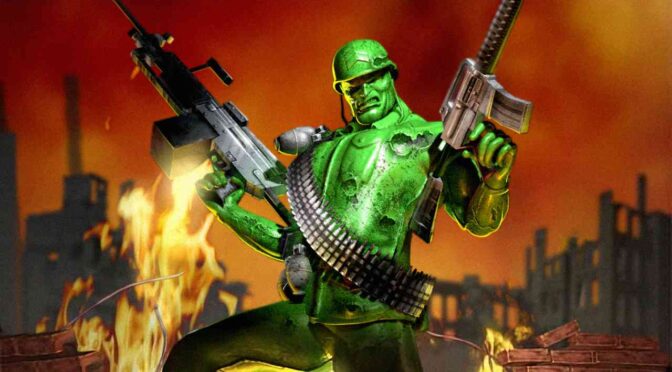
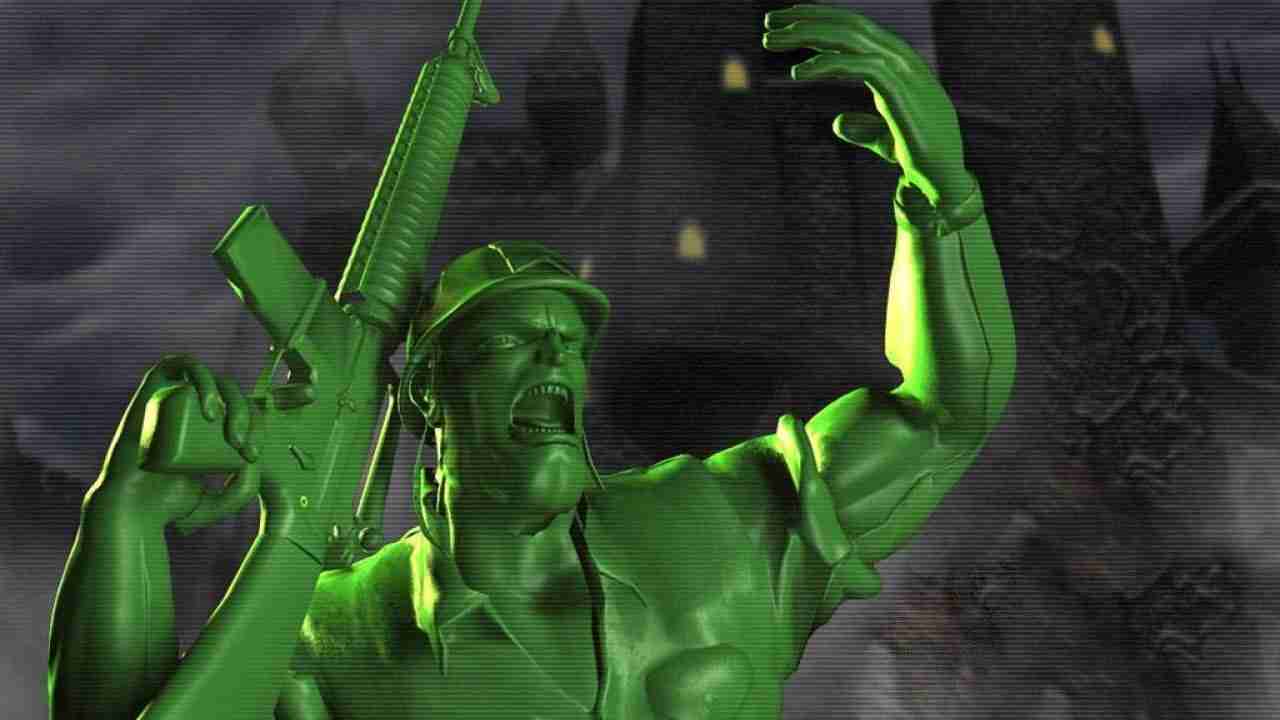
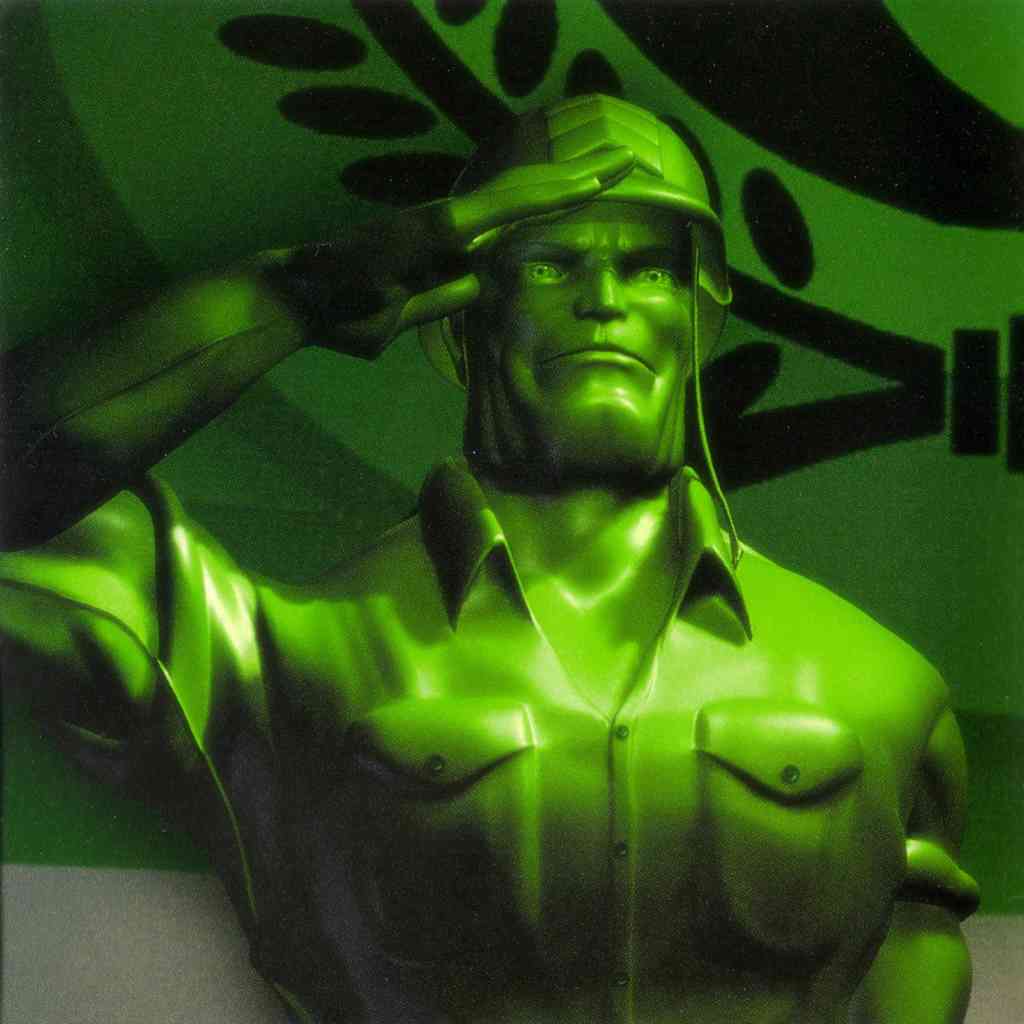
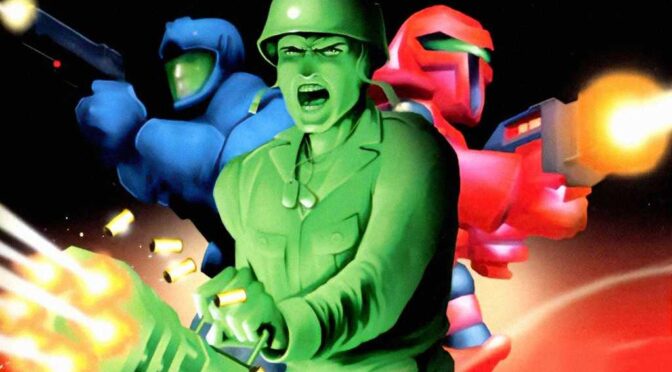
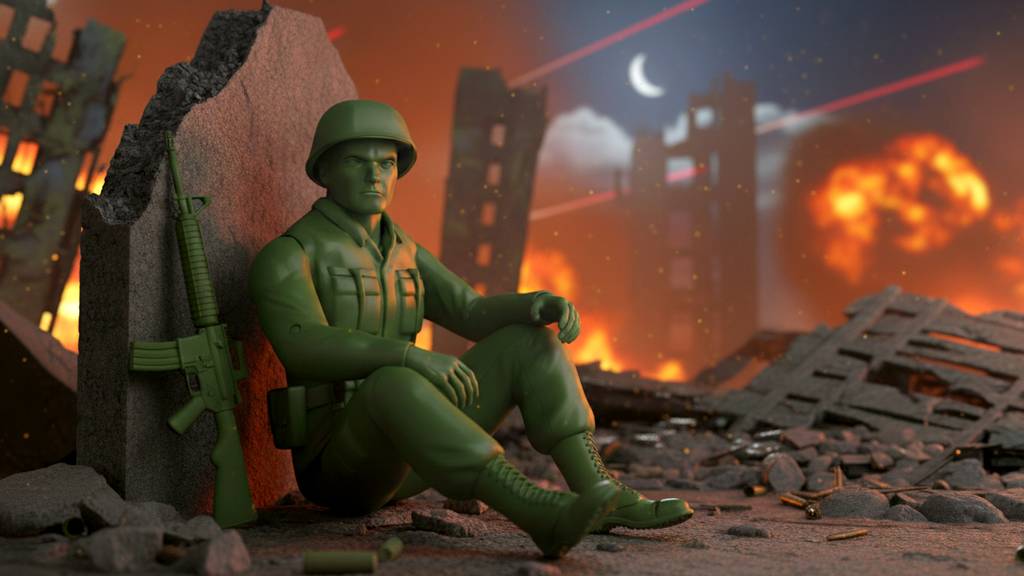
Repairing Tone, Continuity, and Trust in Army Men
There are moments in a franchise’s life that feel less like evolution and more like rupture. Not refinement. Not maturation. Rupture.
For Army Men, that rupture came in two waves.
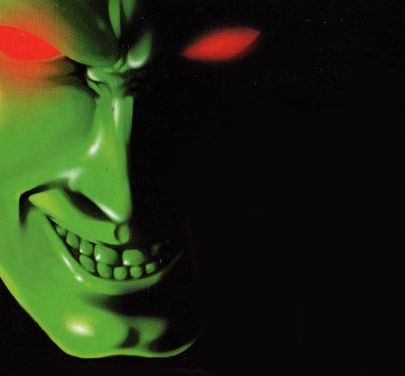
First, the tonal detonation of Sarge’s War
Then, the structural dislocation of Major Malfunction.
Understanding how to move forward requires understanding precisely what happened. Not emotionally, but architecturally.
The Violent Turn
Sarge’s War did not simply darken the tone. It redefined the emotional contract.
Army Men had always balanced stylized warfare with plastic logic, battlefield stakes with accessible structure. Even at its most intense, it retained an underlying readability: units mattered, heroes mattered, continuity mattered.
Like an old-school cartoon or TV series, Army Men, before Sarge’s War, relied on a somewhat humorous, familiar and friendly foundation, despite the conflict and warlike tone, and the fact that they were basically toys. But its core was, above all, positivism. Its characters and the positive tone were everything. Those were happygames.
And yes… we all know that at the beginning Army Men was more darker, warlike and lacked characters with personality. But that changed when they released Sarge’s Heroes and the subsequent sequels, achieving a resounding and successful shift. But that’s a story for another time…
Sarge’s War chose trauma as foundation
It killed legacy characters.
It dismantled familiar dynamics.
It stripped away tonal elasticity.
The violence was not merely aesthetic… it was narrative erasure. Characters who functioned as structural anchors were removed. The emotional scaffolding that long-term fans relied on was shattered in a single installment.
Darkness is not inherently destructive. But sudden tonal acceleration without transitional architecture destabilizes identity.
The issue was not maturity.
It was dislocation.
The Soft Reboot That Wasn’t
Then came Major Malfunction.
Marketed implicitly as continuation, structurally it behaved closer to replacement. It attempted to move forward with partial continuity while altering context, dynamics, and character logic. It tried to inherit the aftermath without rebuilding the foundation.
Worse, it introduced continuity inconsistencies and lack of visual identity, that signaled something more dangerous than creative disagreement: loss of internal control.
Once a franchise appears unsure of its own history, audience trust degrades rapidly.
It is one thing to take risks.
It is another to appear directionless.
When tone fractures and continuity becomes unstable, a franchise does not merely decline. It becomes narratively radioactive. Creators fear touching it. Audiences hesitate to invest.
Army Men did not slowly fade. It entered suspension.
The Risk of Reversal
Now comes the difficult part: undoing.
Reversing large-scale narrative damage is one of the most dangerous operations in franchise design.
Risks include:
- Perceived Retcon Weakness: If past events are erased cheaply, stakes collapse permanently.
- Continuity Fatigue: Excessive explanation alienates casual audiences.
- Emotional Undermining: If death is reversible without cost, sacrifice loses weight.
- Nostalgia Regression: Attempting to “go back” without growth can feel creatively stagnant.
However, the alternative (leaving a fractured identity intact) guarantees stagnation of another kind.
The goal is not to pretend the rupture never happened.
The goal is to metabolize it.
Respecting the Damage
In the case of the Army Men Toyverse project, the commitment is clear:
- Sarge’s War happened.
- Major Malfunction happened.
- Characters were lost.
- The tone shifted violently.
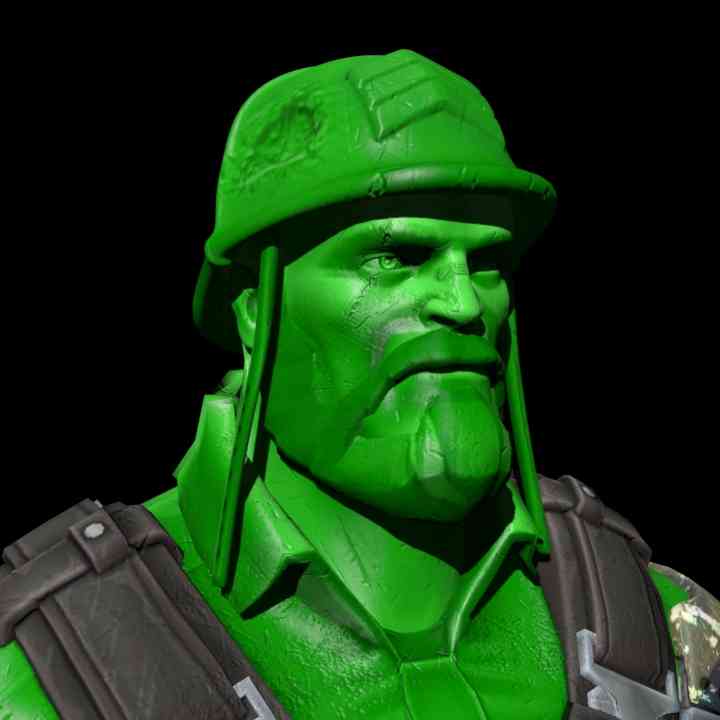
- Hawk became Major Malfunction.
These (and more) are not to be erased.
They are to be explained, contextualized, and integrated into a larger structural plan.
This is critical.
If the restoration feels like denial, it fails.
If it feels like revelation, it succeeds.
Revival Without Cheap Resurrection
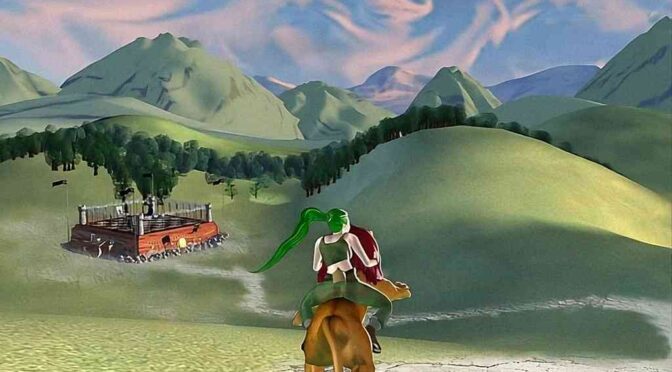
Bringing back legacy heroes (includfing Vikki) must not be cosmetic. Resurrection in a toy universe cannot function like biological revival. It must obey the plastic logic of the Army Men Toyverse.
Plastic can be melted, recast, repaired, replicated.
But material memory matters.
Possible structural approaches include:
- Recovery of preserved molds or casts.
- Reconstruction from damaged fragments.
- Plastic-world technological intervention.
- Parallel-theater continuity explanation.
- Psychological or identity-based restoration tied to casting lineage.
The key is permanence with consequence.
If a hero returns, they are not untouched. They carry fracture. They carry alteration. Their revival expands the mythology instead of negating prior stakes.
Death must remain real.
Return must require cost.
Restoring Hawk Without Erasing Major Malfunction
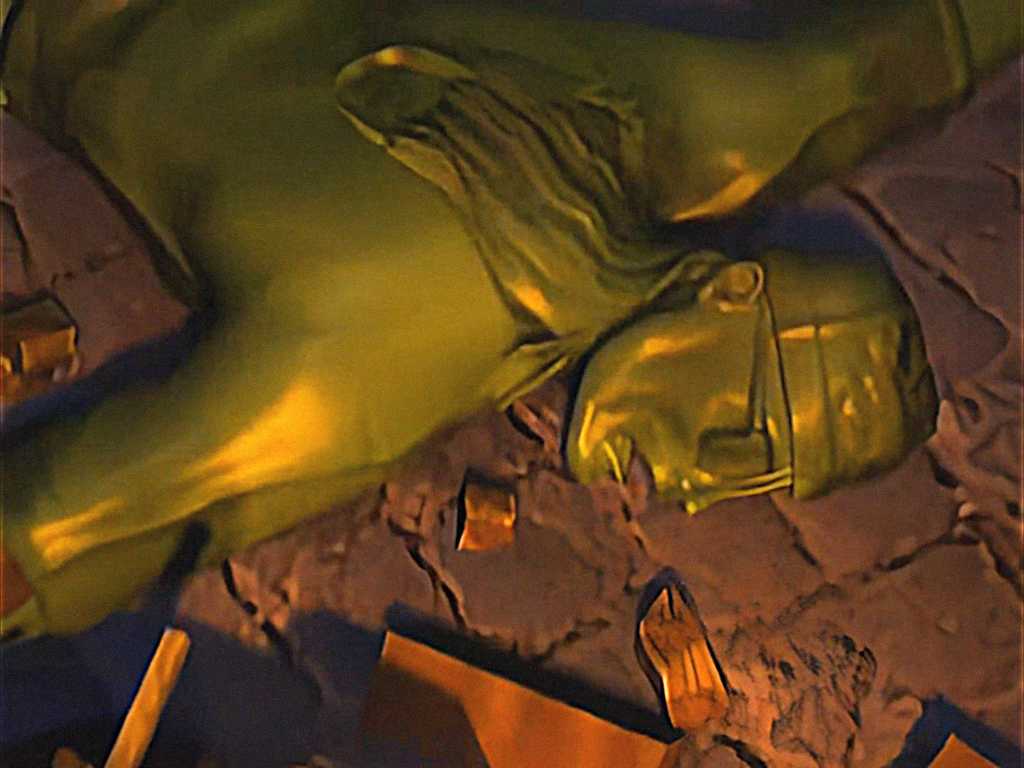
Hawk’s transformation into Major Malfunction is narratively powerful… not because it replaced him, but because it fractured him. But Hawk was already fracturing during Sarge’s War.
The correction is not to pretend that transformation never occurred.
The correction is to complete the arc.
If Major Malfunction represents corruption, mechanical interference, psychological break, or imposed alteration, then restoring Hawk must involve confrontation with that fragmentation.
Redemption arcs only work when they move forward through damage, not backward over it.
The return to “who he was” cannot be regression.
It must be integration.
Hawk restored… but aware.
Tempered.
Changed by what he became.
That preserves both: continuity and character weight.
Rebuilding Tone Through Expansion
One of the strongest advantages the Toyverse has is scale.
Instead of shrinking back to a pre-rupture state, the universe can expand outward:
- New worlds.
- New factions.
- New ideological divisions.
- New theaters of war.
- New material sciences within plastic civilization.
Expansion reframes restoration as growth rather than retreat.
The return of legacy heroes becomes stabilization within a broader, richer world. Their presence anchors continuity while new elements push the franchise forward.
This is not rewinding.
It is restoring structural integrity and then building higher.
The Advantages of a Planned Restoration
Correcting a franchise after collapse offers unique creative opportunities:
1. Mythic Weight
A fractured era becomes historical trauma within the lore. That period gains meaning instead of embarrassment.
2. Emotional Catharsis
Reviving lost heroes with narrative legitimacy can feel earned rather than nostalgic.
3. Audience Trust Rebuilding
Clear, long-term planning signals confidence… the opposite of the instability that caused erosion.
4. Identity Clarification
The process forces articulation of what Army Men truly is at its core.
The Central Principle
You cannot undo a violent tonal shift by pretending it was a mistake.
You undo it by revealing that it was part of a larger arc.
Army Men does not need to deny Sarge’s War or Major Malfunction.
It needs to contextualize them.
The Toyverse must demonstrate:
- The tone can be serious without being nihilistic.
- Violence can exist without erasing legacy.
- Darkness can deepen mythology instead of replacing it.
- Continuity can be repaired without becoming fragile.
If executed with discipline, the restoration becomes one of the most powerful narrative arcs the franchise has ever had… not because it resets the board, but because it proves the board survived impact.
The goal is not to return to the past.
The goal is to reclaim identity (with scars intact) and move forward deliberately, leaving the destructive events as past events, somehow returning to normality.
Plastic breaks.
But it can also be reforged.