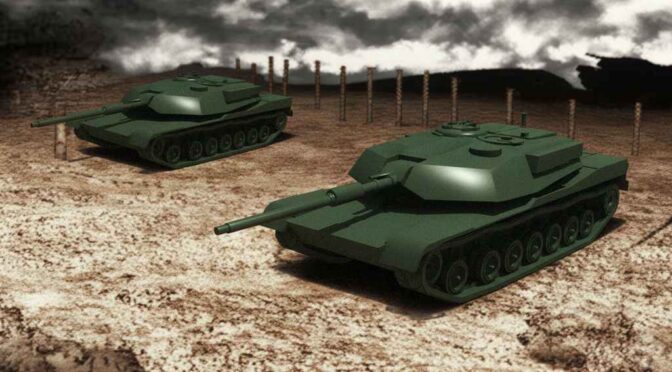
The fastest and exceptionally well-armored tank of the Plastic World
The M1 Heavy Tank makes up the backbone of heavy tank artillery regiments of the Green Army. Capable of unleashing untold fury via its awesome shell firing turret mounted barrel, the most impressive feature of this tank is its speed and maneuverability. Its gun is the same as the M48, but its rate of fire is higher.
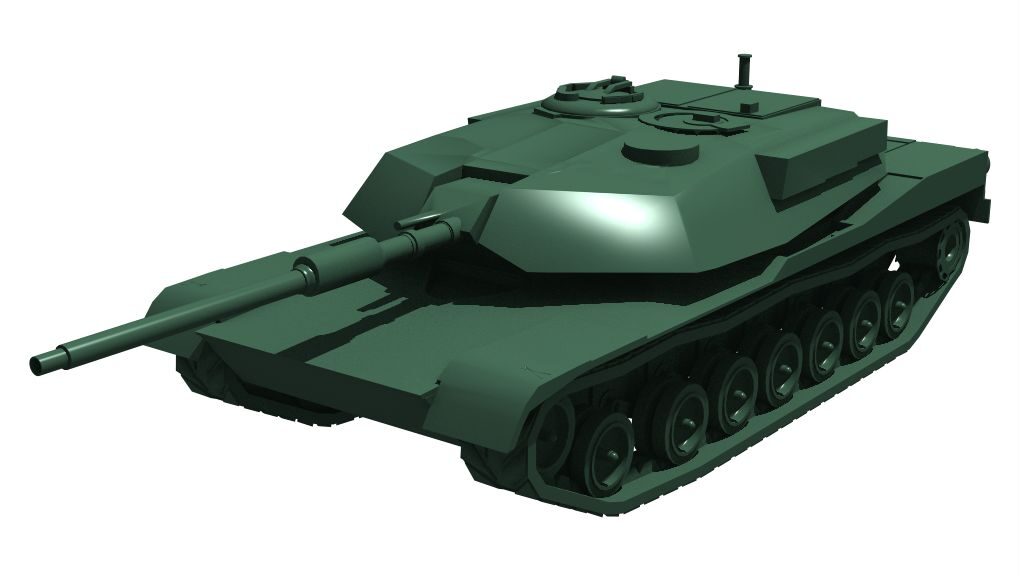

The Green Army Heavy Tank

Originally conceived as the direct successor to the M48 Patton, the M1 Abrams was first developed during the World War Tannic-Greeno but only saw large-scale deployment in the later Real World War, when the Green Army demanded a new tank that could guarantee battlefield superiority.
On paper it was superior in every category: a stronger hull, unmatched maneuverability, and a main gun, borrowed directly from the M48 Patton but refined by Green Army engineers to achieve a higher muzzle velocity and a much higher rate of fire, making it devastating against enemy armor.
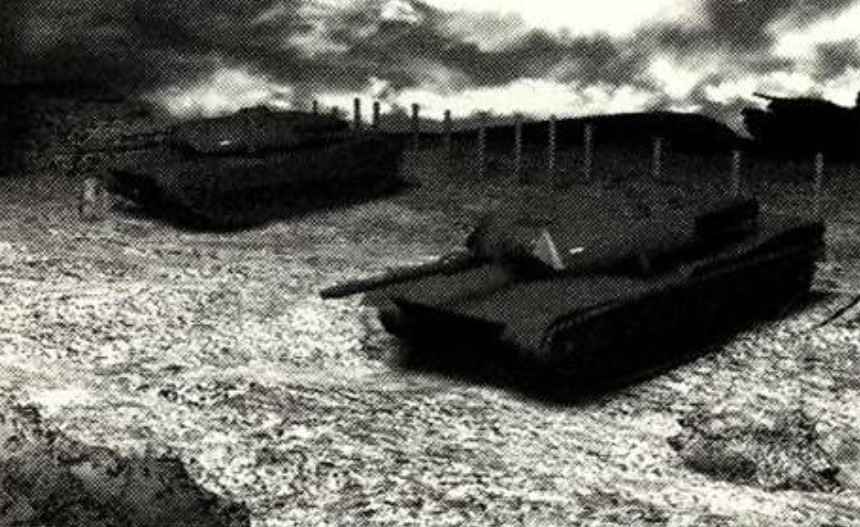
Early in its development the Abrams struggled to meet expectations: its complex design and the manufacturing difficulties, combined with severe shortages of plastic and industrial capacity during the Tannic-Greeno period, forced the project into temporary suspension while simpler, more reliable tanks carried most of the fighting.
However, when the Real World War escalated and the immense resources of the Real World were put at the Green Army’s disposal, factories were able to tackle the Abrams’ complexity. The tank was finally produced at scale and deployed where it could make a decisive difference.
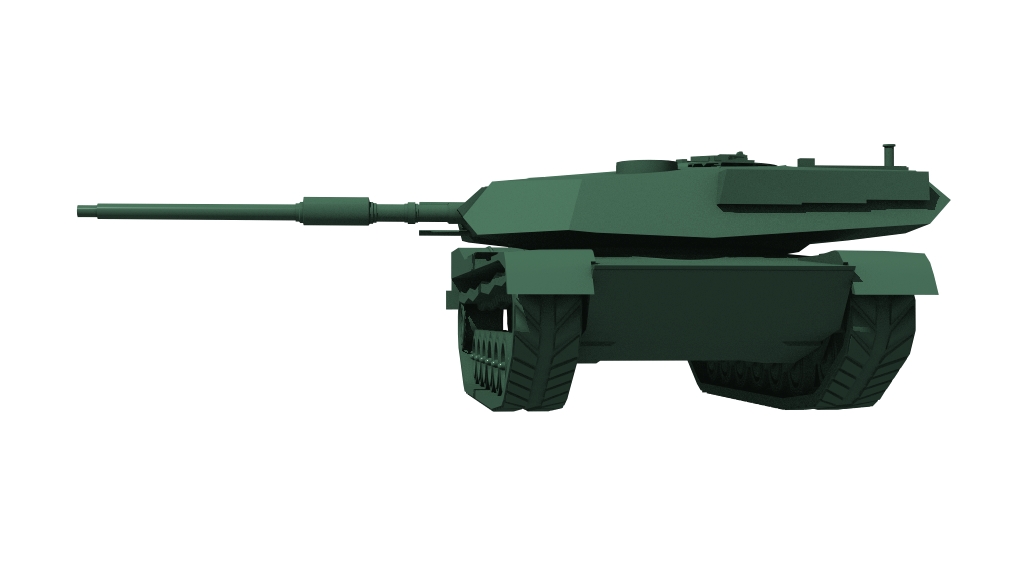
A significant number of Abrams rolled off the lines in time to take part in the amphibious landings of G-Day and the Green assault on the Tan Capitol, where their superior firepower, protection and mobility proved critical to Green advances and to breaking hardened Tan positions.
Much like the late-war experimental machines hybrid technology of the Human World (technically advanced designs that only became feasible when production and resources allowed) the Abrams stands as both a triumph and a test of plastic engineering: a vehicle that redefined armored tactics once industry could match ambition. Far from being museum pieces, Abrams remain in active service across the Plastic World today, shaping current armored doctrine and continuing to lead Green heavy formations into battle.
The Tank’s weakness is it’s thinly-armored rear.

Modern successors
The M1B2, aka “Neutrizer Backblast”, was a M1 sucessor developed by an alliance between the Green Army and other Real World toys. But the manufacture structure was taken by Major Malfunction, becoming the backbone of his mechanized army.
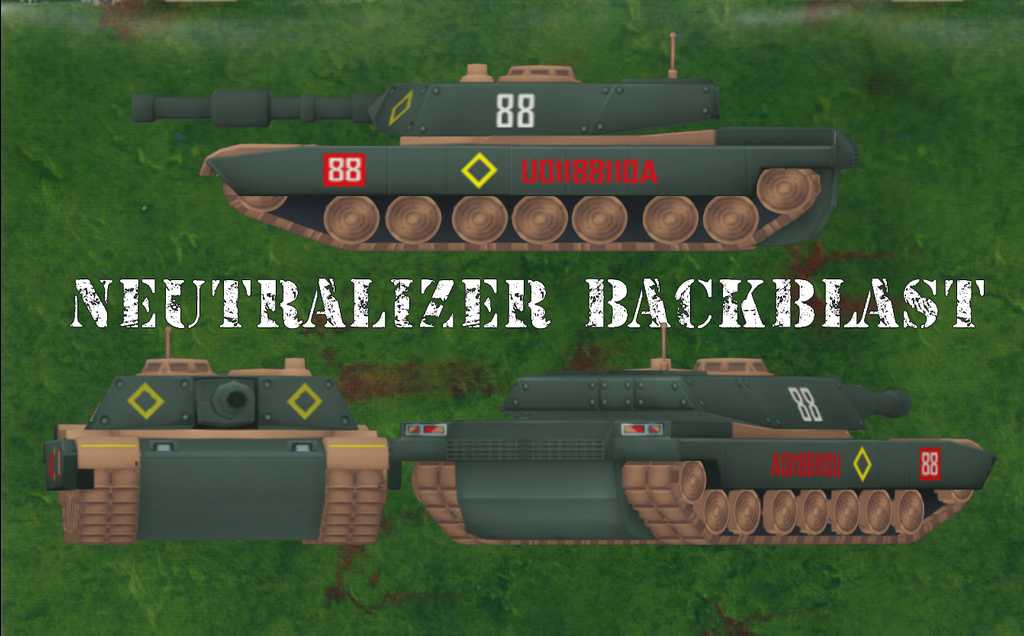
Heavy Tank Variants

Some hulls and turrets were reused several times, when required and was possible. The MTB (Main Battle Tank) M48 was very compatible with M1.
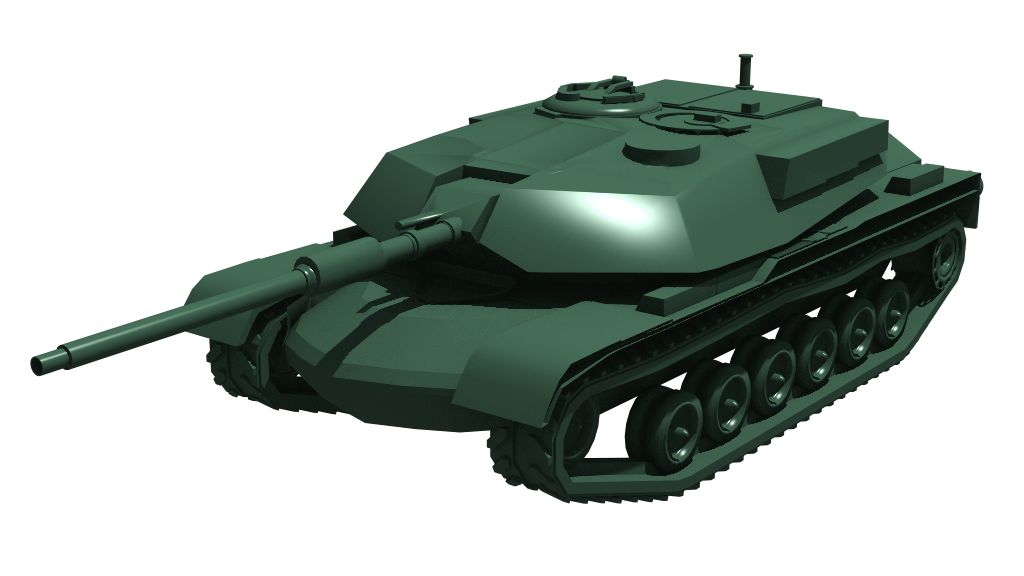
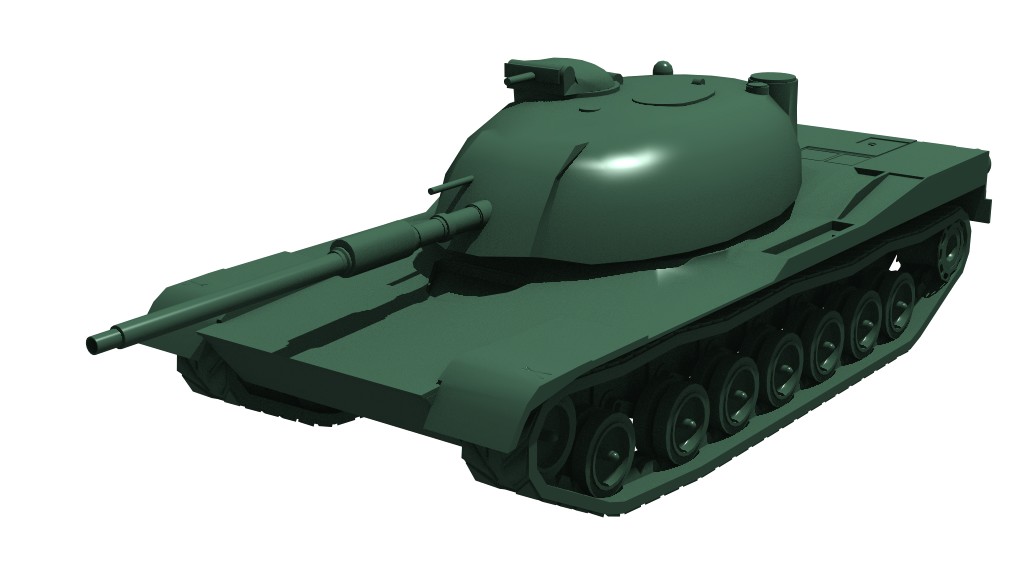
This practice is common among tanks with compatibilities, especially in times of need. When they are destroyed, damaged, or simply suffer irreparable mechanical failures, the useful parts are salvaged and reused into other tanks. This practice would later be called “Kitbashing.”
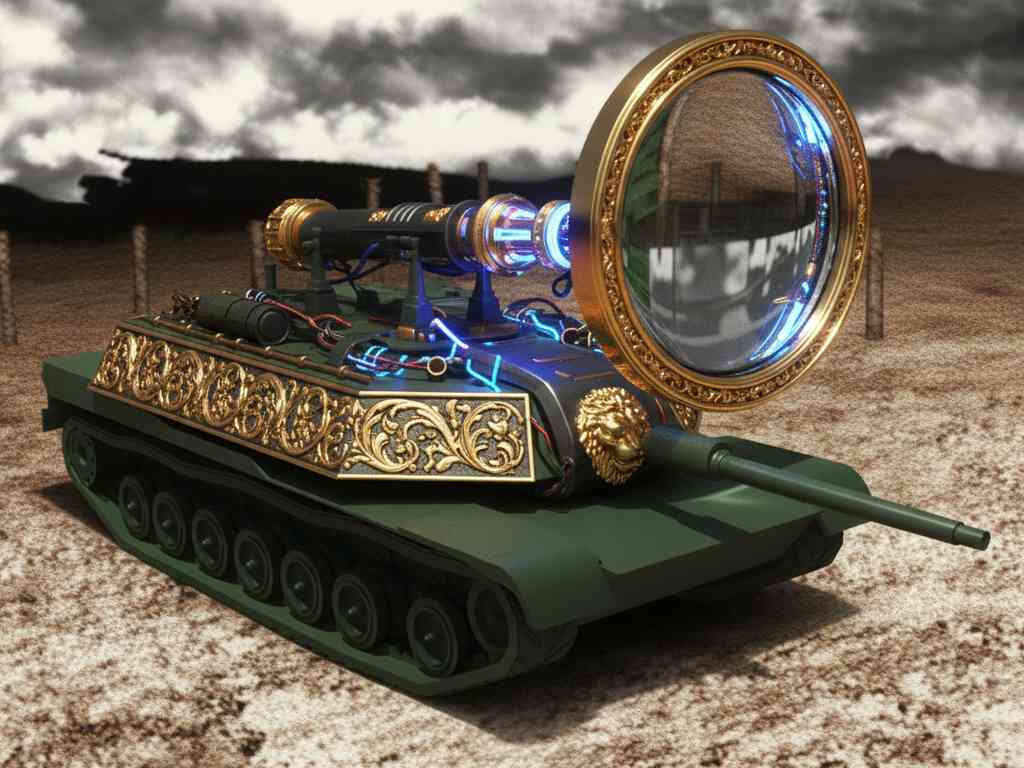
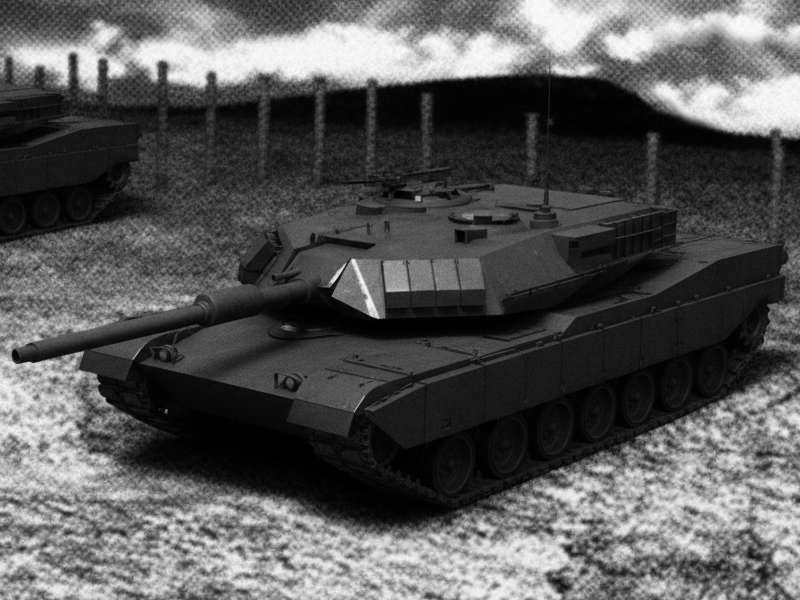
Behind the scenes: