
PDNA serves as the fundamental building block for these miniature warriors.
In the whimsical Toyverse realm, where plastic toy soldiers come to life, just as carbon-based life forms rely on DNA for genetic information, Plastic Soldiers draw upon PDNA to define their unique traits, abilities, shapes, likeness and even their quirky personalities.
Composition of PDNA:
PDNA strands intertwine, resembling tiny, translucent green cables. These strands are made of a special polymer blend, infused with what scientist think some think is a dash of human childhood nostalgia and a sprinkle of imagination. This last part is some kind of methapor to indicate what we don’t understand yet, open to speculation.
Unlike carbon DNA, which contains adenine (A), thymine (T), cytosine, and guanine (G), PDNA features its own set of base pairs: “P,” “L,” “A,” and “S.” These letters encode the essence of plasticity, loyalty, adaptability, and silliness (again, methpors to fill the gap of what we needed to understand yet). But again, although there is still much to understand, what we do know is what each of the letters determines in each plastic being.
PDNA Replication:
When a Plastic Soldier is “born” (aka molded), their PDNA replicates. A tiny PDNA helicase unwinds the strands, copying the information with meticulous care.
The replication process occasionally introduces delightful mutations. For instance, a soldier might inherit an affinity for camouflage or an inexplicable fear of rubber ducks (no joke).
Experiments carried out at the Green Army’s GAARD laboratories ended up creating individuals with strange peculiarities that require theoretical scholars to know if they are really beneficial or simply necessary, but which endow each plastic individual with a unique personality and unusual abilities (almost always).
The Role of PDNA in Defining Army Men Physiology and Uniformity
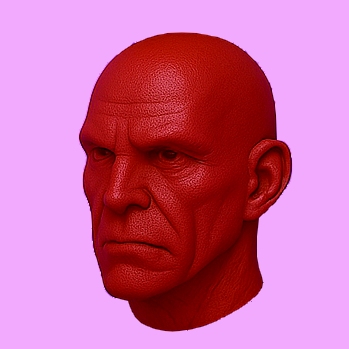
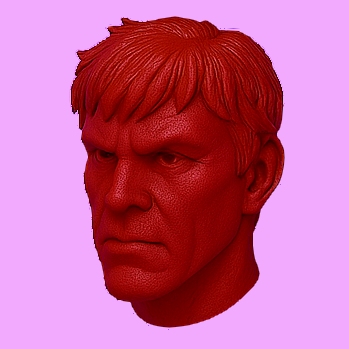
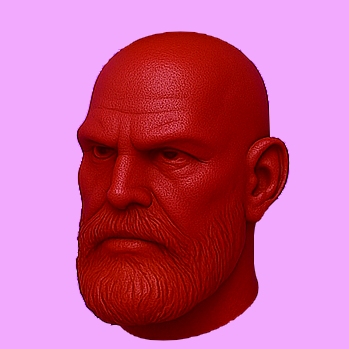
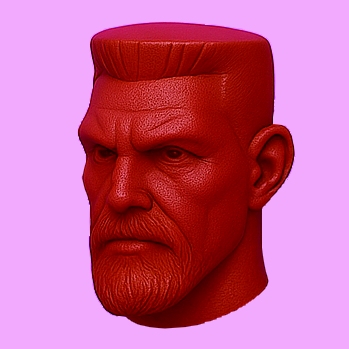
The PDNA (Plastic DNA) is the foundational blueprint that governs the physical traits of all Army Men units. Engineered for mass replication, PDNA encodes a strict set of anatomical proportions, surface textures, and moldable features that ensure visual consistency across ranks. This genetic uniformity is not a flaw but a strategic necessity: in a world of perpetual war, standardization allows for rapid deployment, predictable silhouette recognition, and seamless integration into plastic environments.
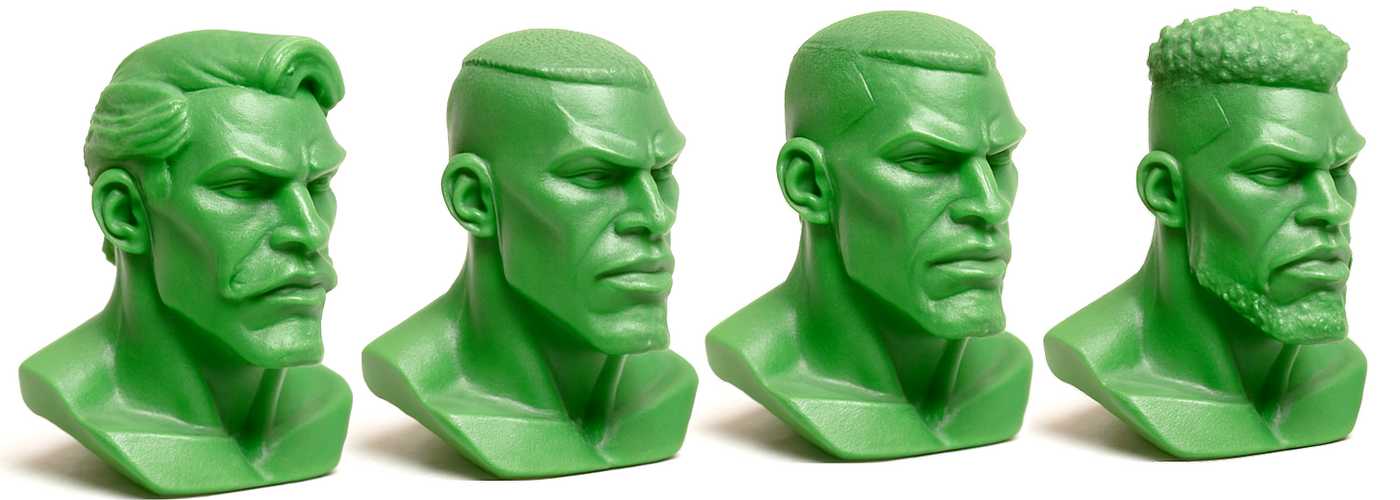
Theorists claim that the G1 plastic soldier’s design is that of a being perfected through a long chain of replications. Compared to humans, the appearance of this genetic clone doesn’t seem as varied. It’s more similar and primordial like the rest of the natural carbon animals of the Real World, where “uniqueness” isn’t the priority, being all similarly. Although, from animals perspective, humans were probably all the same.
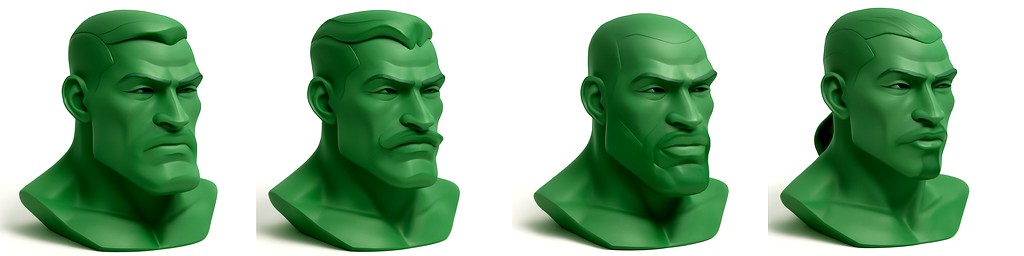
From the rigid posture of infantry to the molded gear embedded in their torsos, every detail is a direct expression of PDNA’s influence. It is what makes them unmistakably Army Men soldiers of plastic, forged for a world where variation is a liability and identity is molded, not born.
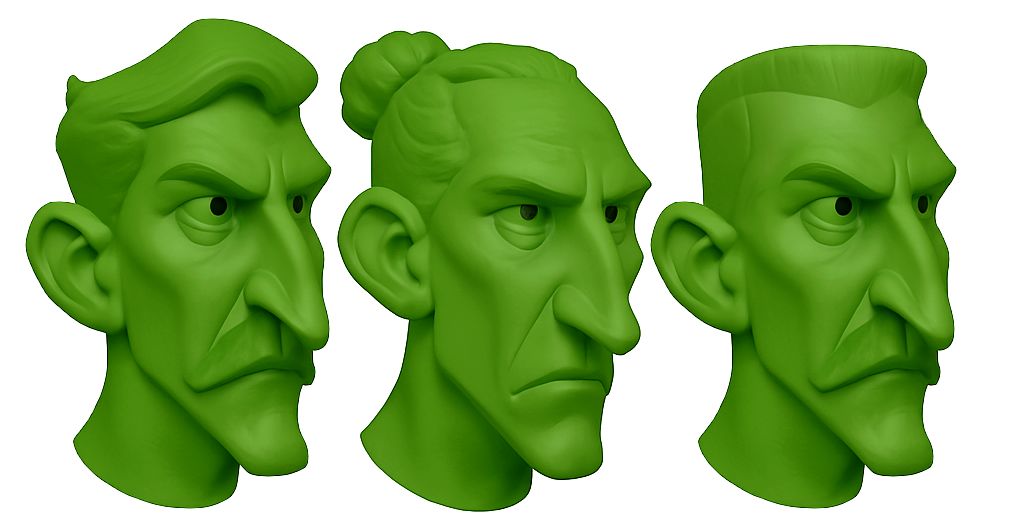
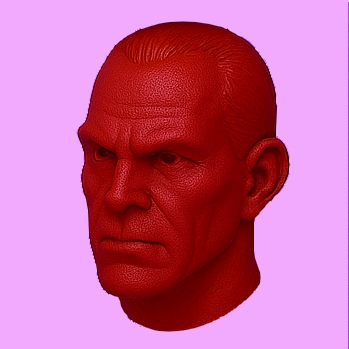
Plastic Traits Encoded in PDNA:
Rigidity Pliability Gene (RPG):
Determines how bendy or stiff a soldier is. Some soldiers have exceptionally flexible RPG, allowing them to perform daring acrobatics during battles on kitchen countertops.
Color Chromatophores:
These genes control a soldier’s color. One of the most iconic characteristics of plastic soldiers is their color. And, in theory, their color is often based on their loyalty to the nation to which their color belongs, as if it were a series of orders intuitively embedded in their PDNA. But over time, this characteristic doesn’t seem to be 100% accurate, as there are some exceptions. Although in reality, it’s something learned later, which replaces and erases their original loyalty for rather an alternative.
Imagination Amplifier Segment (IAS):
Enhances creativity and problem-solving skills. Soldiers with a robust IAS can construct elaborate complex and indestructible forts, just from from paperclips and erasers. But this feature is rather rare in plastic soldiers.
Silliness Quotient (SQ):
Encoded by the “S” base pair, this gene ensures that every Plastic Soldier has a goofy side. Whether it’s telling puns during firefights or doing the “Macarena” behind enemy lines, SQ keeps things lighthearted, highs morale and makes each of them legendary, since a great nation needs unique and memorables heroes (propaganda appreciates it).
PDNA Repair Mechanisms:
PDNA isn’t invincible. When a soldier sustains damage (say, from a rogue animal playful nibble or a dinosaur’s stomp), their repair enzymes kick into action.
These enzymes, affectionately called “Meltase” and “Gluease,” mend broken PDNA strands. Sometimes, they accidentally fuse unrelated segments, resulting in soldiers who can quote Shakespeare while wielding a plastic bazooka.
Evolution and Adaptation:
Over generations, PDNA evolves. Plastic Soldiers adapt to new environments, such as the treacherous terrain of the laundry room or the perilous depths of the couch cushions. New scientific discoveries brought from the Real World, and even from space, bring favorable improvements that help the Army Men survive both in battle and in the hostile environments of other worlds.
Soldiers with advantageous traits (like UV resistance or dishwasher-safe coatings) thrive, while those with less fortunate mutations (such as a tendency to melt near radiators) become melted legends in toy folklore.
Conclusion
This human fanciful PDNA invention maybe isn’t bound by the laws of physics of their world. Maybe it dances to the rhythm of childhood play and the joy of imagination of the lost humans. There are so many unsolved questions given the complexity of the PDNA and its incredibly small size, almost impossible to observe or manipulate, that as you can see… many The Maker believers fill in the gaps with their own explanations, which although they may not sound correct, for now they fill the empty spaces in the scientific understanding of the Plastic World and the Toyverse… let’s hope that one day those questions will find an answer.