The process of creating an illustration does not end with the first stroke. Every visual piece goes through different stages of transformation, maturation, and refinement. What begins as a set of loose lines on paper can evolve into a complex digital scene with depth, color, textures, and three-dimensional elements.
Below, we explore step by step how a simple idea becomes a finished work of art.
The Creation of a Forgotten Jungle
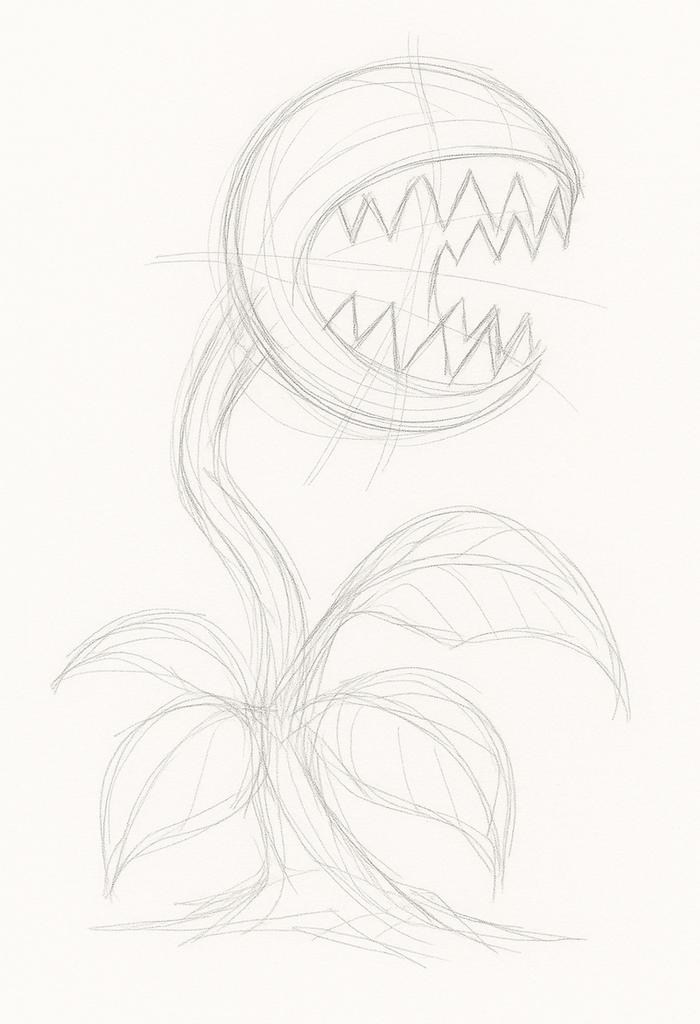
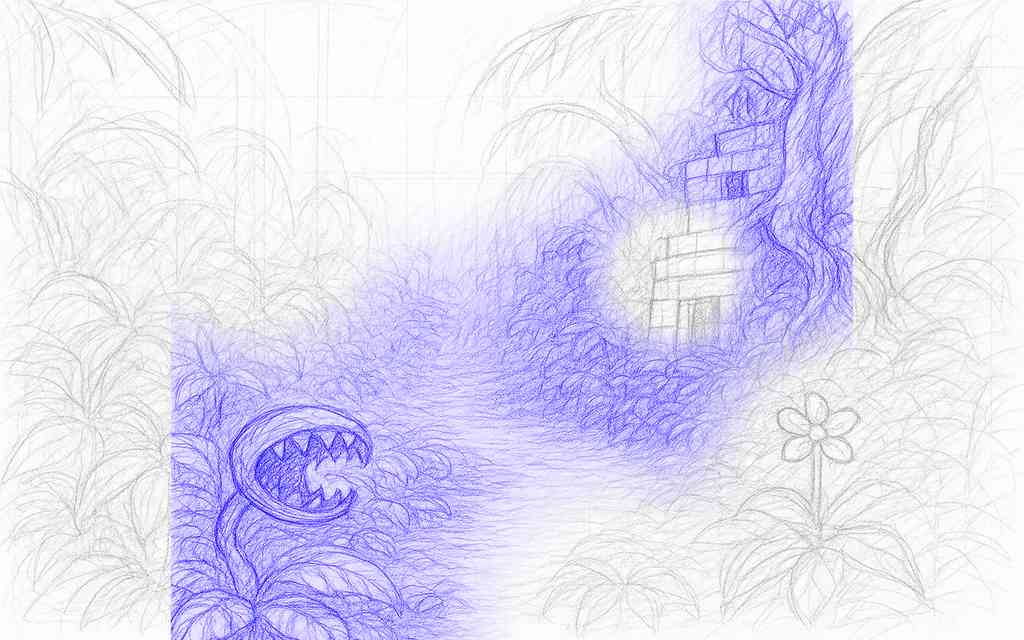
The process of this piece begins with the carnivorous plant, first conceived as a basic sketch with guiding lines. The initial strokes, just a skeleton of geometric shapes, captured the essence of its silhouette: the twisted stem, the oversized mouth, and the sharp teeth. Little by little, the drawing was refined until it gained volume, detail in the leaves, and a posture that conveys tension and aggressiveness. This creature became the central axis of the composition.
From Sketch to Complete Artwork: The Creative Journey of a Digital Illustration
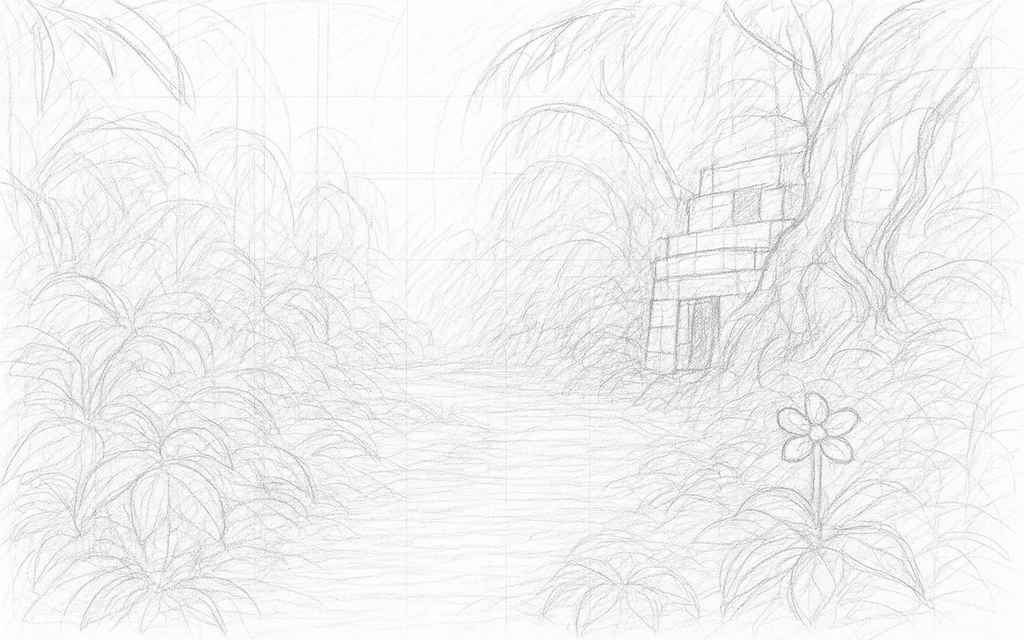
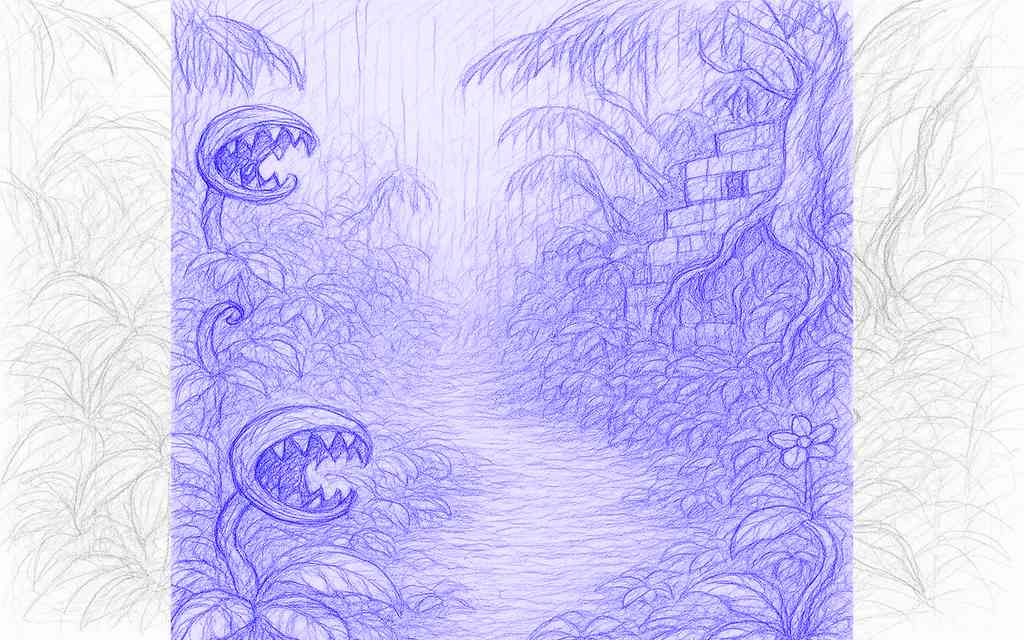
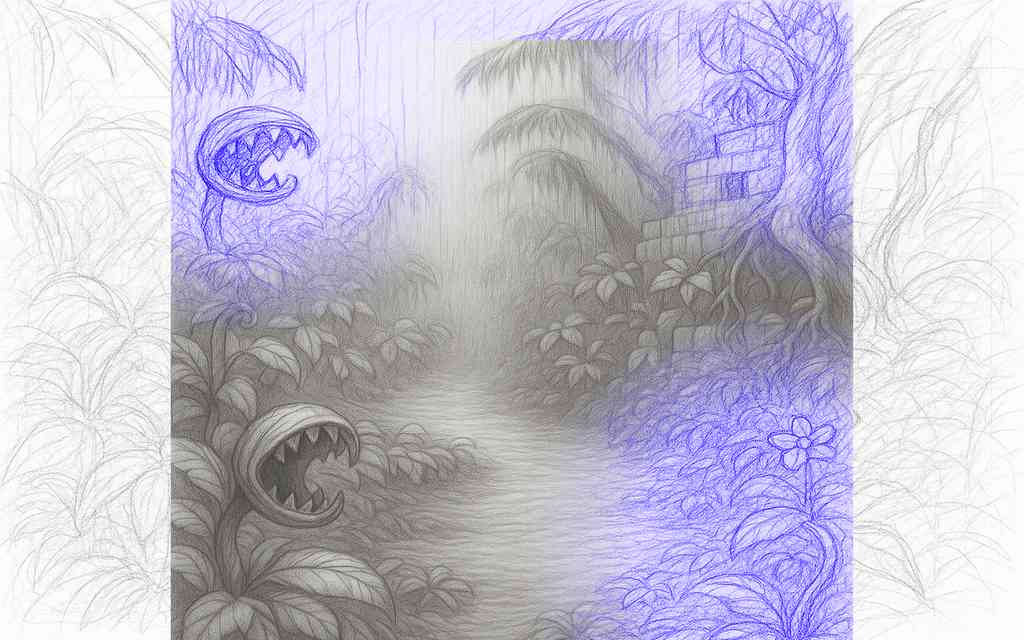
With the base defined, the work progressed to the construction of the narrative environment: a dense jungle crossed by a river or spring flowing through the center of the scene. The vegetation grew in complexity: scattered flowers, trees with exposed roots, and an ancient temple made of massive stone blocks, hidden among the undergrowth. This drawing stage served to establish the visual structure of the piece, defining the relationship between the elements and the balance of the composition.
Slide from one image to another to compare
Slide from one image to another to compare
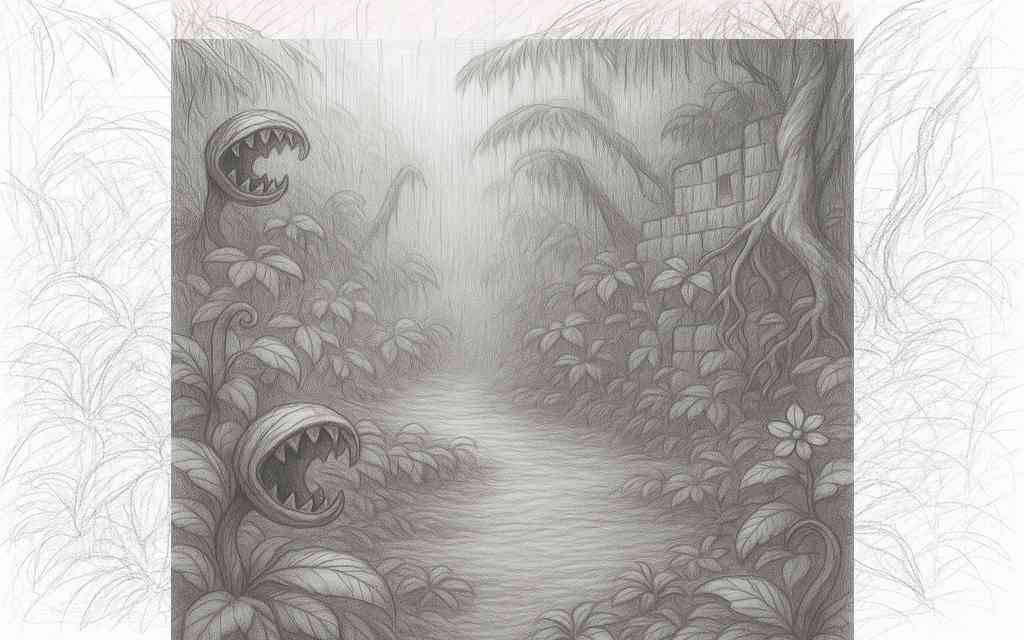
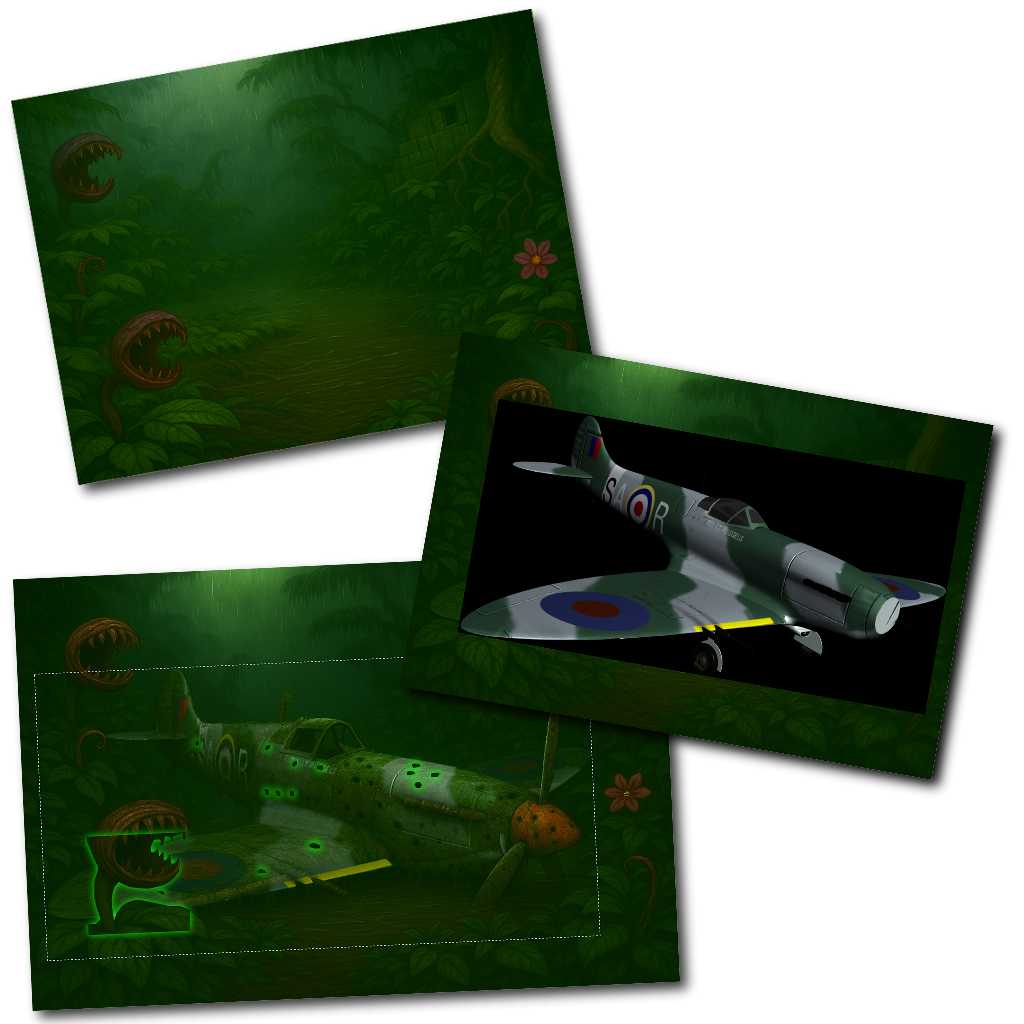
The next step was digital painting, where the setting gained life and atmosphere. Through layers of color, a humid, dark, and greenish environment was created, typical of a dense and oppressive jungle. The contrast between filtered light and deep shadows added depth and drama, enveloping the carnivorous plant and the temple in a mysterious ambience.
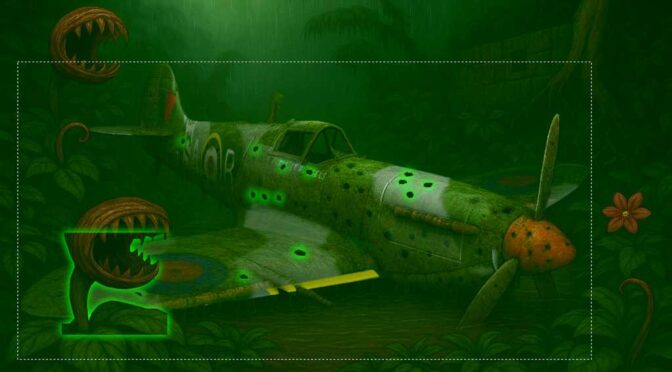
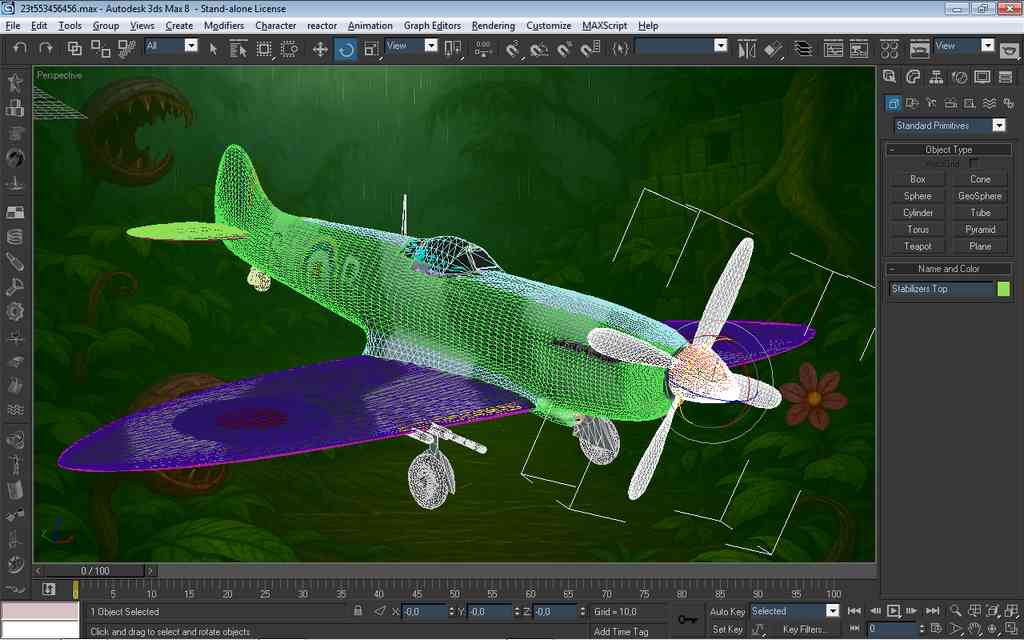
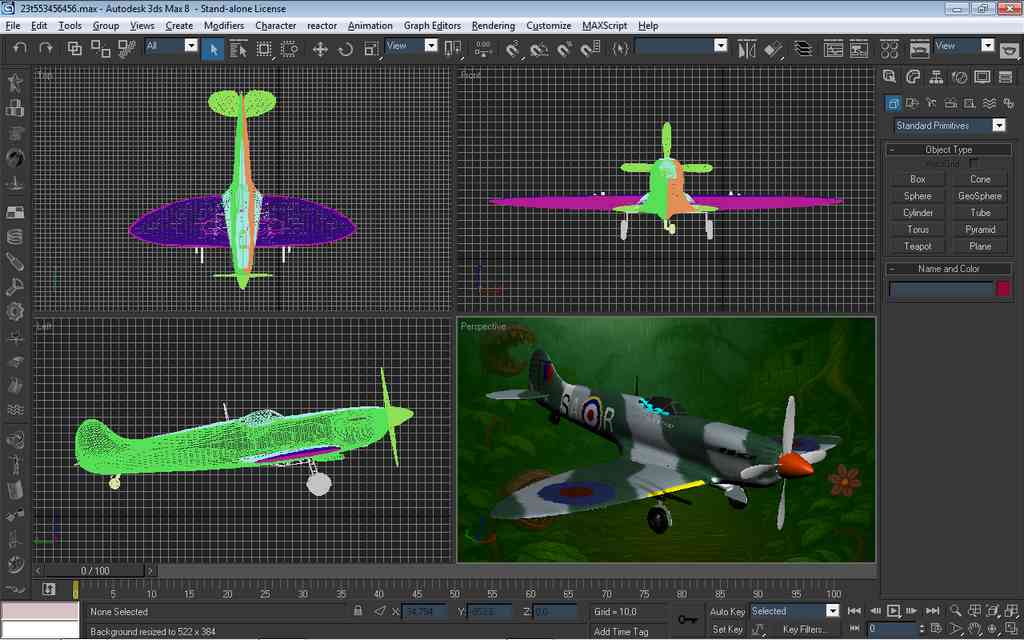
The piece evolved even further with the incorporation of a 3D model of the Spitfire of Flight Lieutenant Ruggels. Far from standing out as an external object, it was integrated into the visual narrative.
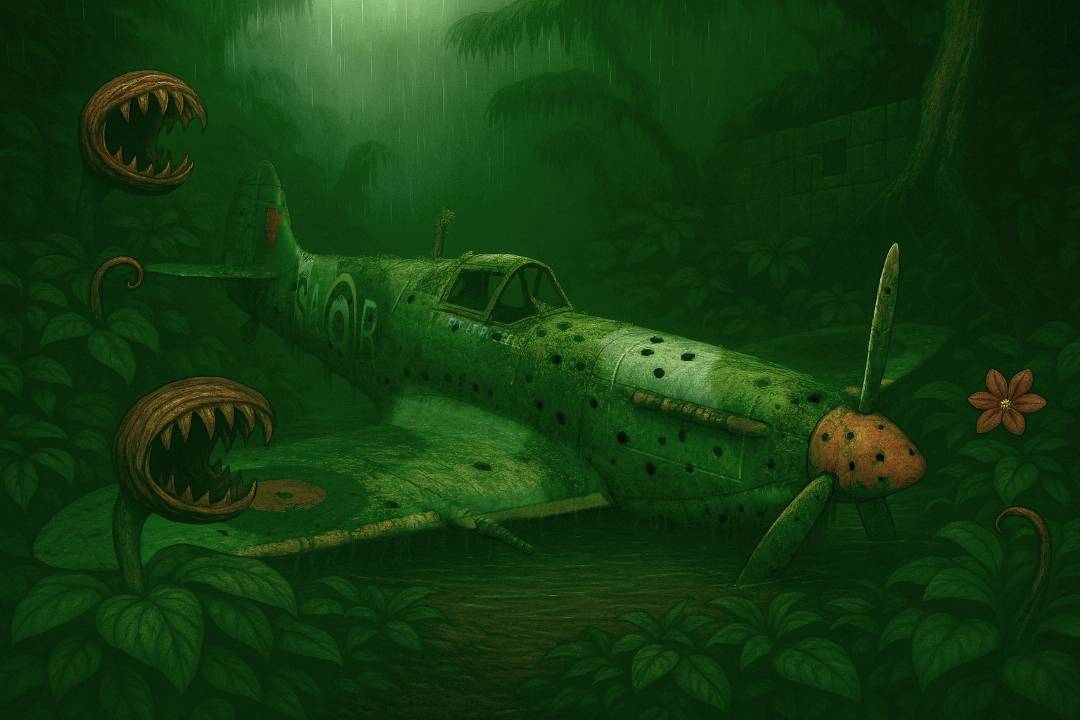
The fuselage was damaged by bullet holes, evidence of its violent fall.
Moss and vegetation had grown over its surface, symbols of the relentless passage of time.
The dents and metallic wear reinforced the idea of a war relic abandoned in the jungle.
In the post-production phase, plants in the foreground and overlapping vegetation were added to the 3D model, softening its outline so that it blended with the pictorial style of the illustration. Adjustments of color, texture, and line ensured that all the elements coexisted within a unified aesthetic.
The final result is a piece that tells a story without words: the confrontation between man’s destructive force and the resilience of nature. What began as simple sketch lines transformed into a cinematic and conceptual scene, where time, the jungle, and the remnants of the past interact in a visual balance full of mystery.
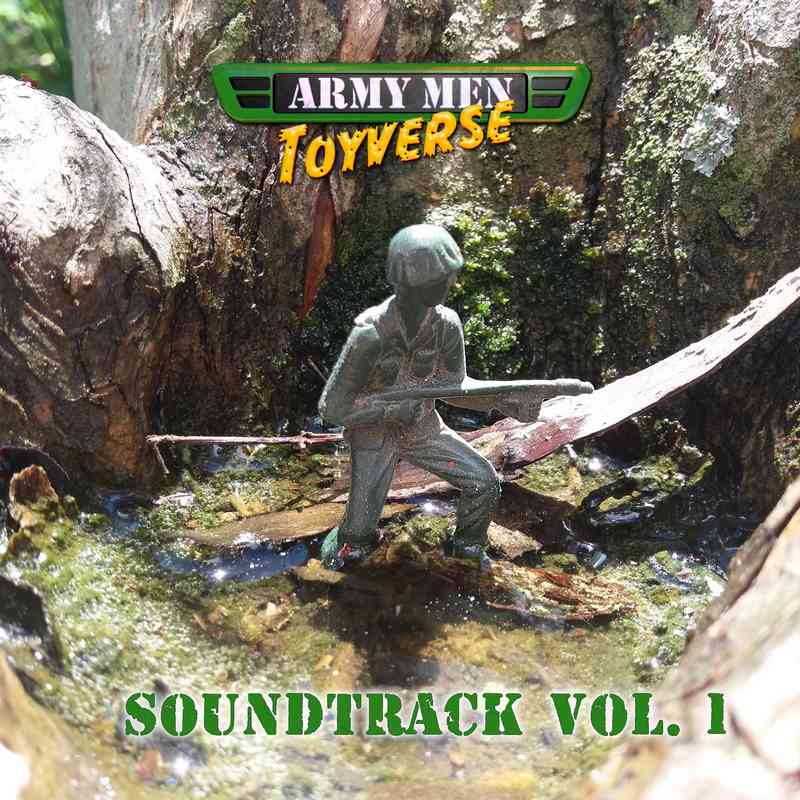
This is the work in progress of our first Soundtrack album, Volume 1.
Vol. 1
Album cover
These compositions are influenced by soundtracks from previous games, and the originals have elements of military marches, film soundtracks, orchestras, etc. In some cases, music with electric guitars, as in games like Sarge’s Heroes 1 and 2. On the other hand, there is a great influence of ambient music, or ambient sound.
Vol. 1 – Track 01 “All hope is lost for the Army Men / Hawk is back”
Vol. 1 – Track 02 “Green Alpine March”
Vol. 1 – Track 03 “Frankenstein”
Vol. 1 – Track 04 “Cowboys RTS”
Vol.1 – Track 05 “Omega Protocol”
Vol. 1 – Track 06 “Omega Arrives”
Vol. 1 – Track 07 “The Penitent’s March”
Vol. 1 – Track 08 “Plastic Soldiers March”
Vol. 1 – Track 09 “Good ol’ tank enters the battle”
Vol. 1 – Track 10 “Grey Pavement”
Vol. 1 – Track 11 “Metal from Above”
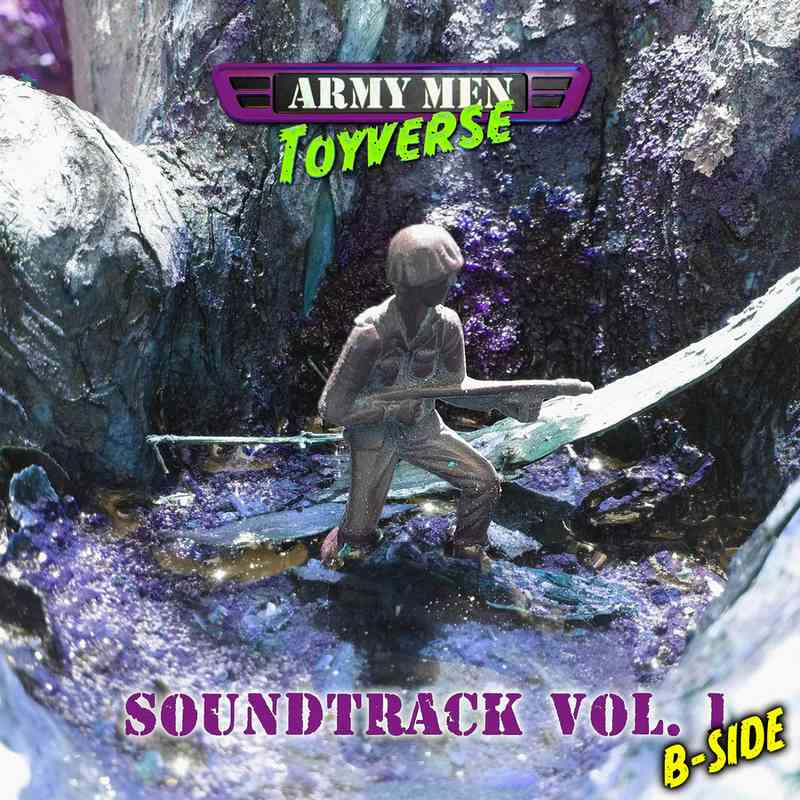
Vol.1 – B-Side
Side B cover
The B-side are variations of the soundtracks from volume 1, for alternate or themes scenes.
Vol. 1 Side B – Grack 03b “Frankenstein Castle”
Vol. 1 Side B – Grack 05b “Omega arrives to the Western World”
Vol. 1 Side B – Grack 06b “Omega arrives to the 8 bit world”
Vol. 1 Side B – Grack 07b “Omega arrives to the Medieval World”
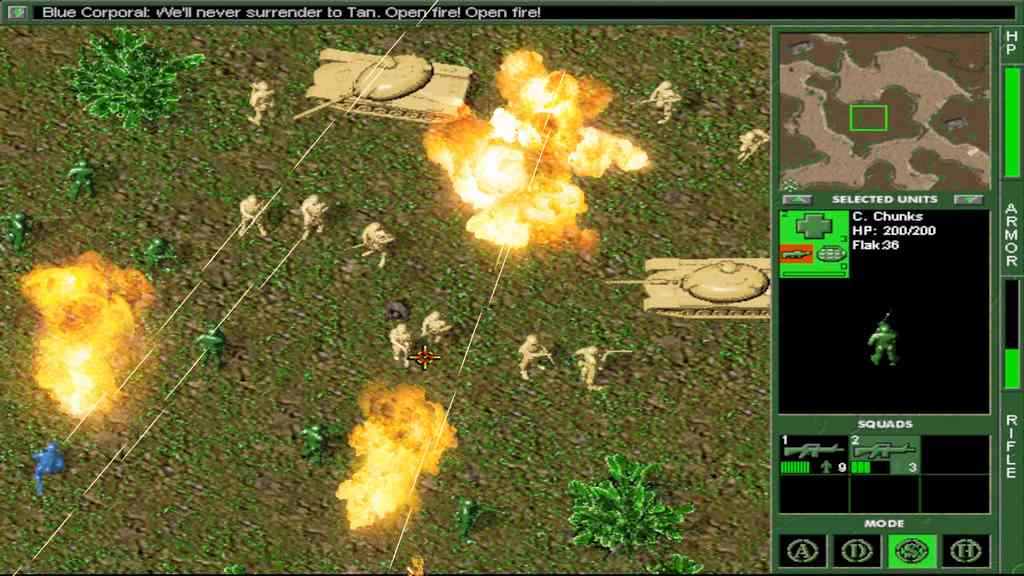
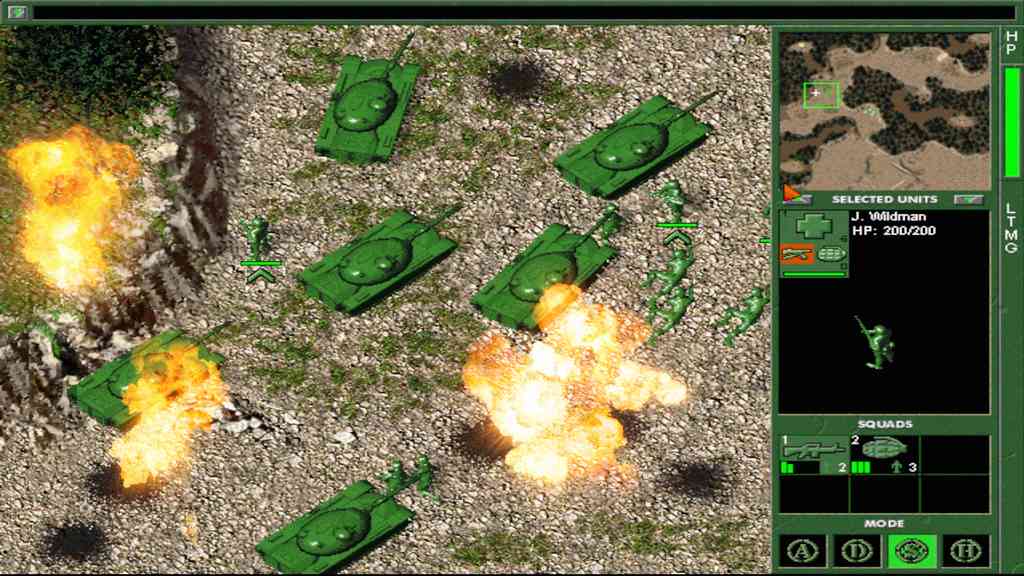
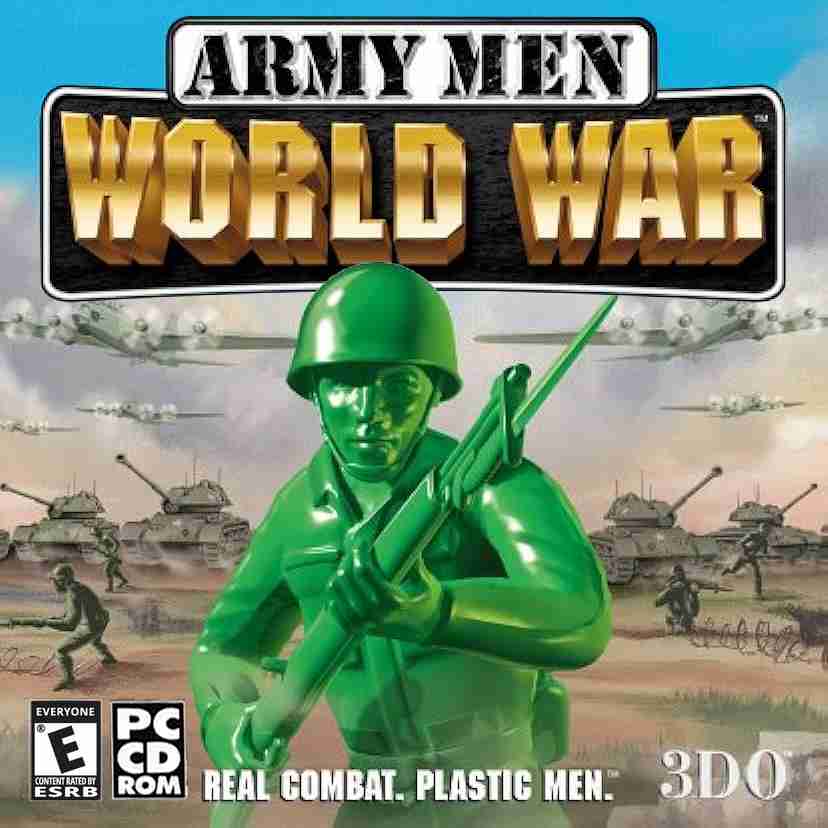
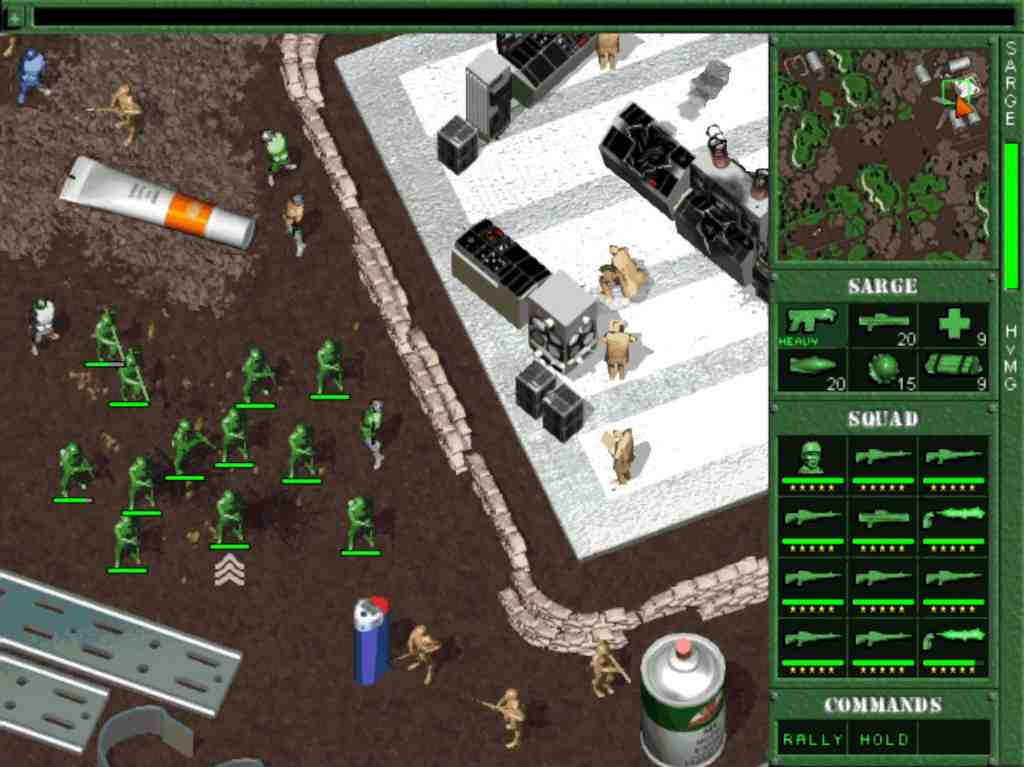
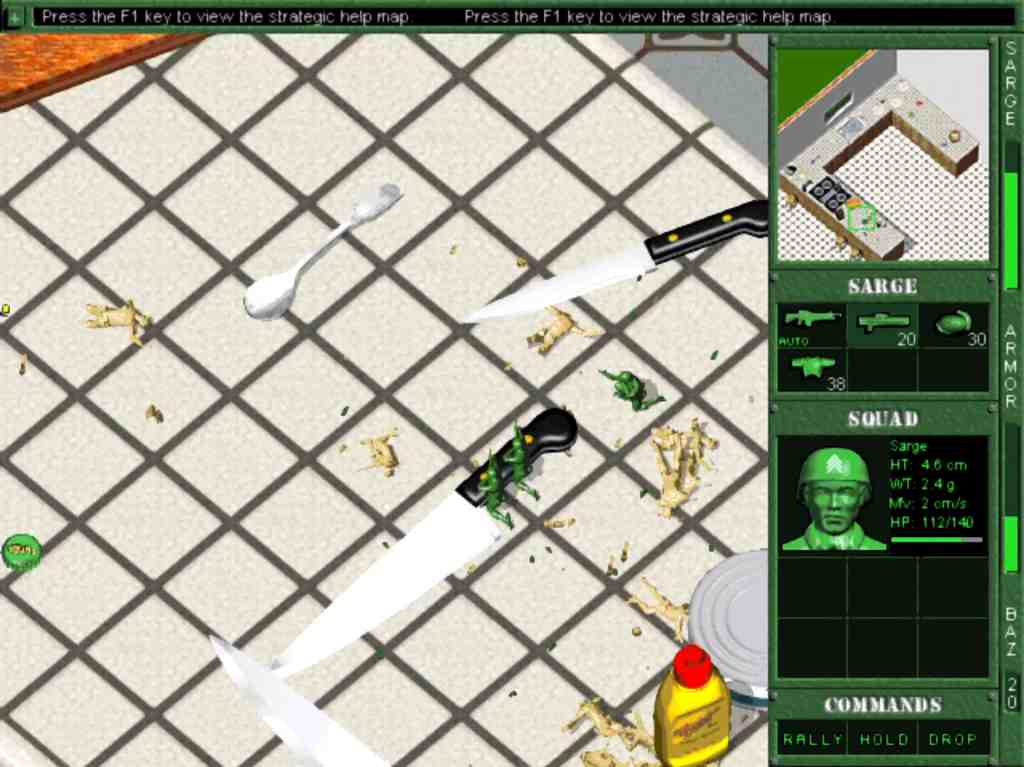
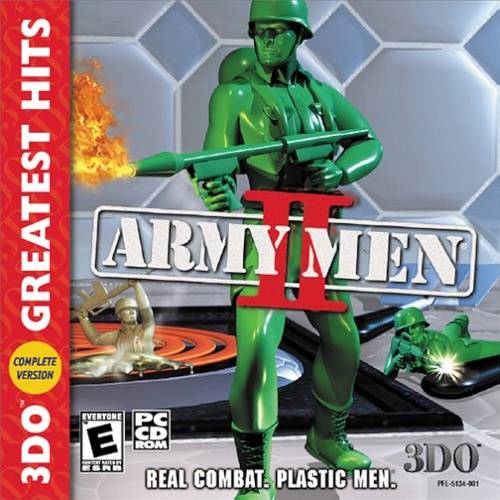
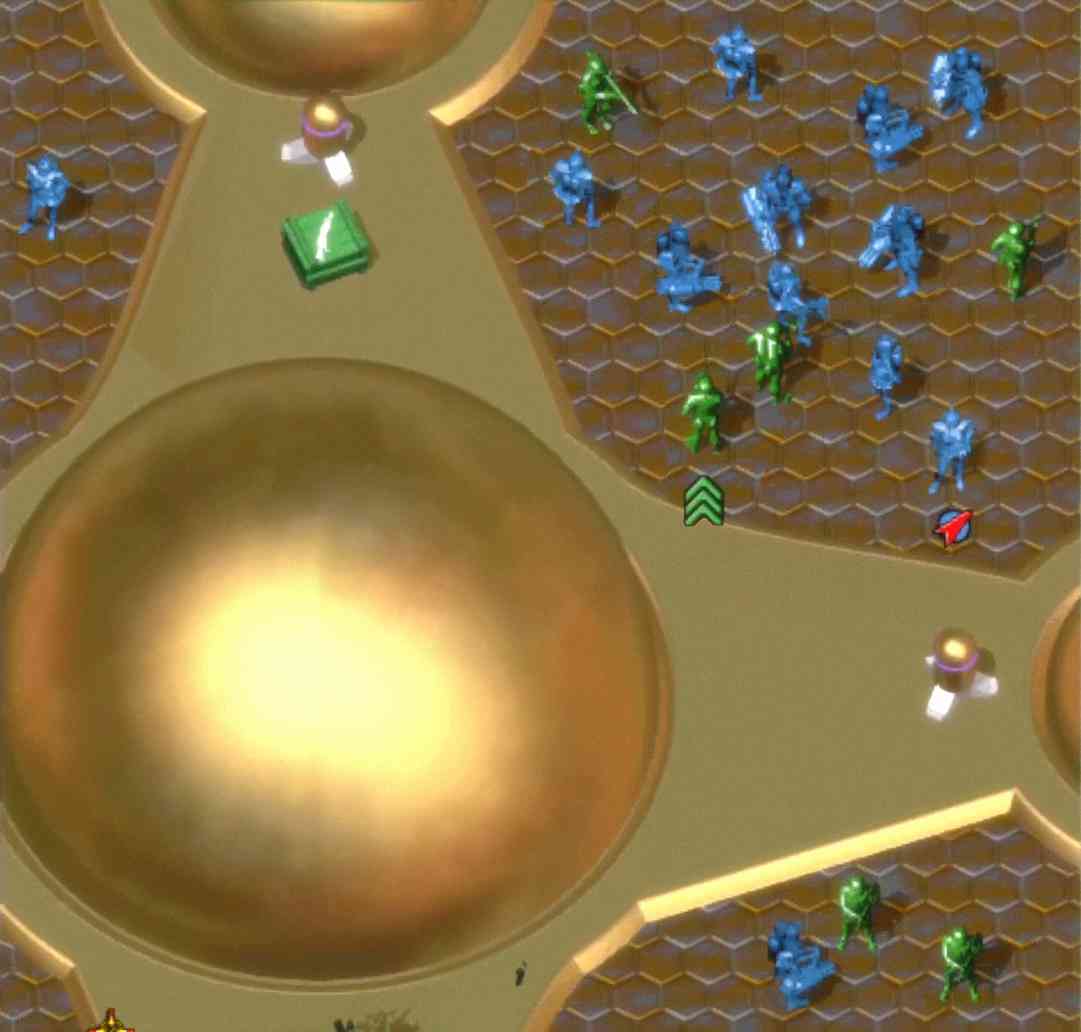
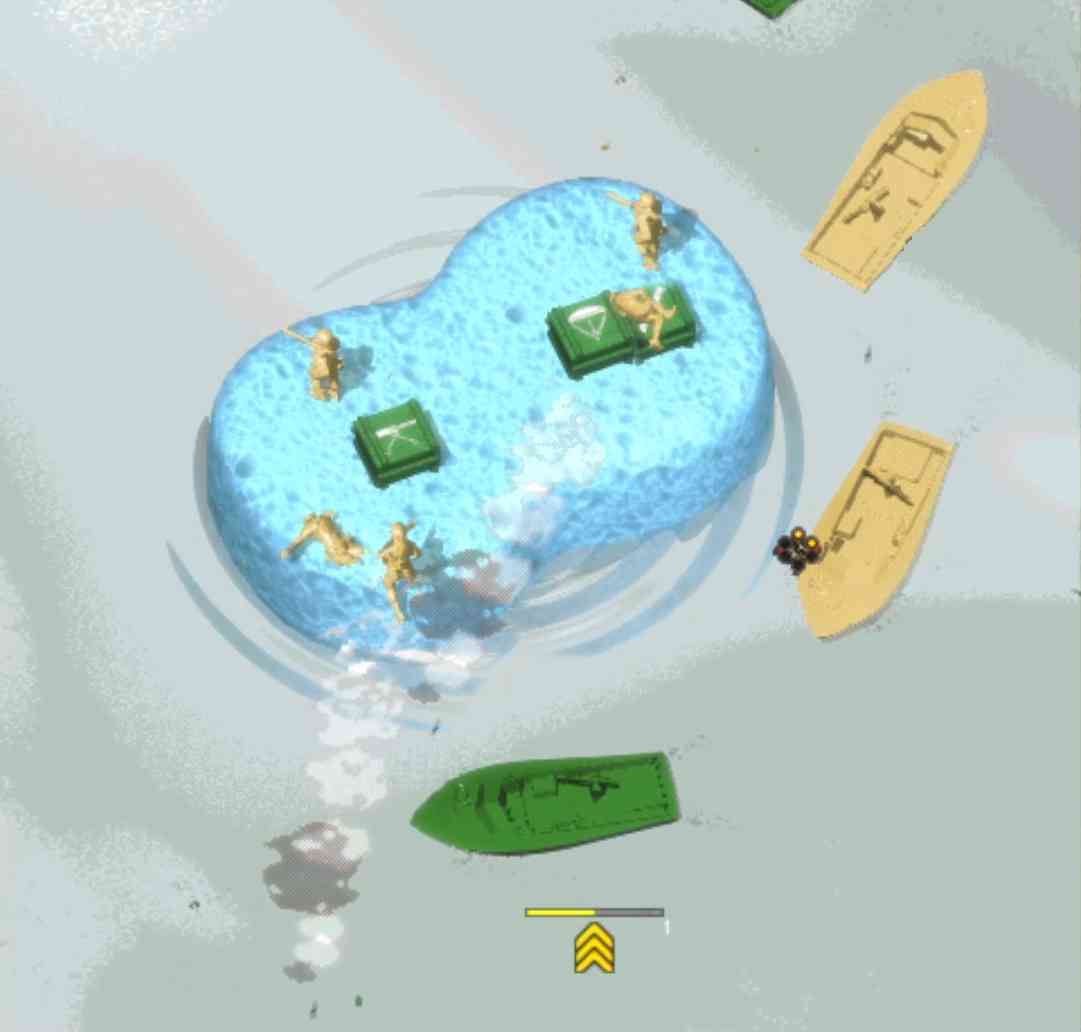
The first Army Men games, Army Men (1998), Army Men II (1999), Army Men: Toys in Space (1999), Army Men: World War (1999, PC version), and Army Men: Air Tactics (2000) were developed by The 3DO Company during the late ’90s. These titles were created for PC, though some would later be adapted to consoles.
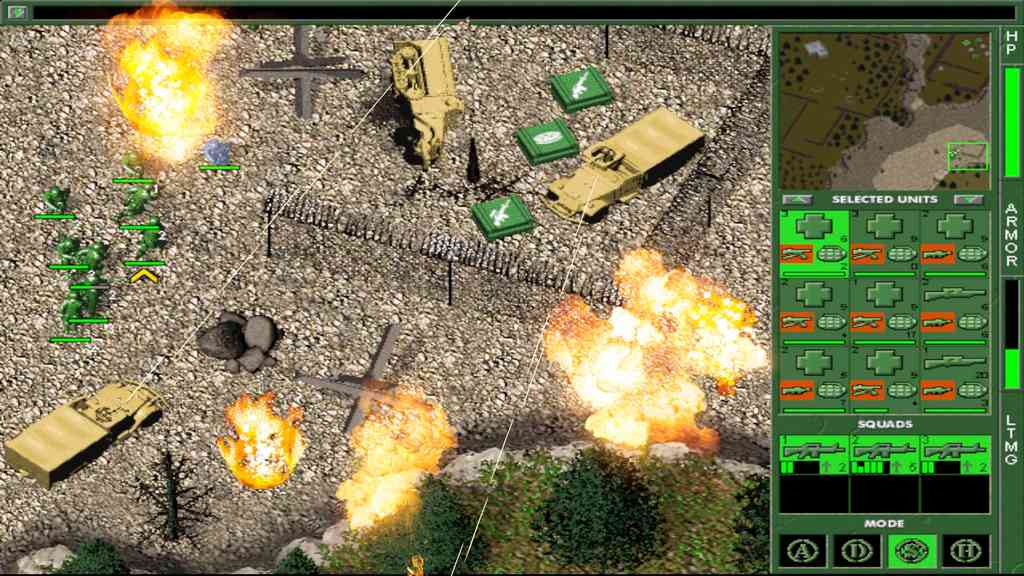
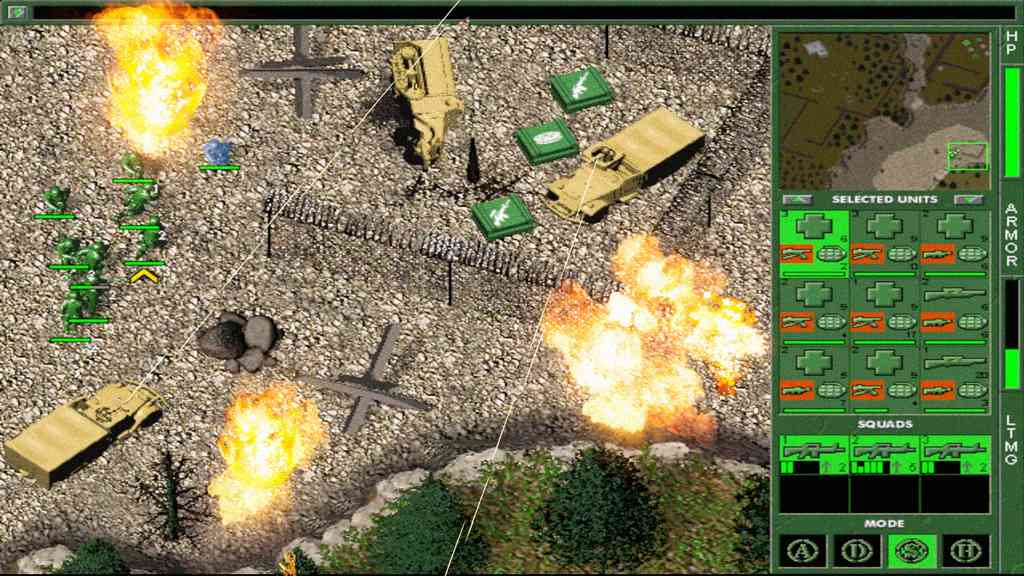
Army Men World War for PC
At the time, 3DO’s internal development relied heavily on a mix of 3D modeling tools, custom engines, and asset pipelines tailored for low-end consumer hardware. Each game was built with a relatively short development cycle (often under a year) requiring assets reuse, modular design, and a streamlined production process.
Army Men ll
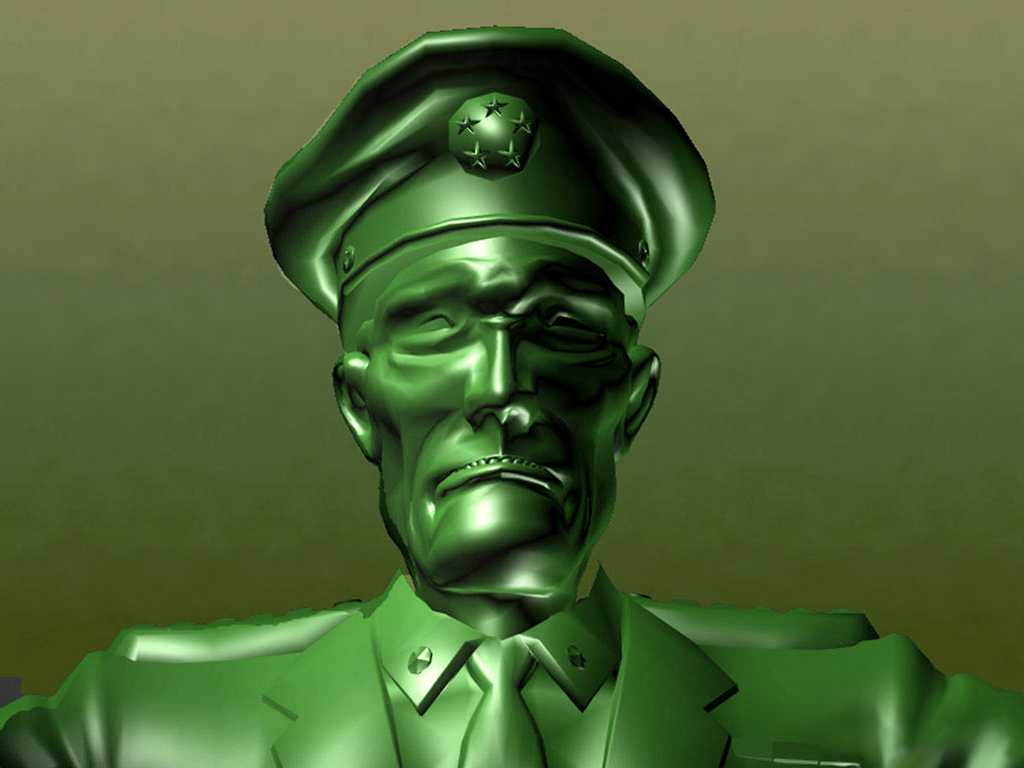
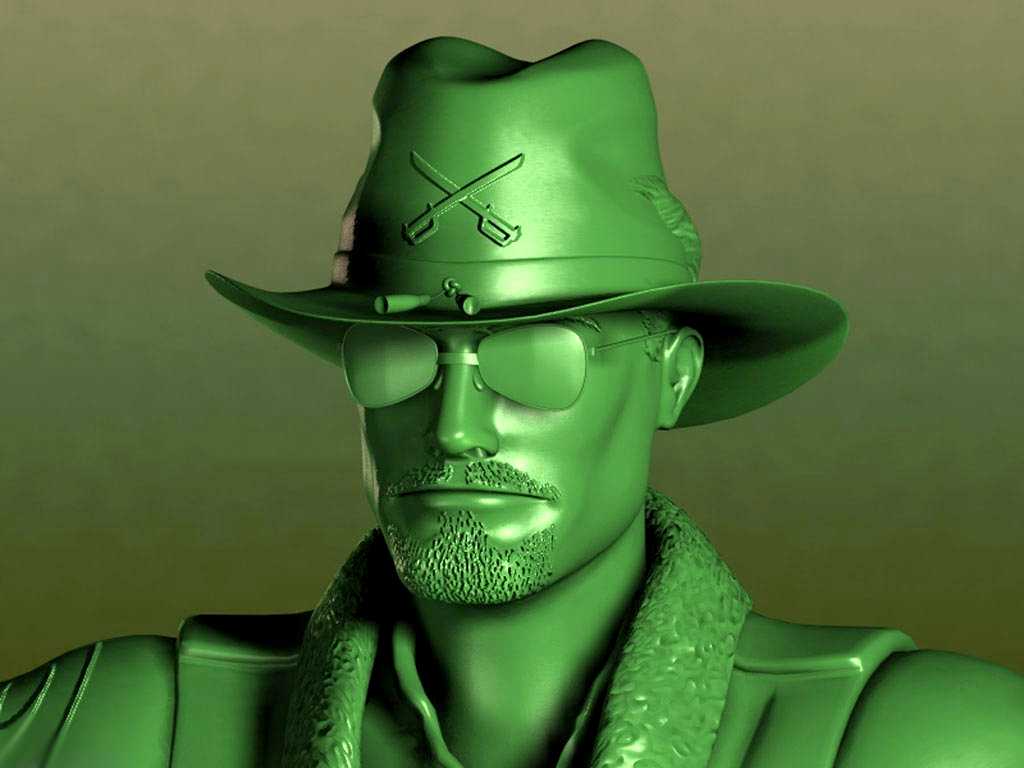
The visual style combined pre-rendered 3D elements (created in 3D Studio Max software) with in-game sprites and textures, carefully optimized to run within the memory and performance constraints of computers of the time. Meanwhile, cutscenes and promotional material often featured higher-quality renders that were directly representative of in-game graphics.
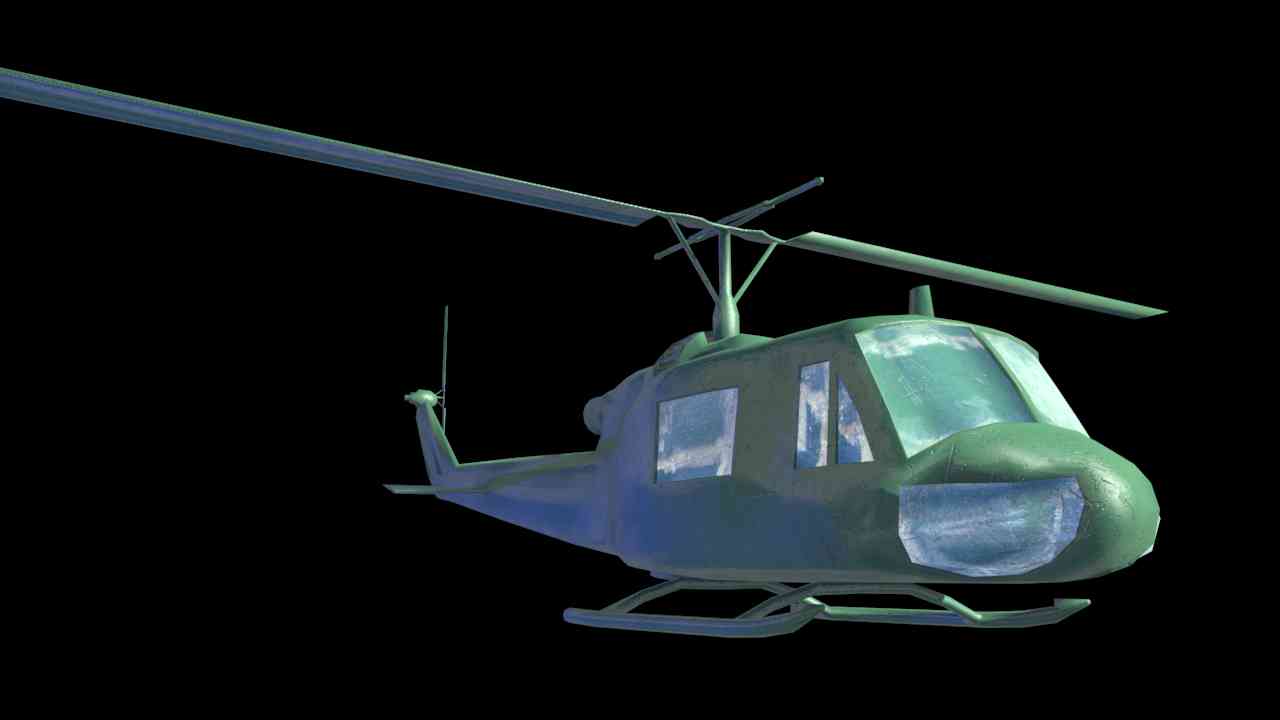
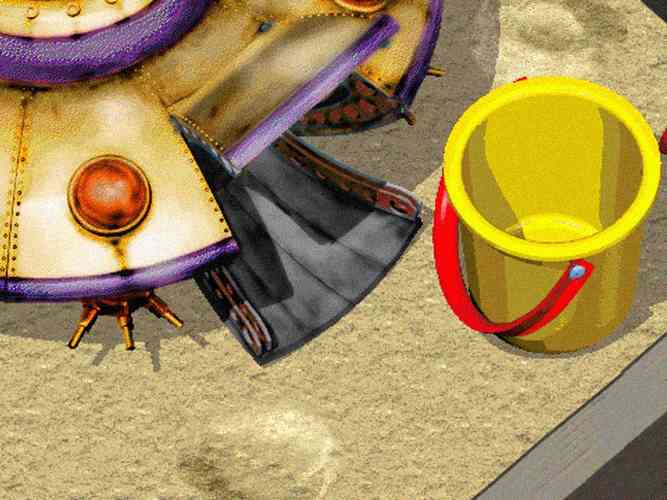
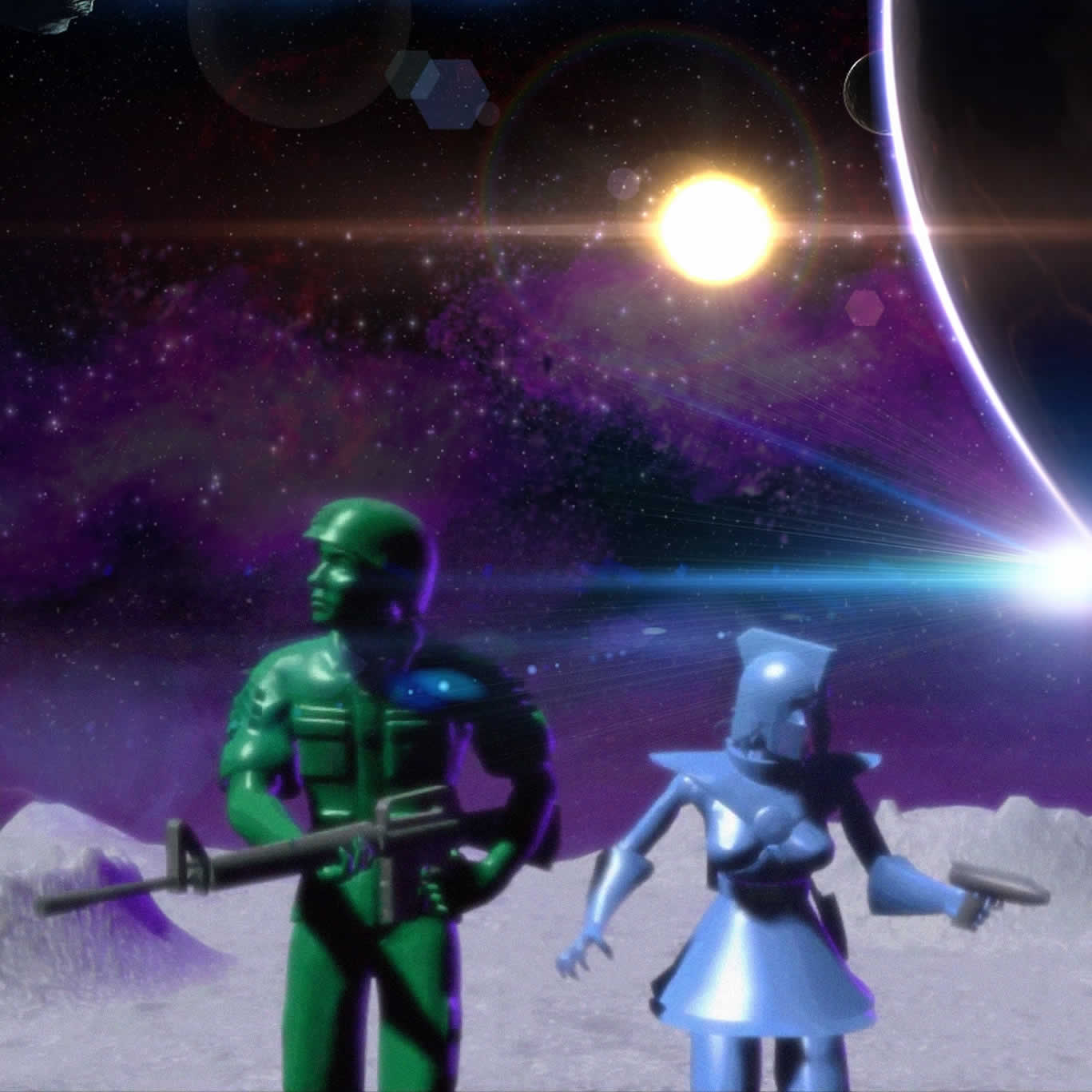
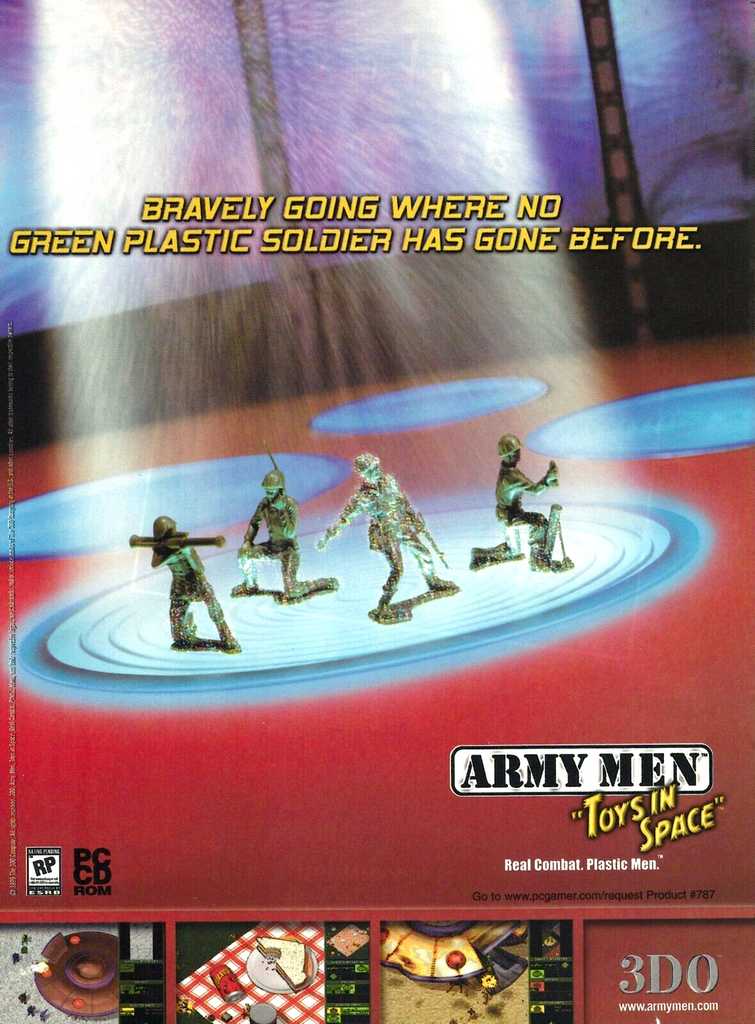
Army Men Toys in Space HueyArmy Men Toys in Space Wallpaper Sarge & Tina TomorrowArmy Men Toys in Space. Star Trek themed posterArmy Men Toys in Space
The combination of these production methods, rapid iteration, and the particular creative direction of 3DO’s art team gave the early Army Men titles their distinct aesthetic… halfway between miniature toy realism and stylized video game worlds.
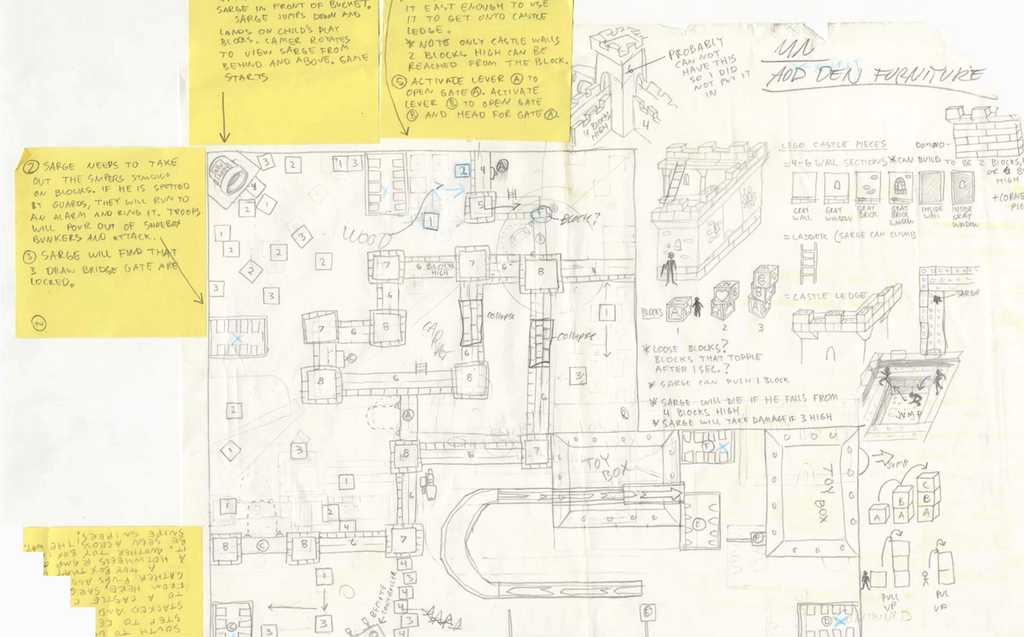
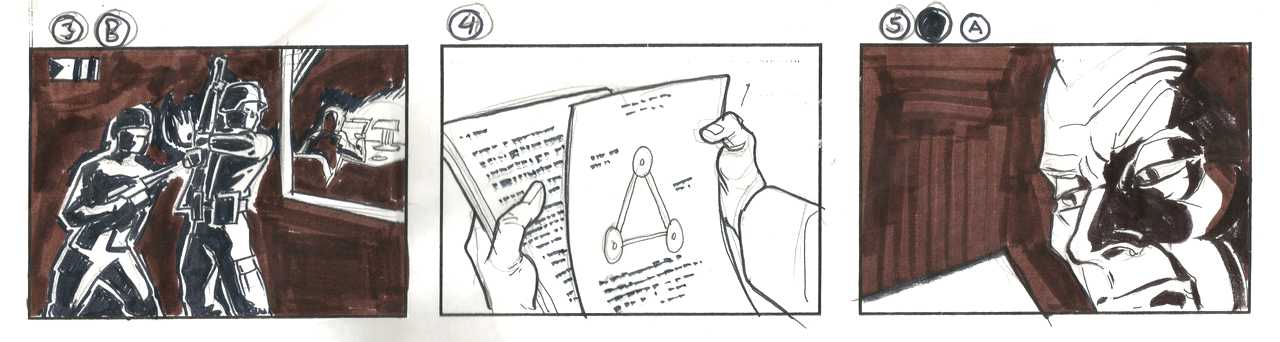
1. Concept and Scripting
Designers began with a concept document defining the environments, enemies, mission objectives, and available weapons.
These documents were usually very functional, focusing on mechanics before narrative (although Toys in Space and Air Tactics had more elaborate storylines).
The narrative script and dialogues were written in parallel with level planning so the story wouldn’t interfere with technical limitations.
2. Creation of 3D Assets
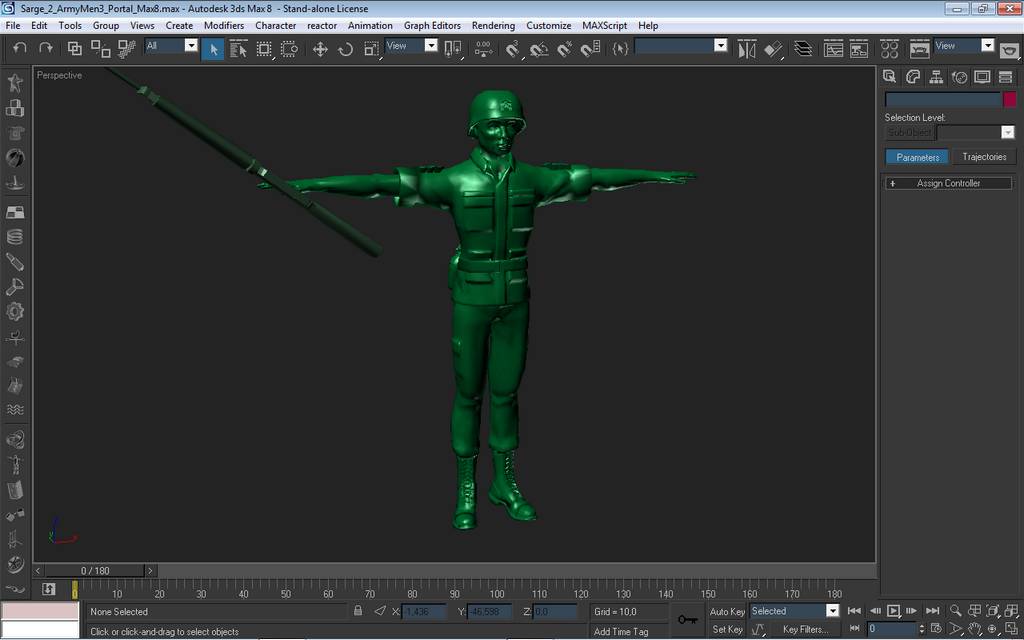
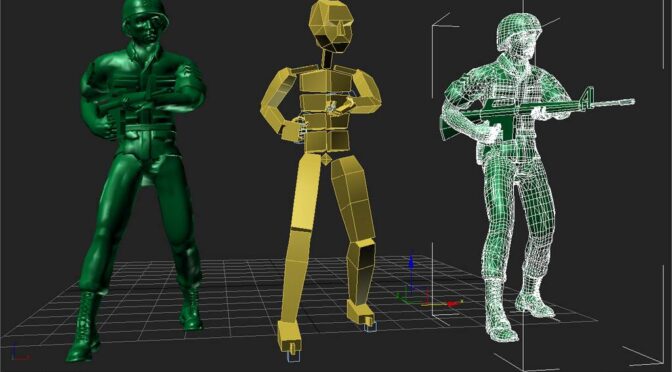
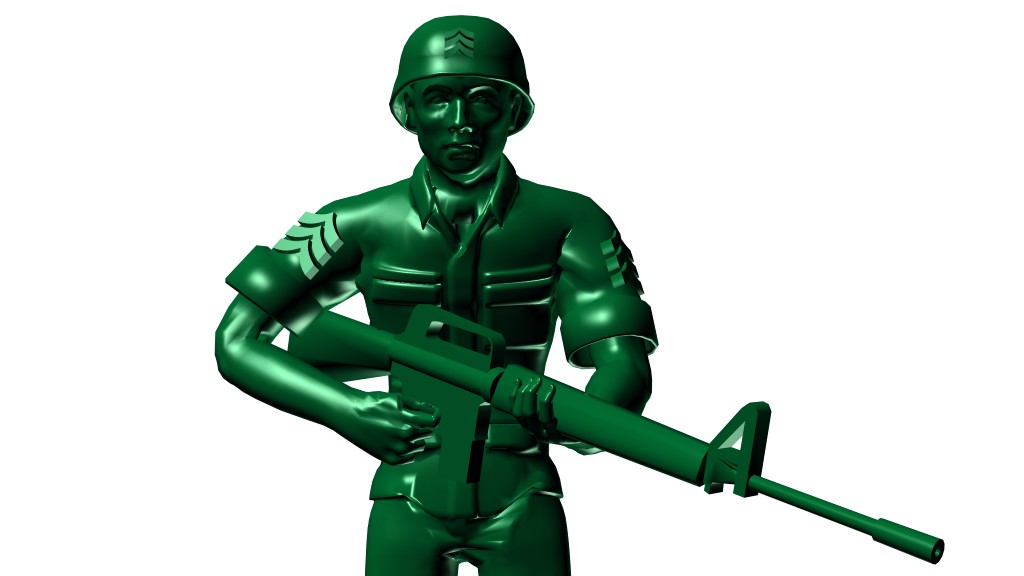
Models of soldiers, vehicles, and environments were made in 3D Studio Max.
Sarge 3D model from Army Men Toys in Space
Although the final game used highly simplified sprites, high-quality 3D model versions were created for marketing renders and cutscenes.
The models were “baked” into sprites or textures, trimming polygons and reducing color palettes to fit within RAM and VRAM limits at the time.
It’s important to note that the 2.5D Army Men games were developed exclusively for PC; console versions used different adaptations of the game engine and design approach.
So… how?
2.1 – 3D Modeling and Texturing
The visual production of the early Army Men titles was a meticulous and multi-step process that combined 3D modeling, detailed texturing, and careful sprite rendering. Development teams began by designing each character, vehicle, and object as a fully realized 3D model in 3D Studio Max. These models were built with more geometric detail than the final games would ever display, ensuring that the rendered sprites would look crisp and convincing even at the relatively low resolutions of late 1990s PC games.
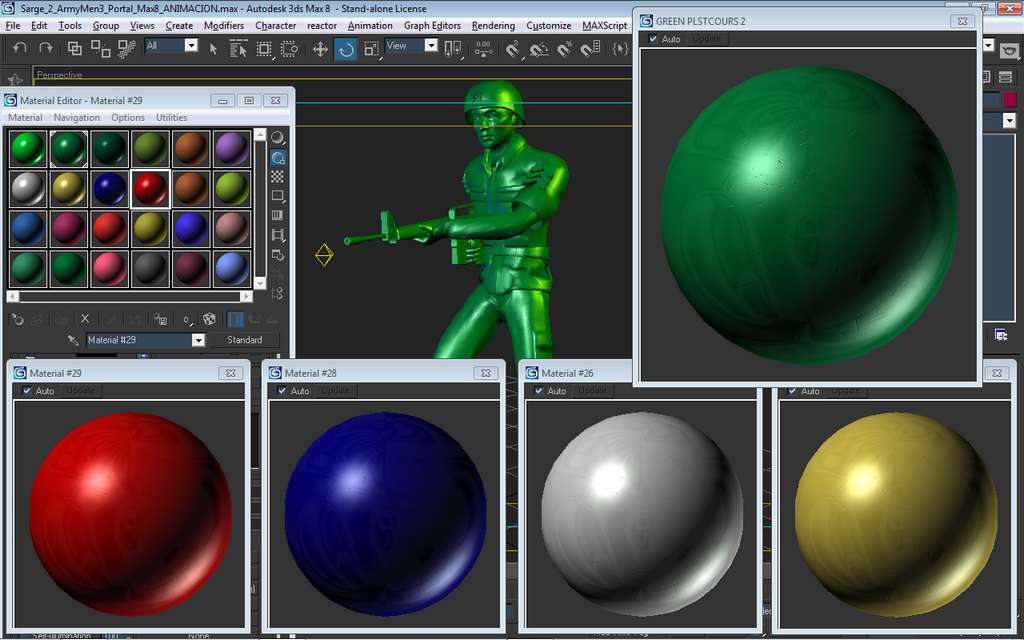
Textures were then painted by hand or derived from scanned materials, giving plastic surfaces their distinctive molded look. Special care was taken to simulate the subtle light diffusion and shading characteristics of plastic, which gave the Army Men their iconic, toy-like presence. Vehicles, buildings, and environmental props followed the same pipeline, often modeled with exaggerated proportions to read clearly from the game’s fixed viewpoint.
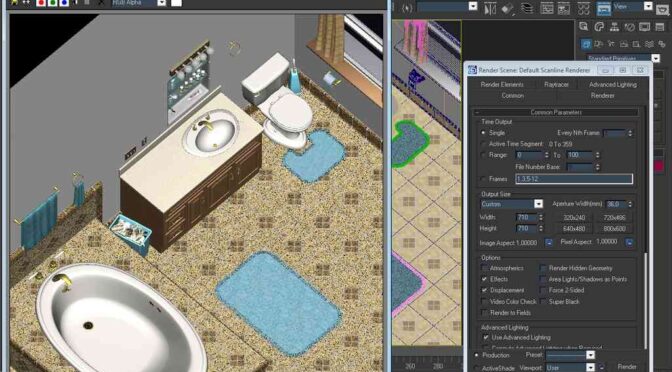
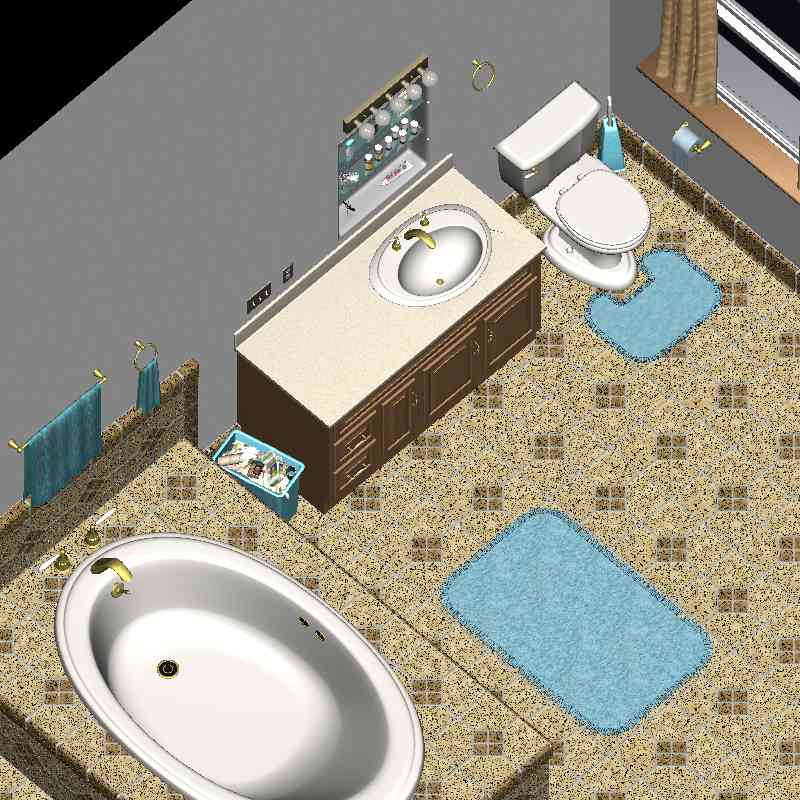
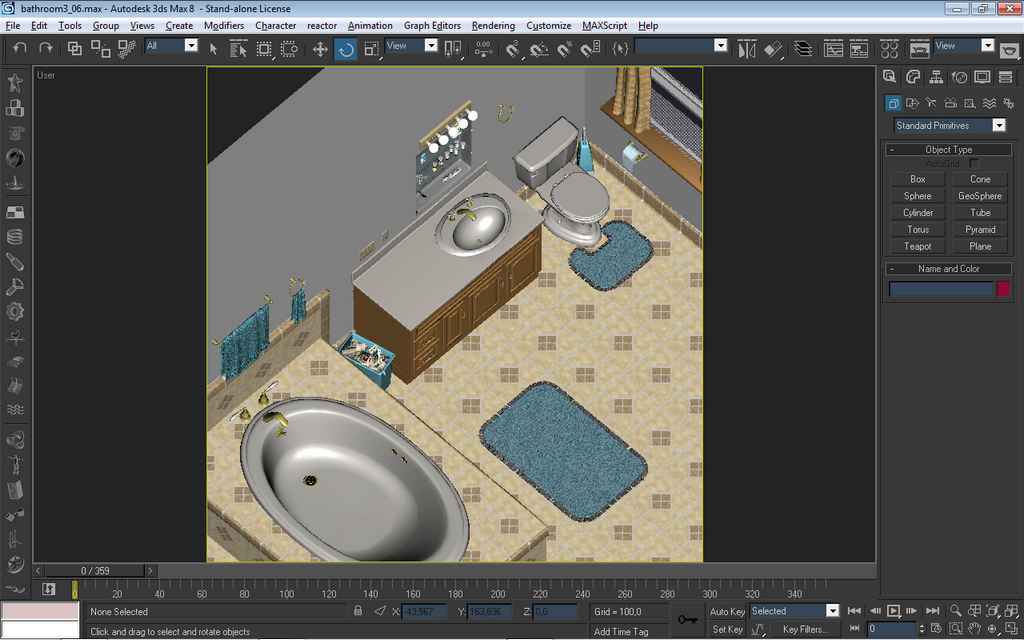
Floor mosaic hand made digital imageThe mosaic texturing the bathroom
The process began in 3D Studio Max, where artists modeled soldiers, vehicles, weapons, and environmental props in full 3D.
Although the game ultimately used sprites (2D images), the models were initially built with full geometry, high-resolution textures, and realistic proportions for marketing renders and cutscenes.
Textures were painted by hand or generated from photographic references, then downscaled and palette-limited to fit the technical constraints of the game engine (often 256 colors per set).
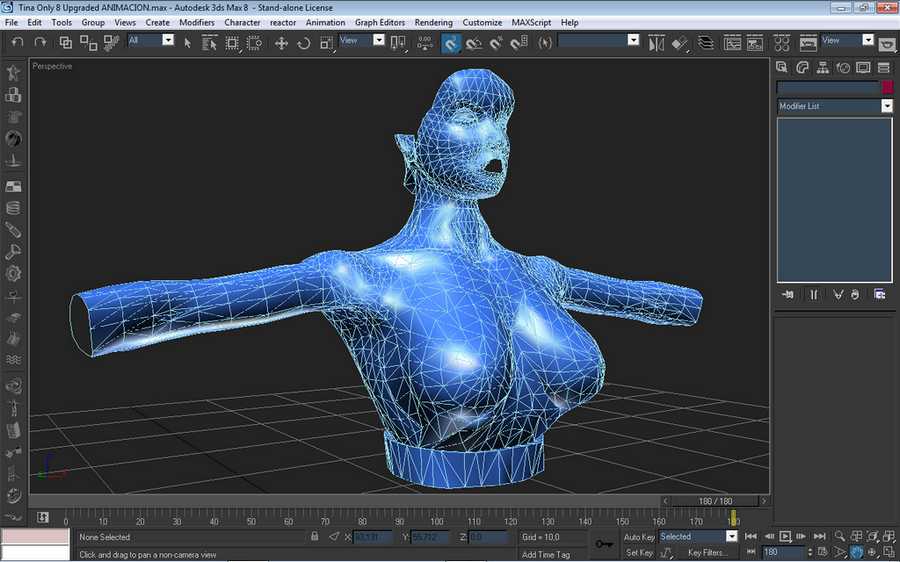
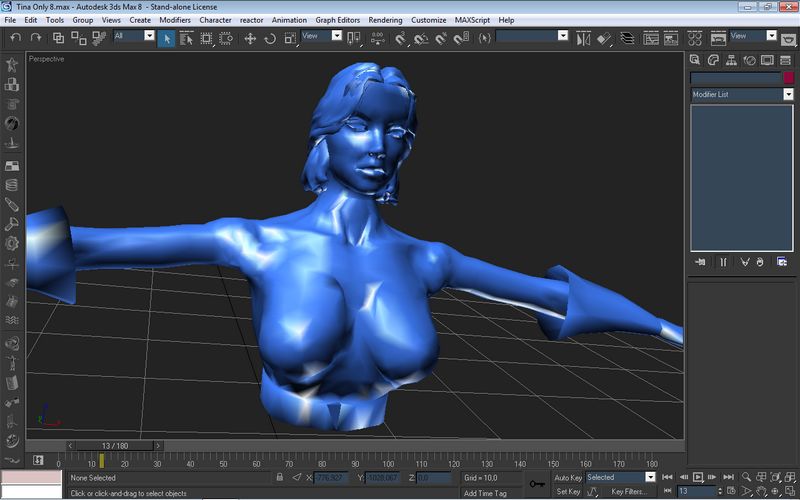
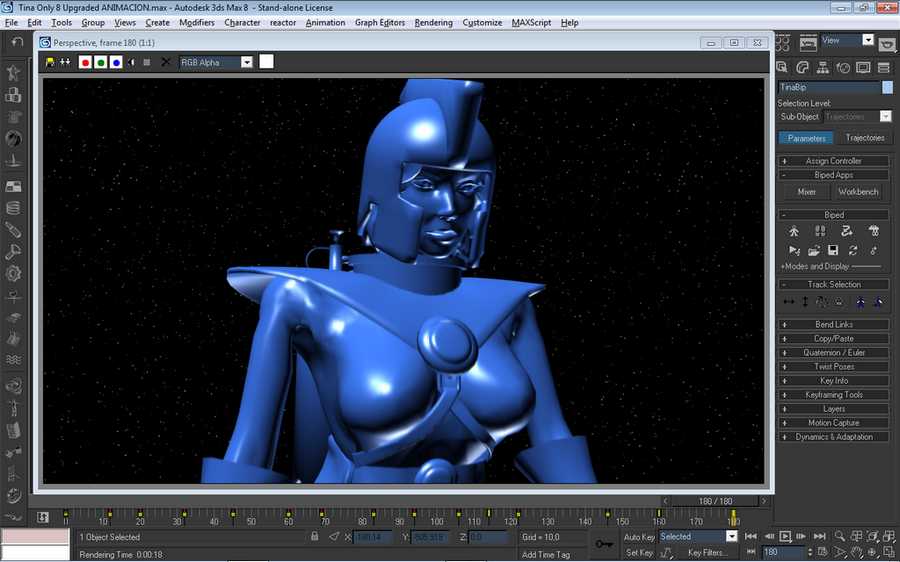
Each model was rigged with basic skeletons in Max’s “Biped” system for posing, not for real-time animation. All movement was baked into pre-rendered sequences.
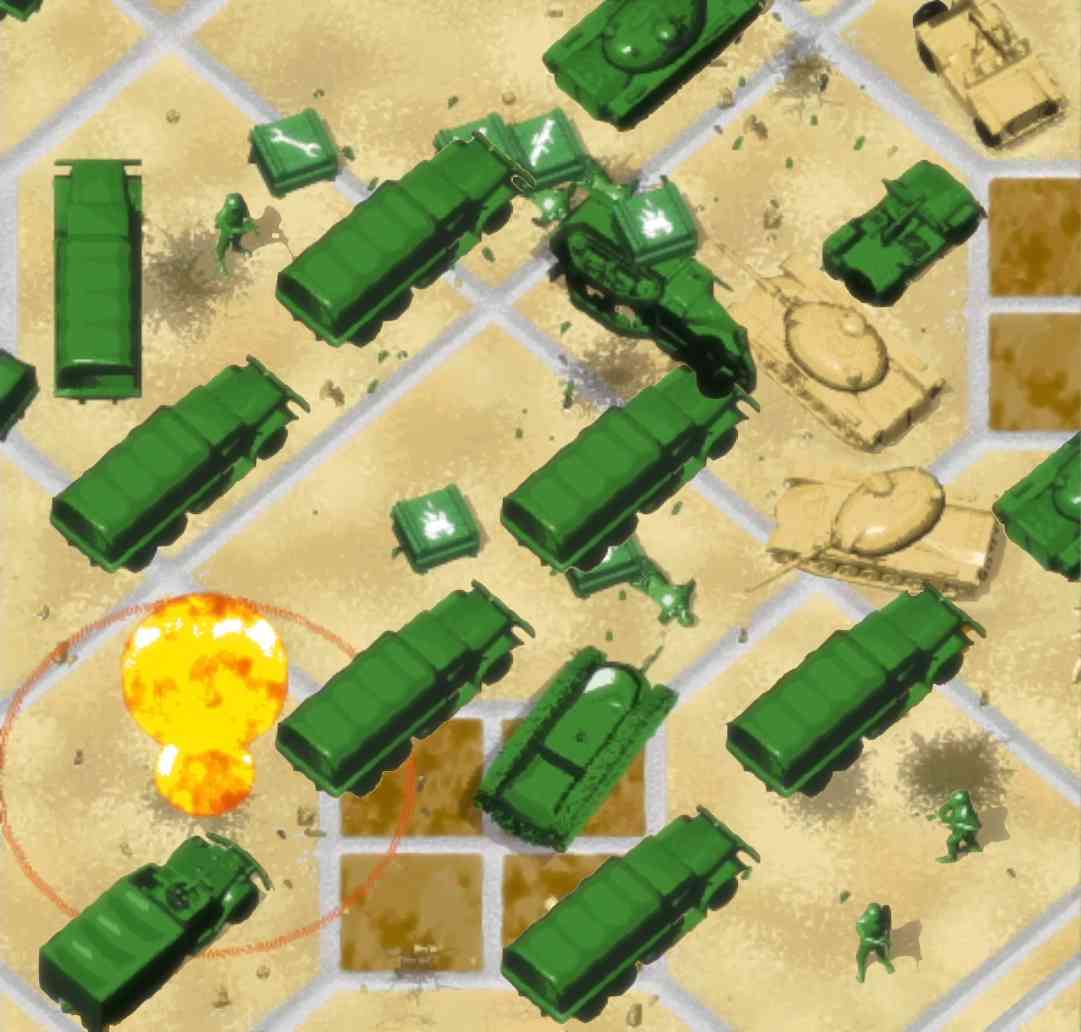
Once modeling and texturing were complete, the development team moved to the rendering stage. Instead of importing the 3D models directly into the game engine, they were pre-rendered into 2D sprites. This technique allowed for a higher level of visual fidelity than real-time 3D of the era could achieve on average home PCs. Animations (such as walking, firing, or rotating turrets) were rendered frame-by-frame in 3D Studio Max, then exported as sprite sheets to be used in-game. Special effects like muzzle flashes, smoke, and explosions were often created as separate rendered sequences and composited on top of the base sprites.
2.2 – Environment Creation
The environments followed a similar principle. Terrain tiles, buildings, and interactive objects were modeled and rendered in segments, allowing designers to piece together maps within the game editor. Lighting was baked into these renders, giving the illusion of complex shading without taxing the PC’s hardware.
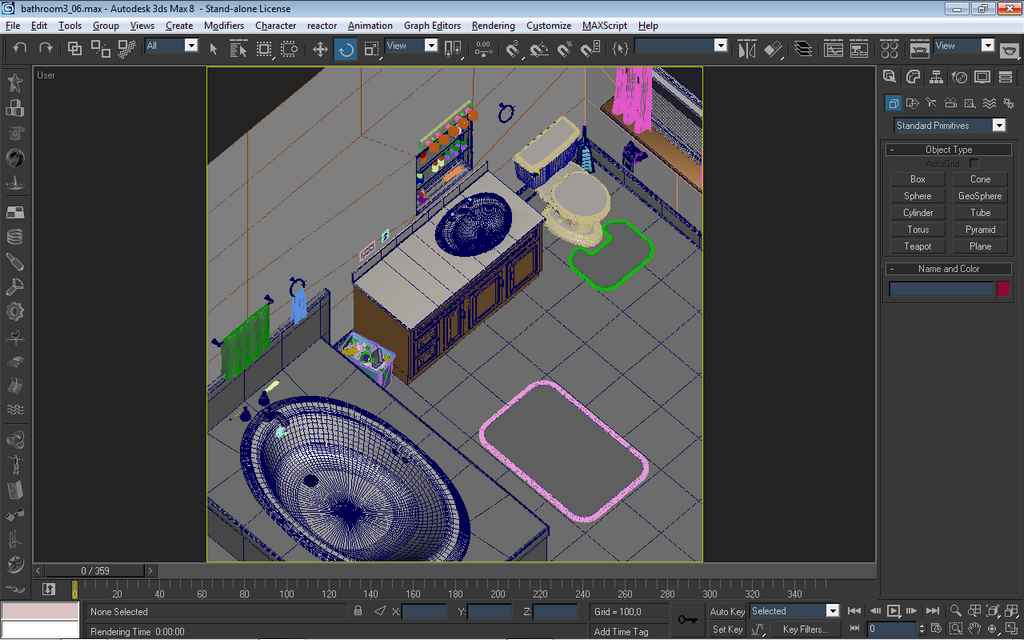
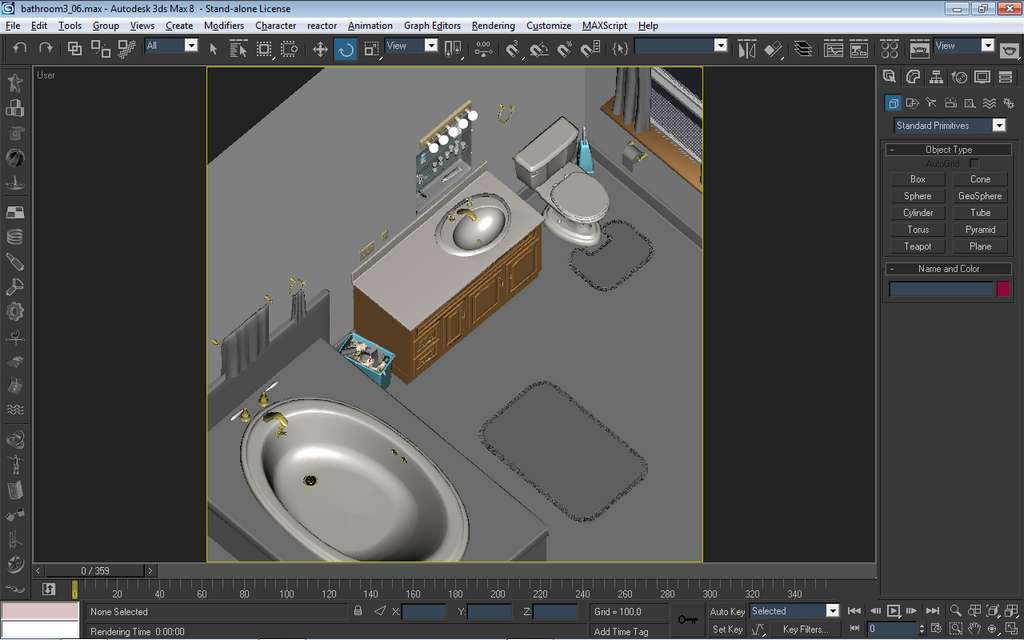
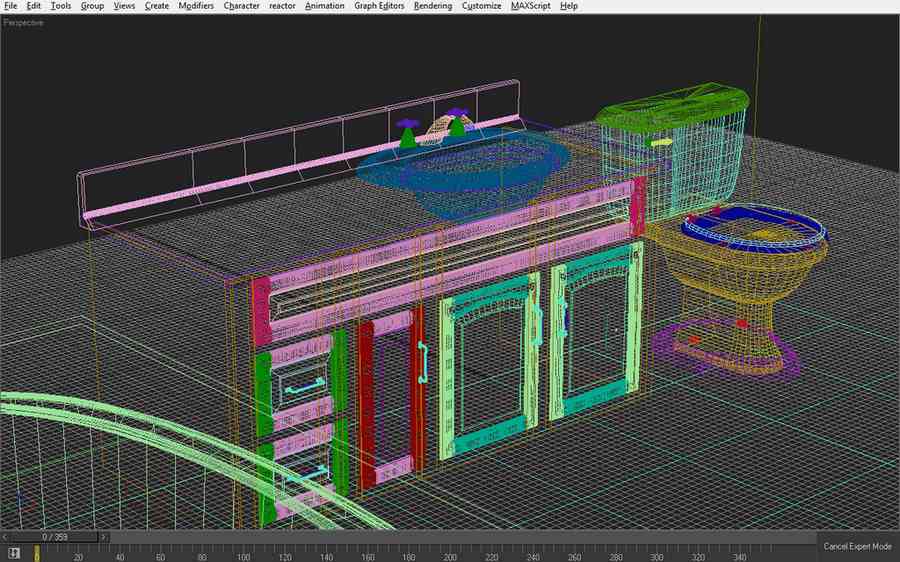
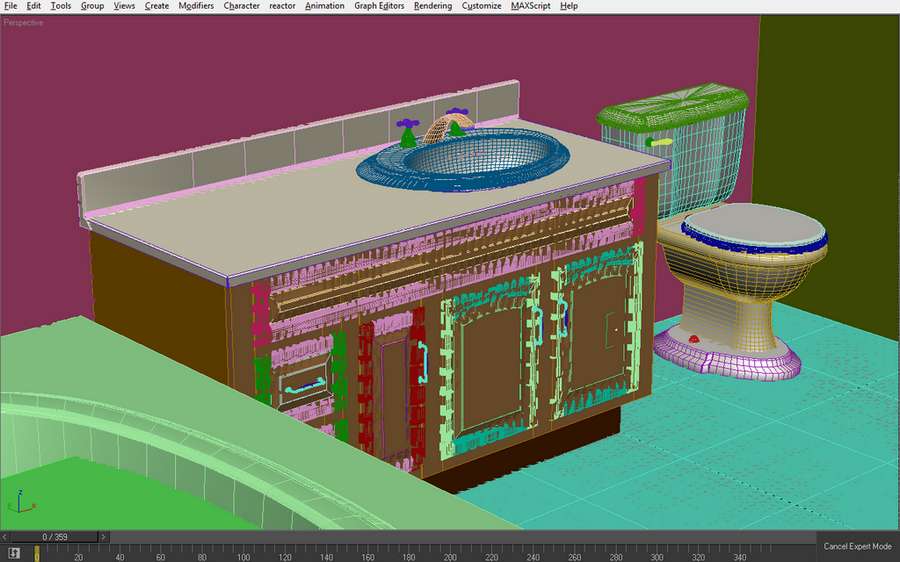
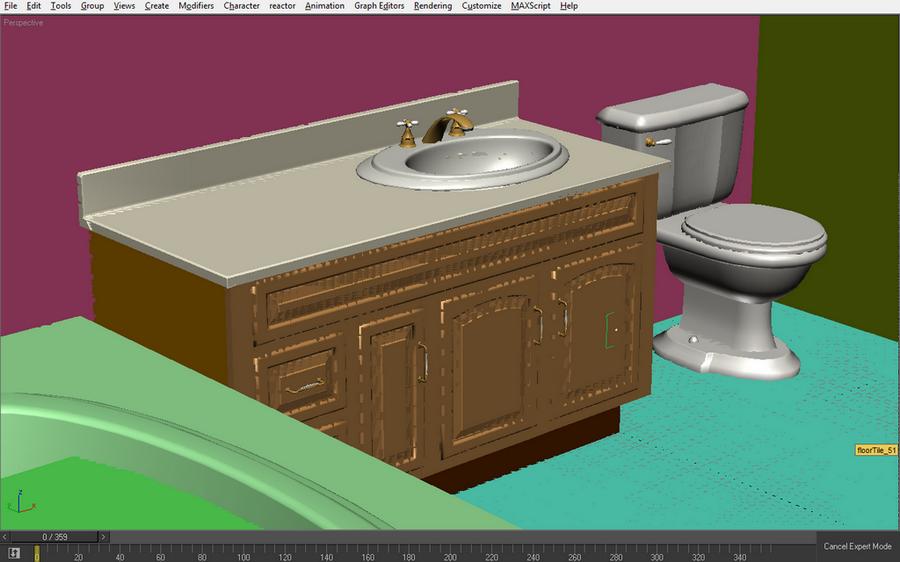
Wired Bathroom 3D modelSurface + Wired Bathroom 3D modelUntextured Surface Bathroom 3D model
The gameplay itself was presented from a fixed isometric camera perspective, tilted at roughly a 45-degree angle. This viewpoint was carefully chosen to maximize the clarity of the battlefield while retaining a sense of three-dimensional depth. From this angle, players could easily distinguish elevation, obstacles, and the orientation of units. It also allowed artists to control exactly how models were rendered, ensuring consistent proportions and lighting across the entire game world.
The combination of high-quality pre-rendered graphics, baked lighting, and the stable isometric viewpoint gave the early Army Men games their distinctive “miniature war” aesthetic, striking a balance between technical limitations and the highly artistic ambition of 3DO’s Trip Hawkins.
Game environments were also modeled in 3D, but separated into terrain layers and static props.
Terrain tiles were rendered at fixed angles to match the isometric view, then stitched together in the in-house map editor.
Static objects (buildings, trees, fortifications) were rendered as isometric sprites with multiple damage states where applicable (e.g., intact, damaged, destroyed).
2.3 – Rendering Sprites
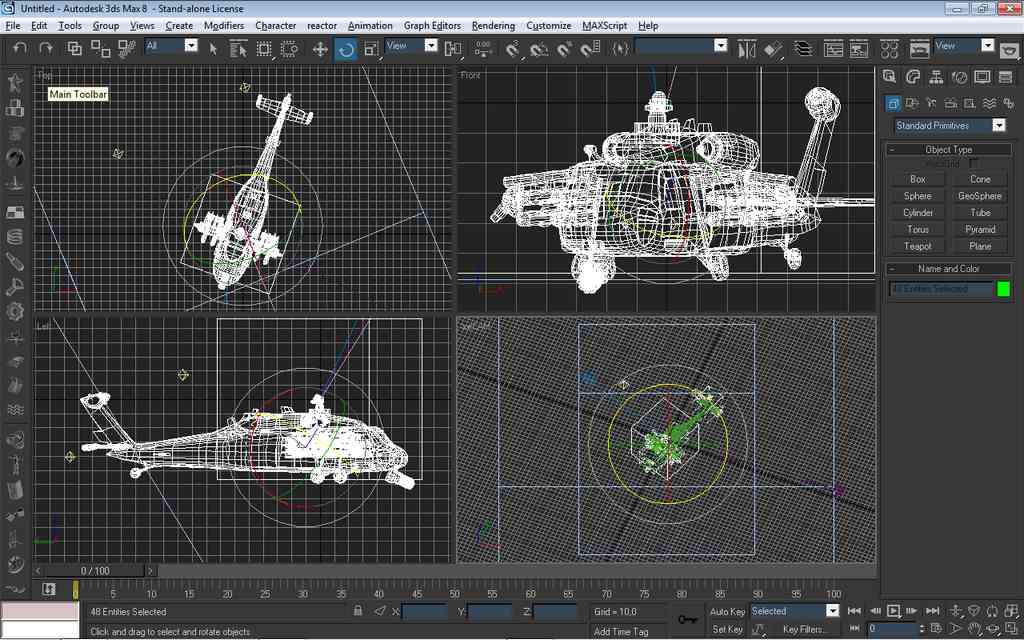
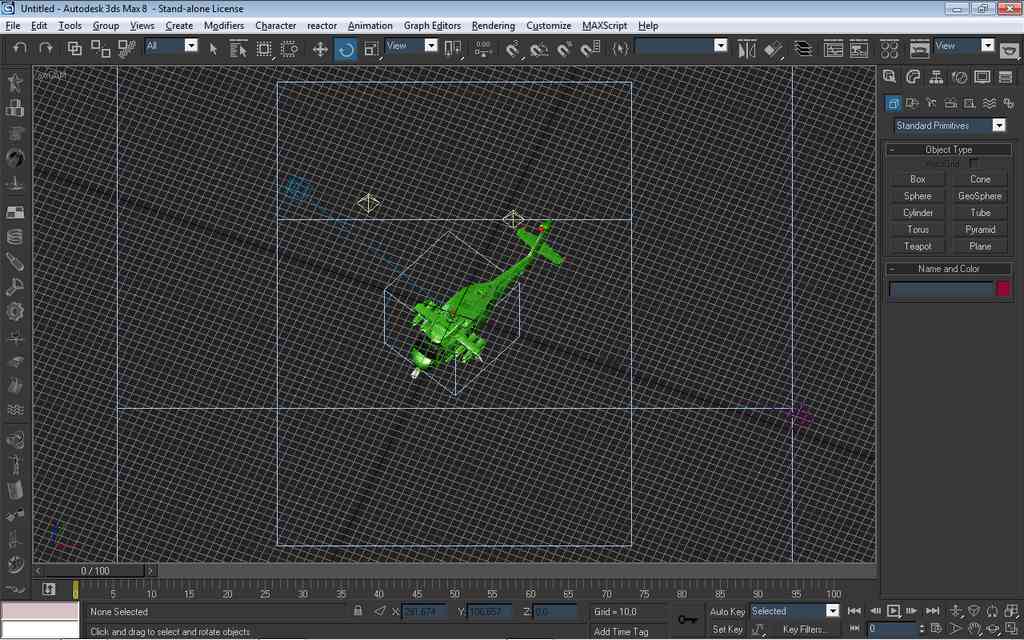
The 3D models were placed in a rendering scene with lighting and camera settings that matched the game’s perspective.
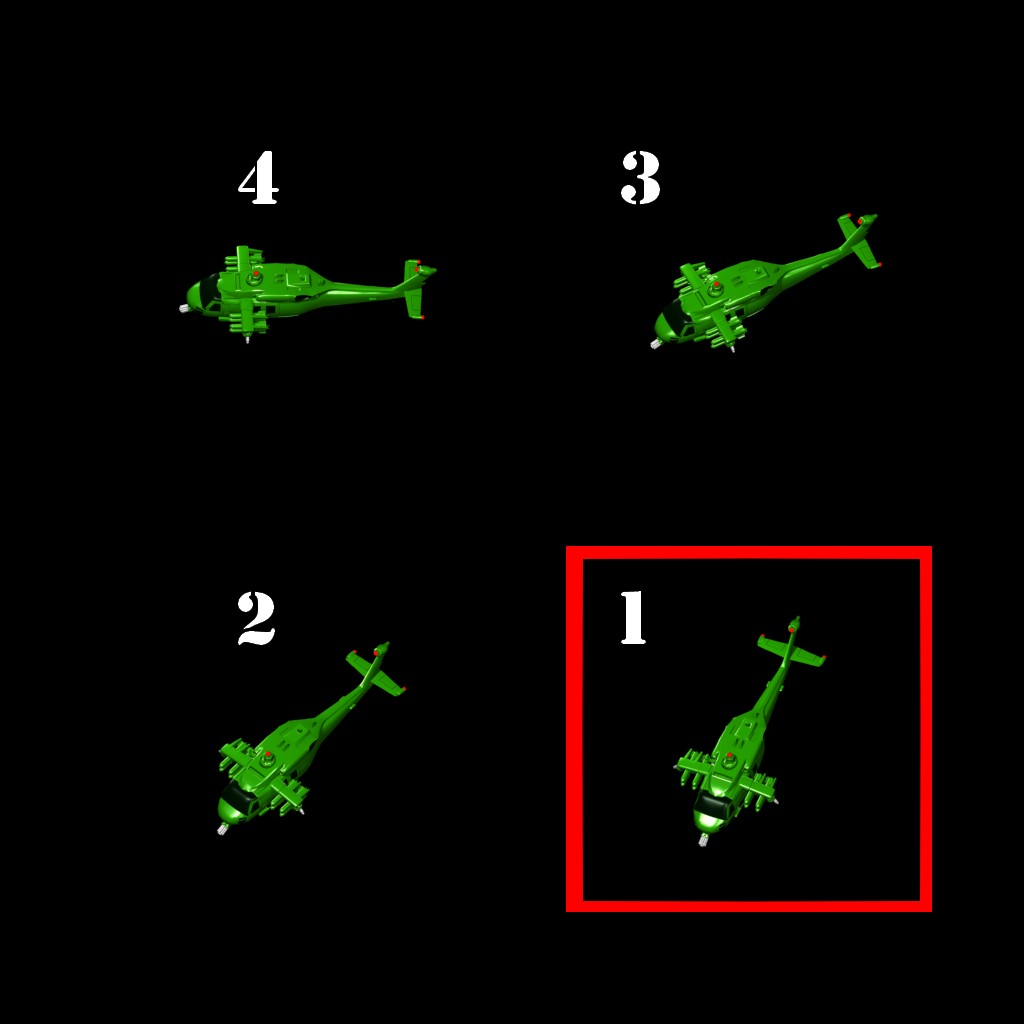
Soldiers and vehicles were rendered in 32 or 64 different angles, depending on their importance.
Animations (walking, shooting, reloading, turning) were rendered frame-by-frame into sprite sheets.
Each frame was then processed to remove the background, optimize colors, and align pivot points so the engine could rotate and move them smoothly.
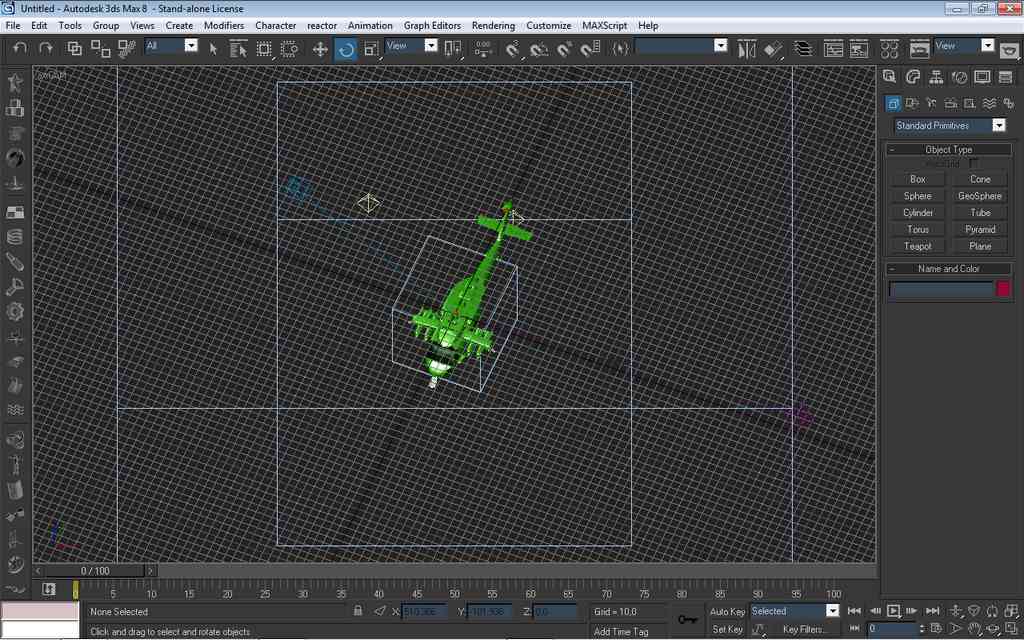
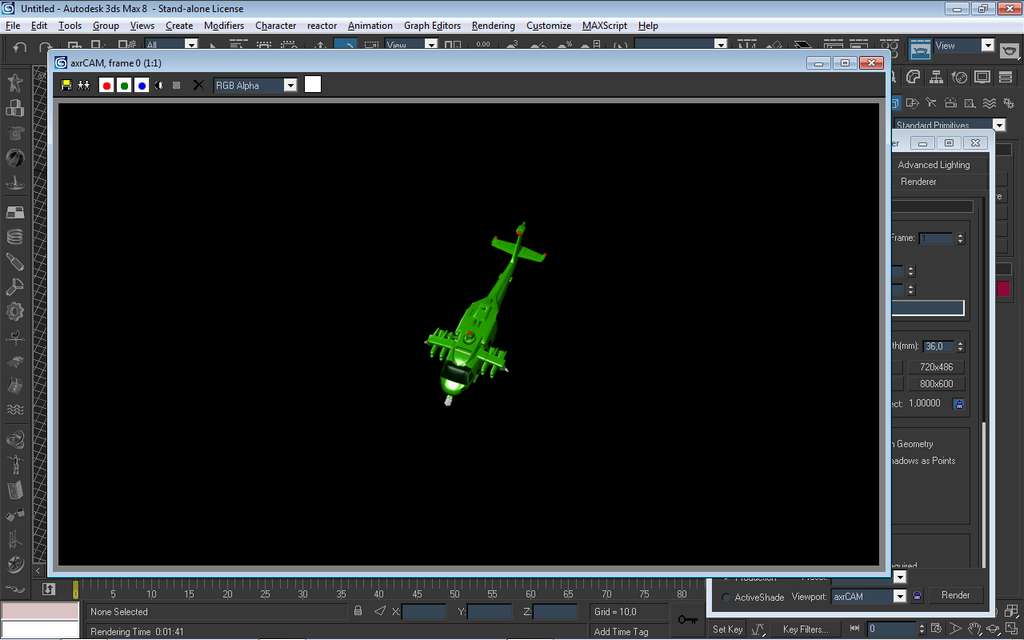
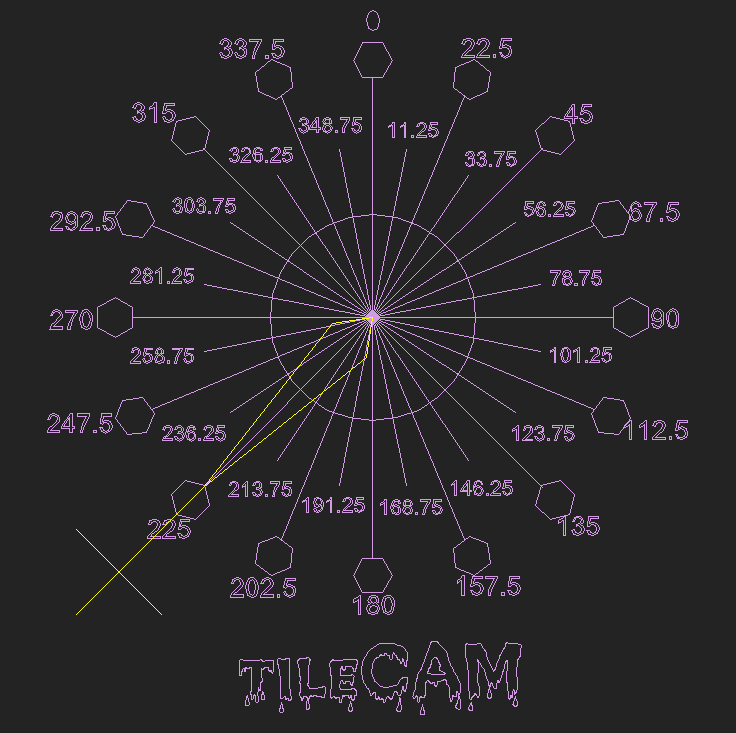
In the image below we can see the “Tile Cam,” or sprite capture position camera. A graphic that 3DO developers always kept in mind to know the angle of each of the multiple images they had to capture of each 3D model, to obtain the 360-degree motion effect of soldiers, vehicles, etc., in addition to each set of images carrying a weapon and the like. The yellow arrow, in addition to functioning as a clock hand indicating the angle of capture, also marks the height at which the camera should be positioned. The object/model goes in the center of the graphic.
2.4 – Special Effects
Explosions, muzzle flashes, smoke, and fire were usually hand-drawn frame-by-frame in a pixel art program to achieve a stylized look and keep file sizes small.
Some effects, like shadows and ambient lighting, were faked by rendering a semi-transparent dark shape beneath the units.
Transparent effects (glass, water, energy shields) were simulated with dithered patterns instead of true alpha blending, to ensure performance on lower-end hardware.
2.5 – Movement and Animation Systems
Despite being based on 3D models, all gameplay movement was sprite-based. Each unit had pre-rendered frames for each movement direction.
The engine swapped frames quickly to simulate animation, while changing the sprite set to match the direction of travel.
Rotation was not continuous but snapped between the pre-rendered angles, giving the characteristic “stepped” turning look.
Collision detection was based on simplified bounding boxes rather than the full shape of the sprite.
2.6 – Integration into the Engine
All assets (units, terrain, effects) were packed into proprietary resource files.
The engine combined terrain tiles and object sprites in real-time, overlaying animated units and effects according to their Z-order (depth).
Lighting changes were simulated with palette swaps, allowing entire environments to shift from day to night without rerendering the assets.
3. Maps and Levels
Environments were built using an in-house proprietary editor designed specifically for the Army Men engine.
This editor allowed placement of terrain, static objects, and “event points” (enemy spawns, mission scripts, sound triggers).
Maps were generally small to keep loading times low and were often connected through transition screens or cutscenes.
4. Programming and Engine
The Army Men engine was an evolution of a framework that 3DO had already used in other strategy and action games.
It supported:
Pseudo-3D sprites and pre-rendered rotations.
Multiple terrain layers to simulate elevation.
Basic AI scripting and enemy behavior.
The code was primarily written in C/C++, with auxiliary tools in Visual Basic for resource conversion and packaging.
4.1 – How camera, pathfinding, and depth sorting worked
Since that’s what made Army Men’s isometric view feel dynamic despite being built entirely from static sprites. That part connects directly to how the movement system was implemented.
The isometric camera itself was fixed in angle but could pan across the battlefield. Camera movement was tied to mouse edges or keyboard input, and it followed a smooth scrolling pattern to maintain player orientation. Since the camera never rotated, all sprites could be pre-rendered from the same set of angles, greatly reducing memory use and production time.
Pathfinding relied heavily on an A* (A-Star) algorithm adapted to the isometric grid. The system calculated optimal routes while accounting for terrain type, impassable objects, and unit collision. Because maps often featured elevation changes (ramps, cliffs, and bridges) the pathfinding system also factored in “height layers,” preventing units from attempting impossible routes. This was especially important for vehicles, which had stricter movement constraints than infantry.
Depth sorting (deciding which objects should appear in front of or behind others) was handled through a “Y-sorting” system. The engine drew objects in order of their Y-coordinate in world space, meaning that units lower on the screen (closer to the player’s viewpoint) would be rendered on top of those further back. This simple yet effective technique ensured consistent layering without the need for real-time 3D z-buffer calculations.
4.2 – Movement, Interaction, and Technical Implementation in the Isometric Engine
The fixed isometric perspective of the early Army Men titles was not just a visual choice.. it directly influenced how movement, interaction, and gameplay logic were implemented.
Unit movement was handled on a 2D coordinate grid that corresponded to the isometric map’s tile layout. Each tile represented a fixed unit of space, but because the camera was angled, the game had to apply a transformation to convert “world” coordinates into their isometric screen positions. This meant that while players saw units moving diagonally across the battlefield, the game internally calculated their positions in standard X-Y Cartesian space.
Interaction with the environment followed a “selection → command → execution” model. When the player selected a unit, the game temporarily highlighted its sprite and displayed its selection circle, a 2D ring projected onto the ground plane. Issuing a movement or attack order triggered an internal check: the game verified whether the destination tile was valid, whether the target could be reached, and whether line-of-sight was available (a simplified visibility check rather than true 3D ray tracing).
Together, these systems created a smooth and intuitive gameplay experience despite the limitations of late-90s PC hardware. The isometric rendering allowed for highly detailed graphics, while the underlying grid-based logic kept gameplay predictable, readable, and strategically satisfying.
5. Testing and Optimization
Testing was intensive because different PC systems required different optimizations to work. Back then, consoles were a single, unified system, but on PC, there are multiple different systems that require tweaking the game for proper universal operation. At that time, the game that was launched usually was the final version, with no DLC to fix the game post-launch. Although patches did exist, usually just one. Everything was always released in physical format…
On consoles, animation frames, polygonal 3D objects and texture details were reduced, and sometimes entire environmental elements were removed. But in this 2.5D games, usually was a matter of programming tweaking and fixing.
Testers reported bugs using printed screenshots (yes, on paper) with handwritten annotations.
Several 3D models from the Army Men franchise have appeared over the years. Here’s a compilation of the ones the fandom have and the ones we’re missing…
Here you can find links to download some of the 3D models made or acquired by 3DO. All of them will be made available gradually.
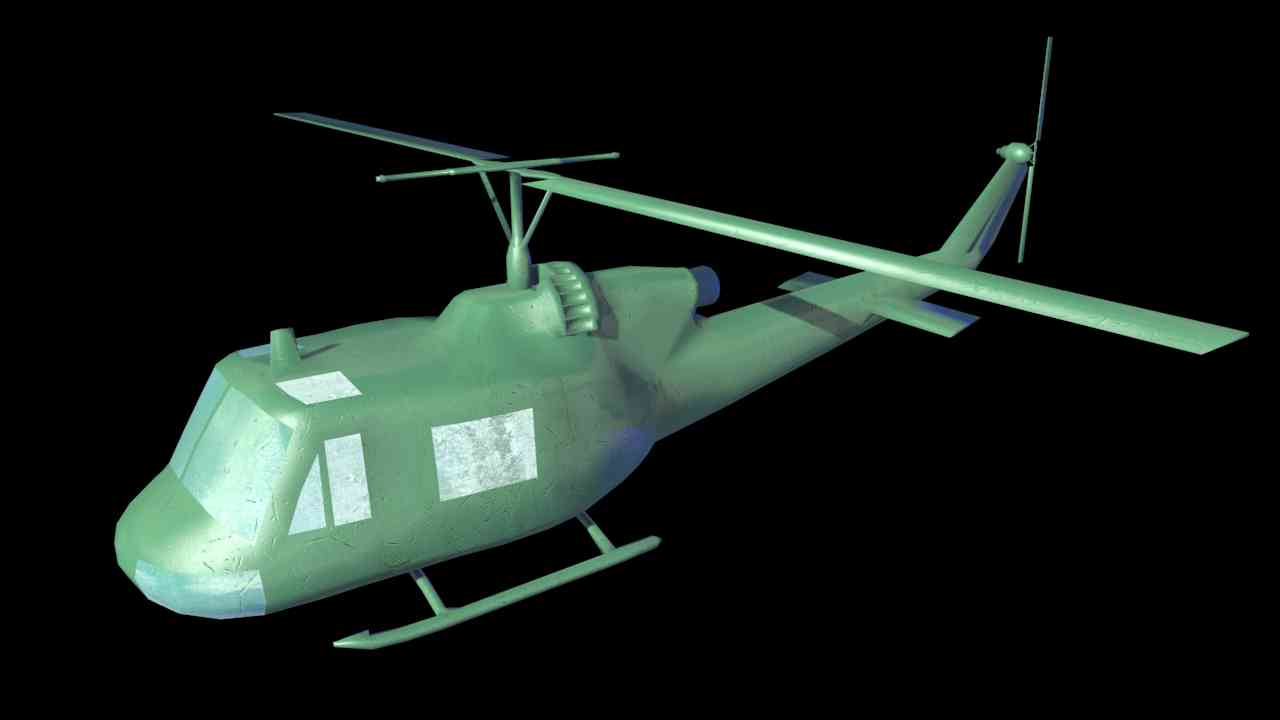
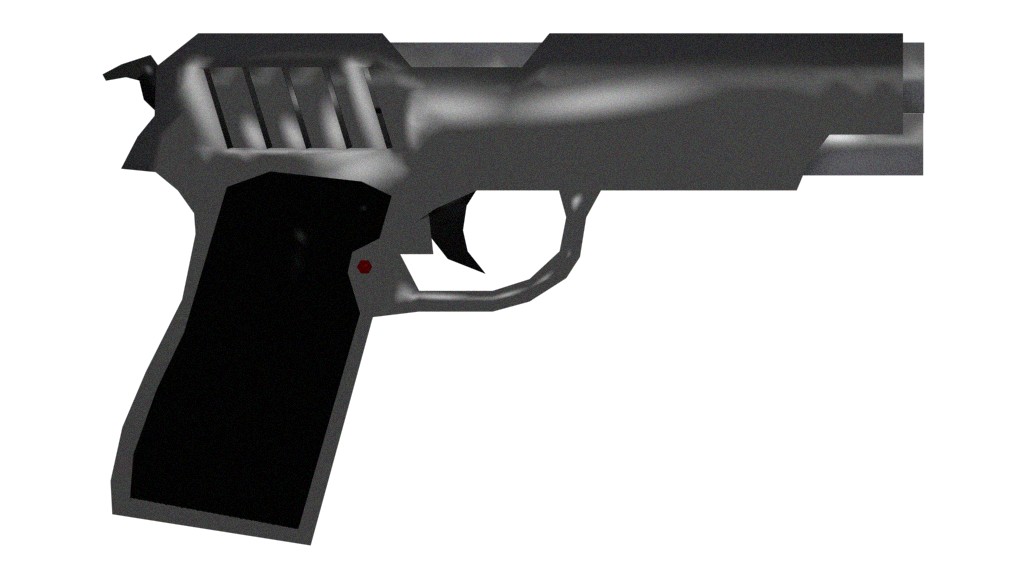
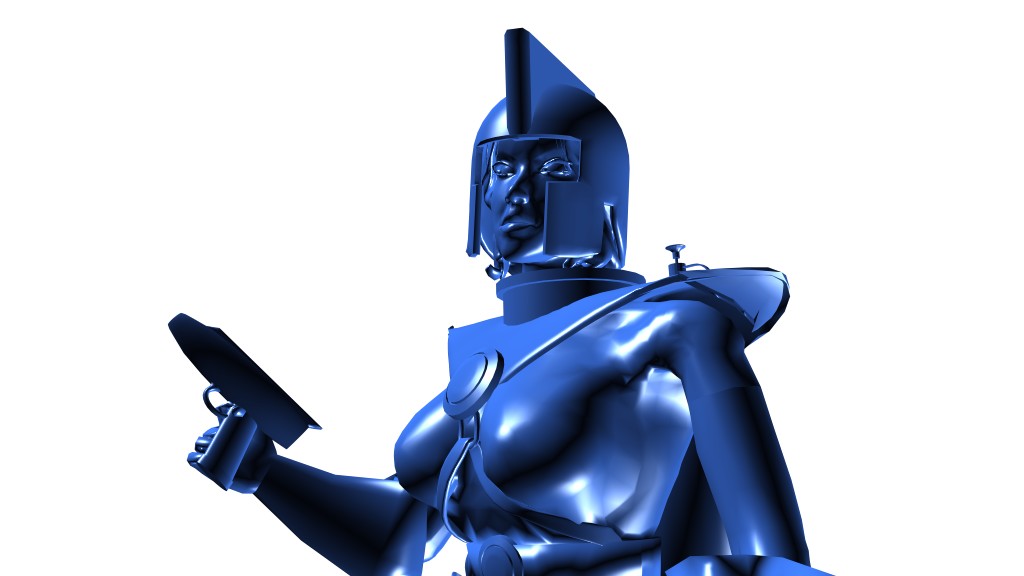
1. Official but non-original Army Men 3D models used in the franchise, purchased to third party by 3DO and used as obtained, or modified by 3DO
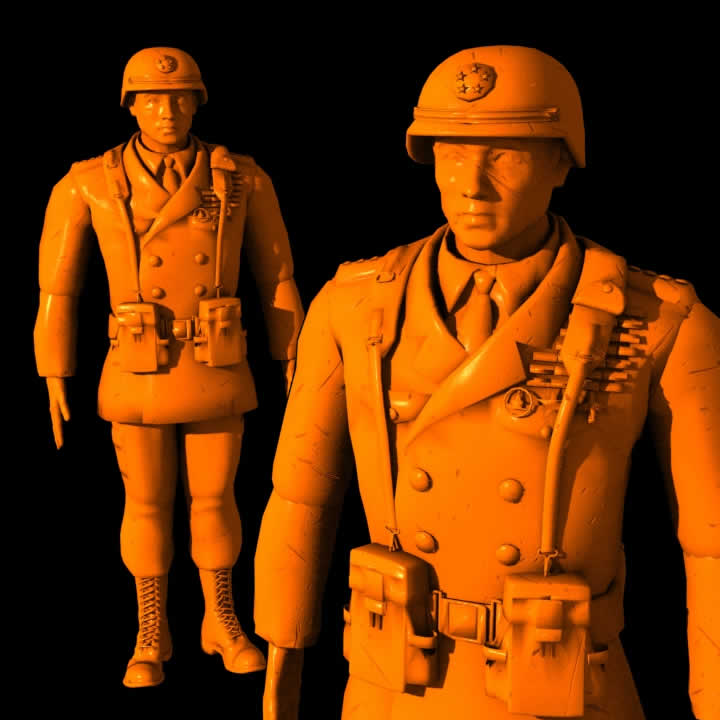
Models used by 3DO in the Army Men video games, but which were acquired from third-party 3D model banks, used as acquired or with some modifications. In this case ViewPoint 3D models.
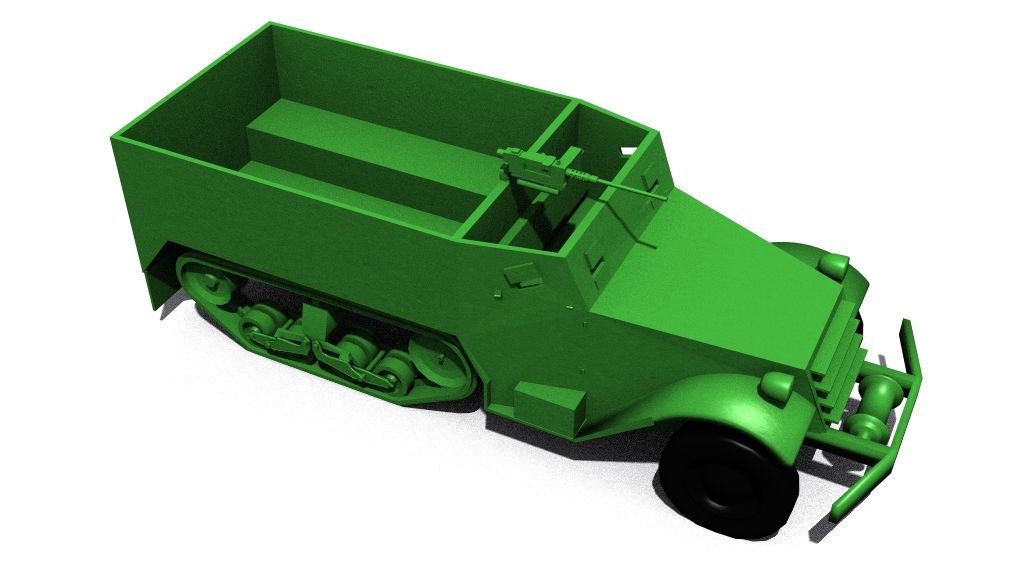
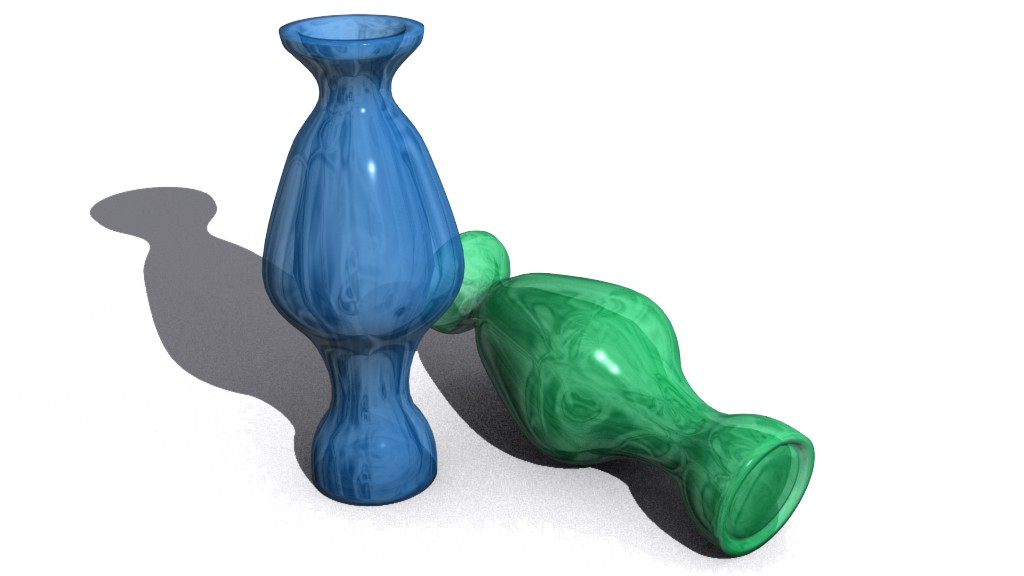
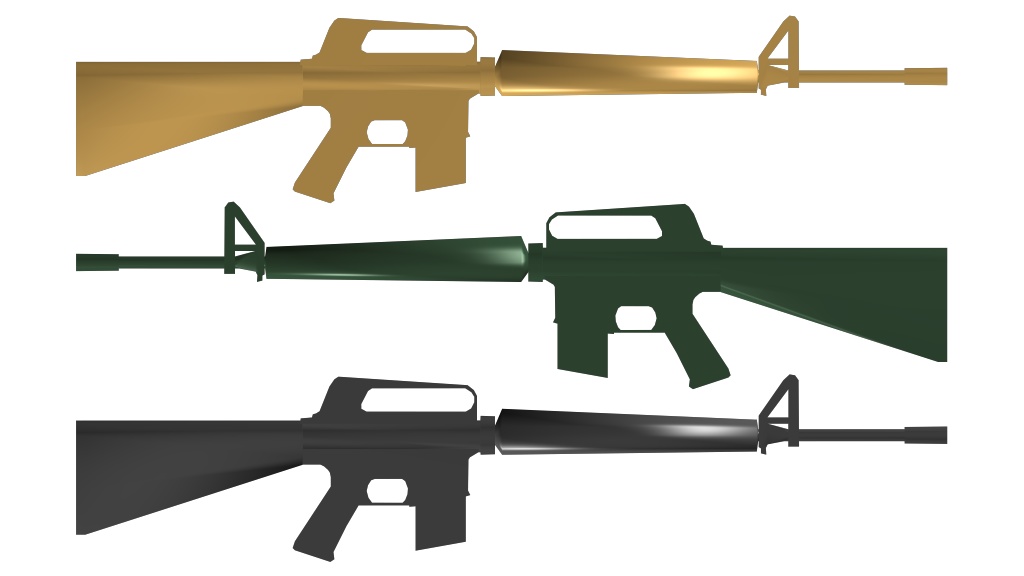
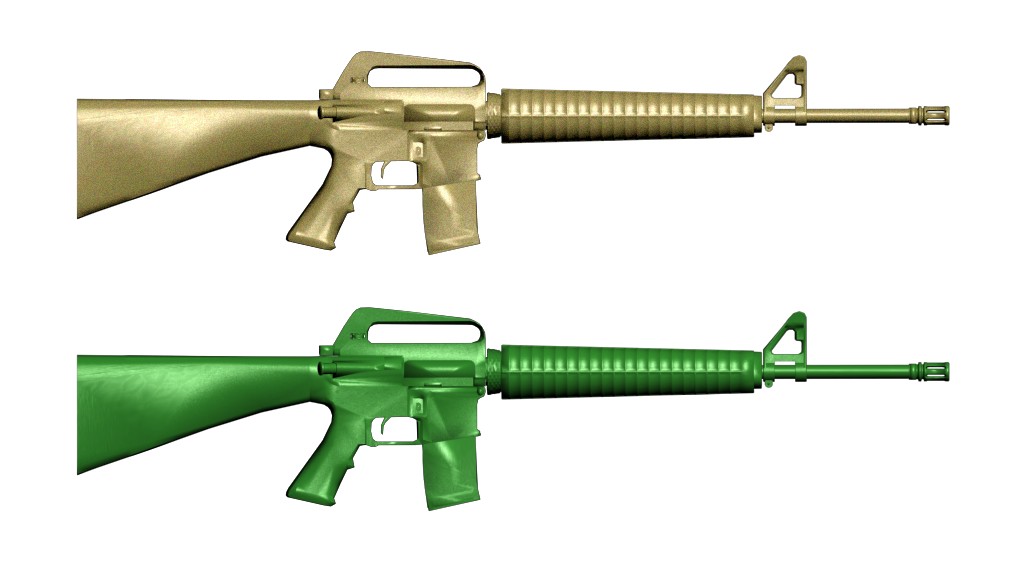
3. New and non-official screen accurate copies of Army Men 3D models used in the franchise made by the Toyverse project
Some of these models are loosely or heavily based on the 3DO models seen on screen. Rather than making exact “screen accuarete” copies, we created these vehicles or characters as versions of themselves after what was seen in Army Men, as a sequel to the characters.
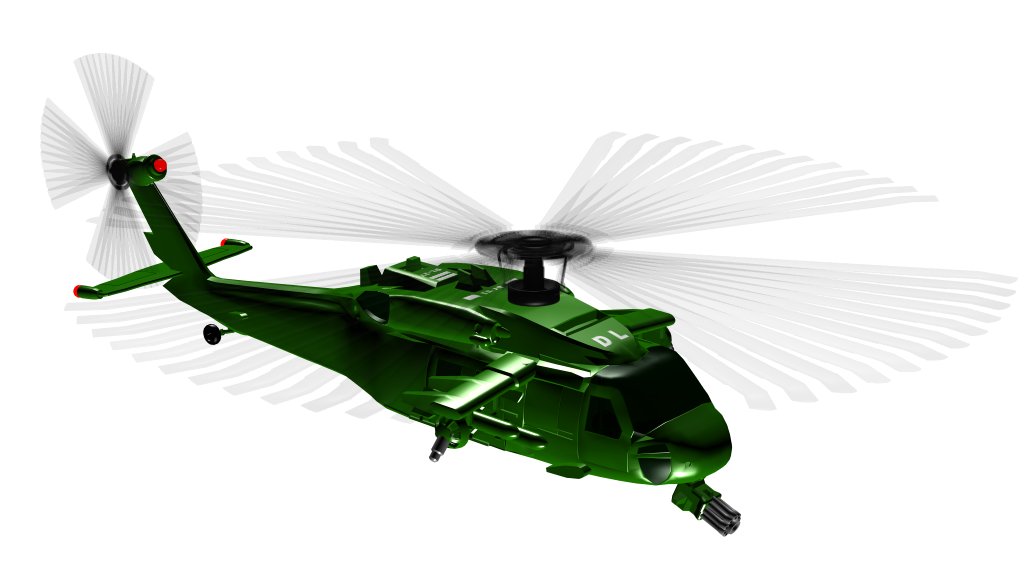
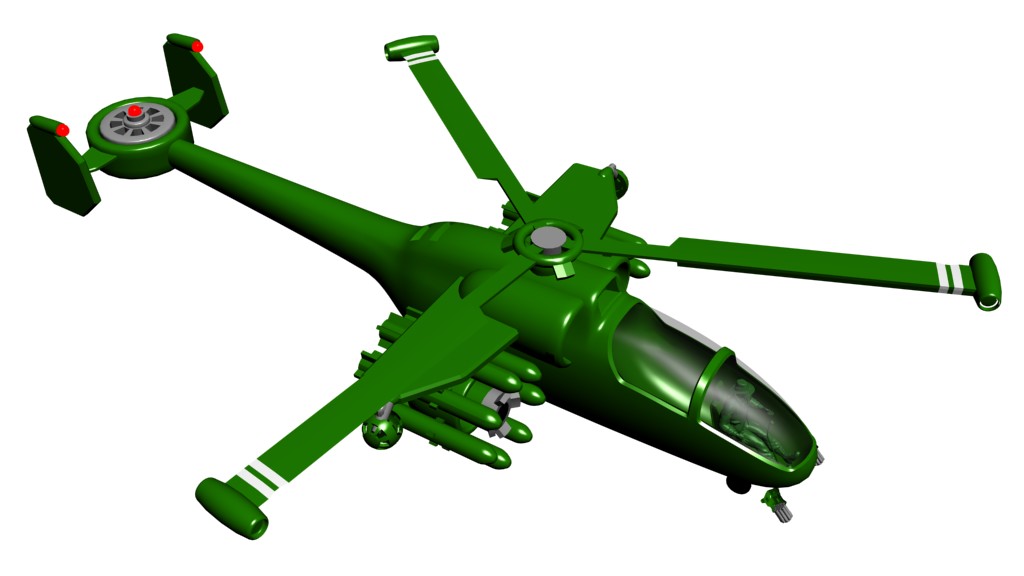
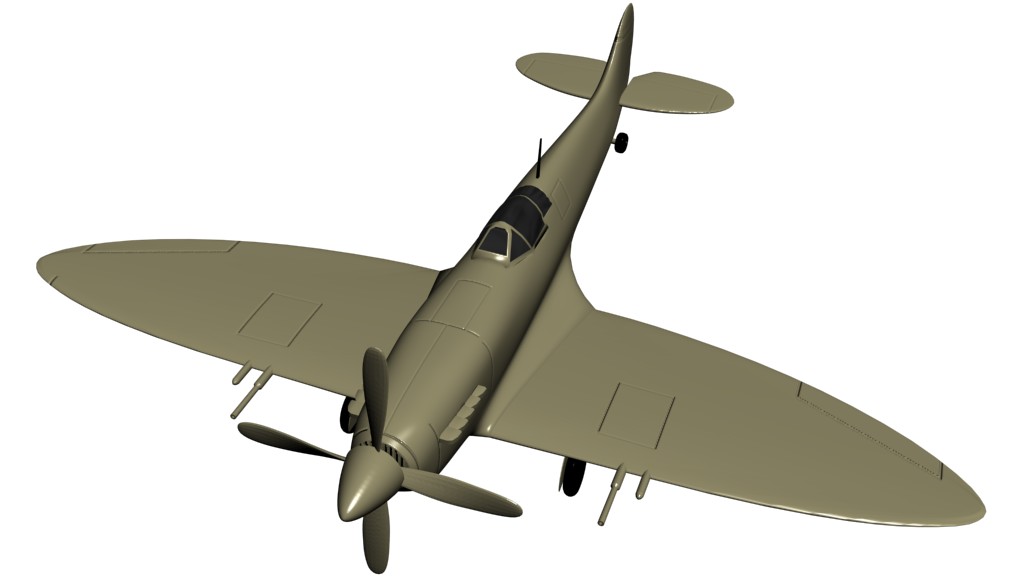
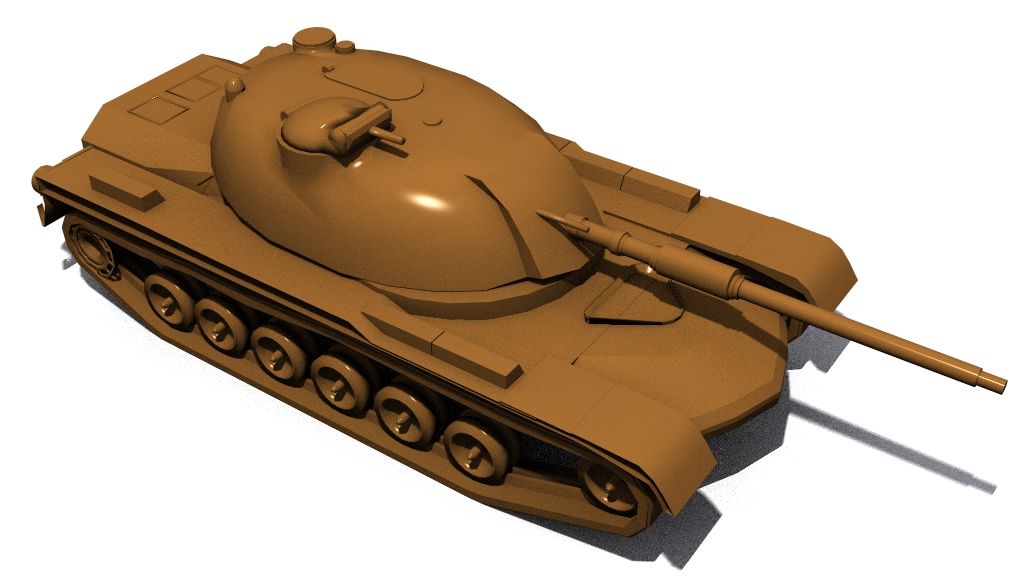
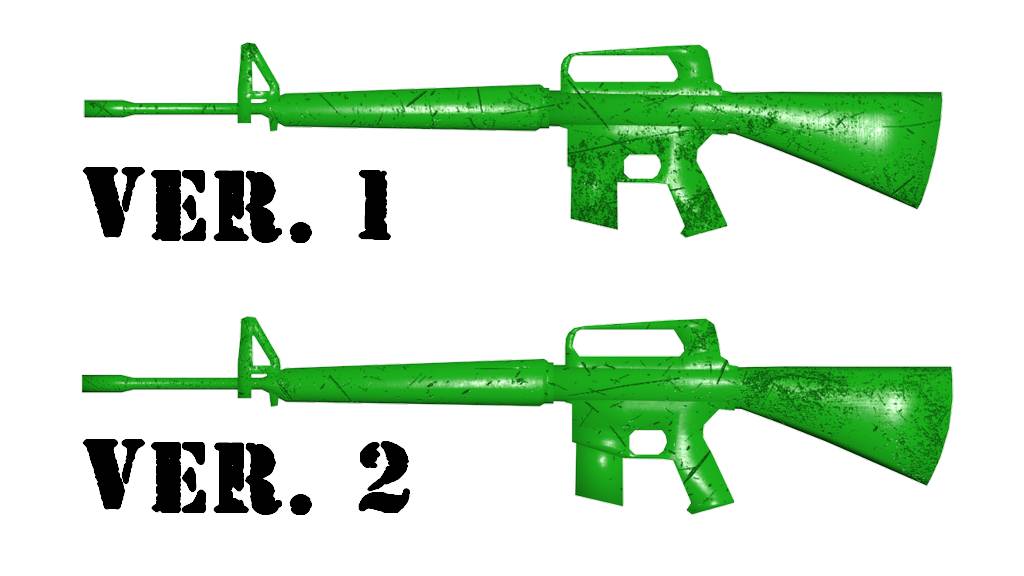
CGI HQ Toyverse OriginalCGI V-Bot Toyverse OriginalCGI Dump Truck Toyverse OriginalArmy Men logo V2 (2000)Remake of M48 Tank Toyverse originalRemake M16A1 Toyverse original
Non-official Original Army Men Toyverse Project 3D models made by the Toyverse project or third party
Some of these models are loosely or heavily based on the 3DO Army Men 3D model style. But also, rather than making an original 3D model, we have adapted 3rd party 3D models. In this case ViewPoint 3D models from the same model batches, also used by 3DO.
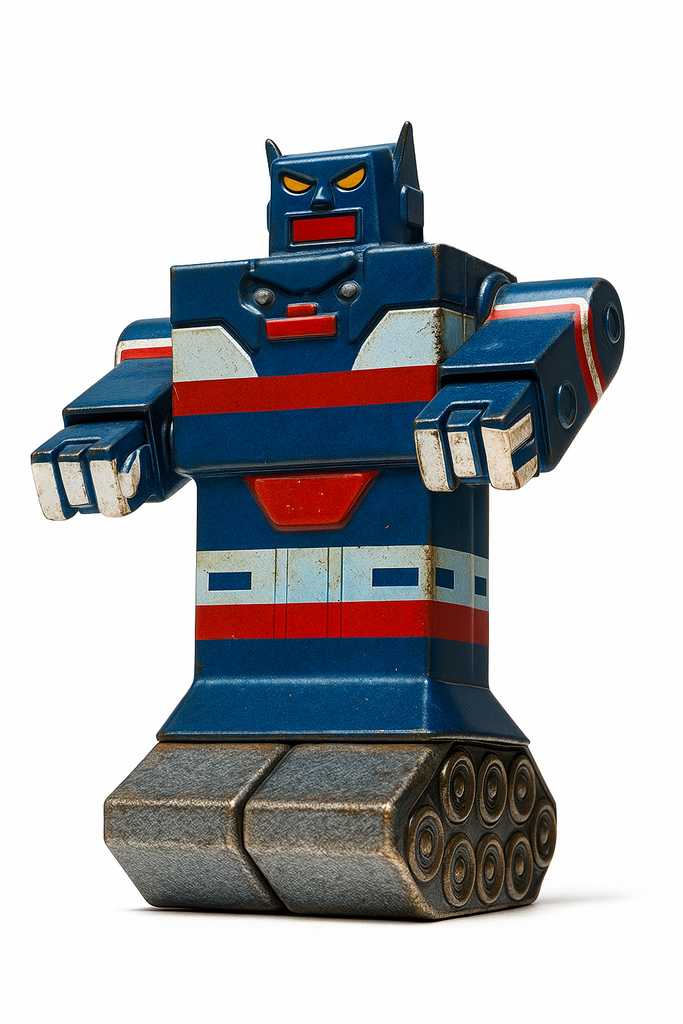
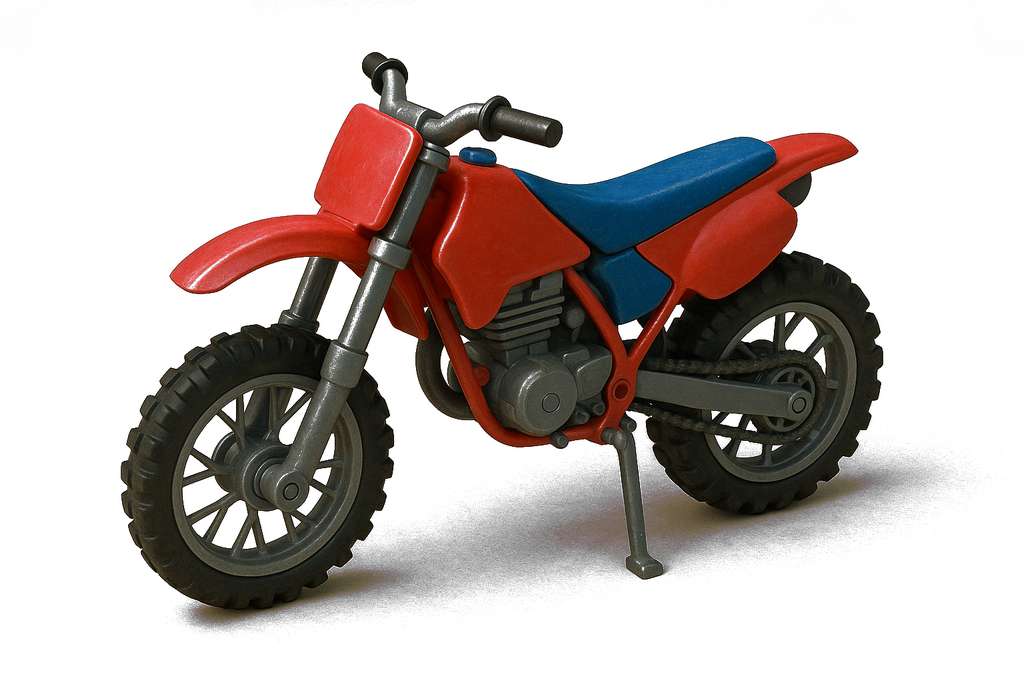
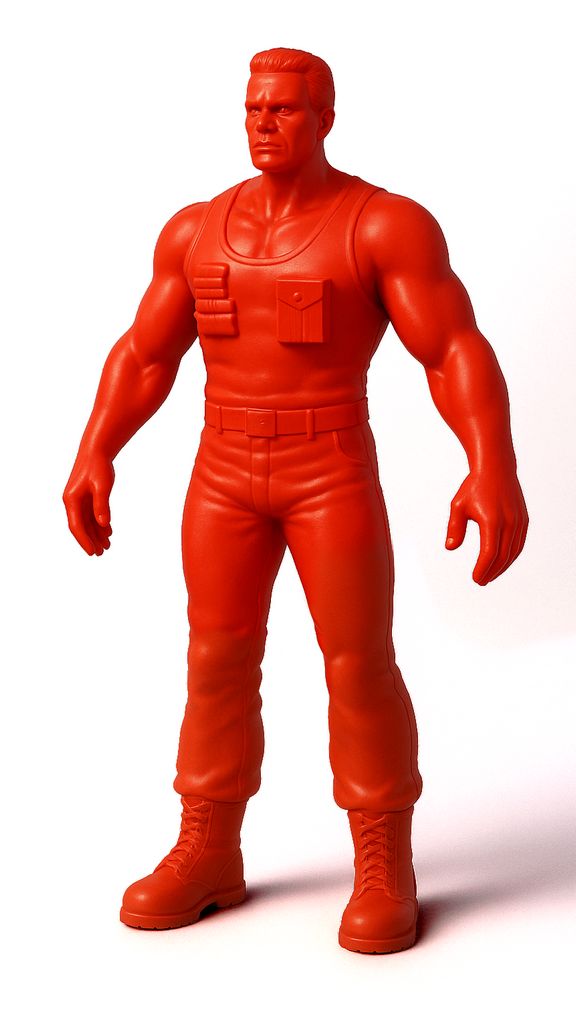
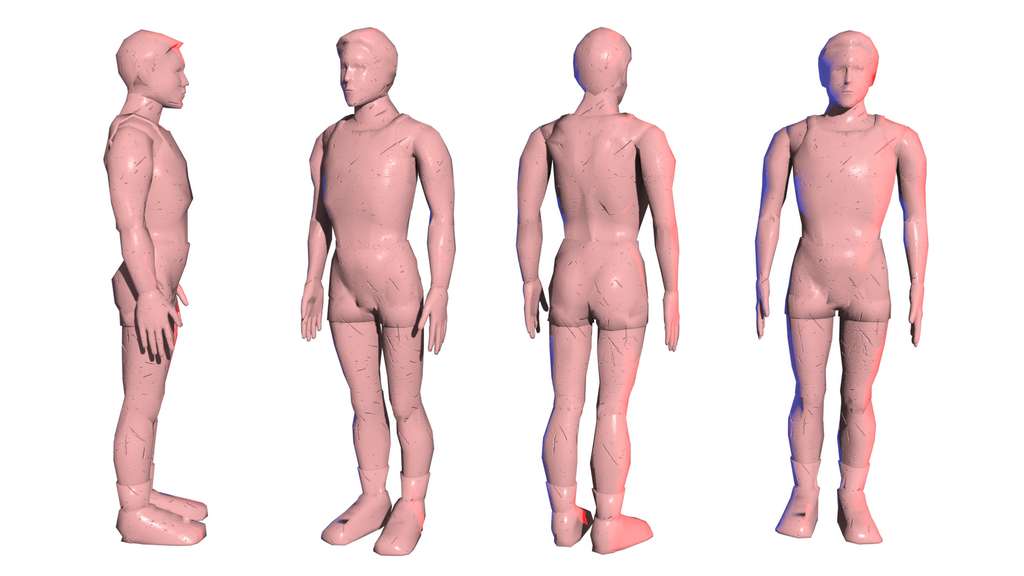
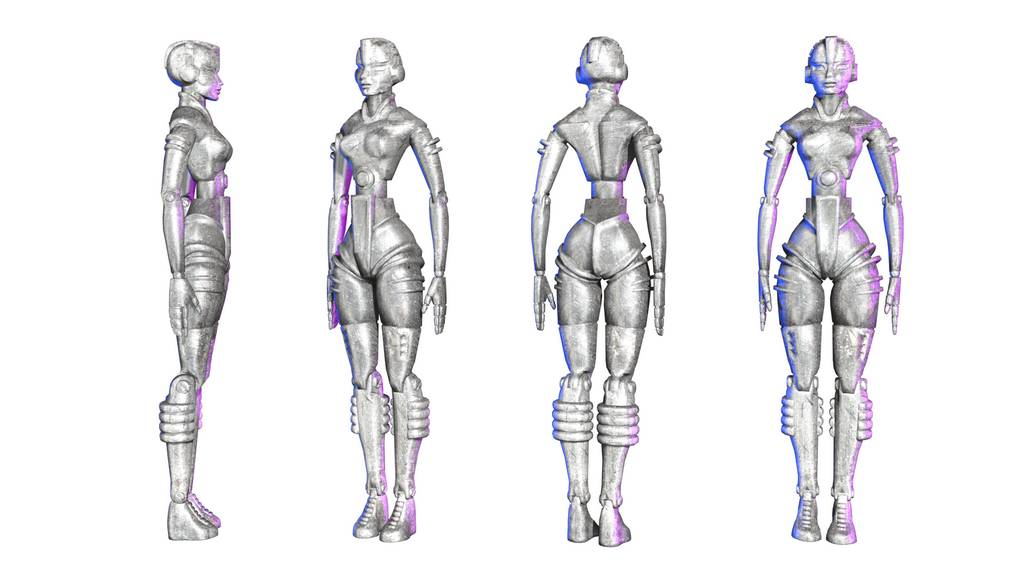
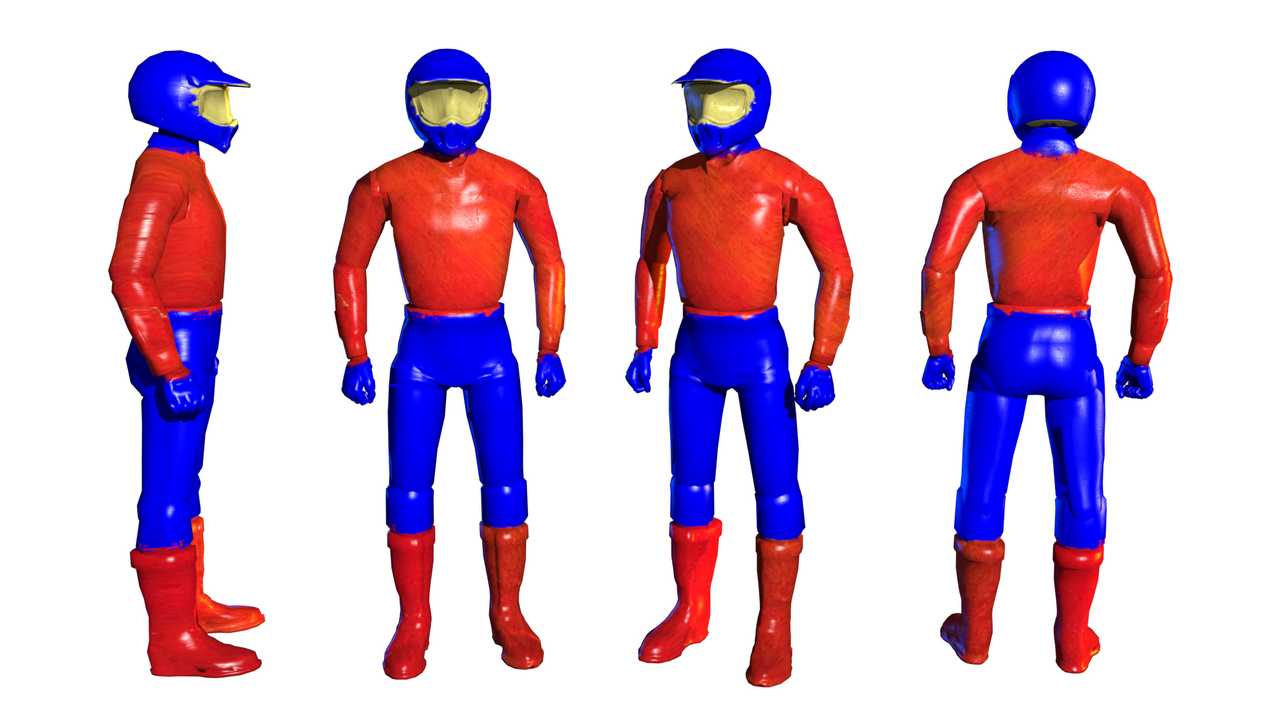
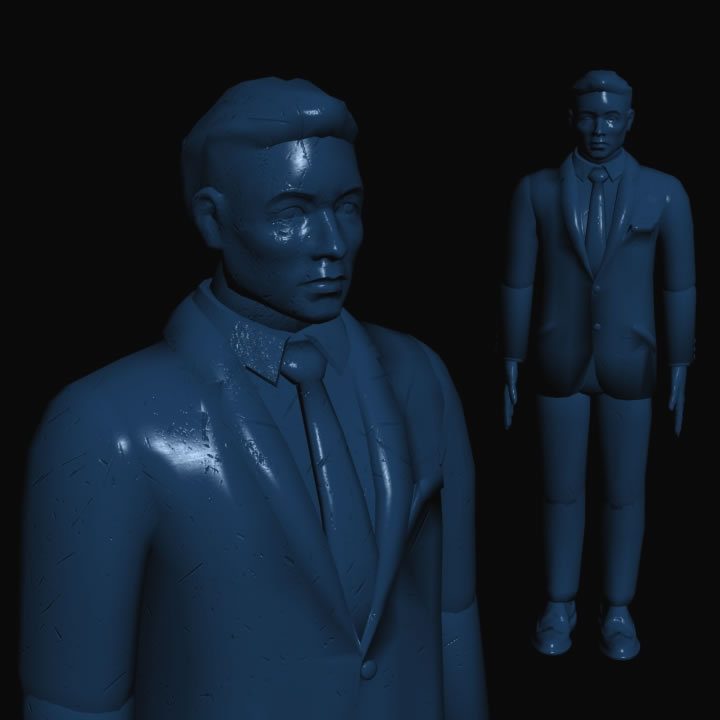
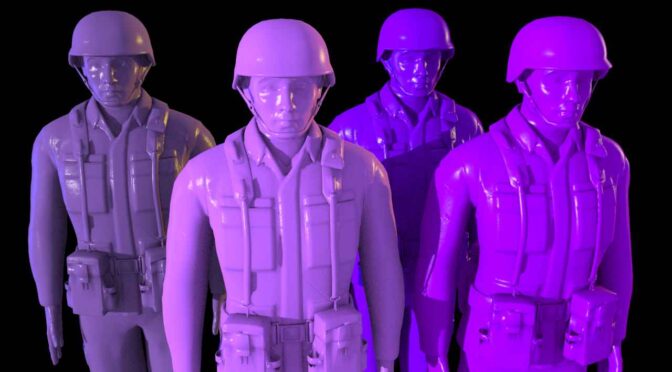
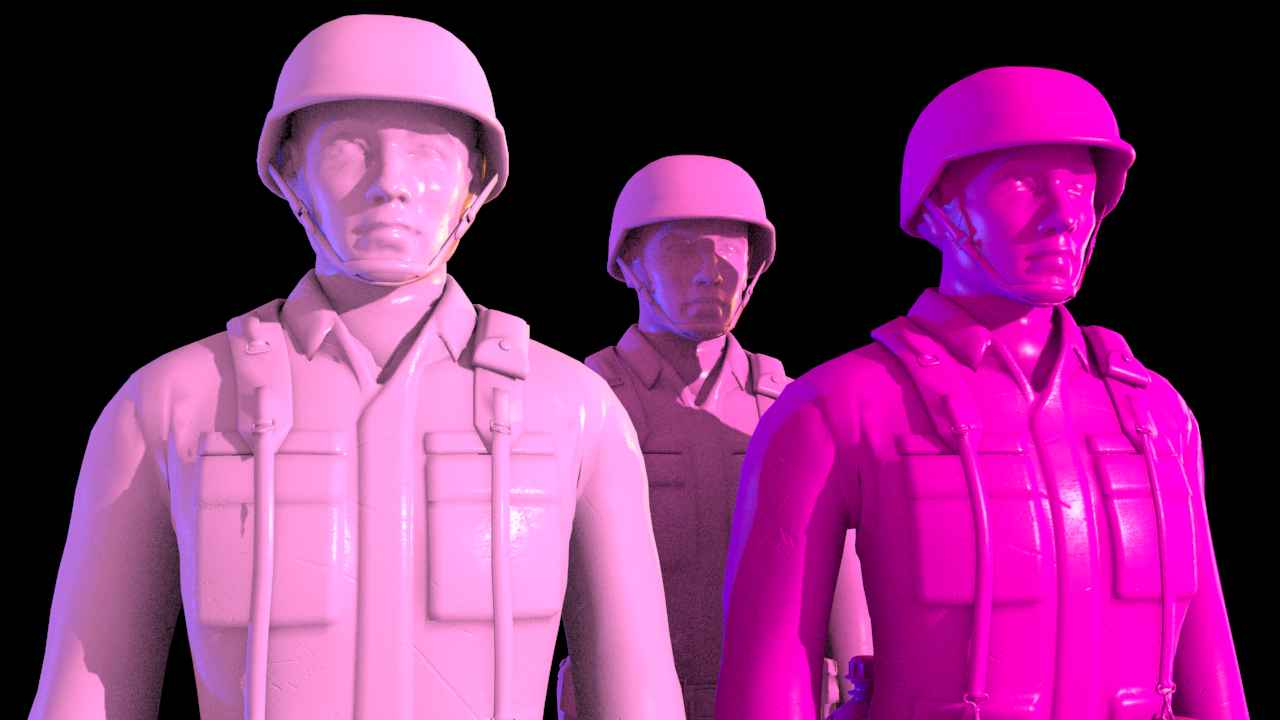
Toyverse Original CGI MotocrossToyverse Original CGI characterGymnast Original VP ModelAmazonas V1 Original VP ModelC3-R34L Original VP ModelBiker Original VP ModelFire Modified VP ModelOriginal VP Model (Agent Blue 001)Modified VP Model Sarge post TISLight Blue Artic Modified VP ModelImperial Greys Modified VP ModelUnnamed Colonel Modified VP ModelModified VP Model (zombies)Unnamed Violet General Modified VP ModelOriginal VP Model
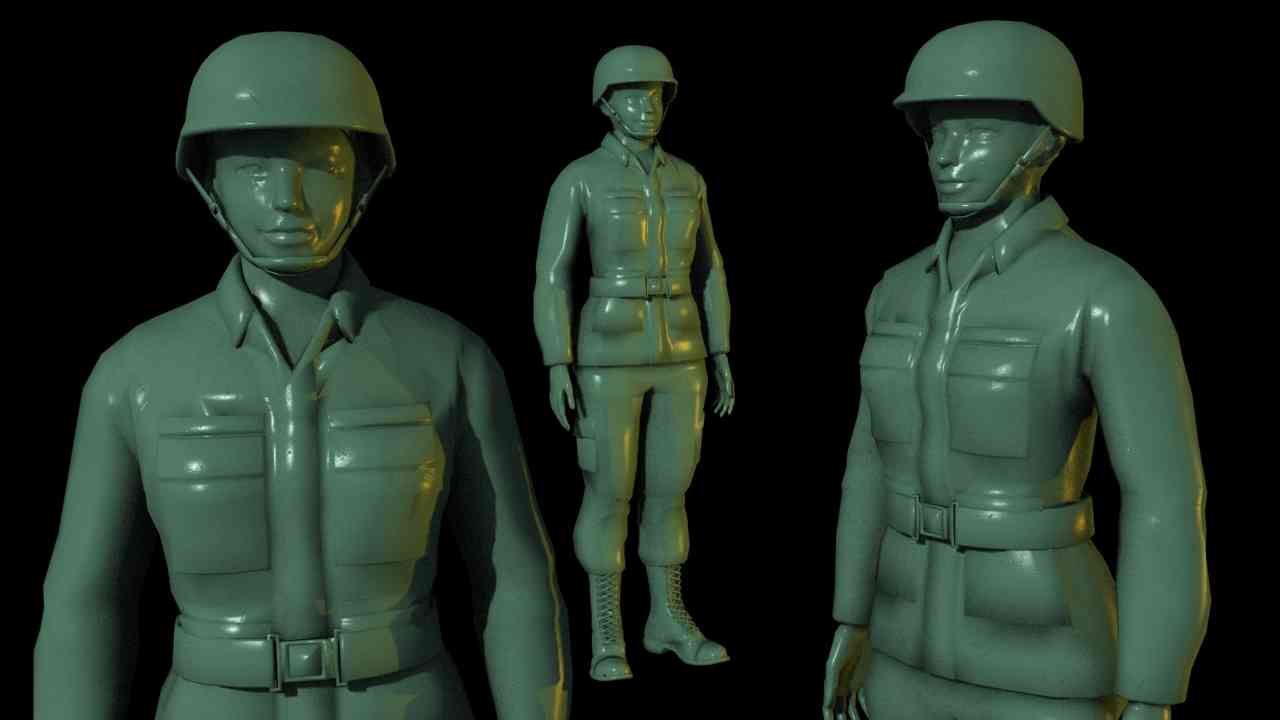
The Evolution of Plastic Soldiers in the Army Men Toyverse
Like the clones in Star Wars, Plastic Soldiers are mass-produced with a single purpose: to fight. Fresh out of the mold, they are identical in appearance and function. They have no personal identity, no opinions, and no customization. Their abilities are the same, their uniforms are standard, and their mindset is programmed to obey orders without question.
Initial Uniformity: Born from the Mold
Their existence is purely functional. They are replaceable, interchangeable, and in the chaos of war, individuality is not a priority.
Battlefield Marks: Experience and Change
However, war is unforgiving, and no soldier remains the same after facing the reality of combat. With each mission, Plastic Soldiers begin to develop their own instincts. The scars of battle (cracks in the plastic, burns, improvised accessories) become marks of identity.
Just as the Star Wars clones adopted unique hairstyles, armor modifications, and personal emblems, Plastic Soldiers also find ways to stand out. Some reinforce their weapons with duct tape, others paint symbols on their helmets or adjust their posture, slightly bending their joints to differentiate themselves. These small adaptations become badges of veteran warriors.
The Awakening of Individuality: More Than Just Soldiers
Over time, the standardization of their existence begins to crumble. Those who survive long campaigns develop their own thoughts, question orders, reflect on their purpose, and adopt an identity beyond their initial function.
The Star Wars clones evolved from mere troops to individuals with distinct voices, such as Rex and Cody, who led with autonomy and genuine emotions. In the Toyverse, Plastic Soldiers follow a similar path. Once uniform figures on a battlefield, they become characters with distinct personalities, choosing how to fight, what to preserve, and how to leave their mark.
The Experienced and Enhanced: Beyond Natural Evolution
Not all Plastic Soldiers follow a progression solely based on combat experience. Some, whether through battlefield merit or strategic necessity, are selected for enhancement programs (similar to the Super Soldier project or cybernetic modifications seen in Star Wars with Clone Commando Echo, or even characters like Cable from X-Men and Bucky Barnes, Marvel’s “Winter Soldier).
These soldiers undergo physical and tactical upgrades that elevate them beyond their comrades. Some receive structural reinforcements, advanced armor, or bio-mechanical enhancements that increase their endurance and strength. Others are transformed into hybrids of machine and soldier, integrating advanced communication systems, improved sensors, or even prosthetics with specialized abilities.
However, the cost of these enhancements is not just physical. Like Echo in Star Wars: The Clone Wars Season 7, many of these upgraded soldiers face an identity crisis: Are they still Plastic Soldiers, or have they evolved beyond what they were created to be? Are they tools of war or individuals with their own purpose?
For some, enhancement is a blessing; for others, a curse. Their role in the Toyverse becomes a dilemma between utility and individuality, where war reshapes them not only physically but also spiritually.
Conclusion: Evolution Beyond the Mold: More Than Plastic, More Than Soldiers
A Plastic Soldier’s fate is not set at the time of its creation. Though they are born with a fixed purpose: war, experience gives them something invaluable: identity. Thus, what was once a homogeneous army transforms into a brotherhood of unique warriors, each with their own story sculpted in plastic.
The progression of Plastic Soldiers in the Army Men Toyverse mirrors the journey of Star Wars clones: from interchangeable units to unique individuals with their own stories. But in the case of the enhanced ones, a new element is at play: transformation not only as a result of war but also through deliberate intervention.
From mass-produced warriors to experienced soldiers who choose to forge their own destiny, each Plastic Soldier faces a different path. Whether shaped by battle or by technology that turns them into something more, their evolution defines the true weight of individuality in a world where they were created to be identical, and for war.
“Battleground”: The Day Stephen King Made His Own Army Men Movie
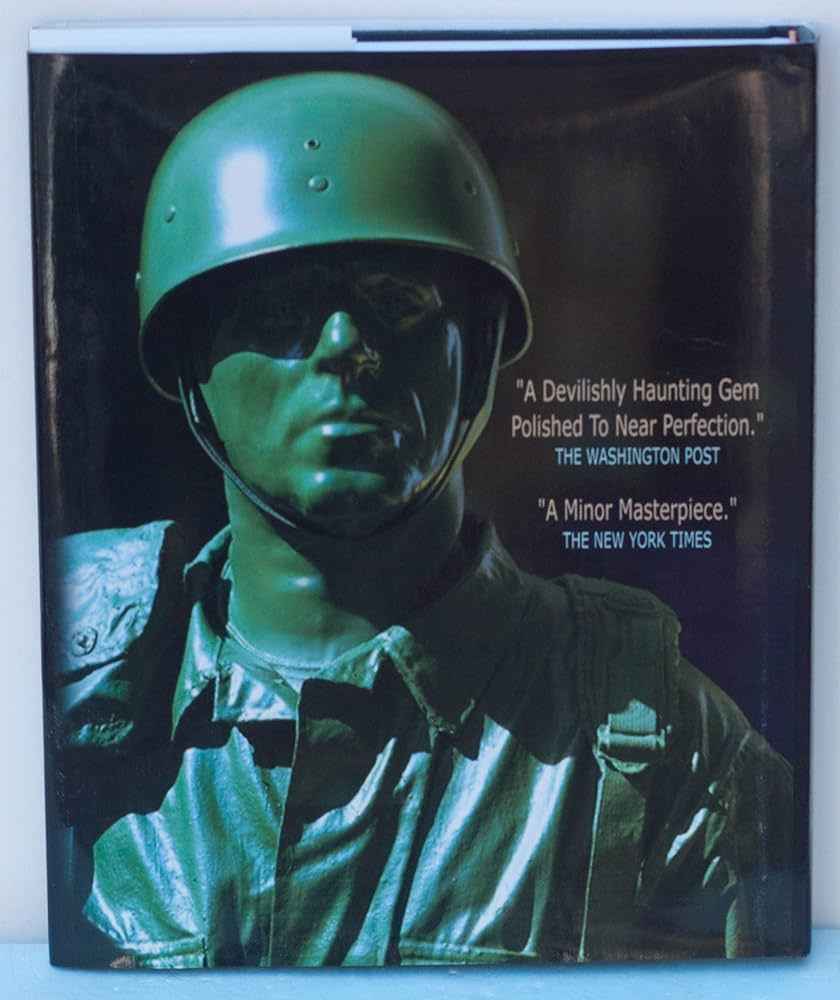
DVD back cover
In 2006, fans of Stephen King’s stories and Army Men enthusiasts were treated to a curious and surprising gem: the miniseries “Nightmares and Dreamscapes”, a TV anthology based on some of King’s most memorable short stories. But within that collection, there was one episode that stood out in a unique way, one that, for those of us who love the Army Men universe, is simply impossible to ignore. And it was the first episode…
That episode is called “Battleground” and it’s basically an Army Men movie, but with Stephen King’s unmistakable touch.
!!! SPOILER ALERT !!!
From this point forward, we reveal key plot details about the episode. If you haven’t seen it and want to enjoy it fully, we recommend watching it first and then returning to this article.
The Plot: Miniature War, Terror on a Human Scale
The story follows Jason Renshaw (brilliantly played by William Hurt), a cold and meticulous hitman who, after eliminating the founder of a powerful toy company, returns to his luxury apartment.
What he doesn’t imagine is that the founder’s mother, seeking revenge for her son’s death, sends him a very special package: a box of toy soldiers… but these are no ordinary toys.
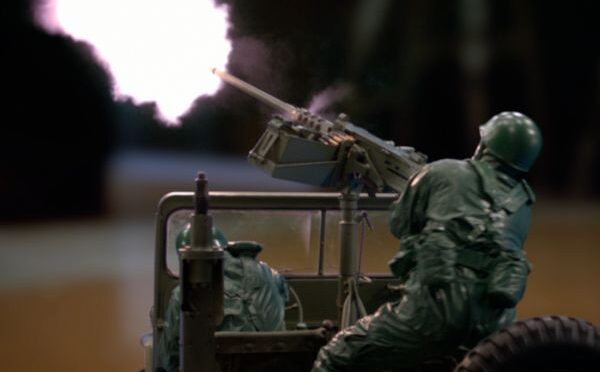
Inside is a fully armed platoon of plastic soldiers, fully mobile, ruthless, and deadly, accompanied by miniature vehicles, jeeps, attack helicopters, and portable artillery. What follows is a brutal, relentless battle where the soldiers do everything possible to kill Renshaw, using real military tactics adapted to their scale, while he, a professional hitman, fights to survive in what becomes a life-or-death war… inside his own spectacular apartment.
No Dialogue, Pure Visual Storytelling
One of the most striking aspects of this episode is that it has absolutely no dialogue. Not a word. Everything is told visually, through actions, expressions, and clever staging. This was no accident: it was a deliberate decision by director Brian Henson (yes, the son of Jim Henson, creator of The Muppets).
As Henson explained in interviews, he chose not to use any spoken lines to preserve the purity of the story, focusing solely on the tension, the fight, and the brutality of the encounter. This choice turns “Battleground” into a deeply immersive experience… almost like a cinematic experiment made for television. And no need of translation to any language!!!.
Production: Perfect Blend of Practical Effects, Miniatures, and CGI
Filming took place mainly in Australia, where the crew built an almost exact replica of the protagonist’s apartment on an enormous elevated set. This allowed the camera to capture every angle — even from below — creating a strong sense of scale both for the human and the plastic soldiers.
The mix of practical effects (miniatures, small-scale, plastic soldier suits, explosions) and CGI was considered top-notch for its time. The little Army Men are incredibly detailed, with precise movements, military discipline, body language and gestures that bring them to life (because their plastic faces show no emotions).
Recognition and Awards
Without a doubt, “Battleground” was the most successful and celebrated episode of the miniseries. It was nominated for three Emmy Awards, including Outstanding Visual Effects, and rightfully so. The care put into every frame, how the soldiers use tactics, cover, formations, and vehicles, is truly impressive.
The Plastic Army as the Perfect Villain
What makes this episode so fascinating (especially for Army Men fans) is how it takes the classic elements of toy soldiers (vehicles, weapons, miniaturization) and turns them into a legitimate, lethal, and fully believable threat within its own internal logic.
These soldiers are not cartoonish: They are perfectly organized, disciplined, and ruthless. They use grenades, missiles, helicopters, artillery and light vehicles with terrifying efficiency, proving that size doesn’t matter when the will to fight is absolute.
Similarities with Army Men: Not Few at All
For any fan of the Army Men franchise, watching this episode feels like seeing a hyper-realistic live-action version of what we always imagined when playing with our plastic figures. There are assault strategies, defense tactics, reconnaissance, siege and even encirclement maneuvers.
But beyond aesthetic similarities, the core idea connecting both works is the same: when toys come to life within their own universe, they stop being harmless objects and become players in their own war drama.
In Army Men, the troops are protagonists with agency. Here, they are villains with a clear goal and an efficiency bordering on the supernatural.
Bonus Facts and Curiosities
The original story was published in Cavalier (1972) and later in Night Shift (1978).
The director added the opening assassination scene to give more characterization to Renshaw on screen.
The adaptation includes an extra Rambo-style commando figure, serving as a mini-epilogue before the final nuclear detonation.
A fun Easter egg appears: the famous Zuni doll from Trilogy of Terror can be seen, a tribute to screenwriter Richard Christian Matheson and his father Richard Matheson.
There’s also a Soviet animated version from 1986, called Srazhenie (“Battle”), using rotoscoping while keeping the core plot intact.
Differences from the Original Short Story (King’s Short Story / TV Episode)
Protagonist’s Name:
John Renshaw / Jason Renshaw (played by William Hurt).
Opening Scene:
Wakes up after the assassination / Shows the assassination in real-time.
Dialogue:
Includes brief spoken lines / Completely silent, no dialogue.
Final Scene:
Immediate nuclear explosion / Elevator fight with a commando, then nuclear blast.
Easter Eggs:
None / Zuni Doll (from Trilogy of Terror).
Length and Pacing:
Around 10 pages, highly condensed / 55-minute episode with expanded development.
Epilogue: When Horror and Toy Soldiers Collide
“Battleground” is a short, precise masterpiece that mixes horror, action, and dark humor with impeccable execution. For Army Men fans, it’s more than just a wink… it’s an alternative version of our fantasy world, darker, more brutal, and stripped of the comedy or adventure that usually surrounds the Toyverse.
A story where small doesn’t mean weak. Where harmless becomes lethal. And where the battlefield fits (quite literally) inside an apartment.
“Battleground” is a narrative experiment that fuses small-scale military strategy with suspense and terror. It may not be the heroic vision of Army Men, but it captures that same warlike fantasy from another angle: that of the relentless adversary who won’t hesitate to annihilate.
For the Army Men community, it’s a dark tribute (and just as tactical) as our own plastic wars.
Recommendation:
Not only essential for King or horror fans… this episode is a masterclass on how to turn the small into genuine strategic horror. Absolutely unmissable for Army Men fans and anyone who ever dreamed of their toy soldiers coming to life… and fighting for real.
Fun Fact:
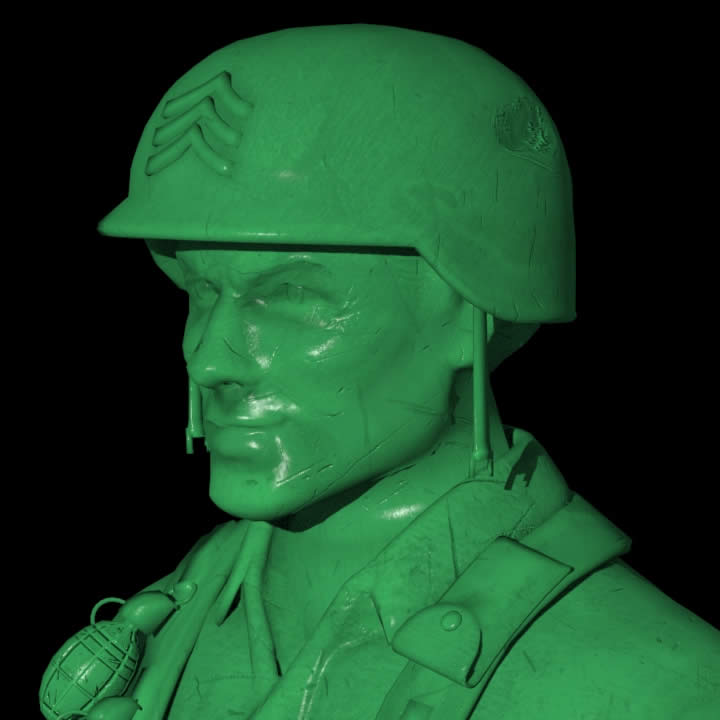
The latest game released by the franchise, Army Men: Mobile Ops, used the image of one of the soldiers from this production as the main image of the game’s main menu (we don’t know if it was used legally or not).
The Army Men Videogames Website, home of the Army Men Toyverse
Manage Consent
To provide the best experiences, we use technologies like cookies to store and/or access device information. Consenting to these technologies will allow us to process data such as browsing behavior or unique IDs on this site. Not consenting or withdrawing consent, may adversely affect certain features and functions.
Functional
Always active
The technical storage or access is strictly necessary for the legitimate purpose of enabling the use of a specific service explicitly requested by the subscriber or user, or for the sole purpose of carrying out the transmission of a communication over an electronic communications network.
Preferences
The technical storage or access is necessary for the legitimate purpose of storing preferences that are not requested by the subscriber or user.
Statistics
The technical storage or access that is used exclusively for statistical purposes.The technical storage or access that is used exclusively for anonymous statistical purposes. Without a subpoena, voluntary compliance on the part of your Internet Service Provider, or additional records from a third party, information stored or retrieved for this purpose alone cannot usually be used to identify you.
Marketing
The technical storage or access is required to create user profiles to send advertising, or to track the user on a website or across several websites for similar marketing purposes.