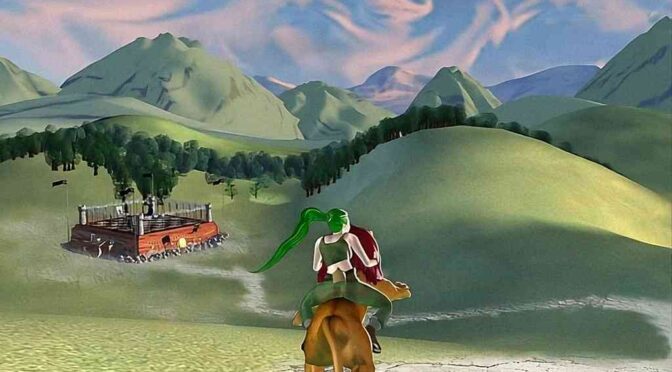
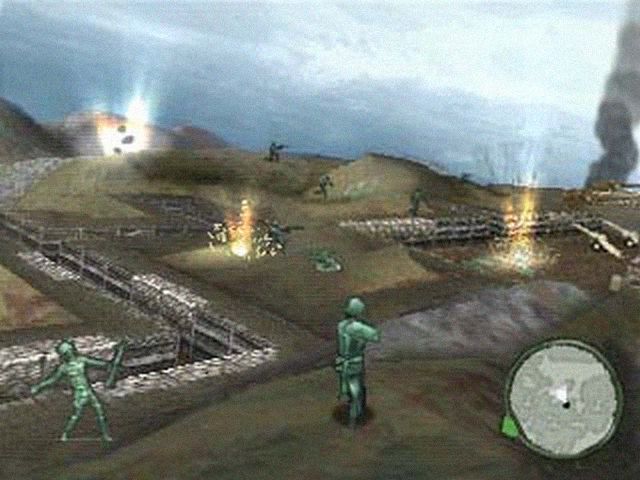
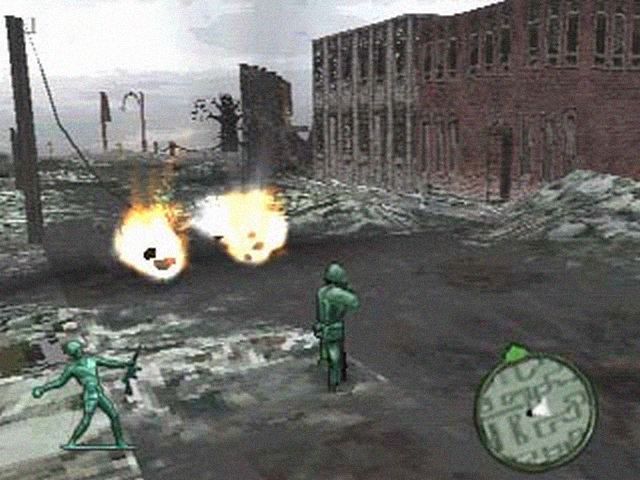
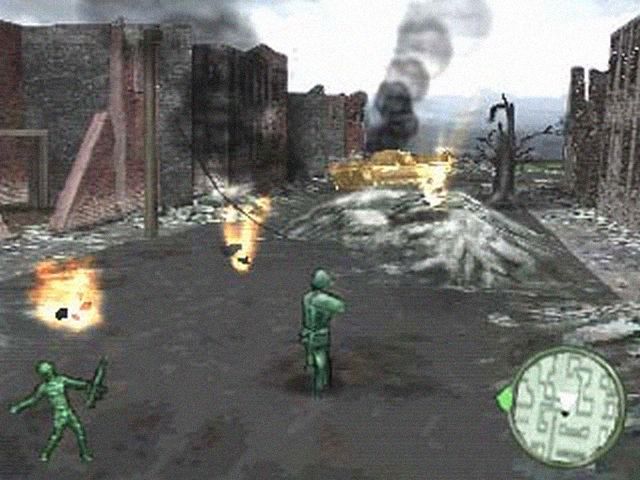
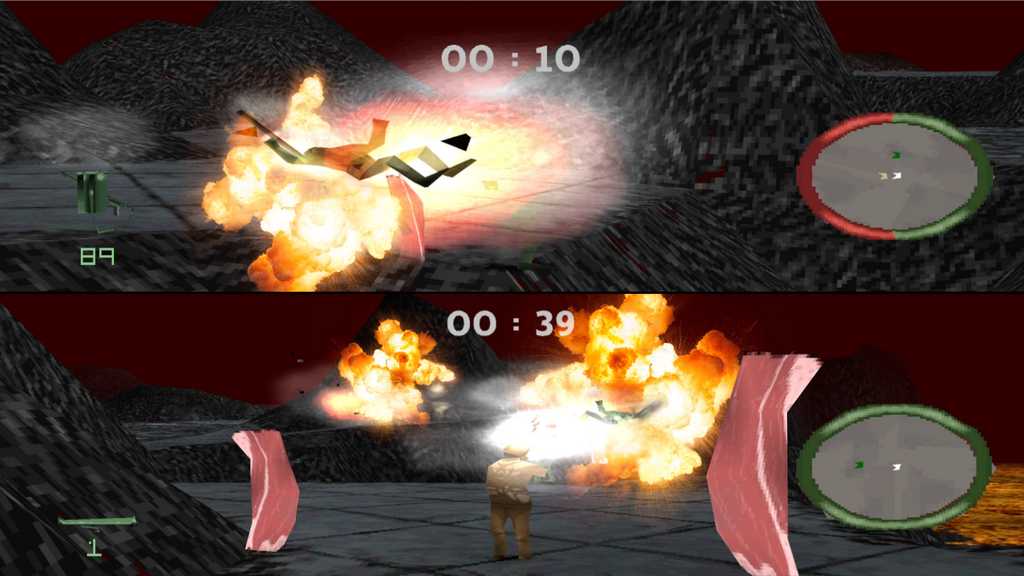
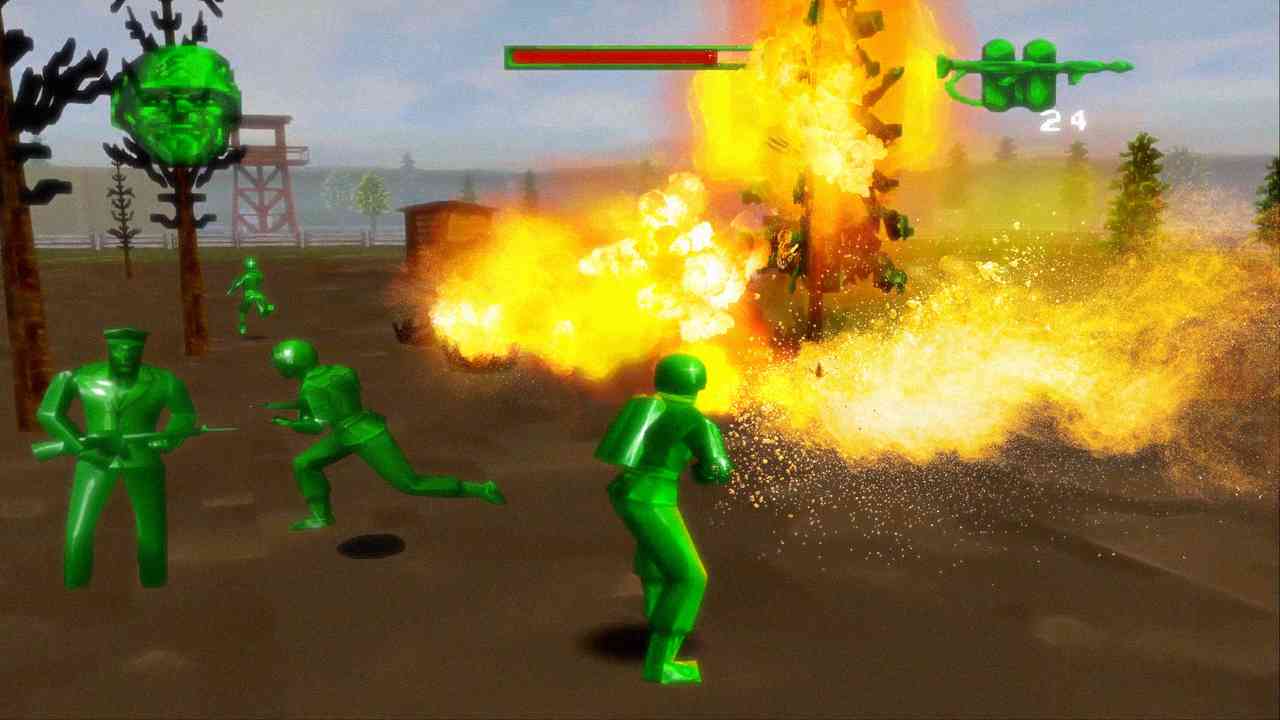
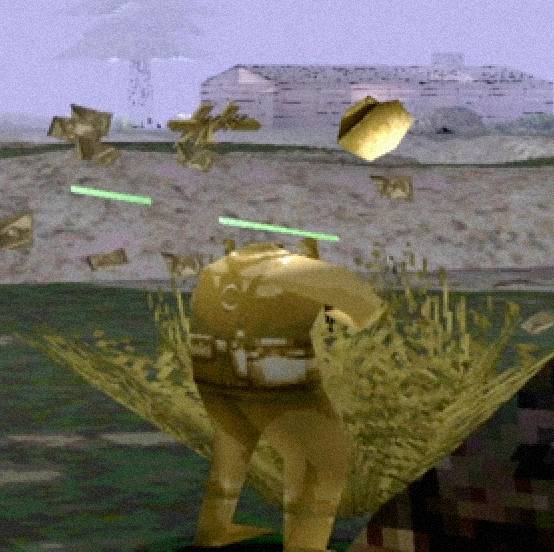
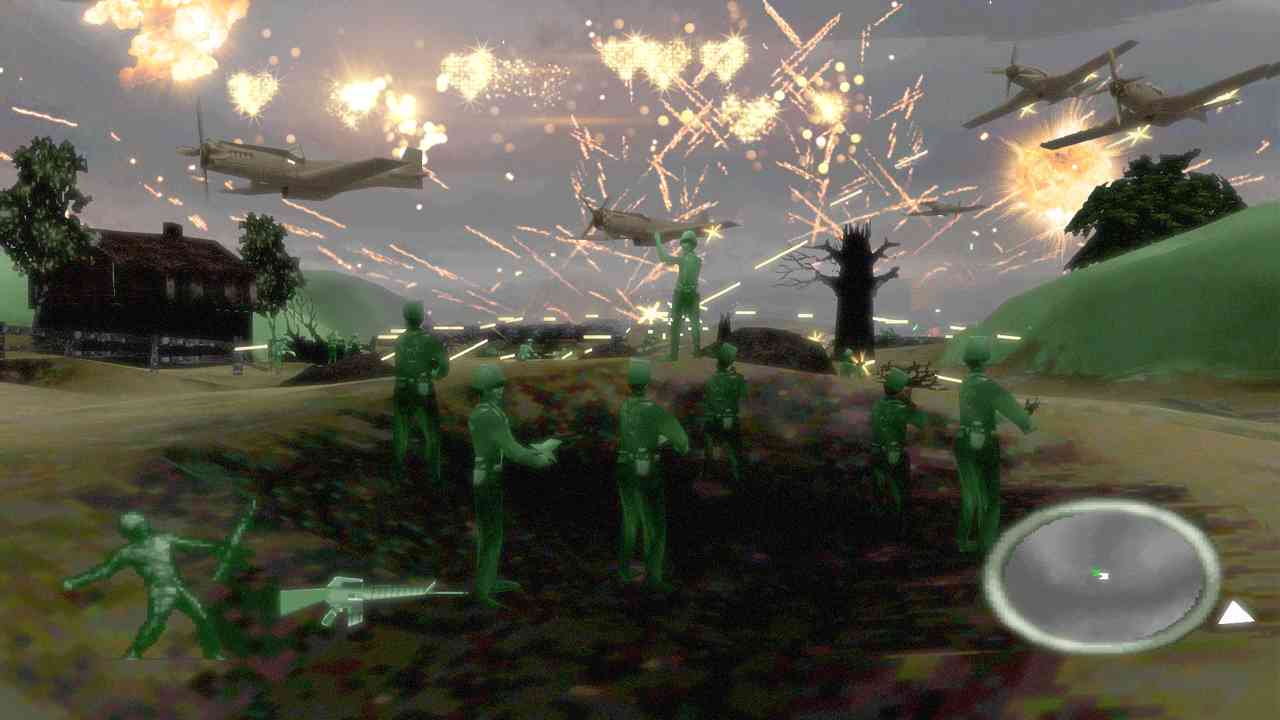
When James Gunn (now the creative head of DC Studios) was recently asked what he believed had hurt Marvel, his words were both honest and damning: “Too much content. Not enough planning. It killed them.” His remarks, aimed at the overextension of Marvel Studios in the wake of Avengers: Endgame, could just as easily describe what happened to the Army Men franchise in the early 2000s.
Back in the late ’90s, Army Men stormed the gaming world with a simple yet irresistible premise: toy soldiers brought to life in an imaginative, war-torn plastic world. The original titles stood out with charming aesthetics, quirky humor, and solid gameplay. But the publisher, 3DO, quickly turned that initial success into a production frenzy. From 1998 to 2003, they pushed out over a dozen Army Men titles—a pace that left little room for refinement or reinvention.
Back in the heyday of 3DO’s rapid-fire release strategy, even those of us in the The Army Men videogames channel were caught off guard. Titles arrived so frequently that not even the fans seemed fully aware of what was launching (or when). By the time a new game crossed our radar, it was often already out in the wild, too late. In an industry where annual sports releases were considered the norm, Army Men shattered expectations by flooding the market with an unrelenting stream of entries. No amount of pre-release buzz could keep up. The public wasn’t just underprepared: they were overwhelmed.
Much like Marvel’s recent deluge of films and Disney+ series, 3DO’s Army Men games began to feel rushed, repetitive, and disconnected. Without a clear long-term narrative or gameplay evolution, fans began to lose interest. By the time fresh ideas were needed most, the brand had burned out… and 3DO filed for bankruptcy in 2003.
James Gunn’s criticism of Marvel’s strategy (greenlighting projects without finished scripts and saturating the audience with underdeveloped content) perfectly echoes the pitfalls of 3DO. Both cases show how creative properties, no matter how beloved, can collapse under the weight of rushed schedules and corporate overreach.
The Lesson? Sustainability in storytelling matters more than ever. The audience craves meaningful worlds, not just more content. In the age of ever-growing universes (cinematic, gaming, or otherwise) the smartest path forward is one paved with vision, patience, and purpose. Part of what was missing in those years was the breathing room—a chance for the audience to anticipate, absorb, and get excited. Great franchises don’t just drop content; they build moments. But with Army Men, there was rarely time to prepare the public or give each title its spotlight. Without that crucial window to inform and engage players, even solid ideas were lost in the noise.
The Truth Behind the Famous “In-Game Screenshots” of the First Army Men Games
There are phrases that have become part of gaming folklore. One of the most common (and persistent) is:
“It was from a beta version…” —said with the tone of someone convinced they’ve uncovered a hidden development secret.
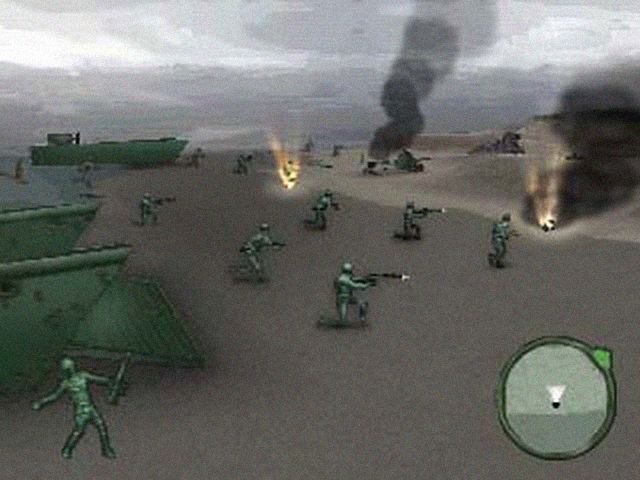
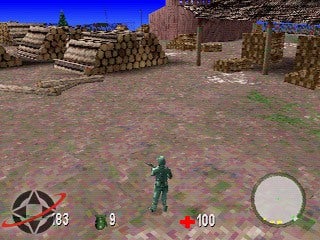
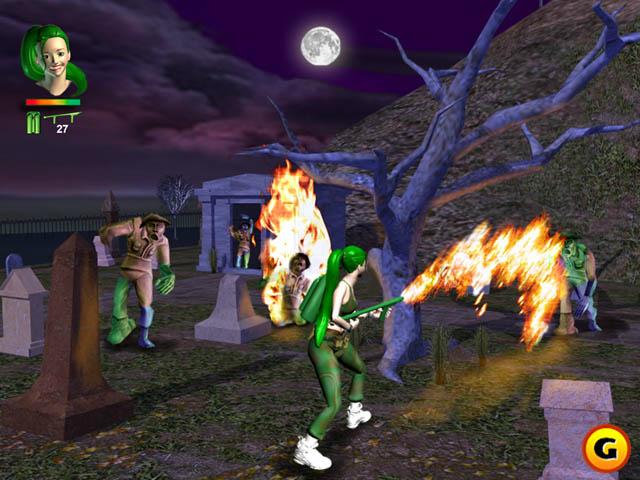
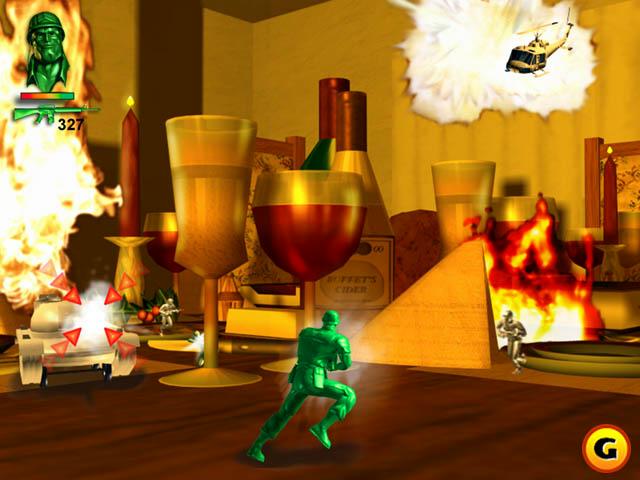
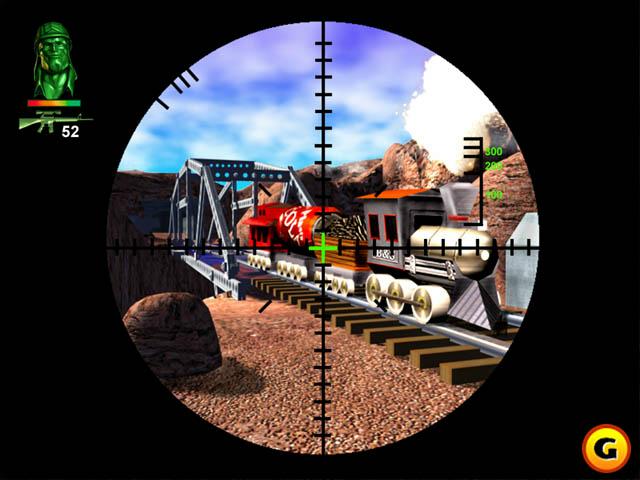
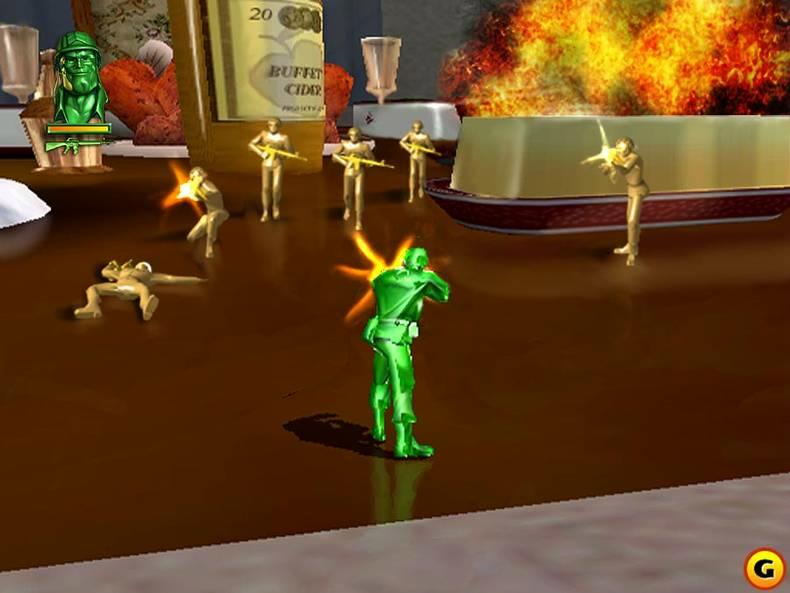
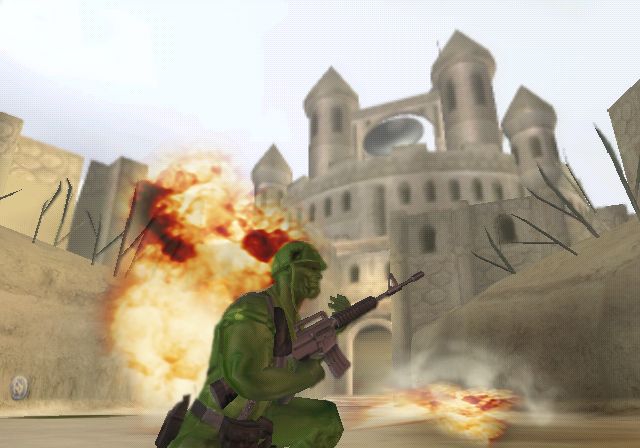
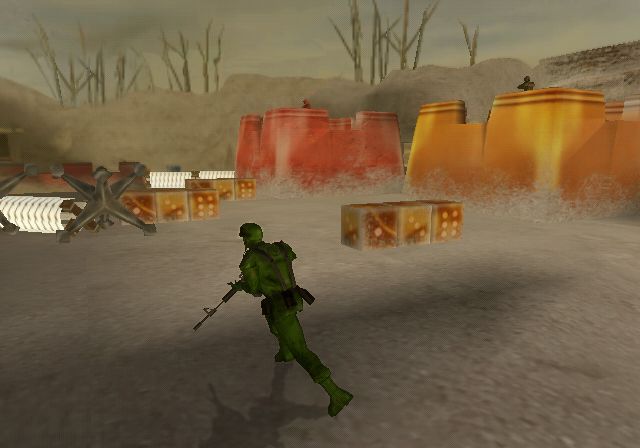
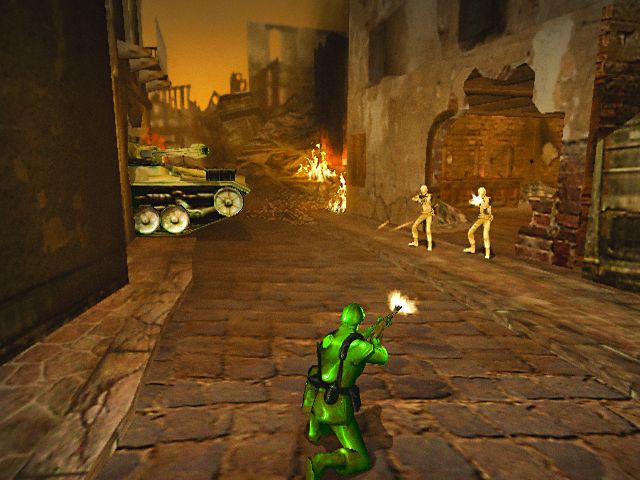
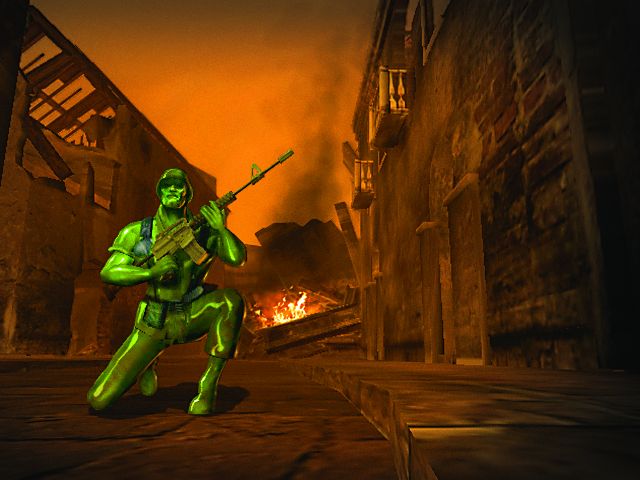
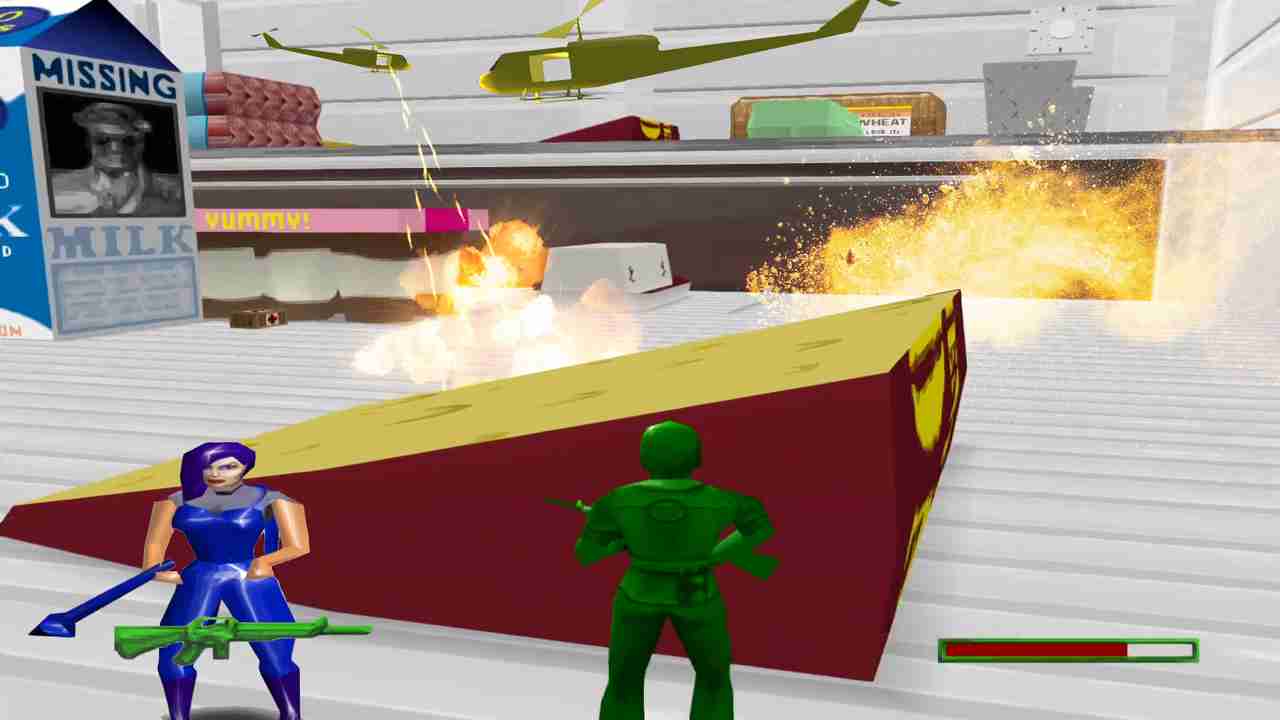
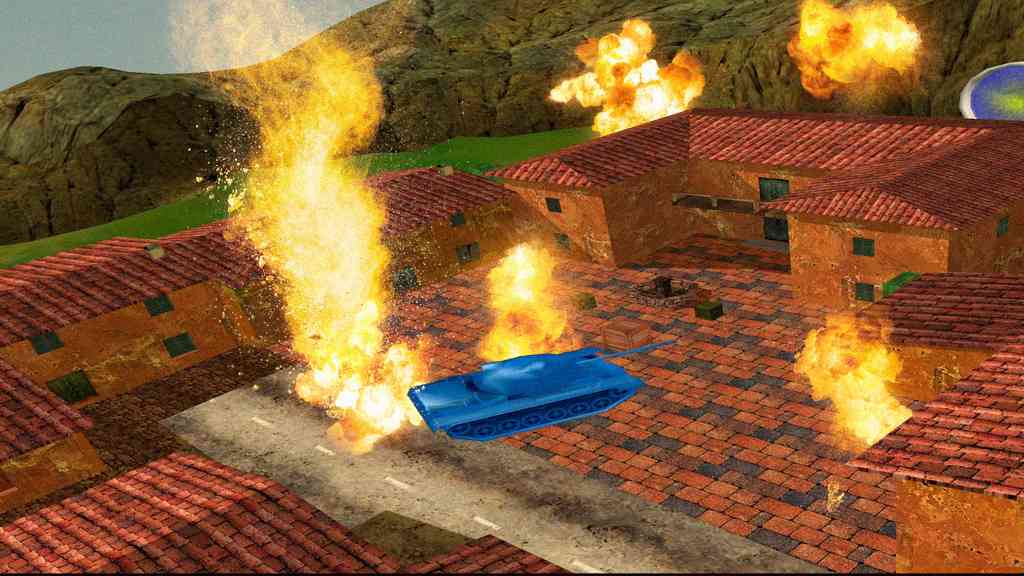
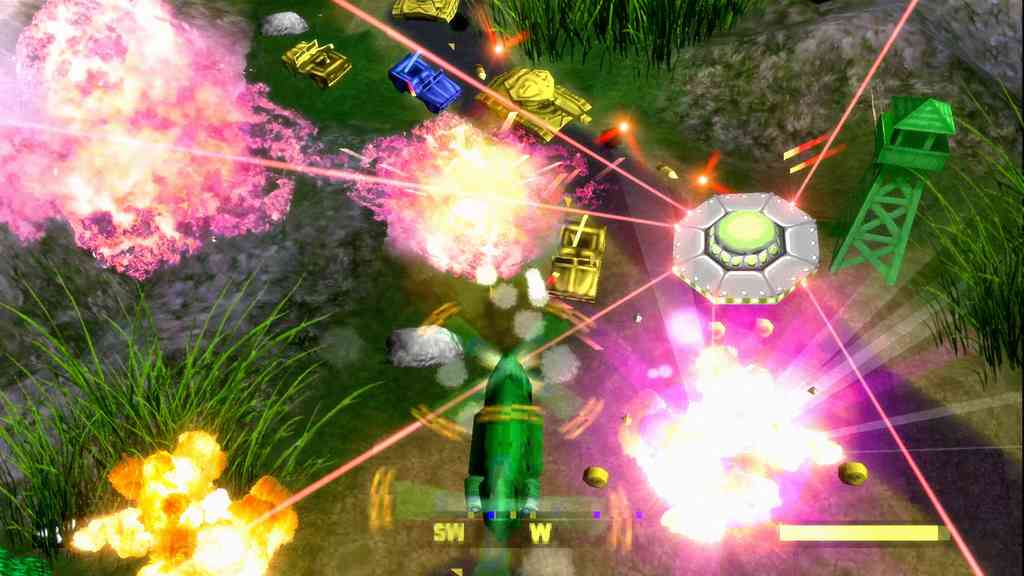
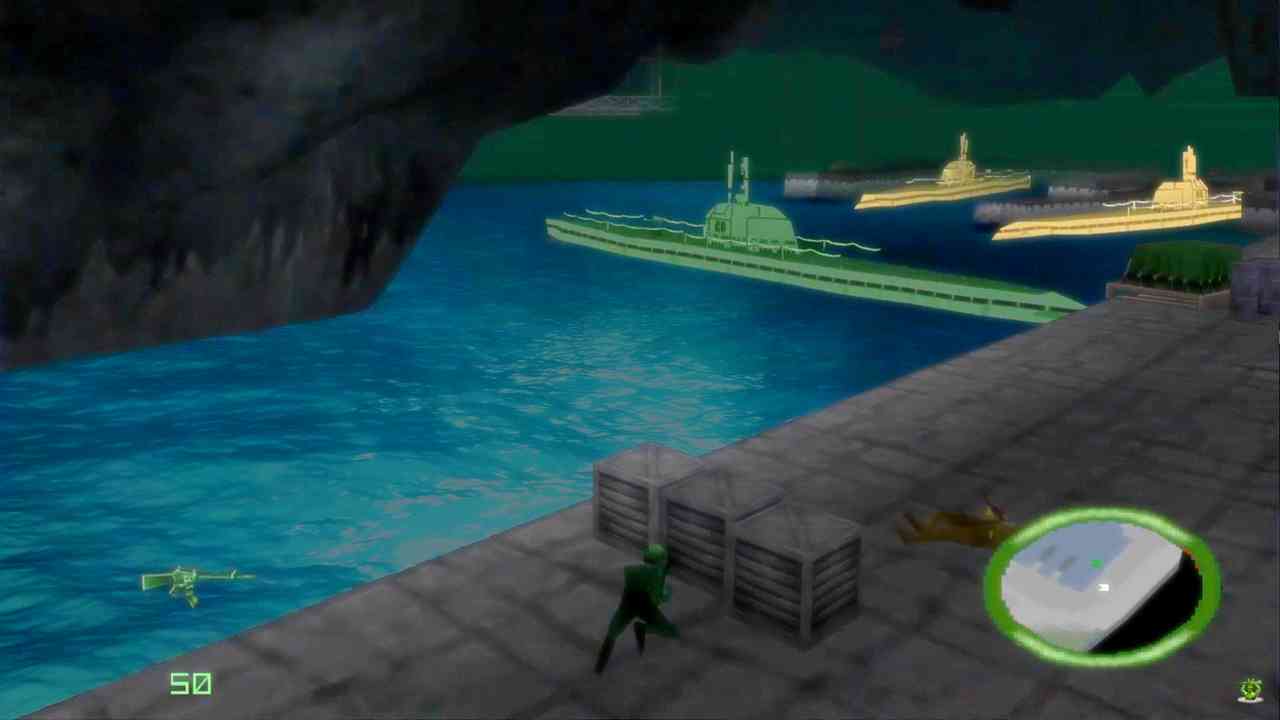
But when it comes to Army Men, many of those promotional screenshots were not beta versions of anything. In fact… they weren’t even screenshots.
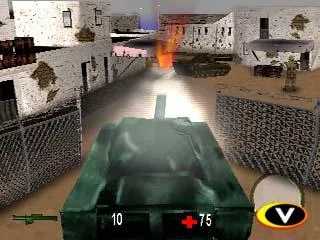
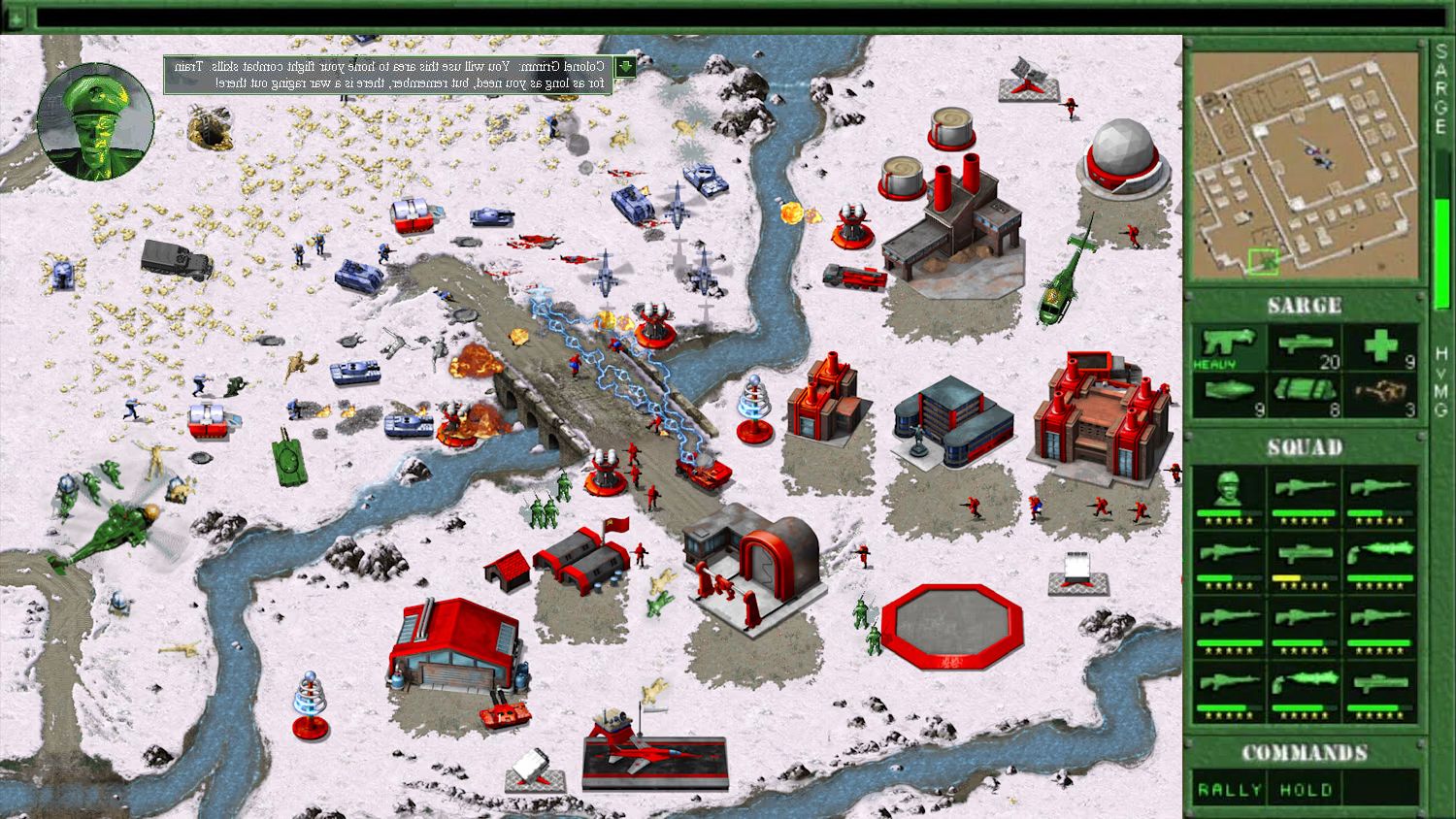
Slightly modified screenshot of PS1 Army Men: World War used in ads all over the internet at the time
What Looked Like In-Game… Wasn’t
Back in the golden age of 3DO, when Army Men was just beginning to take shape as a franchise, the creative team had a challenge: They needed a visual way to pitch the idea before the game was even fully designed.
Veteran developer Michael Mendheim, who played a crucial role in conceptualizing the Army Men universe, would put together digitally composed images to present the tone and feel of the project.
These images were a mix of:
Independently rendered 3D models.
Partial engine screenshots, when available.
Added effects like smoke, fire, and lighting.
And of course, a healthy dose of Photoshop.
They were never meant to be real gameplay footage: they were visual mockups, created to evoke the style, mood, and action the final product was aiming for.
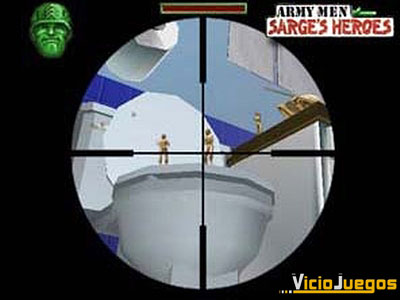
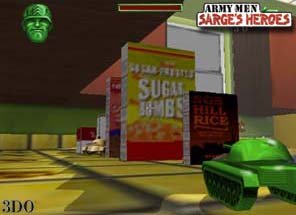
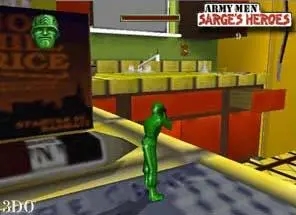
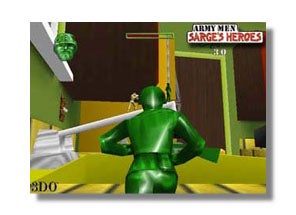
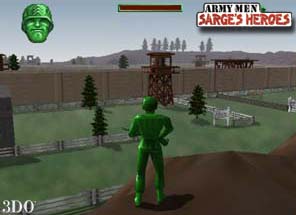
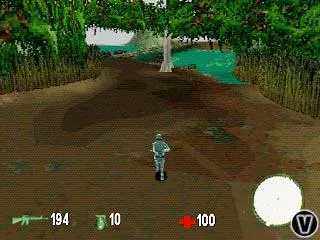
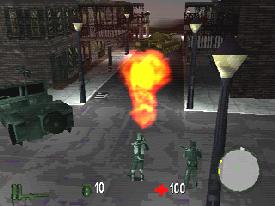
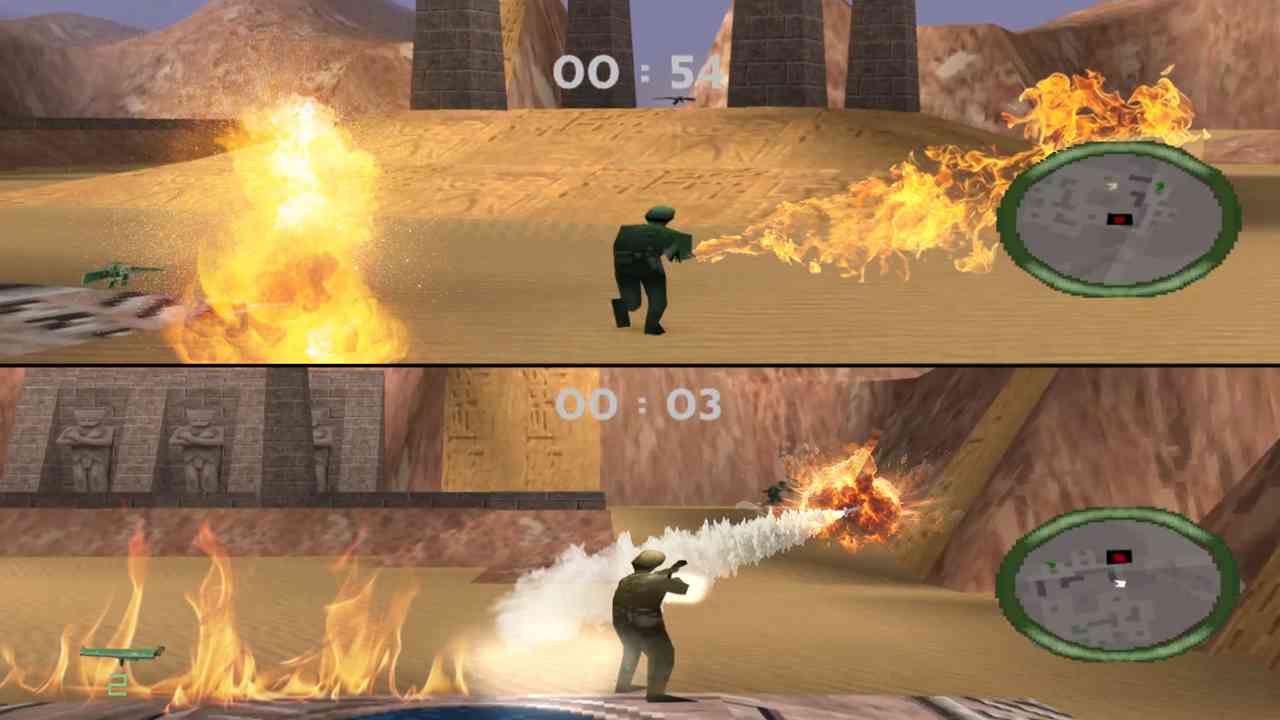
Slightly modified screenshot of N64 Army Men: Sarge’s Heroes used in ads all over the internet at the time
Although with minor modifications to the images, these are surely from the Army Men: Sarge’s Heroes engine for the Nintendo 64, but before going through the final version for the N64, it was actually a beta version of the levels and functions, not very different from the final version.
When Marketing Takes Creative Liberties
What’s interesting is that, even though the developers understood these images were purely conceptual, 3DO’s marketing team used them in advertisements as if they were actual in-game screenshots.
These images showed up in:
Magazines
Game boxes
Promotional flyers
Manuals
And even official press kits
The result? Players thought that’s how the game would look. And while that wasn’t exactly true… it worked. The hype exploded. The visual concept of Army Men (green plastic soldiers fighting battles in real-world environments) instantly captured players’ imaginations, long before the games were even finished, even a few years before 1998 Army Men.
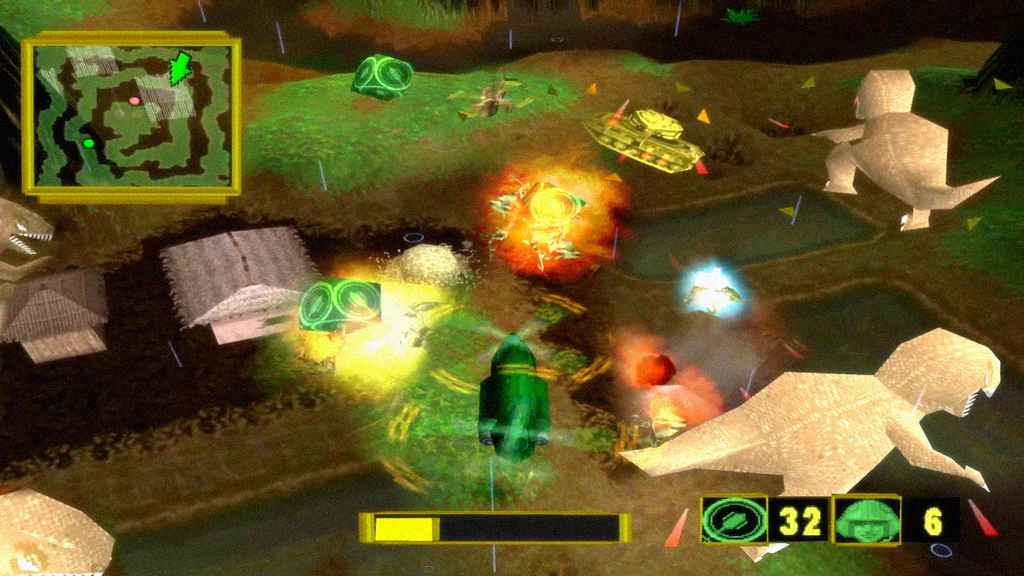
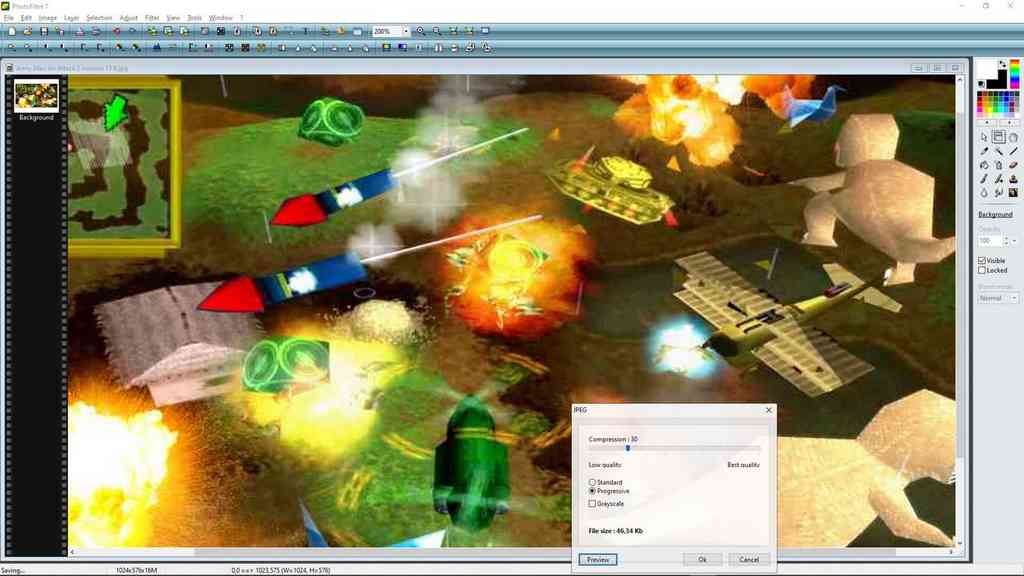
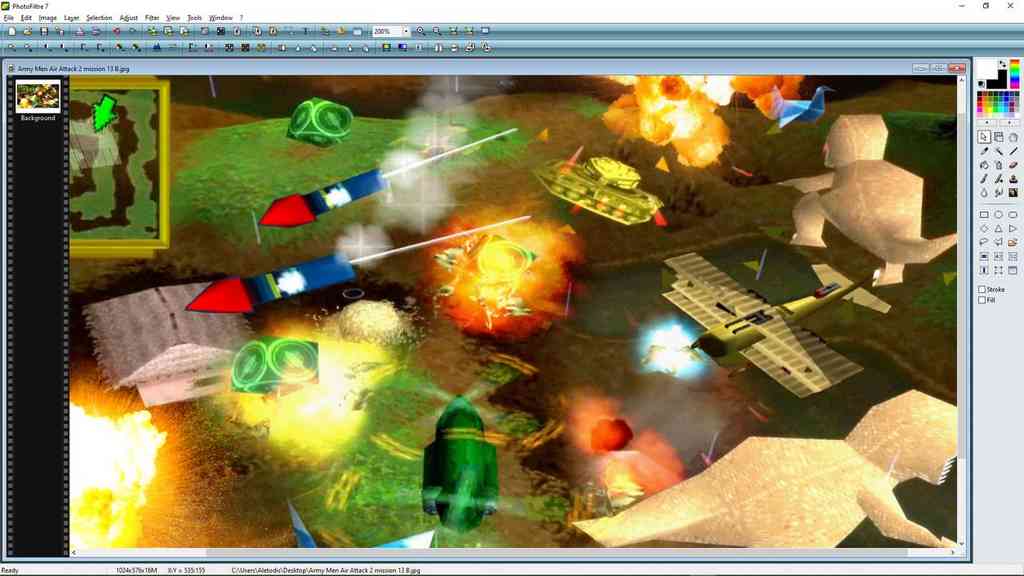
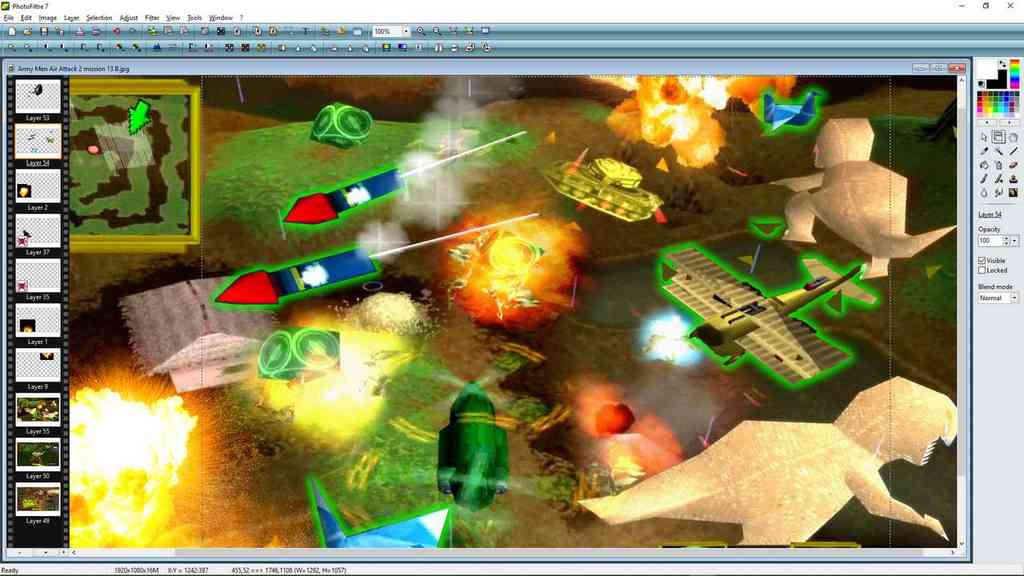
Unmodified screenshotScreenshot with extra objectsAdding compression noise……to blend the new objects convincinglyThe added objects highlightedOther uses for fake screenshots (video thumbnail)
The Speculation That Never Died
Even today, many fans still insist that those images came from early builds or beta versions of the games.
You’ll still hear comments like:
“This must be from a lost prototype…”
Or comments like:
“They had to downgrade the graphics later due to hardware limitations.”
And while it’s true that Army Men underwent plenty of visual changes during development (and yes, they had to scale things down to run on systems like the PlayStation 1 and Nintendo 64) those promo shots were not captured from actual working versions of the game.
People who worked with Photoshop or 3D Studio Max back then can clearly recognize the techniques used in these composites. If anything, they were stunning examples of concept art disguised as gameplay.
In a way, we wish they were real beta shots… it would’ve added an extra layer of mystique to the franchise’s development history. But no, it was just clever marketing. Fake… but effective.
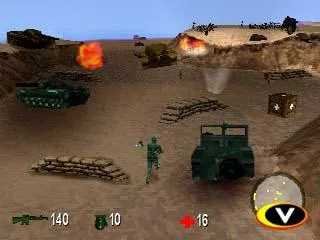
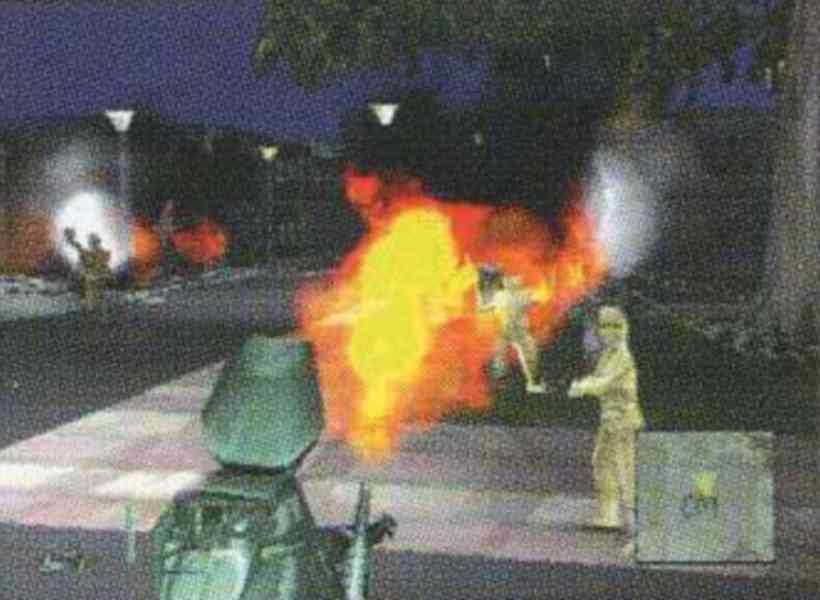
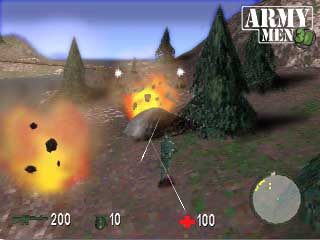
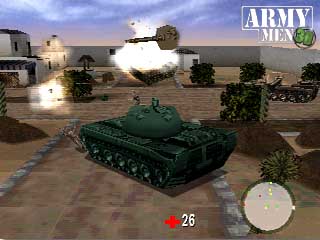
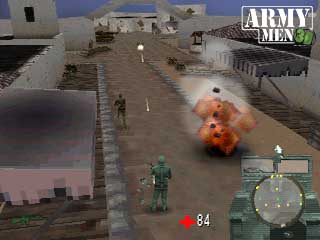
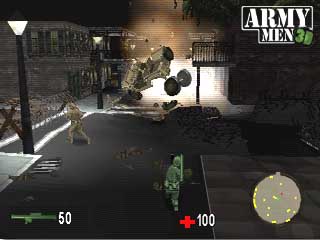
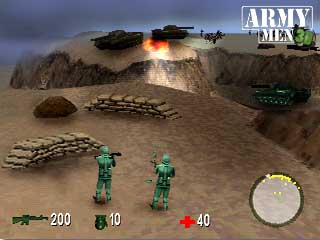
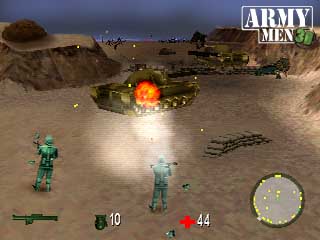
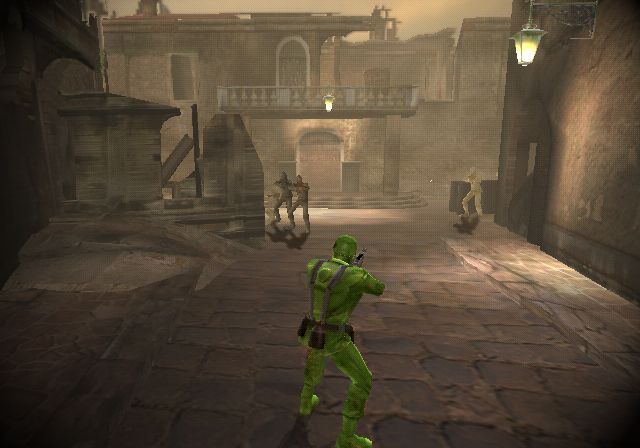
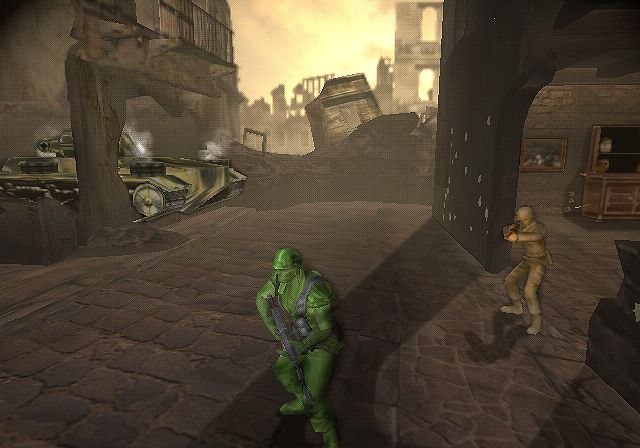
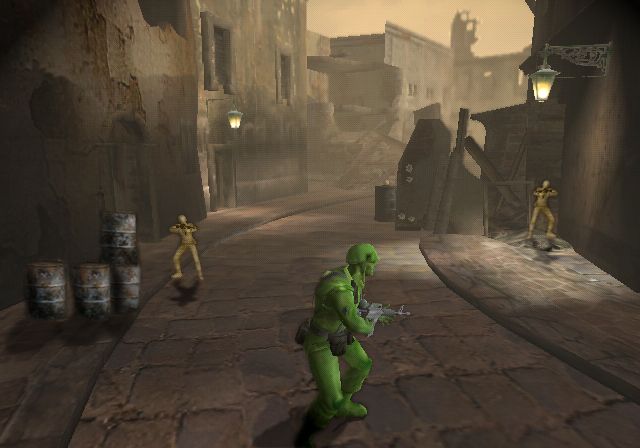
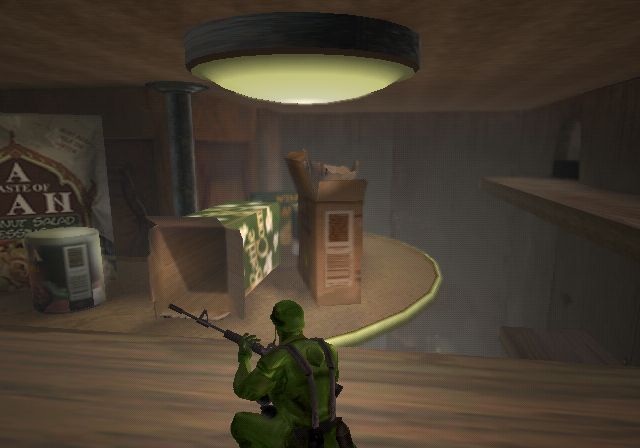
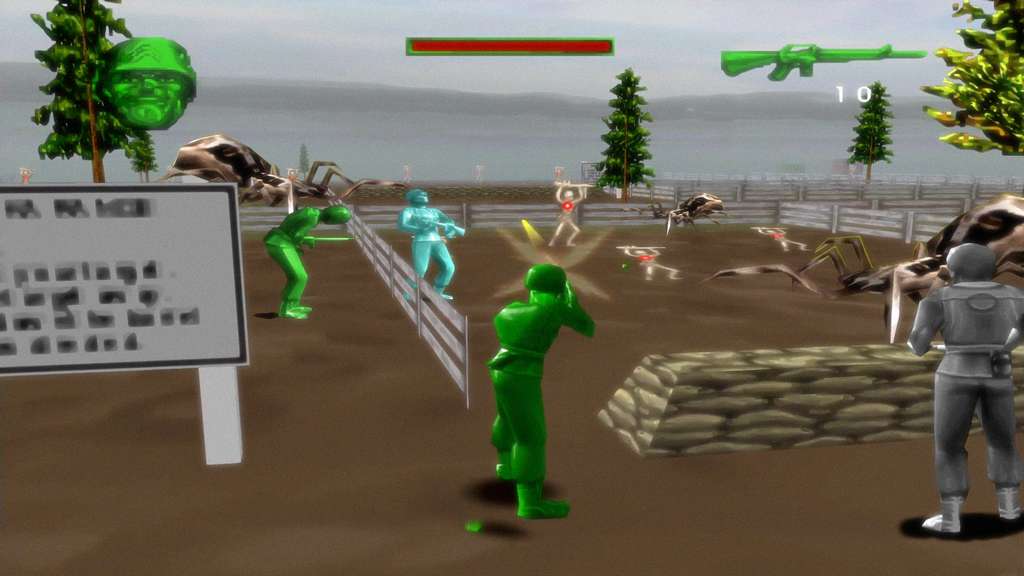
Modified screenshots of the “supposed” Army Men 3D beta version for PS1, used in promotional content all over the internet at the time
Deception or Strategy?
Today, in the era of frame-by-frame breakdowns and mandatory “not actual gameplay” disclaimers, this kind of tactic would get you dragged online in seconds. But in the ‘90s, with a franchise as visually unique as Army Men, it was a legitimate (and successful) marketing tool.
Some might call it deceptive. Others see it as an effective way of presenting an evolving creative vision.
Either way, those images weren’t beta builds, they weren’t unreleased versions, and they weren’t screenshots from a hidden dev console.
They were Photoshop. Plain and simple. And in context… they were brilliant.
What Does This Say About the Toyverse?
Like many good stories in the Toyverse, this one also carries a lesson. Just as molded toys become soldiers with names, stories, and purpose, a fake image can become the spark that brings an entire world to life.
Those visuals (however artificial) were the first real representations of the Army Men franchise. Before missions, before bugs, before battlefield chaos… there was a carefully crafted picture. And it worked.
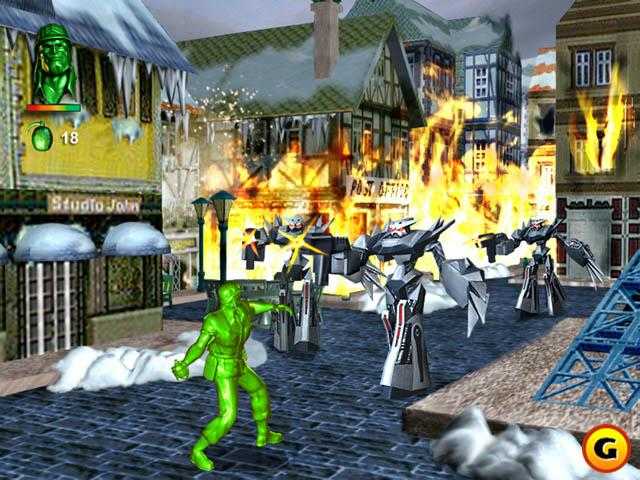
Heavily fake screenshots of Portal Runner (PS2) where they used heavy 3D CGI models to make concept screenshots that 3DO used in promotional content on magazines and all over the internet at the time
Bonus: Where to See These Images Today?
Many of these fake-but-iconic visuals still survive today in:
Archived game magazines (GamePro, EGM, etc.)
Scanned promotional material
Original manuals
The official 3DO websites via the Wayback Machine
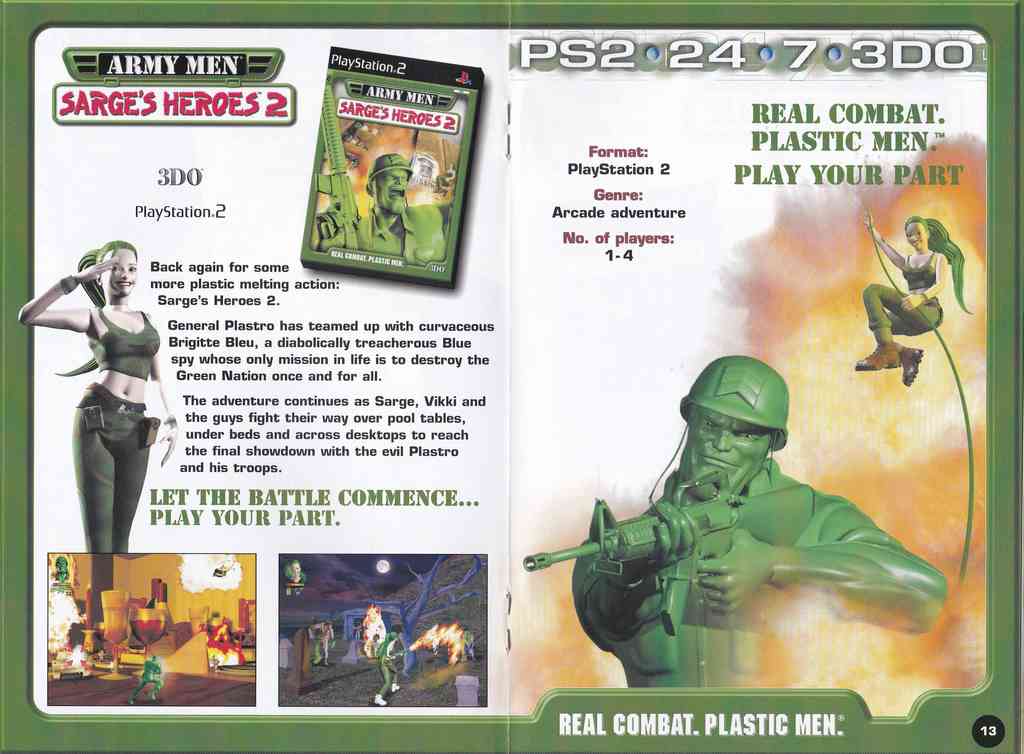
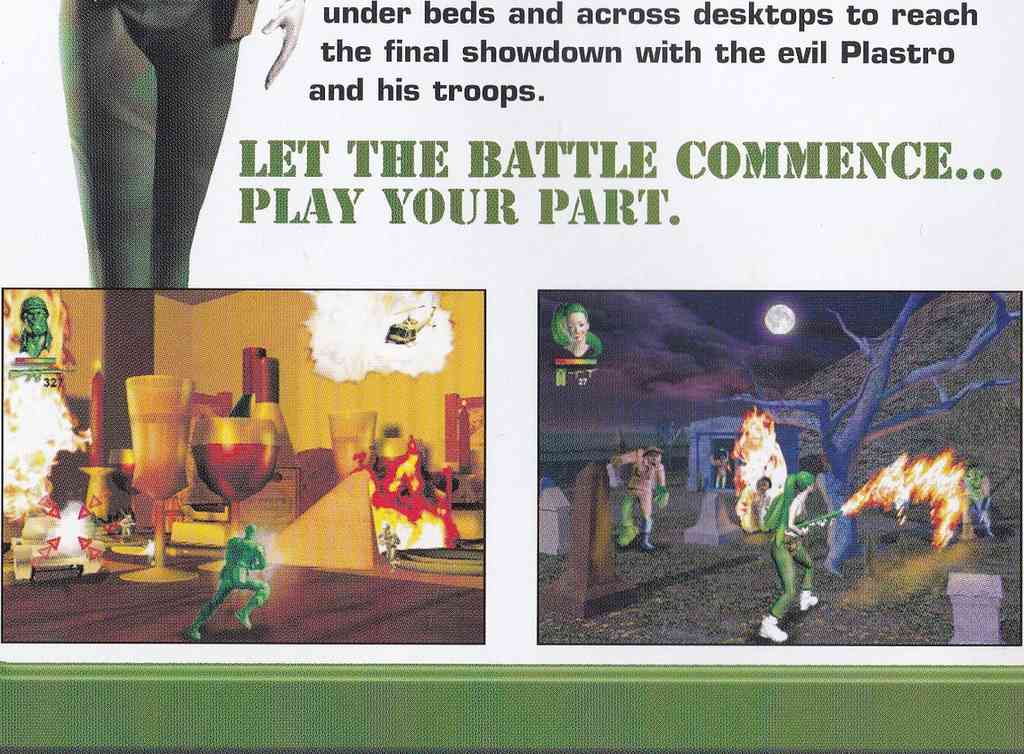
Heavily fake screenshots of the “supposed” Army Men Sarge’s Heroes 2 for PS2, used in promotional content on magazines and all over the internet at the time
In the game’s different media promotional contents, these screenshots were used to show off the game in its Playstation 2 version. In reality, they are composites using partial images of the game’s actual stages generated in a different engine or stage editing program, along with CGI models of the protagonists and a lot of added effects, something impossible to do for the Playstation 2. These were most likely images made as concept art of how the game should have looked for its development.
And of course, at ArmyMen.com.ar, where fans are still collecting and preserving all official documentation and rare media.
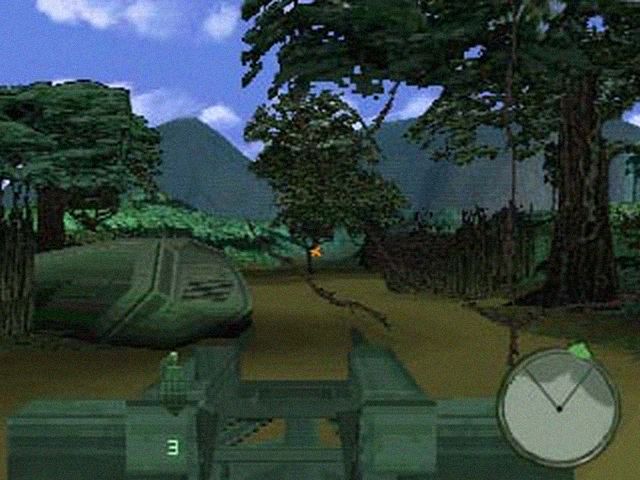
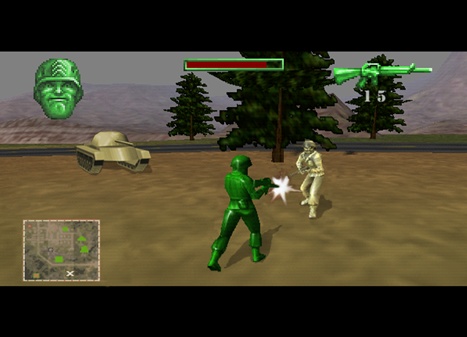
True BETA with minor modifications
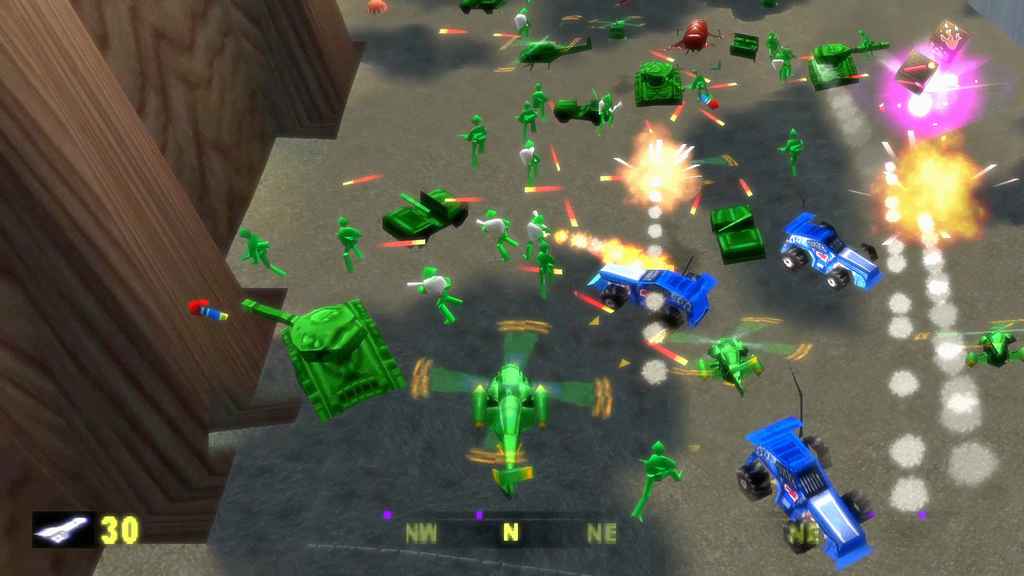
The last 3DO game wasn’t exempt from 3DO tactics. Although these are real in-game images from the game engine (Zero Engine), they have minor additions, such as some soldiers, tanks, and explosions. And these, as they didn’t report, are images from the actual beta, up to the point where 3DO worked on it, before Global Star Software took over and finished the game.
Epilogue: Not Real Gameplay, But Still Part of the Game
And óo players ever got to take control of Sarge.Because sometimes, a fake image contains a very real truth: The spirit of a franchise that helped shape an entire generation’s imagination.
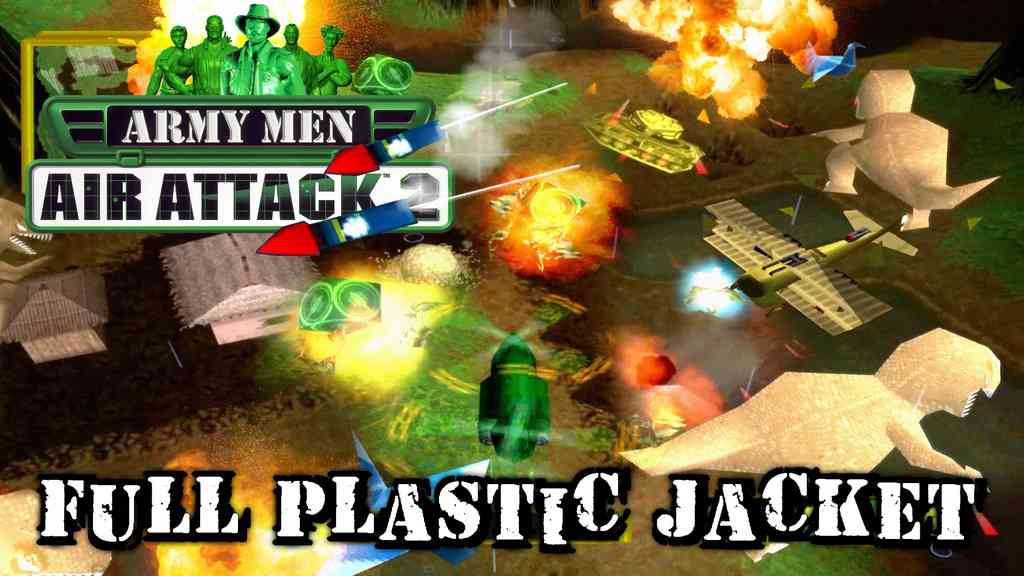
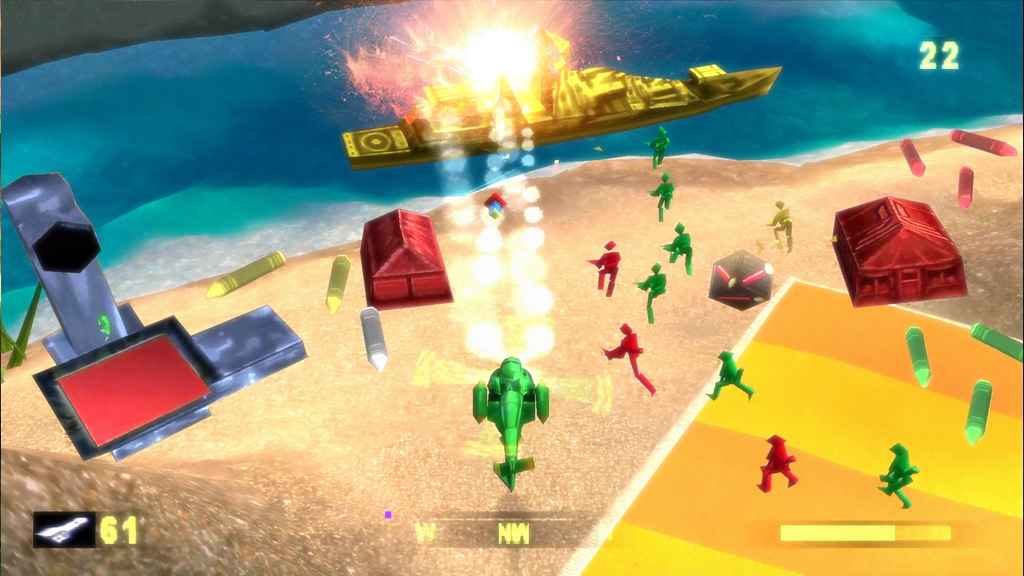
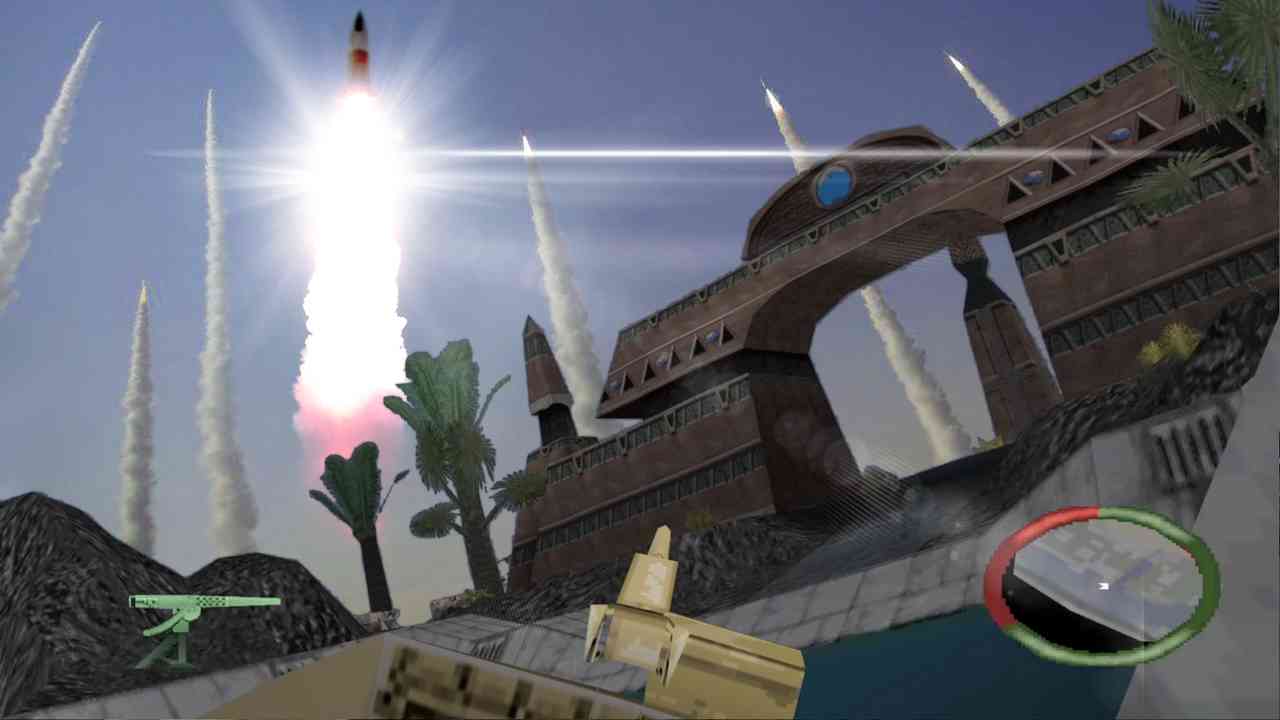
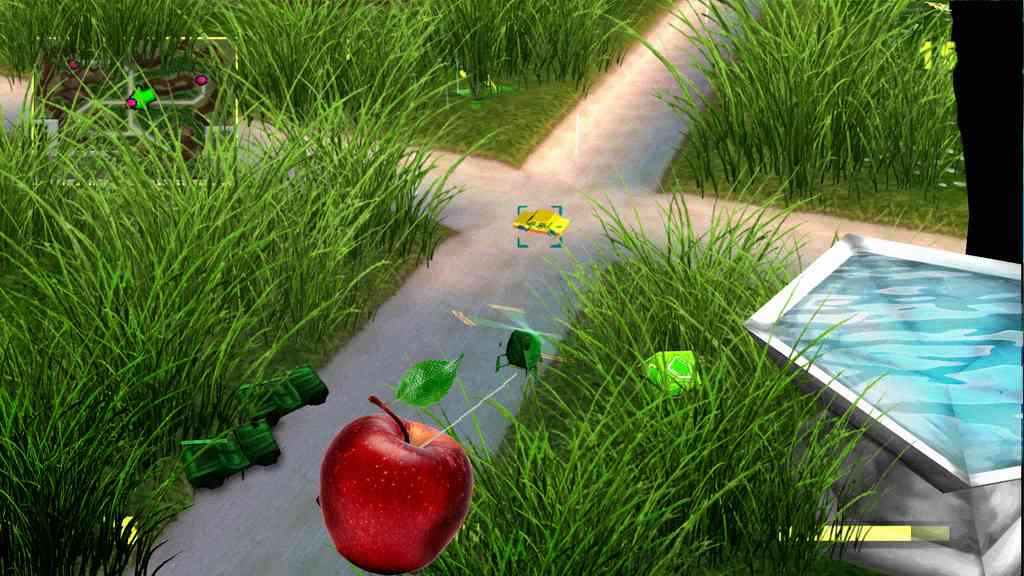
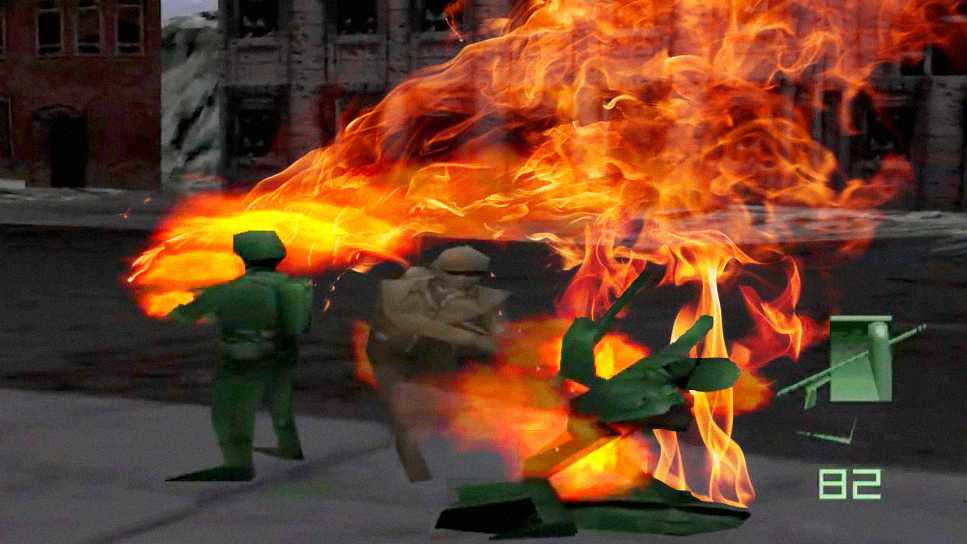
This are some of our own “fake” promotional images. We usually use them for our video thumbnails… but from now on we’ll be using them to promote older 3DO games a little… excessively.
The Army Men Videogames Website, home of the Army Men Toyverse
Manage Consent
To provide the best experiences, we use technologies like cookies to store and/or access device information. Consenting to these technologies will allow us to process data such as browsing behavior or unique IDs on this site. Not consenting or withdrawing consent, may adversely affect certain features and functions.
Functional
Always active
The technical storage or access is strictly necessary for the legitimate purpose of enabling the use of a specific service explicitly requested by the subscriber or user, or for the sole purpose of carrying out the transmission of a communication over an electronic communications network.
Preferences
The technical storage or access is necessary for the legitimate purpose of storing preferences that are not requested by the subscriber or user.
Statistics
The technical storage or access that is used exclusively for statistical purposes.The technical storage or access that is used exclusively for anonymous statistical purposes. Without a subpoena, voluntary compliance on the part of your Internet Service Provider, or additional records from a third party, information stored or retrieved for this purpose alone cannot usually be used to identify you.
Marketing
The technical storage or access is required to create user profiles to send advertising, or to track the user on a website or across several websites for similar marketing purposes.