Category Archives: Characters

Fixing and Expanding Sarge Hawk

Analysis: “Fixing” Sarge Hawk and the Power of the Static Hero

The “Plastic Soldier Problem” (The Boy Scout Archetype)
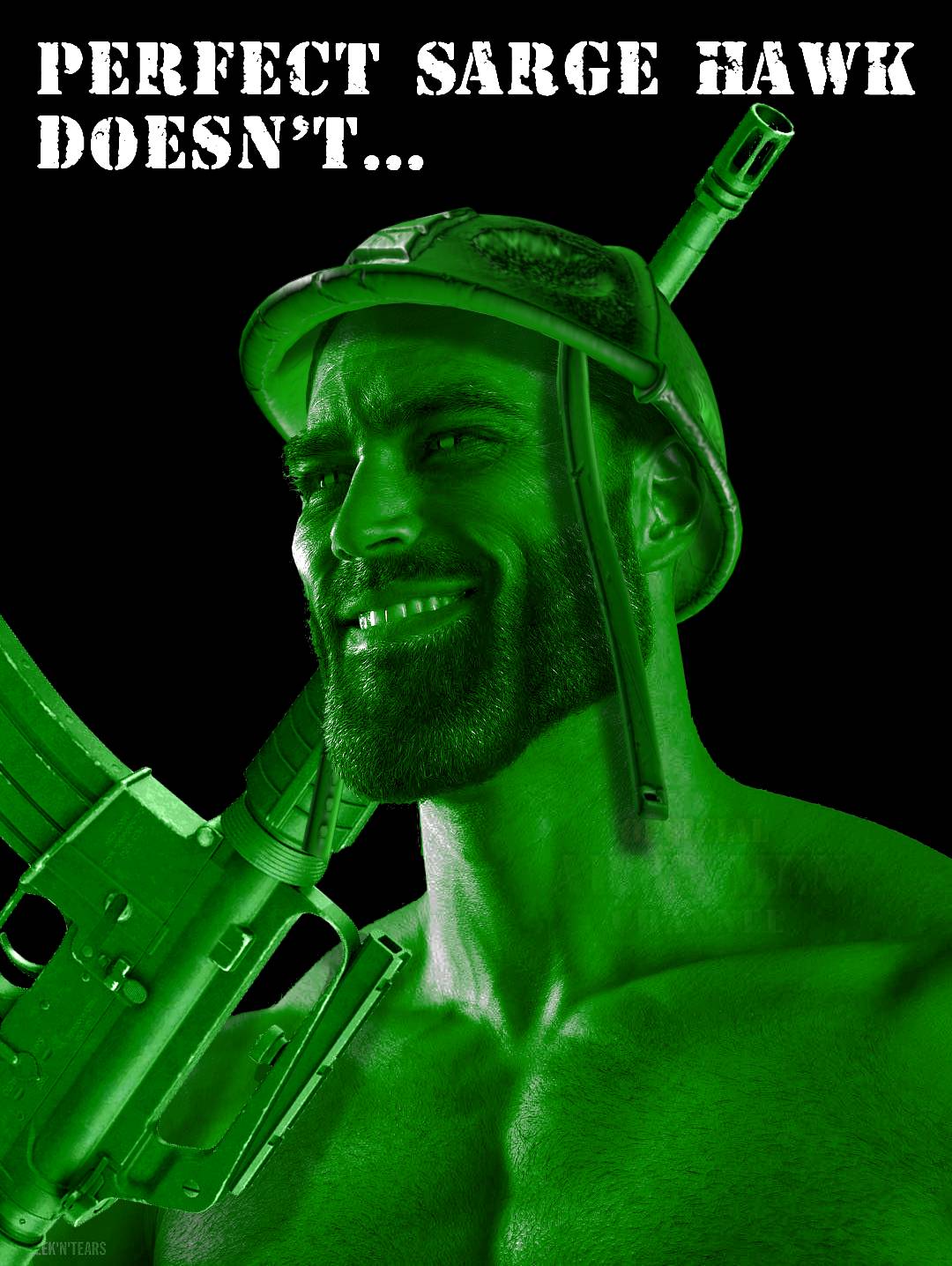
GigaHawk Army Men meme

Just like Captain America in 2011 on “The First Avenger”, Sarge Hawk carries the burden of “uniformity.” He is a character designed to be a pure instrument of duty. In the classic Sarge’s Heroes era, Sarge Hawk is the ultimate “Good Soldier”: he has no existential crises, he doesn’t question the Green Nation Army’s hierarchy, and his moral compass is as rigid as the plastic he’s molded from.

In a modern gaming and cinematic landscape that demands “broken” protagonists with dark pasts or ambiguous morals, a character like Sarge Hawk risks becoming irrelevant. If the world is gray, a hero who sees only “Green and Tan” appears naive. The common writer’s temptation is to “gritty him up”… make him cynical, ultra-violent, or a traitor. But as we learned from Steve Rogers, doing so destroys what makes him iconic. Sarge Hawk isn’t special because of his rifle; he’s special because he was a leader before he was a legend.

The Flat Character Arc: Sarge as the Moral Mirror

The key to making Sarge Hawk work in a sophisticated narrative isn’t for him to change, but for him to force the world to change. This is known as a Flat Character Arc.

In most stories, the protagonist starts with a “Lie” (a trauma or false belief) and the world beats them until they learn the “Truth”. But Sarge Hawk already possesses the Truth: sacrifice, loyalty to the squad, and protecting the weak (whether they are civilians in the Plastic World or refugee toys in the Real World).

Sarge Hawk doesn’t need a redemption arc. The conflict arises from his refusal to bend. When Sarge Hawk enters a corrupt environment (like the intrigues of Lord Malice or the betrayals of Brigitte Bleu or General Plastro), his moral immovability becomes his most dangerous weapon. He isn’t boring; he is terrifying to villains because they cannot buy him, they cannot tempt him, and they cannot break his spirit… (until Sarge’s War)

The Breaking Point: Sarge’s War and the Trap of Darkness
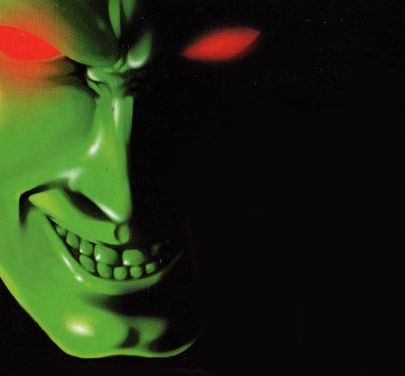
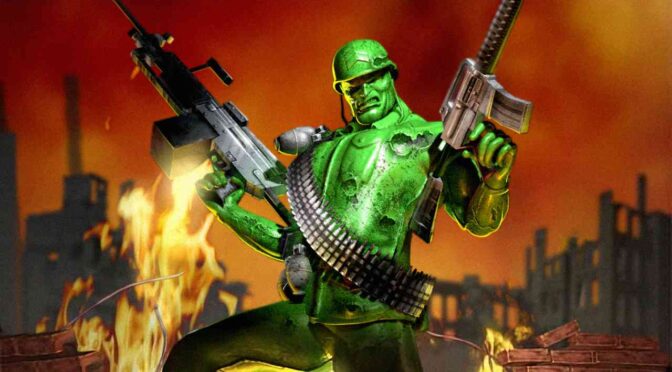
Major Malfunction

The game Army Men: Sarge’s War was the franchise’s attempt to enter the “mature era.” By eliminating his squad and his girlfriend, the narrative tried to give Sarge Hawk a positive or negative change arc: trauma. Here, Sarge Hawk stops being the mirror and starts being affected by the world.

This time, the key to Sarge’s War working within a sophisticated narrative isn’t for Hawk to change the world (as before)… but in this case, for him to be changed by the world. In theArmy Men Toyverse narrative, this marks the beginning of change. But not a definitive change that would establish him as a totally different character… rather, an evolution: He will remain the archetype of the Boy Scout, but within a complex narrative that leaves him no option but to act differently, Like when Batman and Superman are forced to kill someone. Although it’s something they avoid doing, circumstances sometimes compel them. But that doesn’t change them.
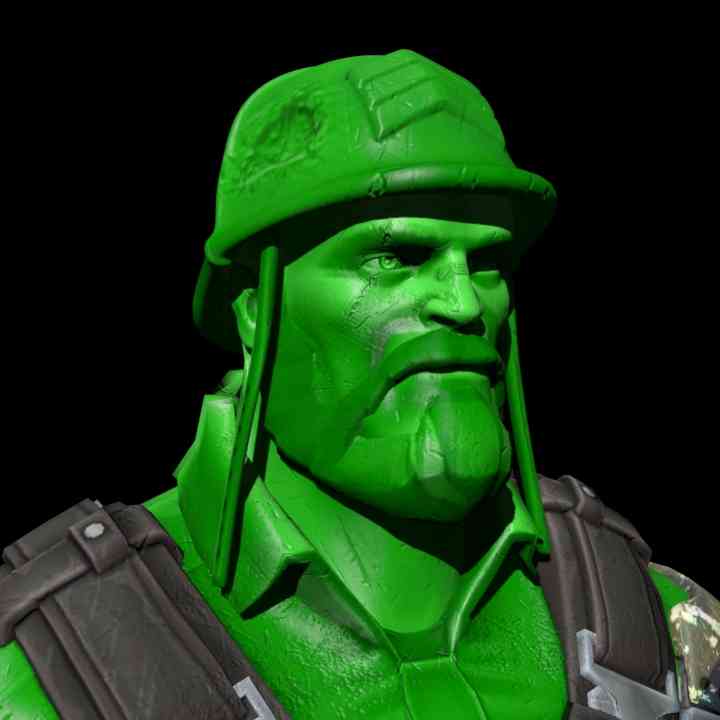
If we apply the Russo Brothers’ logic, this is Sarge Hawk’s “Winter Soldier” moment. Lord Malice’s attack isn’t just an act of war; it’s an attack on Sarge Hawk’s ideology. Lord Malice represents chaos and nihilism, while Sarge Hawk represents order and hope. The narrative challenge here isn’t to left the “vengeful” Sarge Hawk from Sarge’s War redefine the character and become from there on as dark as his enemy, but to see a post Sarge’s War and Major Malfunction version of Sarge Hawk who, despite losing everything, refuses to stop being the hopeful Boy Scout Green Soldier. The true victory in the Army Men Toyverse narrative isn’t avenging his comrades destroying Malice (and itself to become a villain) it’s that Sarge Hawk doesn’t become another Malice in the process by forever (But if at least for a time, as part of the growth process. Although the reasons for his temporary transformation into a villain may be partly due to external influence).

Sarge in the Toyverse: The Formidable Hero

To make Sarge Hawk work in a broader, more complex ecosystem like the Toyverse, he must be treated as a moral heavyweight.
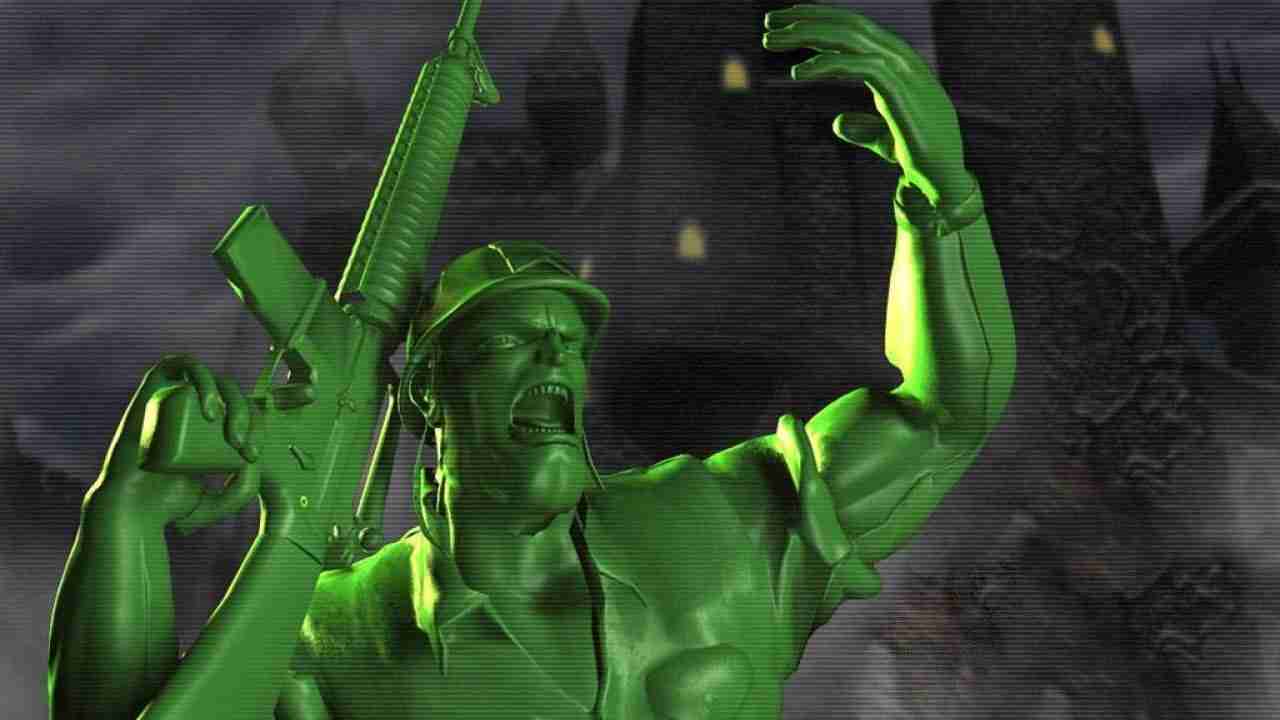
Hawk during the assault on Dr. Madd Castle
  • Ideologically Dangerous:
    In a world of conflicting factions, Sarge’s insistence on doing the right thing (regardless of brand borders or materials) makes him an anomaly. He isn’t just a soldier; he is a threat to any system that thrives on moral ambiguity.
  • The Catalyst for Change:
    More cynical or pragmatic characters (like Brigitte Bleu or mercenaries from other “Worlds”) must find themselves transformed by interacting with him. Not because Sarge Hawk gives them a lecture, but because his example proves that a more principled way of life is possible, even in an endless war. Something like Goku transformed Vegeta by example.
  • The Introduction of Doubt:
    For his flat arc to be compelling, Sarge Hawk must doubt. Not his values, but his ability to uphold them. “Is it worth fighting when my own generals are willing to sacrifice entire worlds for a plastic victory?” That doubt is what humanizes him without needing to “dirty” his character.

Conclusion: Goodness as Subversion

In conclusion, the way to “fix” or empower Sarge Hawk is to stop trying to make him “modern” through cynicism. In a landscape full of anti-heroes, a man who sincerely believes in duty and friendship is the most subversive thing imaginable. Furthermore, there will be no shortage of anti-heroes in this story…

Sarge Hawk is not a relic of the past; he is a warning for the present. If he stands firm while worlds (Prehistoric, Medieval, Space) collapse around him, he becomes the only stable point of reference. Sarge Hawk doesn’t change; he is the force that compels the Toyverse to decide which side of the line it wants to be on.
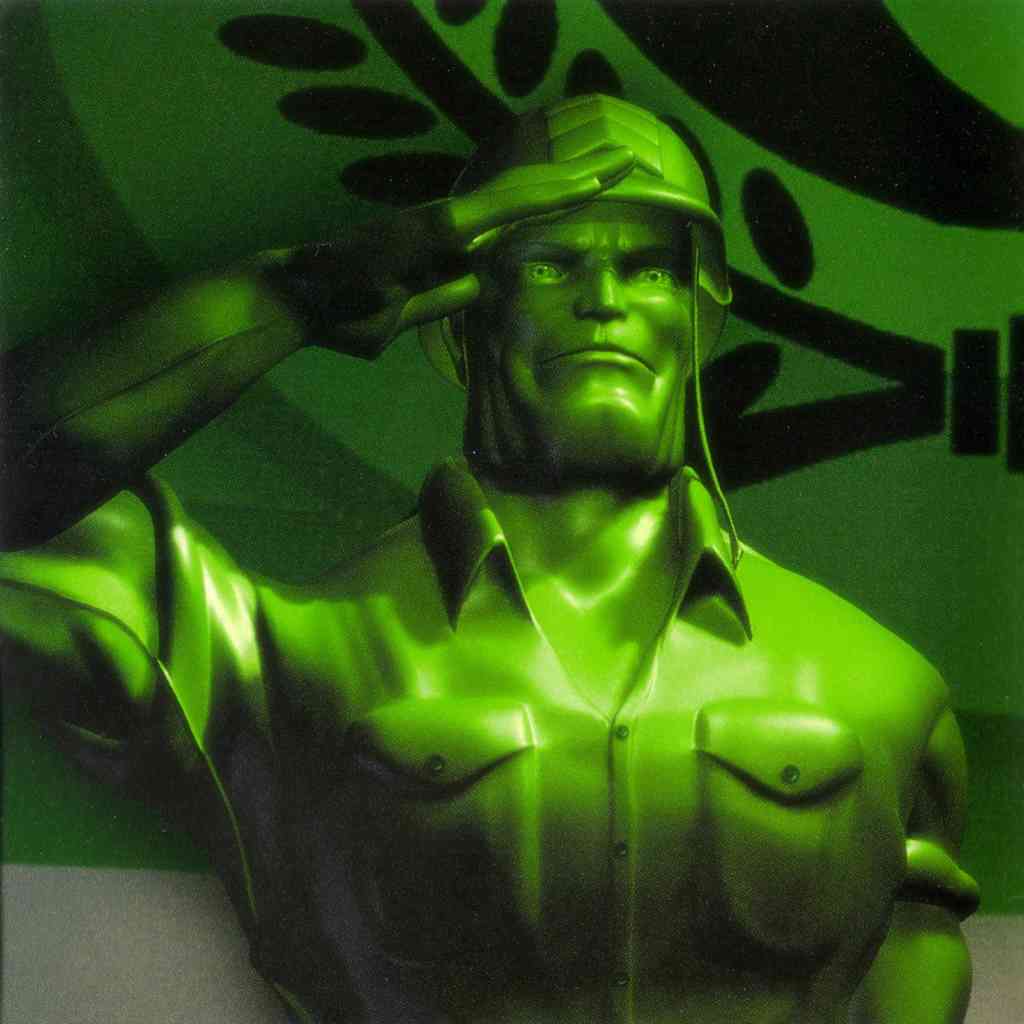
Sarge Hawk from Army Men franchise

Army Men Action Figures by Playing Mantis (2000-2001)

Army Men – Real Combat (Playing Mantis)

In the early 2000s, the toy company Playing Mantis released a short-lived action figure line called Army Men – Real Combat, directly based on the 3DO’s Army Men Videogames franchise. The figures were around 6 inches tall and designed with a military theme, clearly inspired by the Army Men characters of Army Men: Sarge’s Heroes, but produced as articulated collectible toys.

Overview

Playing Mantis produced a licensed action-figure line based on The 3DO Company’s Army Men video games (notably the Sarge’s Heroes era). Contemporary materials explicitly state that Playing Mantis and 3DO teamed up to release six figures from the games.

Release window

Packaging and checklists place the line around 2000–2001. Listings show 2000 manufacture dates, while hobby write-ups and checklists tag the series as 2001.

Lineup (6 figures).

  • Sergeant Hawk (Team Leader)
  • Vikki Grimm (Lovely Soldier)
  • Colonel Grimm (Commander-in-Chief of the Greens)
  • General Plastro (Tyrannical Tan Leader)
  • Riff (Bazooka Specialist)
  • Hoover (Mine Sweeper)

Scale & features. Figures are roughly 6–7 inches tall with around 10 points of articulation, packed with weapons/accessories. Packaging commonly included a dog-tag style display base and a trading card, and used the franchise tagline “Real Combat, Plastic Men.” Some packaging/ads also used “Hyper Action!” branding.

Branding. Item specifics and packaging references connect the toys directly to the Sarge’s Heroes sub-brand and 3DO license.

Availability today

The run was short; figures surface mainly on the secondary market and collector blogs/checklists. Collectors remember this line as an unusual and somewhat obscure branch of military-themed toys from the early 2000s.

Video reviews of every Army Men action figure

Sources for this informacion:

figurerealm.com
Now And Then Collectibles
eBay

From Identical Soldiers to Individual Warriors

The Evolution of Plastic Soldiers in the Army Men Toyverse

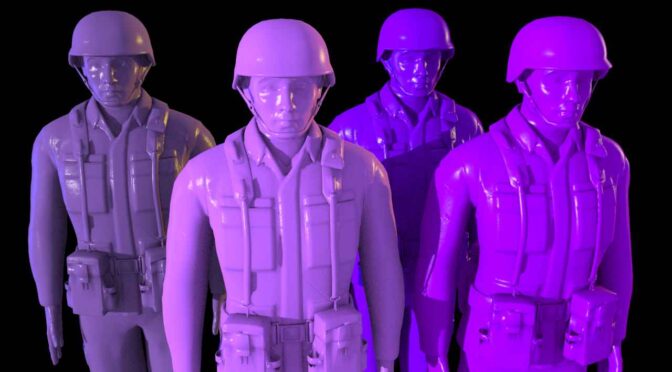
Like the clones in Star Wars, Plastic Soldiers are mass-produced with a single purpose: to fight. Fresh out of the mold, they are identical in appearance and function. They have no personal identity, no opinions, and no customization. Their abilities are the same, their uniforms are standard, and their mindset is programmed to obey orders without question.

Original Army Men
Initial Uniformity: Born from the Mold

Their existence is purely functional. They are replaceable, interchangeable, and in the chaos of war, individuality is not a priority.

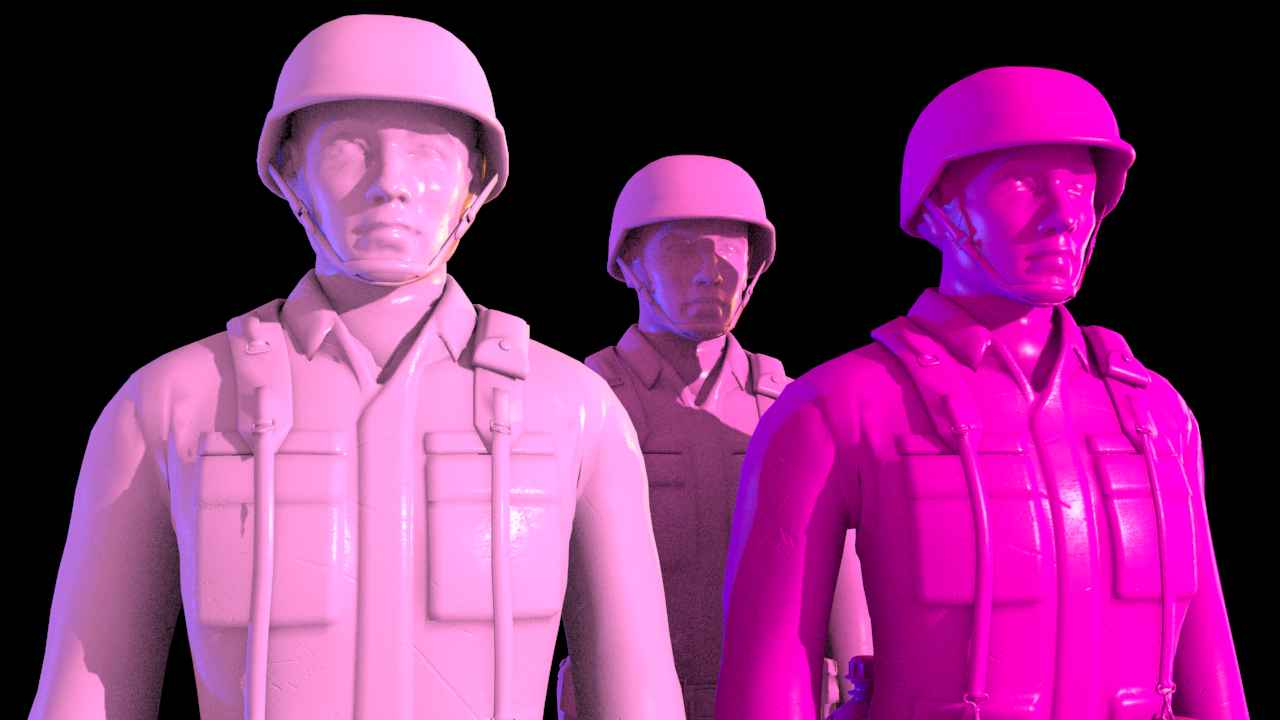
Shades of Pink
Battlefield Marks: Experience and Change

However, war is unforgiving, and no soldier remains the same after facing the reality of combat. With each mission, Plastic Soldiers begin to develop their own instincts. The scars of battle (cracks in the plastic, burns, improvised accessories) become marks of identity.

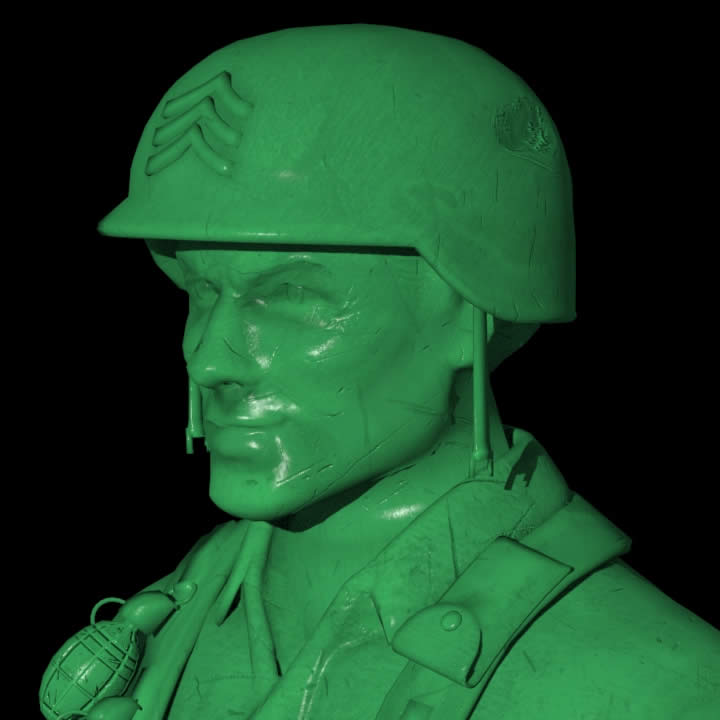
Sarge after Toys in Space

Just as the Star Wars clones adopted unique hairstyles, armor modifications, and personal emblems, Plastic Soldiers also find ways to stand out. Some reinforce their weapons with duct tape, others paint symbols on their helmets or adjust their posture, slightly bending their joints to differentiate themselves. These small adaptations become badges of veteran warriors.

The Awakening of Individuality: More Than Just Soldiers

Over time, the standardization of their existence begins to crumble. Those who survive long campaigns develop their own thoughts, question orders, reflect on their purpose, and adopt an identity beyond their initial function.

The Star Wars clones evolved from mere troops to individuals with distinct voices, such as Rex and Cody, who led with autonomy and genuine emotions. In the Toyverse, Plastic Soldiers follow a similar path. Once uniform figures on a battlefield, they become characters with distinct personalities, choosing how to fight, what to preserve, and how to leave their mark.

The Experienced and Enhanced: Beyond Natural Evolution

Not all Plastic Soldiers follow a progression solely based on combat experience. Some, whether through battlefield merit or strategic necessity, are selected for enhancement programs (similar to the Super Soldier project or cybernetic modifications seen in Star Wars with Clone Commando Echo, or even characters like Cable from X-Men and Bucky Barnes, Marvel’s “Winter Soldier).

These soldiers undergo physical and tactical upgrades that elevate them beyond their comrades. Some receive structural reinforcements, advanced armor, or bio-mechanical enhancements that increase their endurance and strength. Others are transformed into hybrids of machine and soldier, integrating advanced communication systems, improved sensors, or even prosthetics with specialized abilities.

However, the cost of these enhancements is not just physical. Like Echo in Star Wars: The Clone Wars Season 7, many of these upgraded soldiers face an identity crisis: Are they still Plastic Soldiers, or have they evolved beyond what they were created to be? Are they tools of war or individuals with their own purpose?

For some, enhancement is a blessing; for others, a curse. Their role in the Toyverse becomes a dilemma between utility and individuality, where war reshapes them not only physically but also spiritually.

Conclusion: Evolution Beyond the Mold: More Than Plastic, More Than Soldiers

A Plastic Soldier’s fate is not set at the time of its creation. Though they are born with a fixed purpose: war, experience gives them something invaluable: identity. Thus, what was once a homogeneous army transforms into a brotherhood of unique warriors, each with their own story sculpted in plastic.

The progression of Plastic Soldiers in the Army Men Toyverse mirrors the journey of Star Wars clones: from interchangeable units to unique individuals with their own stories. But in the case of the enhanced ones, a new element is at play: transformation not only as a result of war but also through deliberate intervention.

From mass-produced warriors to experienced soldiers who choose to forge their own destiny, each Plastic Soldier faces a different path. Whether shaped by battle or by technology that turns them into something more, their evolution defines the true weight of individuality in a world where they were created to be identical, and for war.