This section contains ongoing research and documentation of Real World artifacts
Since the discovery of the Real World nearly three decades ago, countless expeditions have been launched to explore its remains. What was once considered a myth (or a glitch in terrain boundaries) is now a recognized frontier of plastic science.
This section contains ongoing research and documentation of Real World artifacts, architecture, symbols, and designs. All content is compiled by Army Men researchers, scientists, theorists, and field analysts.
Some seek understanding. Others seek control. All are drawn by the silent mystery of a world that is no longer inhabited… yet never truly empty.
Subdivisions (Research Branches)
Artifact Studies
Focused on the recovery, classification, and analysis of individual Real World objects (tools, containers, toys, appliances, utensils, furniture, and other material remains).
Each object is studied in terms of form, function, material and possible symbolic use.
Human Aesthetic Analysis
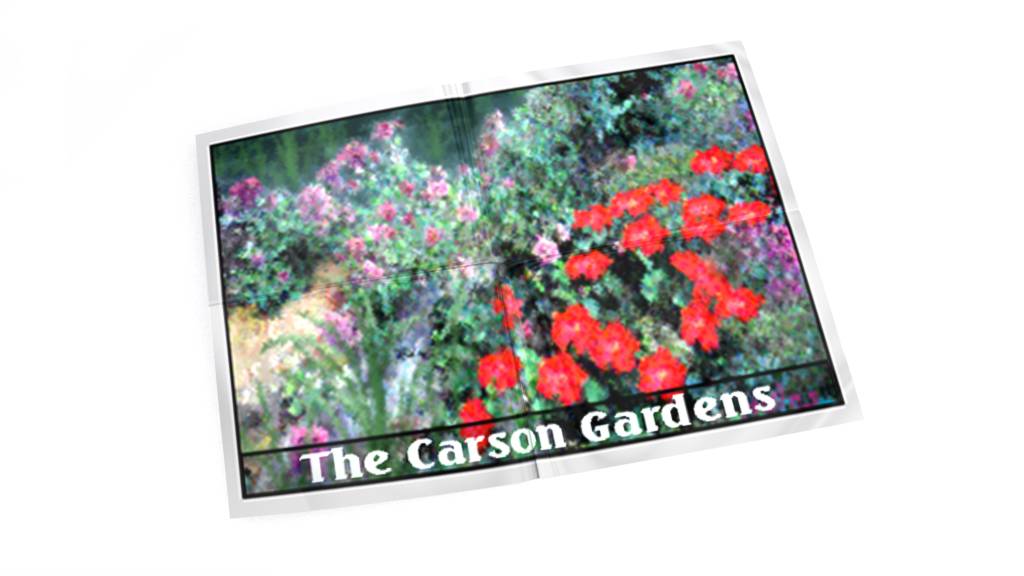
A specialized branch studying Real World designs: posters, product labels, paintings, tiles, logos, toys, and color systems.
Researchers attempt to decode whether these designs were decorative, communicational, or ritualistic.
Culinary Anthropology
Dedicated to the analysis of food-related objects: packaging, containers, partially served meals, and preserved edibles.
Some believe these objects reflect biological needs. Others view them as ceremonial.
High contamination risk. Always proceed with caution.
Spatial Reconnaissance
Studies the layout and structure of human environments: kitchens, bathrooms, bedrooms, offices, etc.
How were these spaces used? Why so many compartments? Who were they made for?
Classifications often vary between religious, utilitarian, or experimental interpretations.
Philosophical & Theoretical Branch
Documents internal schools of thought among Army Men regarding the Real World.
Some believe it was abandoned. Others that it was never inhabited.
Competing theories include:
- The Absencists
- The Completionists
- The Denialists
- The Disciples of the Designer
Object Classification System
To assist field operatives and researchers, all Real World objects are tagged using a structured classification system. Each object is assigned a code indicating its perceived category.
Primary Categories:
Domestic Tools:
Includes utensils, scissors, light switches, power plugs, brooms, hammers, etc.
Hygiene Products
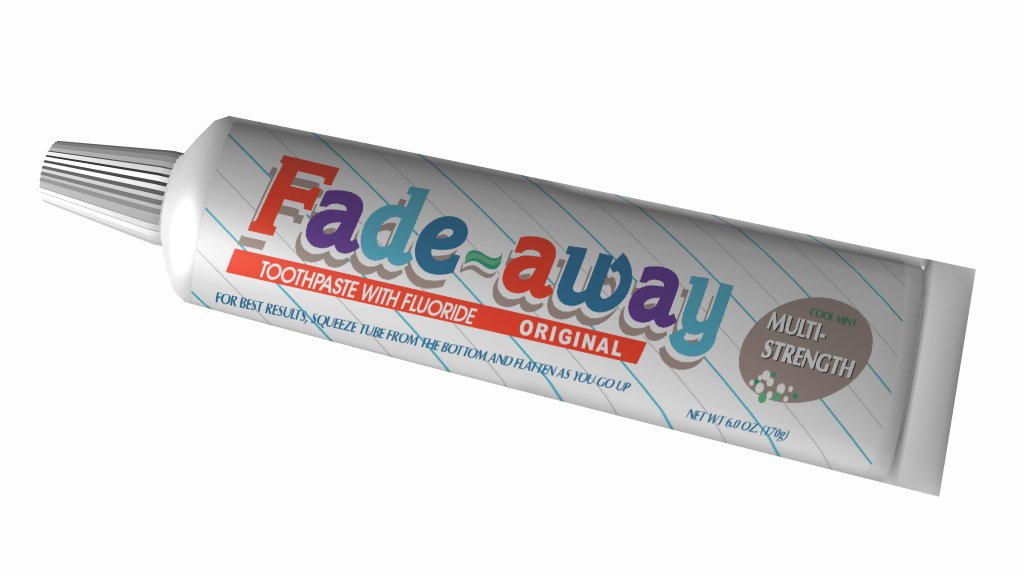
Toothbrushes, shampoos, deodorants, soaps, towels, bleach, bandages.
Recreational Objects:
Toys, game pieces, sports items, hobby tools.
Food & Packaging:
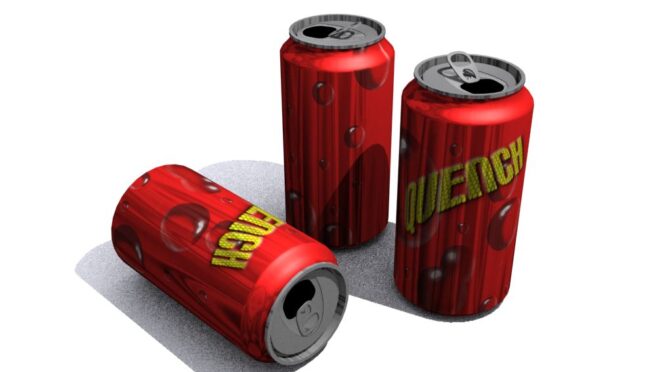
Boxes, wrappers, cans, cutlery, trays, dishes, etc.

Decorative Elements:
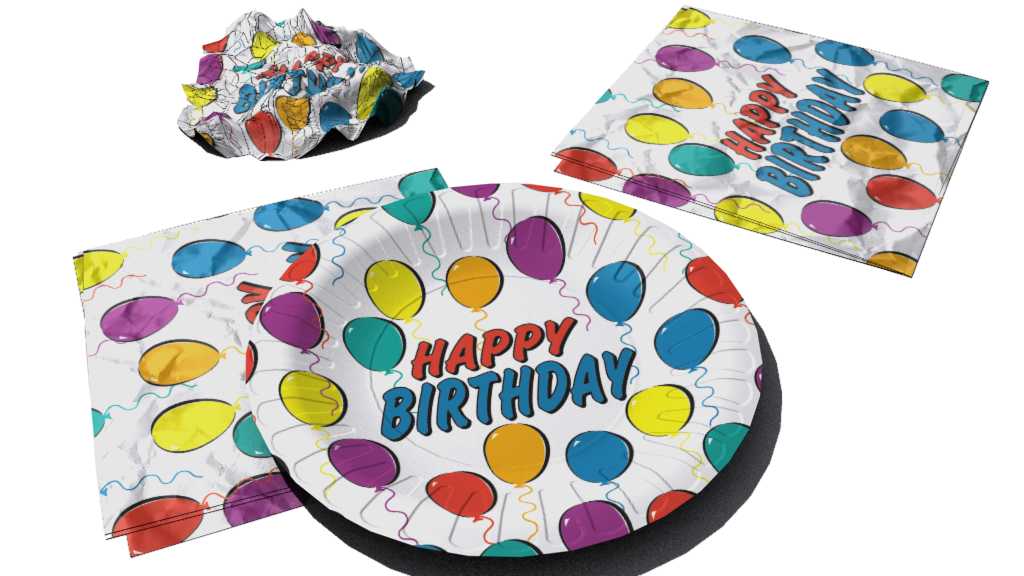
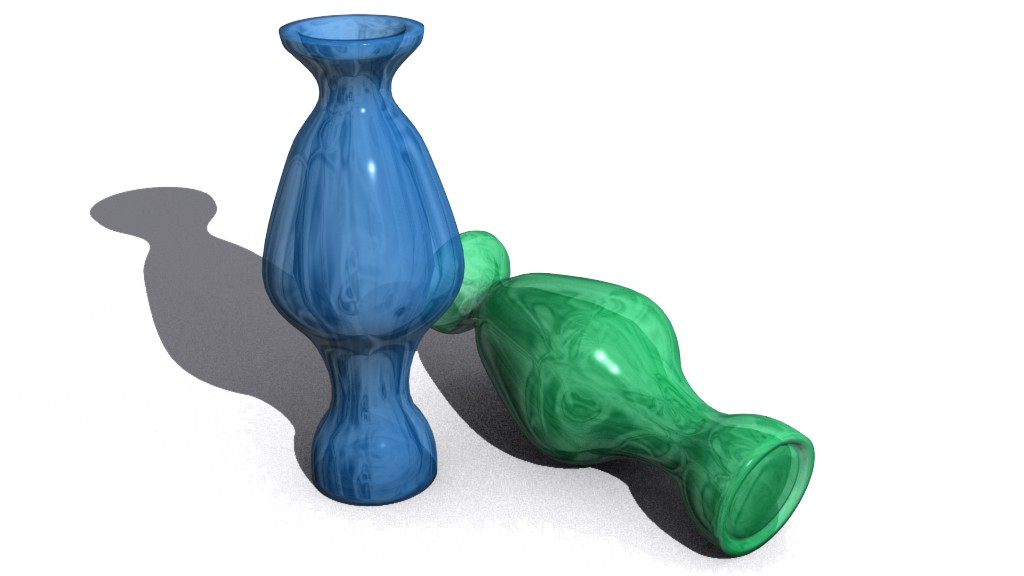
Tiles, paintings, posters, branded packaging, vases.
Structural Elements:
Doors, windows, tiles, stairs, drawers, walls, baseboards.

Communication Media:
Books, labels, art, signage, stickers, tapes, cases.
Clothing & Apparel:
Buttons, threads, fabric scraps, zippers.
Unclassified / Unknown:
Objects with no clear form or function.
Each entry should include:
- Codename / Field Name
- Estimated function
- Condition
- First documented location
- Theories from different branches
- Date of documentation
- Photographic or 3D visual evidence (if applicable)
Examples
Real World Artifact Registry Example
Classification: Box of Multiple Little Food
Object Name: “KRAK-O’s” (Human Cereal, Clown Figurine)
Date of observation: Early 1999
Science Squad Alpha Observations:
– Apparent ritual or food use.
– Colorful packaging. Warning or attraction?
– The “clown” figurine appears on multiple objects: divinity?, danger signal?, repetitive entity? SCP?
Scholarly approach with humorous or mysterious touches:
Human Art Study #0001064 – “Fluorescent Style Mosaic”
Date of finding: 07/02/2000
Find Location: Standard Model Restroom, .Real World Structure 0000857 (local name: “Officers’ Restroom”)
Object Condition: Intact but with no apparent function.
Observer Hypothesis:
“It seems designed to be visually pleasing to beings of completely different size and perception. It could be a lost symbolic language, or a form of ritual demarcation. Some soldiers claim to hear sounds when looking at it for too long.”