Kings of Bugs, Natural Perfect Killing Machines
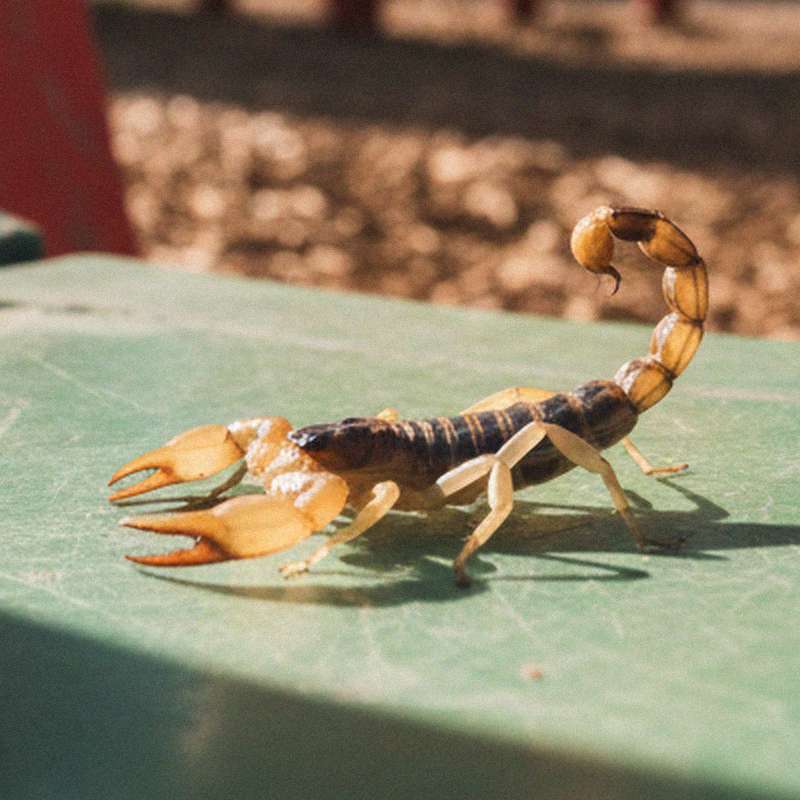
To the toy soldiers of plastic, few creatures command as much wary respect as the scorpion. Whether molded from polymer or born of flesh, these stinging hunters occupy a unique place in Toyverse lore: symbols of stealth, endurance, and sudden death. From the blistering deserts of the human world to the cracked tile floors of toy battlefields, scorpions have become both adversary and icon among the Army Men.
Notable Species and Types
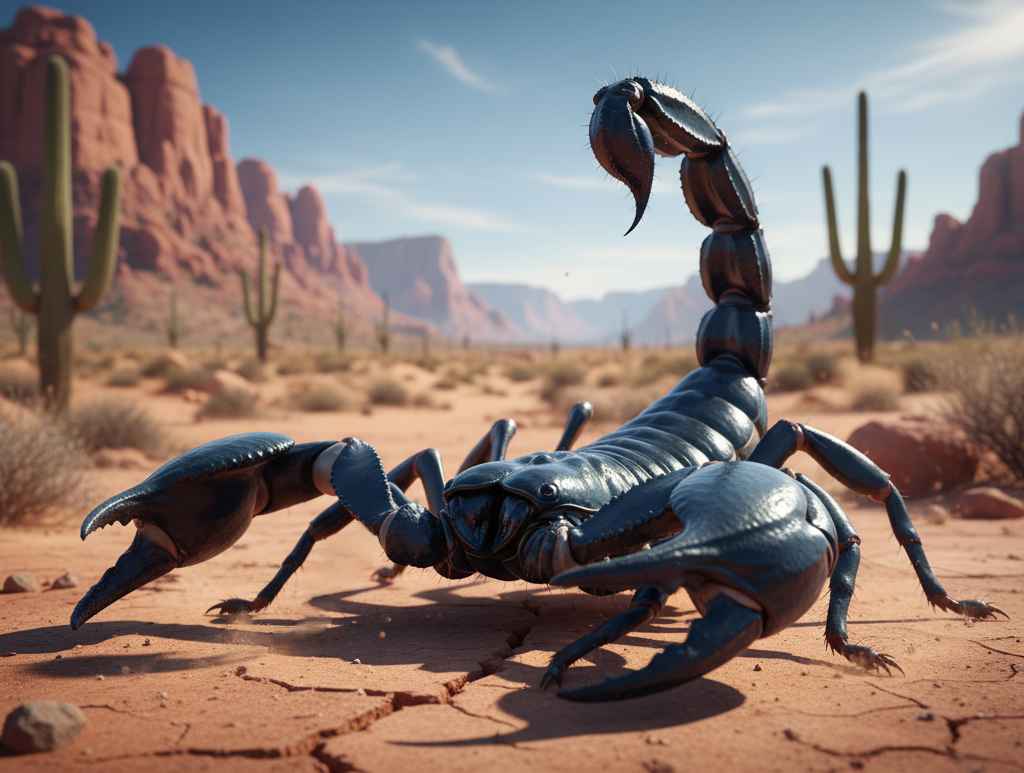
- Desert Emperor (Pandinus imperator): A living tank, slow but nearly indestructible to toy plastic. Legends tell of Green platoons taking shelter beneath its shadow during desert storms.
- Deathstalker (Leiurus quinquestriatus): The deadliest Real World natural species known. One sting can melt a toy’s polymer joints if contaminated with residual venom.
- Albino Scorpion (Unknown strain): Rarely sighted, this ghost-white predator is rumored to dwell in basements where UV light toys are stored. Its sting emits a faint blue glow before impact.
- Stinger: It was one of Dr. Madd mutant monsters, half plastic soldier, half scorpion.
- Toy Scorpion Mk.I: Early prototype believed to originate from Tan workshops. Shorter legs, limited climbing ability, but a potent electric sting.
- Toy Scorpion Mk.III “Crawler”: The modern iteration seen in Sarge’s Heroes 2; capable of wall traversal, group coordination, and advanced sensor tracking.
Cultural and Tactical Significance
For many toys and Army Men, the scorpion represents more than danger… it symbolizes the hidden threat, the unseen killer that waits patiently in the dust. Green shamans in the Jungle Frontiers carve scorpion emblems onto armor for protection; Tan drill sergeants use them as a mark of fear and discipline.
When a soldier earns the nickname “Scorpion”, it is not an insult… it means they strike fast, endure hardship, and never retreat.
Across the Toyverse, in sand, shadow, or circuitry, the scorpion endures. A reminder that not all enemies bear color, and that even the smallest sting can bring down the mightiest of armies.
Types of Scorpions
1. Natural Scorpions: The Living Predators

Real World scorpions are formidable even to those who stand taller than them. Their ability to survive in the harshest climates (deserts, basements, or behind the human world’s forgotten radiators) makes them near-mythical to toy soldiers. The Greens often call them “Desert Titans“, recalling countless patrols ambushed beneath household sands or garden dust.
Some species, like the Emperor Scorpion, are regarded almost with reverence: slow, massive, and patient… an example of controlled power. Others, such as the Deathstalker or the Arizona Bark Scorpion, are feared for their speed and venom, capable of striking faster than a toy rifleman can aim.
The Tan Forces, fascinated by their natural lethality, have been known to release captured scorpions into enemy trenches, turning biology into strategy. They’ve trained thousands, probably hundreds of thousands, of all kinds of scorpions for military use. These and the Spiders have proven to be good candidates for training, born in captivity. The Blues, meanwhile, have studied their toxins for experimental serums and neuro-gels, seeking to mimic their paralyzing effects in chemical warfare.
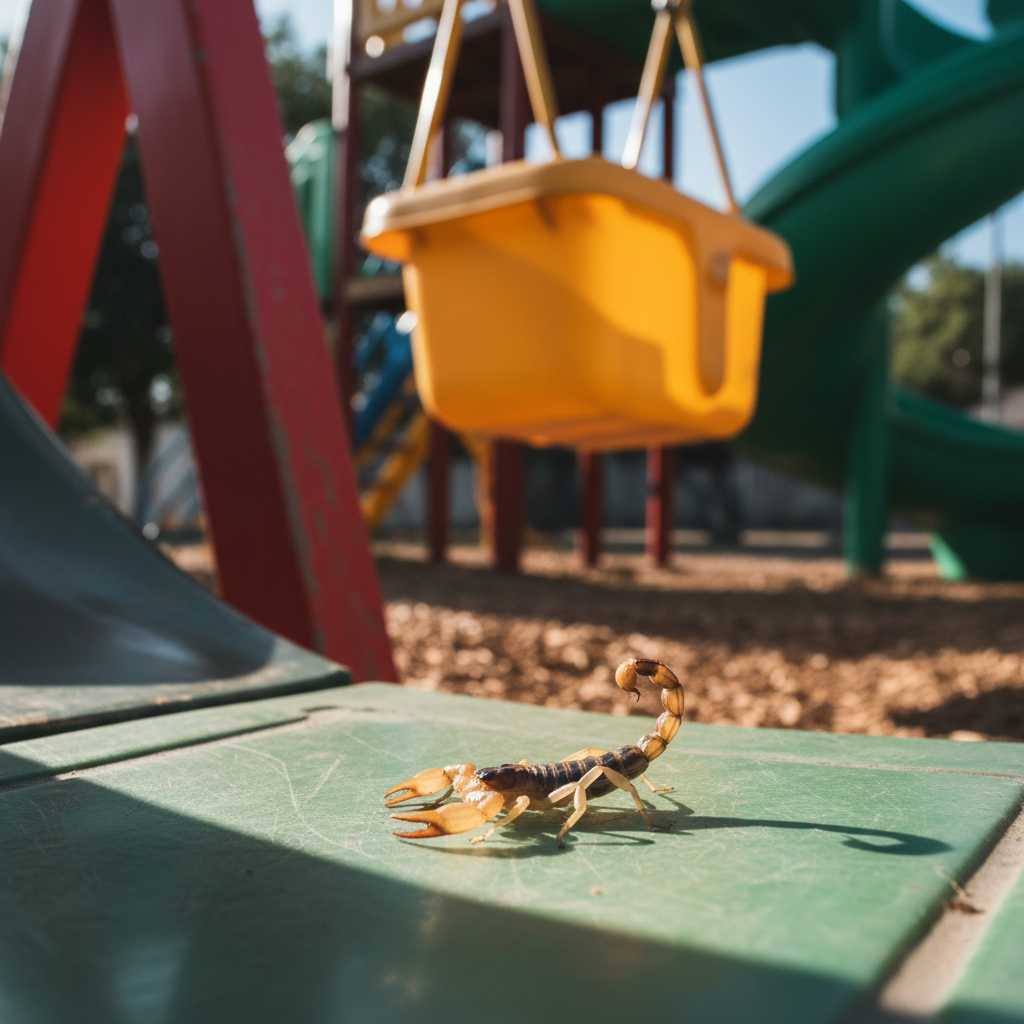
2. Toy Scorpions
The sting from Toy Scorpions is severe. They move fairly fast so move cautiously when you hear one nearby.
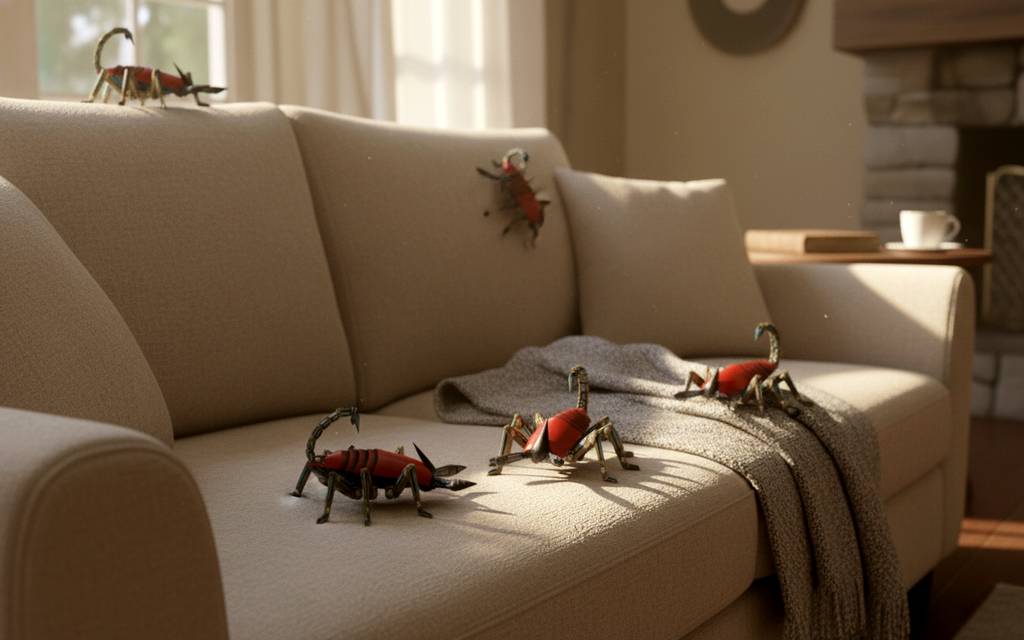
When plastic learns to crawl
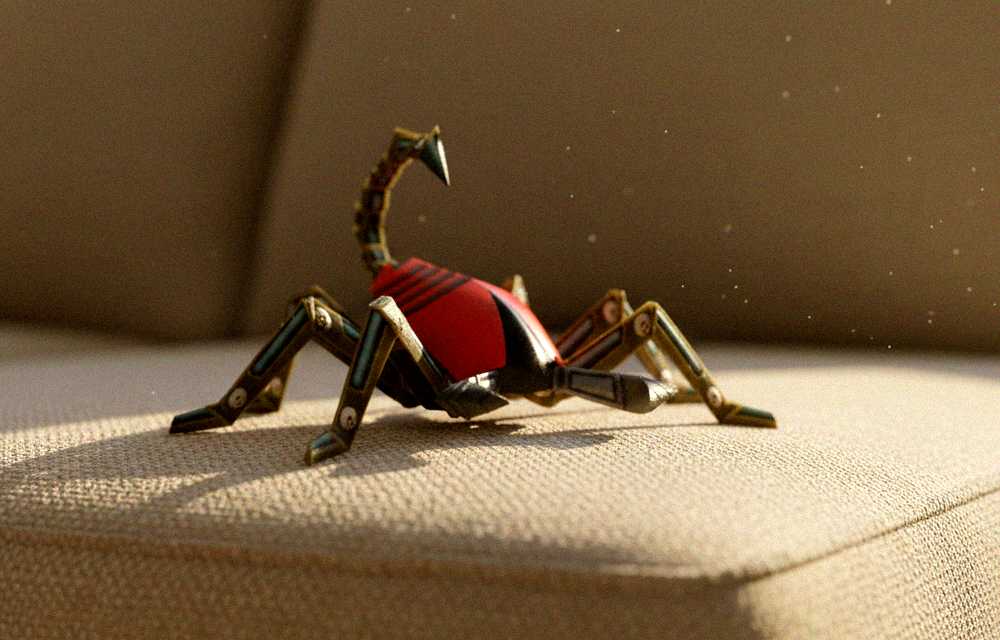
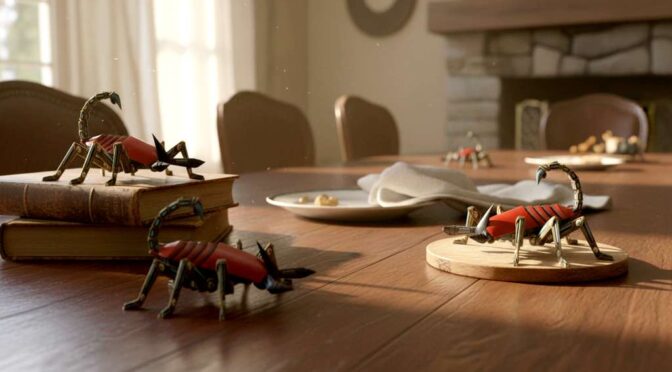
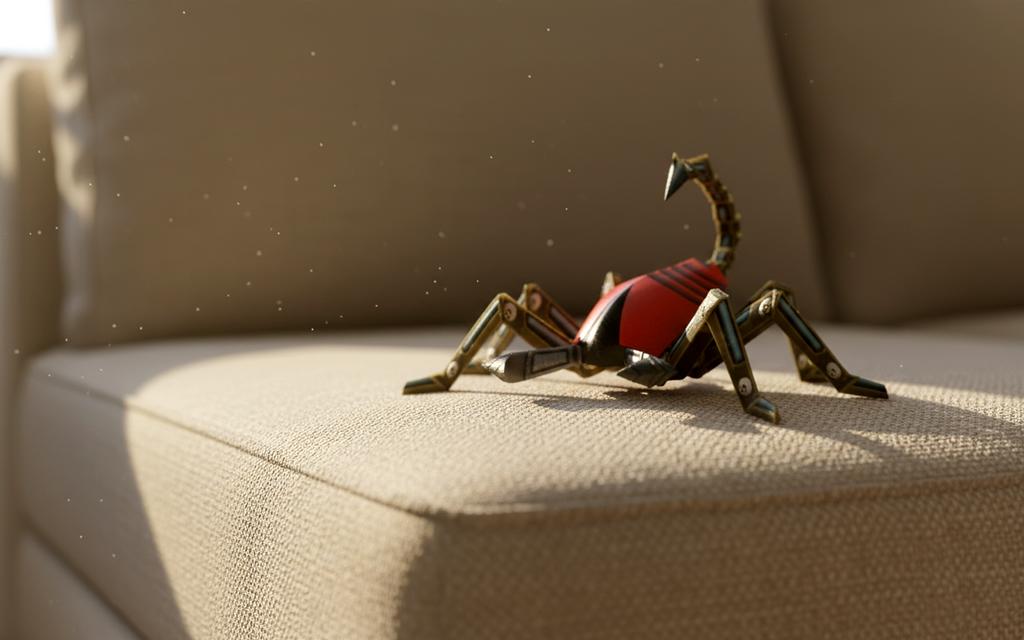
Among the many perils faced by the soldiers of the Toyverse, few inspire such instinctive dread as the Toy Scorpions… mechanical predators forged from discarded components and twisted ingenuity. At first glance, they appear like over-sized toy arthropods: brightly colored carapaces molded from cheap plastic, legs of jointed metal, and a translucent abdomen where faint lights flicker like a heartbeat. Yet beneath that brittle shell lies a core of circuitry and rage.
Origin
The true creator of the Toy Scorpions remains uncertain. Some historians of the Green Nation claim they were originally experimental sentry units, designed by the Tan Army’s machinists to patrol hazardous zones. Others insist they were civilian playbots, mass-produced as harmless crawling toys until some unknown energy surge (perhaps from the same dimensional flux that gave life to the soldiers themselves) awakened their predatory instincts.
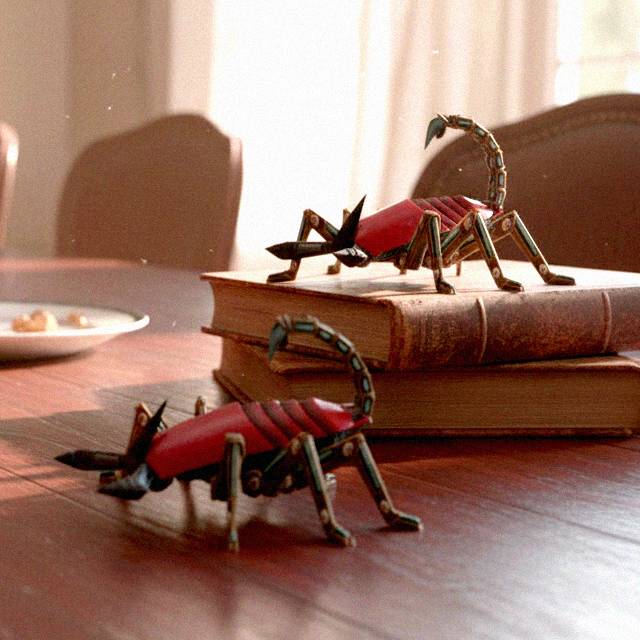
Whatever their origin, the Toy Scorpions have spread across battlefields, basements, and forgotten toy chests alike, thriving wherever there is dust, heat, and the faint hum of static power.
Anatomy and Behavior
Toy Scorpions combine plastic exoskeletons with metallic, servo-driven legs, granting them the stability of a machine and the agility of a living creature. Their stingers, though molded from the same green or tan polymers as the armies they hunt, deliver a high-voltage pulse on impact, enough to disable a soldier’s circuits or melt thin plastic armor.
They move with unnerving speed, their claws clattering across tile and linoleum. In confined environments, they climb walls and even ceilings, dropping down on unsuspecting patrols. The faint whirr of their servomotors is often the only warning before the sting.
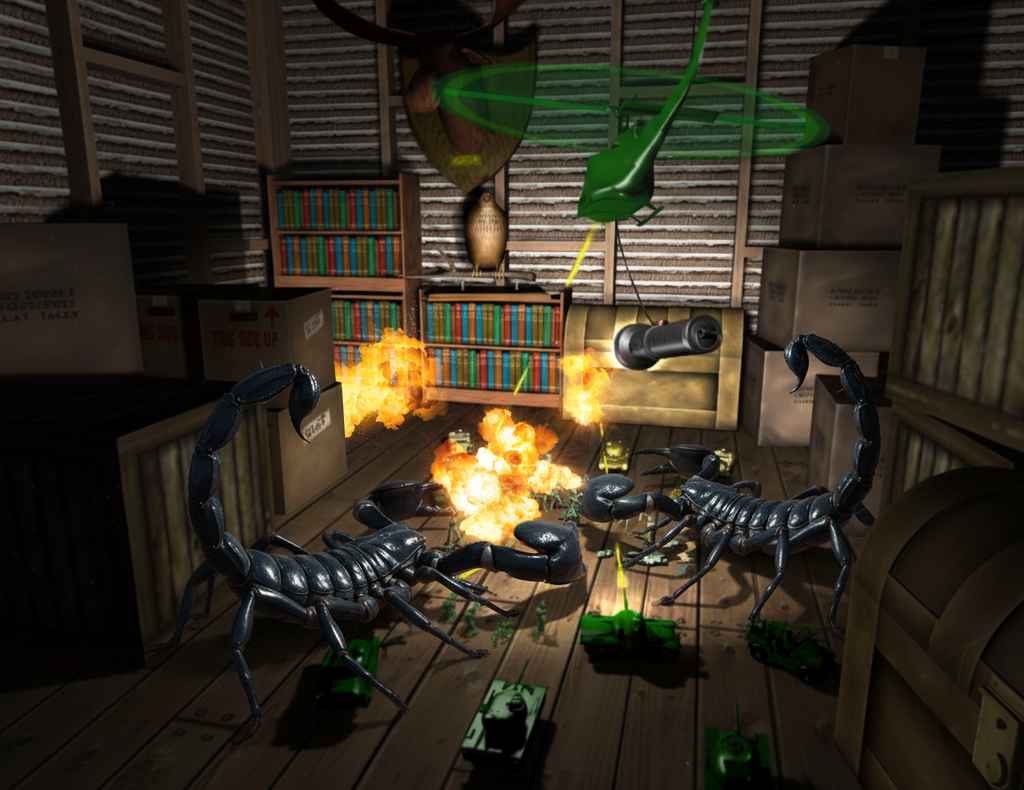
A single Toy Scorpion can be handled with steady aim, but a swarm can overwhelm even veteran platoons. Conventional rifle fire requires multiple hits to shatter their reinforced shells; only explosives or energy weapons can reliably dismantle them.
Behavioral Comparison
Like their biological counterparts of the real world, Toy Scorpions are solitary hunters by design, yet once corrupted or reprogrammed, they display hive-like coordination. The Tan Forces have been known to repurpose them as minefield guardians or ambush drones, while the Grey Faction occasionally uses reprogrammed specimens to patrol ruined toy cities.
Unlike natural scorpions, which sting only when threatened, the Toy kind attacks on sight, its behavioral algorithm locked in a perpetual combat loop.
Field Notes and Tactics
“If you hear that ticking sound, it’s already too close.” — Corporal Green, Green Recon Unit, Scorpion Gulch
- Weak Points: Joints at the base of the legs and the exposed power core under the abdomen.
- Environmental Advantage: Prefers low-light, enclosed spaces; commonly found in sewers, basements, and toy warehouses.
- Recommended Countermeasures: Short-range explosives, concentrated laser fire, or decoy heat sources to divert their sensors.
Symbolism in the Toyverse
To many soldiers, Toy Scorpions are more than a battlefield hazard: they are a reminder of how far the corruption of the Toyverse has spread. Once mindless playthings, now twisted hunters, they embody the collapse of the line between toy and weapon.
Their existence also blurs another line: that between mechanical life and artificial instinct. Unlike Tan tanks or Green drones, Toy Scorpions do not await orders. They act. They hunt. They learn.

And when the lights go out in a forgotten playroom, the last sound one hears before the sting… is the skitter of plastic claws on the floor.