Analysis: “Fixing” Sarge Hawk and the Power of the Static Hero
The “Plastic Soldier Problem” (The Boy Scout Archetype)
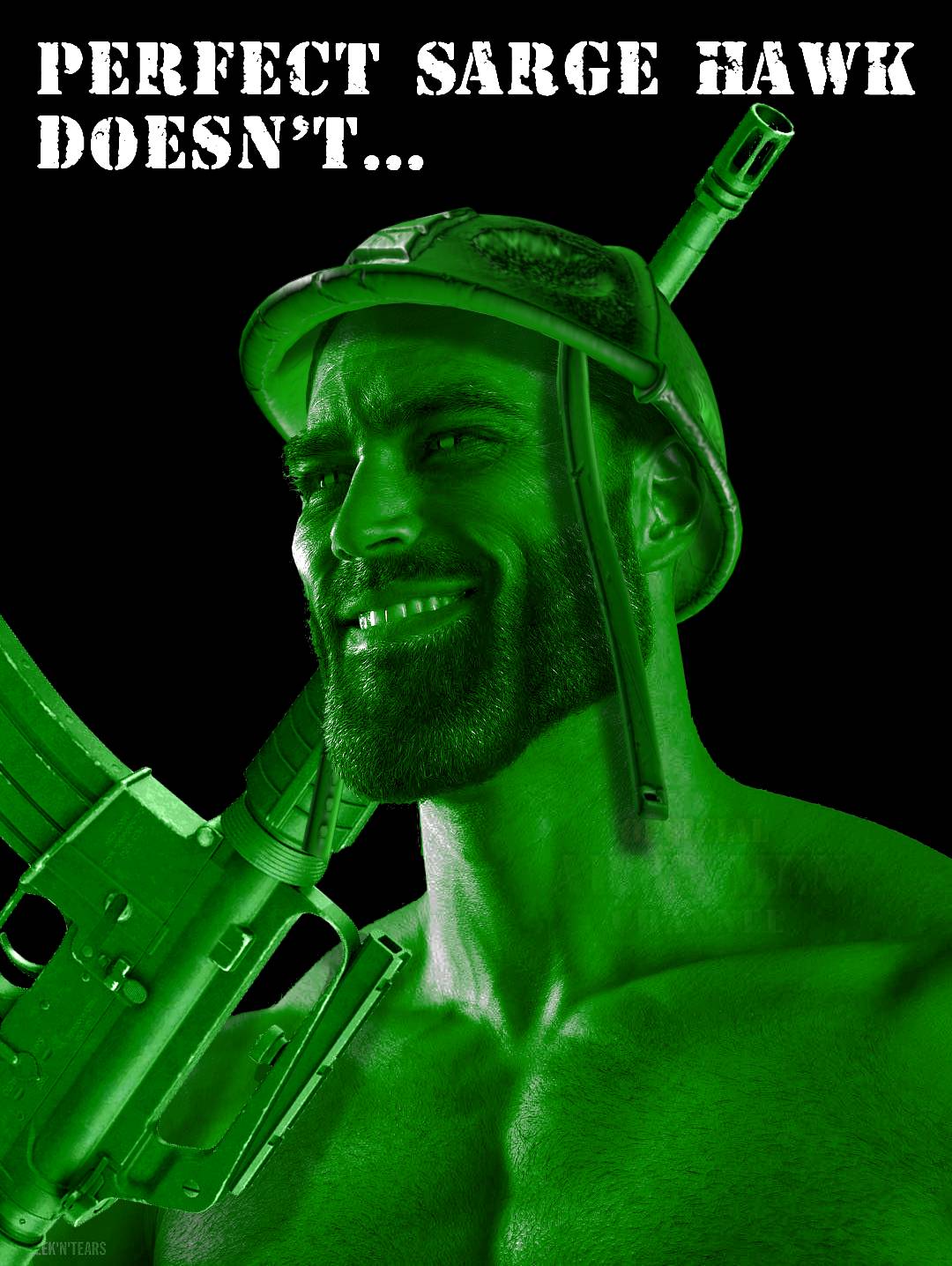
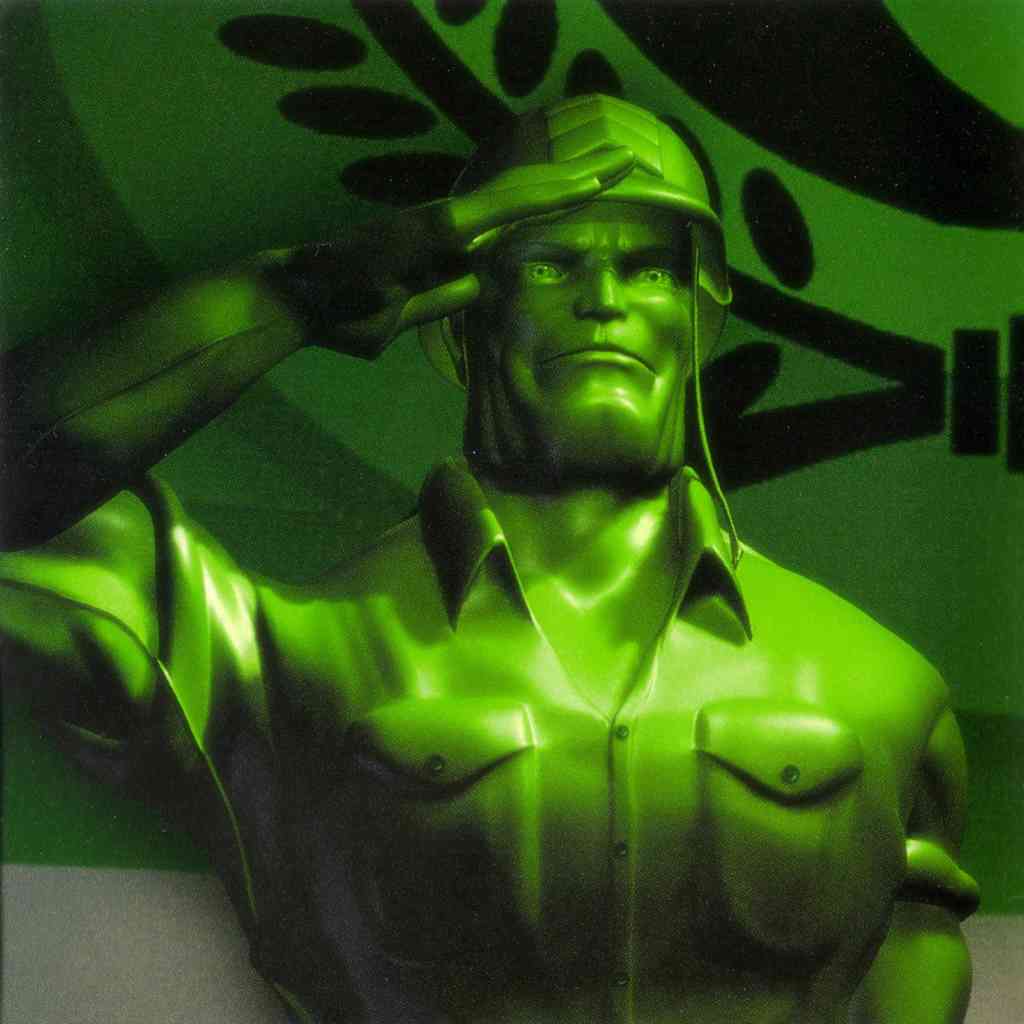
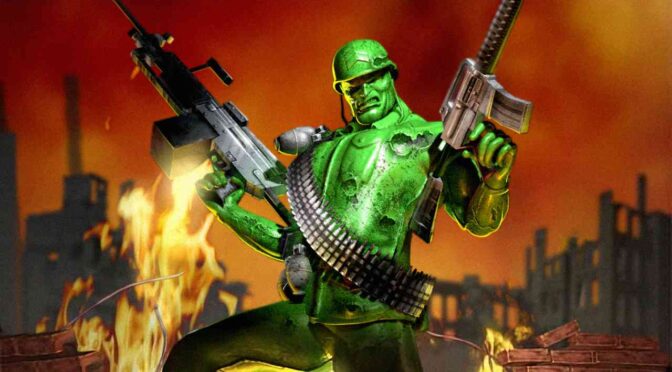
Just like Captain America in 2011 on “The First Avenger”, Sarge Hawk carries the burden of “uniformity.” He is a character designed to be a pure instrument of duty. In the classic Sarge’s Heroes era, Sarge Hawk is the ultimate “Good Soldier”: he has no existential crises, he doesn’t question the Green Nation Army’s hierarchy, and his moral compass is as rigid as the plastic he’s molded from.
In a modern gaming and cinematic landscape that demands “broken” protagonists with dark pasts or ambiguous morals, a character like Sarge Hawk risks becoming irrelevant. If the world is gray, a hero who sees only “Green and Tan” appears naive. The common writer’s temptation is to “gritty him up”… make him cynical, ultra-violent, or a traitor. But as we learned from Steve Rogers, doing so destroys what makes him iconic. Sarge Hawk isn’t special because of his rifle; he’s special because he was a leader before he was a legend.
The Flat Character Arc: Sarge as the Moral Mirror

The key to making Sarge Hawk work in a sophisticated narrative isn’t for him to change, but for him to force the world to change. This is known as a Flat Character Arc.
In most stories, the protagonist starts with a “Lie” (a trauma or false belief) and the world beats them until they learn the “Truth”. But Sarge Hawk already possesses the Truth: sacrifice, loyalty to the squad, and protecting the weak (whether they are civilians in the Plastic World or refugee toys in the Real World).
Sarge Hawk doesn’t need a redemption arc. The conflict arises from his refusal to bend. When Sarge Hawk enters a corrupt environment (like the intrigues of Lord Malice or the betrayals of Brigitte Bleu or General Plastro), his moral immovability becomes his most dangerous weapon. He isn’t boring; he is terrifying to villains because they cannot buy him, they cannot tempt him, and they cannot break his spirit… (until Sarge’s War)
The Breaking Point: Sarge’s War and the Trap of Darkness
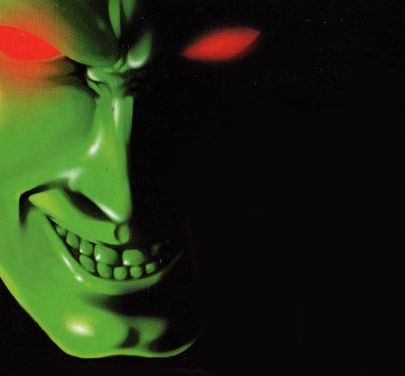
The game Army Men: Sarge’s War was the franchise’s attempt to enter the “mature era.” By eliminating his squad and his girlfriend, the narrative tried to give Sarge Hawk a positive or negative change arc: trauma. Here, Sarge Hawk stops being the mirror and starts being affected by the world.
This time, the key to Sarge’s War working within a sophisticated narrative isn’t for Hawk to change the world (as before)… but in this case, for him to be changed by the world. In theArmy Men Toyverse narrative, this marks the beginning of change. But not a definitive change that would establish him as a totally different character… rather, an evolution: He will remain the archetype of the Boy Scout, but within a complex narrative that leaves him no option but to act differently, Like when Batman and Superman are forced to kill someone. Although it’s something they avoid doing, circumstances sometimes compel them. But that doesn’t change them.
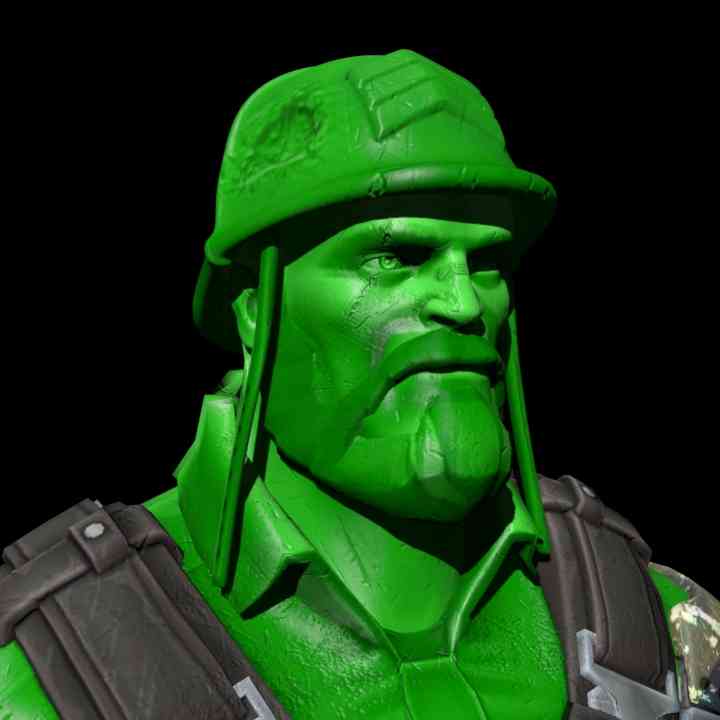
If we apply the Russo Brothers’ logic, this is Sarge Hawk’s “Winter Soldier” moment. Lord Malice’s attack isn’t just an act of war; it’s an attack on Sarge Hawk’s ideology. Lord Malice represents chaos and nihilism, while Sarge Hawk represents order and hope. The narrative challenge here isn’t to left the “vengeful” Sarge Hawk from Sarge’s War redefine the character and become from there on as dark as his enemy, but to see a post Sarge’s War and Major Malfunction version of Sarge Hawk who, despite losing everything, refuses to stop being the hopeful Boy Scout Green Soldier. The true victory in the Army Men Toyverse narrative isn’t avenging his comrades destroying Malice (and itself to become a villain) it’s that Sarge Hawk doesn’t become another Malice in the process by forever (But if at least for a time, as part of the growth process. Although the reasons for his temporary transformation into a villain may be partly due to external influence).
Sarge in the Toyverse: The Formidable Hero
To make Sarge Hawk work in a broader, more complex ecosystem like the Toyverse, he must be treated as a moral heavyweight.
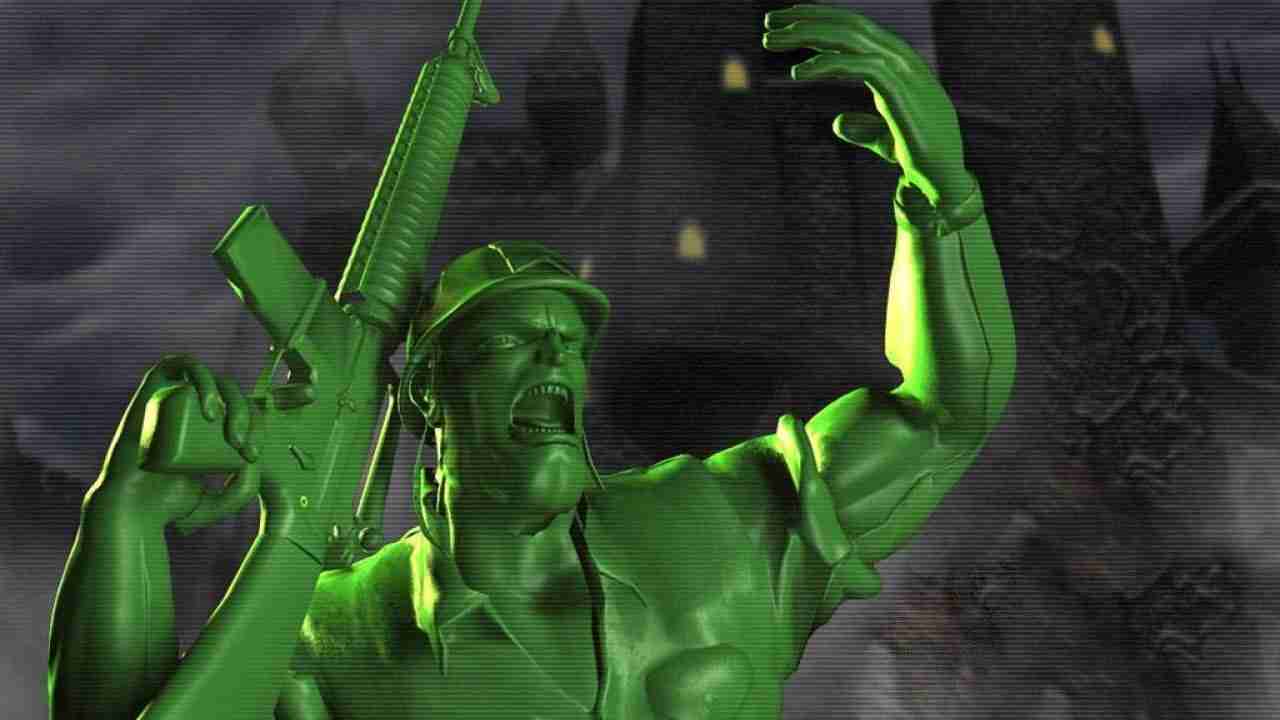
- Ideologically Dangerous:
In a world of conflicting factions, Sarge’s insistence on doing the right thing (regardless of brand borders or materials) makes him an anomaly. He isn’t just a soldier; he is a threat to any system that thrives on moral ambiguity. - The Catalyst for Change:
More cynical or pragmatic characters (like Brigitte Bleu or mercenaries from other “Worlds”) must find themselves transformed by interacting with him. Not because Sarge Hawk gives them a lecture, but because his example proves that a more principled way of life is possible, even in an endless war. Something like Goku transformed Vegeta by example. - The Introduction of Doubt:
For his flat arc to be compelling, Sarge Hawk must doubt. Not his values, but his ability to uphold them. “Is it worth fighting when my own generals are willing to sacrifice entire worlds for a plastic victory?” That doubt is what humanizes him without needing to “dirty” his character.
Conclusion: Goodness as Subversion
In conclusion, the way to “fix” or empower Sarge Hawk is to stop trying to make him “modern” through cynicism. In a landscape full of anti-heroes, a man who sincerely believes in duty and friendship is the most subversive thing imaginable. Furthermore, there will be no shortage of anti-heroes in this story…
Sarge Hawk is not a relic of the past; he is a warning for the present. If he stands firm while worlds (Prehistoric, Medieval, Space) collapse around him, he becomes the only stable point of reference. Sarge Hawk doesn’t change; he is the force that compels the Toyverse to decide which side of the line it wants to be on.