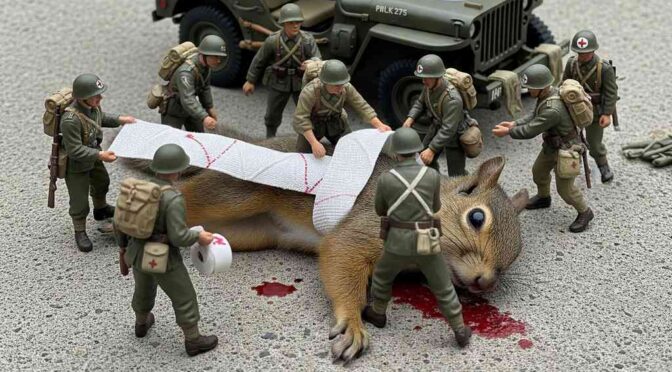
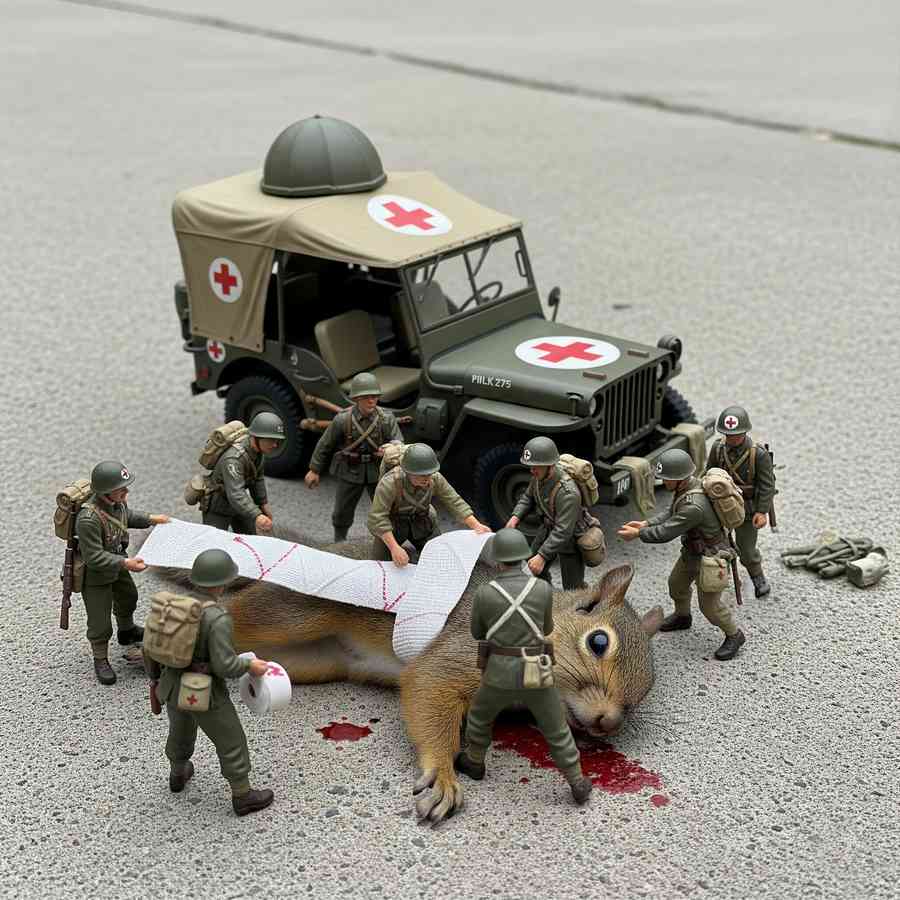
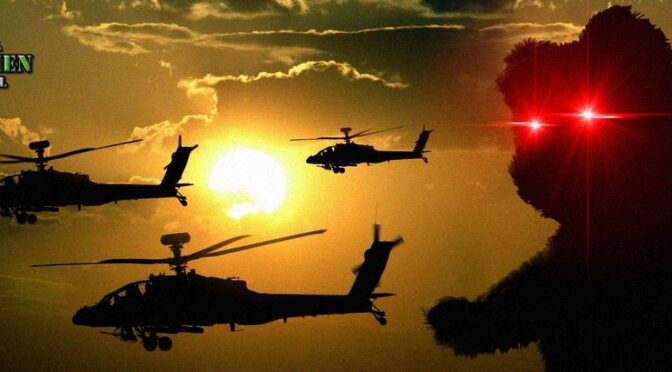
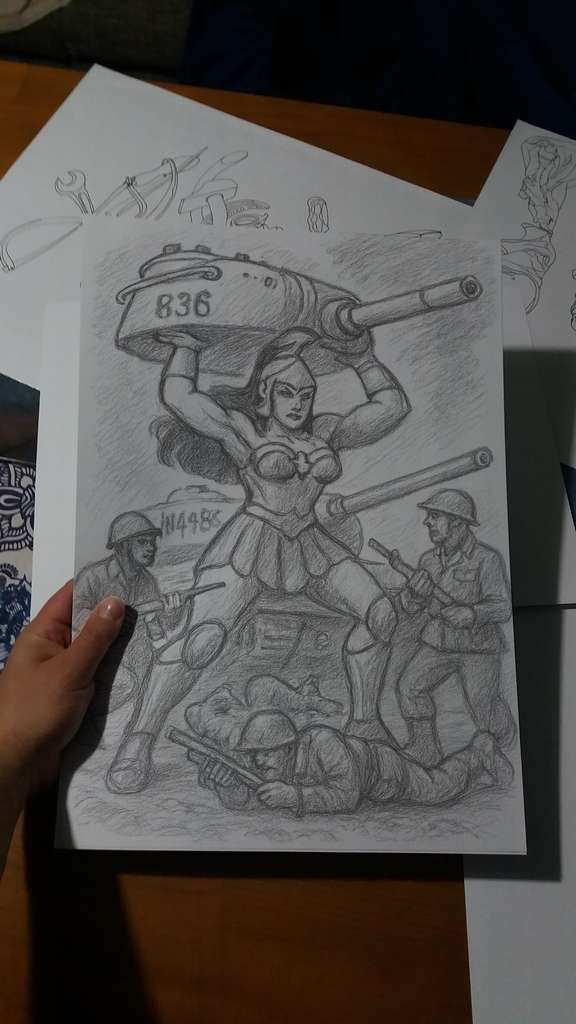
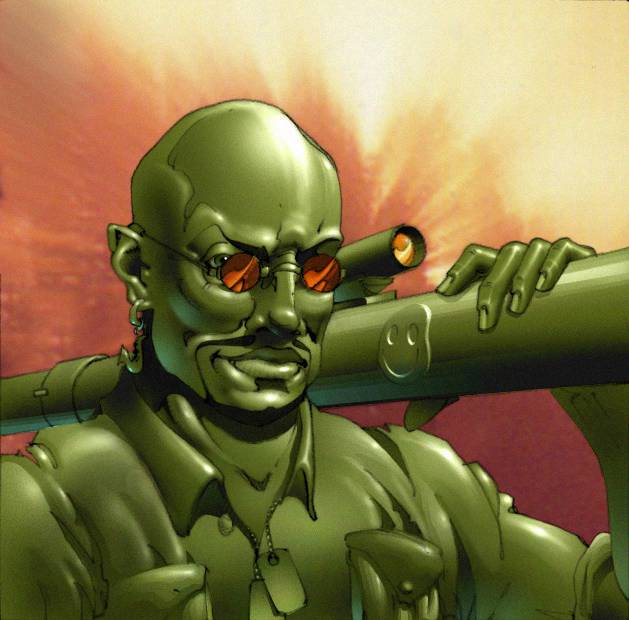
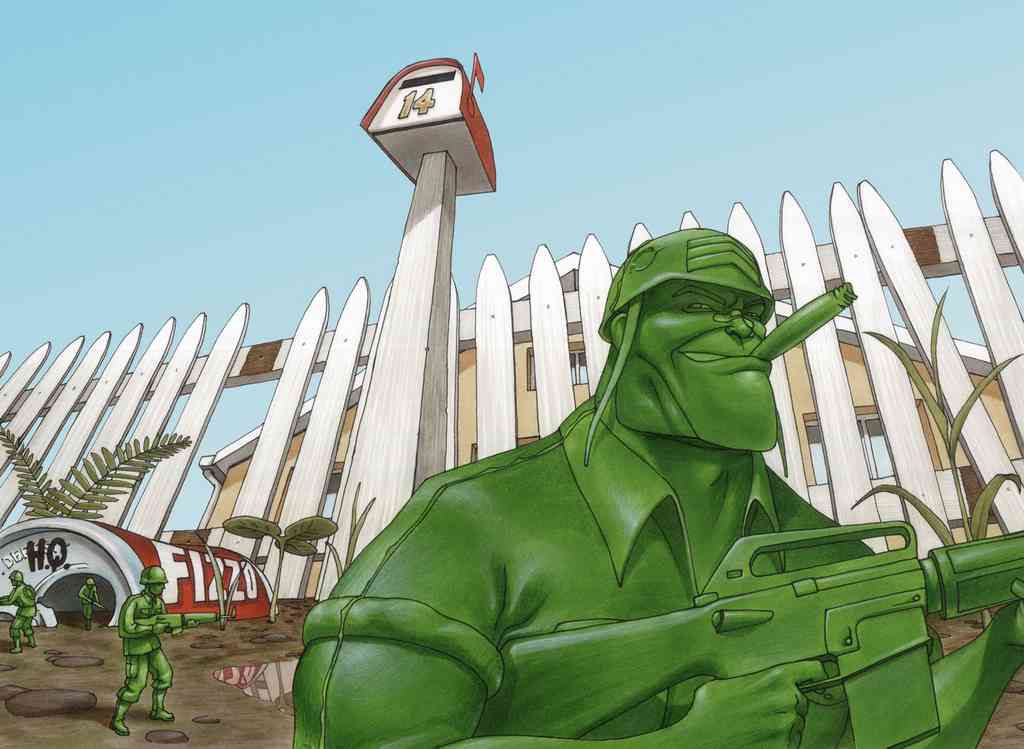
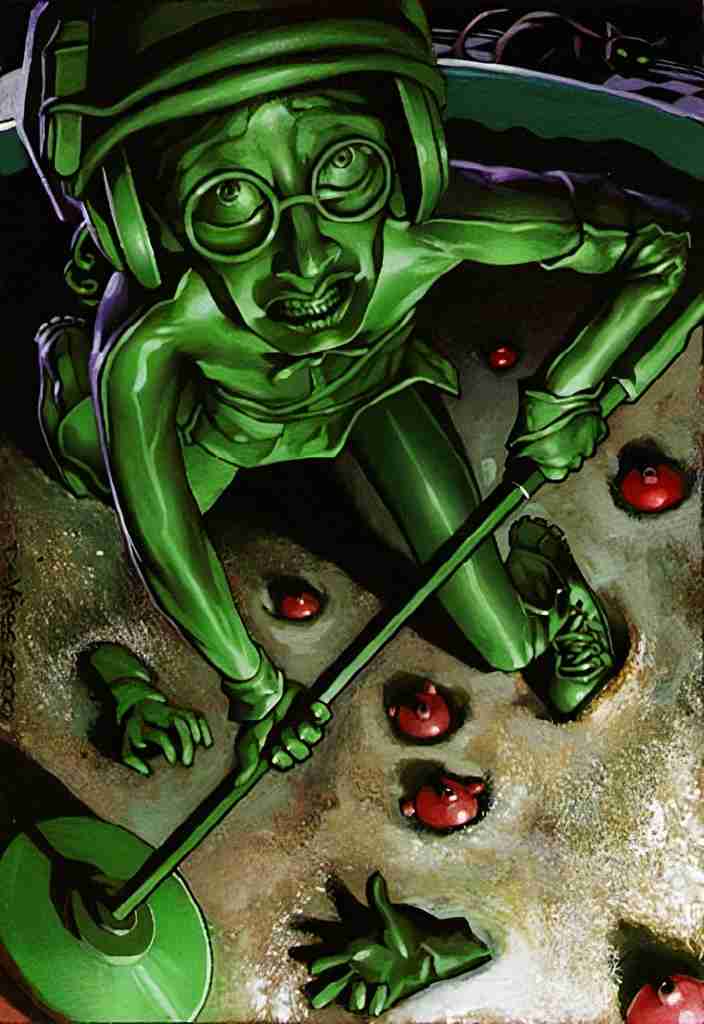
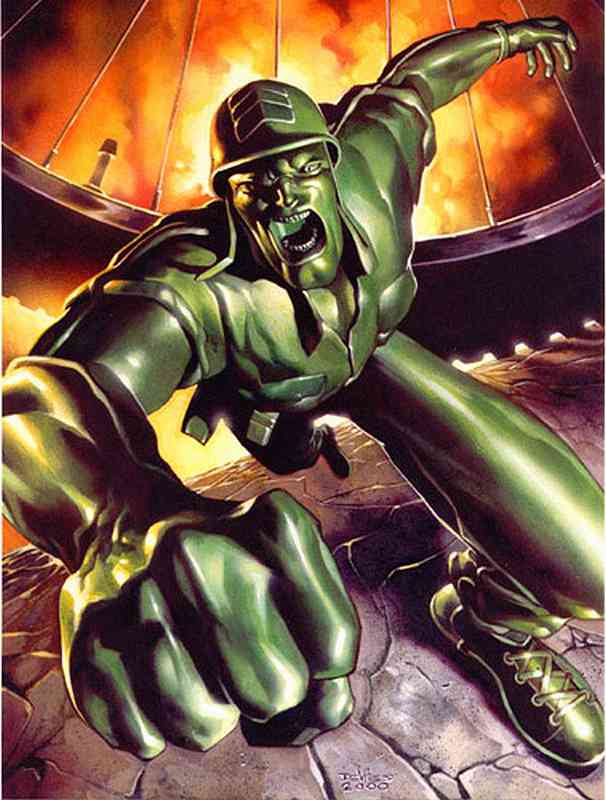
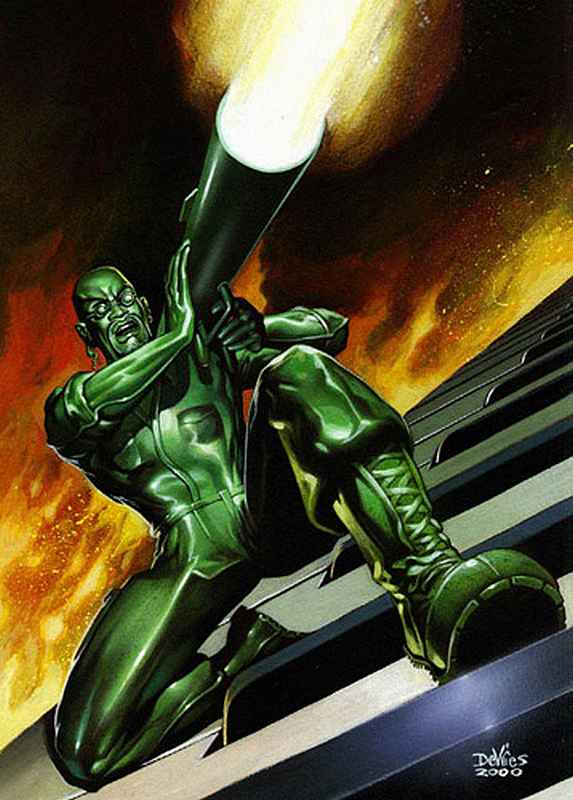
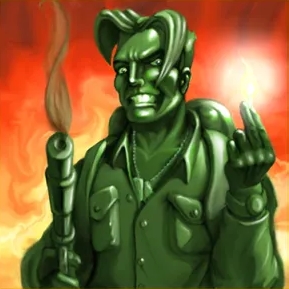
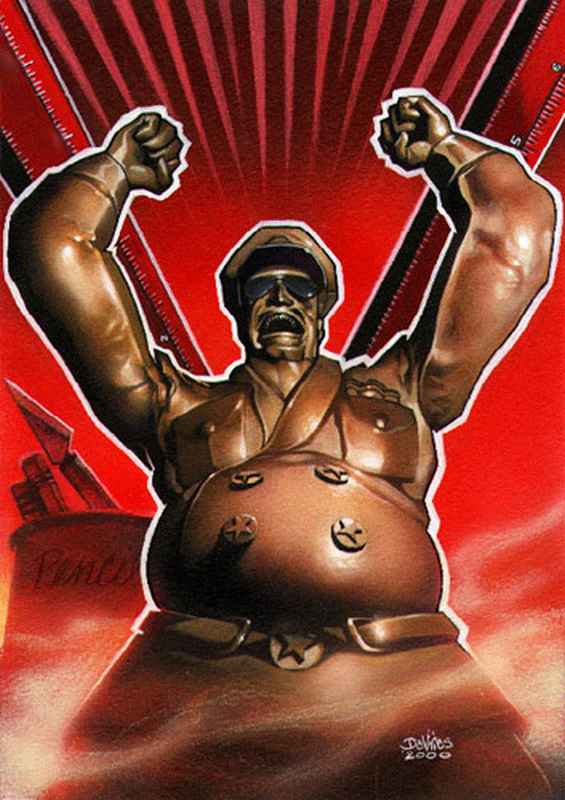
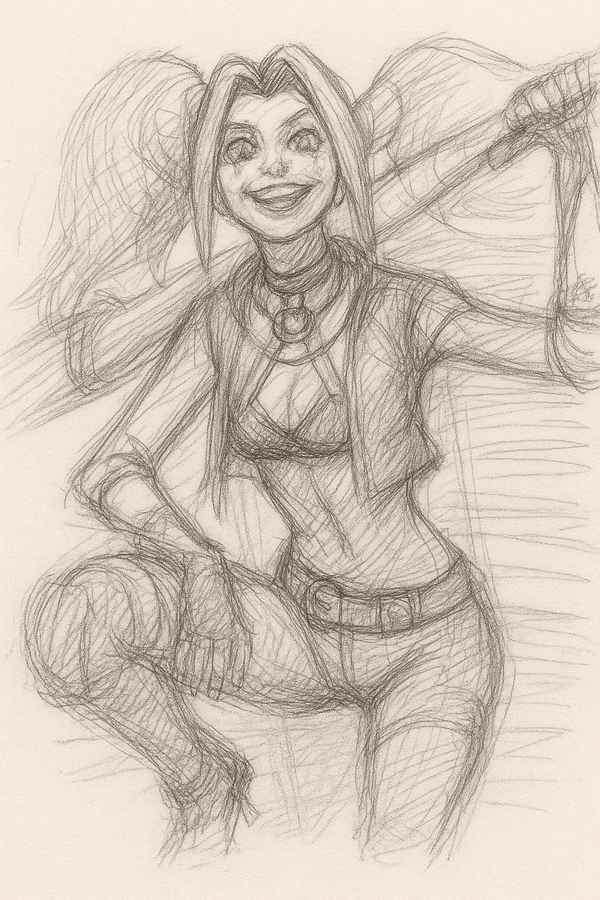
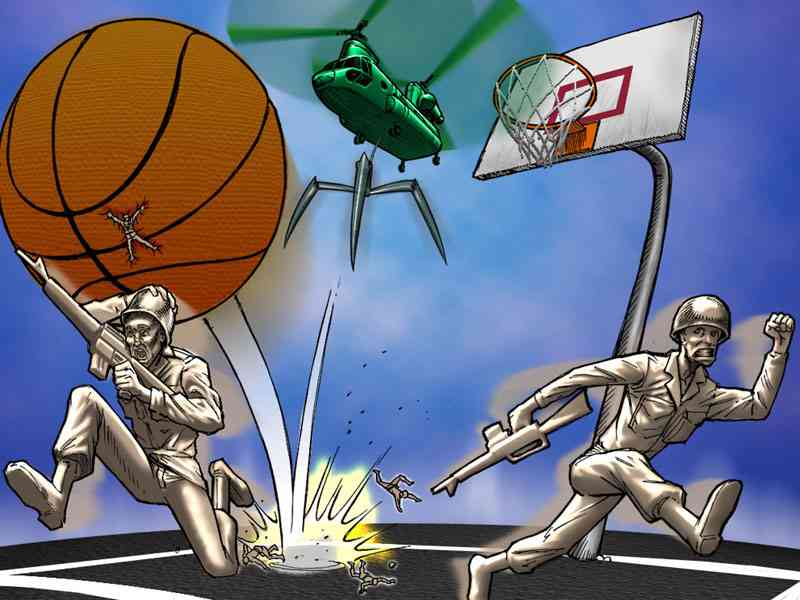
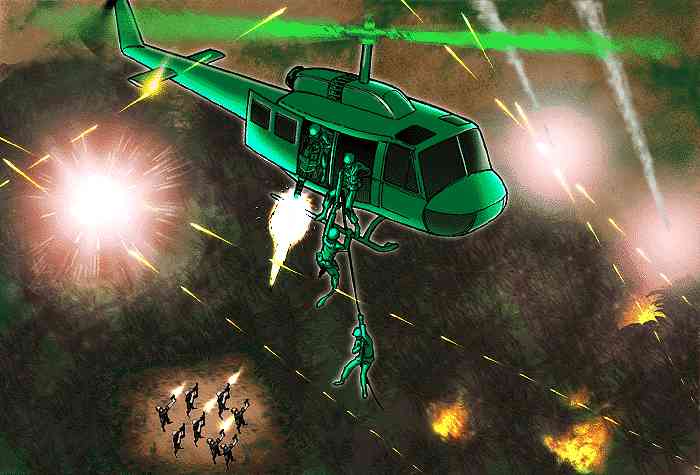
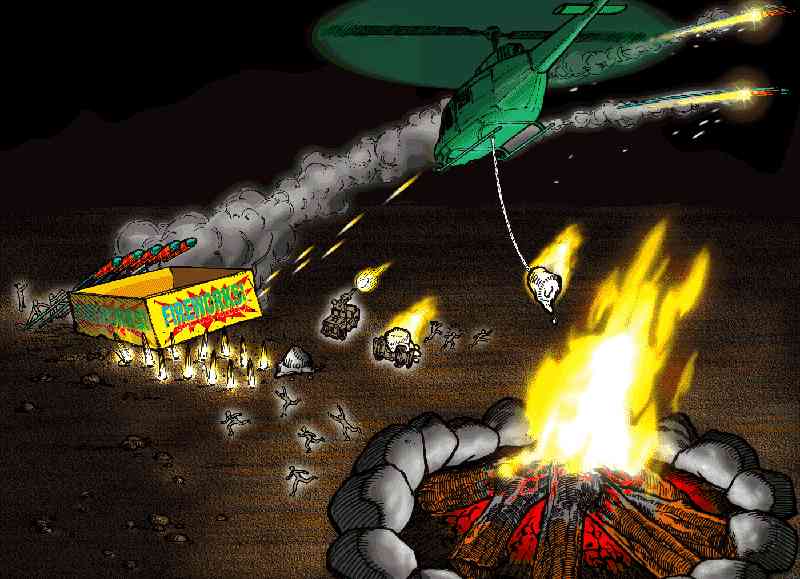
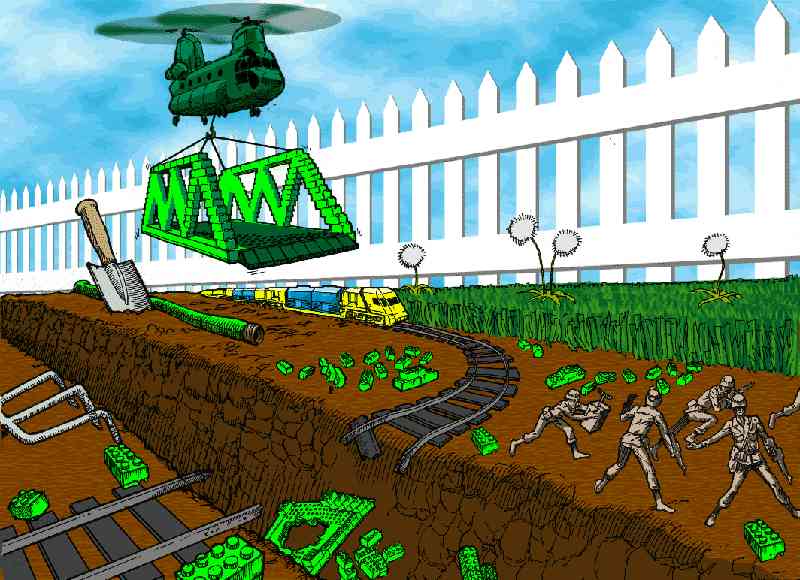
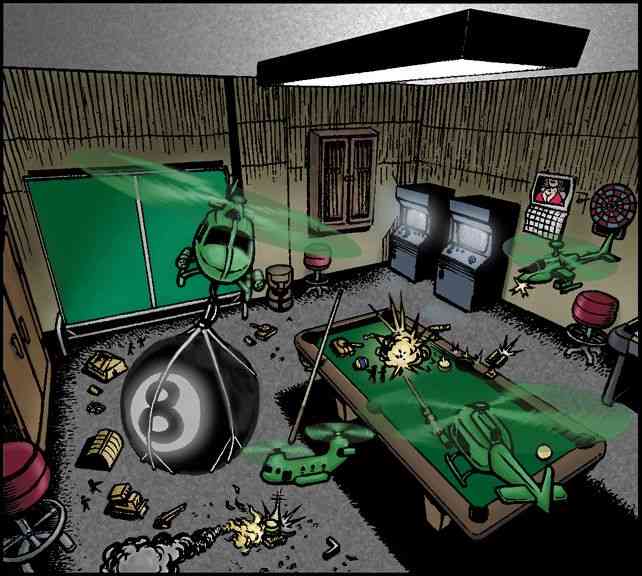
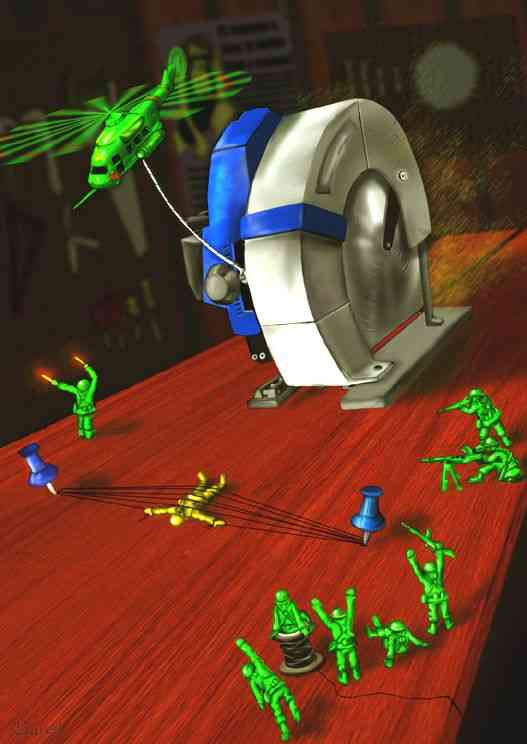
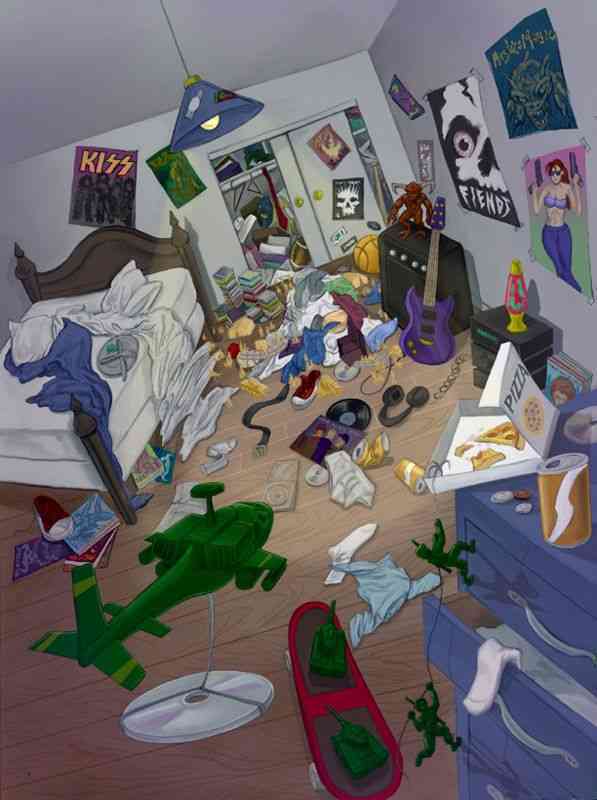
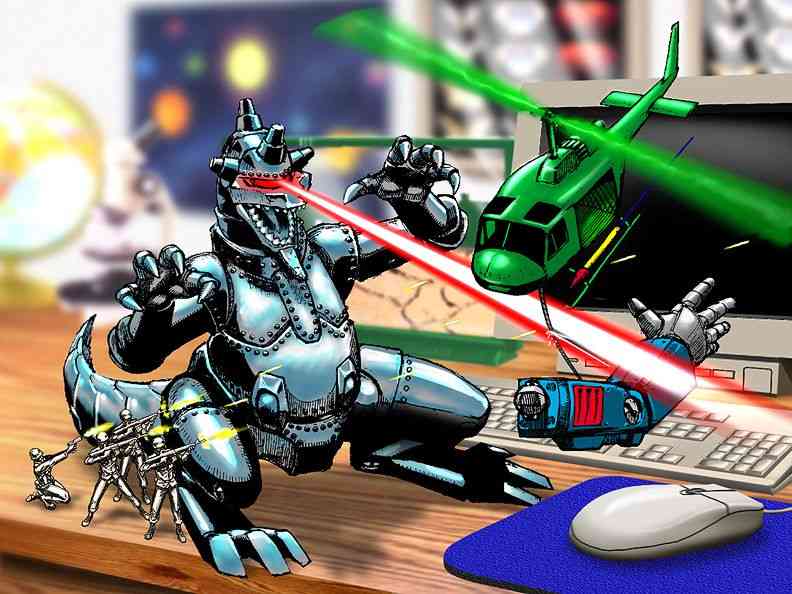
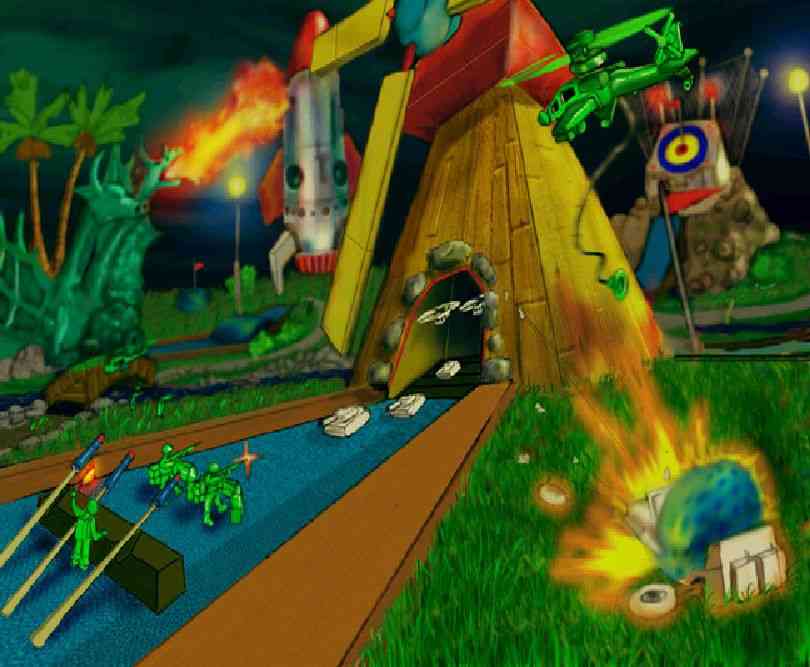
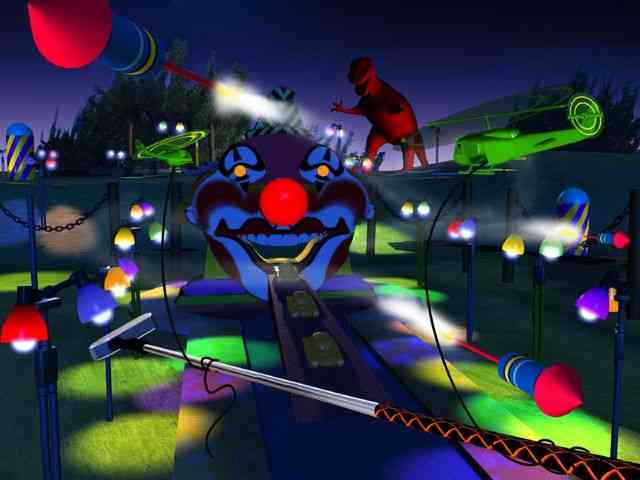
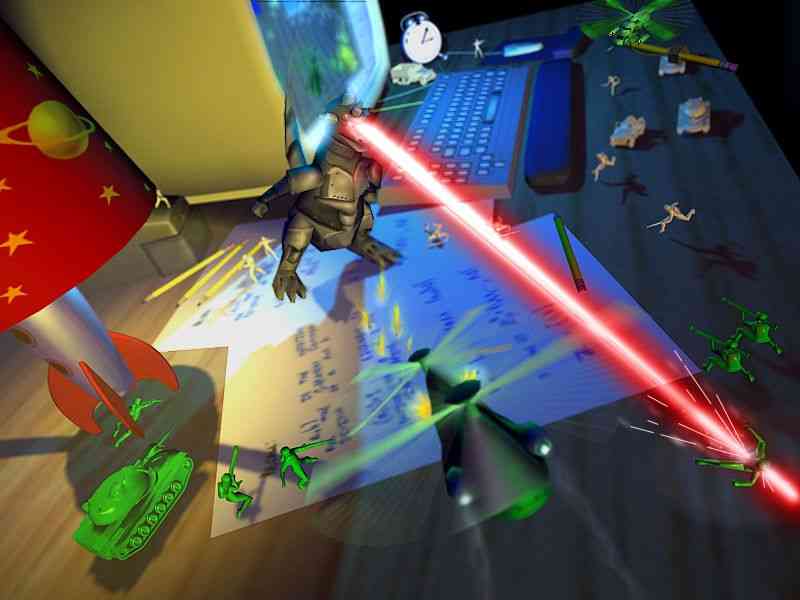
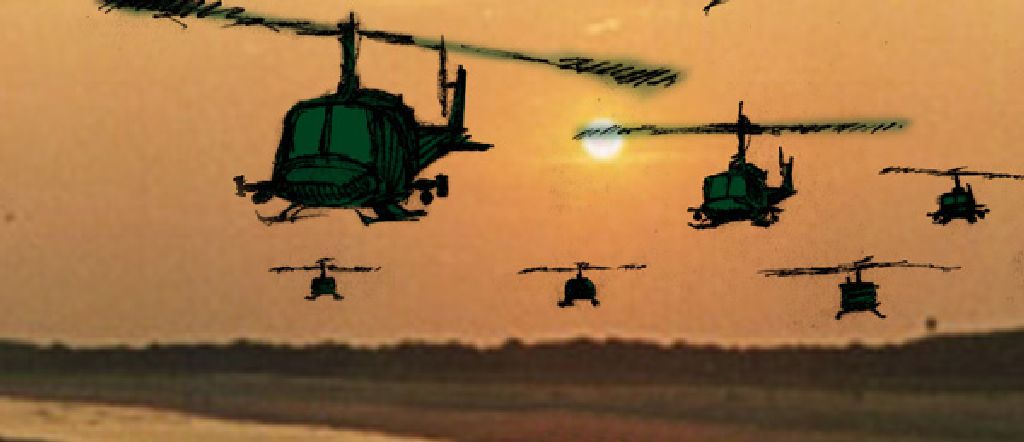
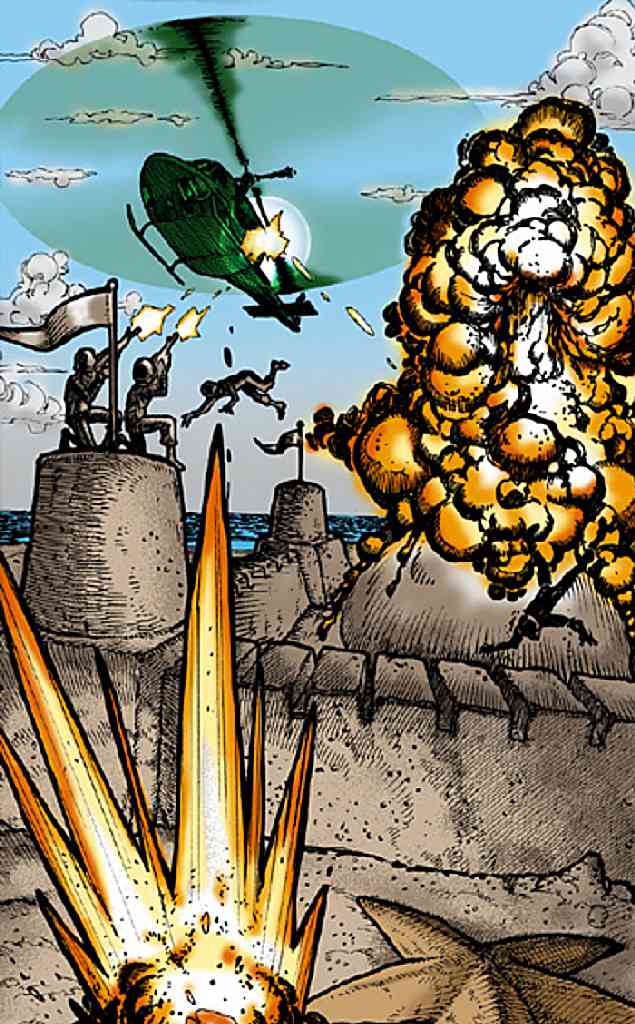
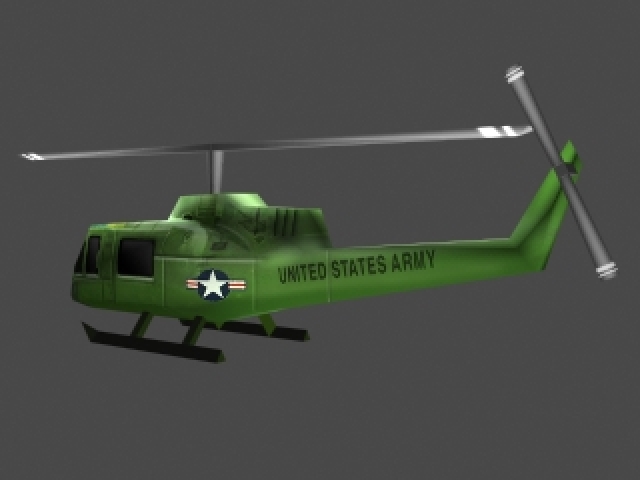
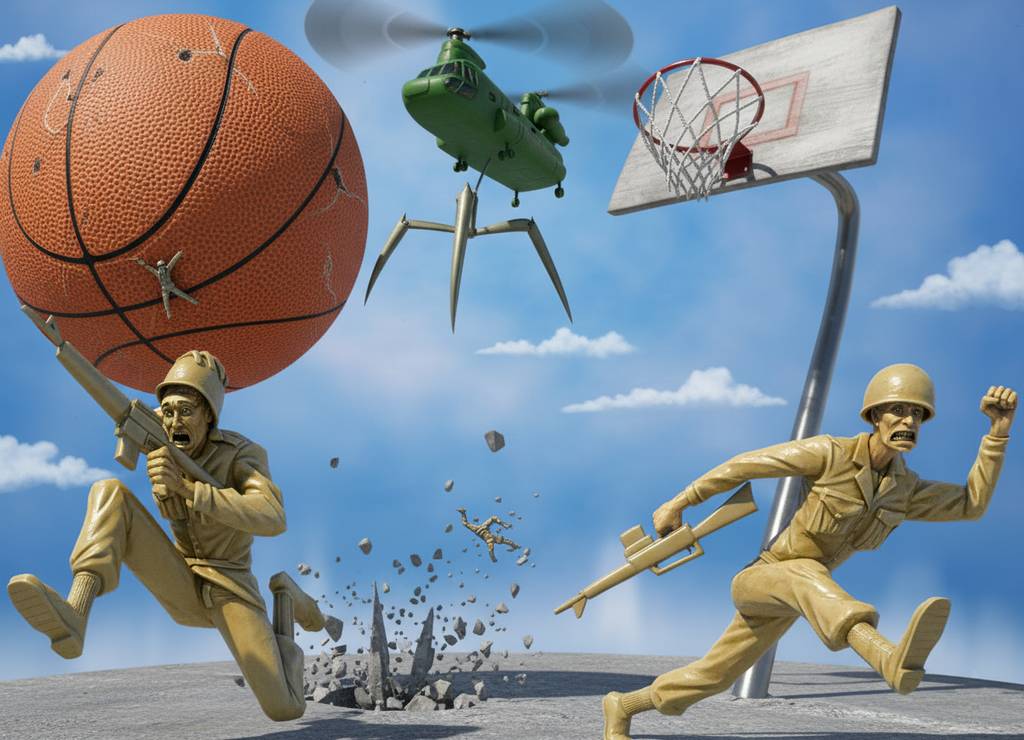
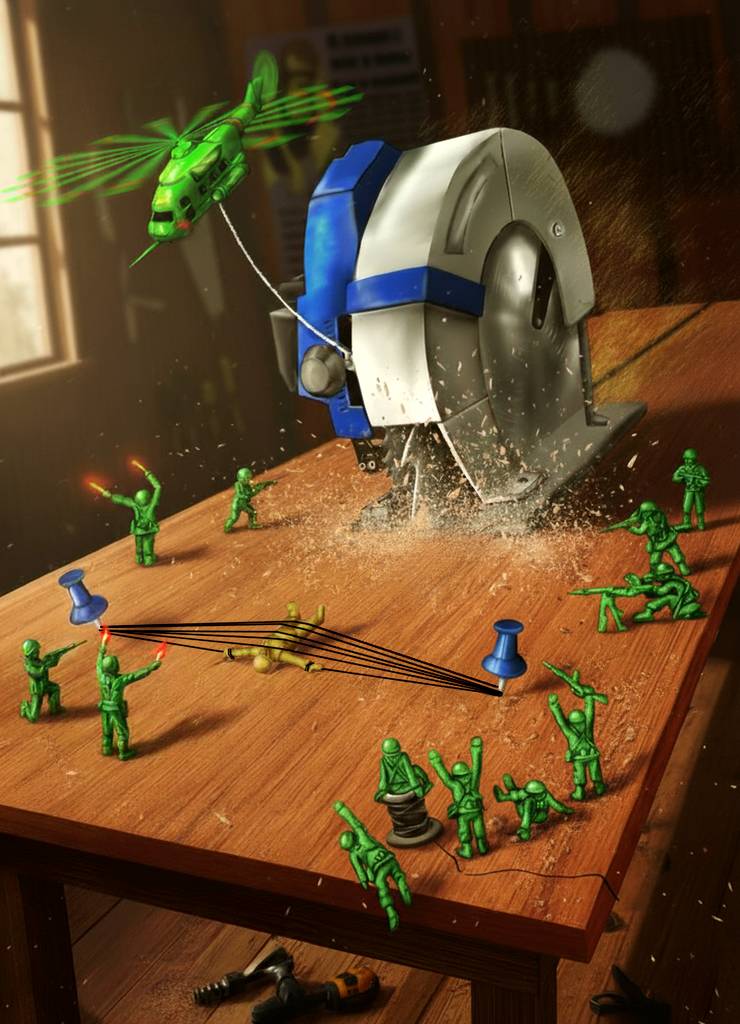
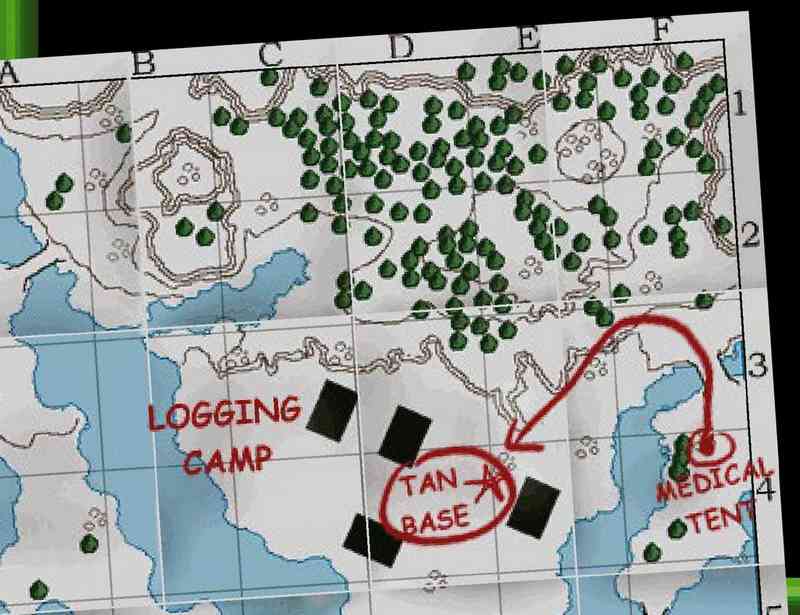
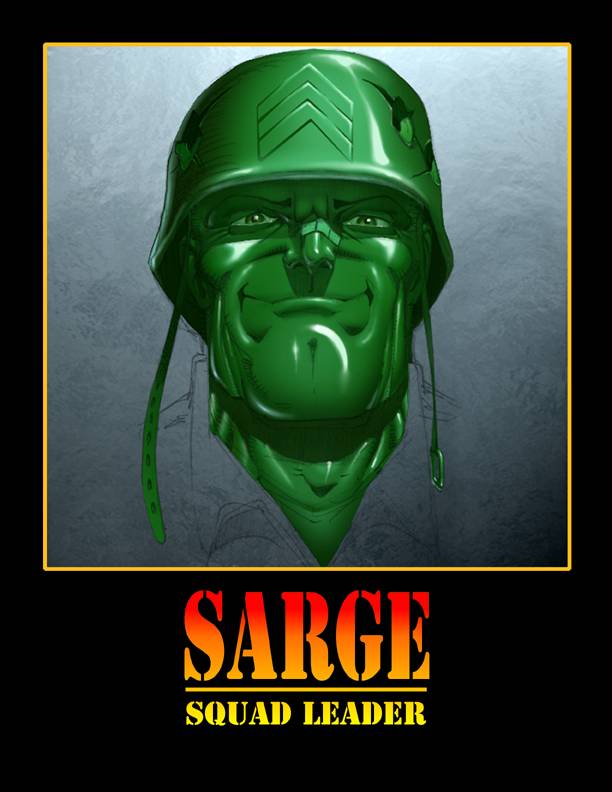
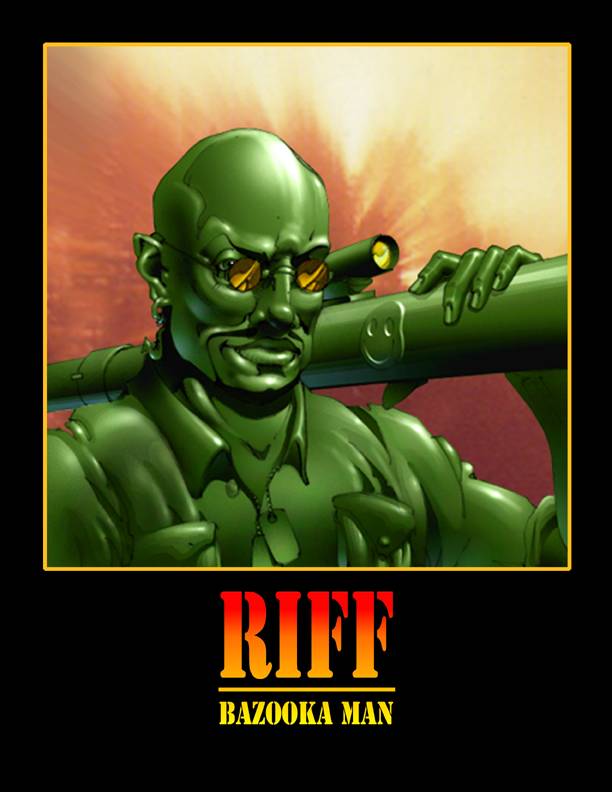
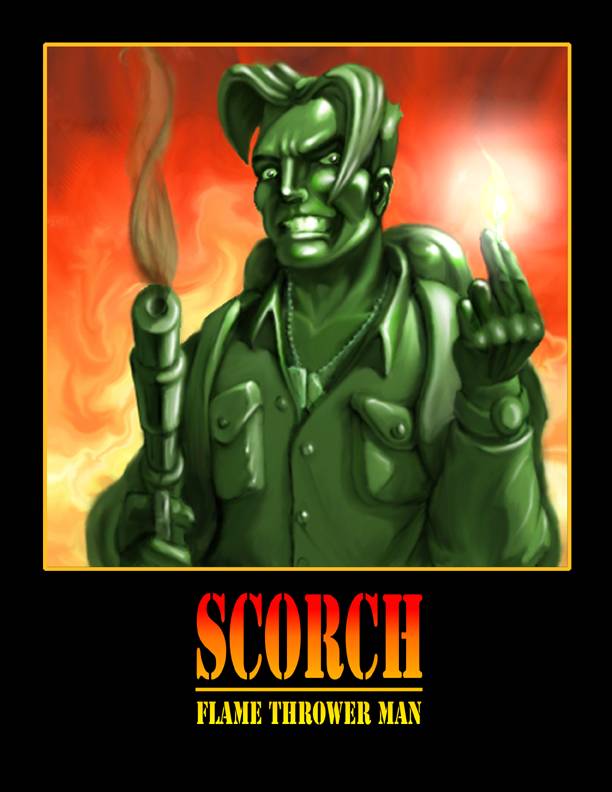
The Whiskey Convention is a toy convention that govern toy law in the Toyverse (also known as Whiskey Law) that aim to protect victims of toy conflicts, including not only Toykind, but other life forms such as animals in the Real World. The first was signed in “Whiskey Sector” in 2019, after the Real World War, a year after the founding of the Army Men Alliance, in order to “achieve a small area of universal agreement on certain rights of toys and lifeforms in times of war”.
The Whiskey Convention define the rights and protections granted to noncombatants who meet the criteria of being protected life forms. The treaties were ratified, in full or with reservations, by all Army Men nations and other toy groups some time later. The Whiskey Convention refer only to protected noncombatants in war. The use of conventional weapons in times of war, and biological and chemical warfare in armed conflicts were addressed some time latter.
Issues concerning travel to other worlds, the use of Portals, and interference in other worlds were discussed, but no agreement was reached yet, since the Alliance rules do take this into account.
1 Whiskey Convention for the amelioration of the condition of the wounded and sick in armed forces in the field:
This treaty applies in case of declared war or any other armed conflict that may arise between the contracting parties, even if one of them has not recognized the state of war. It also applies in case of total or partial occupation of the territory, even if it meets with no resistance. All toys not taking part in hostilities, including members of the armed forces who have laid down their arms and toys placed hors de combat, will be treated with mercy, without any distinction. Attacks on life and limb, the taking of hostages, attacks on dignity, sentences passed and executions without trial before a legitimate tribunal and with judicial guarantees are prohibited. The wounded and the sick will be collected and cared for. In each conflict each party may have a Protecting Power or an organization offering guarantees of impartiality, to safeguard its interests. Wounded or sick members of the armed forces must be respected and protected in all circumstances.
2 Whiskey Convention for the amelioration of the condition of the wounded, sick and shipwrecked members of armed forces at sea:
This treaty has similar rules to those of the First Convention but refers to members of the naval armed forces and shipwrecked toys. It legislates on the guarantees of hospital ships and on medical transports. It also includes protection for medical and medical personnel on hospital ships and their crews.
3 Whiskey Convention on the treatment of prisoners of war:
It has the same General Provisions as the two previous conventions. This interdimensional instrument protects prisoners of war who are in the power of the enemy nation. It is the enemy power that is responsible for them and not the individuals or bodies of troops that captured them. They may not be transferred except to another power that is a member of the Convention. Prisoners of war must be treated fairly in all circumstances. Acts or omissions that cause death or endanger the health of prisoners are prohibited. Prisoners have the right to respect as individuals and their honour. Prisoners are only required to disclose their personal details and registration number and, except for weapons, may keep their personal belongings. Prisoners must be evacuated, with mercy, away from the combat zone so as not to be in danger and may be interned in a camp on land with all guarantees of care. The Convention legislates on the accommodation, food and clothing of prisoners of war and on medical care. Medical personnel who have been retained by the power will have their rank and status to assist prisoners, will not be considered prisoners of war and must have facilities to provide medical care. Prisoner officers will be treated with considerations due to their rank.
4 Whiskey Convention relative to the protection of civilian toys in time of war:
This treaty concerns the general protection of the whole population of countries and worlds in conflict, without any distinction, against certain effects of war. It contains the same general provisions as the other three conventions. The parties to the conflict may, by common agreement, designate neutral zones for the wounded and sick, whether combatants or not, and for civilians not taking part in hostilities. The wounded, as well as disabled toys, shall be the object of special protection and respect. Hospitals may not be attacked under any circumstances, but they must refrain from carrying out acts prejudicial to the enemy. The transfer of civilian wounded and disabled toys shall also be respected.
The Toyverse thrives on the belief that every toy has a soul, a tiny spark of magic. So in the Real World, the world that ties all toys to a common origin, is so bigger that contains a few “embasies” from the other worlds, officially recognized by some toykinds and some of this worlds. So if any toy stranded in the Human World in need of help, like a discarded action figure or a half-buried dinosaur, now toys know that they have an embassy to allocate and obtain any help they need.
The Prehistoric Domain:
Here, the grassy plains echo with the roars of plastic dinosaurs. Tiny T-Rexes chase after elusive triceratops, while pterodactyls soar above the sandbox cliffs. This is the Real World prehistoric embassy for Prehistoric animals.
The Jurassic Valley:
Bounty Hunter Butterscotch discovered a secret entrance in one of the pyramids discovered by Vikki Grimm in the Prehistoric World, and there is where this embassy is located, out of reach of the Dinosaurs, underground.
The Medieval Enclave:
Within the shadow of Camelot Castle, toy knights don their plastic and metal armor. Big noble steeds, wooden rocking horses, gallop soaring across the plains (without moving anywhere). There, next to the Round Table, is the embassy. Sometimes King Arthur himself passes by to talk to the toys in need.
Dragons, crafted from green felt and googly eyes, guard treasure chests filled with marbles and shiny buttons, used for the embassy fortifications.
The Cosmic Expanse:
In the outer space from the Real World, The Great Plastic Meteor floats in a stable orbit. A space station has been set up there that serves as a space port for toys.
Astronauts (action figures or other toys with makeshift helmets) embark on daring missions. Sometimes their rocket ships, constructed from cardboard tubes and glitter, blast off toward the ceiling, exploding into a thousand pieces… because of course, if they do not hit the ceiling, as soon as they reach a considerable height they dismantle with the high speed of winds. But sometimes, and only sometimes, a toy is smart enough to build a resistant and aerodynamic rocket that allows them to reach the upper atmosphere to put their spacecrafts into orbit.
The Alien figurines that populates The Great Plastic Meteor station, with wiggly arms and neon-green skin, communicate in cryptic beeps. But they exchange intergalactic stickers as tokens of friendship.
The Underwater Abyss:
Beneath the bathroom sink of the former Lord Malice’s HQ household, lies the mysterious Underwater Abyss embassy. Rubber duckies double as submarines, exploring the depths of the porcelain to find the way to the open sea.
There, on the coral reefs (made from discarded sponges) shelter schools of plastic fish, lies the underwater embassy. It is guarded by a well-known superhero action figure who is in charge of toy rescues and a large fleet of Army Men submarines that patrol the perimeter.
There elusive red haired Mermaid Chickz occasionally surfaces, combing her hair with a toothbrush.
The Toybox Nexus:
The heart of the Toyverse (the Toybox Nexus) connects all these realms. It’s a swirling vortex of imagination, where forgotten toys gather to share stories.
Here, a wind-up robot dances with a plush teddy bear, and a RC car races against a wind-up snail. The Nexus thrums with creative energy and it’s the place where all those toys that are left halfway through an interdimensional journey go, whatever the reason for this happening is.
Historically, the Army Men franchise is full of cultural references from literature, film and television… and we are not going to be left behind of this habit.
Since many of us in the Army Men Toyverse project are fans of Sci-Fi, war and action films in general, we take references from here and there, not only visual, but from the personality of a character being based on an iconic popular character, to certain sounds or weapons based on popular sound pieces.
We think that in the Army Men Microverse the toys themselves adopt and personify characters, as if they were children in a game, and that personality they adopt becomes the purpose that drives and defines them.
Army Men known references
Army Men: Green Rogue:
The introduction of the Omega Soldier in Army Men Green Rogue is almost a copy-paste of the storyboarding of the scene where Arnold Schwarzenegger’s T-800 appears in Terminator 2: Judgment Day
Terminator 2: Judgement Day T-800 introduction into the story
Army Men: Green Rogue Omega Soldier introduction into the story
The previous suspense, the tempo, the metallic beat music sound typical of the Terminator franchise and the nudity of the character, among other details, are totally based on these introductory scenes of the films of this franchise. For this reason one of the frames of reference for Omega’s personality will be Arnold’s T-800.
T-800 Arrival in The Terminator movie
T-850 Arrival in Terminator 3: Rise of the Machines
Army Men: Sarge’s Heroes
Army Men: Sarge’s Heroes game cover
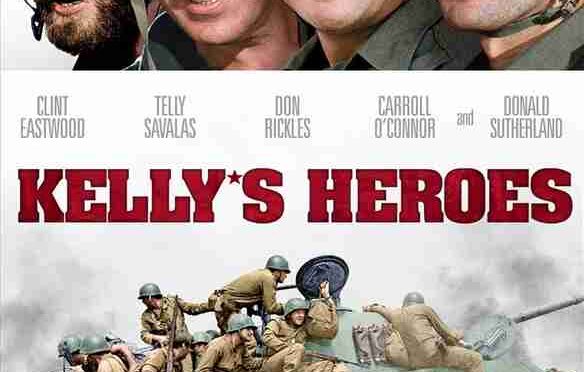
Kelly’s Heroes movie poster
Sarge’s Heroes is an obvious reference to Kelly’s Heroes, the film of the same name. In fact, each member of Bravo Company has a very different personality and appearance from each other, and each member has a different specialty. The same thing happens with Kelly’s men. Besides, everyone is crazy… in their own way.
The Red Baron and the Beige Baron
Manfred Albrecht von Richthofen, known as the “Red Baron” or “Baron Von Richthofen”, was a German fighter pilot during the human’s World War I. He is considered the ace of aces of war because he managed to shoot down eighty enemy airplanes. The obvious parallels with Baron Von Beige don’t need much clarification, but it has nothing to do with the Red Baron’s personality, except that he was an honor fighter equivalent to the English gentlemen he fought against. The Beige Baron has equal respect for his enemies, like Captain Blade and instead of finishing off his opponents, he just knocks them down and leaves them a Beige scarf as his trademark. Therefore Von Beige is not a murderer, but an avid fighter who likes to compete against other great pilots.
During the First World War, pilots were considered to be medieval knights “riding” the skies, and that rivals recognized each other as such when they crossed paths on the battlefield. Certain pilots had the habit of giving the military salute to their opponents when passing each other during a reconnaissance mission, but that solemn salute was soon replaced by a much more practical gesture within the context of a total war, although perhaps less chivalrous: the aviators began to carry guns (and use them).
One of the reasons World War I pilots wore scarves was not to be thrown at downed enemies (although they got used to doing it), was the combination of open cockpits and open engine oil systems, which used castor oil. Many early aeronautic engines used an open oil system, in which, instead of circulating the oil, it was dripped out of the engine and replenished from a reservoir, since being rotary engines, the castor oil used It was thrown in all directions, even towards the pilot. Ingesting castor oil not only tastes disgusting, but can also cause quite catastrophic effects on the digestive system. A silk handkerchief filtered out most of the castor oil.
Cajun Joe Colonel
“Cajun Joe’s mansion” was written in the back of the mission list, or description of some kind about missions, in the poster of an Army Men PC special edition, product of a partnership of 3DO with Ubisoft, which led us to the lyrics of a song, called “Cajun Joe (The Bully Of The Bayou)”, a “Country” 60′ style song that coincides in some sort of way with the Gray Colonel mission, like the terrain where the mission take place, the Bayou land.
Colonel Blintz, Lord Malice, Major Malfunction and a Green Colonel
Both the former Colonel Blintz, later called “Blintz” or “King Plurtz One” from Army Men RTS and the Green Colonel from Army Men 2, were clear references to the character of Colonel Walter E. Kurtz from the movie Apocalypse Now. In some very diluted way, the plot of both games, RTS & 2, was based on the primary idea of this movie: hunt down the renegade Colonel because he is out of control or knew a lot, and that is considered dangerous…
Even Lord Malice was also partially based on this character, and Sgt. Hawk goin evil when he became Major Malfunction. Or at least the game’s plot was. Only at the end of the game we found out that Malice was Gooding and Hawk was Malfunction (when in the movie the identity of the villain is known from the beginning). All of them were good men that went crazy.
The saga of the Toyverse, where battles are fought with courage, creativity, and a touch of whimsy.
Alliance, chapter 1: The Awakening
In a quiet suburban backyard, beneath the towering blades of grass, the Toyverse stirred to life, once again. Plastic soldiers, once mere playthings, now found themselves imbued with purpose. Their tiny eyes widened as they realized they were no longer confined to the toy box. The Great Melting Pot had granted them mobility, and they emerged from their green plastic molds as fully formed warriors. Sergeant Greenfoot, a grizzled veteran with a chipped helmet, stood at the forefront. His mission: to defend the sacred sandbox from the encroaching forces of the Tan Army. The Tan Commander, General Beigella, had the puzzle plans and nefarious plans to conquer the entire backyard. Both the new commanders of the Green & Tan armies in the Real World operations.
Alliance, chapter 2: The Battle of the Flowerbed
The sun dipped low, casting long shadows across the battlefield, a once-peaceful flowerbed now transformed into a war-torn landscape. Petals became trenches, and dandelions served as lookout towers. Sergeant Greenfoot rallied his troops: Corporal Plasticine, a plasticine soldier. Private Pebble, a soldier made of rock. And the enigmatic Captain Button-Eyes… a big soldier made of… several things (better not going deep on that). The Tan Army advanced, their plastic boots crunching on fallen leaves. General Beigella rode a plastic tricycle, its training wheels replaced with razor-sharp blades. The battle cries echoed: “For that missing puzzle piece!” shouted Sergeant Greenfoot.
Alliance, chapter 3: The Great Kitchen Counter Campaign
Word spread across the Toyverse: The Real World was vast, and other battlefronts awaited. The kitchen counter, a treacherous expanse, beckoned. There, the remnants of a cereal spill became quicksand, and the toaster oven was a fiery volcano. Captain Button-Eyes led the charge. His left eye was a blue button, his right eye a red one, symbolizing the eternal struggle between cold and hot. The Tan Army, led by General Beigella (now sporting a tomato-sauce stain), countered with miniature spatulas and rolling pins.
Alliance, chapter 4: The Quest for the Lost Marble
Deep within the folds of the couch cushions lay the legendary Lost Marble, a relic said to grant its possessor infinite bounces. Sergeant Greenfoot assembled a daring team: Corporal Plasticine, Captain Button-Eyes, and the rogue Lieutenant Fuzzball (a lint-covered lint roller). Their journey took them through the treacherous Canyon of Crumbs, past the trepidatious Sock Drawer, and into the heart of the Couch Abyss. There, they faced the dreaded Dust Bunnies, who whispered forgotten secrets and tangled their shoelaces.
Alliance, chapter 5: The Final Showdown
Atop the coffee table, under the flickering lamp, the Toyverse converged. General Beigella and Sergeant Greenfoot faced off. The Lost Marble glowed, its bounces echoing through space and time, out of controls, destroying everything in it path. “This is bigger than us,” said Sergeant Greenfoot. “It’s about imagination, childhood, and the magic of being small”. General Beigella hesitated. “Perhaps we’ve been fighting the wrong battle”, he mused. “Maybe it’s time to unite against the Vacuum Cleaner”. They fought as a joint force and disabled the vacuum. Within the collecting bag they found the missing piece of the puzzle and thus, together, they completed the puzzle with the information that was so sought for years.
And so, the Toyverse forged an alliance. They rolled the Lost Marble into the abyss, where it bounced forever. Green plastic soldiers and Tan Army alike danced on the coffee table, celebrating their newfound camaraderie. And thus, the Toyverse expanded beyond the backyard, beyond the kitchen counter, into the hearts of lost human children everywhere. For in the realm of imagination, even the tiniest warriors can shape the grandest tales.
The Real World project is a joint research effort of the Army Men alliance to discover the secrets of existence and the other worlds. It is a research and technological development group, as well as philosophical debate.
Before, human children dreamed of tin revolvers, tin soldiers or dolls with natural mammal hair. Many times they were impossible dreams: although some of those toys were made with good materials, few human parents could afford such expenses.
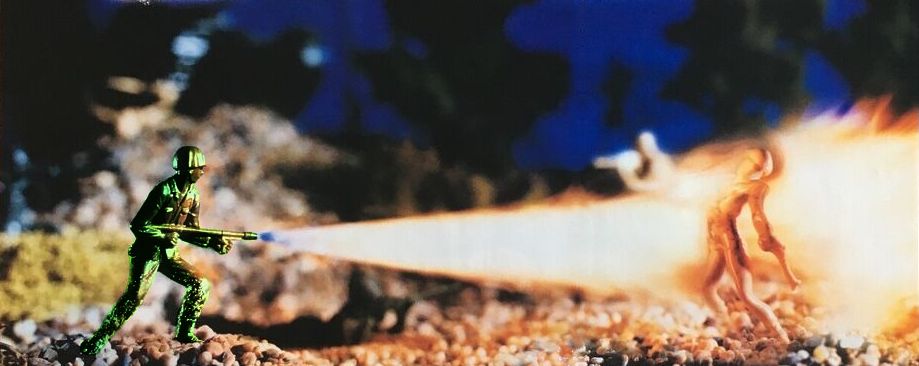
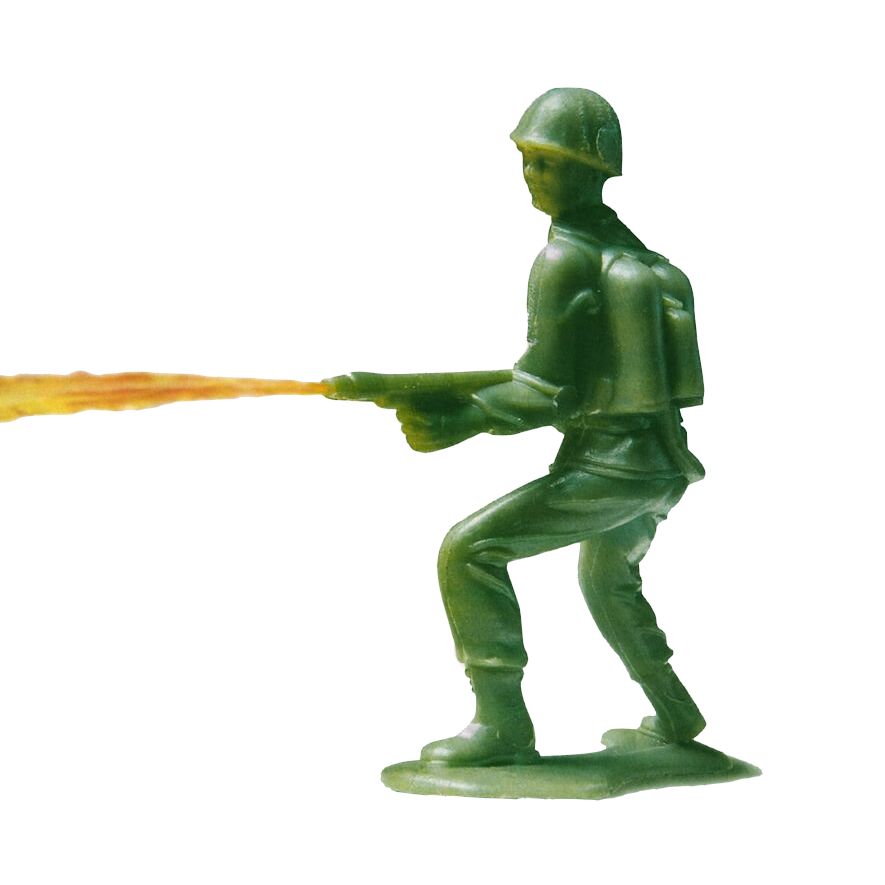
Green Army Men burning a Tan Soldier with a flamethrower
A toy story about humans
Knucklebones already forgotten and Marbles (a kind of glass ball toys) in the process of being forgotten by human kids, it was during the second half of the 20th century, when human children entered the stage of games to play sitting down, deepened near its end by the popularity of the computer (ended by their extinction).
Running, jumping and walking through the air on tree branches was a way of playing for humans that strengthened even their most hidden muscles; The little soldiers and the marbles, to be played on the ground, gave rise to an almost sedentary style of kneeling, which in turn developed the size of human children’s knees. And board games and later computerized ones finally gave way to a third way of entertaining themselves, without leaving their chairs, which caused a progressive enlargement of the gluteal area and deterioration of physical performance and health, one of the probable causes of the many ones that caused their extinction, because their bodies needed constant maintenance and energy by consuming carbon-based foods (like themselves). But towards the end of their existence, the facilities provided by their technological improvements caused them to expend less energy, consuming the same amount of nutritional supplements (and sometimes more), which caused an overload of excess fat and calories, the fuel for their bodies to create said energy. In fact, those who made an effort by exerting force and expending that energy with kinetic movements, benefited their health in general, making the body have to become stronger and more resistant to these uses of it. But that is a topic for another time… Here is a brief history of human childhood play, presented in three stages well differentiated by their shaping effects on their silhouettes before its abrupt end.
What happened in the meantime, in ancient times and then in its modern stage with the human brain is something much more difficult to know, since we find no intact human brains nor we have a way to study them (even though they supposedly work like a computer hard drive).
In any case, the general evolution of toys for humans shows at least that manufacturers were making their products increasingly imaginative and even fanciful, and that, on the contrary and consequently, their human customers seem to have had progressively less need to use their own imagination to play.
Until the end of World War II, there was not really a developed plastic toy industry. The great boost was received from then on, when European, American and Japanese war-style toys, which for a long time had supplied an almost elite market, stopped being manufactured and began to be copied even where they did not exist (or not could exist) because of the visceral rejection at that time of everything that exalted the war as that felt by those humans who had just suffered it firsthand. But of course, the Second Human World War did not take place on all continents of the Real World, so war toys evolved differently in some places.
Toys are not just about war
This article studies the evolution of toys in general (not just war toys) in what was considered by humans in the Real World as the continent “South America”, also called “Latin America” (which is strange since Latin language was not born or used on that continent).
A drop in prices justified by the copy significantly expanded the international market for human’s Real World in general. Manufacturers of other types of toys also entered the market, responding to the new importance of demand, especially outside the United States & Europe (like this case).
Until then and since the beginning of their last century, the human children of the Real World had stocked up on European toys.
Trip, a businessman and toy collector (who left behind a diary with his memories) at the age of eight, with a criterion of devastation typical of the Huns, ruined the garden of his house to reproduce the Maginot Line as he had seen it in the engravings of war magazines. On that occasion he used European brand soldiers. Trip remembers how expensive toys were back in his days of short pants. His father once gave him 3 dollars to buy a tin Luger pistol, he sight of which in the window of a certain toy store kept him awake. And his mother protested because that sum was then enough for a whole week’s human home meals.
As a boy, Trip also dreamed of buying a box of French semi-plane soldiers, brand Morris Toy Company. They never gave him the pleasure, probably because that toy would cost much more than 3 dollars. They gave him the new plastic soldiers, in a fruitless attempt to make him forget his fickleness.
Michael, another businessman and also a collector, remembers in his writings that his first box of little soldiers, back in 1934, was made of a metal alloy and was a “folklorically free version of the French line infantry soldier”.
Keith, a lawyer and collector of every toy ever made, suffered a long nostalgia for the forts and castles that were made in some European prisons after the Second World War for the children’s market. With time and effort, he was able to buy back the two models he had had at the time of his shorts. We found them in the same home we found his memories, and at the base of one of them you can see a prison seal.
Dan, a doctor and toy collector in general, remembers the profusion of graphic advertisements that toy stores published towards the end of the first half of their last century. He remembers that the most numerous were related to airplanes.
Loose, the little planes of the famous worldwide brand “Morris Toy Co.” cost between 0.55 cents and 1.50 dollars. In a box with five different models, the price was $3.25. Dan also remembers an airplane, whose propeller was powered by twisting an elastic band. It flew up to a distance of one hundred meters and always broke down a little more with each landing. It had been given to him as a gift when young and it was still part of his collection, before meting his ending.
Another country, another toy story
The world of humans and the things they left behind are so immense that they are currently very poorly explored. Out there there are many countries, in addition to Unites States, even some much larger than the latter.
Flint, a businessman and collector specializing in United States brand soldiers, says that the first ones he had of foreign origin were European, and had been a gift from a friend -Jim, he forgot his last name- who left them with him when he had to emigrate with his family to another territory. Like circumstantial neighbors they had played war every day for an entire heroic summer of the Real World. “Take it,” Jim told him when he left, “so that you never forget me.”
They were eight years old and never saw each other again. Flint keeps those toys. The national production was not, generally speaking, especially appreciated by collectors of his country. It would seem that only those humans who played with those “local toys” more than with others appreciated them and preferred them to foreign ones, largely for sentimental rather than aesthetic reasons.
Some human collectors from countries outside of Europe or the United States discriminated against the toys of their nations, considering them “profane” as they were copies or ideas based on other brands, or as simply something of less prestige, even though some of these copies were better than their inspirations. Something like the hatred that the Greens and the Tans had for each other, who after all were all mere plastic toykind, just different color. Topic to delve into another time…
Foreign humans collectors, however, paid good prices for the most characteristic toys from Flint’s nation. His Southern American local toy industry was, without a doubt, the most prolific and renowned in the continents of the Real World… until the end of humans, of course.
Mate Toy Company, a pioneer brand in South America, copied the Crazy Cowboy, a United States wind-up toy from Morris Toy Company, made of tin. It was a cowboy comically riding his bucking vehicle. Mate’s version, without losing grace, turned the character into a Creole Rancher who had exchanged the Texan hat for a Cowman hat. Later, Mate partnered with the Condor firm and together they produced new versions of the Crazy Cowboy, giving the character other identities that turned him into a soldier and a clown.
Condor Toys, for its part, was already famous for its production of bicycles, tricycles, skateboards and air rifles.
The “Condor-Mate” merger also produced several small planes; among these, models similar to the P51, the Fokker Triplane and the Boeing 707. In 1954they created the Andean Expreso, one of the first toy trains on this south part of the continent. The latest version of it, decorated with characters from fantasy stories, dates back to the 1970s.
The same firm produced other Crazy Cowboy style toys, the Monorail and several wind-up animals. All these toys made of tin, which would later be made (just as would happen with lead soldiers, a metal whose use was prohibited due to its toxicity towards humans) with plastic, a material that has once been considered “demonic” by humans because it does not belong to any of the three kingdoms of the nature of the Real World.
But the oldest manufacturer of South American plastic toys, it should be remembered, was Messia Toys, which specialized in cars equipped with powerful sirens.
Messia was the creator of the Sulky-cycle of the same name, a pedal-powered vehicle that seemed to move dragged by a pony or two, depending on the model. The little horses were convincingly constructed of paper mache and cowhide on an iron frame (Yes, they not only ate cows, but they used the leftover hides to make toys and other things). Along with that children’s vehicle, whose steering wheel, placed under the short toy’s belly, was governed with a system of reins. Messia also manufactured, always with the pedal system, a red tractor and a racing car that was intended to look like a sport car and that was usually painted in yellow and blue. Any of these toys could well represent the highest aspiration of a human boy in the decades of the 40s and 50s. They were expensive toys, whose prices did not appear in the graphic advertisements, surely so as not to scare off the clientele before the buy time.
The world-famous mega-toy store Mr. Taylors Toys included in his United States toy stores the Sulky-cycle in its 1957 catalogue. Its price was 125 dollars at that time.
Between 1921 and 1959, Messia manufactured a wide variety of excellent tin toys. Among his greatest successes are a wind-up DC-4 four-engine; a bus, a fire truck and a World War I tank that displayed an incongruous blue and white insignia on its sides. Morris Toy Company, which invaded the continent and established itself in this market to compete with those who copied it, from 1954 to 1992 reproduced cars such as the Rancher and the Cross Country to scale and in cast metal, and, in a much smaller size than these, a hundred other car models, all in their little box. Five editions were made of the latter.
Messia produced a manual projector of colored images, printed on a translucent paper tape, that illustrated arguments developed in the manner of a comic strip. By using a similar paper to draw on, it was possible to create or recreate other films.
Chickz was the brand and name of the most famous doll line. This doll was, according to the syrupy propaganda that was made in the 1950s, a sweet and delicious doll with expressive eyes and soft, fine features. She narrows his eyelids, walks and articulates himself, adopting all the positions that her mom wants to give her. Sold with shirt-shorts, socks and shoes, she makes his baby happy with a baby bottle too. The largest and most expensive model, measuring 55 centimeters and with natural hair, cost 230 dollars at the time. With artificial hair, the price was 158. Different dress models for the Chickz were worth between 15 dollars.
Many tin toy producing firms included in their catalogs the appropriate household items for playing with dolls.
There were several other toys from Messa like Stack toys, brass tops, wooden handles and cebita revolvers that imitated the impressive Colt Revolver are other names of toys manufactured, as well as Plastimetal toys (which used a unique metallic plastic) and the Duracars line (hard rubber cars, with a well-earned reputation for being unbreakable).
Among the educational toys of the time, it is worth remembering “The Magic Brain”, which dates back to 1948 and which in its early days worked with electric current and then with batteries, and Merlin, the magician who answers, a mechanism moved with magnets. Both games were designed on the basis of questions with several optional answers. The brain certified the successes by turning on a little lamp, and the magician did so by turning around to point them out with the wonderful wand of his profession.
Toy Lead & Plastic Soldiers
But, without a doubt, the favorite toy of all humans around the world was, until the 1960s, the universal little soldier, made of lead during its time of greatest splendor and then of plastic, the embodiment of its decadence among human conception of war. Perhaps they should be placed immediately behind the little soldier in children’s preferences, the farm and Zoo toys, which among them were also glorified in lead and that then decayed into plastic.
With few exceptions, during the long period in which these lead toys were merely toys and not human collector’s items as at the end of humanity, manufacturers copied (pirated, it is often said bluntly) their more original European colleagues. When they were not smooth and plain copies, they were rather slight adaptations, which rarely prevented us from recognizing, at first glance, the origin of the little soldier or the copied animal.
The greatest originality in South American production was carried out by Messia, which between 1947 and 1966 manufactured with its own matrices and with its brand German soldiers and sailors, cowboys and United States Indians (another strange denomination since India is on the other side of the Real World), Africans, Boers, Arabs, wild animals, circus figures, etc. His little soldiers (the term used generically to designate his entire production) were semi-flat, in a 35 millimeter scale.
Condor produced between 1950 and 1962, figures inspired by the style of the European toy soldier brands. In fact, the horses that Condor made were copies without mitigation. But not many other things, such as its characters and country accoutrements, its Spanish conquistadors and its Chinese from the Ming dynasty.
Messia created the matrices that gave rise to the main and most celebrated figures of La Granja de Don Alejandro. The farm became, eventually, a well-stocked ranch, where there were no shortage of ranches, the clay oven, the half beef on the spit, the cistern, the grill with meat, Cowman in the attitude of fighting with knifes and dancing zamba, tamers, herdsmen, insatiable matadors and many more things, without forgetting among these a fat champion bull and a tall horse with woolly hair, which looks to the side twisting its powerful neck.
The Mate firm made heavy soldiers on foot and grenadiers on horseback, in 90 millimeters, as well as figures for religion. They were remarkably heavy.
Morris Toy Co. marketed another of its very famous brand: “Real Combat”, which had a splendid array of United States troops from World War II advertised with the slogan “Real Combat, Plastic Men”.
At one point, Messia even managed to surpass, through magnificent painting, the quality of their United States Morris counterpart.
Messia reproduced the Morris circus figures with particular success and added to them a couple of very handsome Lilliputians: he was Frank, with cane and galley, and she was Matilda, in full length, with sparkling ruffles that descended in a cascade in the shade of a capeline.
For its part, Condor produced not only soldiers from the Second World War, but also a numerous series of accessories, such as landing craft, trenches, pocket parapets and harmless barbed wire fences. All this allowed the firm to assemble spectacular dioramas in the windows of its establishment, in those years strategically located in the center of the large human cities of this region.
The tour of molding dies
In the 1970s, United States molding dies arrived at other nations that were used for a certain period to supply the local market at a lower price than the import price, due to the lower cost of labor. Those dies were then returned to the factory of origin, like the Morris Toy Co.
So it happened with the basic part of the long series of characters from “Star Clashes” and the same thing happened years later, in the 80s, with the gallery of characters, also extremely extensive, from the television series Medieval Man, made in animated drawings and that would later be made into a live-action film with humans.
All of these toys were made of plastic, sometimes with rubber parts, as in the case of the heads of the articulated Medieval Man figures. At the end of the human era, the vast majority of toys were imported. The once thriving American and European toy industry had been left out of the game before the fall of humans, being replaced by video games, a kind of form of electronic entertainment using computers, some connected to their television sets.
Von Beige’s origin is unknown. It is only known that he appeared at the same time as William Blade, both fighter pilots during the Tanic-Greeno World Wars.
Much like William Blade, this nameless pilot wore the same type of cowboy hat with the mark of the Union Cavalry, but without glasses. Blade’s provenance is classified, if searched in the Green Army archives, therefore it is most likely that the same will happen with Beige. Although currently, having access to the Tan classified files, there is no mention of the Baron until shortly before Air Attack 2 (maybe they were destroyed).
Both Blade and Von Beige (at that time an unnamed pilot) were pilots who did not go out of the ordinary until they found their ideal vehicle. In Beige’s case it was his biplane, “The Beige”.
Although over time his biplane fell far behind the streamlined monoplanes, he was still a great pilot thanks to the biplane’s superior maneuverability. But his greatest weakness, his stubbornness and the air resistance that made him maneuverable but slower, ended up condemning him. Shot down by William Blade’s father, a Green naval officer, his stubbornness to leave the battleground in time left him on the ground with burns that keep him out of combat for a few years.
When he returned to active service, some time after Air Attack, he found that helicopters were in fashion, even combat airplanes falling behind. So he tried his luck piloting choppers and stood out, winning his name: Baron Von Beige, the Ace Pilot on Airplanes & Choppers, when he killed the plastic man who left him on the ground on the past: William Blade’s father. But this not lasted to long. He was ambushed by the entire Alpha Wolf Battalion of the Green Army in retaliation for Blade’s father death, who this time make sure to not only roast Von Beige completely, but also finish him off. But still, Von Beige did not die.
The cost to defeat Von Beige was high: Lieutenants James Marshall “Woodstock” and Dave Parker “Rawhide” were killed in action (KIA). And on top of that, unfortunately a short time later it was learned that, although in very bad condition, Von Beige survived. From that moment on Beige had to live with a special mask that covers his entire face. He was completely disfigured and burned to the inside, to the point that no one understands how he could have survived.
It was only for Army Men: Air Attack 2 that he found his true love… the Triplane: A fighter that had the capabilities of both, a fighter airplane and a helicopter, which ended up surpassing the Green Army helicopters.
And Army Men: Air Attack 2 is where Von Beige got his second chance not only against Blade, but against all of the Alpha Wolf pilots.
The points to take into consideration for our Army Men concept artists:
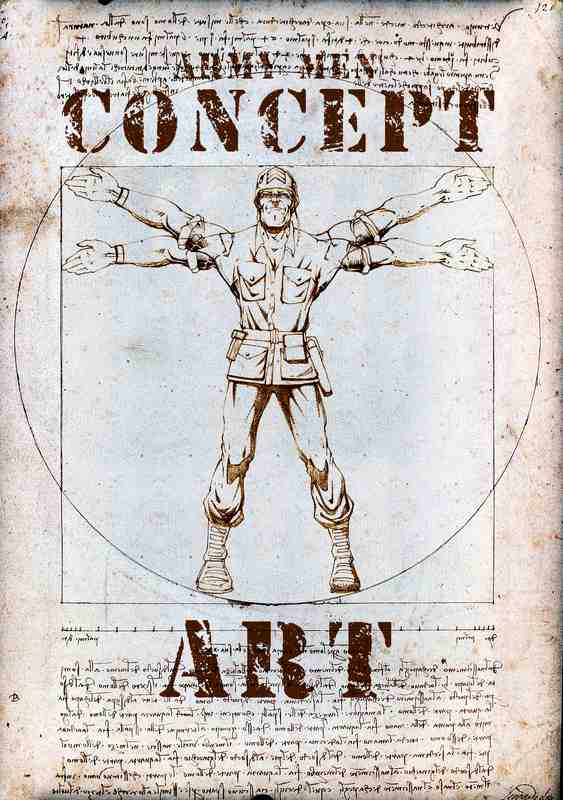
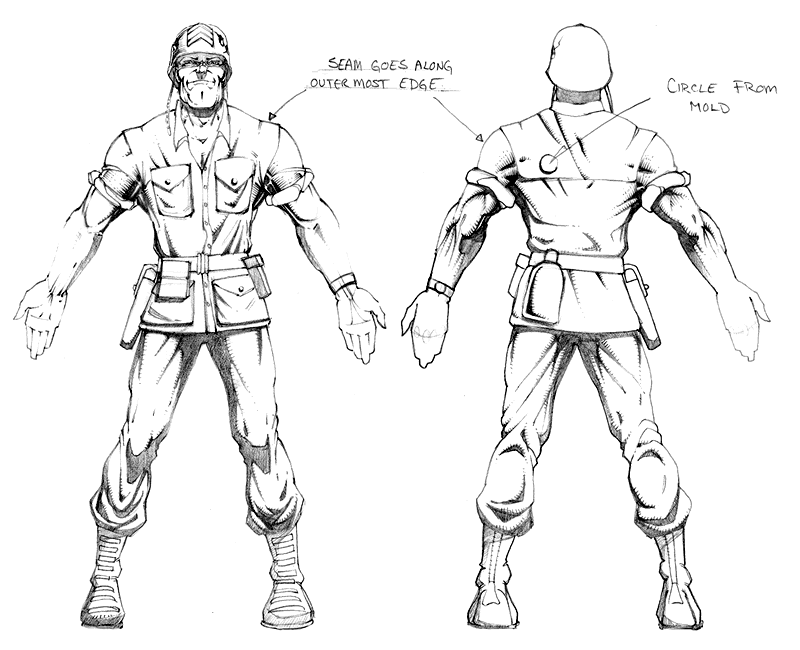
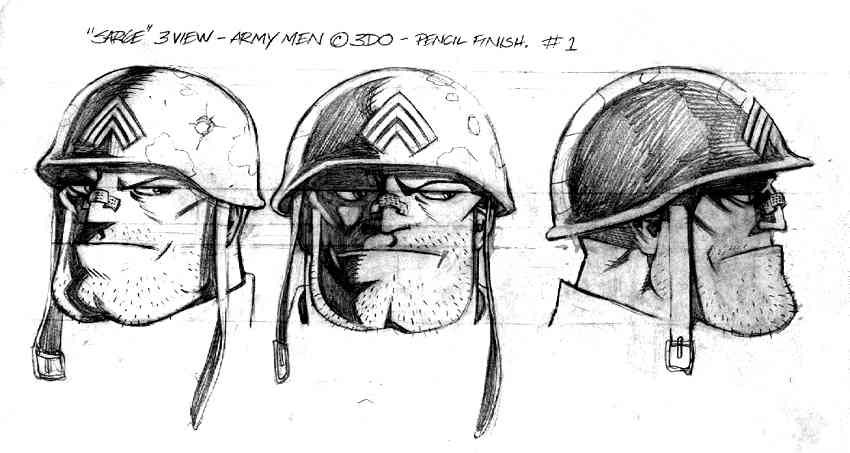
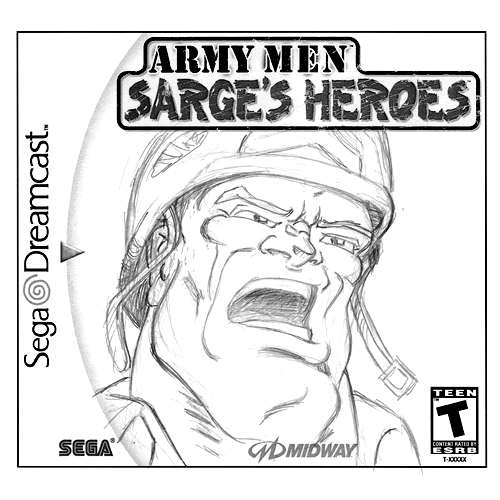
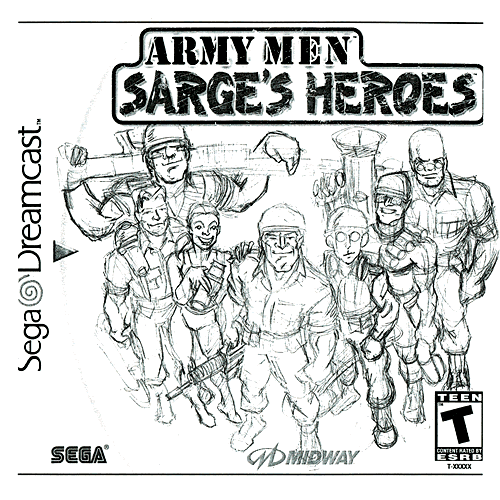
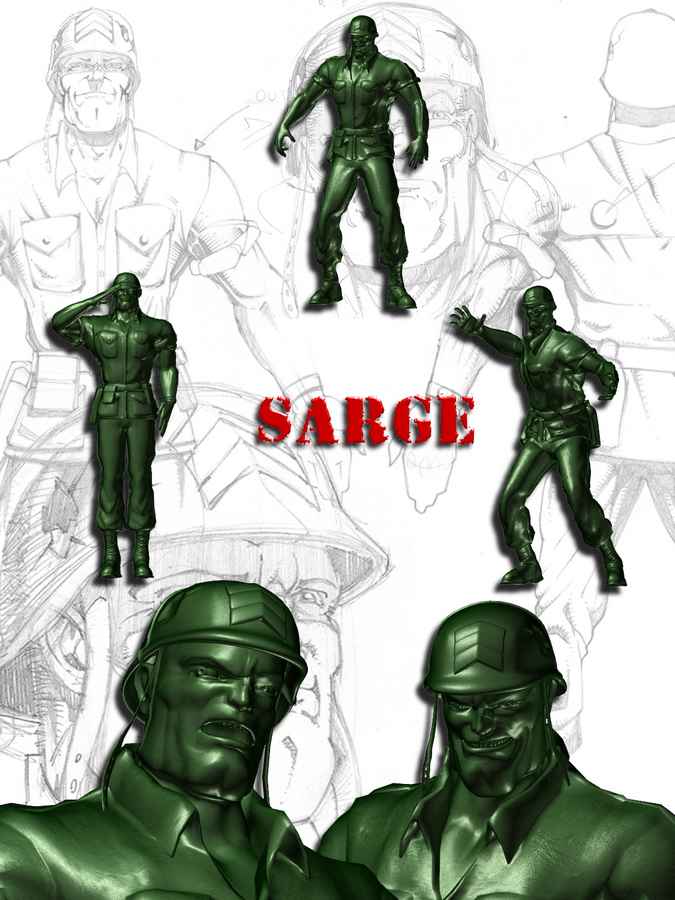
Sarge Hawk Vitruvio Army Men Concept Art
At first the Army Men must look like real soldiers, realizing later during the that they are actually miniature.
Any childish item, like a teddy bear, should look fierce and terrifying. A serious threat, although it may seem harmless at first for the player to take it lightly.
They should look like real little toys, plastic soldiers. There are details impossible to achieve on a certain scale, which make the plastic soldier 3D models look small.
Conceptual art is an artistic and simplified sketch in which the conceptualization or idea is more important than the drawn/conceptualized art. Ideas prevail over their formal or sensitive aspects so that the artistic aspect of the concept takes a back seat, favoring the speed of production time of the idea, also reducing the mental process of understanding the idea.
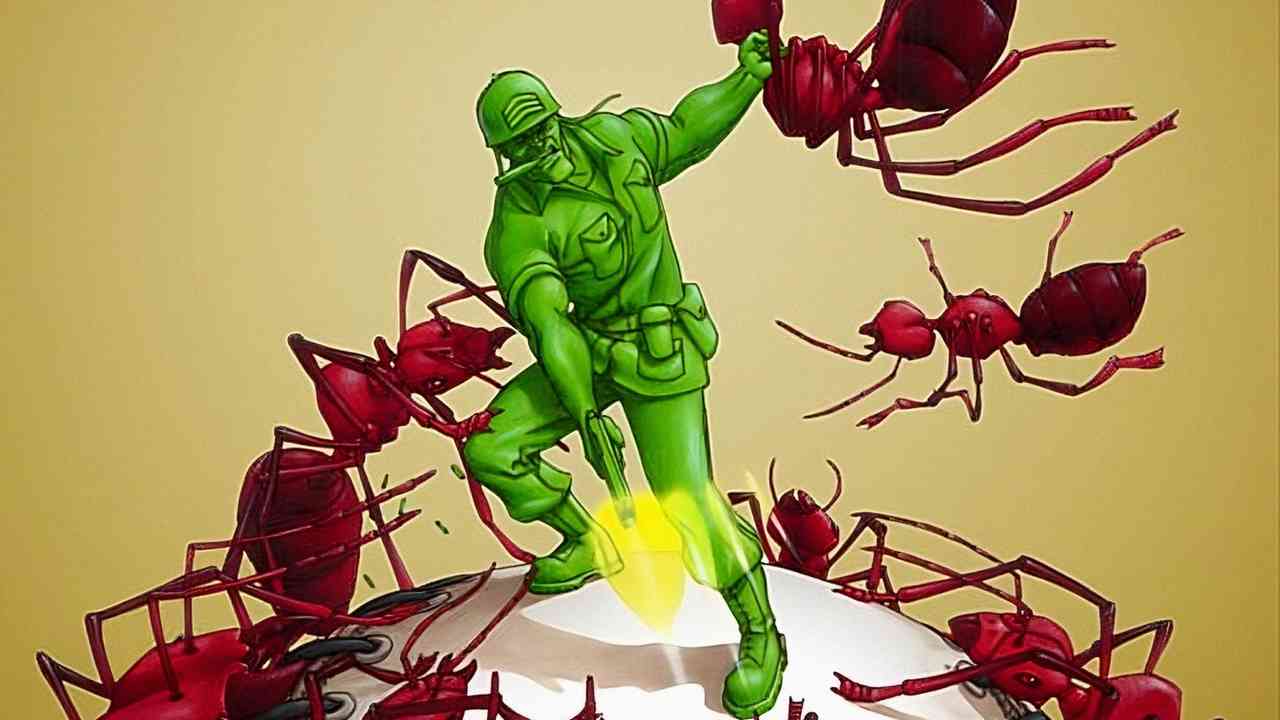
Sarge Hawk vs Ants
By dispensing with the complex creation of the final product before it is approved, so much time is not wasted on visual pieces that could not be approved. Therefore these sketches accelerate the idea production process. Regardless of the technique, material or form used to represent it is not something strict.
Before reaching the final choice of an idea, there may be several previously rejected conceptual pieces, and even this process can go through several steps, such as a very simple concept, which then evolves into a more complete and complex one (which is still a conceptual piece). After a concept art is approved, the chosen idea moves on to the actual production of the final product.
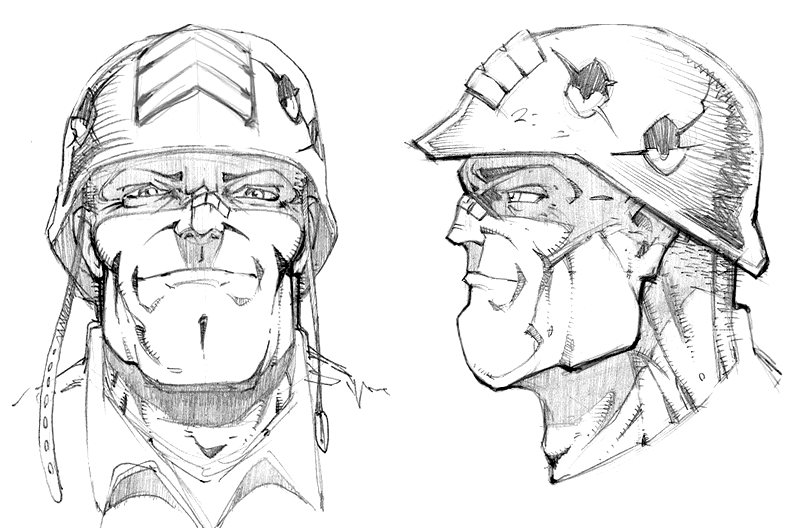
Classic Concept Art from 3DO
Characters from pencil to CGI
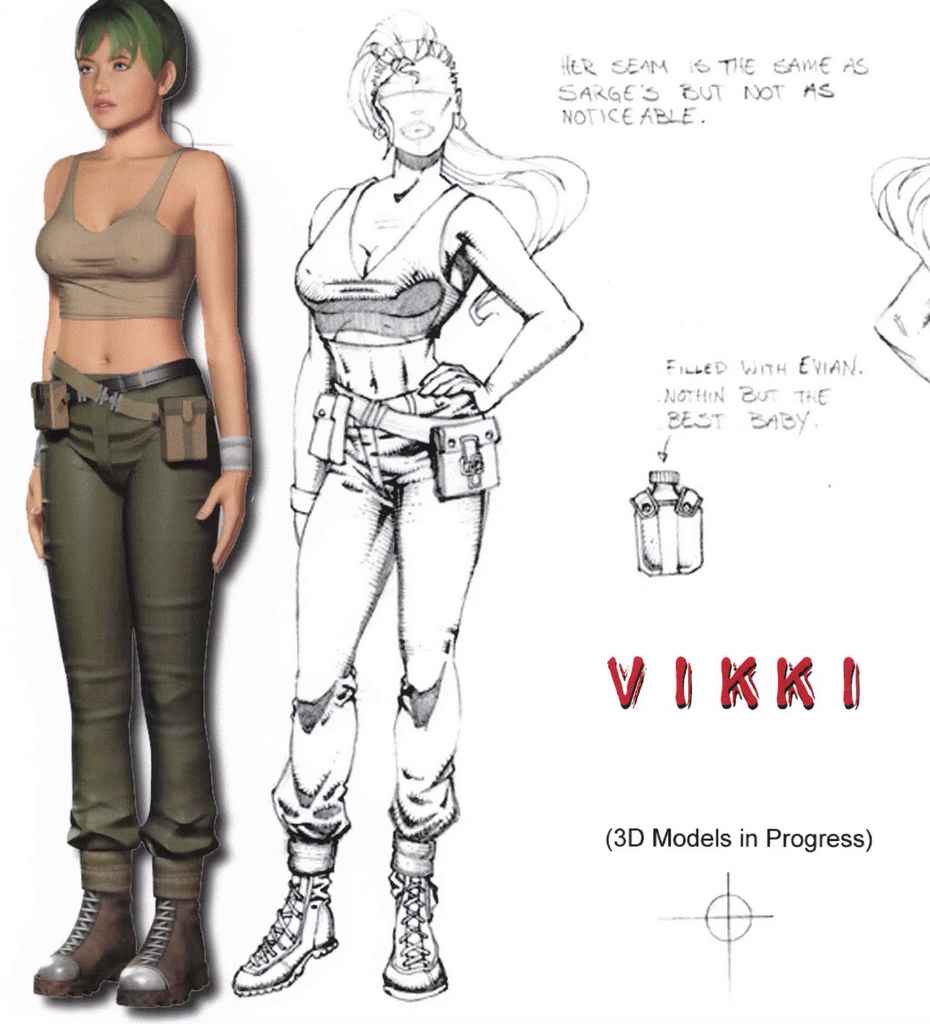
In the case of a video game, sketches are always the step prior to designing the 3D CGI character. In this case, we can see how the drawing evolves into 3D modeling, or how the 3D modeling evolves into the drawing? Both cases represent a back-and-forth of creative feedback.
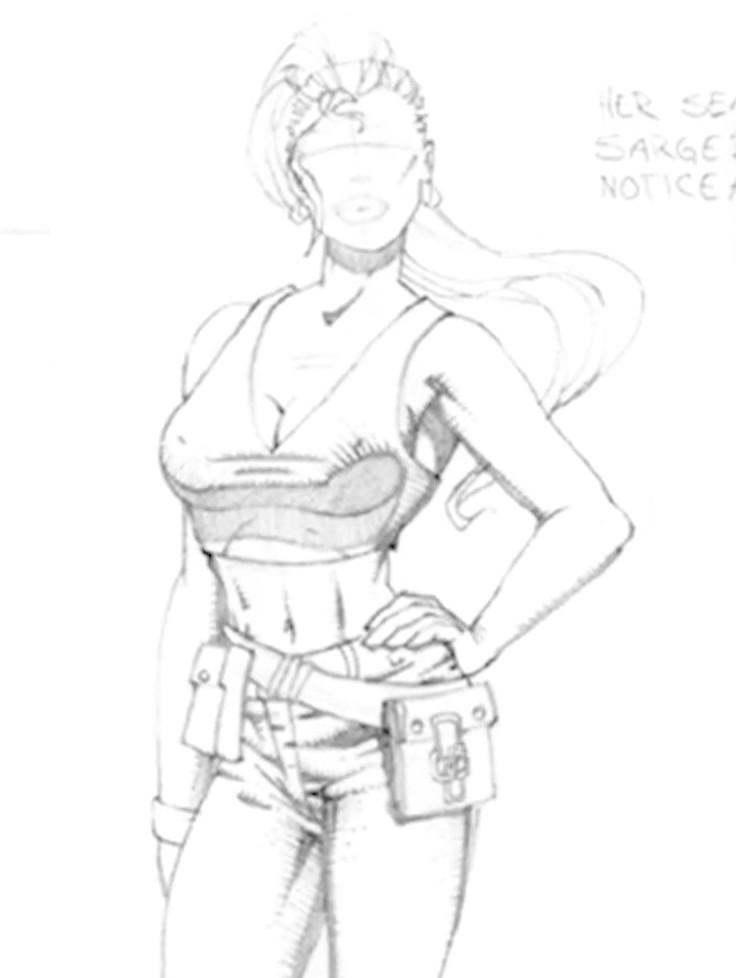
A step prior to the final Vikki design…The final design!
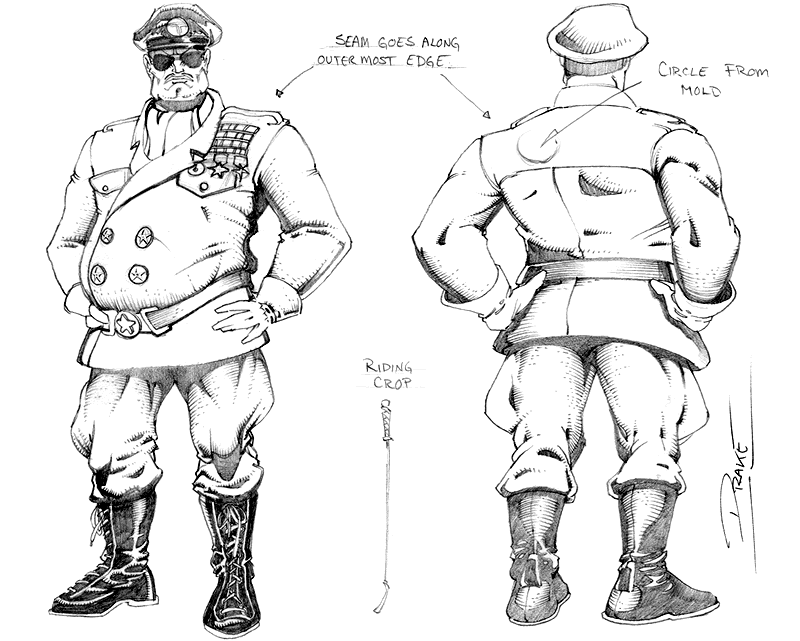
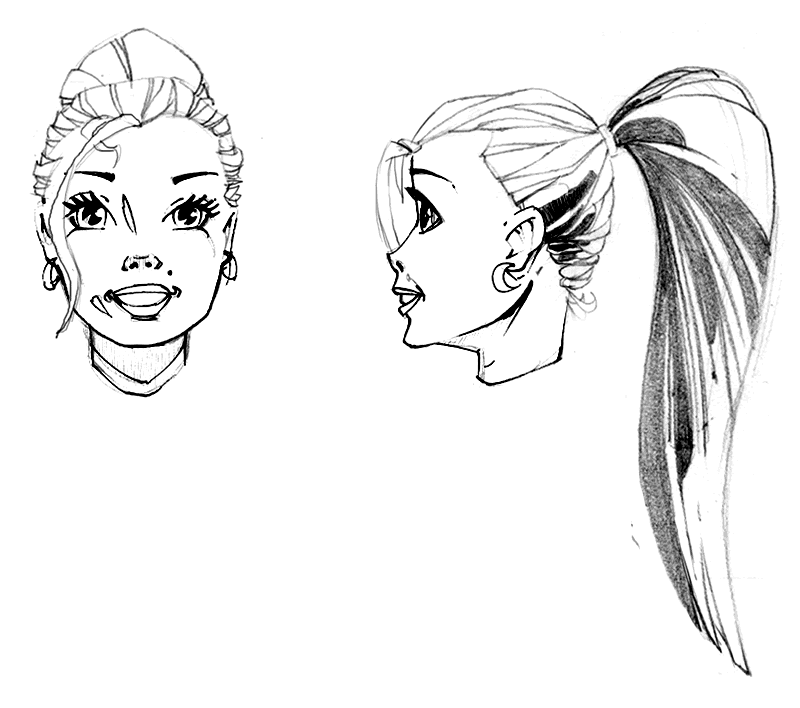
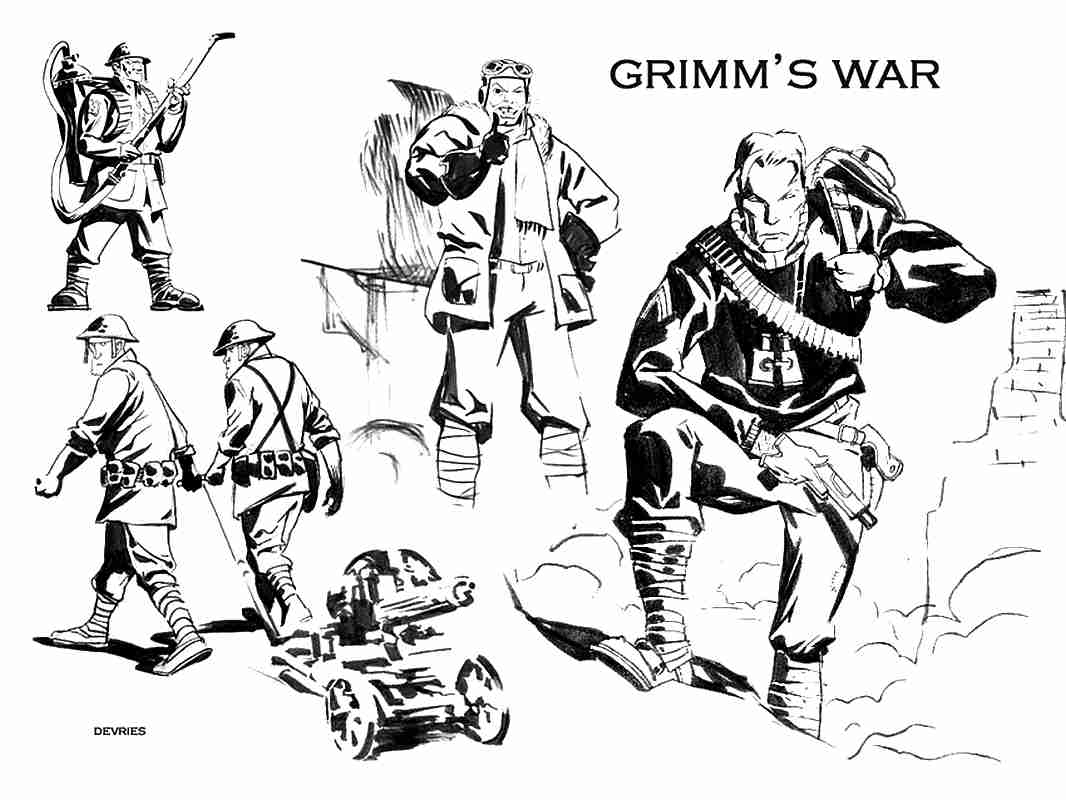
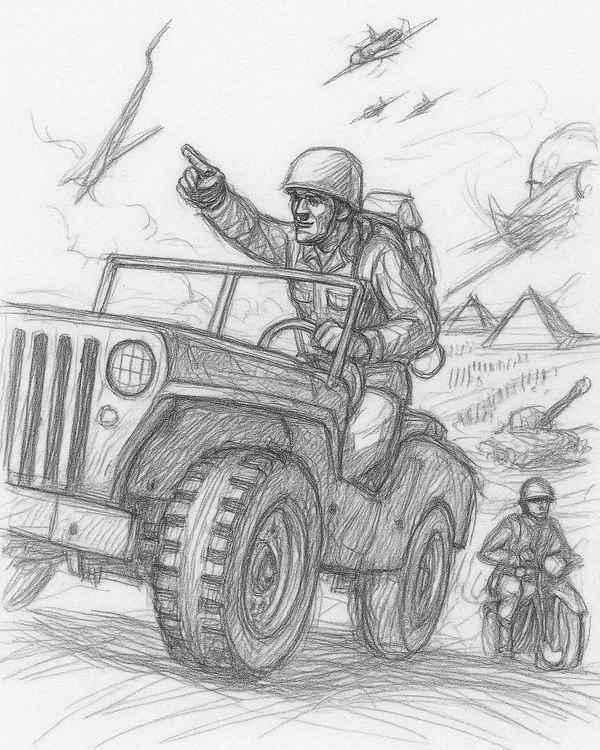
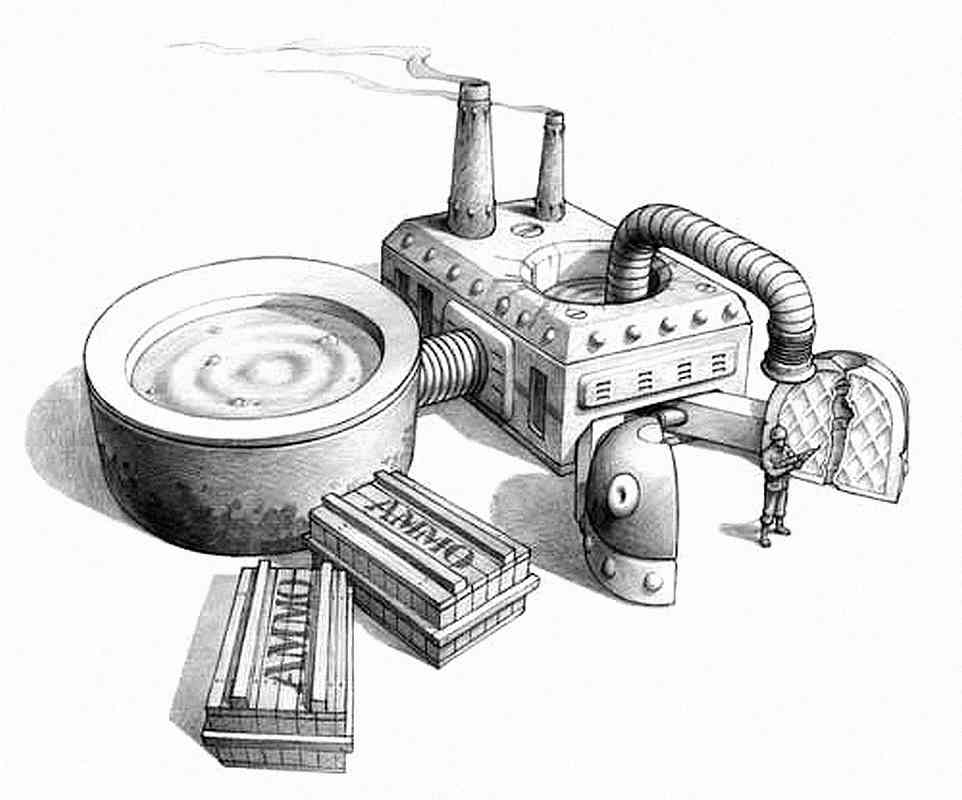
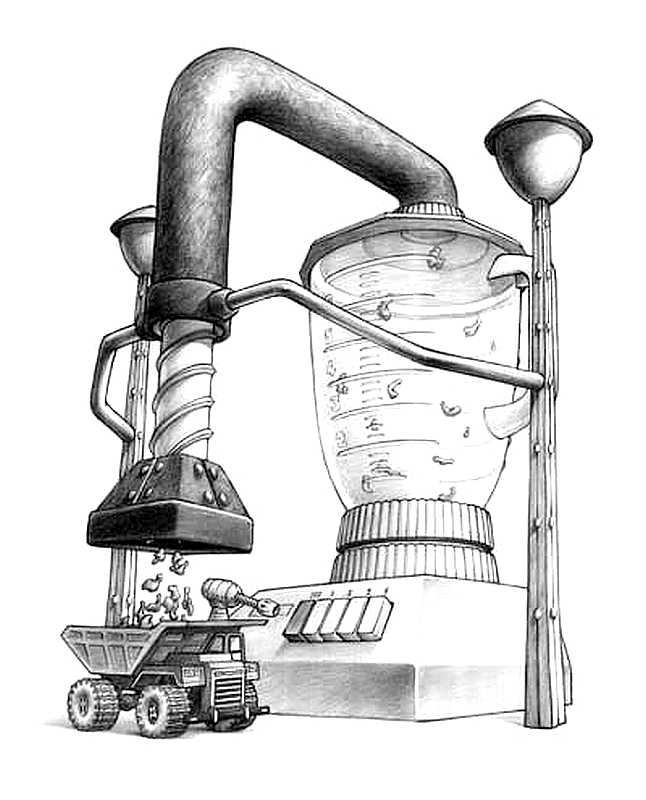
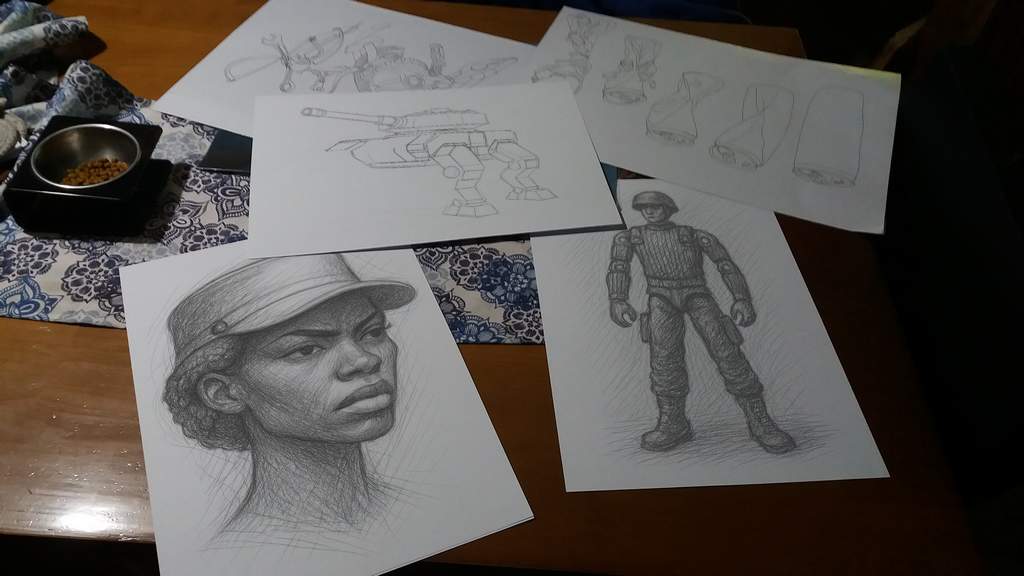
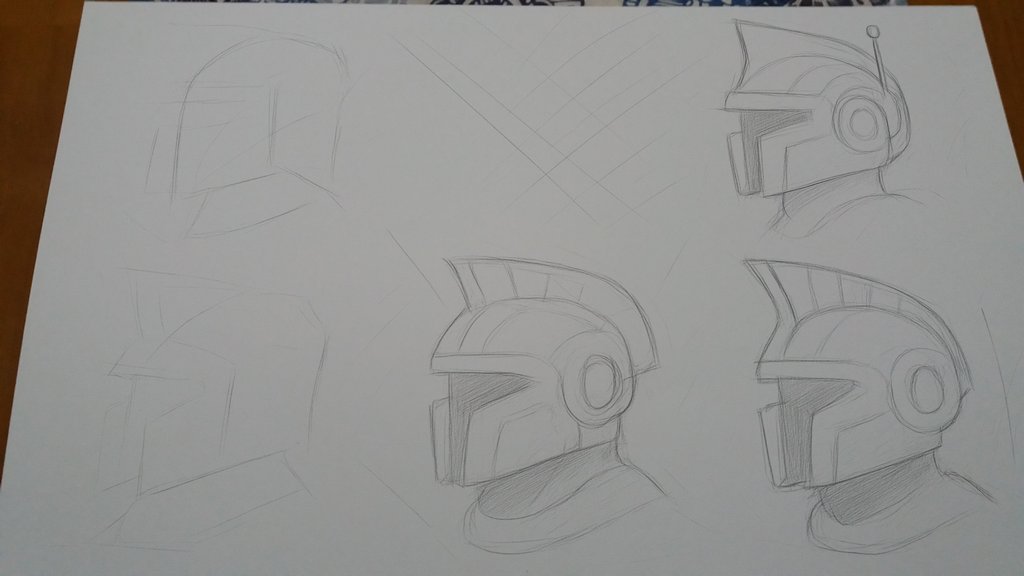
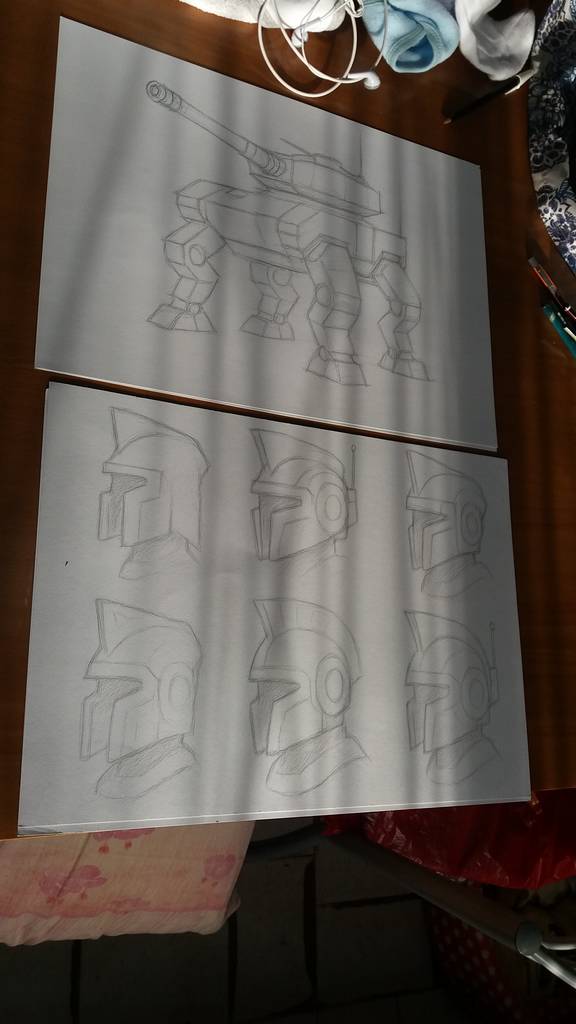
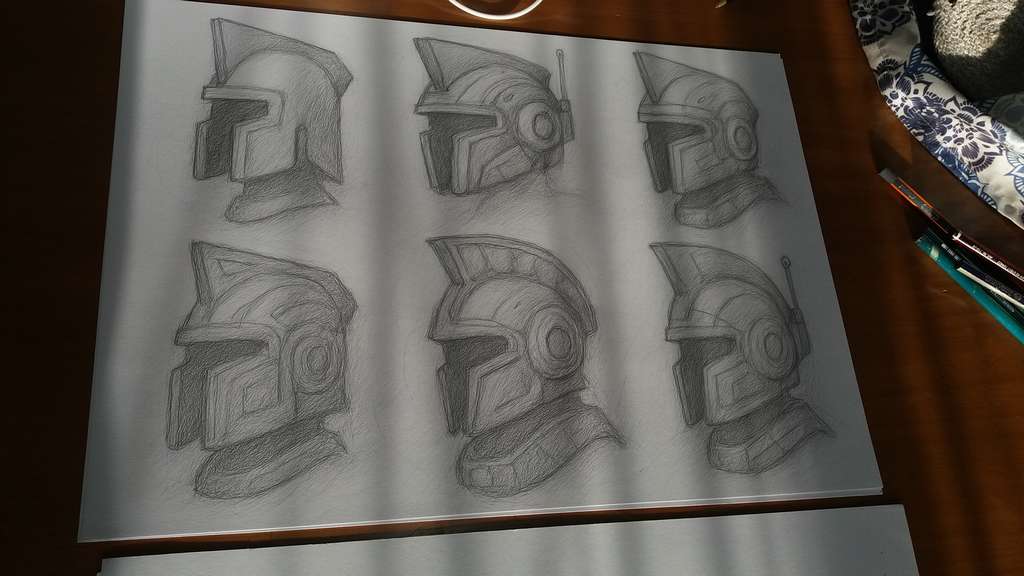
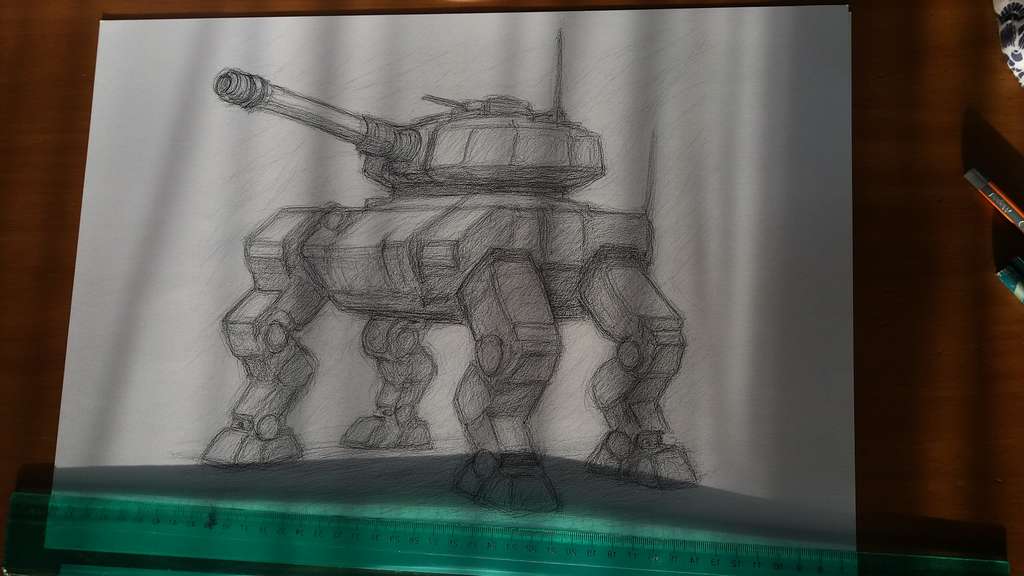
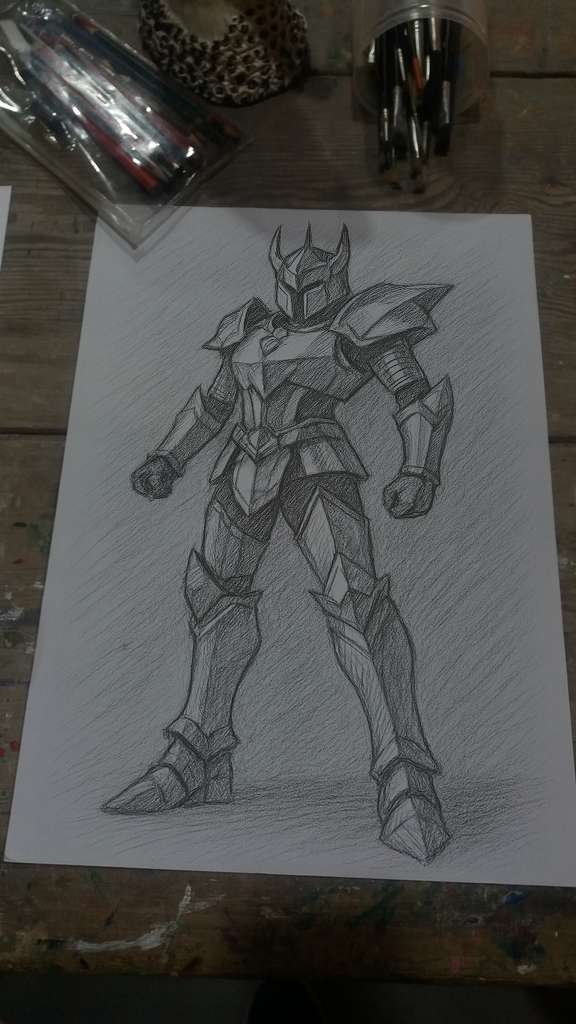
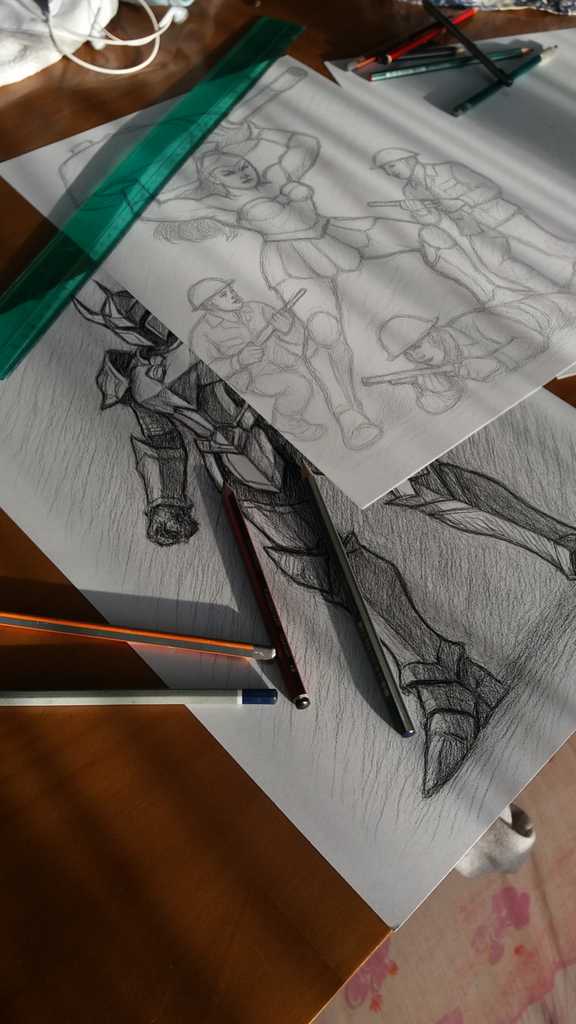
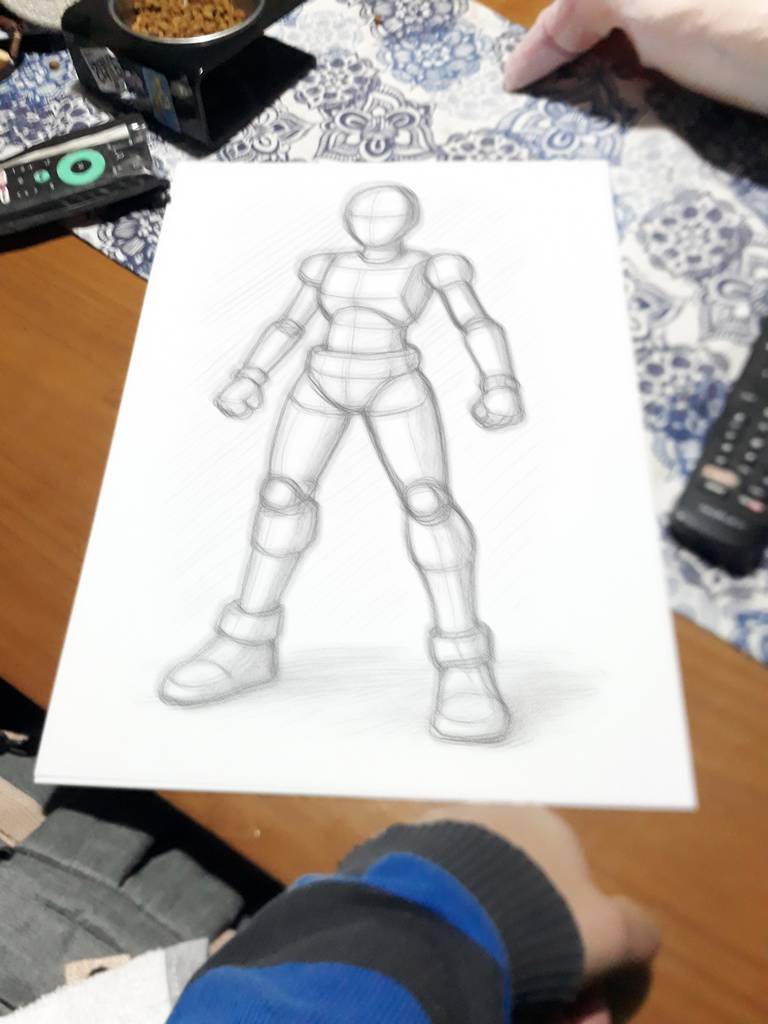
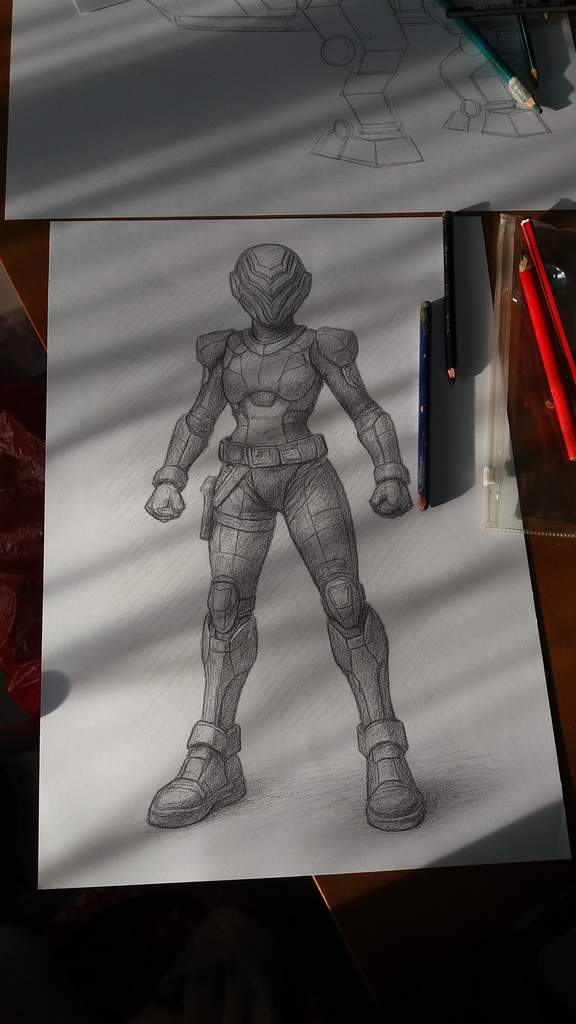
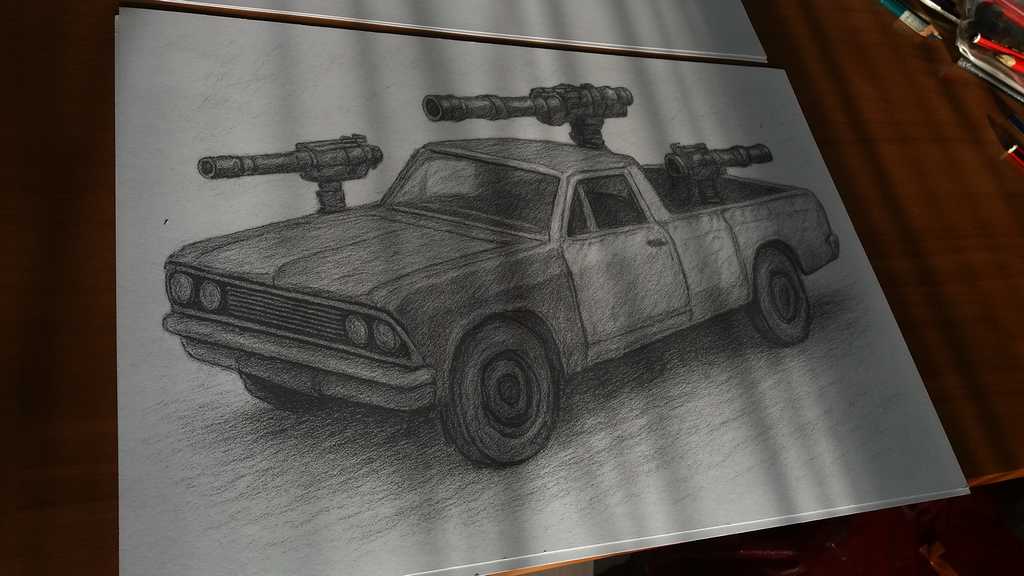
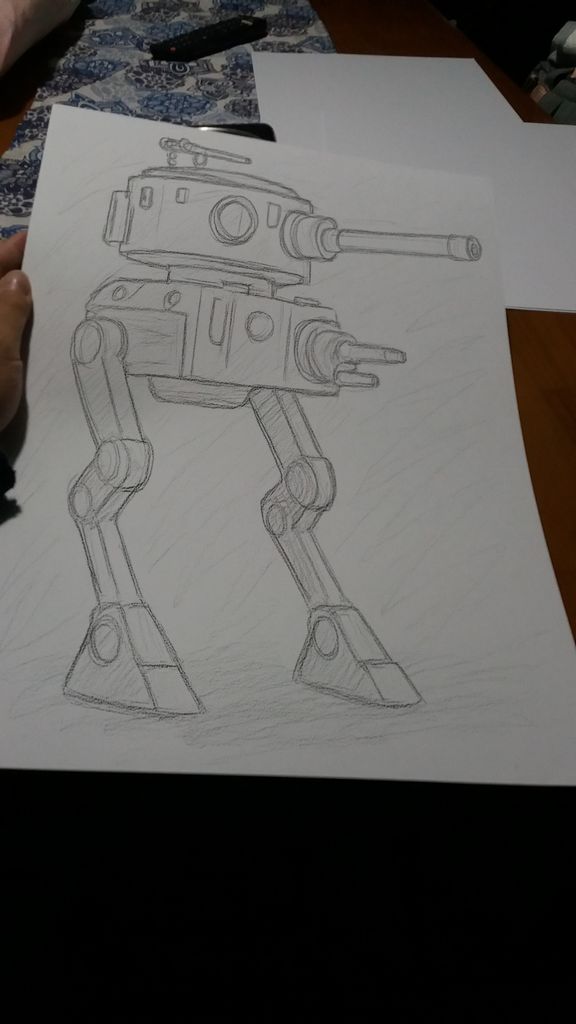
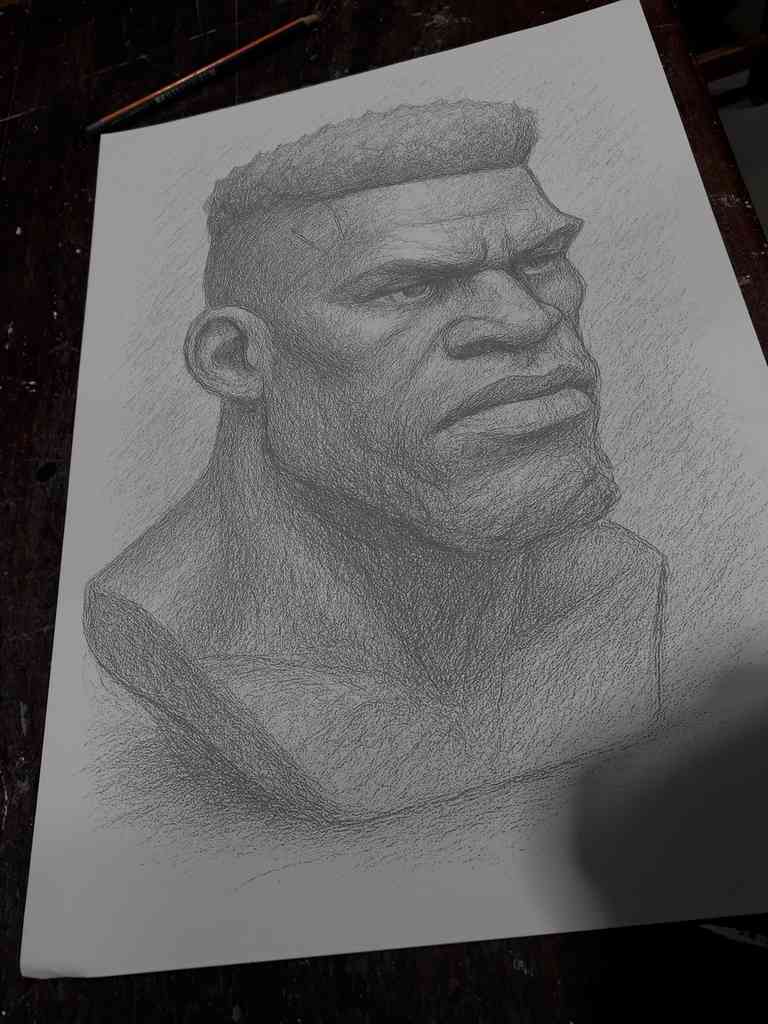
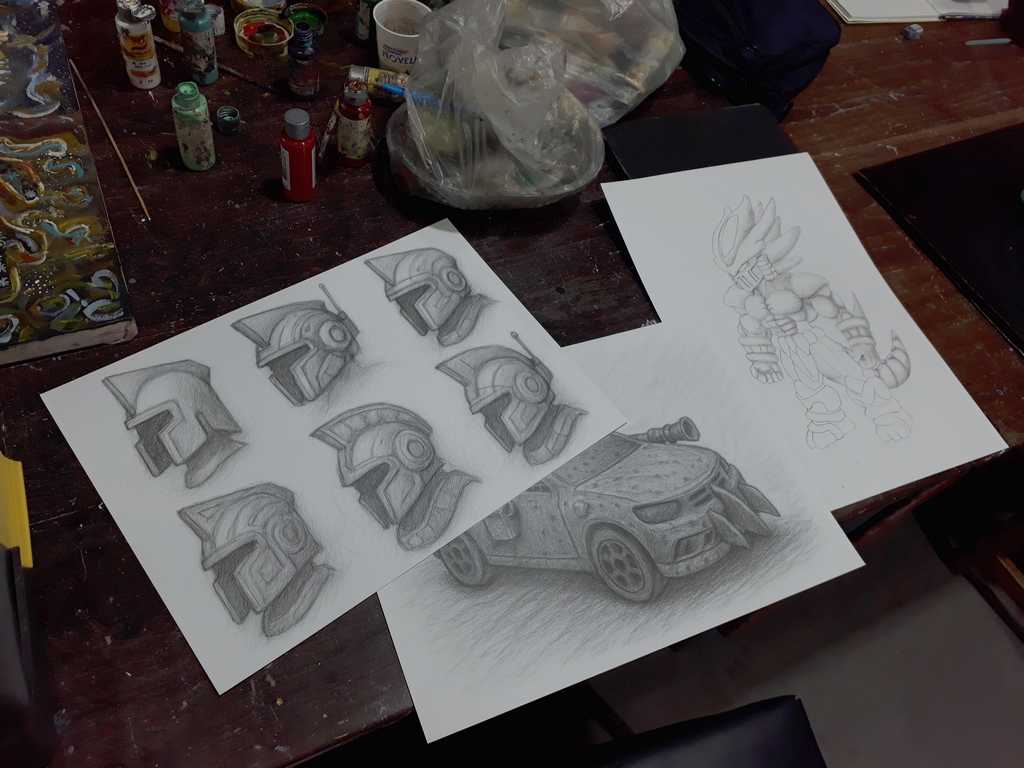
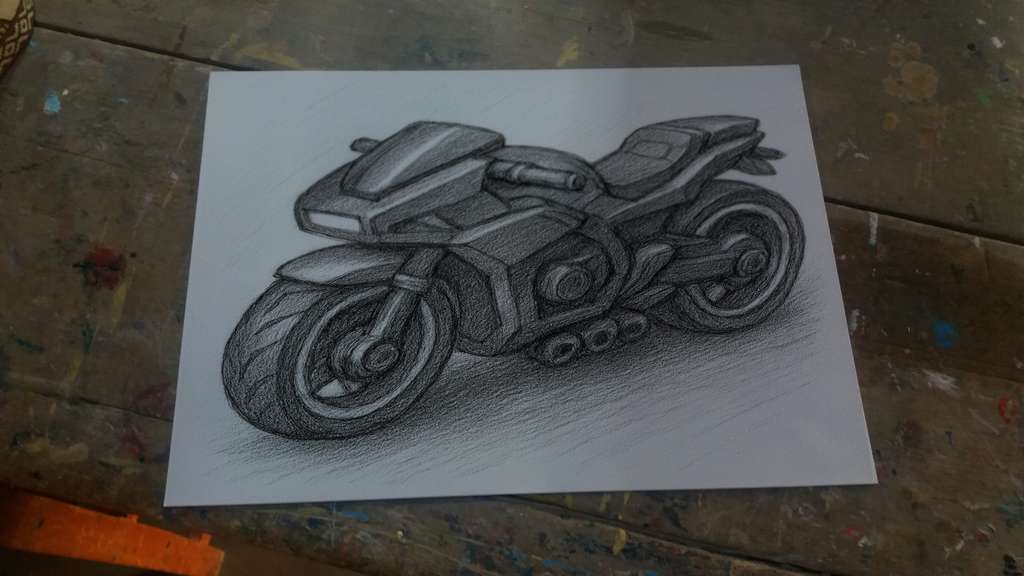
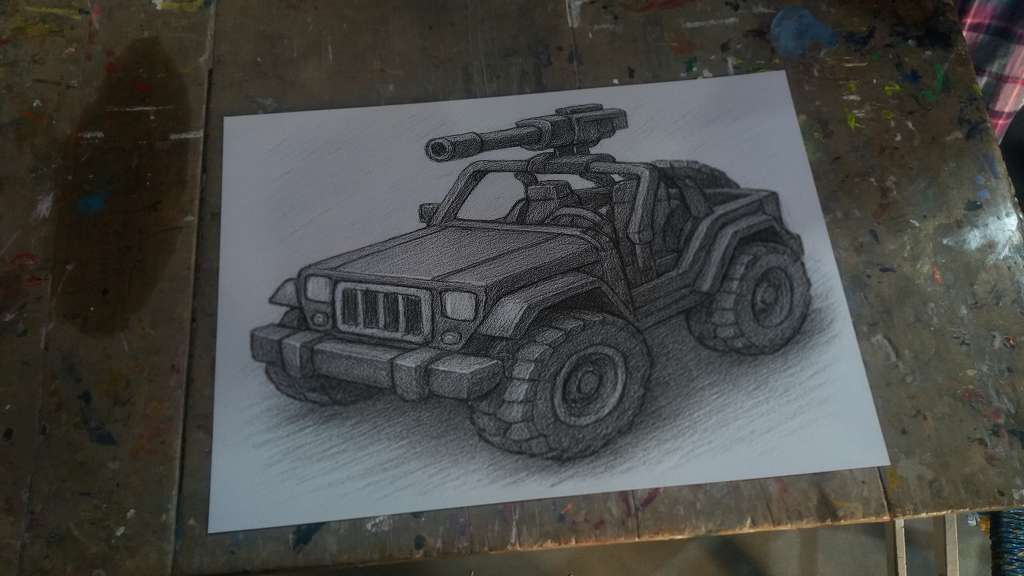
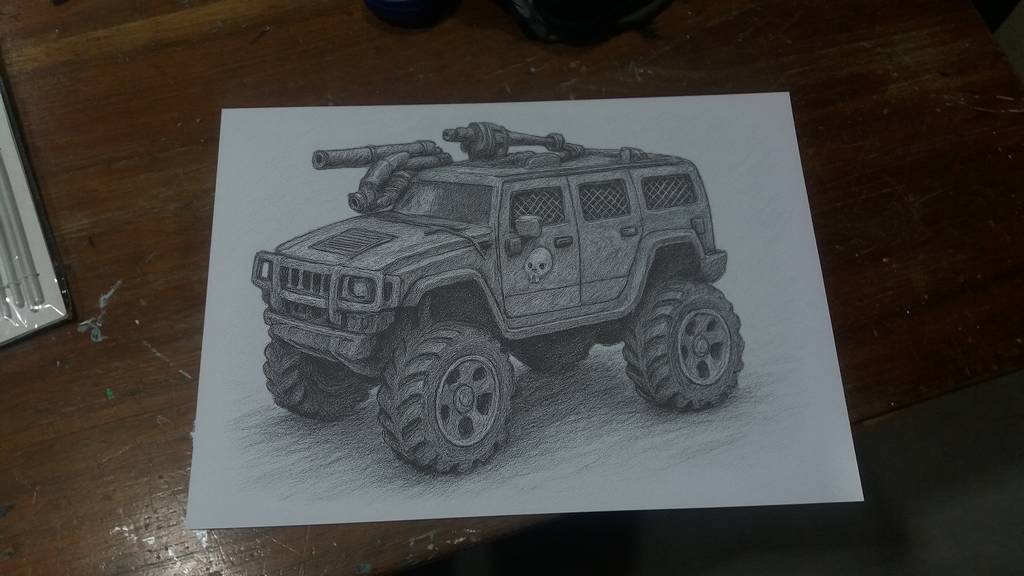
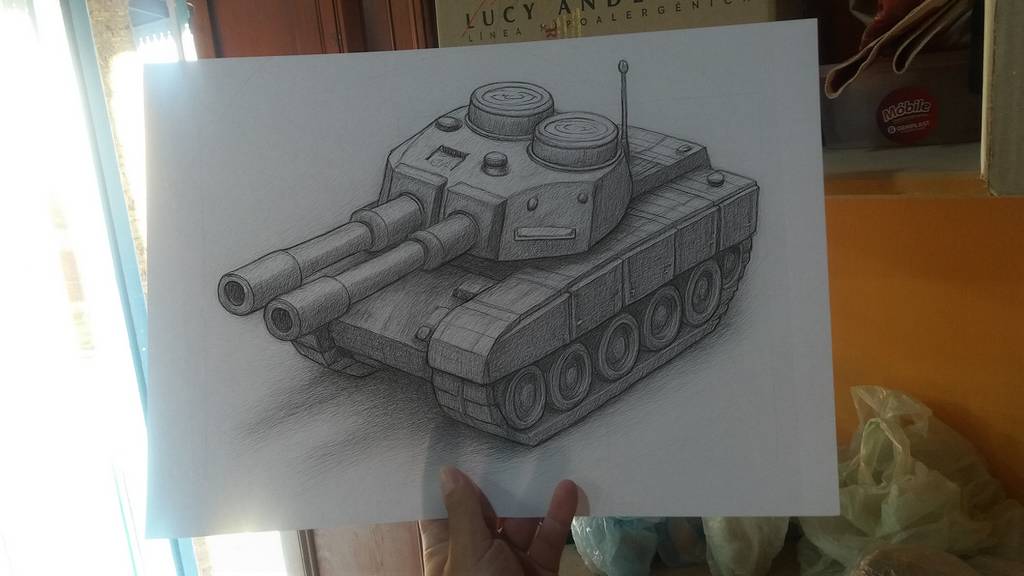
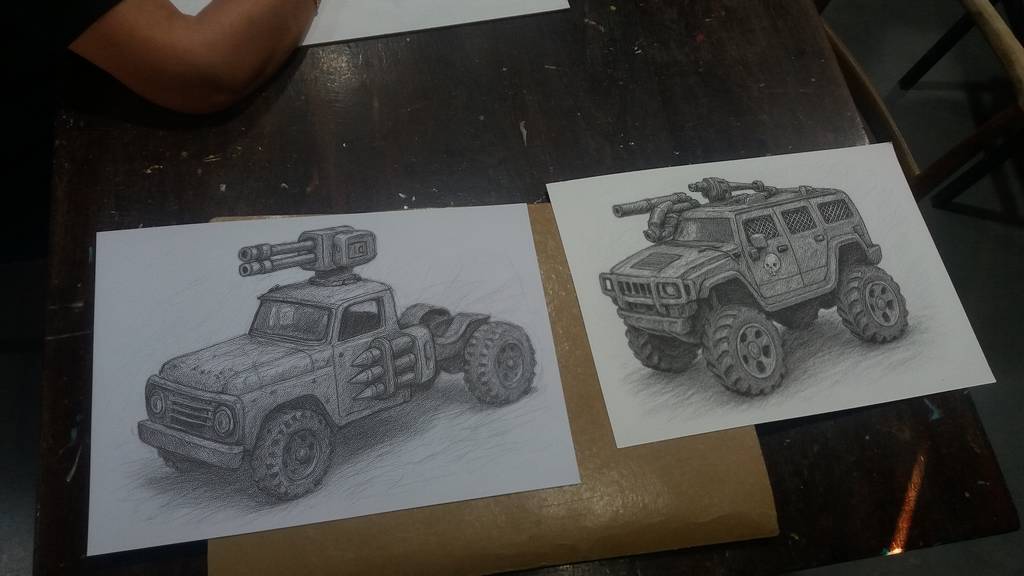
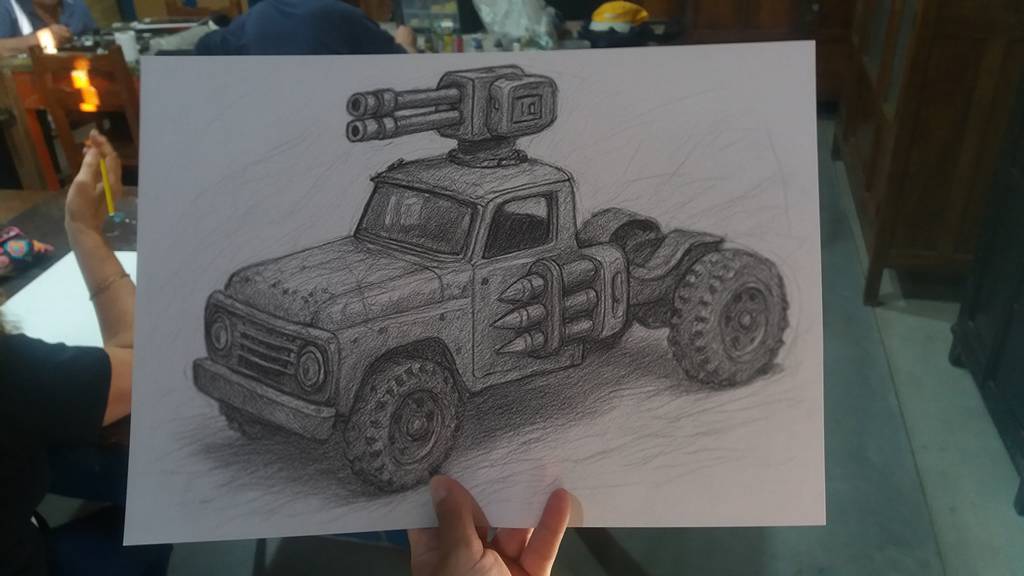
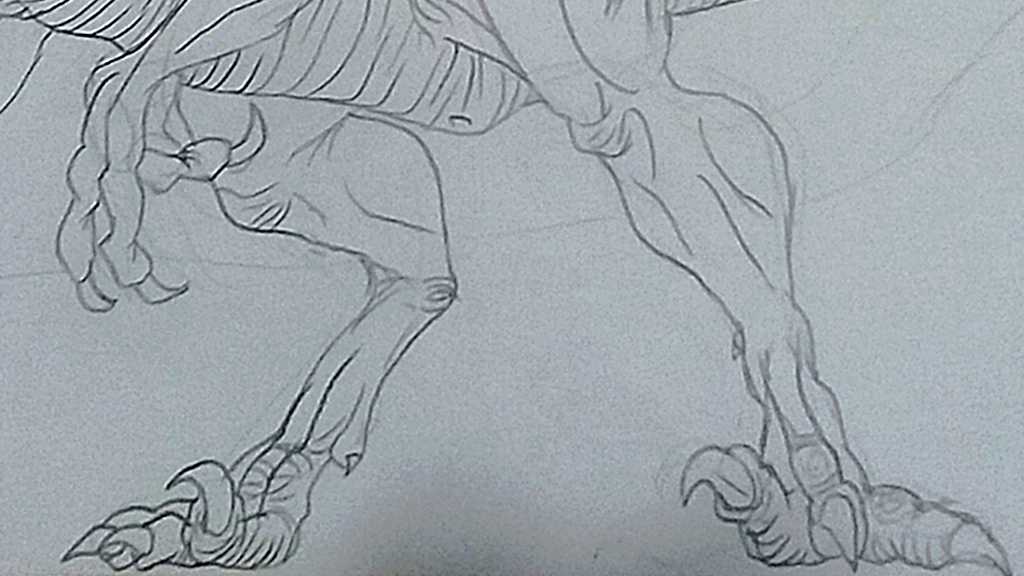
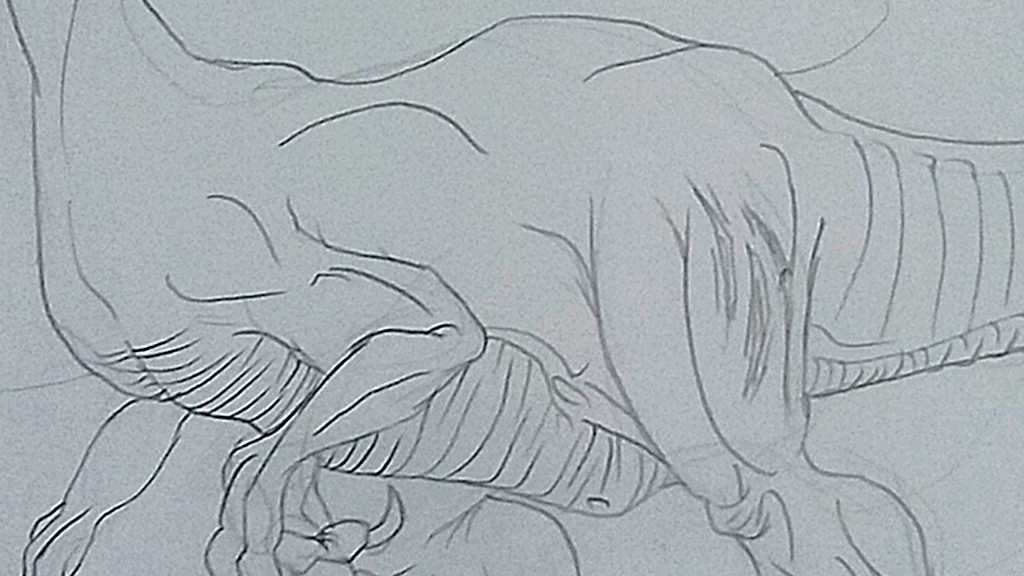
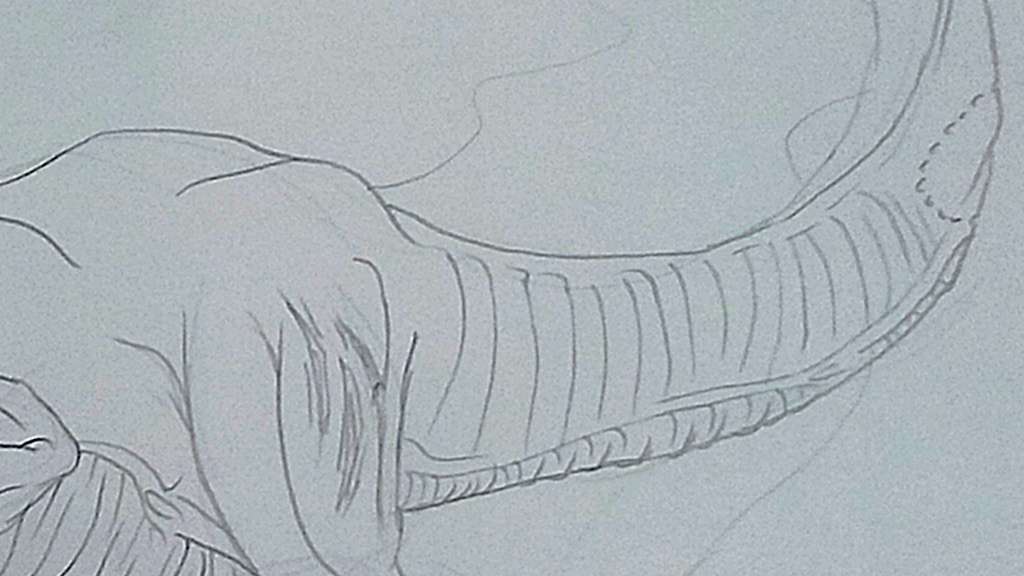
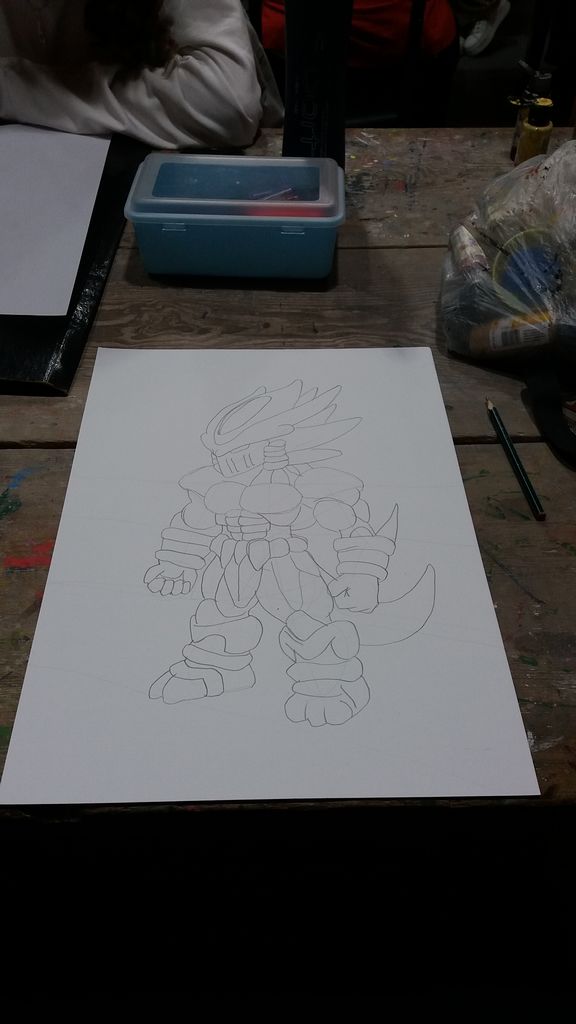
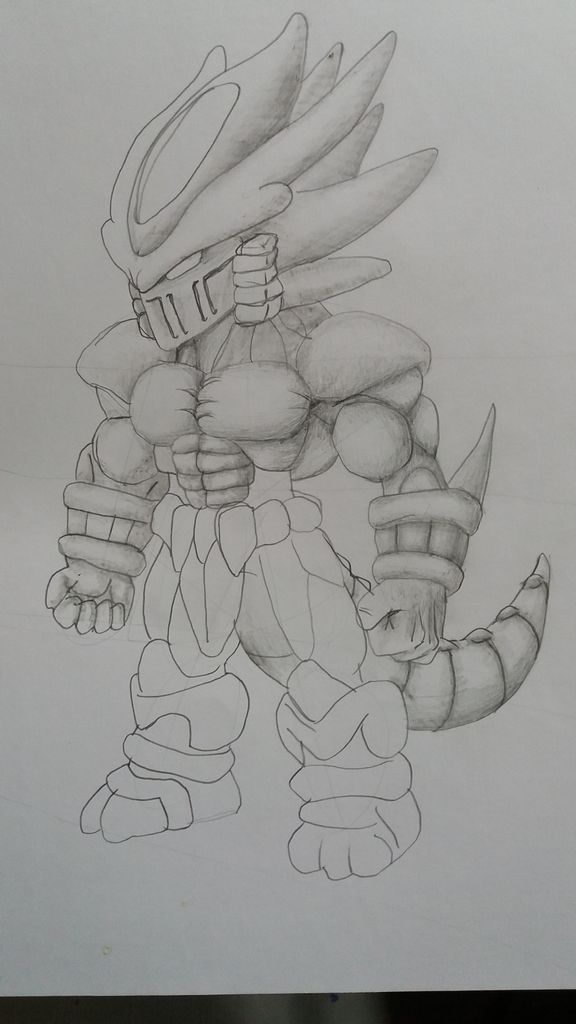
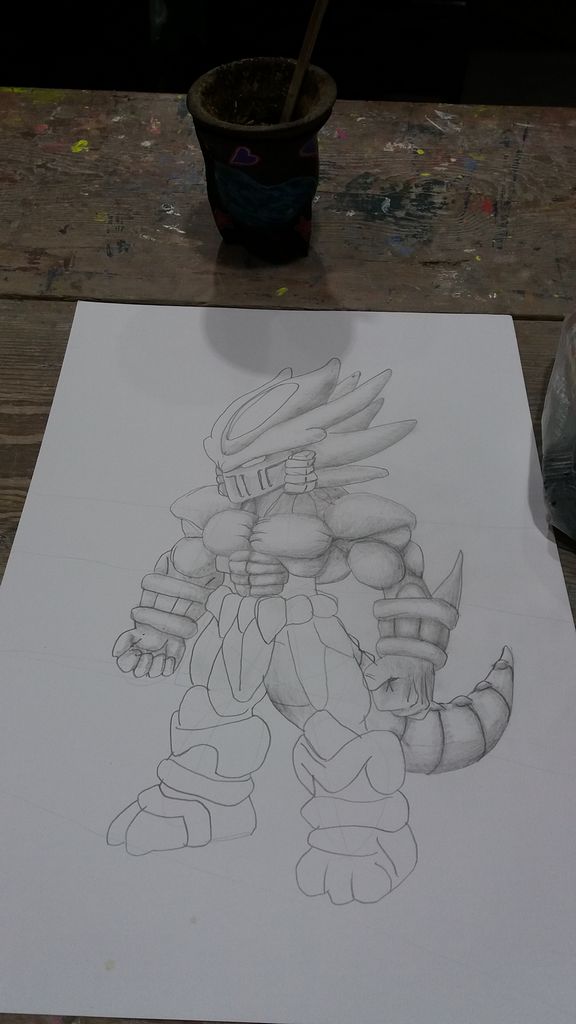
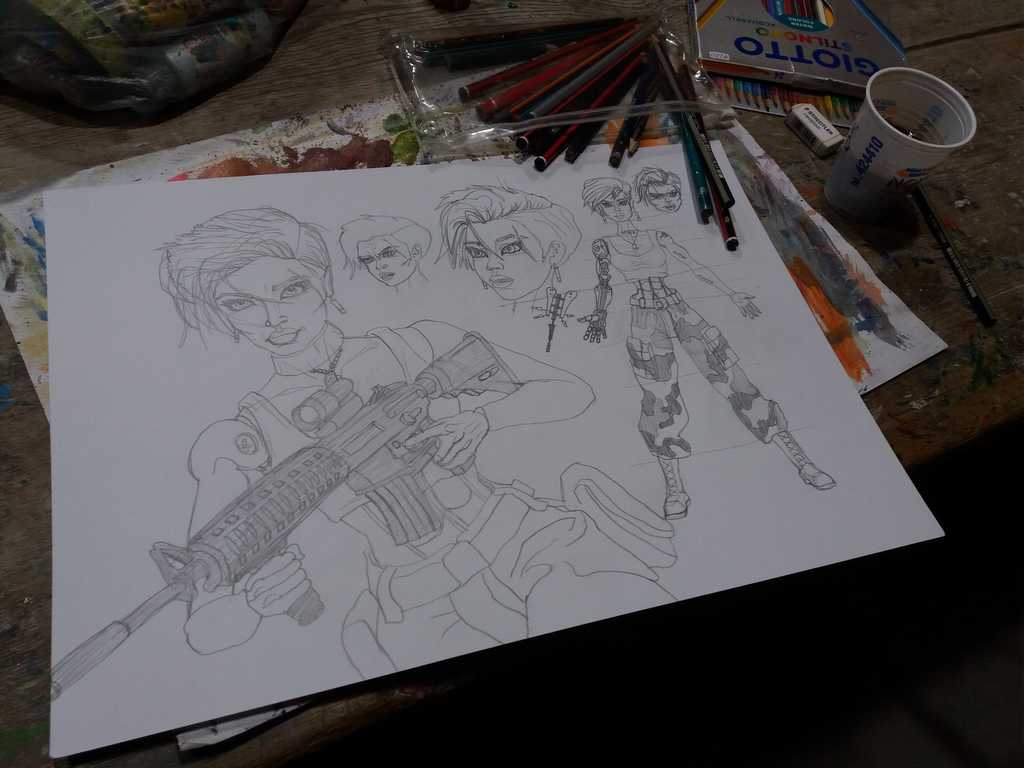
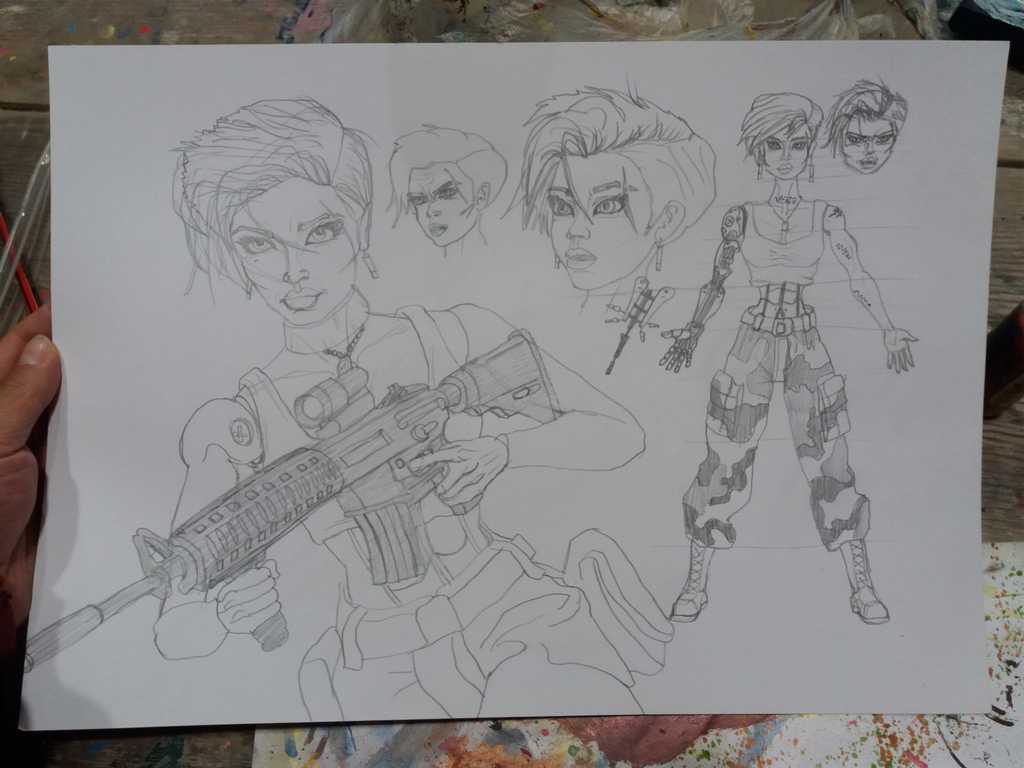
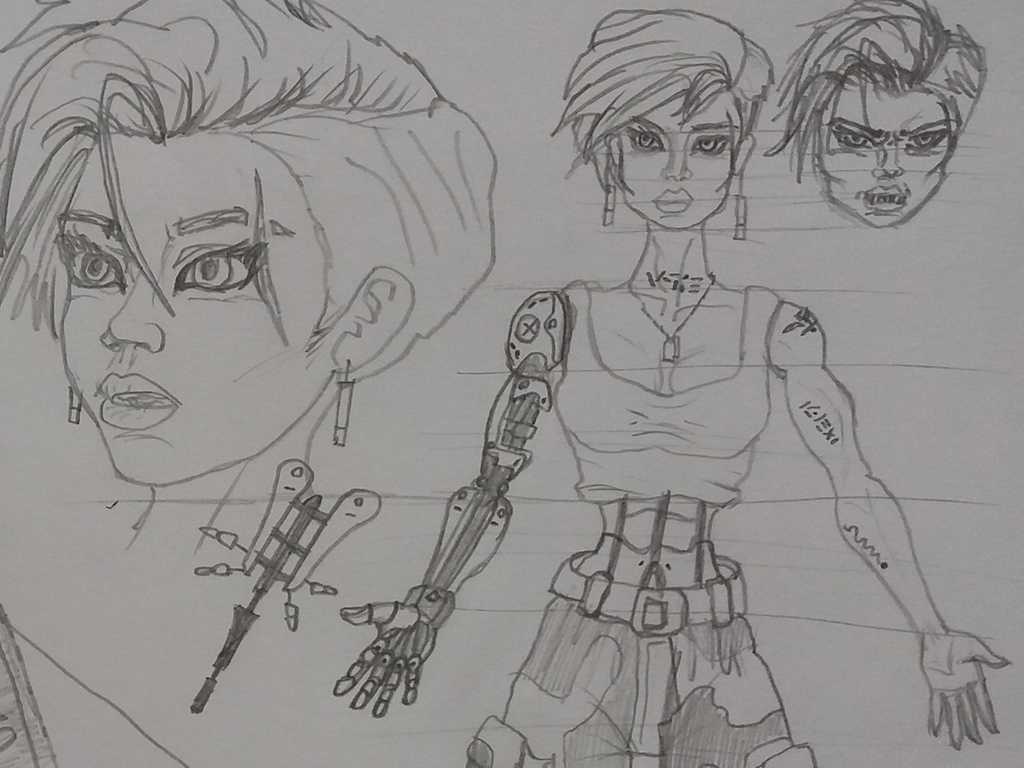
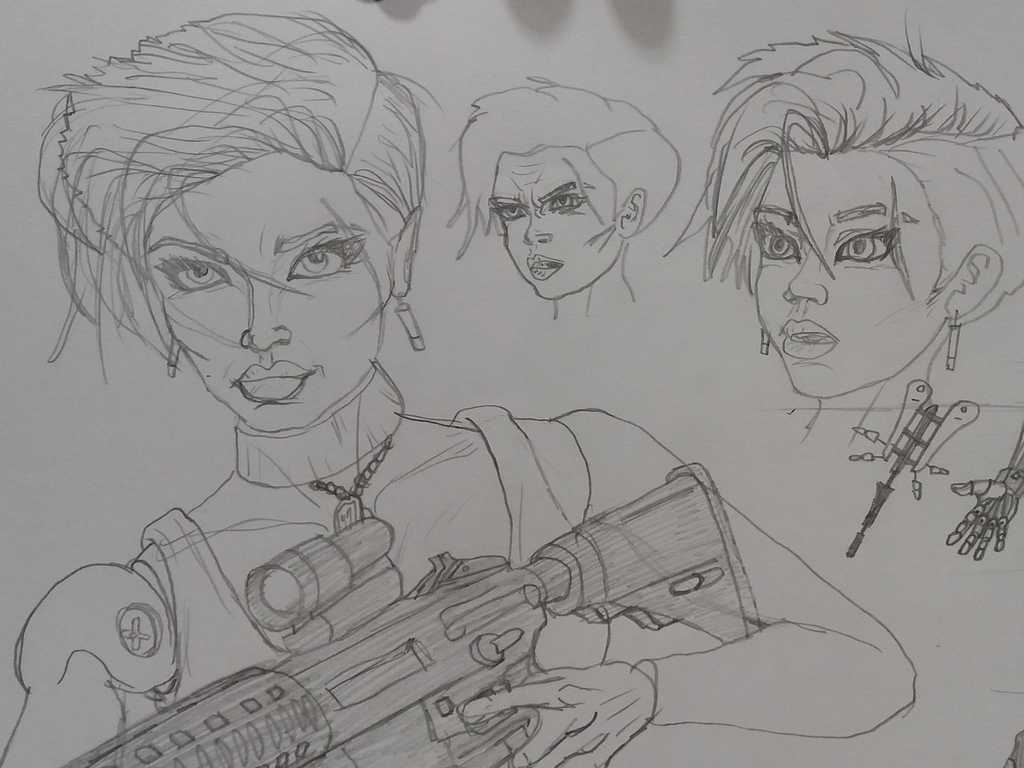
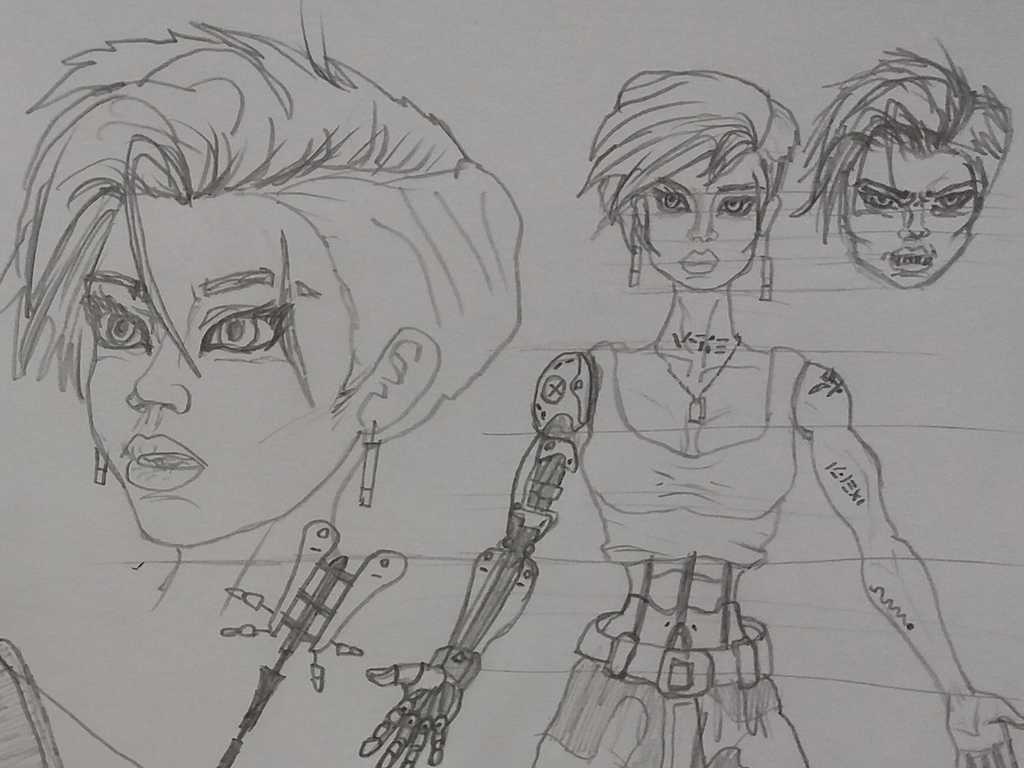
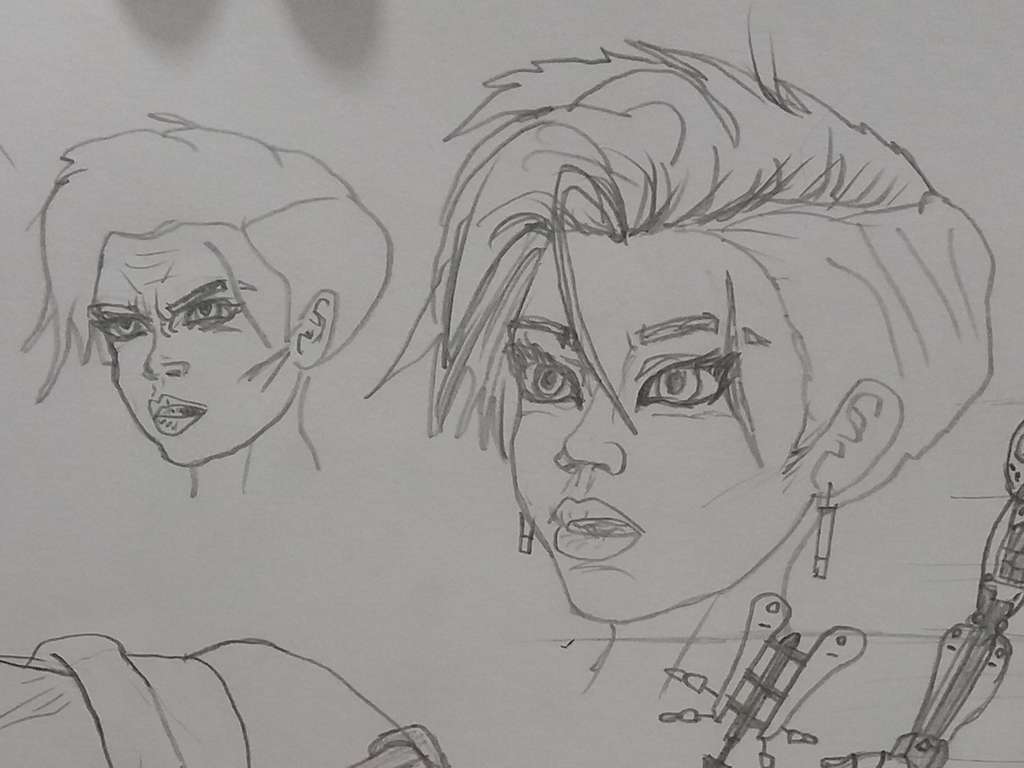
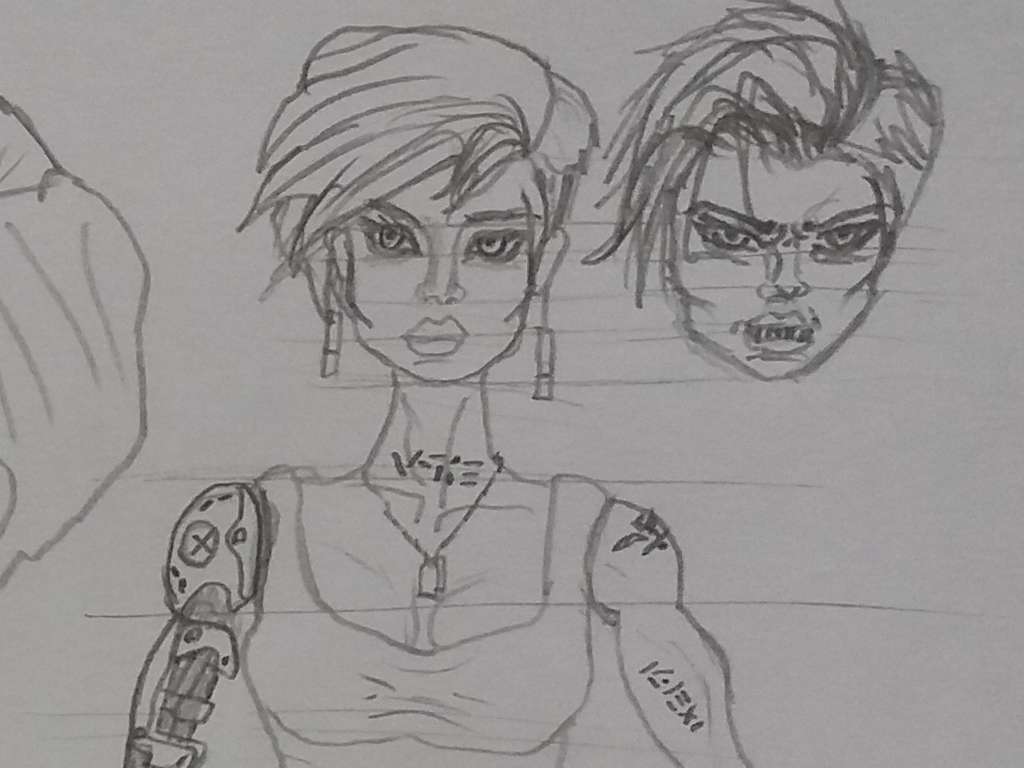
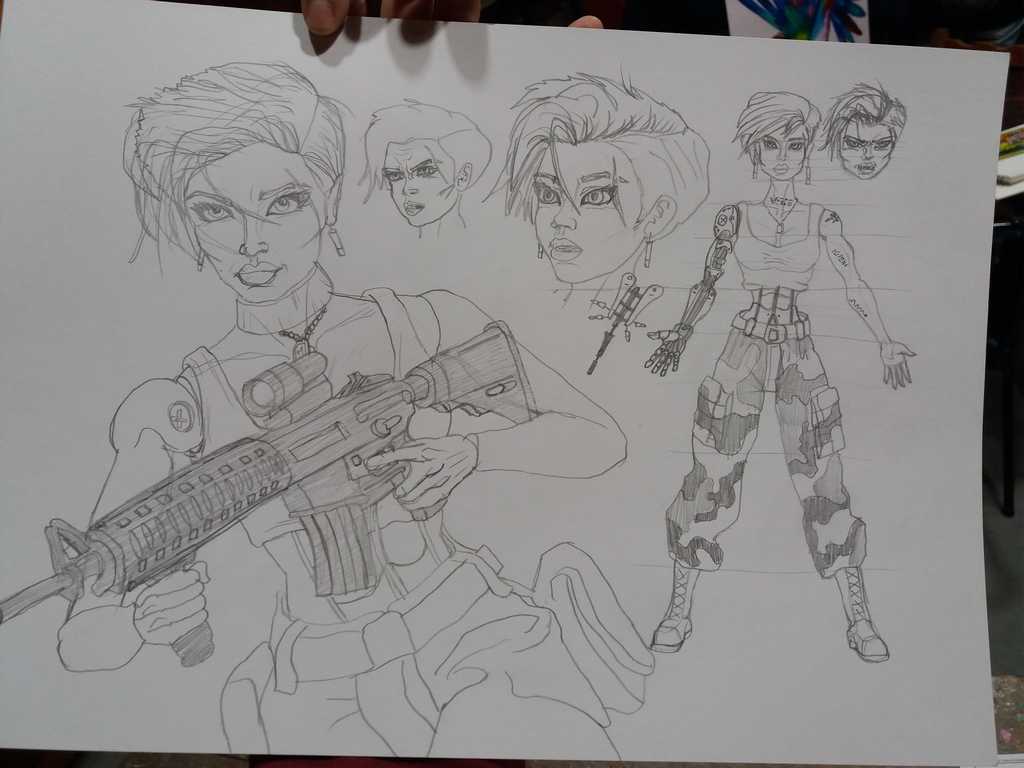
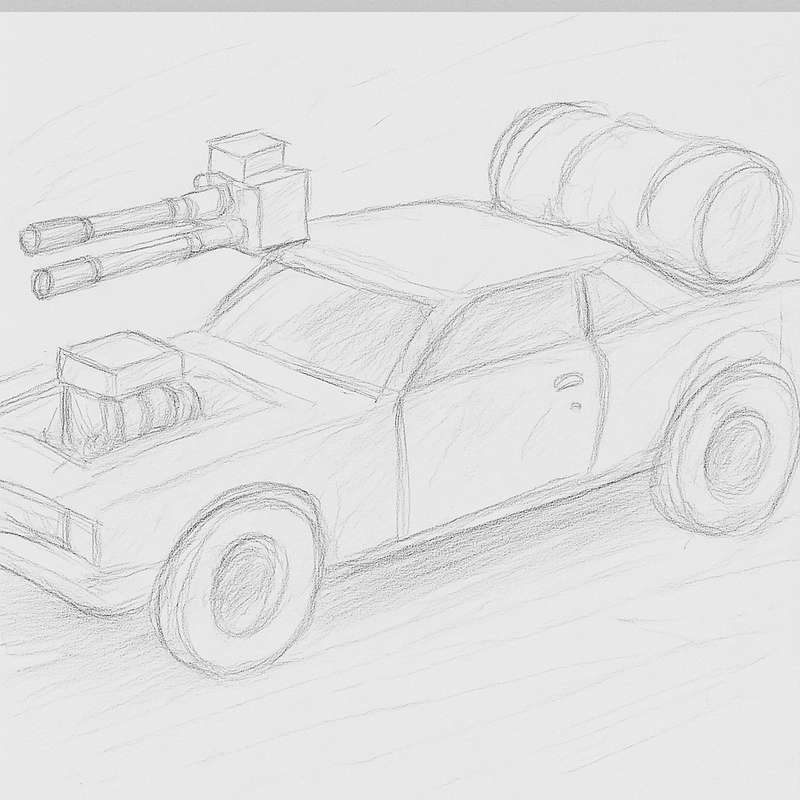
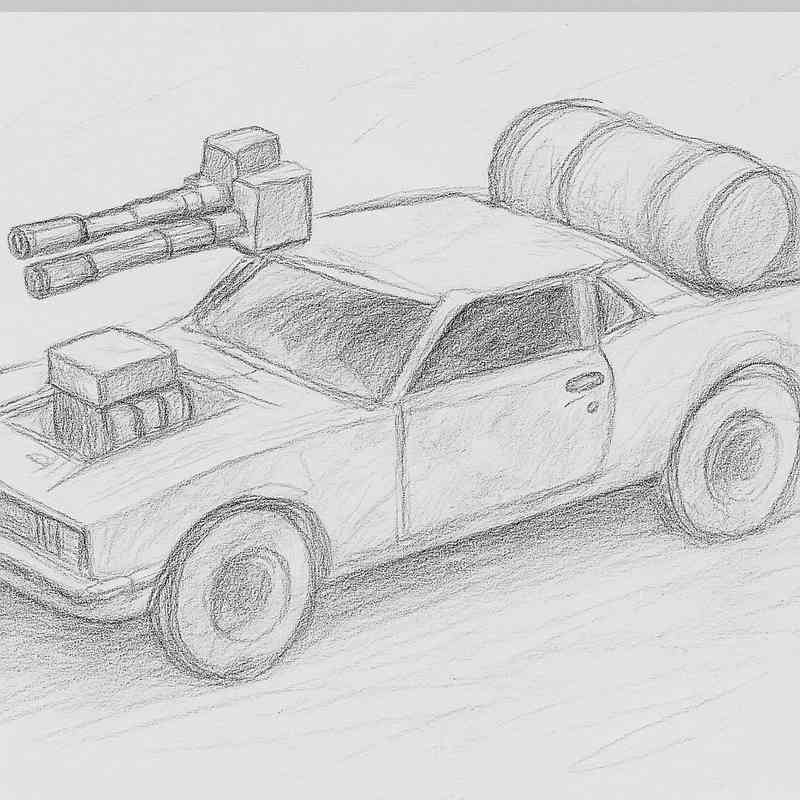
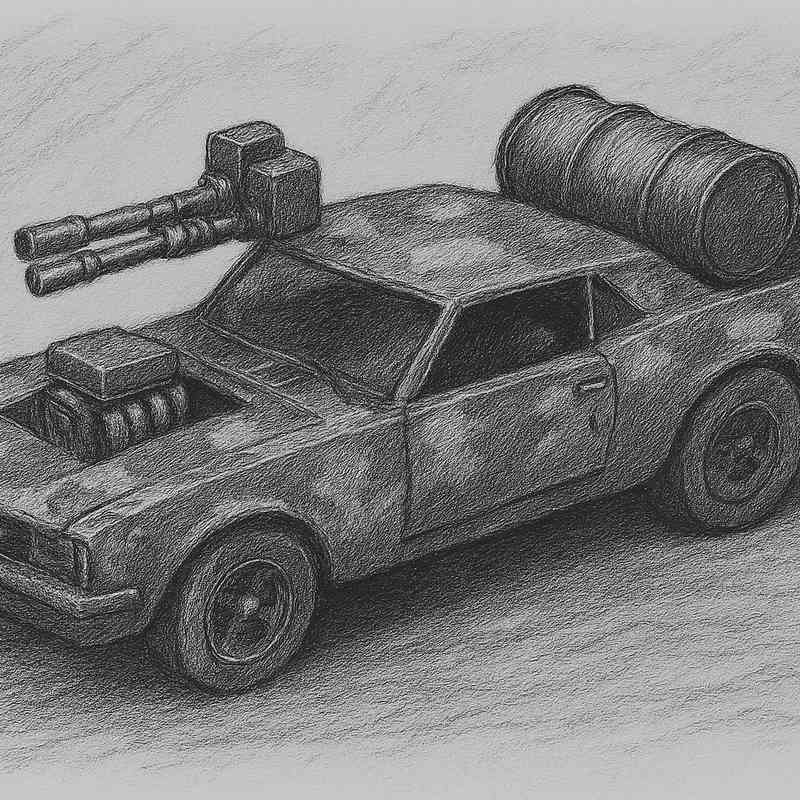
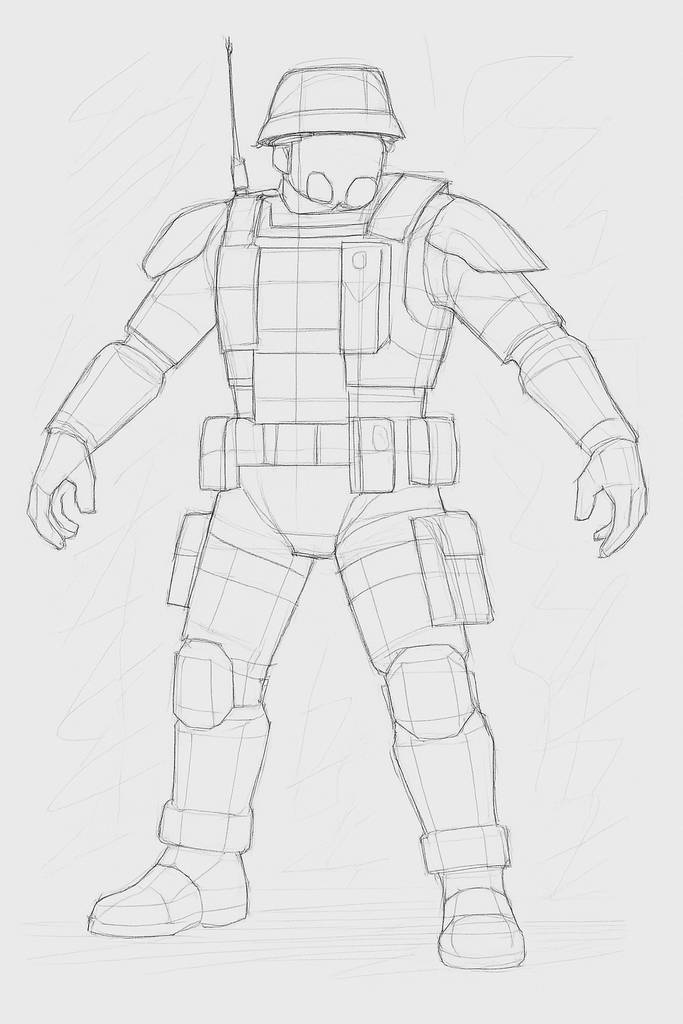
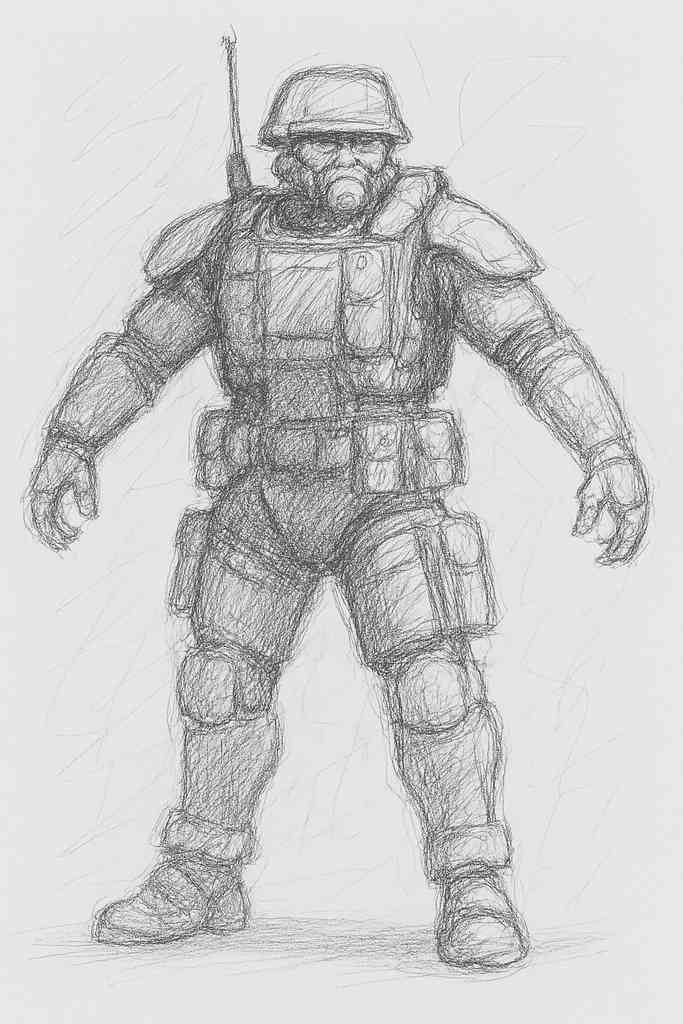
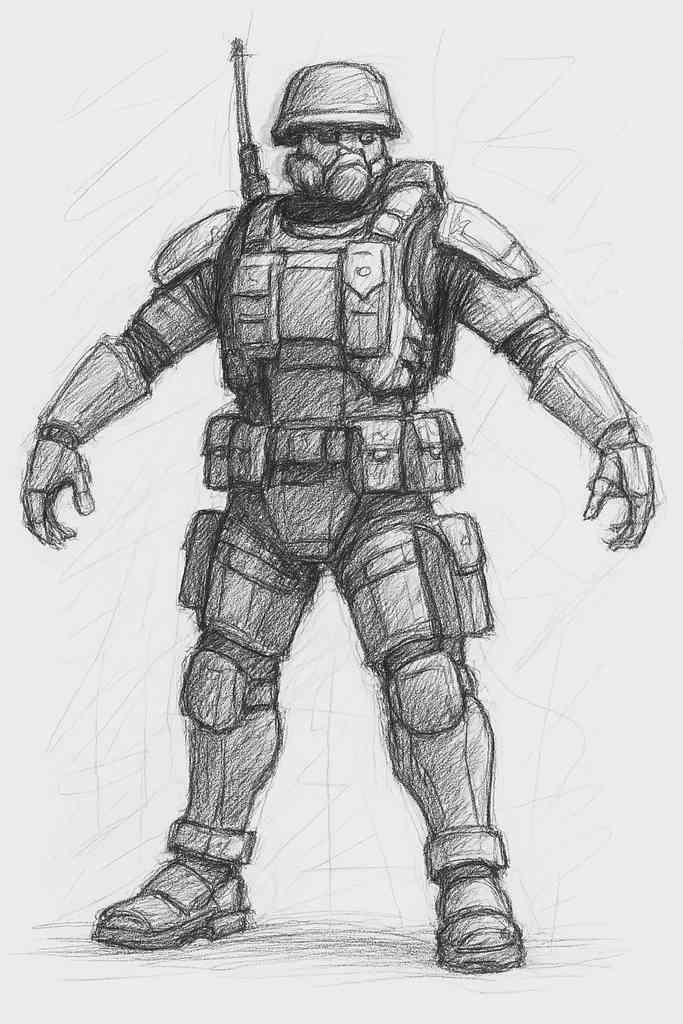
Our Pencil Character & Vehicles Concept Art
This Army Men expanded universe project, which we call “Toyverse,” requires the same steps and methodologies to achieve similar results, which resemble the old Army Men in both design and visual identity. So here are some examples…
Concept Art, from basic pencil lines to the complex tridimensional idea: In this case a Mad Max or Vigilante 8 modified Die-cast battlecar.
… and a Super Soldier in full combat armor.
Penny from Army Men Strike, form 3.
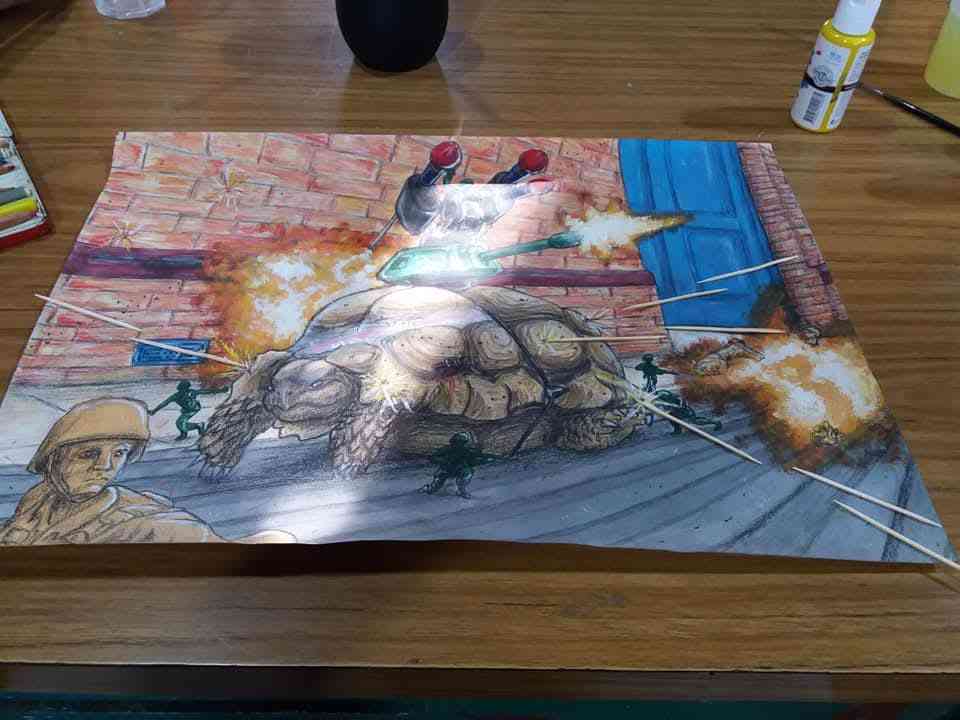
Turtle tank full color concept art.
From Sketch to Complete Concept Art
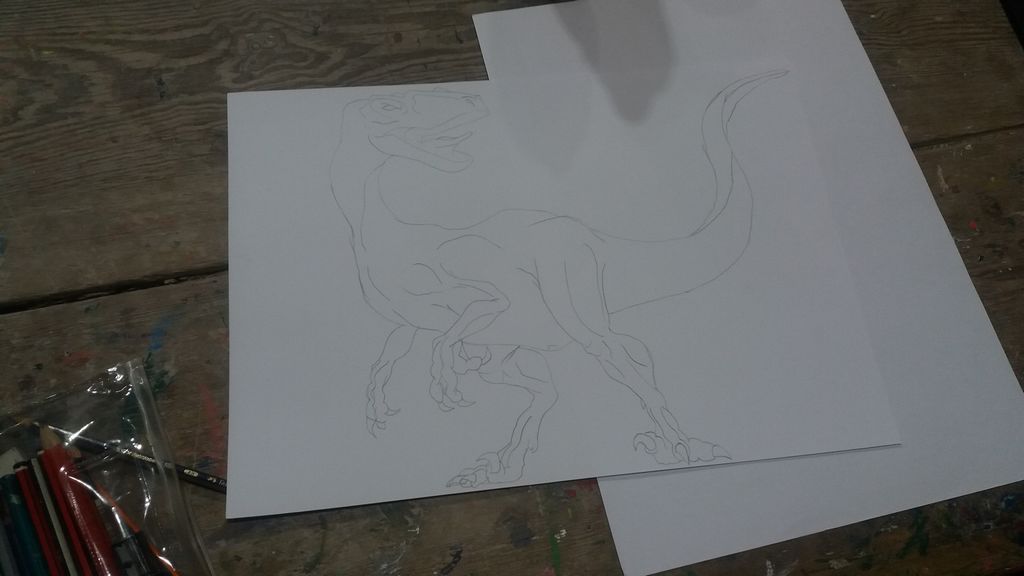
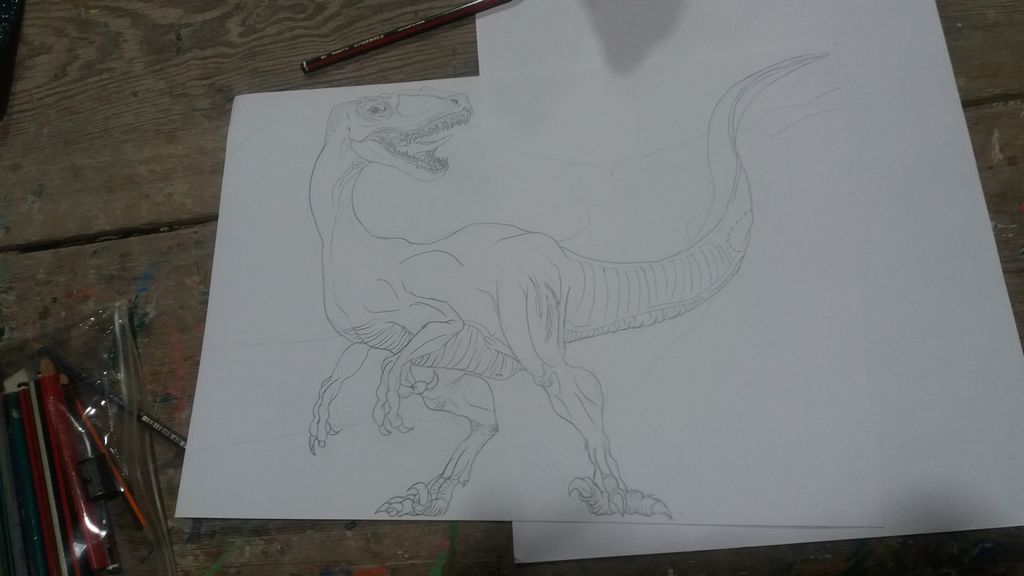
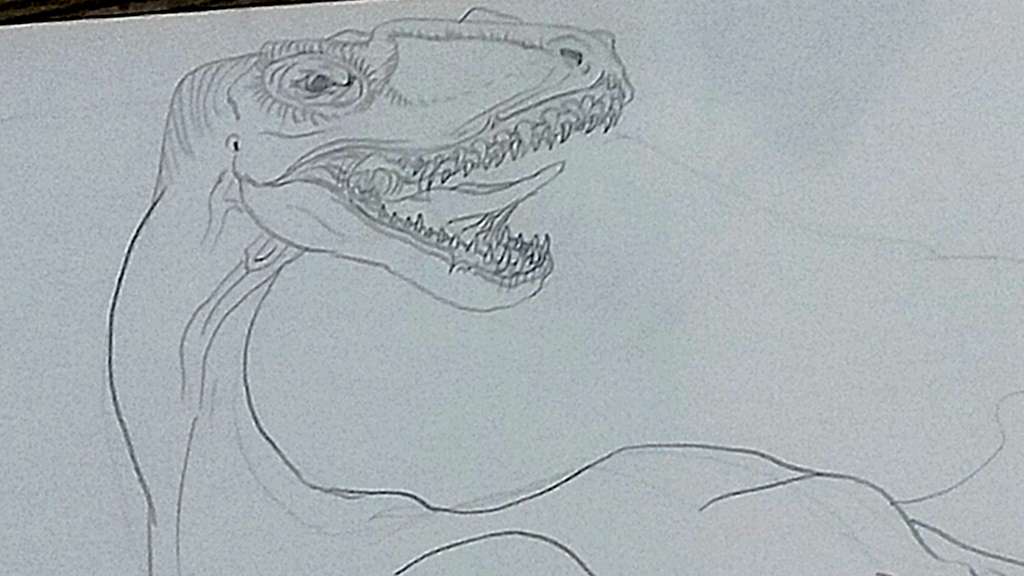
The process of creating an illustration does not end with the first stroke. Every visual piece goes through different stages of transformation, maturation, and refinement. What begins as a set of loose lines on paper can evolve into a complex digital scene with depth, color, textures, and three-dimensional elements.
Below, we explore step by step how a simple idea becomes a finished work of art.
The Creation of a Forgotten Jungle
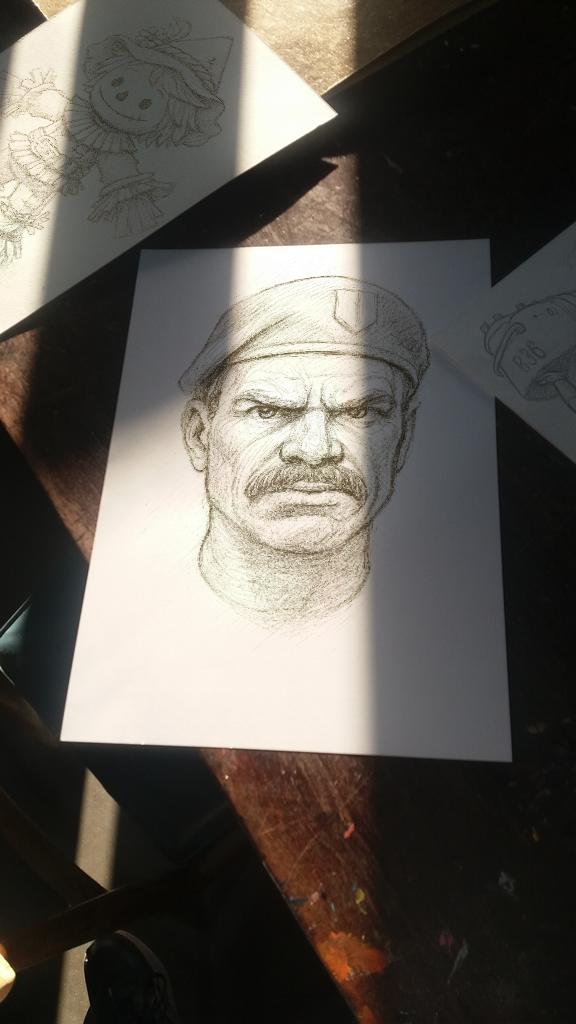
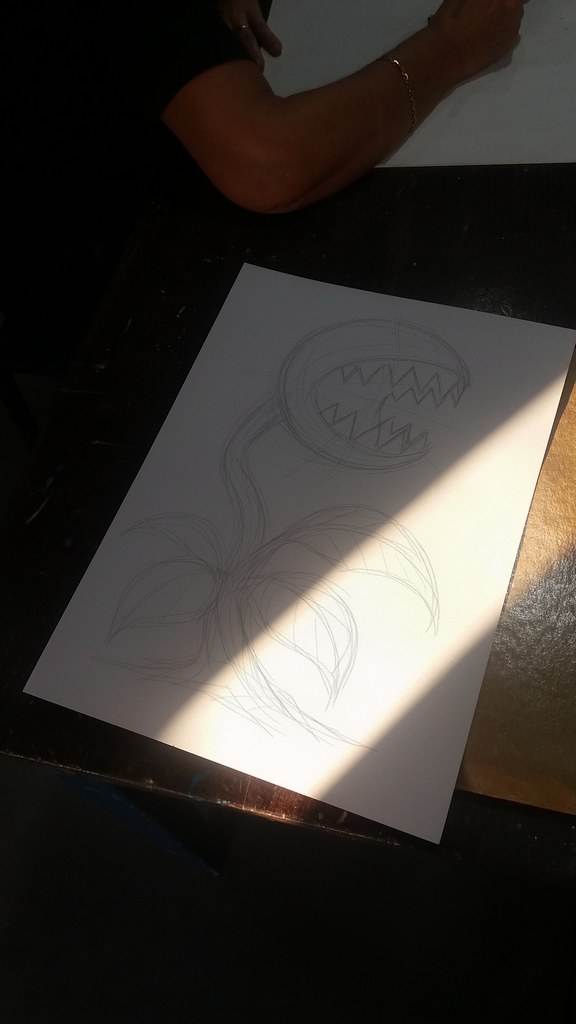
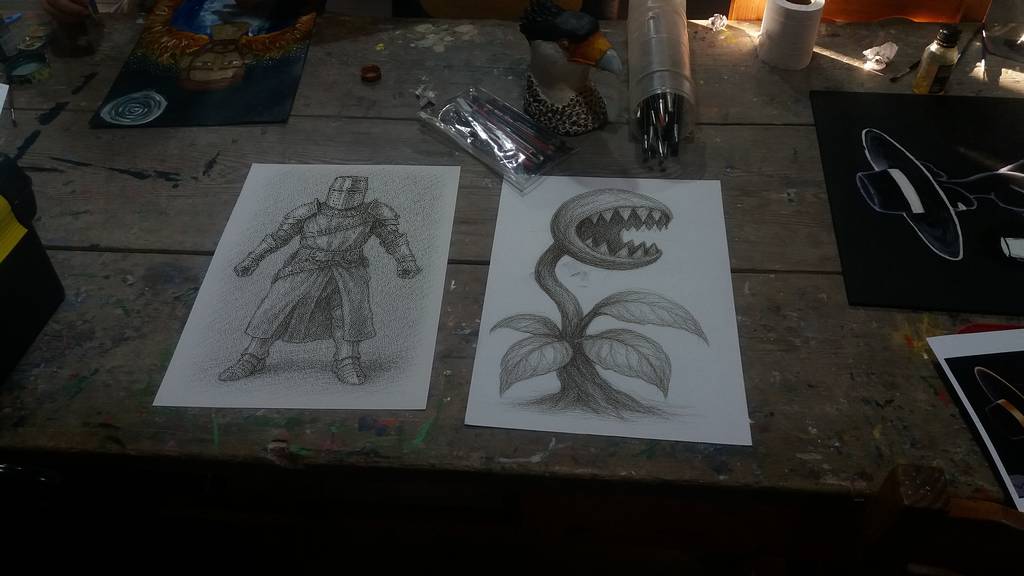
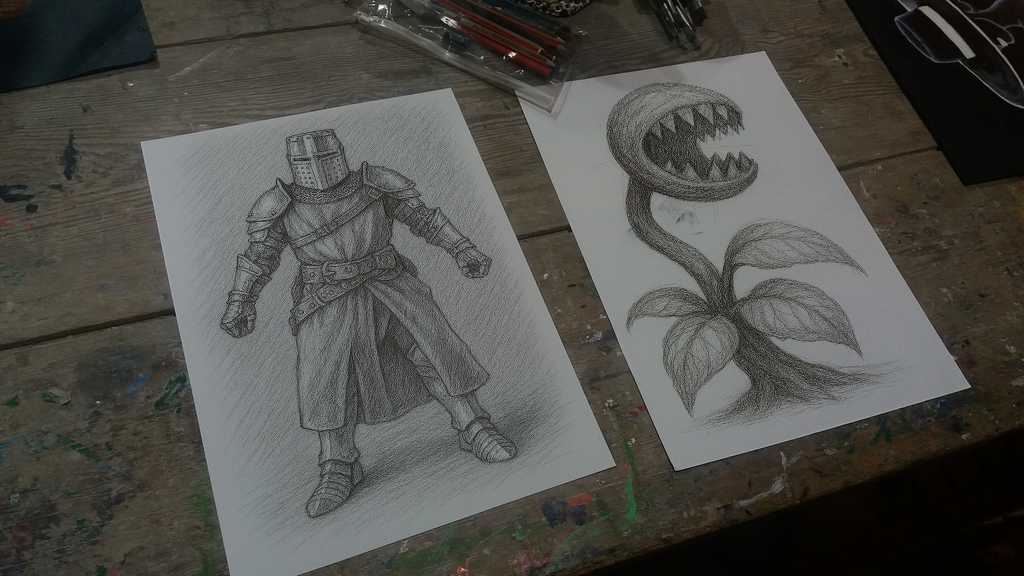
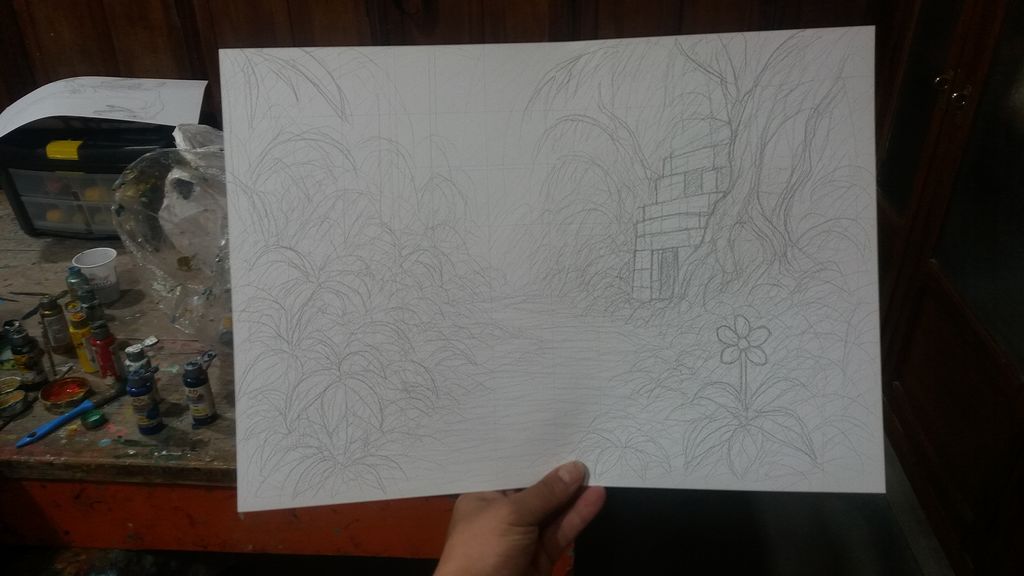
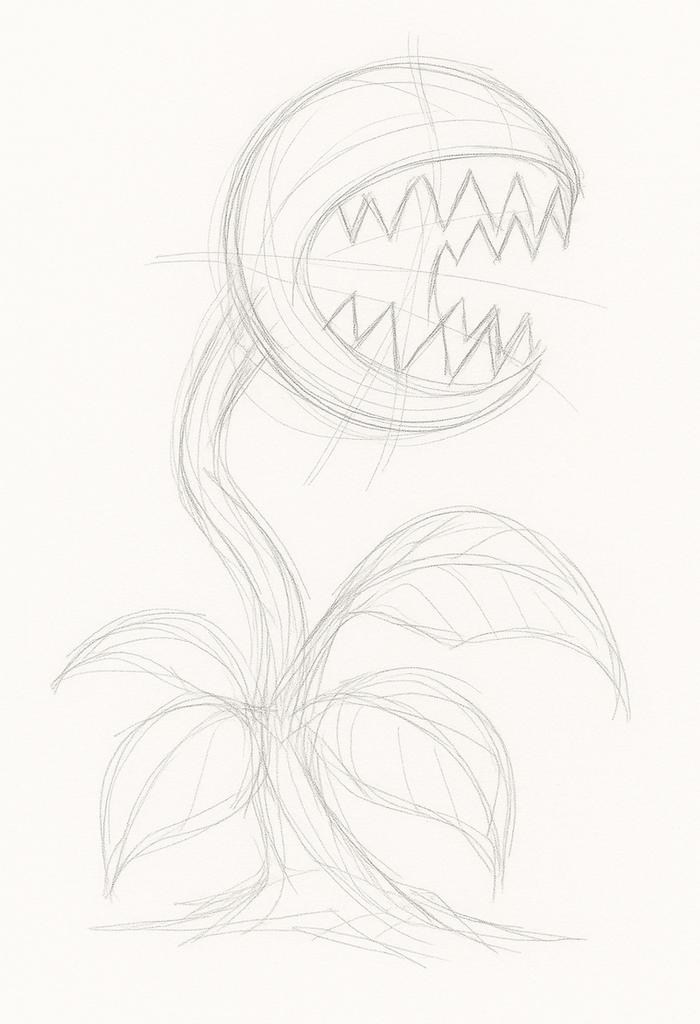
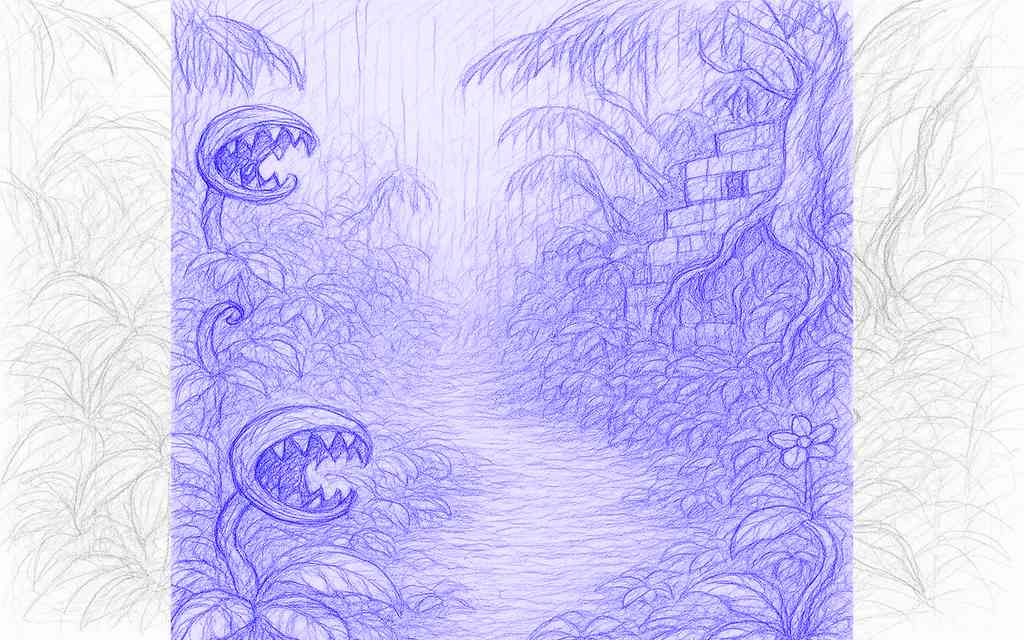
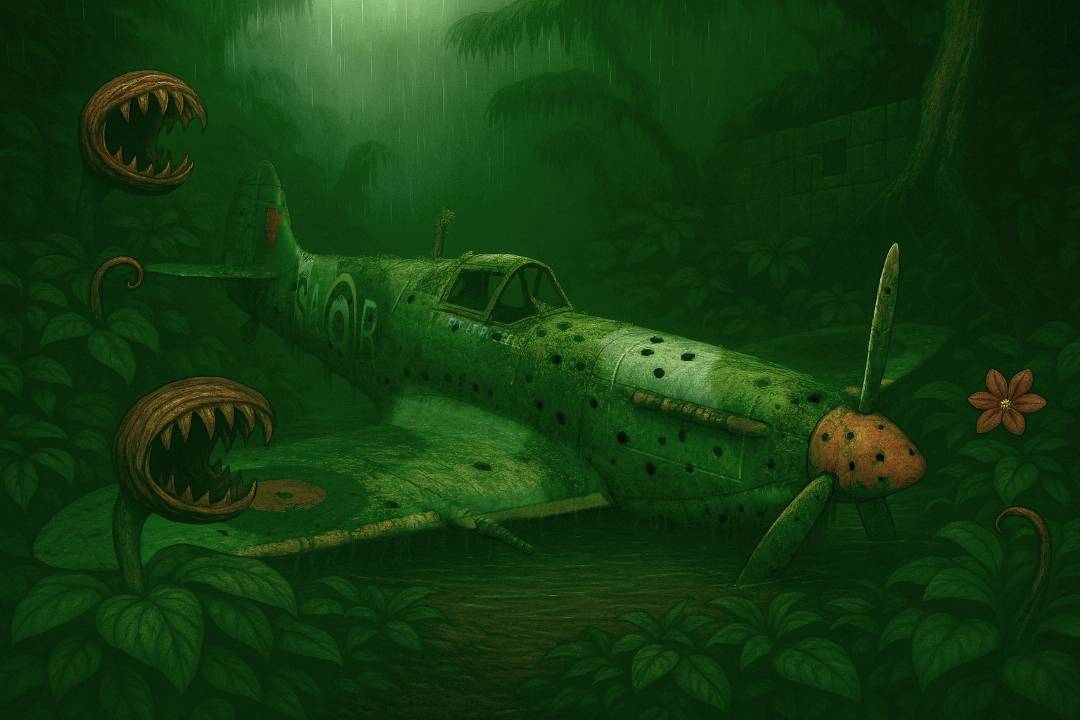
The process of this piece begins with the carnivorous plant, first conceived as a basic sketch with guiding lines. The initial strokes, just a skeleton of geometric shapes, captured the essence of its silhouette: the twisted stem, the oversized mouth, and the sharp teeth. Little by little, the drawing was refined until it gained volume, detail in the leaves, and a posture that conveys tension and aggressiveness. This creature became the central axis of the composition.
From Sketch to Complete Artwork: The Creative Journey of a Digital Illustration
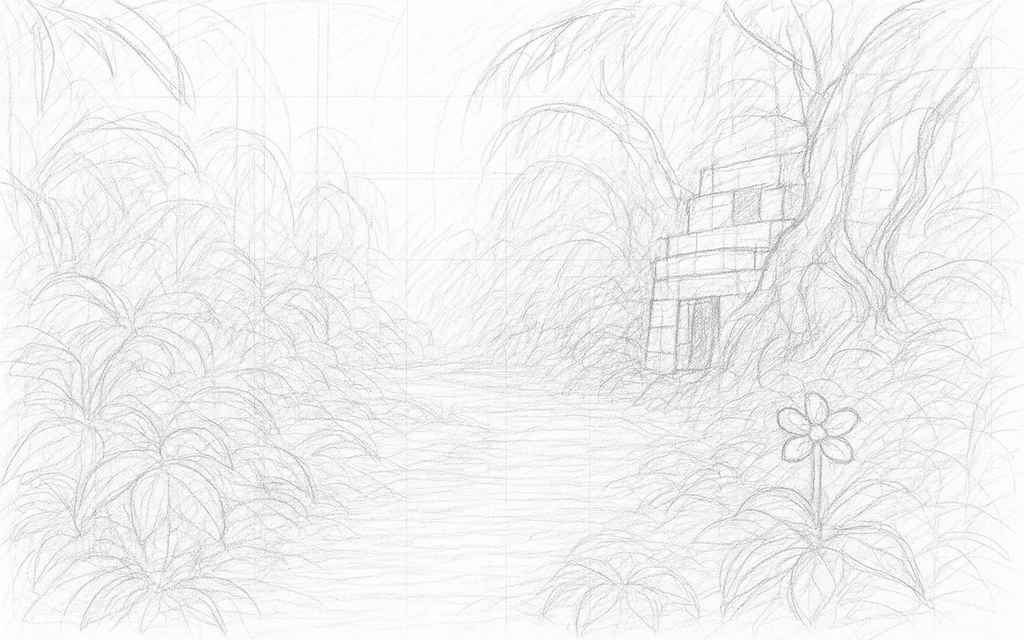
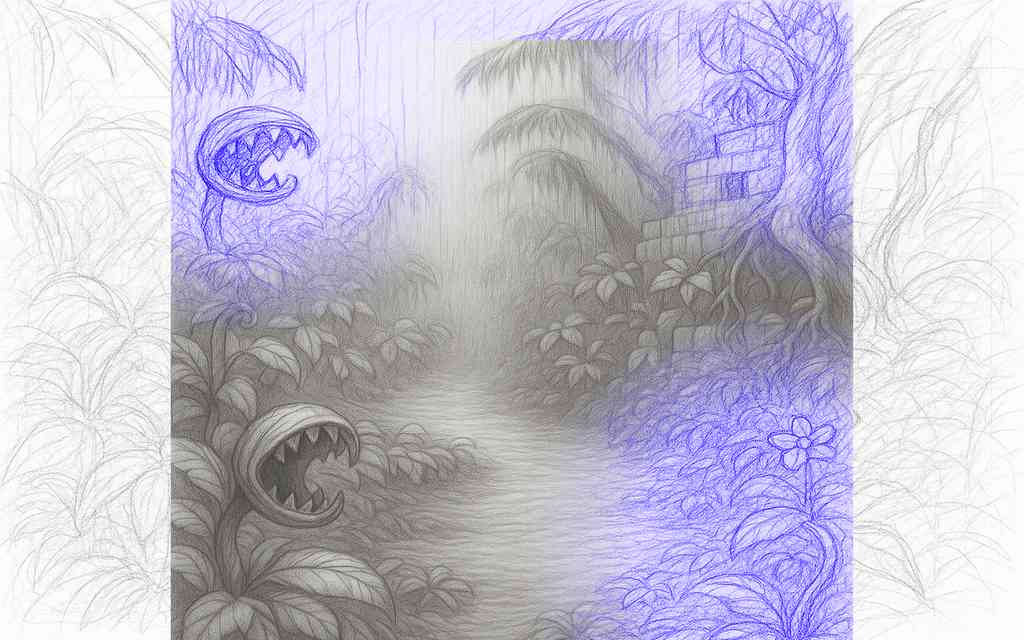
With the base defined, the work progressed to the construction of the narrative environment: a dense jungle crossed by a river or spring flowing through the center of the scene. The vegetation grew in complexity: scattered flowers, trees with exposed roots, and an ancient temple made of massive stone blocks, hidden among the undergrowth. This drawing stage served to establish the visual structure of the piece, defining the relationship between the elements and the balance of the composition.
Slide from one image to another to compare
Slide from one image to another to compare
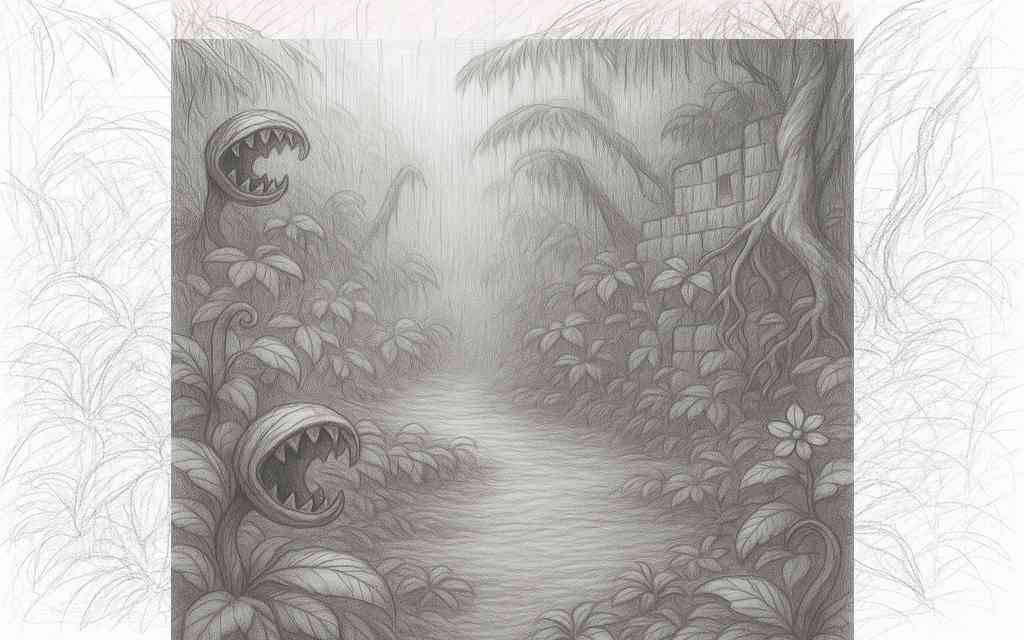
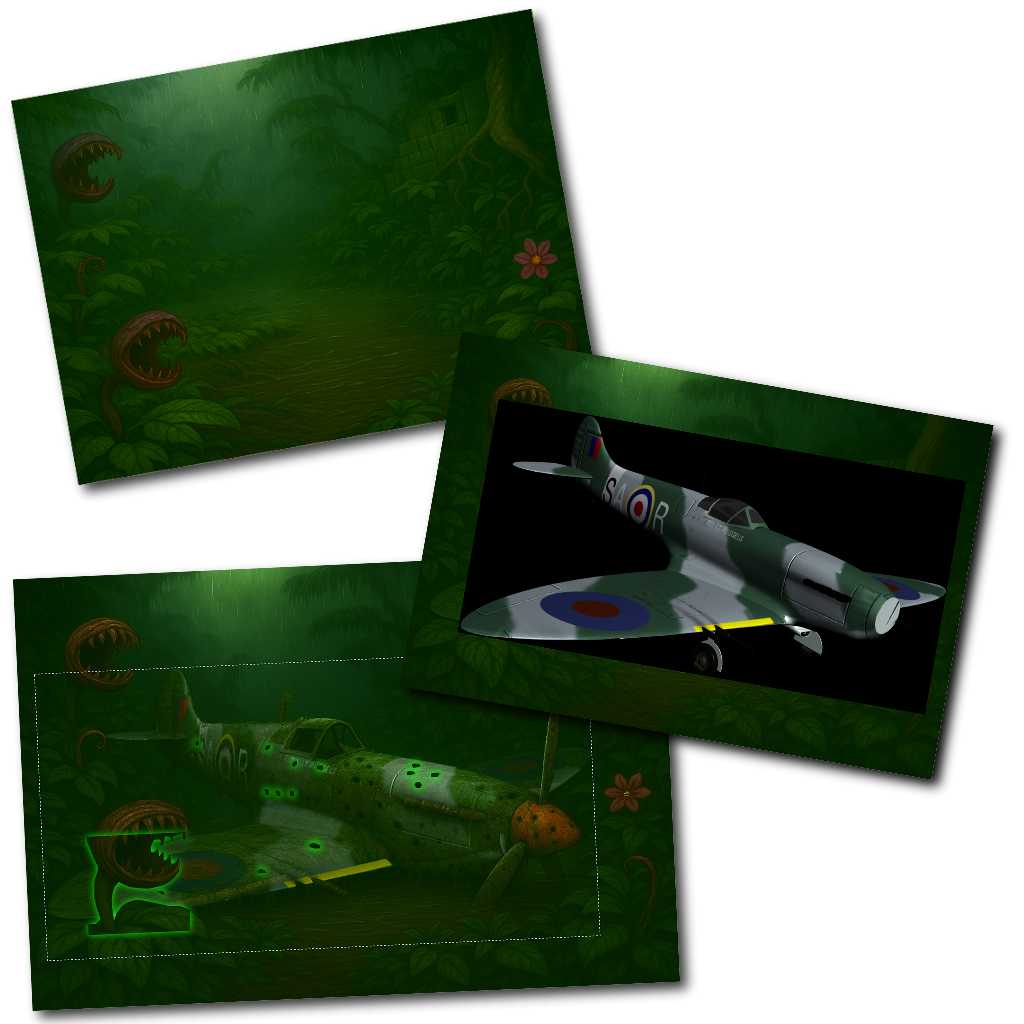
The next step was digital painting, where the setting gained life and atmosphere. Through layers of color, a humid, dark, and greenish environment was created, typical of a dense and oppressive jungle. The contrast between filtered light and deep shadows added depth and drama, enveloping the carnivorous plant and the temple in a mysterious ambience.
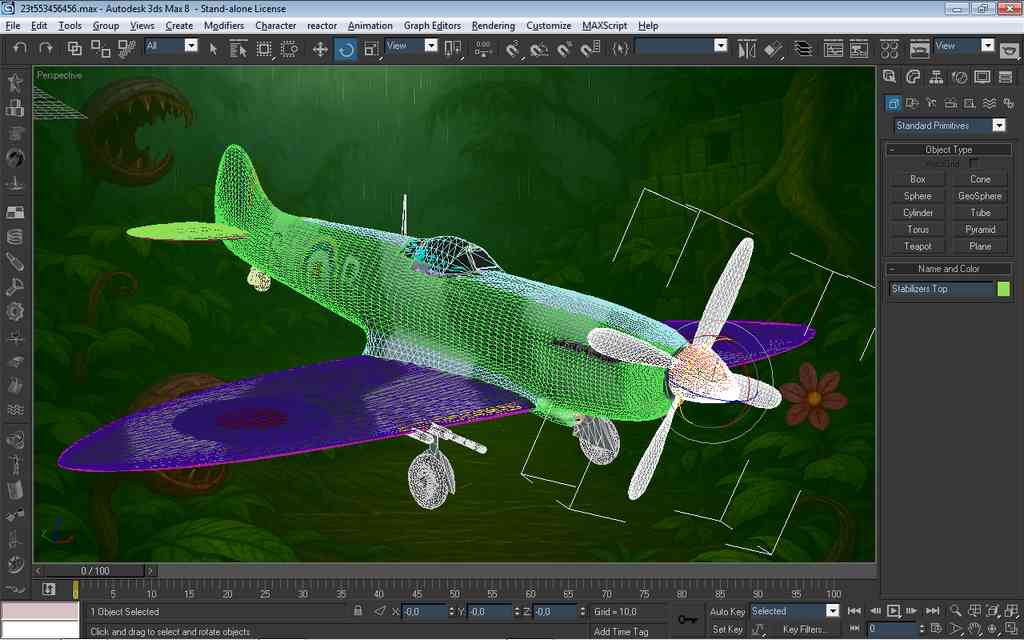
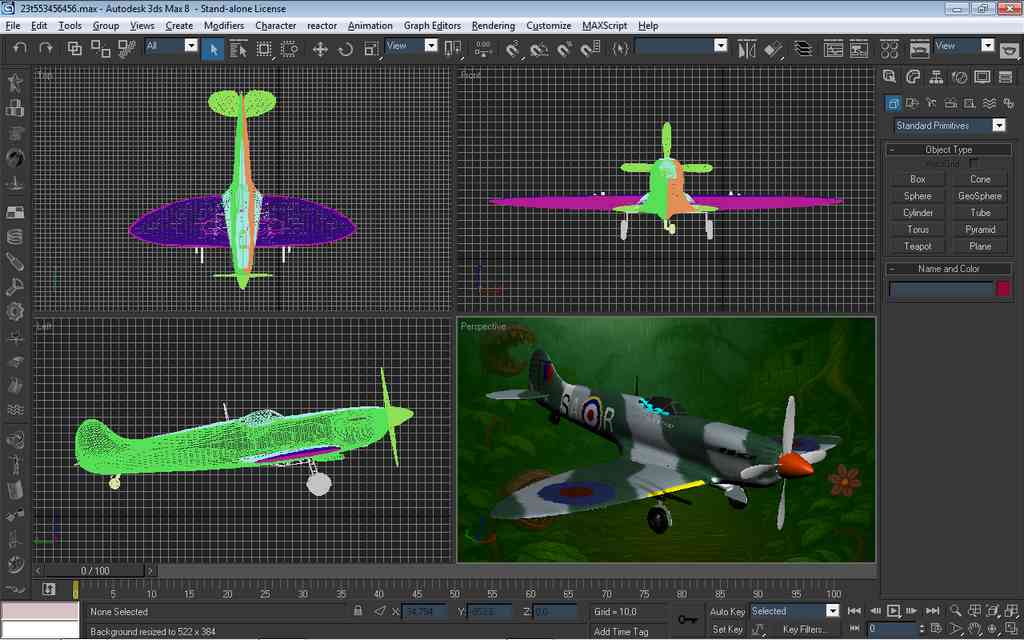
The piece evolved even further with the incorporation of a 3D model of the Spitfire of Flight Lieutenant Ruggels. Far from standing out as an external object, it was integrated into the visual narrative.
The fuselage was damaged by bullet holes, evidence of its violent fall.
Moss and vegetation had grown over its surface, symbols of the relentless passage of time.
The dents and metallic wear reinforced the idea of a war relic abandoned in the jungle.
In the post-production phase, plants in the foreground and overlapping vegetation were added to the 3D model, softening its outline so that it blended with the pictorial style of the illustration. Adjustments of color, texture, and line ensured that all the elements coexisted within a unified aesthetic.
The final result is a piece that tells a story without words: the confrontation between man’s destructive force and the resilience of nature. What began as simple sketch lines transformed into a cinematic and conceptual scene, where time, the jungle, and the remnants of the past interact in a visual balance full of mystery.
Full Color 3DO Character Concept Art
Some full-color pieces from a variety of Army Men games. Concept art and some images are character concepts, others are simply promotional images.
Army Men Strike Concept Art
Army Men Air Attack 1 & 2 Concept Art
Some of the ideas that want to be tested in helicopter games are interesting. They probably all would have been achieved in Air Attack 3, maybe?
Making Concept Art a reality
Remember those great Concept Art pieces? Well, we started making them a reality (sort of).
There are some ideas in Concept Art pieces that never became reality (or, in fact, most of them never did). So here we’ll show you the process of how we make them a reality, one way or another.
Concept ArtCGI recreationConcept ArtCGI recreationConcept ArtA more developed drawing, half CGI
Storyboards
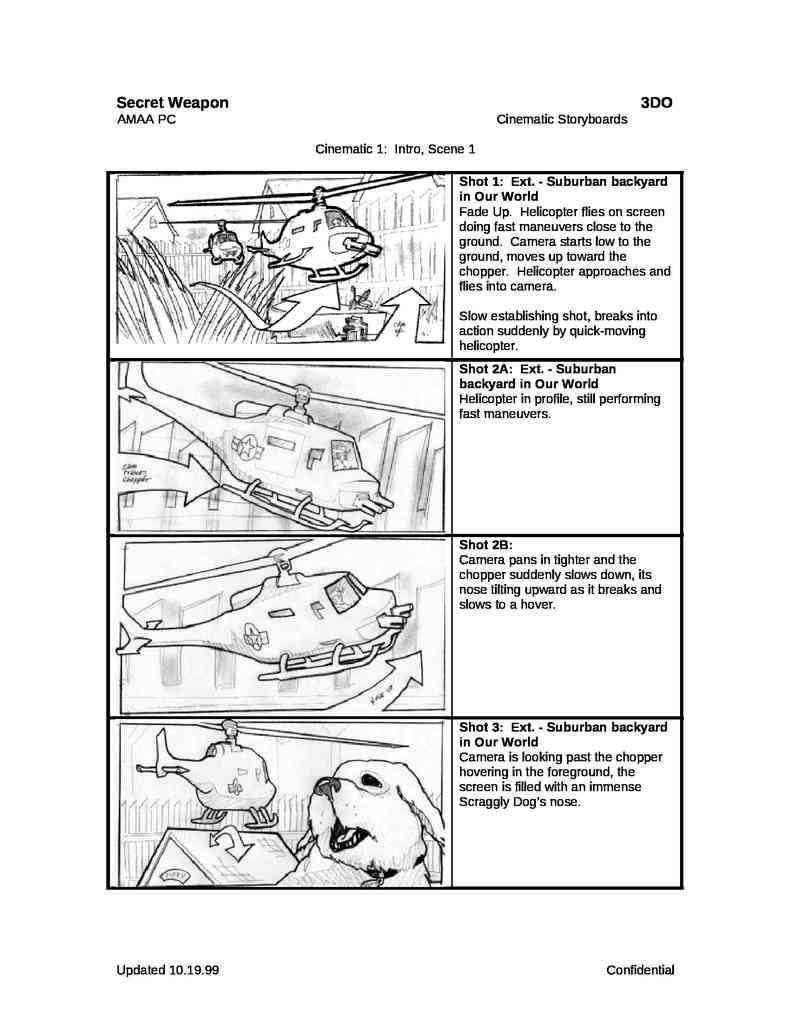
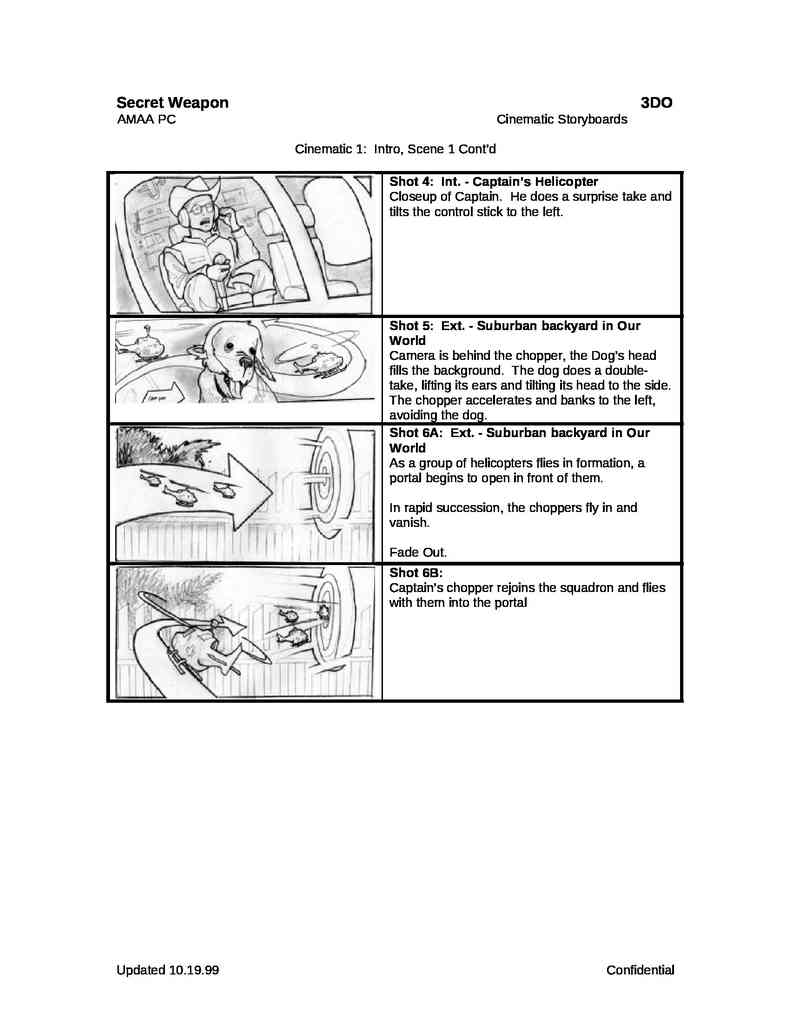
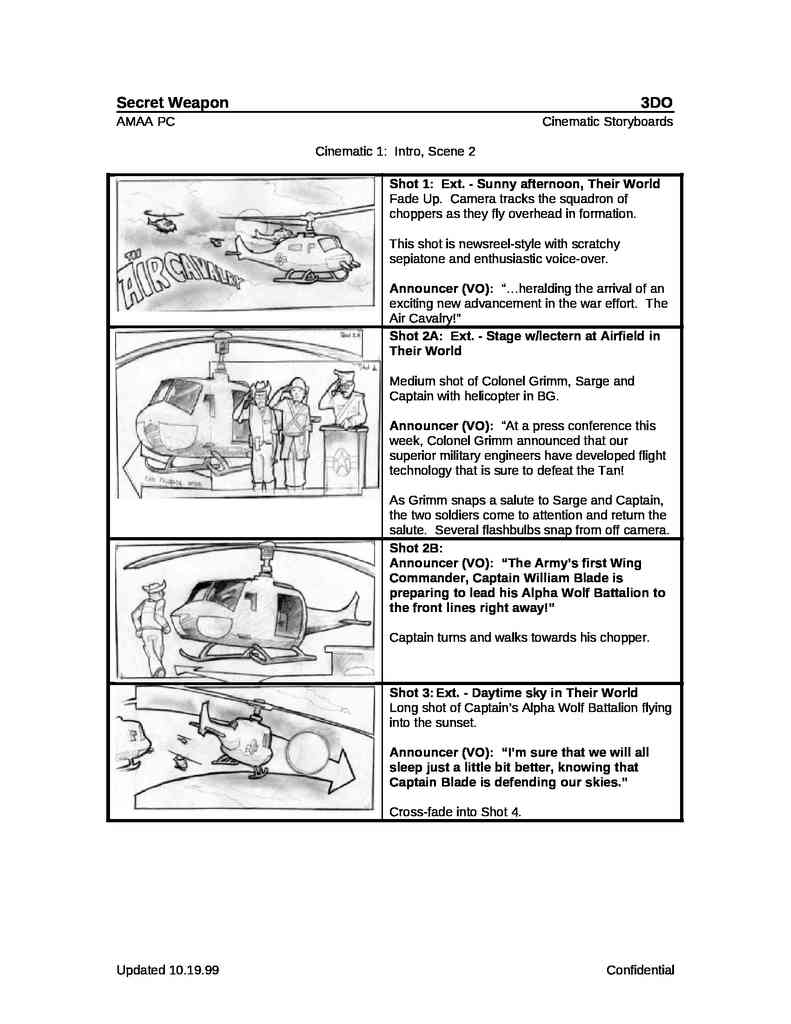
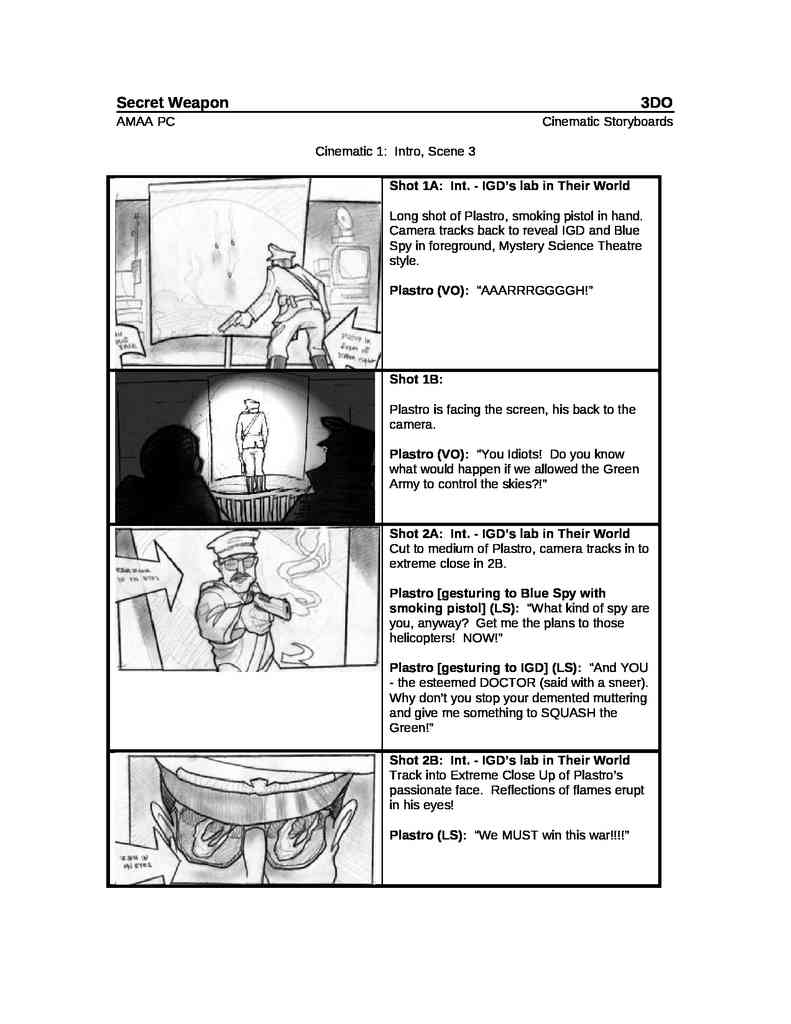
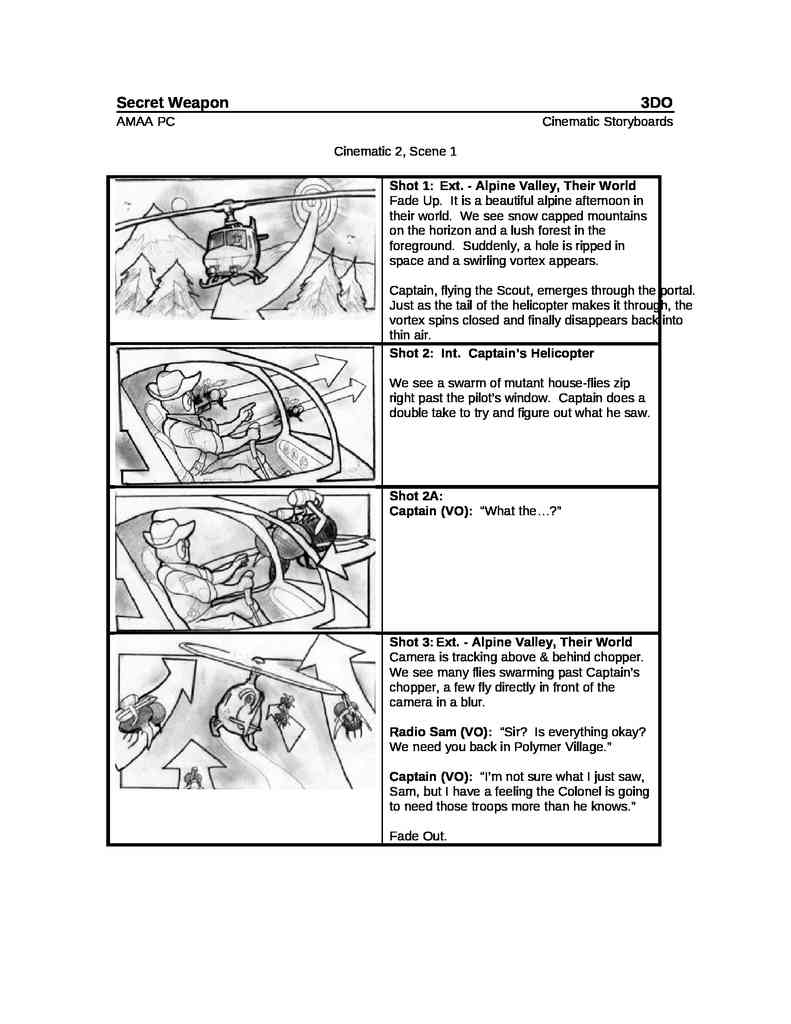
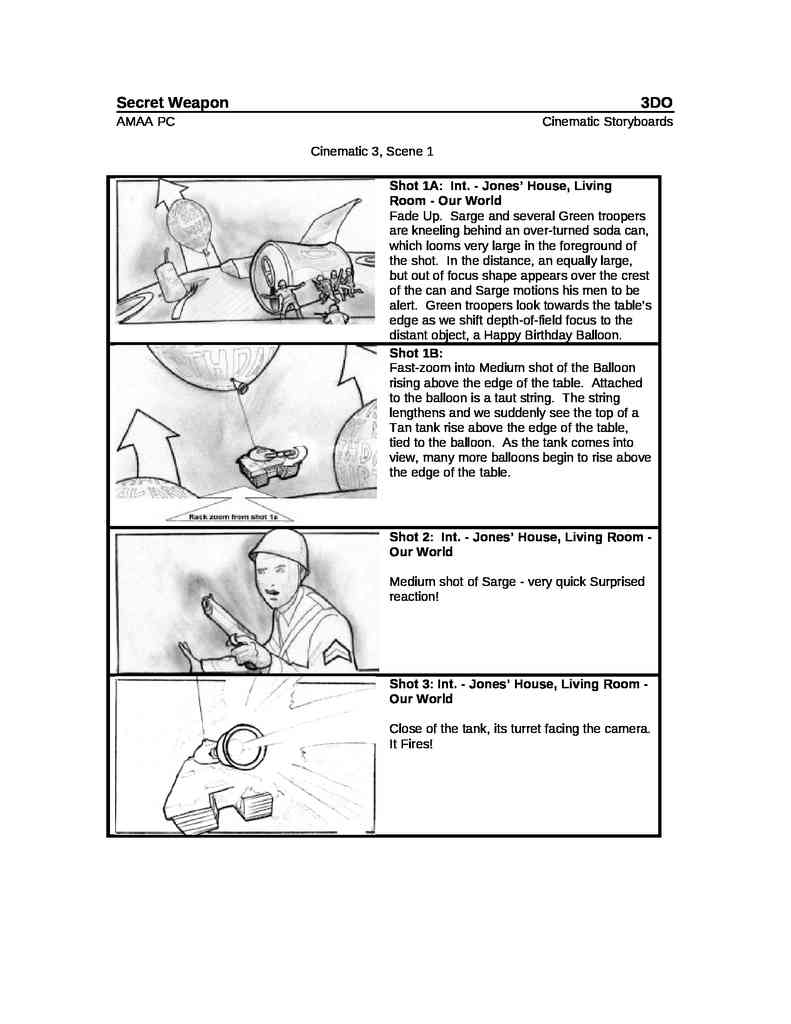
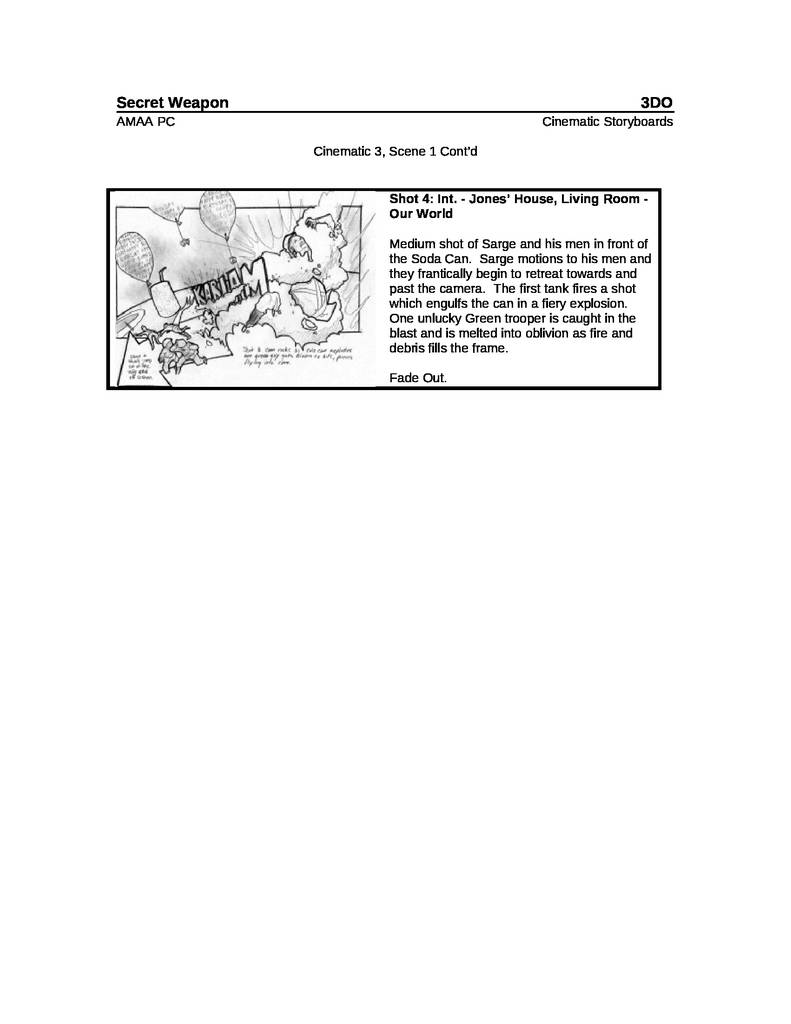
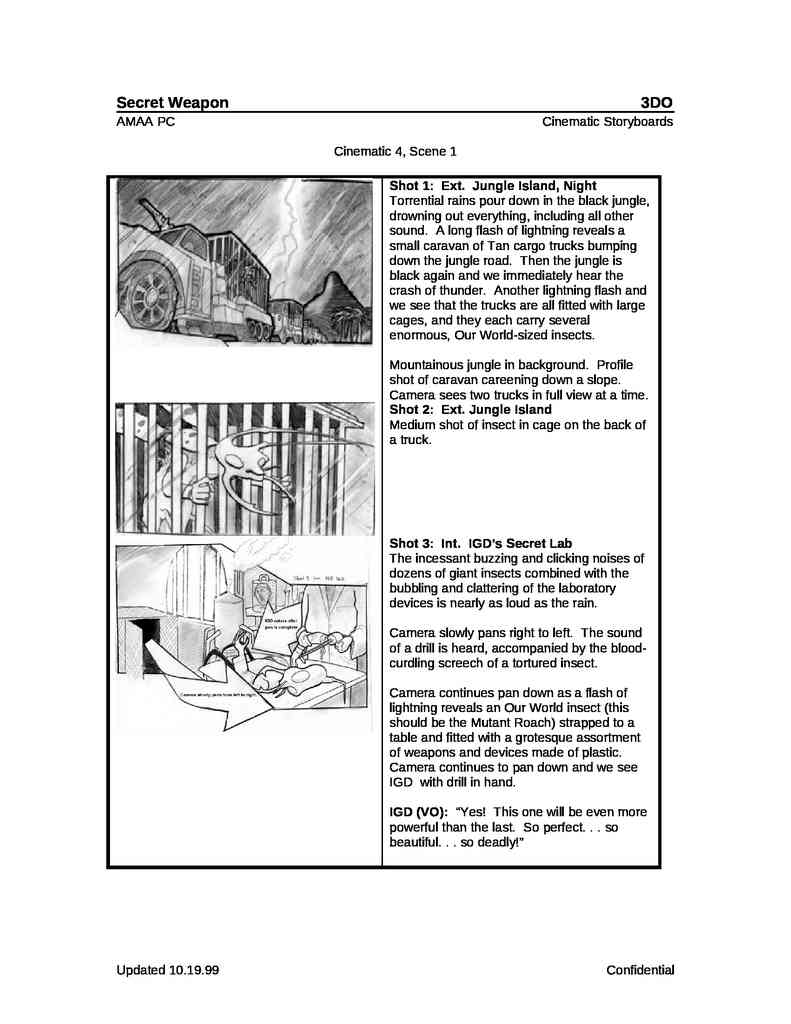
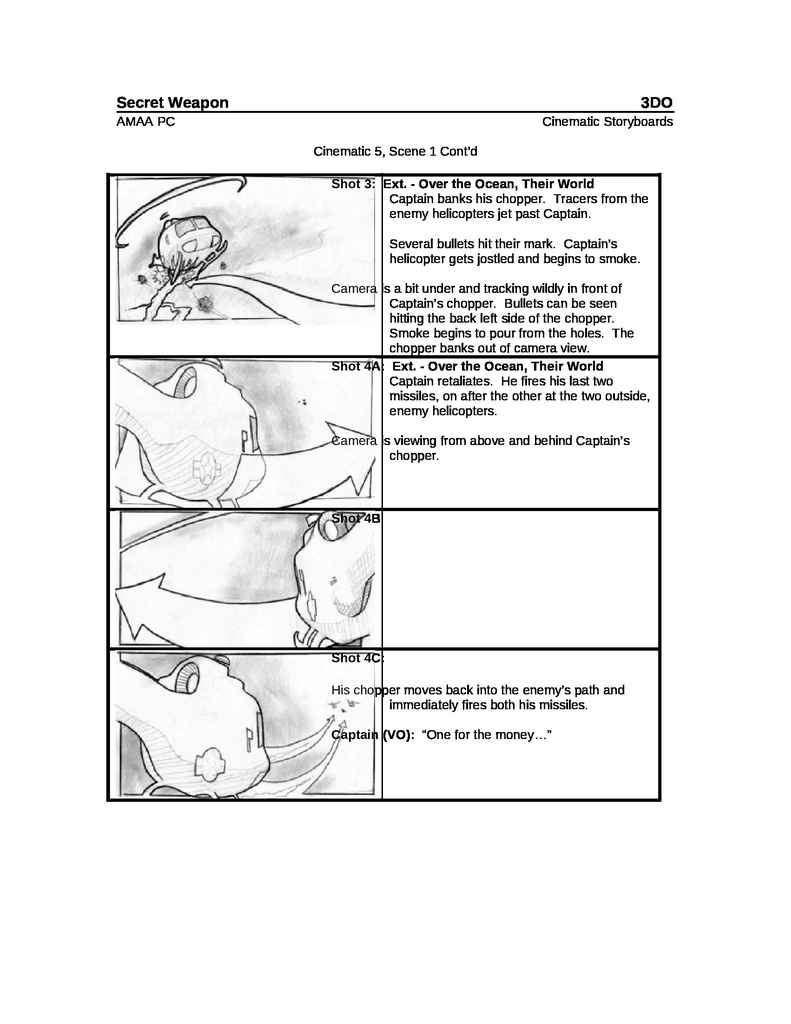
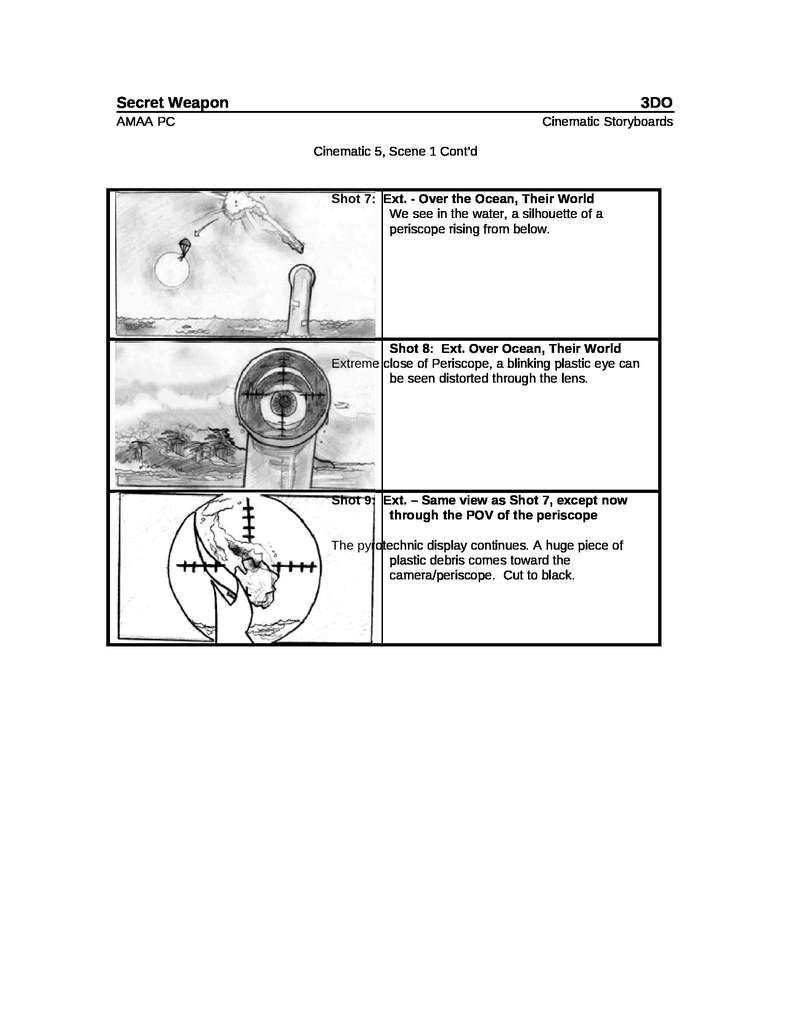
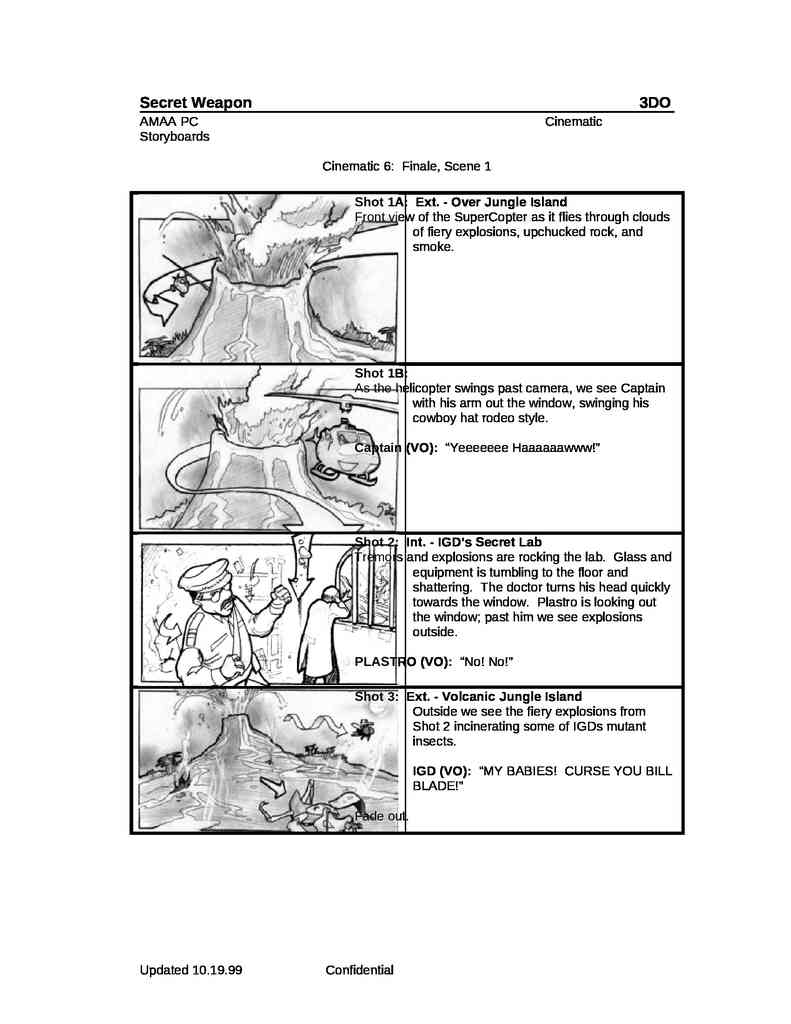
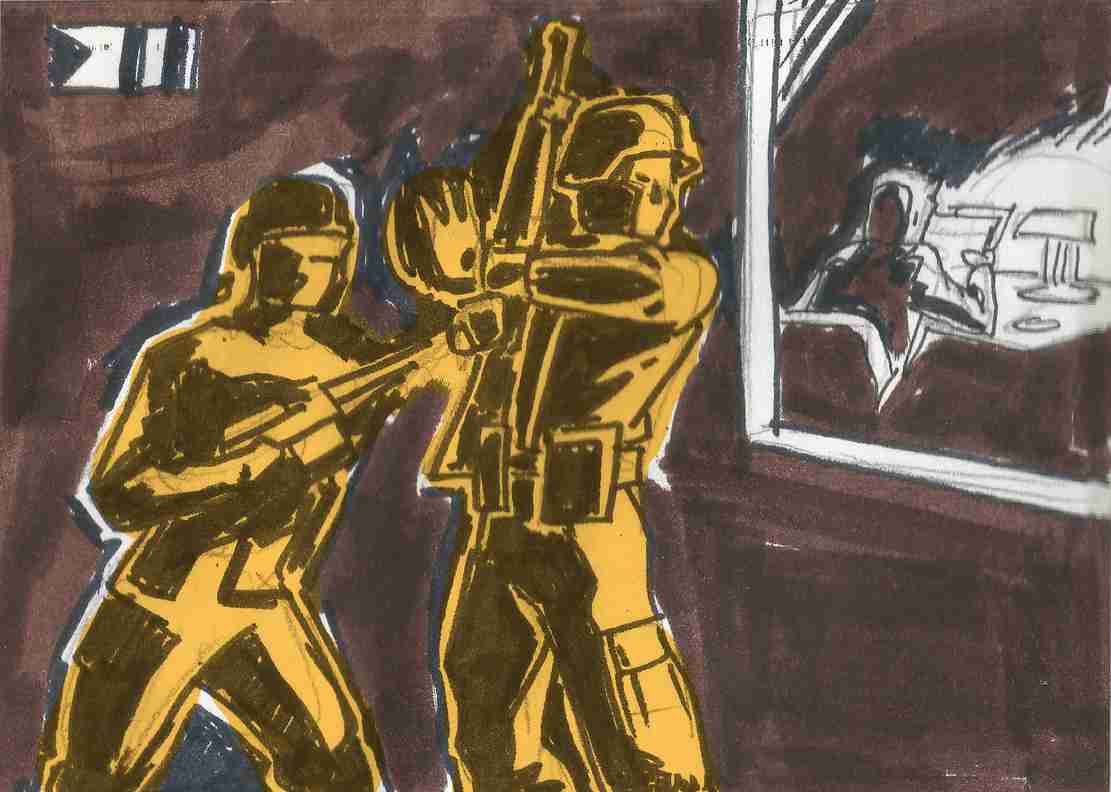
The Army Men franchise used a lot of storyboarding for the CGI animations of the games’ cut scenes, but also for the in-game animations of Sarge’s Heroes 1 and 2 for the Nintendo 64 (made with the game engine).
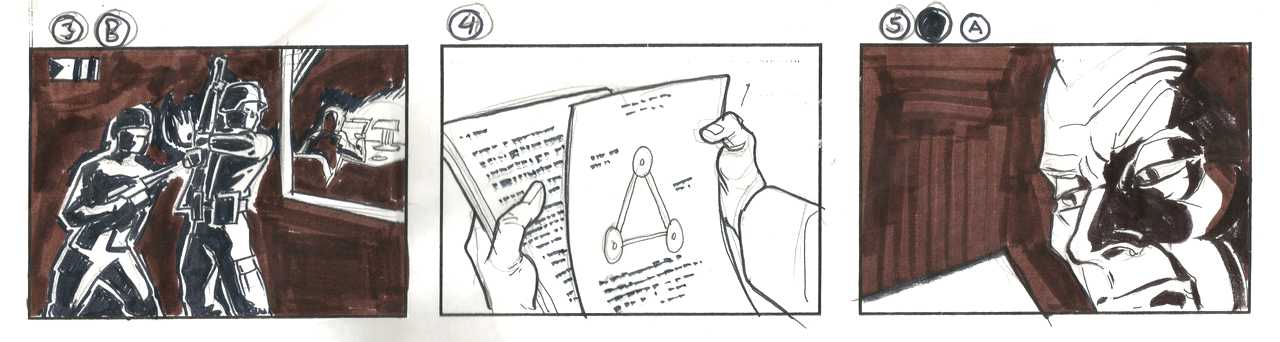
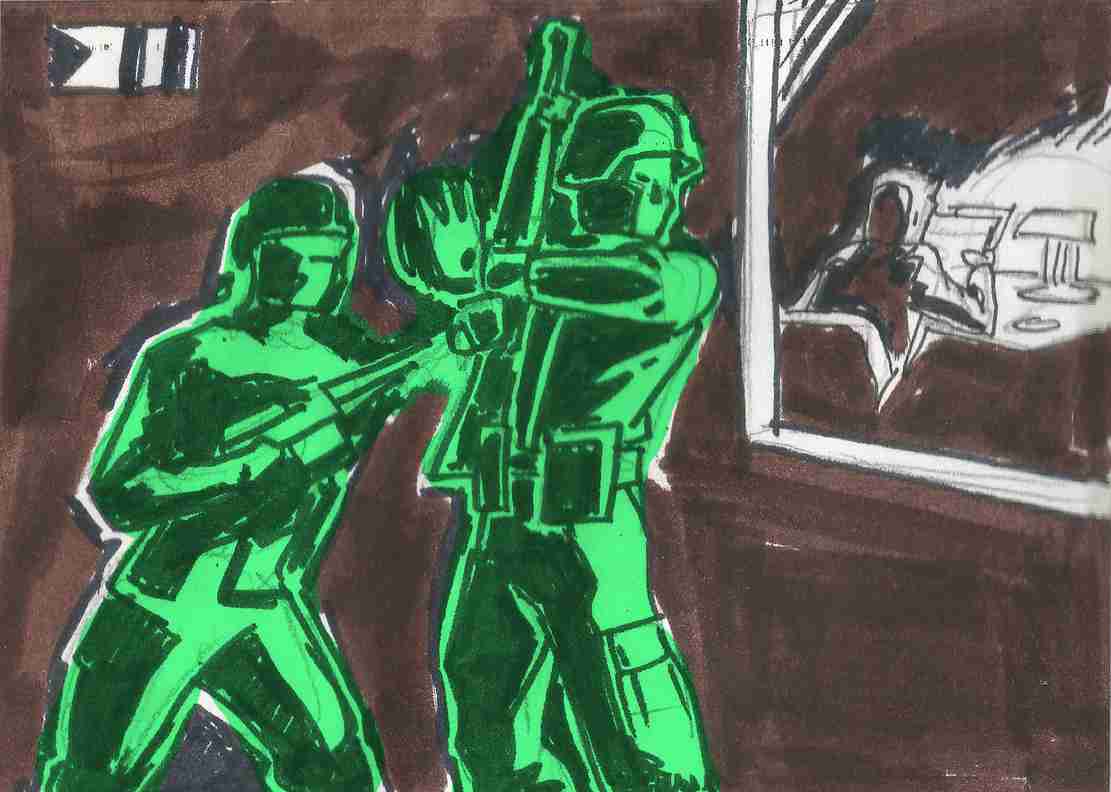
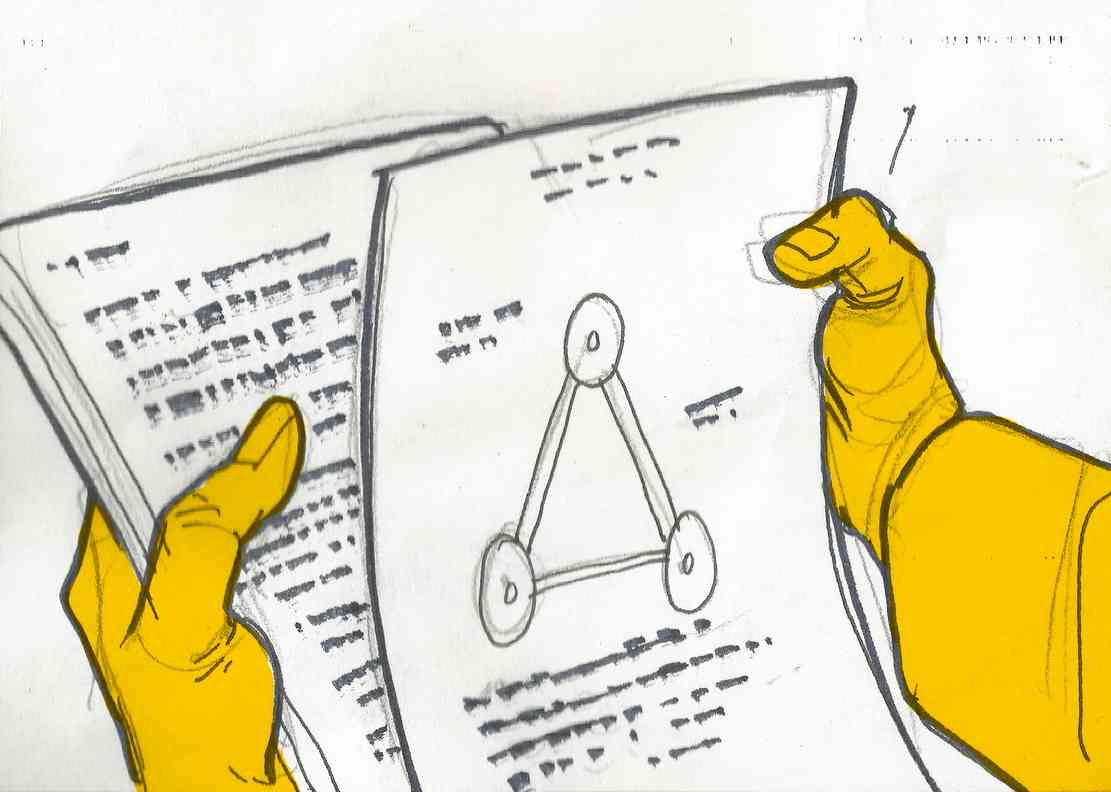
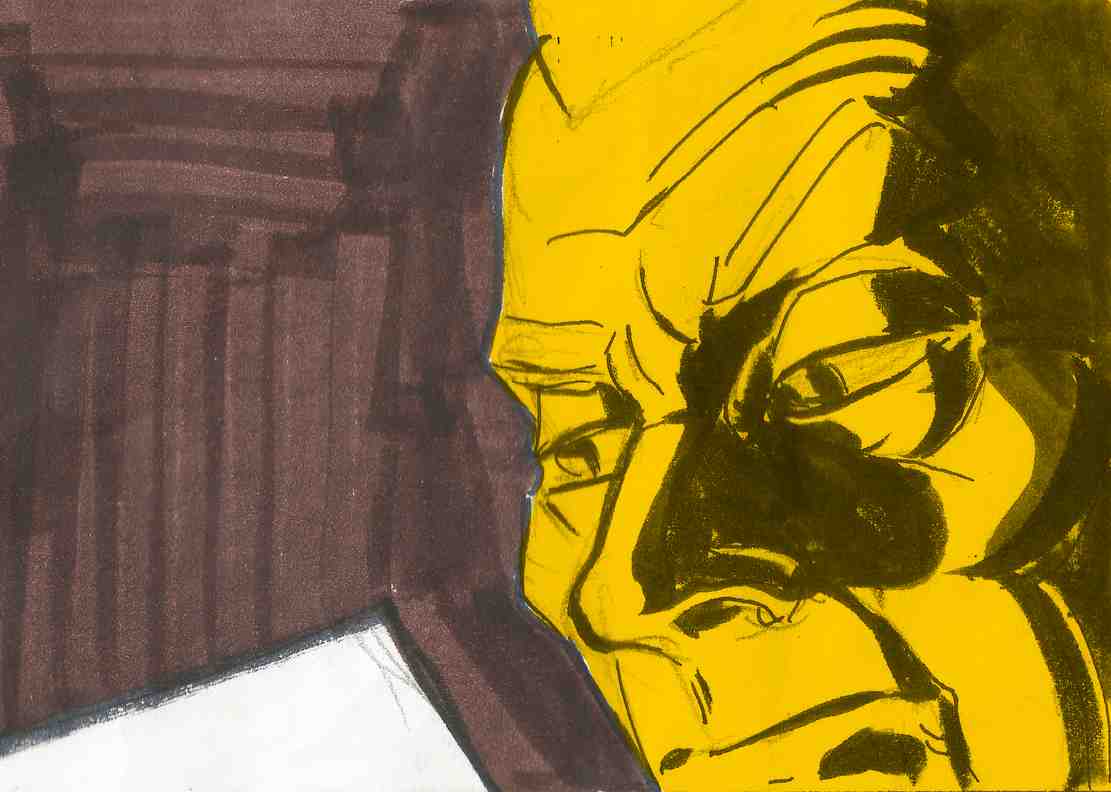
Army Men: Sarge’s Heroes Storyboard
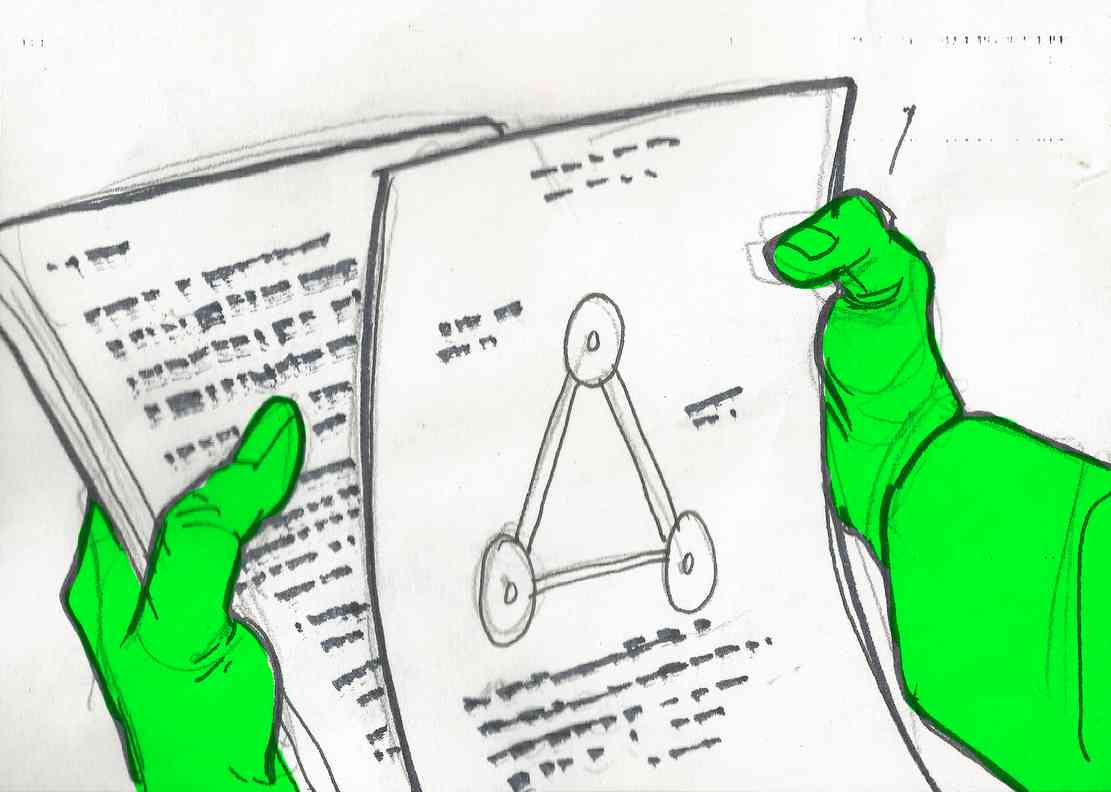
To put it simply, storyboards, at least in this case, look like comic book adaptations of movies, but with instructions and guidelines for animation. For example, where a character is at the beginning of a shot, and where they are at the end. They are a series of graphic instructions that serve as a rough draft or basis for later animation. Keep in mind that different teams did different jobs, so those who drew the storyboards (drawn by hand) were somewhat like scriptwriters for the animation department.
Army Men Air Tactics Storyboards
The entire storyboard for the CGI animated images of Army Men: Air Tactics. Scanned and inserted into digital text files.
One of the scanned conceptual storyboards, a step prior to inserting them into the digital text files.
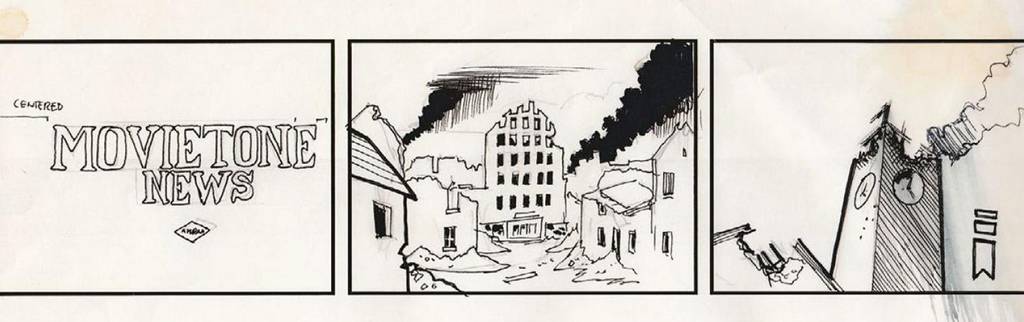
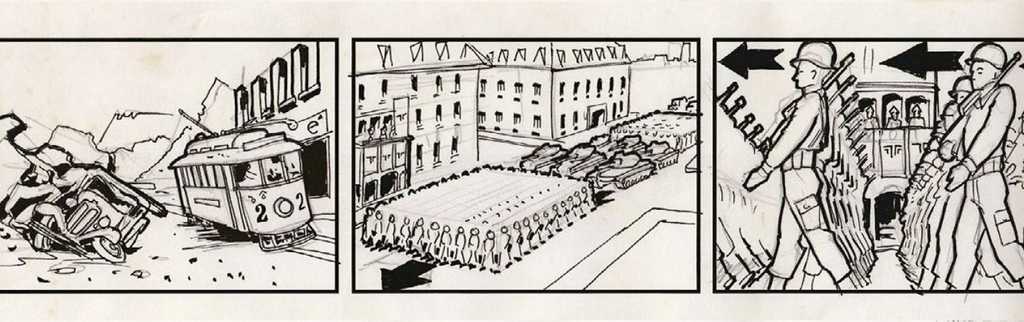
Army Men (1998) storyboards
Storyboards made for the original Army Men game, but used later in World War for PS1 or simple not used.
How do we interpret these Storyboards?
In the case of finding Conceptual Art of the original Army Men games, before the Heroes saga, we would need more information as it is in black and white, which would not allow us to interpret what colors each one is. The following is an example:
Others ways of making Storyboards & Concepts
Example of photo montage
Both Army Men Revolution and our animations will take place in environments based on real places. Therefore, here is a simple example of a Storyboard made with photographs:
Example of montage with image editing or Photoshop
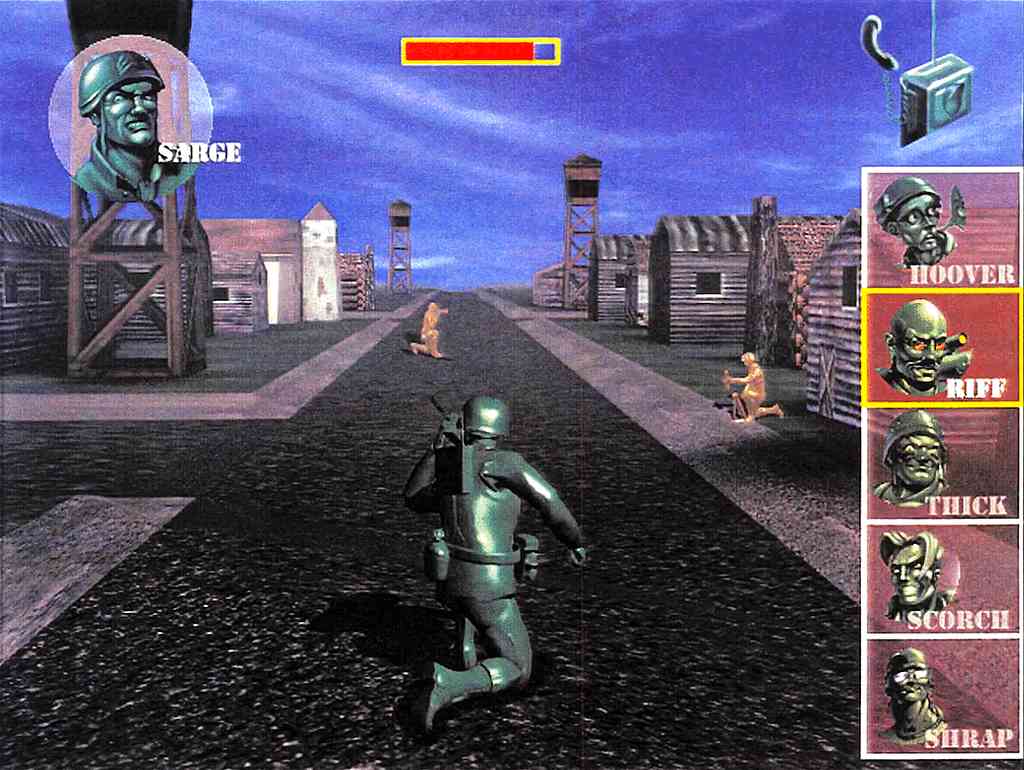
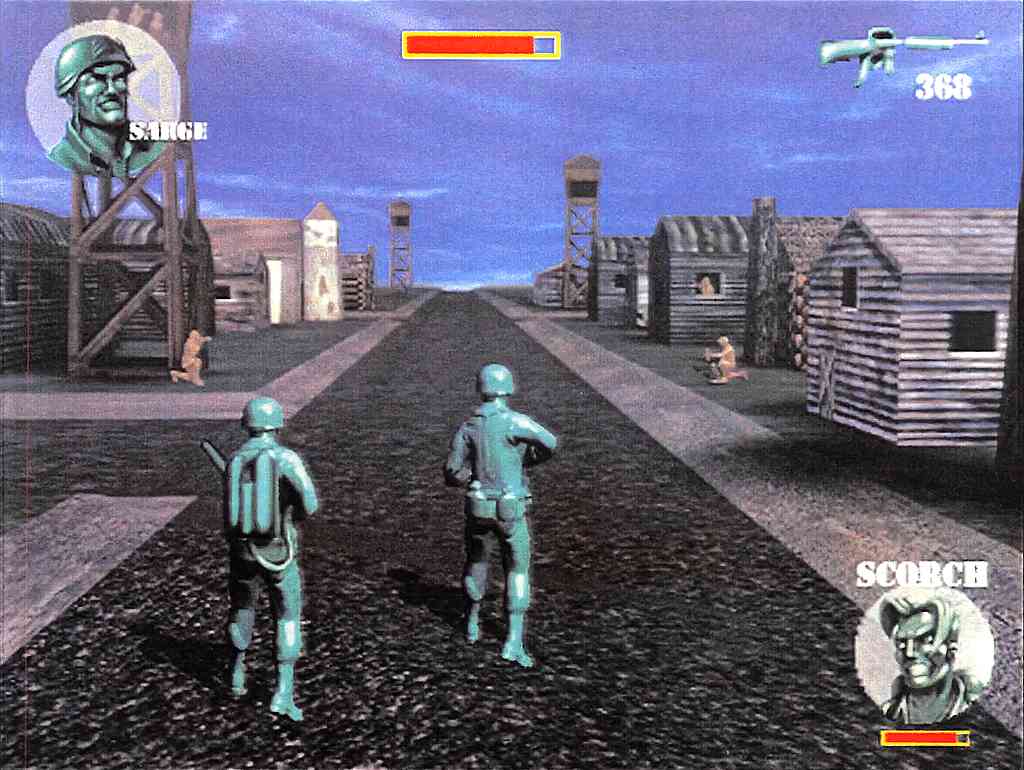
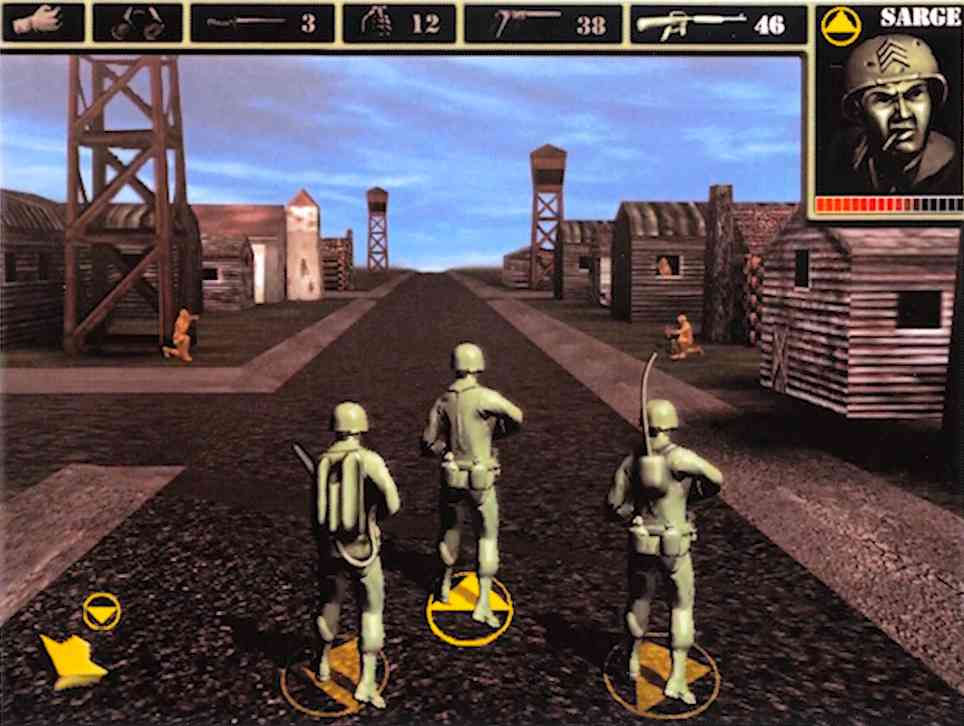
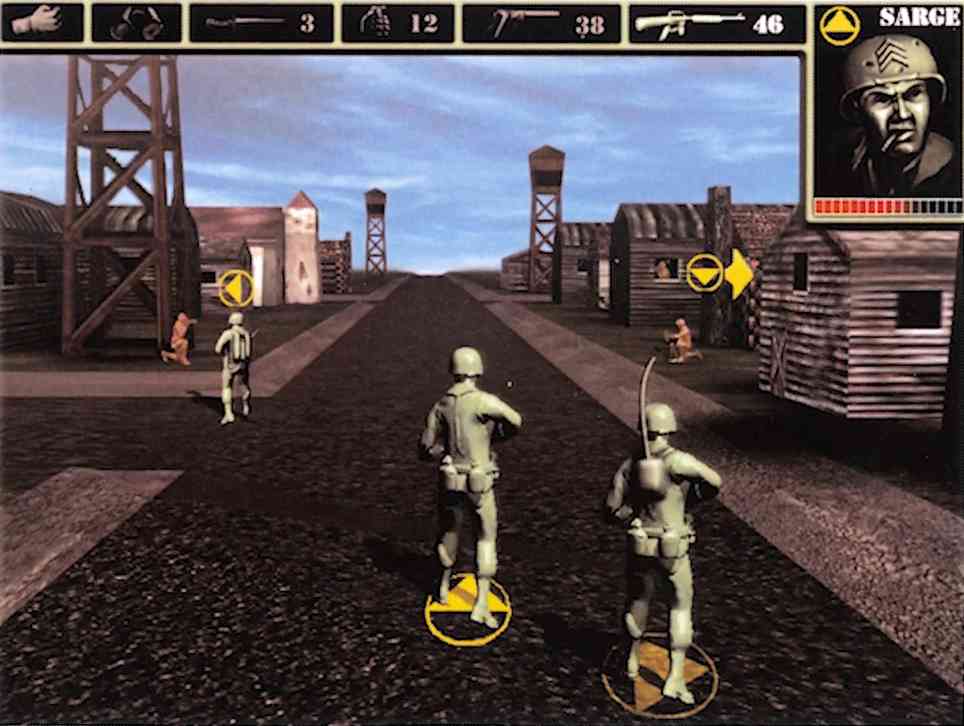
The following is a conceptual representation of how the Heroes would function, for Sarge’s Heroes, in its early stages of development.
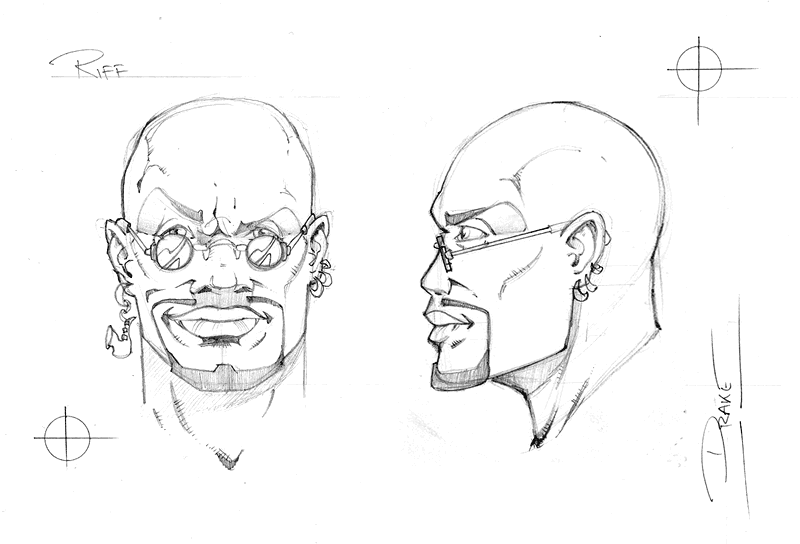
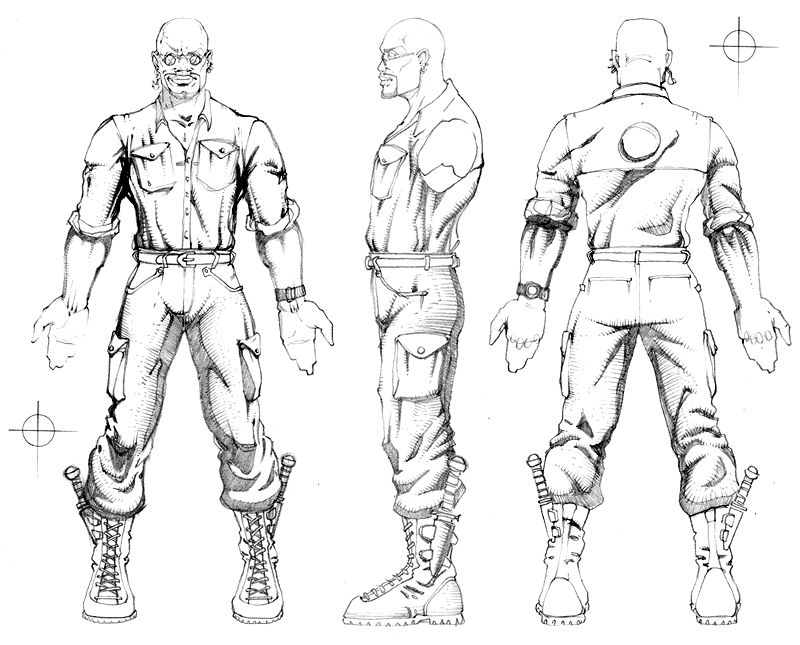
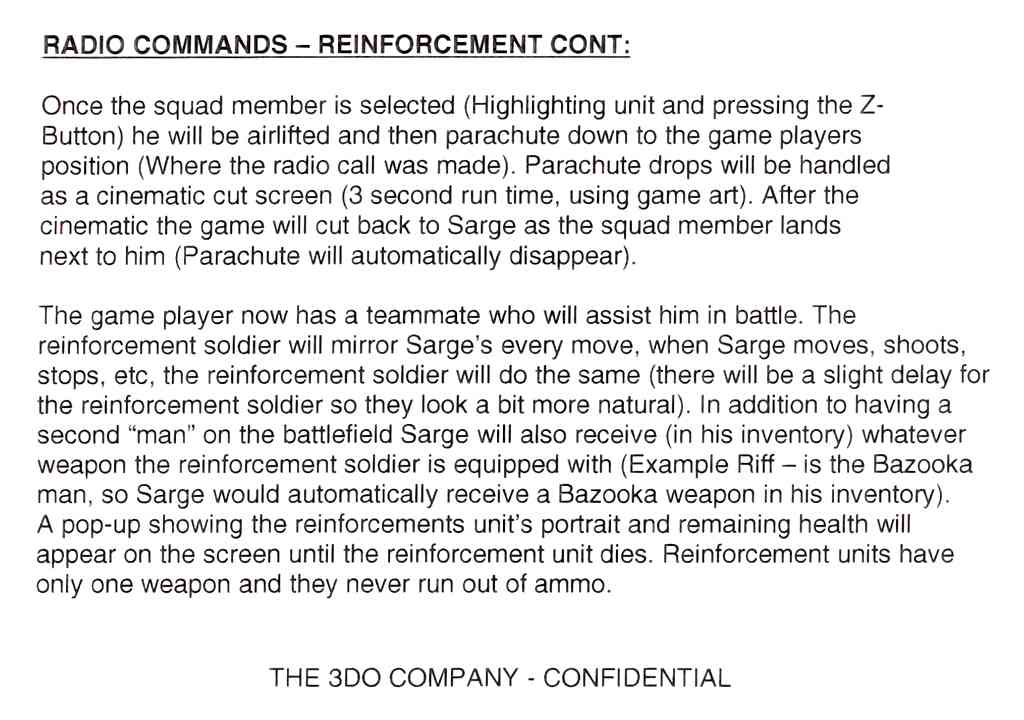
The heroes were supposed to have a more prominent role, functioning as companions during battles, following the protagonist’s movements but contributing their weapon skills (e.g., Scorch with his flamethrower, Riff with his bazooka).
It was even considered to be a kind of turn-based game, like some RPGs of the time.
This style of concept art is made up of CGI renders, Photoshop, etc., to ensure maximum fidelity to the idea of how the video game should look.
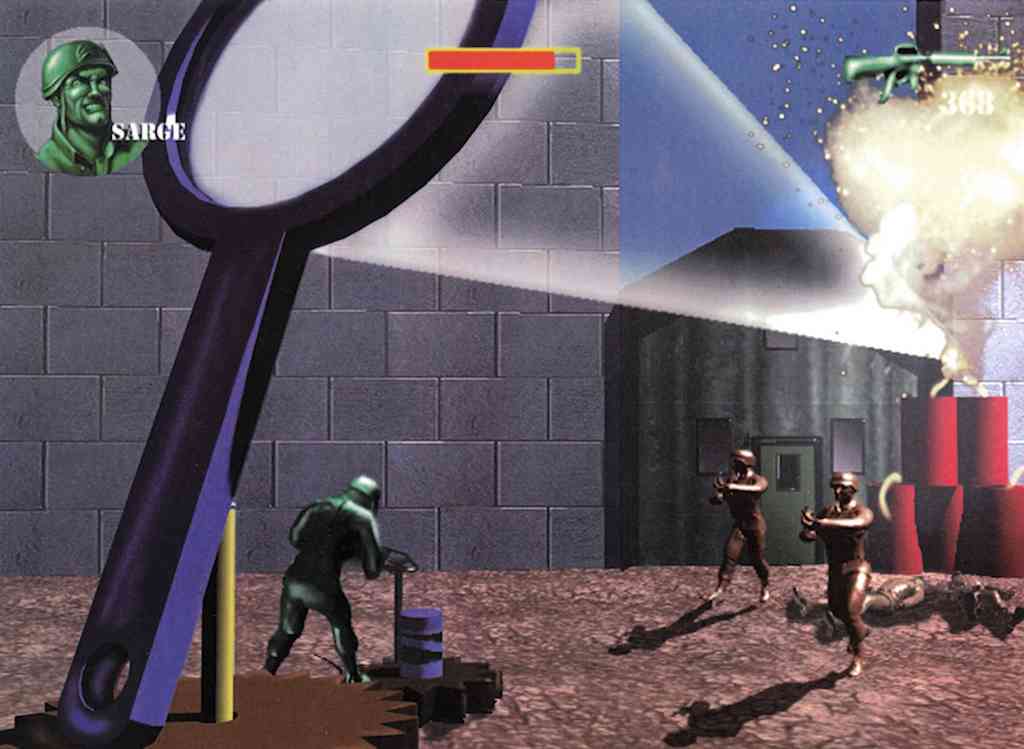
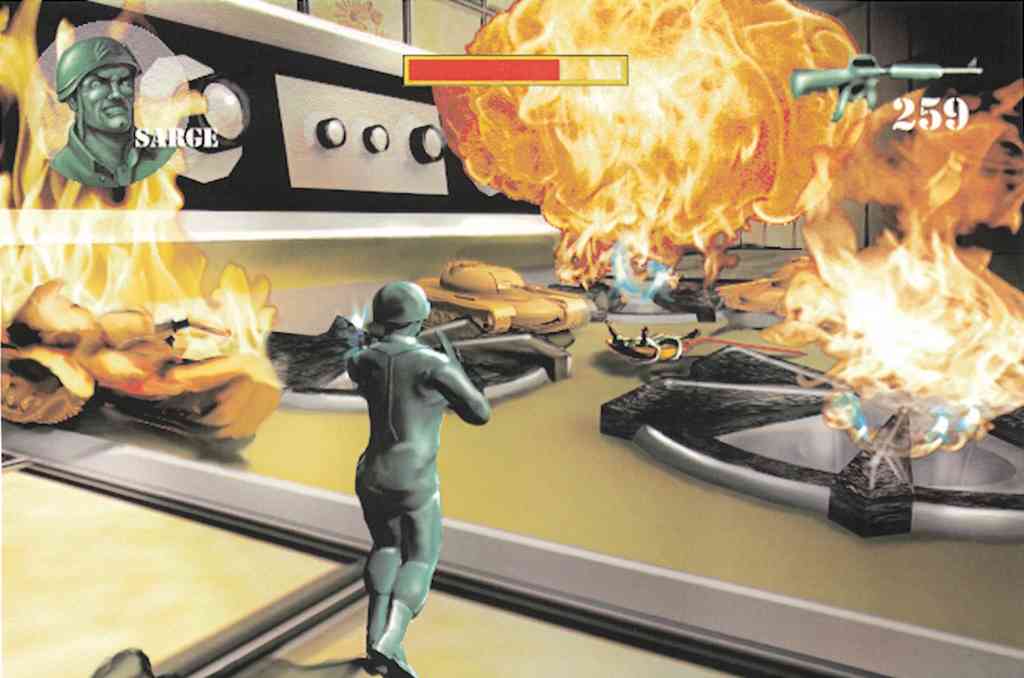
The stoves that are activated to burn the enemy or the magnifying glasses, for practically the same thing.
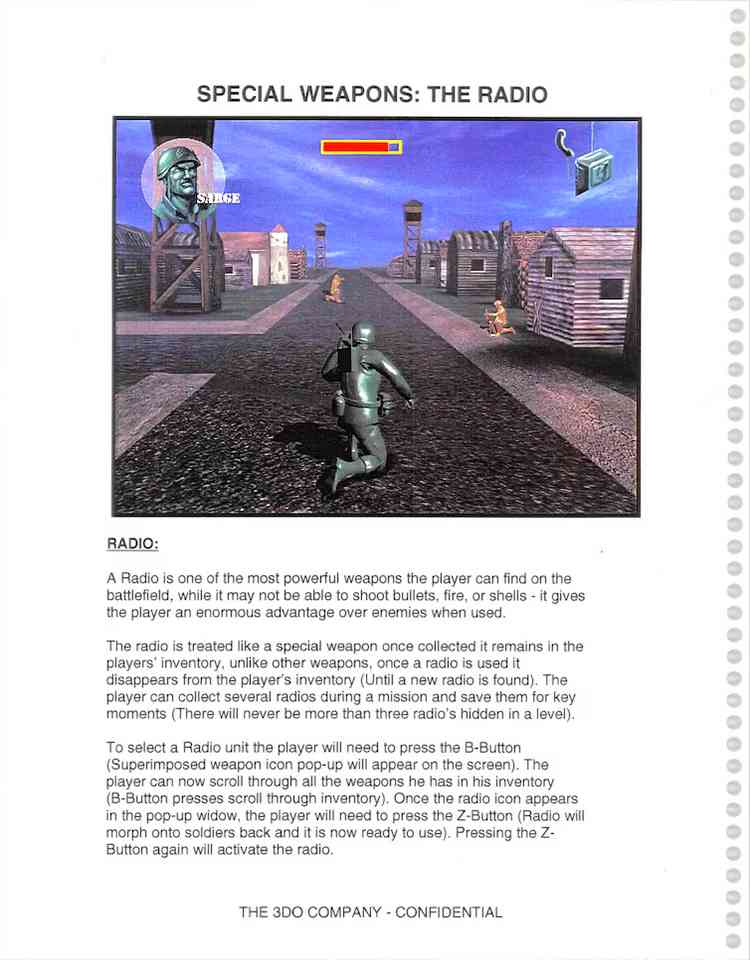
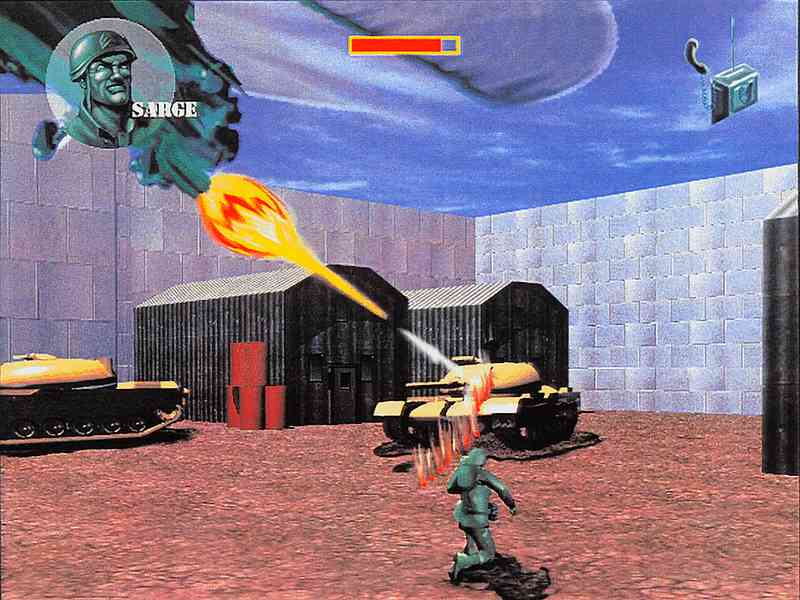
In this case a conceptual example of calling an airstrike
These examples could even showcase different UI designs, and as in this case, graphically illustrate some of the desired special mechanics that hardly ever made it into the final product. But dreaming is cheap!
How they wanted the PS2 game to look? Sarge’s Heroes 2
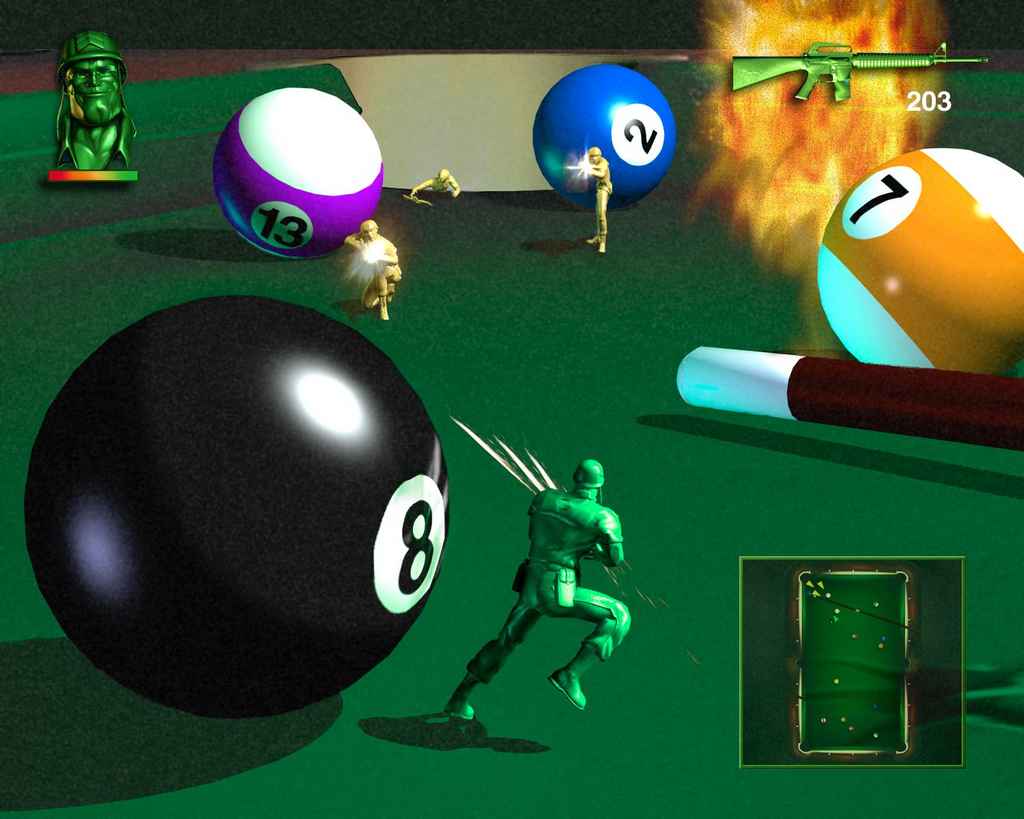
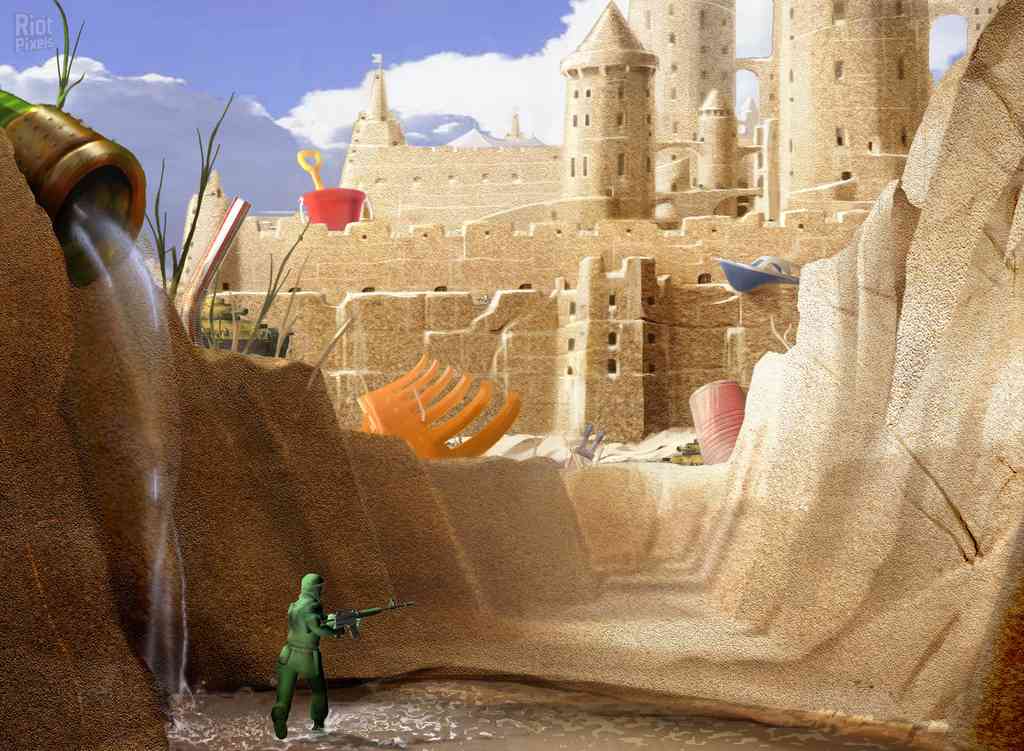
Edited images composites of CGI 3D models, scenarios in a HD definition (maybe the map editor or 3D editing program too) and a lot of added effects.
Army Men: Sarge’s War Artwork
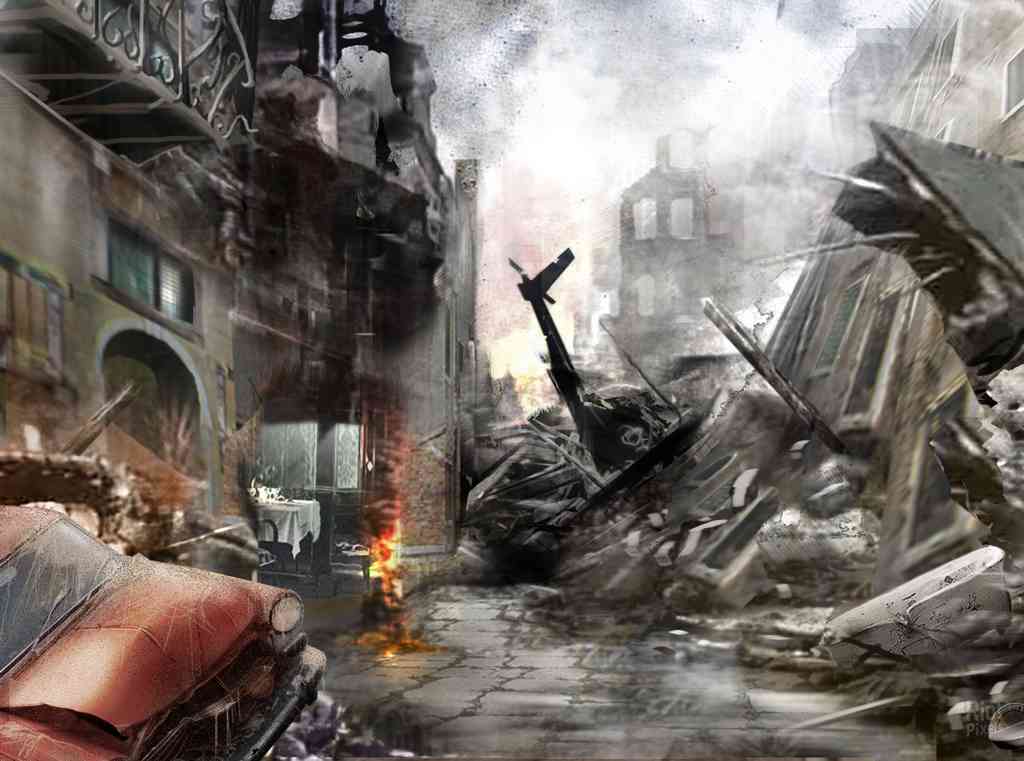
How to make a depressing, dark, and gritty Army Men: Sarge’s Heroes? Immerse everything in realistic war environments, like those of World War II Europe: everything destroyed, ruined, and with noisy, dirty, and stained textures.
More than Storyboards and Character Concepts
Back in the late 1990s and early 2000s, right at the dawn of digital design, due to a shift in generational change, processing speed, and lower computer power, hand-drawn artwork was the fastest way to conceptualize practically everything.
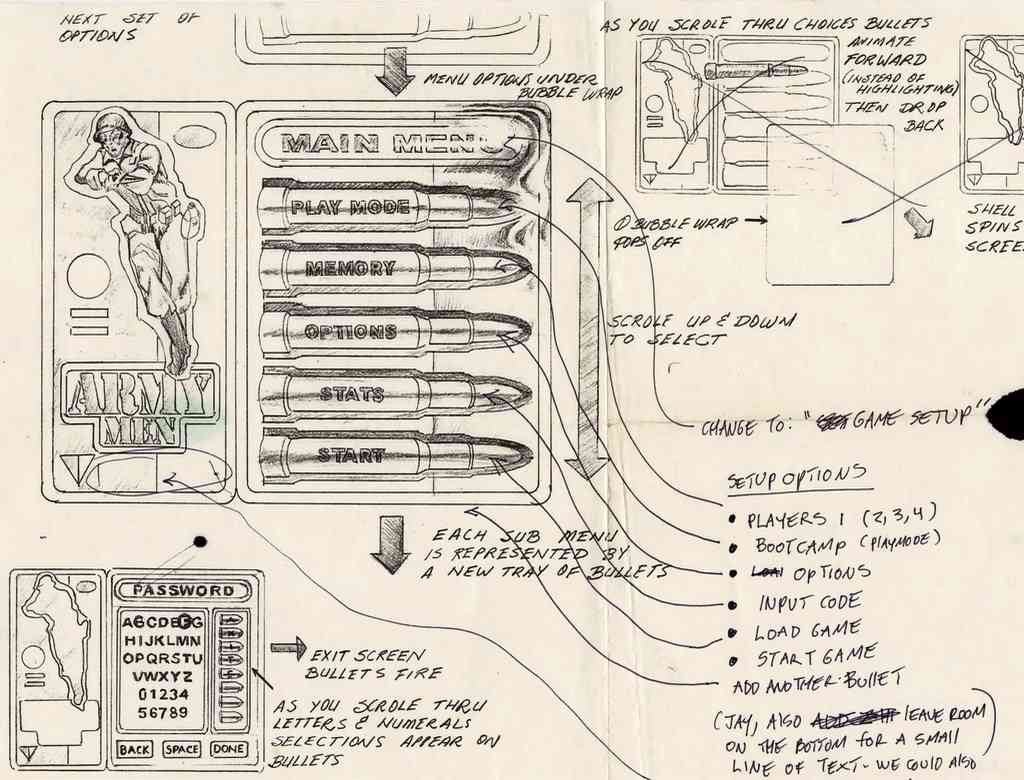
Army Men User Interface (Graphical User Interface, GUI or UI) hand drawn concept art
Army Men Level Design
Army Men Hand Drawn Level Design
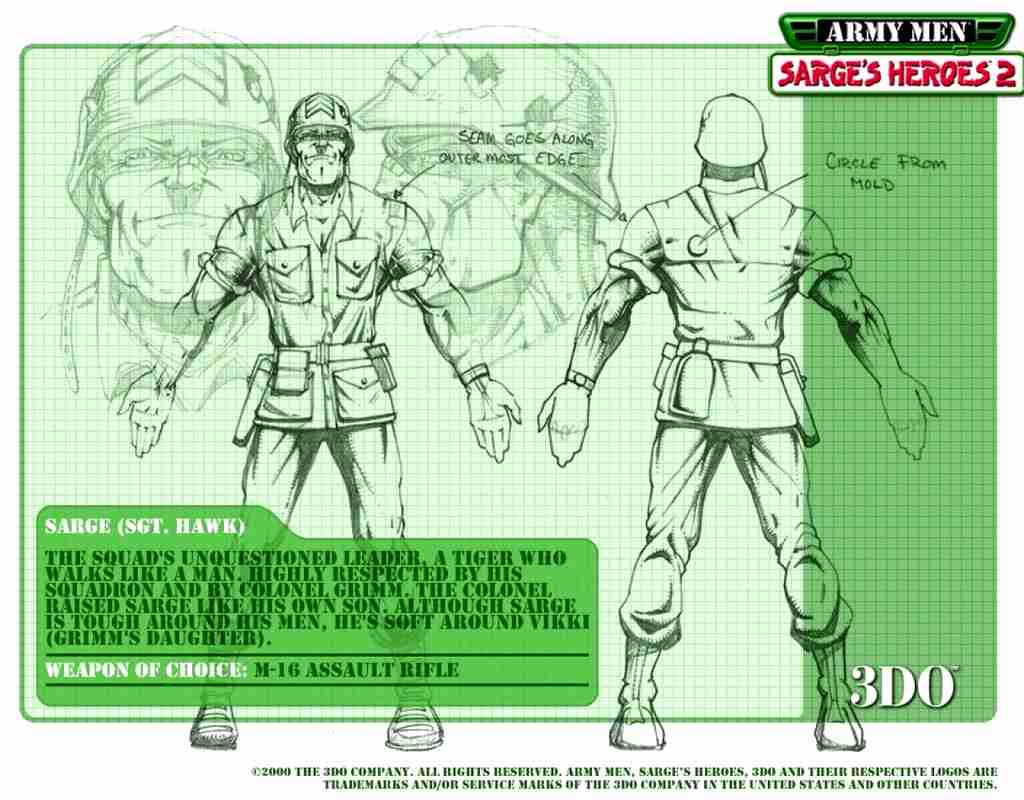
And in fact, some hand-drawn artworks, later digitized and painted on the computer, ended up included in games, such as Sarge’s Hero designs in the bios of the first game of the same name.
In short, from character, vehicle and object design, to dynamic concepts for animation, graphic representations of the story’s narrative, the design of the games’ menu graphic interfaces, to the design of the playable scenarios… concept art (at least in those days) was the backbone of the graphic/visual design of the Army Men adventures, the words and ideas represented visually, which previously began being printed on paper.
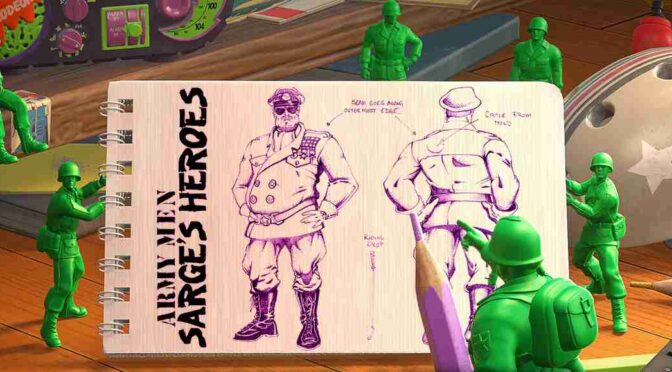
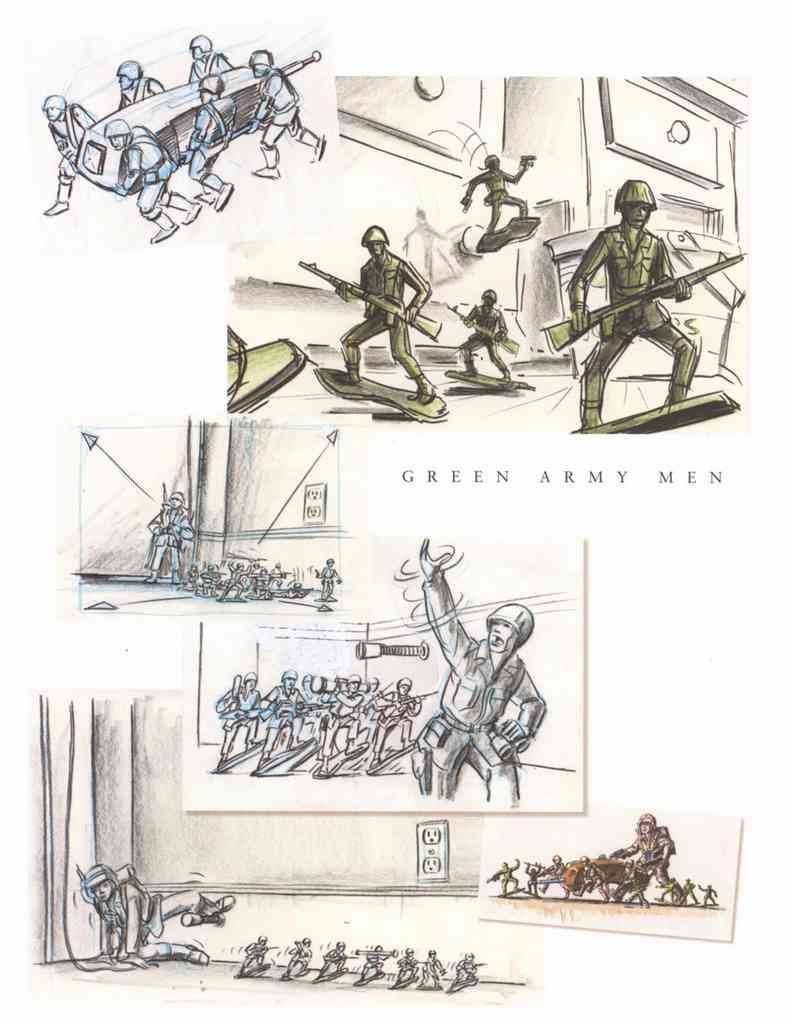
Curiosities and Trivia:Toy Story movie Concept Art from the Plastic Soldier scenesSources for this article:
… So here we go with an in-depth study on the soundtracks of the Army Men franchise games…
Soundtracks are an indelible mark on a franchise’s identity. They are very important when creating a sequel video game to a franchise as established in collective knowledge as Army Men.
Sounds and Music Samples all around the globe!
Examples long used in the past like the introduction of “Stealth Frag” track of Quake 2, the first part was used in at least two FMV in Army Men games: in Sarge´s Heroes 1 or 2 and Sarge’s War. Listen the first part of Quake 2 “Stealth Frag” and some of those Sarge’s Heroes series.
Sonic Mayhem¿s Quaker 2 soundtrack “Stealth Frag”
Army Men: Sarge’s Heroes “Snow” Shrap mission CGI Cut scene
Army Men: Sarge’s Heroes 2 “Cashier” mission CGI Cut scene
The kitchen that brings back memories
Lot of this sounds came from “East West” sample CD’s like “Symphonic Adventures” & “Percussive Adventures”
East West – Symphonic Adventures
East West – Percussive Adventures
You can hear samples of these sounds throughout the Army Men productions after the first and second games, especially in the FMV CGI cut scenes animations, because they were all mostly produced by the same teams or because they used the same sound databases files.
Army Men (PC) & Army Men 3D
For the first Army Men, a few industrial soundtracks (among others) for film and TV by the Italian composers Armando Trovaioli (SIAE), Mario Nascimbene (SIAE) (likely among others) were used, such as the example below:
Strategy (410862) Armando Trovaioli (SIAE)
The following pieces from Armando Trovaioli’s-Mario Nascimbene “War / Danger” album were used for both Army Men and Army Men 3D
This 4 soundtracks are the same but remixed or just without some instruments, used in the first in-game soundtrack for PC’s Army Men Depot Run mission:
Night Attack (RCAL1010-4): Blaring brass and military snare drums followed by drop to distant timpani. Used in-game.
Marching Drums (RCAL1010-26): Snare drums. Medium tempo. Used in-game.
Dread (RCAL1010-27): Stacked chords of menacing brass. Suspenseful. Used in-game.
Unexpected Threat (RCAL1010-30) Menacing brass and snare drums. Used in-game.
Danger Ahead (RCAL1010-18): vObsessive theme in 5/4 time. Very agitated and intense. Featuring piano, brass, timpani, strings and xylophone. Fast tempo. Used in-game.
Mobilization (RCAL1010-24): Timpani intro, pounding percussion and horn fanfares make up military march. Used in-game.
This 4 soundtracks were used in the CGI Intro and Ending from both games, Army Men & Army Men 3D:
Choking (RCAL1010-21): Fast agitated theme with strings and brass. Used in the Green Plastic News intro.
Sunday Morning Goose Step (RCAL1010-23): Military marching band featuring bass drums, tubes and piccolos. Used in the Green Plastic News intro.
The Assault (RCAL1010-34): Violent then eerie dramatic theme featuring brass, bassoon, clarinet, strings and timpani. Medium tempo. Impending attack. Used in the Green Plastic News intro.
Strategy (RCAL1010-35): Forceful intro leading to action and then to standstill; featuring brass, strings and timpani. Medium tempo. Used in the Ending.
The album description from Universal Music Database is: “Music for action movie; soldier march with full orchestra; agitated and intense; military march.”
The menu music was “Larry’s Orchestral Adventure” from “Drama – Volumen 1” (Universal Production Music) Killer Tracks. Description of the track in the Universal Production Music website: “An abundance of colors and dynamics marching through a full orchestra.”
Larry’s Orchestral Adventure (KT34-7) from “Drama – Volumen 1” album – Universal Production Music “Killer Tracks”
On the other hand, Army Men 2, for some reason, chose to use pieces of classical music (with expired copyright) composed in an electronic style, very similar to MIDI.
The final part of “William Tell Overture”, named “March of the Swiss Soldiers”
The “William Tell Overture” is a piece of music by Gioachino Rossini. He wrote it for his opera, William Tell. The opera was first performed in 1829. The overture has four sections: Dawn, Storm, Call to the Cows (often used in animated cartoons to signify daybreak) and the one used in the first Army Men 2 mission “Kitchen”, March of the Swiss Soldiers, famous for being the theme music for the “The Lone Ranger”.
Johann Strauss “The Blue Danube” AM2 version
“The Blue Danube” is the common English title of “An der schönen blauen Donau”, Op. 314 (German for “By the Beautiful Blue Danube”), a waltz by the Austrian composer Johann Strauss II, composed in 1866. Originally performed on 15 February 1867 at a concert of the Wiener Männergesang-Verein (Vienna Men’s Choral Association), it has been one of the most consistently popular pieces of music in the classical repertoire. Its initial performance was considered only a mild success, however, and Strauss is reputed to have said, “The devil take the waltz, my only regret is for the coda—I wish that had been a success!
L’apprenti sorcier (the Sorcerer’s Apprentice) by French composer Paul Dukas in 1897
L’apprenti sorcier (the Sorcerer’s Apprentice) is a symphonic poem by the French composer Paul Dukas composed in 1897 and based on the ballad of the same name by Johann Wolfgang von Goethe.
Most of the soundtracks from Air Attack (1999) were recycled from the 3DO game Uprising: Join or Die (1997). Some of the soundtracks were also used in the Battletanx franchise (also from 3DO). In both cases reworked for the Nintendo 64 versions, whose storage limits did not allow the original soundtracks to be stored. In both cases maybe were modified slightly.
You can hear a few Air Attack soundtracks here…
Although Air Attack credits the composers Burke Trieschmann, Tommy Tallarico and Barry Blum, im Uprising: Join or Die appears to be an apparent studio called “D.I.M.”. Later investigations revealed, according to witnesses, that D.I.M. was a production studio located in New York City.
N64 Battletanx: Global Assault “Tower Over Londond”
Always (Album Version) from the Rock band Halfcocked was the song from the menu of the game (very consistent with Vikki’s personality and the intention of the game).
Always · Halfcocked – Provided to YouTube by Universal Music Group
The initial animation of Portal Runner, like the rest of Cut Scenes from Army Men games, has pieces of varied musical samples, some of which we can even hear in other media today, and during that time, such as the introduction of the song GUMMY by BROCKHAMPTON, from the album SATURATION II (EMPIRE Distribution). As you can hear in the attached videos. It should be noted that on our YouTube channel we have received several copyright claims, as in this case, but Portal Runner was released in September 2001, and the GUMMY theme song was released in 2017.
Portal Runner Sep 2001 intro section wit the intro music
GUMMY song by BROCKHAMPTON (2017)
In any case, this is usually a common mistake on the part of YouTube and other social networks, since they are mostly managed by AI, and the history of sound and music samples business from more than 20 years ago, before the internet today and online business models, is very poorly documented and is very difficult to verify or even find out.
Other examples of this stock sound samples used in other media
From 2:34 we can hear the first part of the Macross 0 soundtrack below…
The first part of this soundtrack in 2:34 is the same of Starship Troopers movie main themeSources for this article:
Weapons will work in a very particular way in the Army Men Toyverse. They will work normally in the worlds they come from, but will stop working in other worlds, or will be nerfed at least. This way we ensure that the seemingly weak plastic weapons can compete against the new metal weapons. And we also make sure that you must use swords, axes, hammers, bows, arrows or your fists, in the Medieval World. So in every world you must behave “in-universe”.
That is, the world you visit is influenced by you and your elements (external elements), breaking its nature and rules. Therefore, this world you visit will seek to correct that anomaly in some way, by nerfing or disabling you and your weapons or equipments.
Functionality and materiality, not composition
The materials composition are not modified, but the shapes of some objects are, as is the case of Vikki and her bow in Portal Runner. These unique and exceptional cases allow us to make visual skins change, depending on the universe being visited. But it’s not discarded that in some way the materials may also change in the future, or that some world may produce this effect.
Composition is the proportion of the different constituents of the material (chemically and physically different). Structure, on the other hand, refers to the spatial distribution, orientation and association of the constituents. Characterizing a material is determining the parameters necessary to identify and describe it. In simpler words, it is impossible for a world different from where a weapon comes from, to transform its plastic into metal. But you can modify a banana-shaped plastic weapon to an apple-shaped one, always maintaining the same composition and proportion. The characteristics for the most part, although this can change radically to the point that, for example, a bow becomes a bayesta (which is almost the same, just seen differently by the Army Men).
The Army Men Videogames Website, home of the Army Men Toyverse
Manage Consent
To provide the best experiences, we use technologies like cookies to store and/or access device information. Consenting to these technologies will allow us to process data such as browsing behavior or unique IDs on this site. Not consenting or withdrawing consent, may adversely affect certain features and functions.
Functional
Always active
The technical storage or access is strictly necessary for the legitimate purpose of enabling the use of a specific service explicitly requested by the subscriber or user, or for the sole purpose of carrying out the transmission of a communication over an electronic communications network.
Preferences
The technical storage or access is necessary for the legitimate purpose of storing preferences that are not requested by the subscriber or user.
Statistics
The technical storage or access that is used exclusively for statistical purposes.The technical storage or access that is used exclusively for anonymous statistical purposes. Without a subpoena, voluntary compliance on the part of your Internet Service Provider, or additional records from a third party, information stored or retrieved for this purpose alone cannot usually be used to identify you.
Marketing
The technical storage or access is required to create user profiles to send advertising, or to track the user on a website or across several websites for similar marketing purposes.