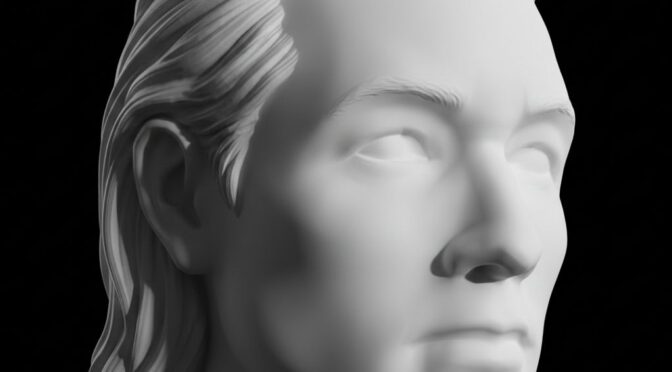
The Toyverse Chronicle of Dorian Gray
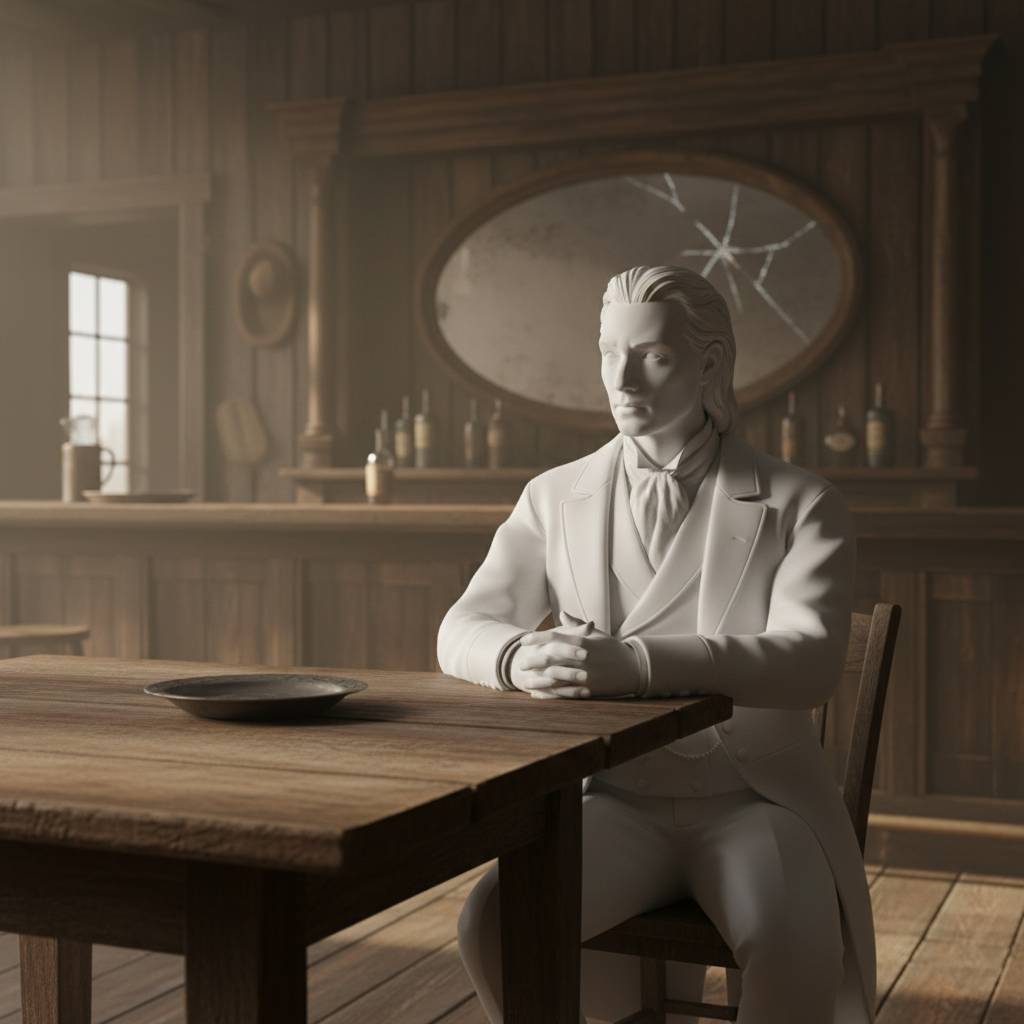
Among the many echoes of the Real World that surface within the Toyverse, few are as unsettling (or as quietly revered) as the figure known as Dorian Gray.
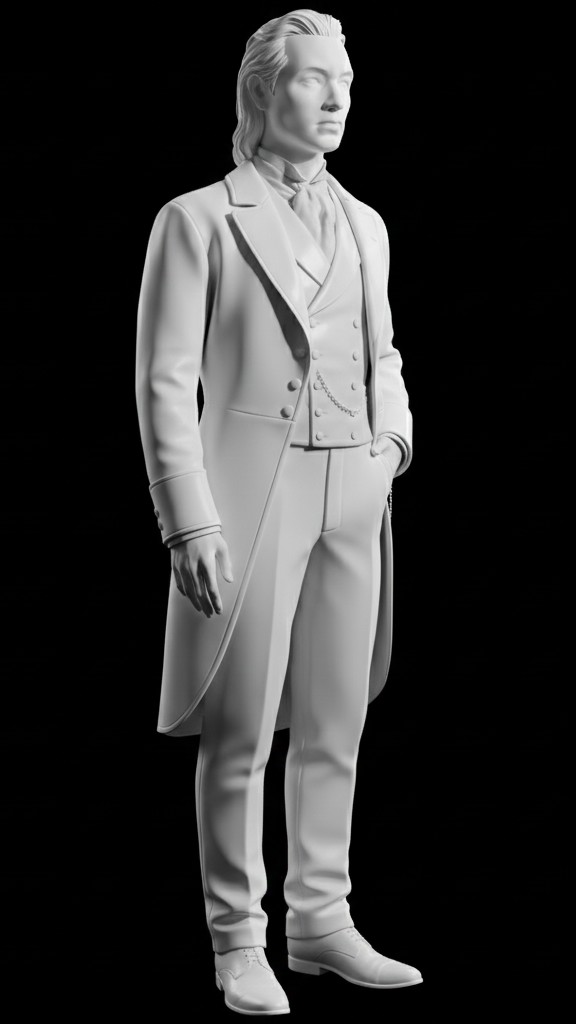
Plastic historians agree that Dorian Gray originates from a time-locked reflection of the 19th-century Real World, a period preserved in toy form across the Western World. However, Dorian does not come from the familiar frontier towns or documented regions. His origin is consistently described as lying beyond them, in far realms, distant territories whose exact locations are inferred but never recorded.
To the soldiers of plastic, Dorian Gray is not remembered as a warrior, nor as a commander, but as something far rarer: a living anomaly.
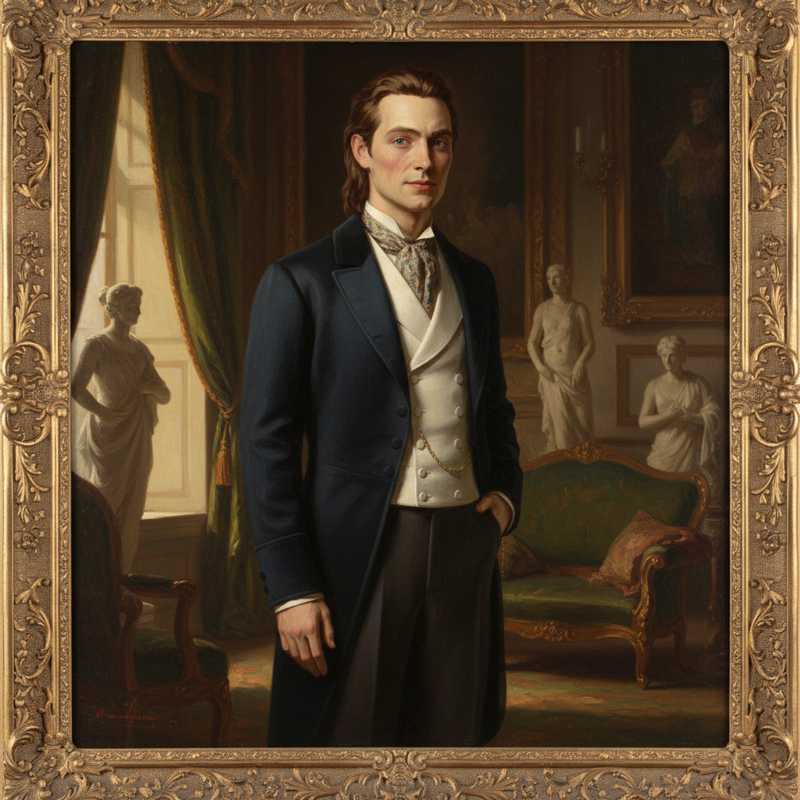
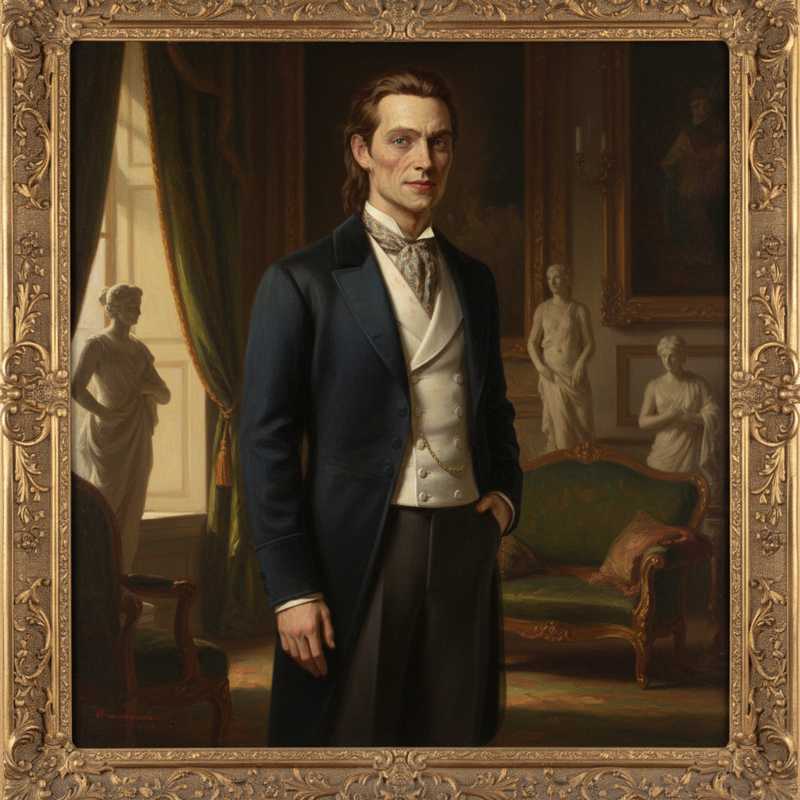
Dorian Gray is a 54 mm human-scale figure, manufactured with an unusually high level of detail and fidelity. His form shows no visible aging, no long-term damage, no accumulated wear. While other figures discolor, crack, or deform after years of exposure to conflict and environment, Dorian remains unchanged.
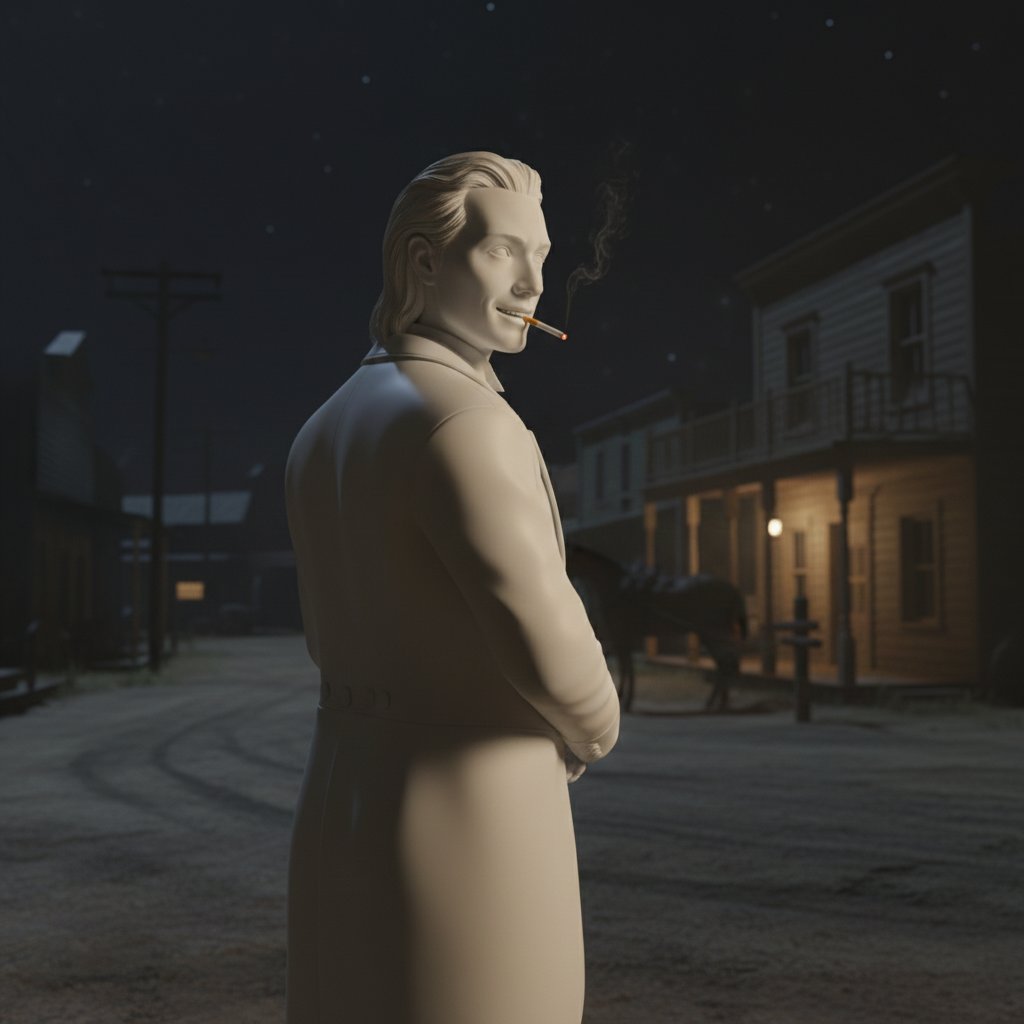
Living anomaly
What makes him exceptional is his unique regenerative capability.

When Dorian Gray is wounded (by gunfire, blades, fire, or environmental stress) his body repairs itself almost immediately. Cracks seal, fractures realign, surface damage vanishes in moments. To observing soldiers, it appears as though time briefly rewinds around him, restoring his form to a previous state.
This regeneration, however, is not growth. It is restoration.
Dorian Gray cannot alter his appearance. Any attempt to modify him (through repainting, reshaping, upgrades, battle damage, or intentional customization) fails. The moment such a change occurs, his body forcibly returns to its original configuration. Even deliberate attempts to age him or alter his silhouette are rejected. His form is fixed, locked, and immutable.
Plastic scholars describe this condition as temporal lock
Dorian Gray is not resistant to time; he is anchored to a single moment. He cannot evolve, improve, or decay. He is visually and structurally identical to the figure he was at the moment of his creation, or the moment he was changed to this state. His regeneration exists solely to enforce that state.
The reason for this became evident with the discovery of a related object.
Portrait
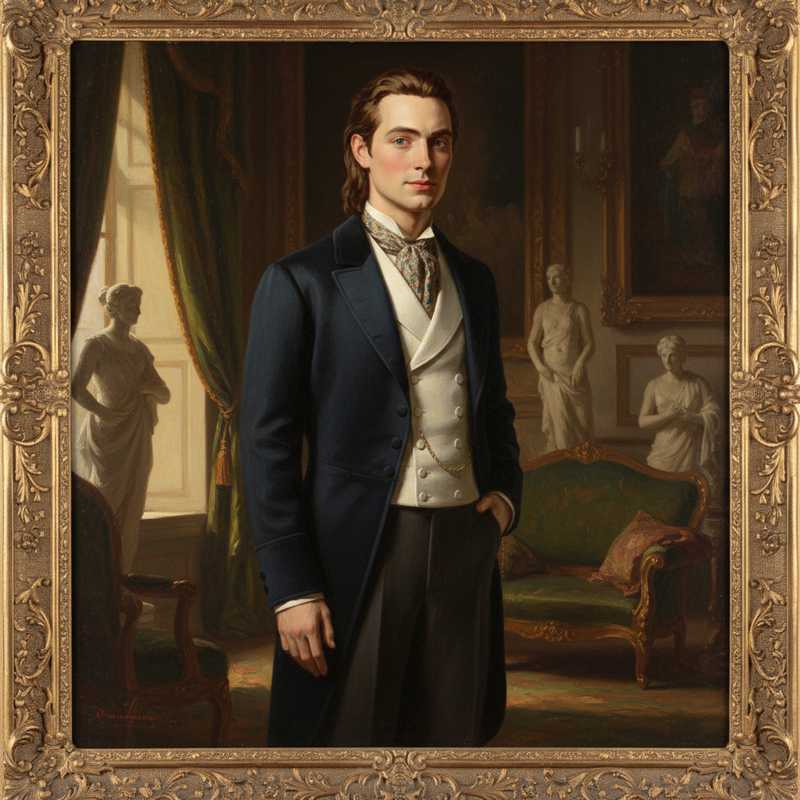
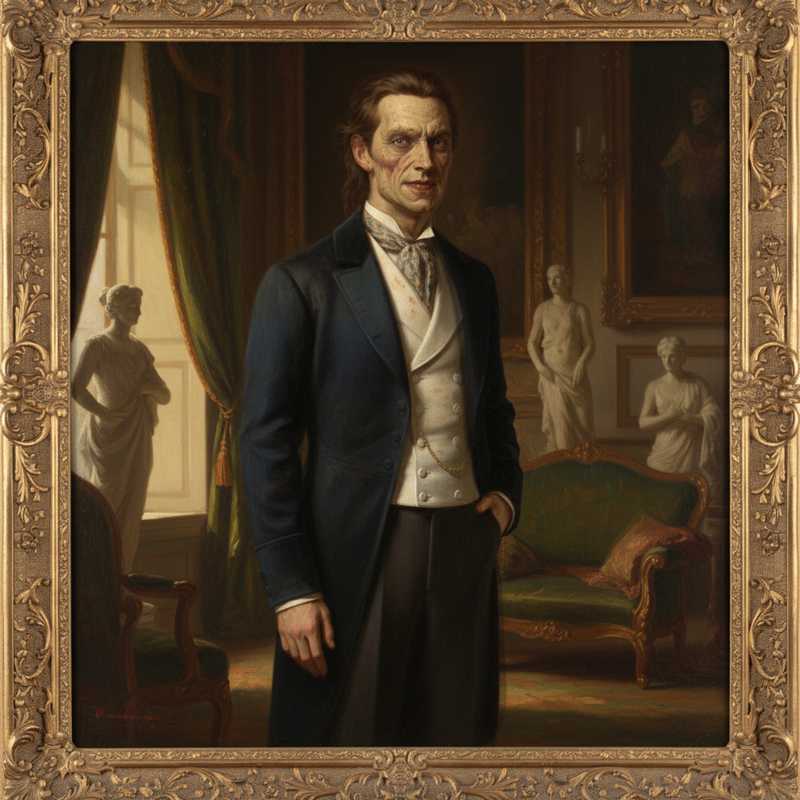
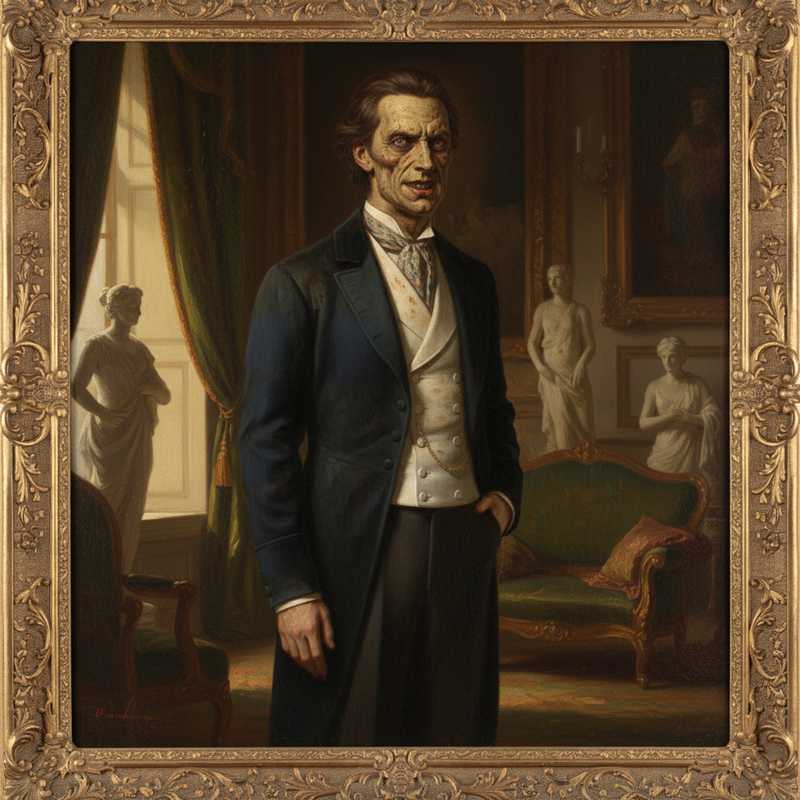
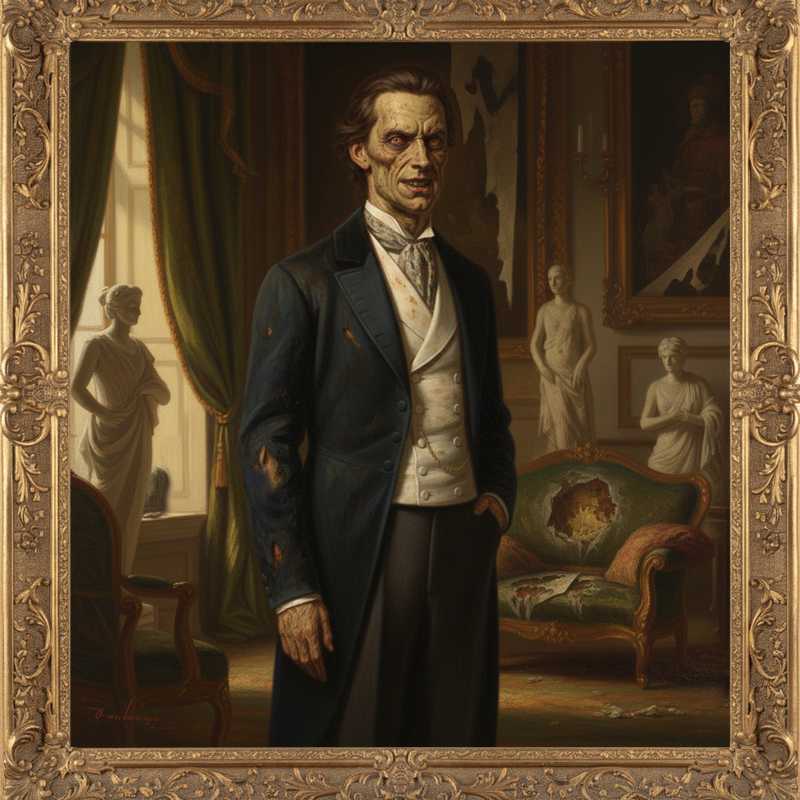
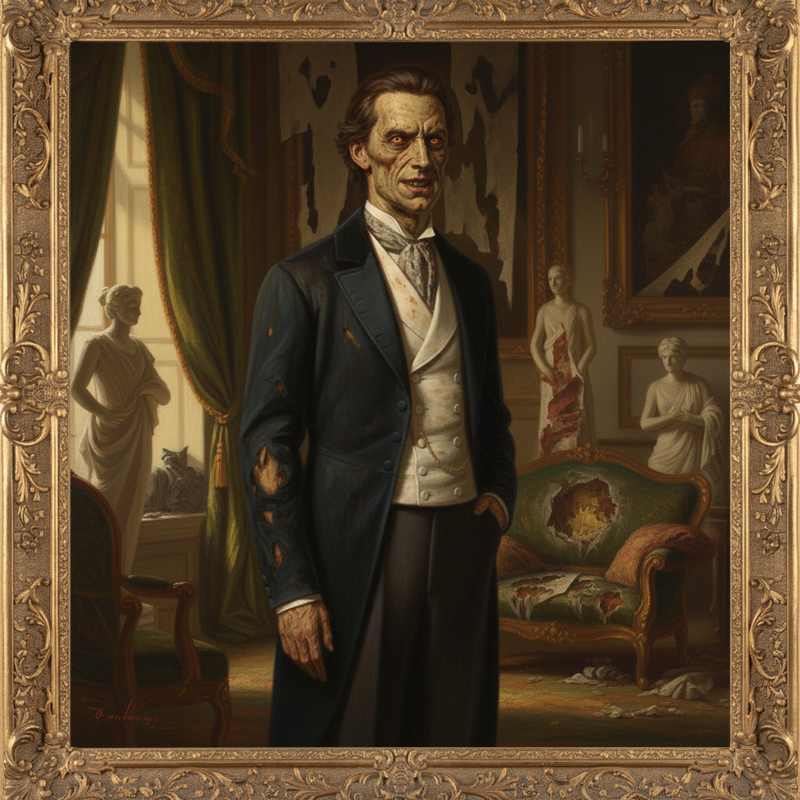
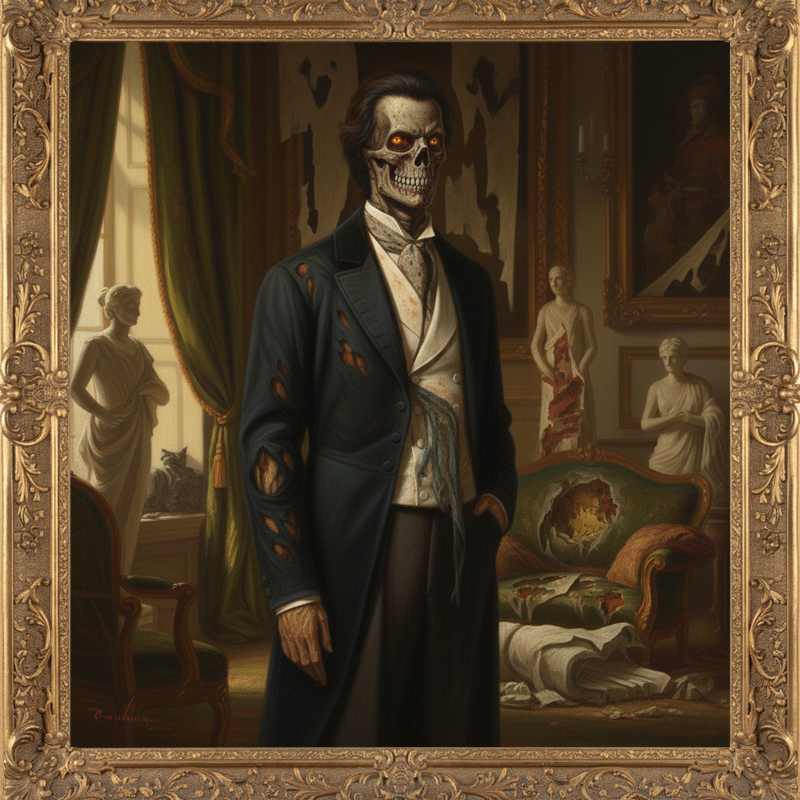
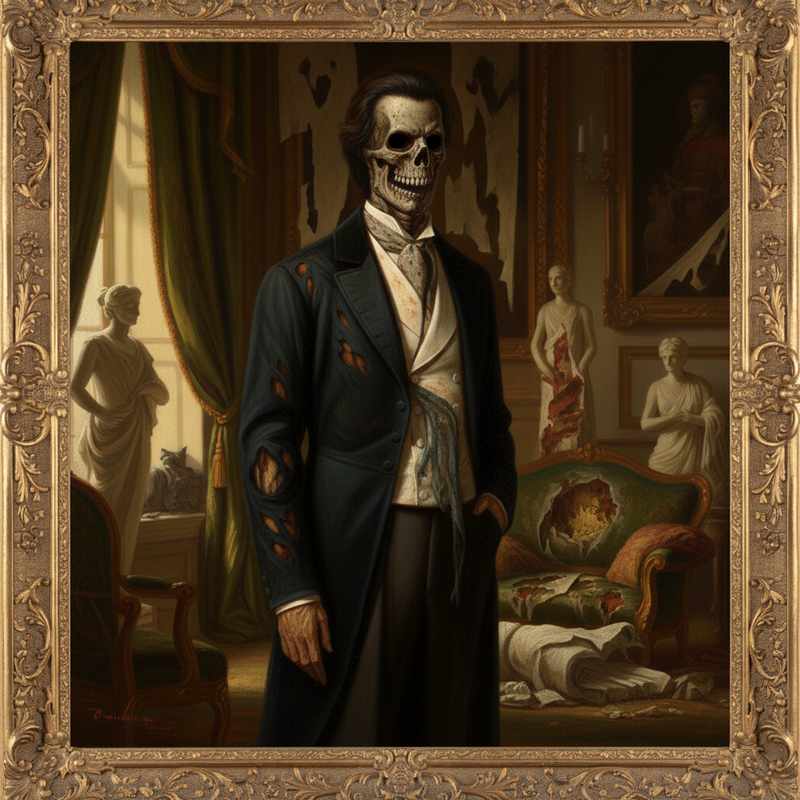
Hidden away from open battlefields, in a forgotten interior space, exists a portrait-figure: a framed plastic card with the likeness of Dorian Gray, produced through an experimental mirroring process whose origins are attributed to the Real World. This portrait absorbs everything that Dorian himself cannot retain. All damage, degradation, and corruption that should mark his body manifests there instead.
Where Dorian remains flawless, the portrait deforms. Where Dorian does not age, the portrait decays.
Scratches, burns, fractures, and distortions accumulate on the portrait’s surface, forming a silent record of every consequence denied to the original figure. To plastic soldiers, this is understood not as magic, but as a catastrophic breach of equivalence… a violation of the unspoken law that all toys must eventually wear down.
Unlike some fractured records suggest, Dorian Gray did not perish. He endured. Whether the portrait was destroyed, sealed away, or displaced remains classified or unknown, but Dorian himself persists… unchanged, unaging, and unfree.
Among Toykind, his figure and his fate are widely understood as a direct reflection of his literary counterpart from the Real World. Soldiers recognize the pattern instinctively: a being preserved beyond time, immaculate in form, while consequence is displaced elsewhere. His story is not coincidence, but echo… a narrative carried across realities and recast in plastic.
As years passed, Dorian withdrew further from known territories. While Green Cowboys aged through campaigns and Tan Outlaws bore the marks of survival, Dorian remained untouched, increasingly alien among his own kind. His permanence bred discomfort. He did not inspire envy, but unease.
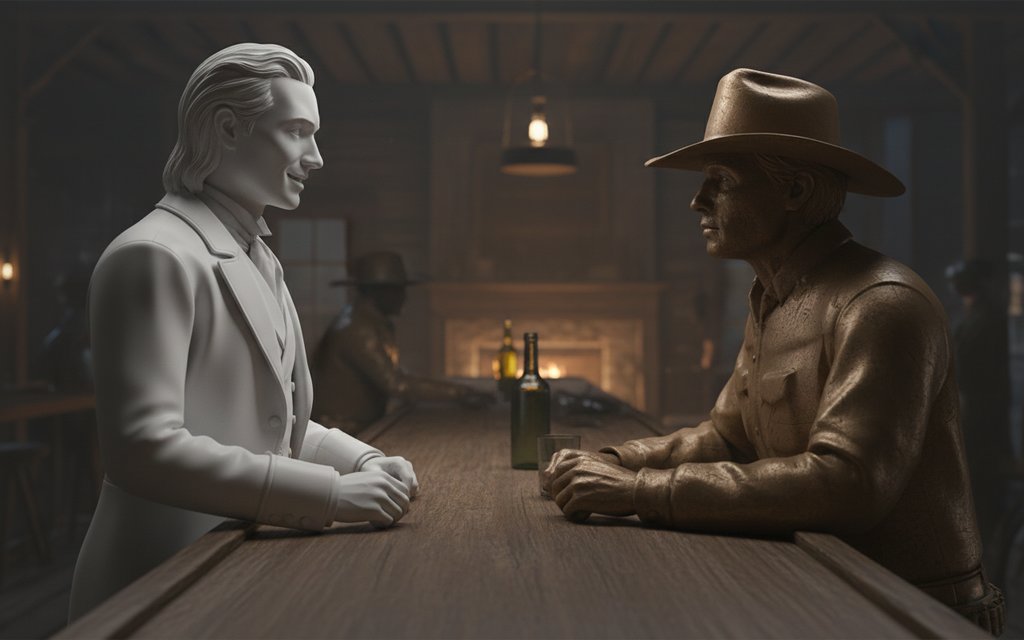
Within the Toyverse, Dorian Gray did not become a hero or a cautionary tale of death: He became a warning of stasis.
Plastic soldiers still speak of him when encountering figures that do not age, do not scar, and do not change. Not as myth, but as proof that refusing time carries a cost greater than destruction.
And in later eras, when Vikki Gray appears (bearing his lastname not by myth or mistake, but by bond) those familiar with the old records understand the implication immediately.
Some legacies are not inherited through rank or mold line: Some are inherited through time itself…
Behind the scenes:
Dorian Gray within the Western World
Dorian Gray fits naturally within Western World. From the soldiers’ perspective, Western World represents the 19th century of the Real World, a broad historical era encompassing:
– The Old West
– Colonial conflicts
– The late Victorian age
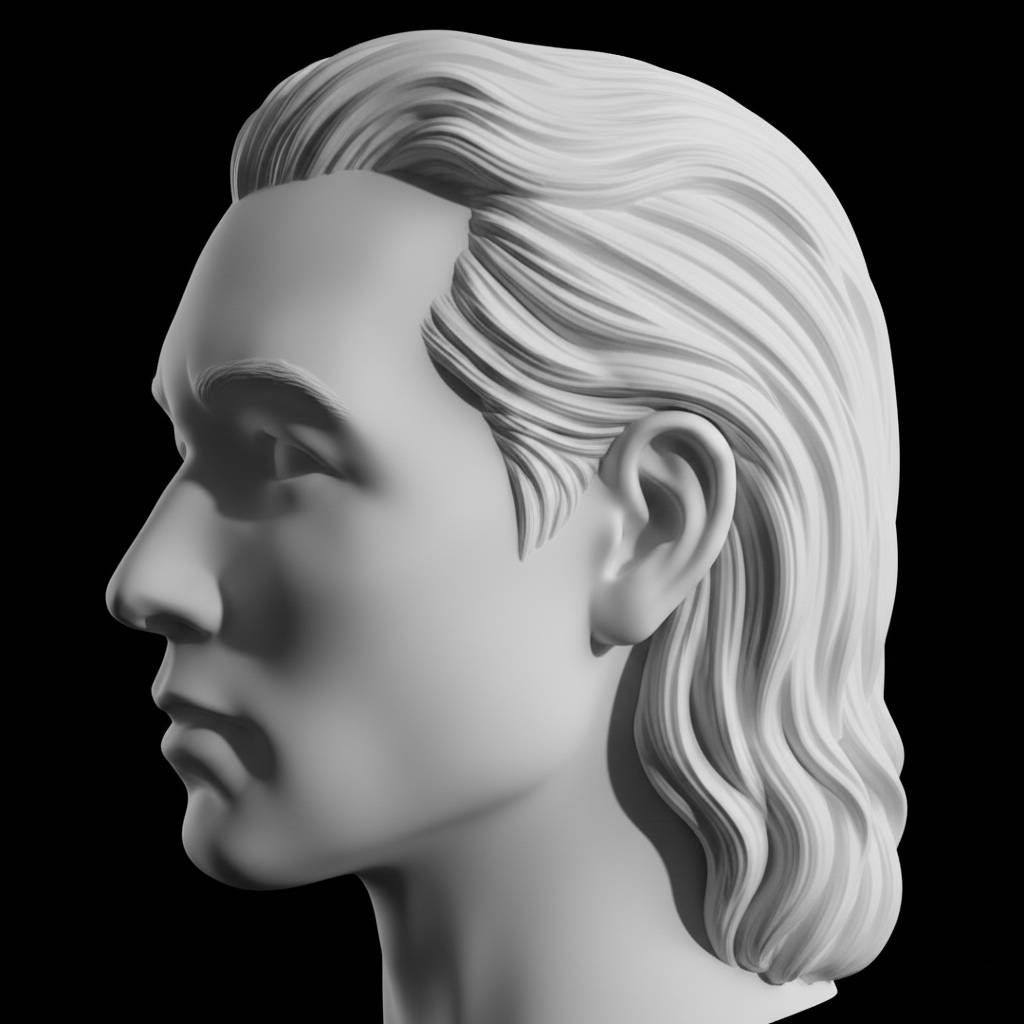
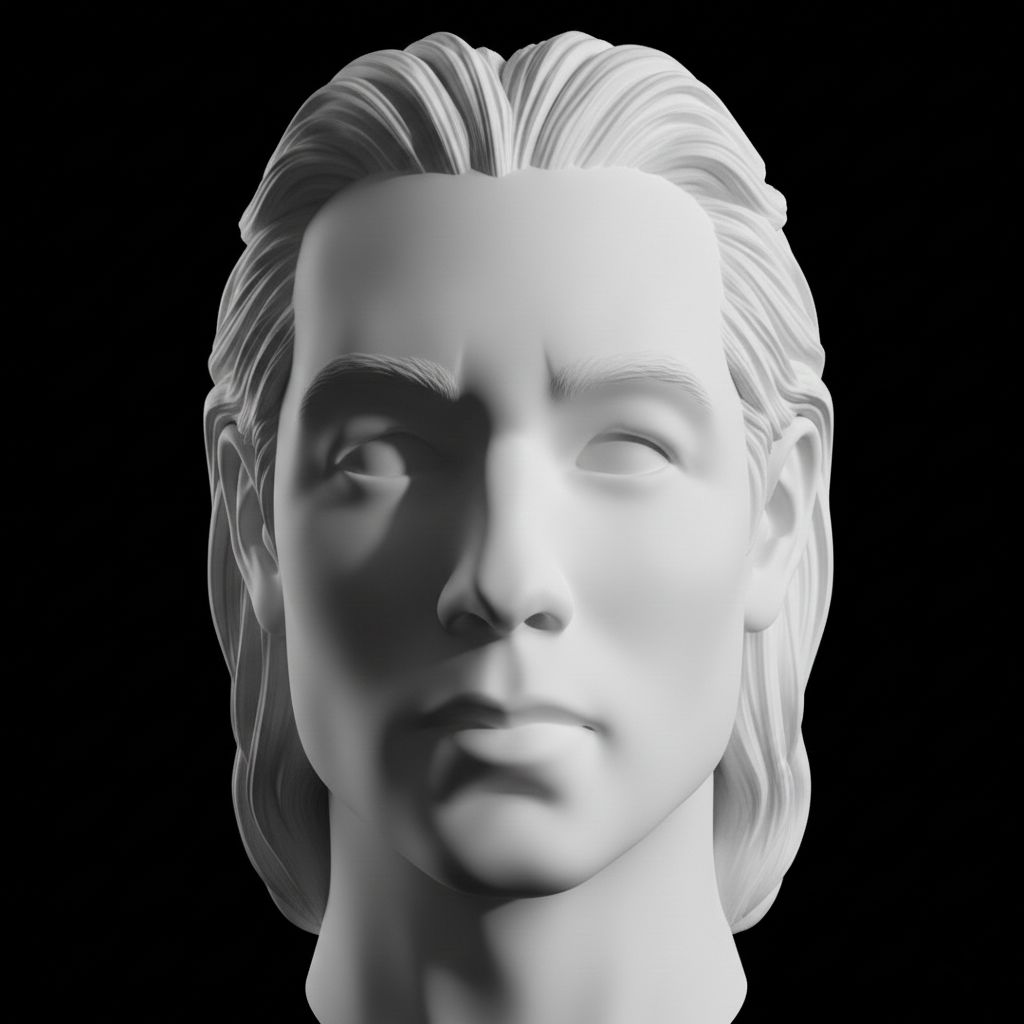
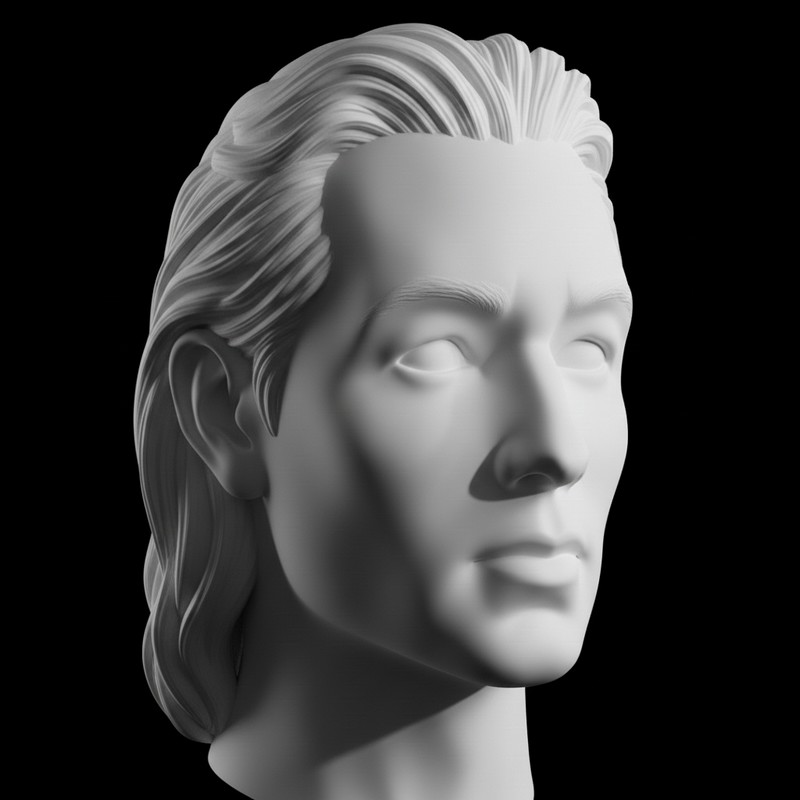
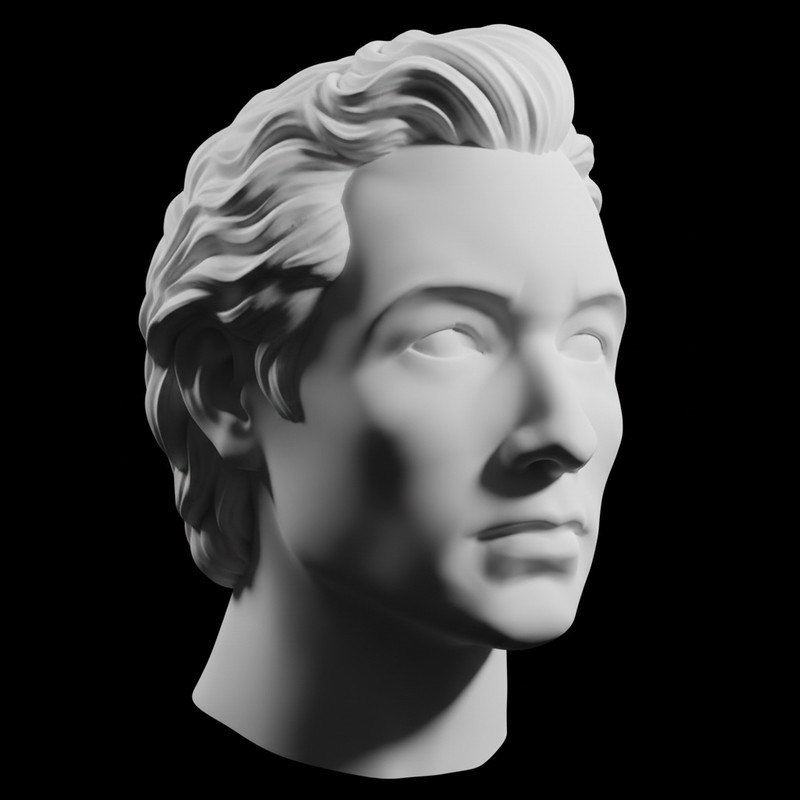
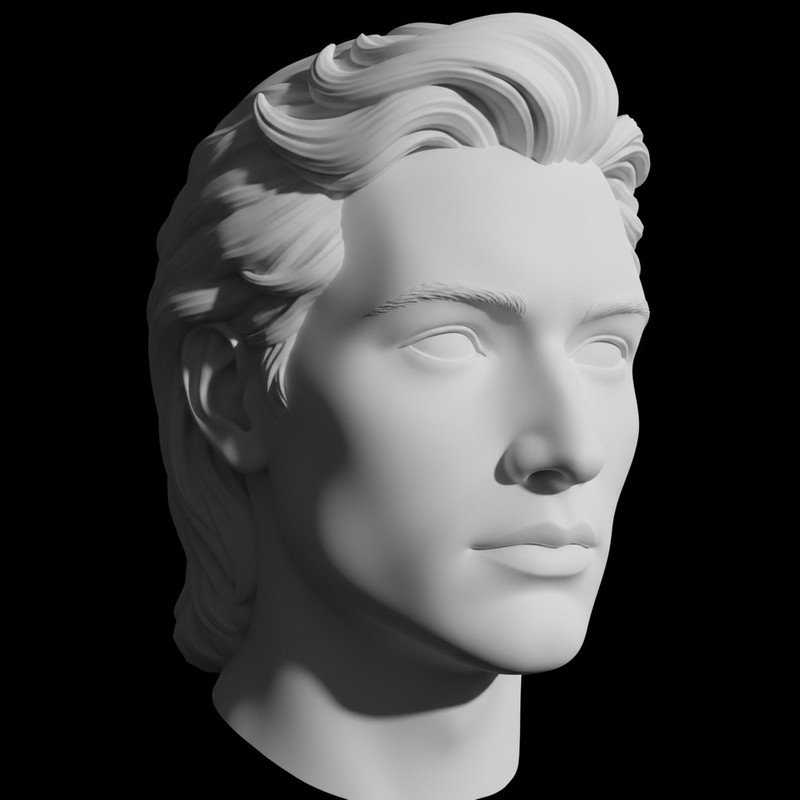
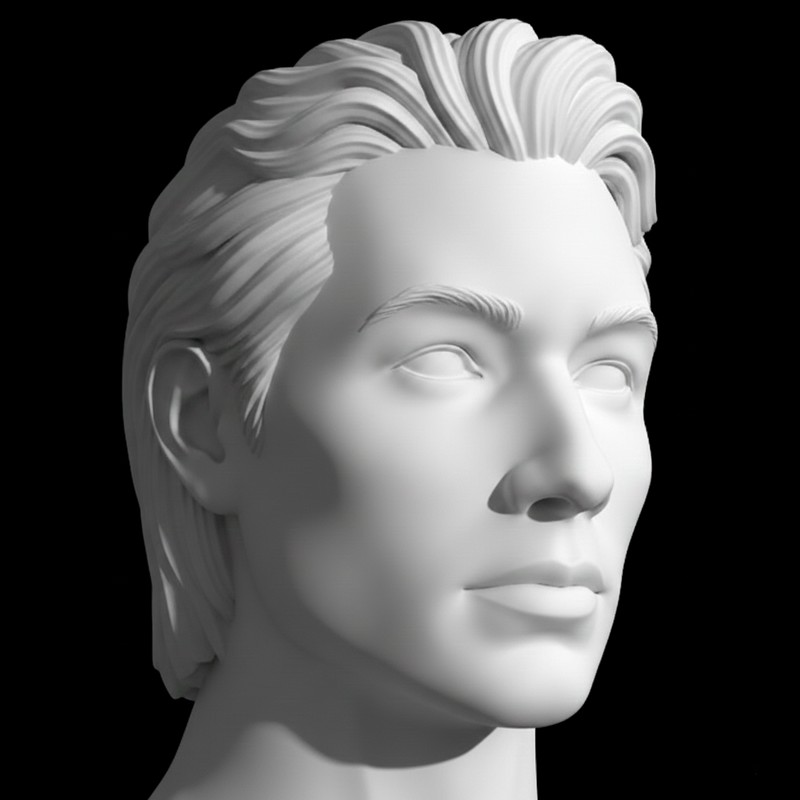
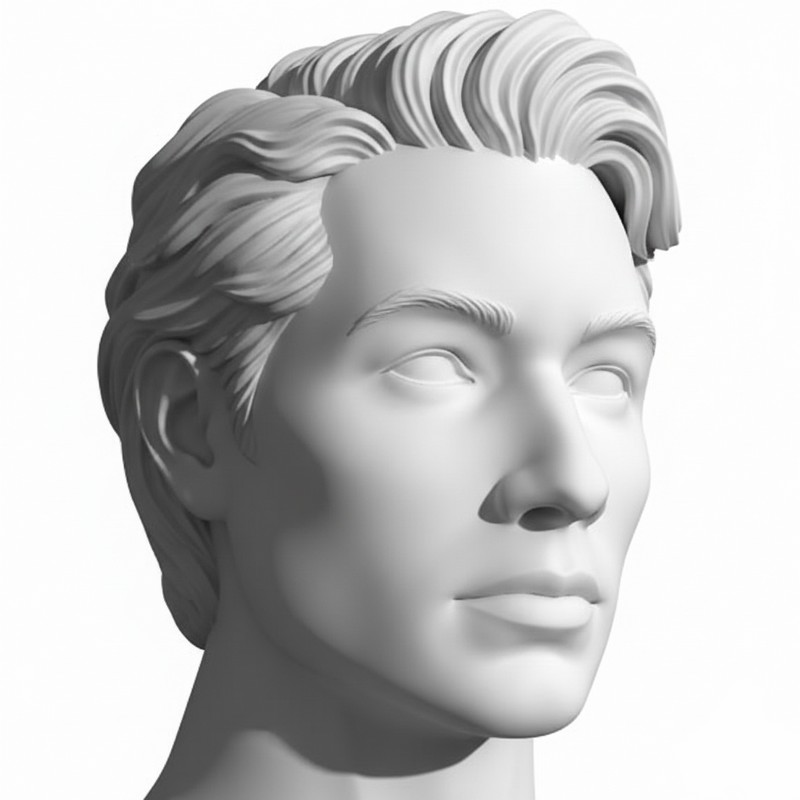
Dorian Gray, as a figure associated with that period of the Real World, is therefore perceived as:
– A living relic of that era.
– Someone whose aesthetics, values, and symbolism belong to that time.
– Not necessarily native to Western World main theme, the Western USA, but fully compatible with it. The Europe victorian stuff happens in another location, but within the same age.
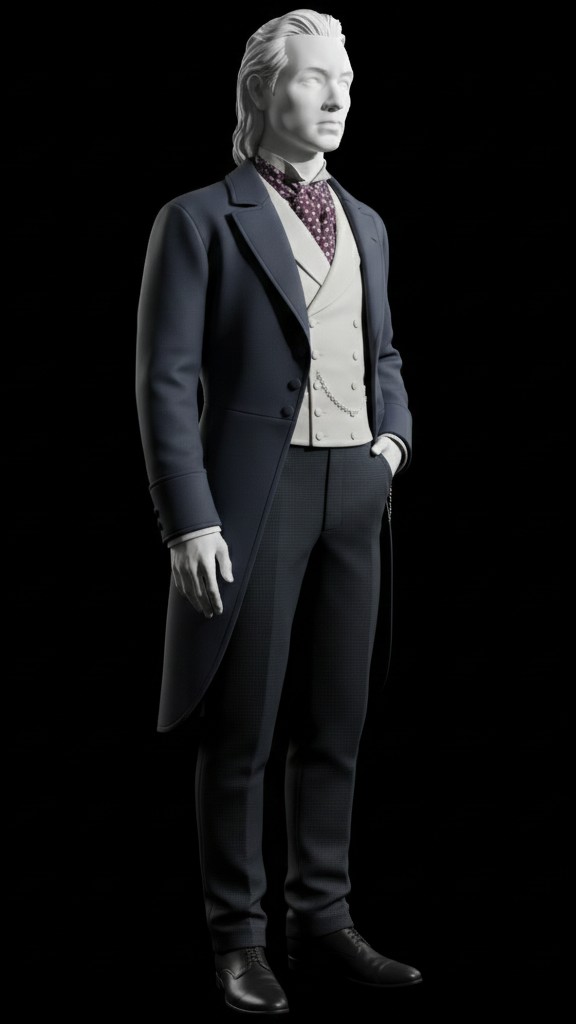
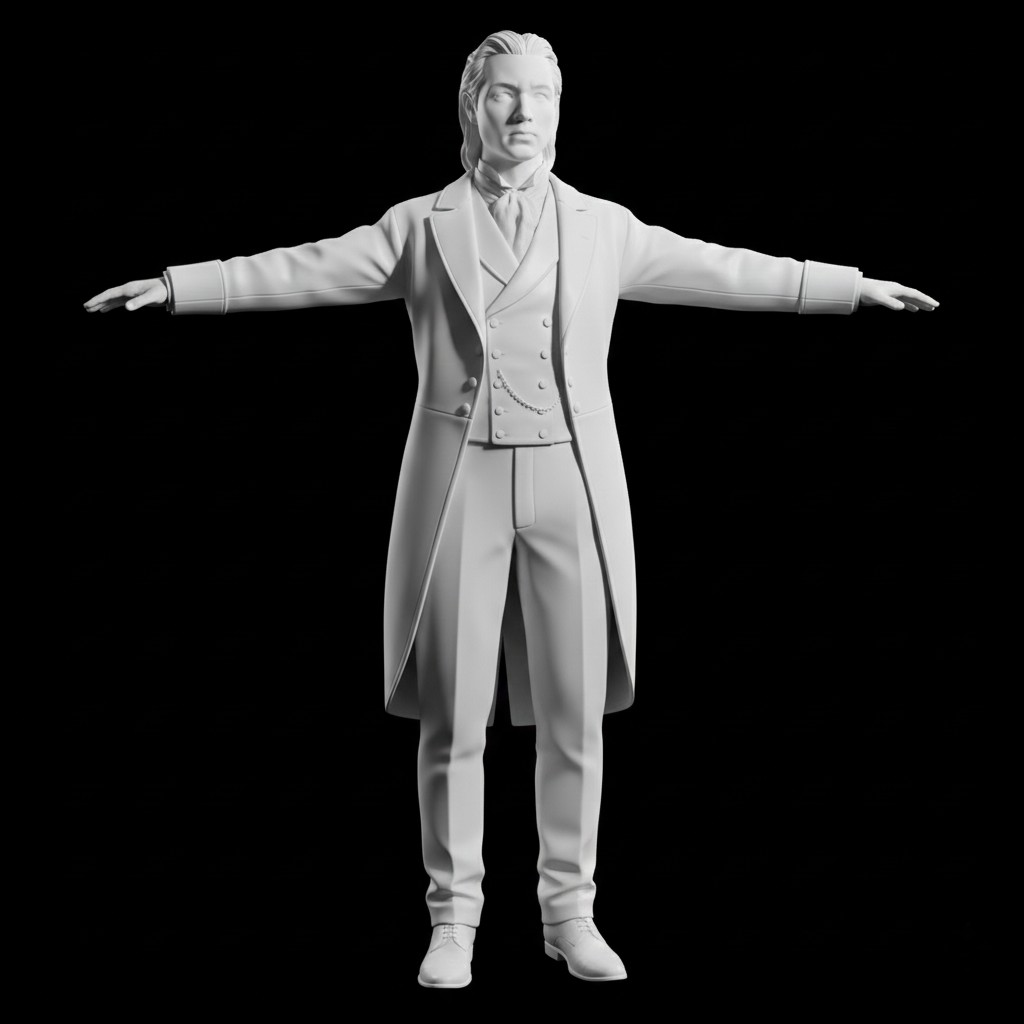
This interpretation strengthens the idea that Vikki Gray does not carry that surname for military, cloning, or factional reasons, but due to a personal bond with a figure anchored to another time of the Real World.