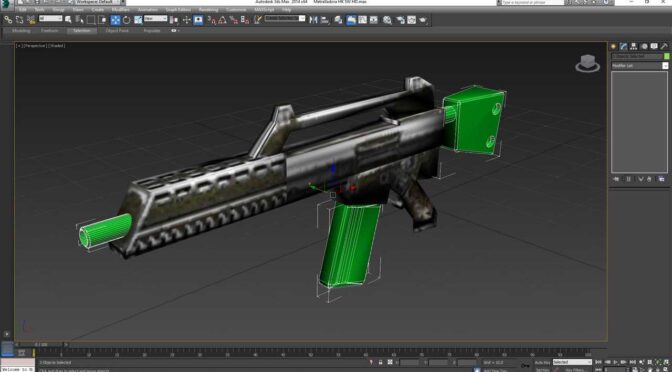
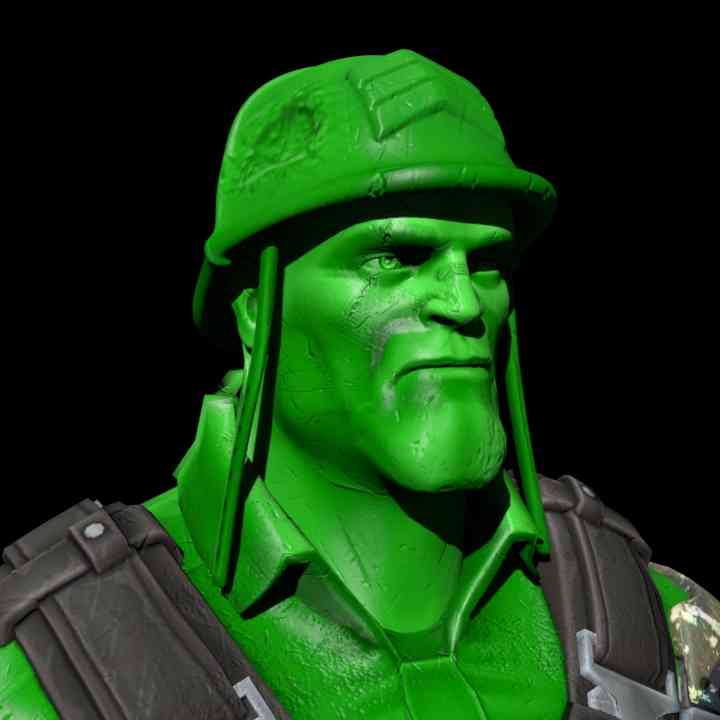
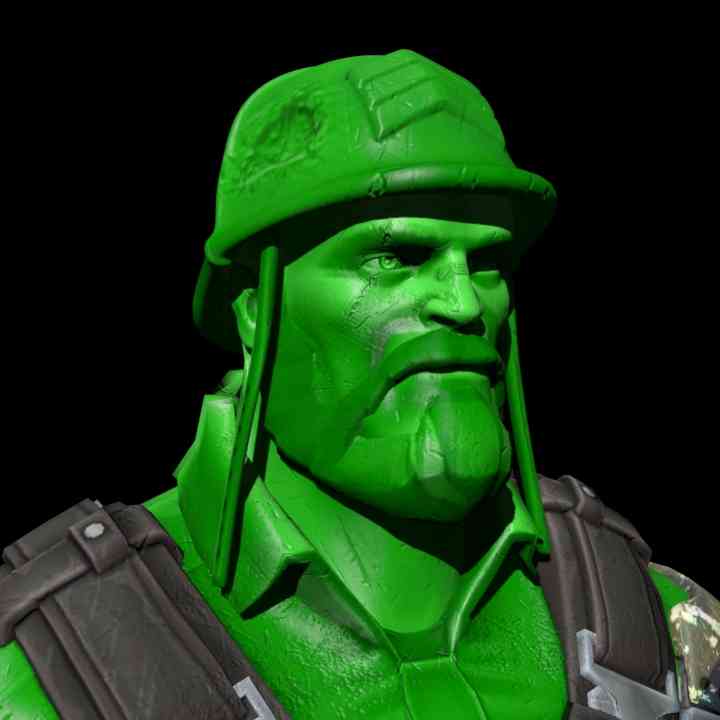
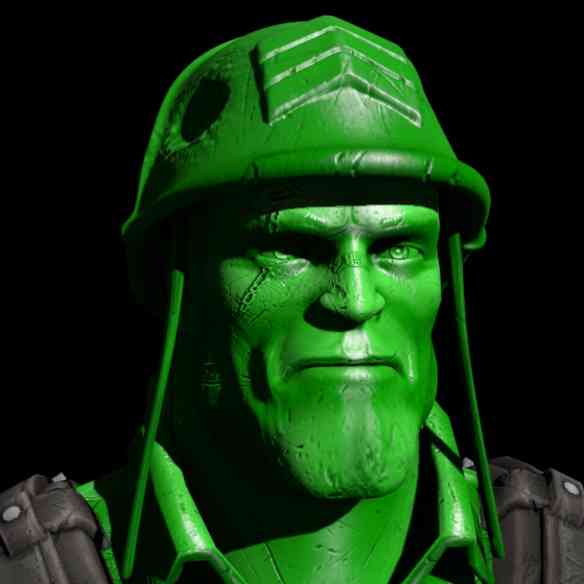
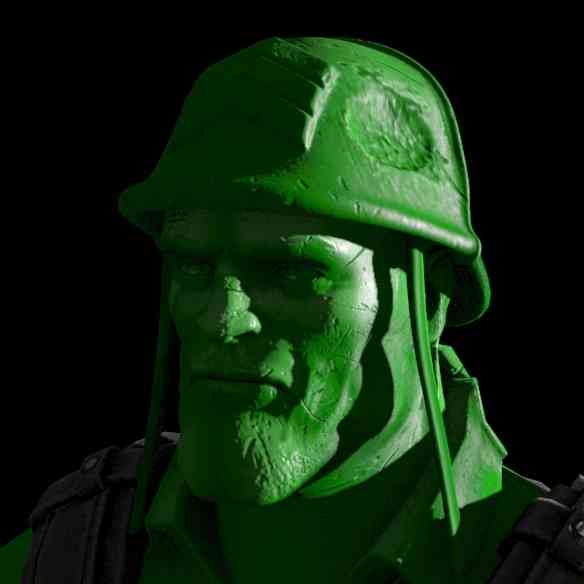
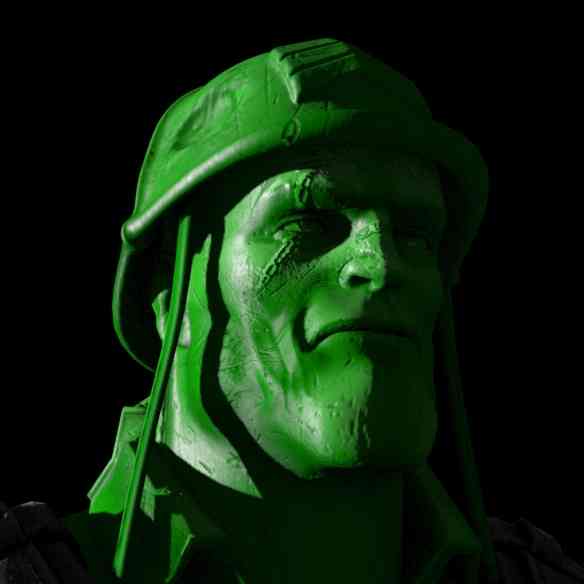
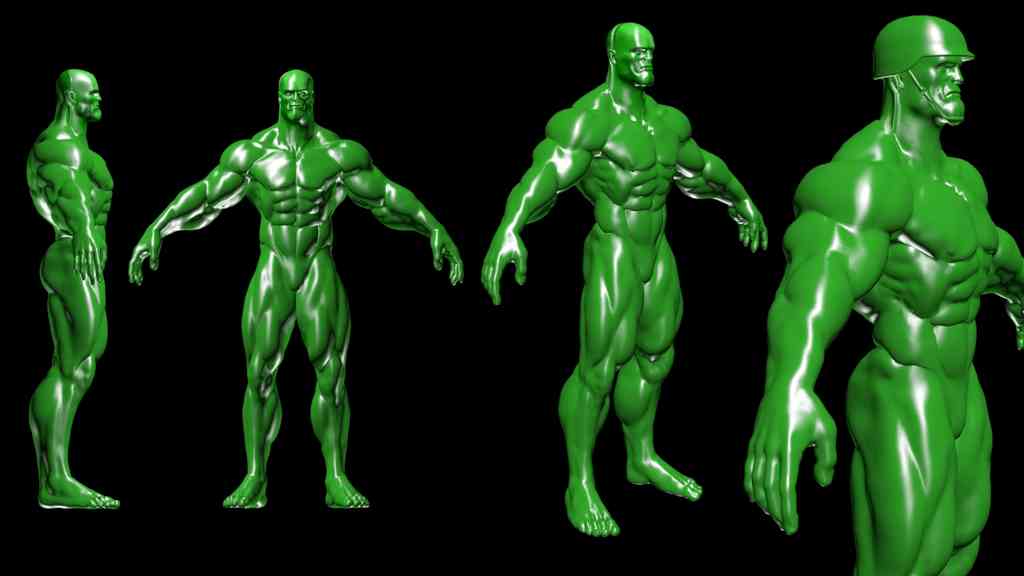
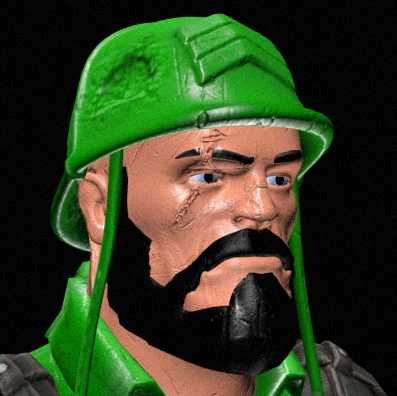
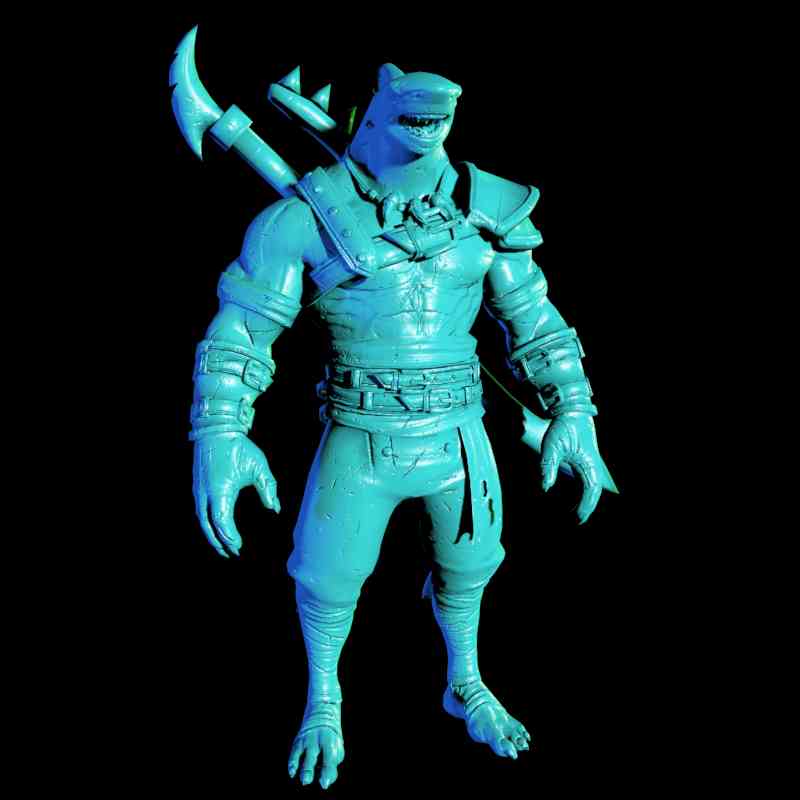
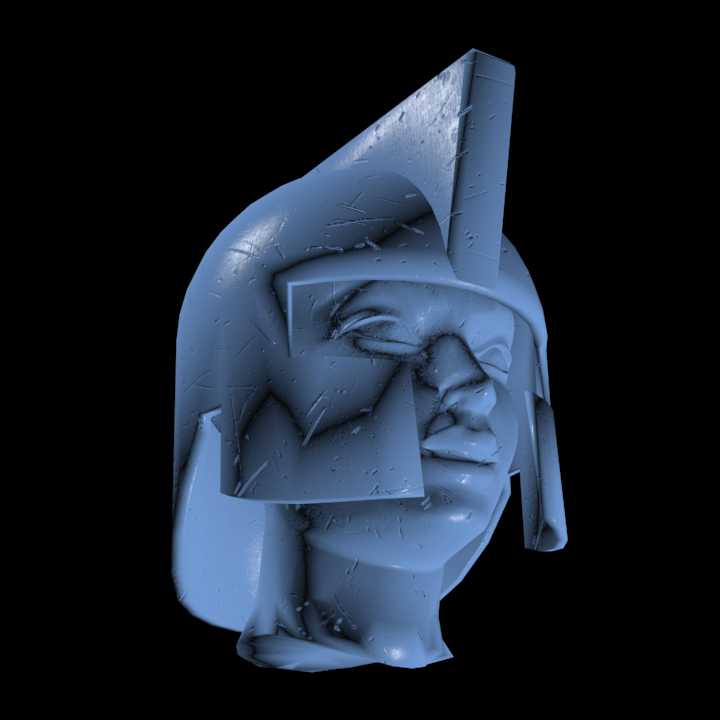
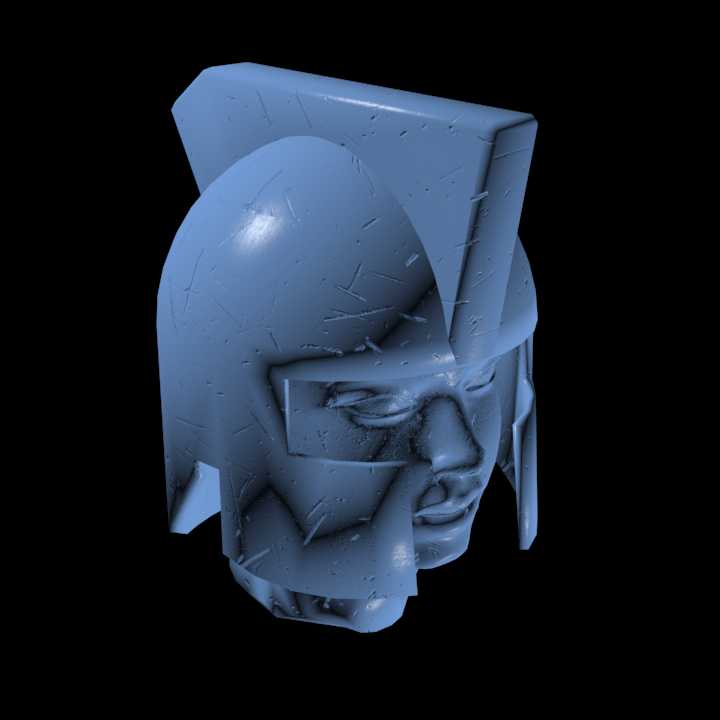
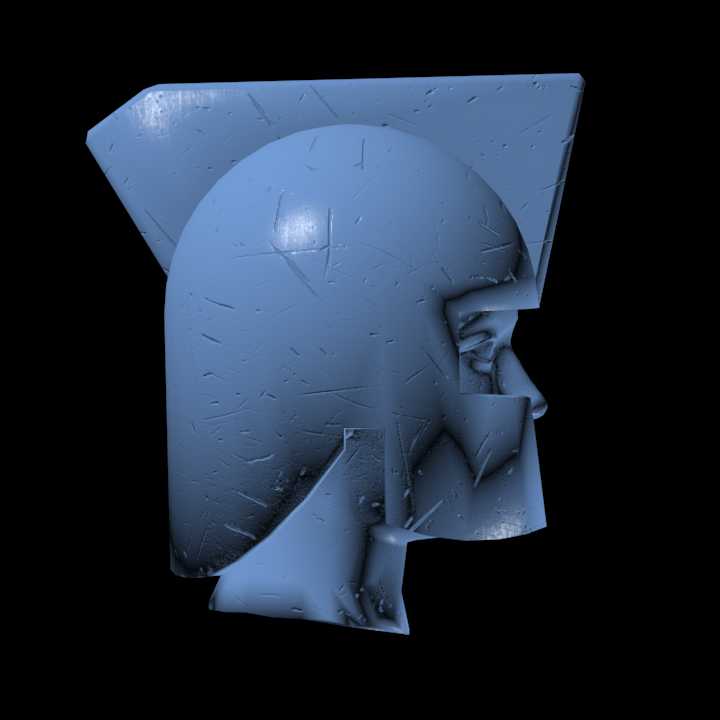
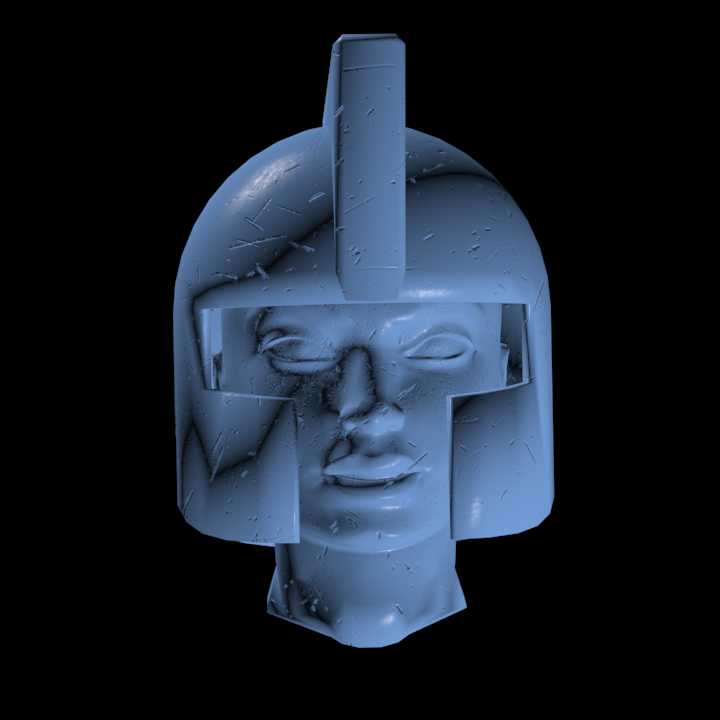
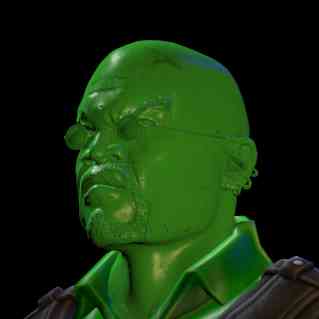
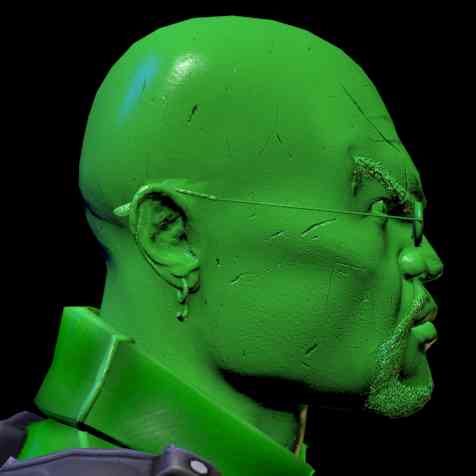
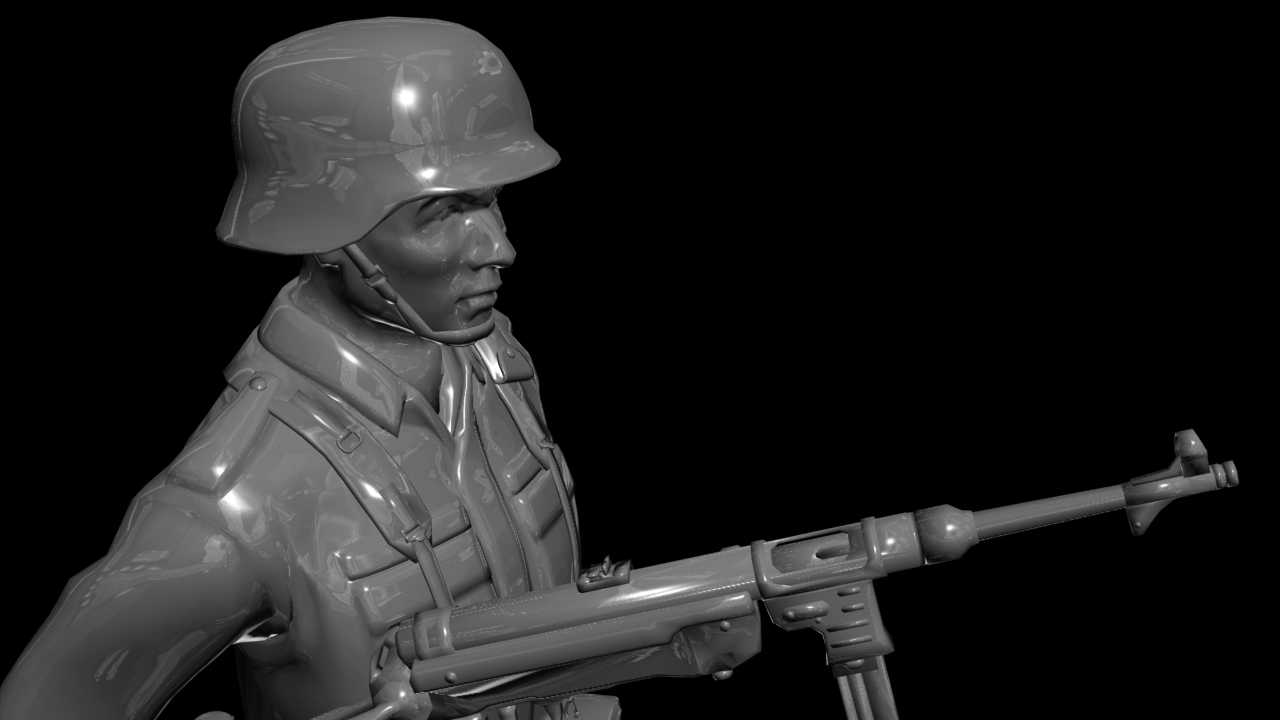
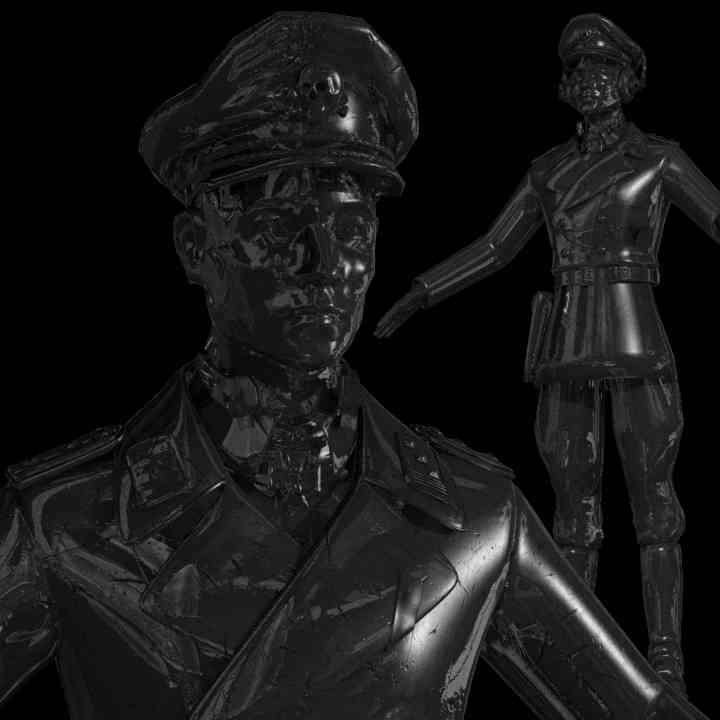
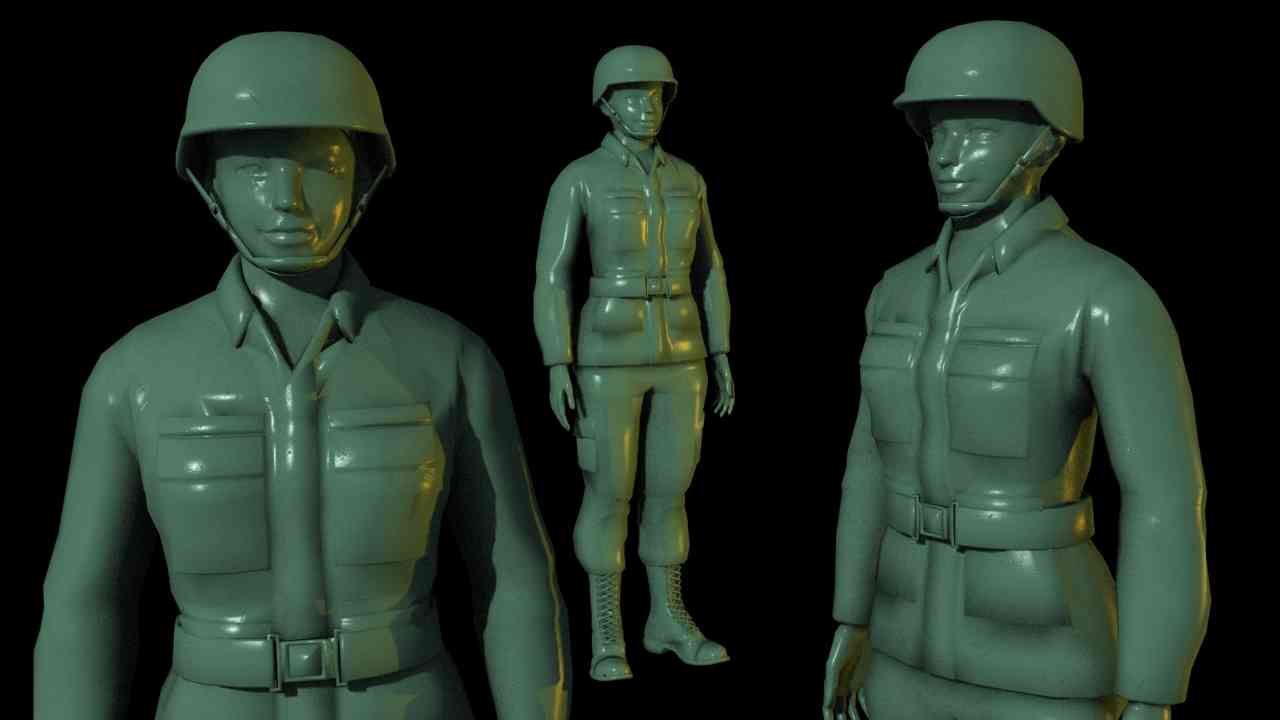
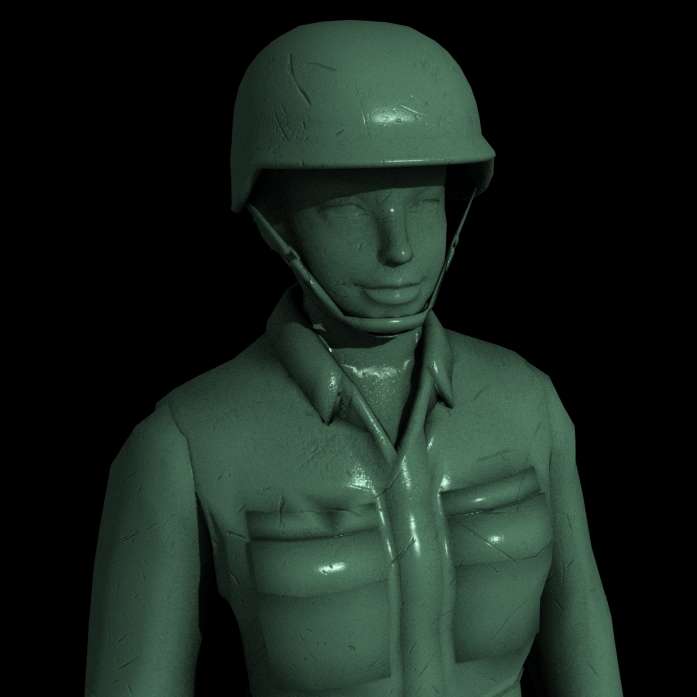
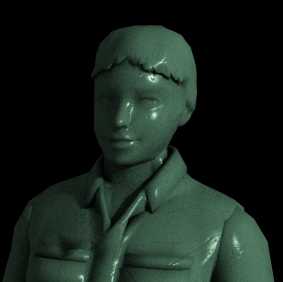
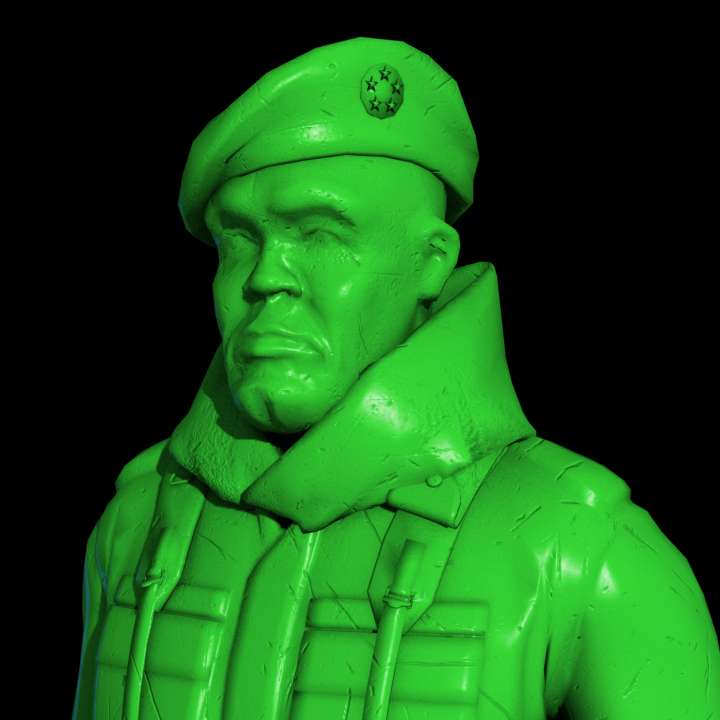
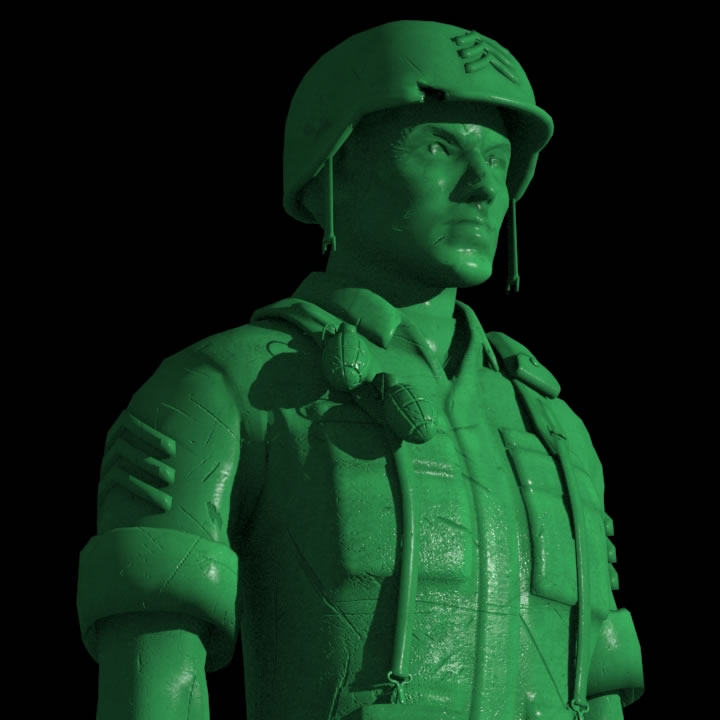
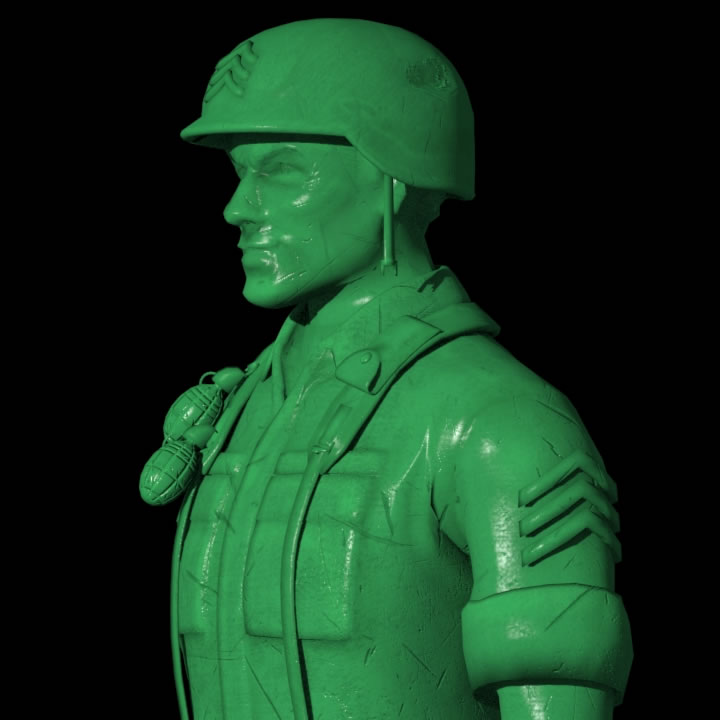
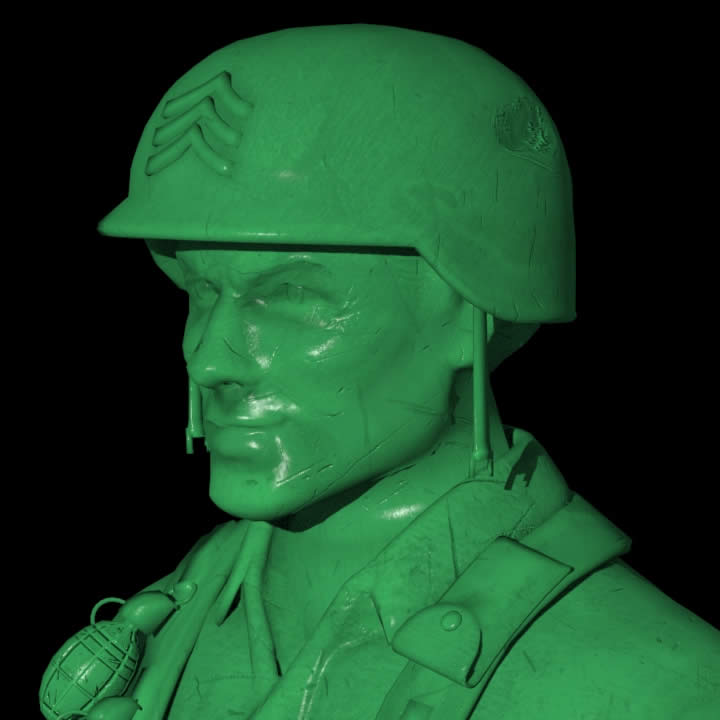
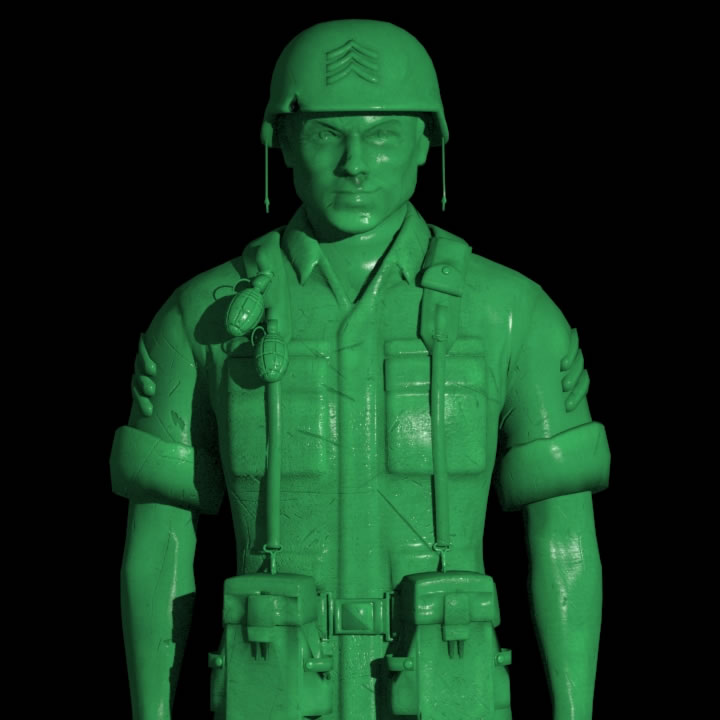
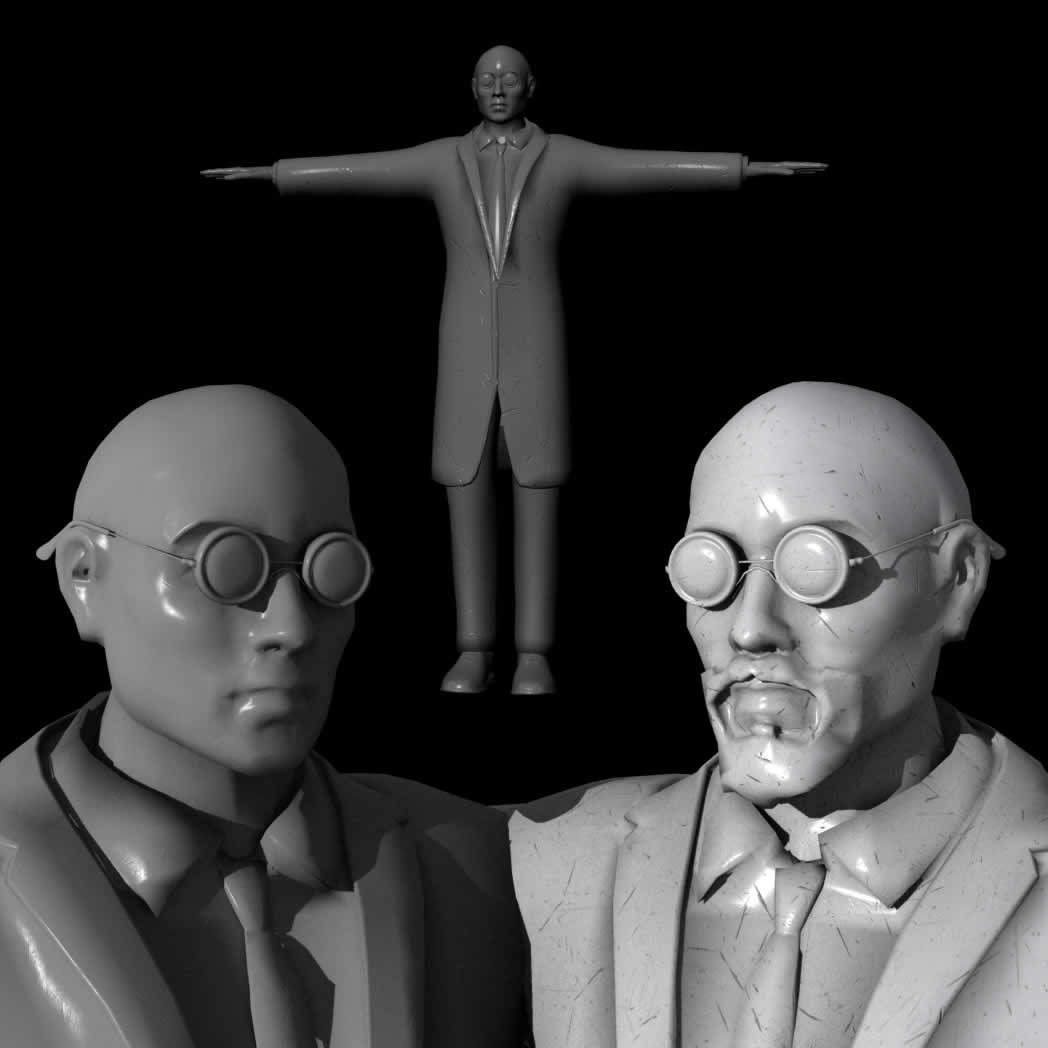
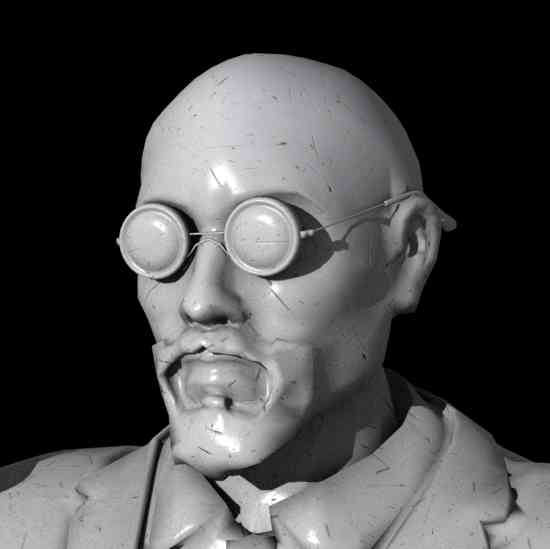
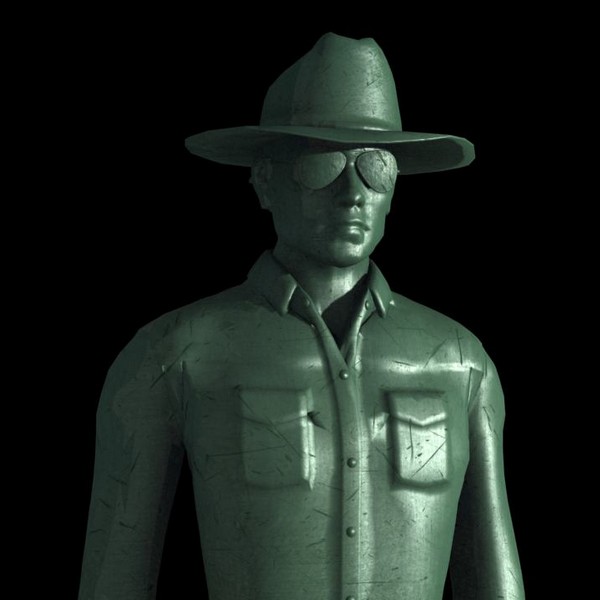
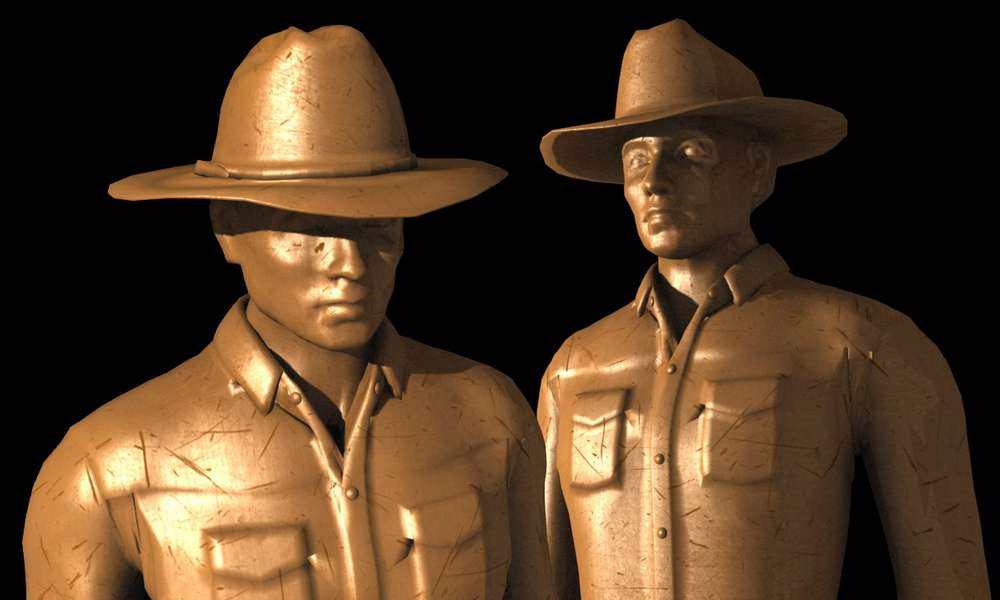
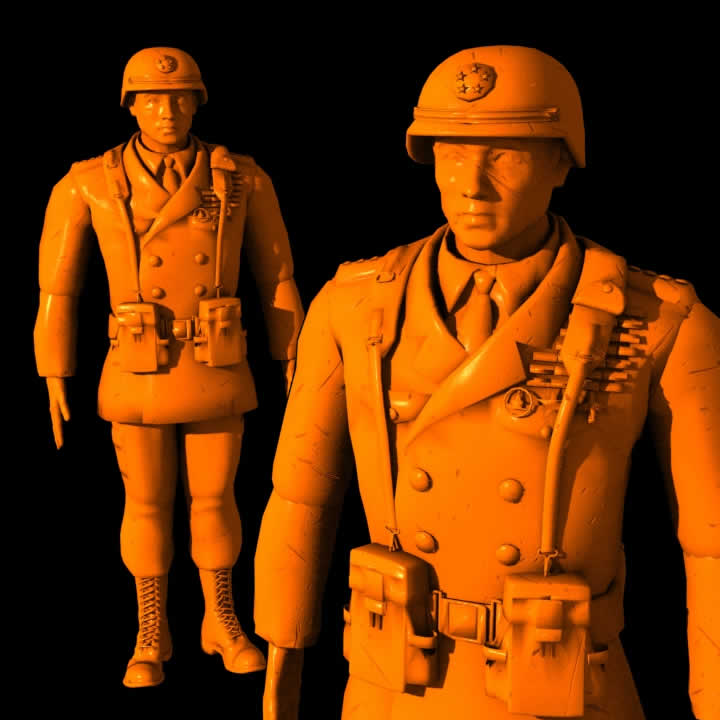
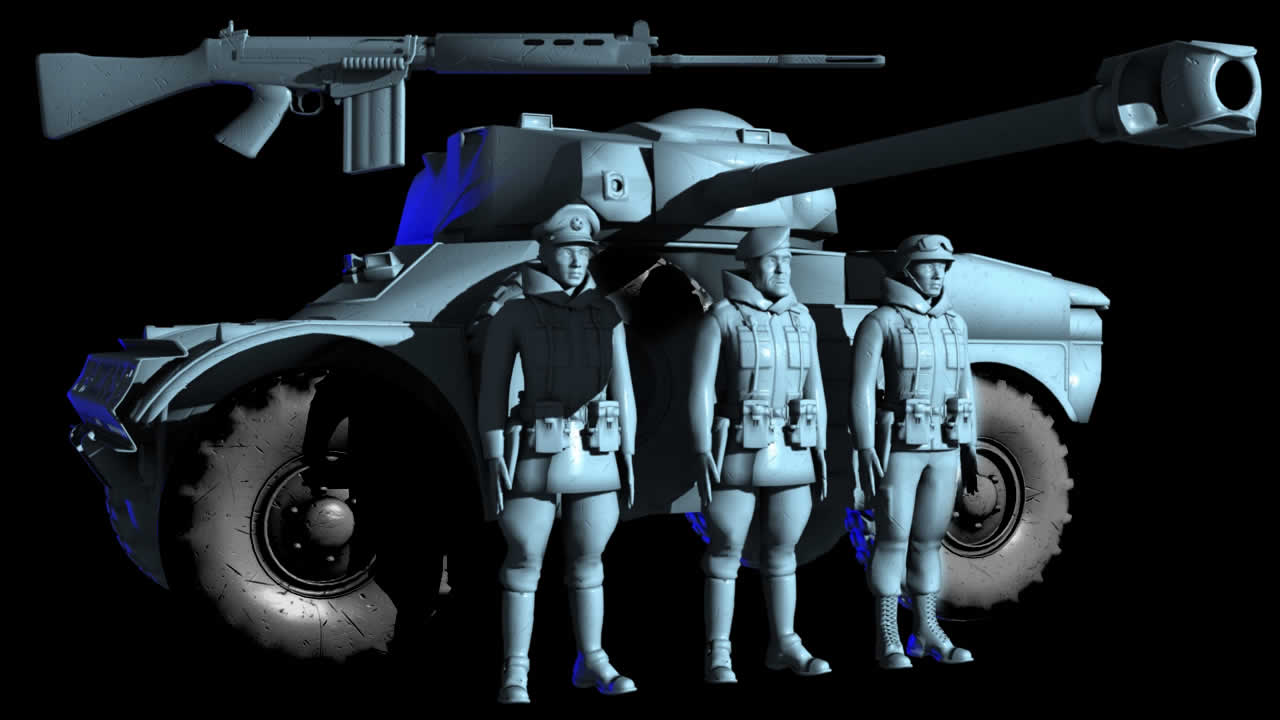
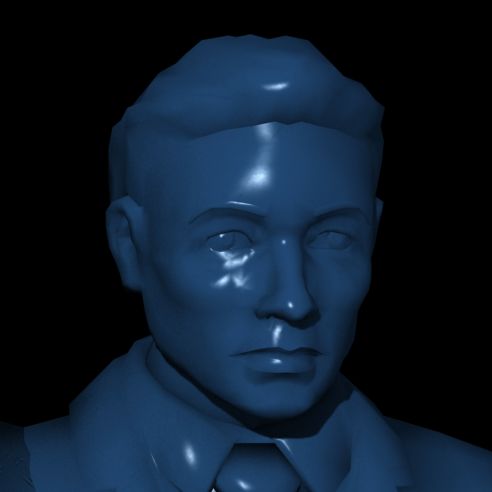
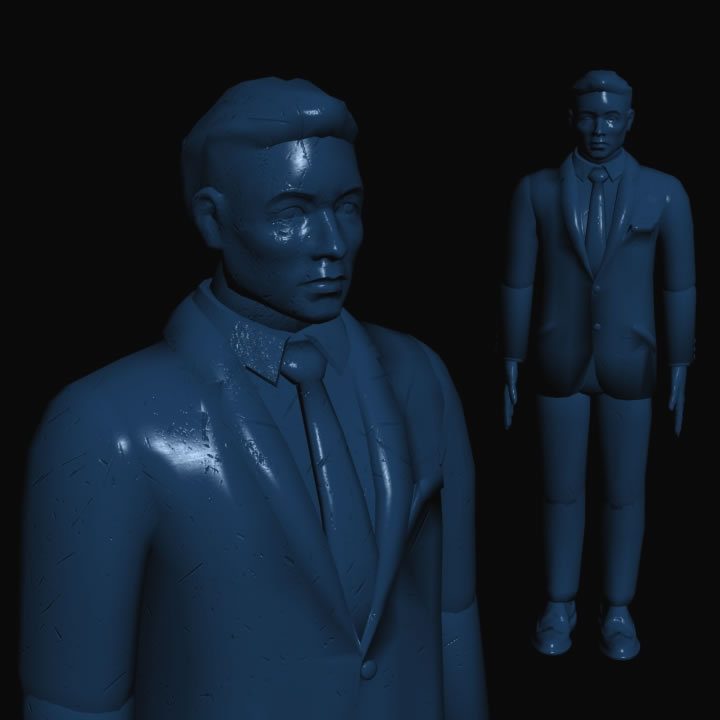
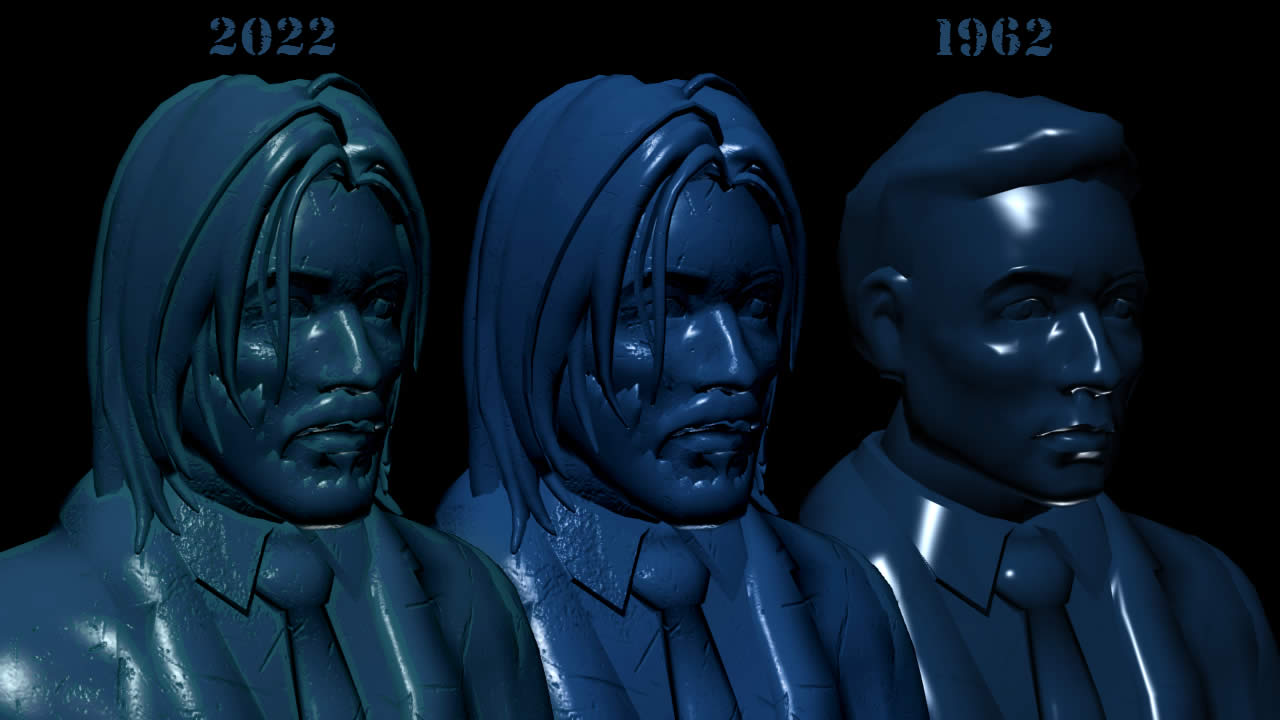
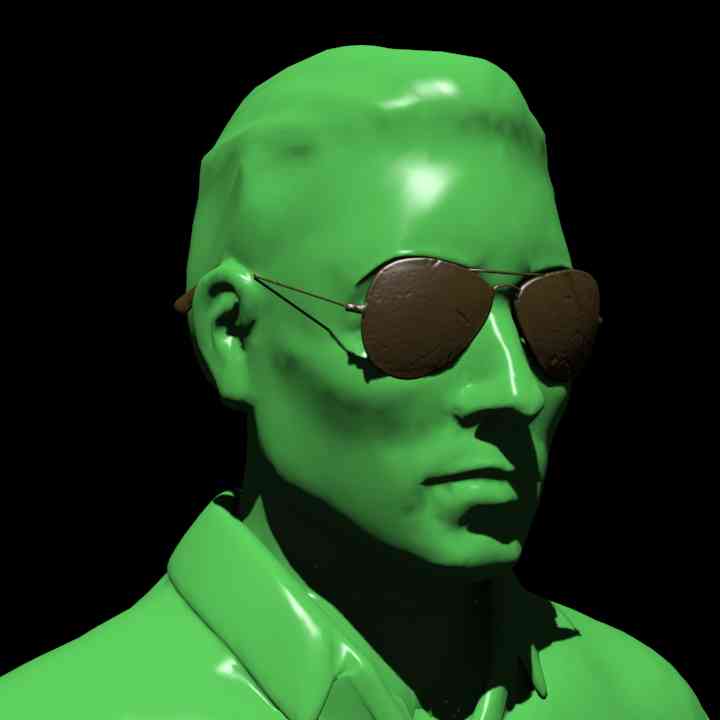
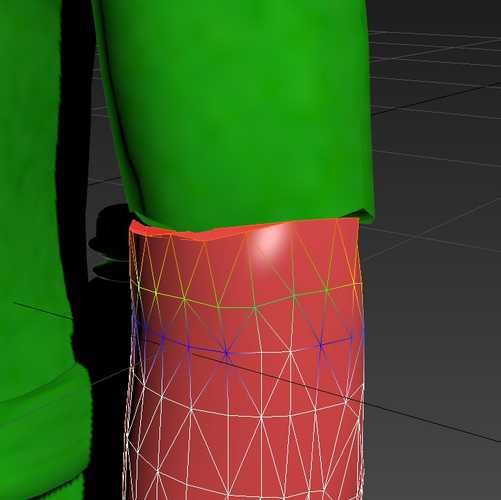
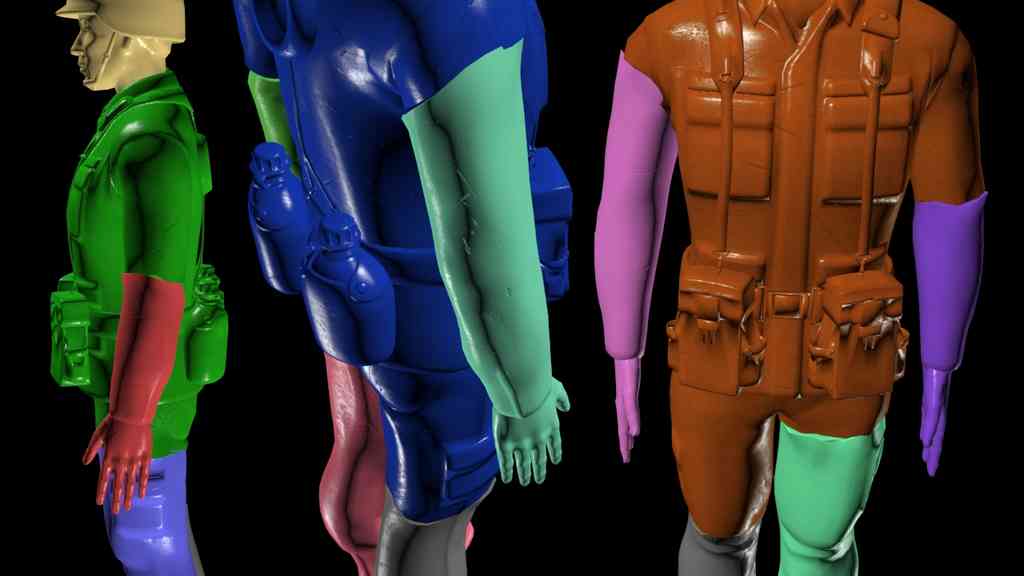
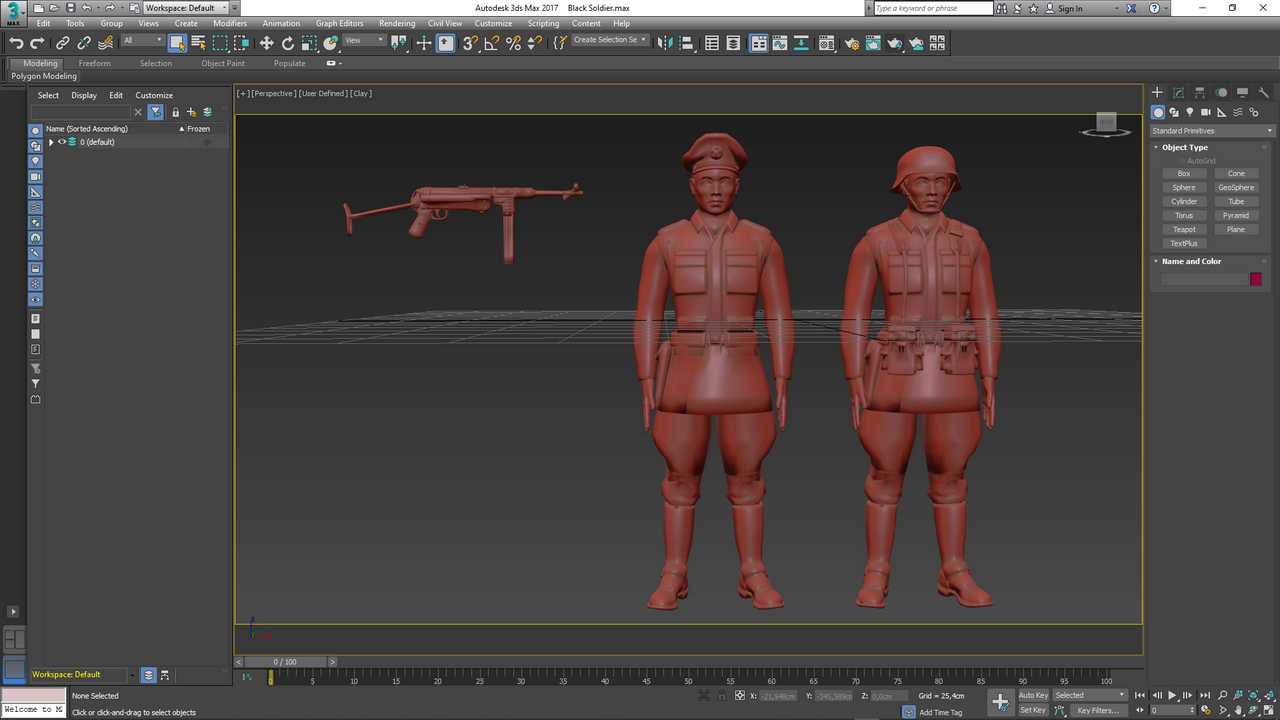
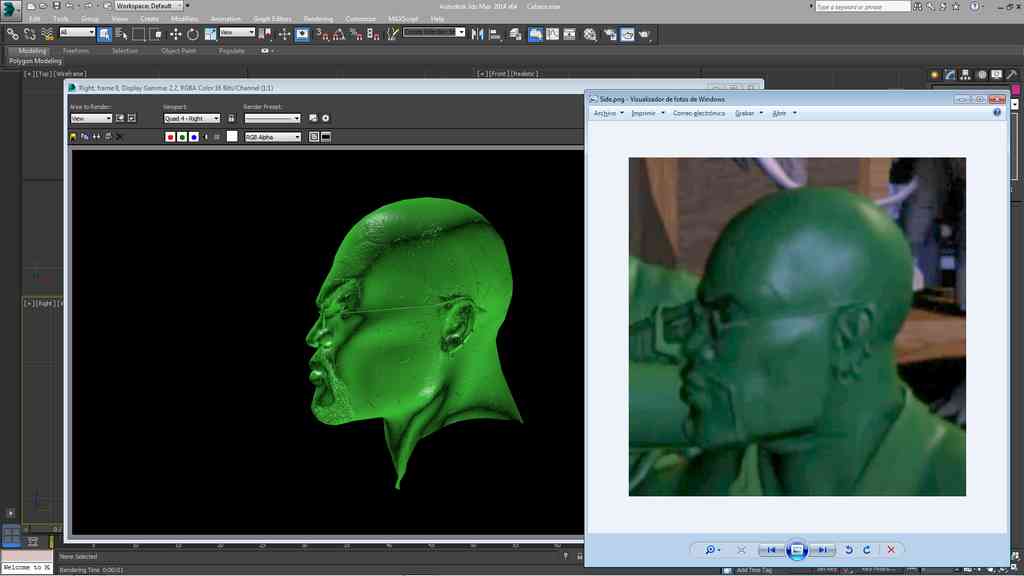
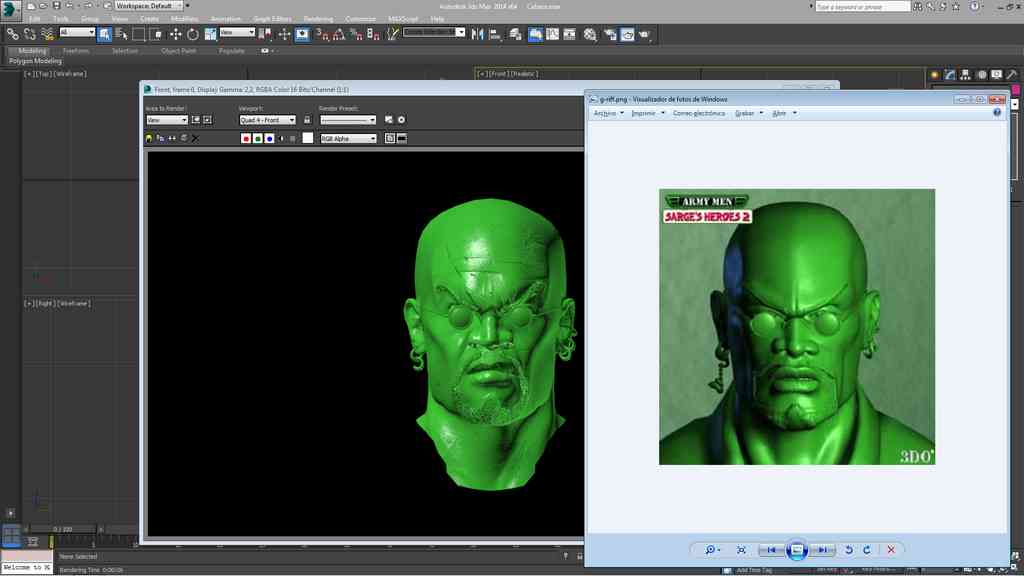
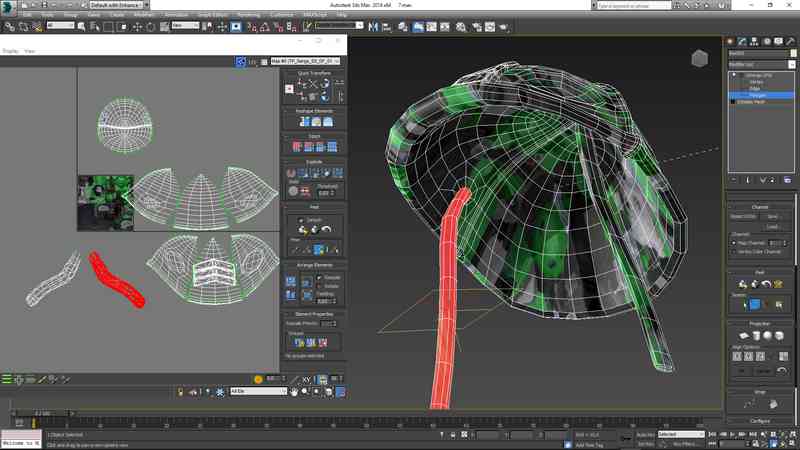
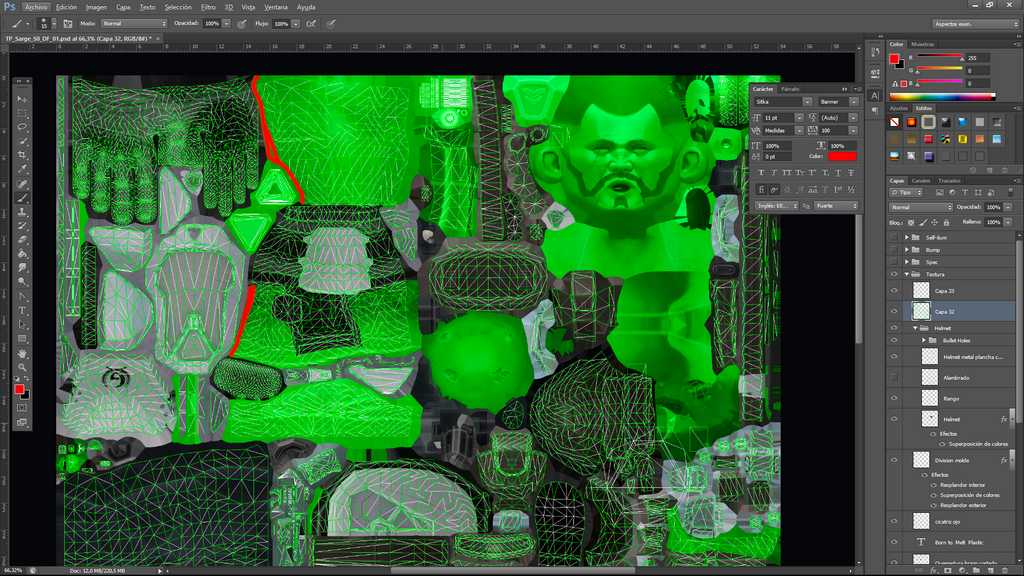
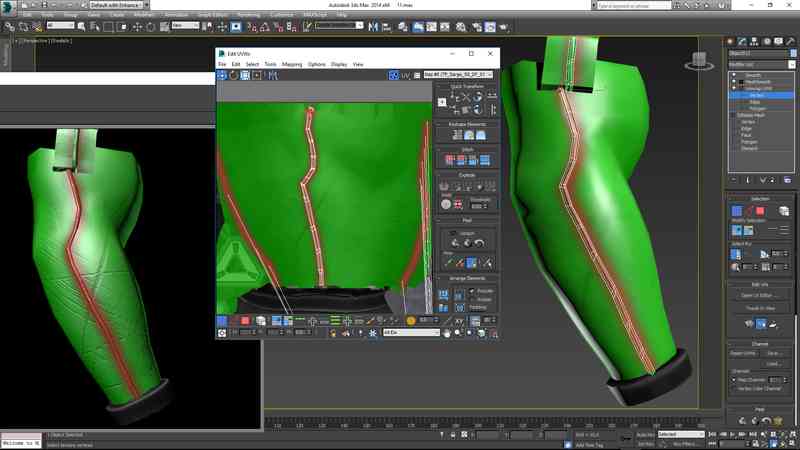
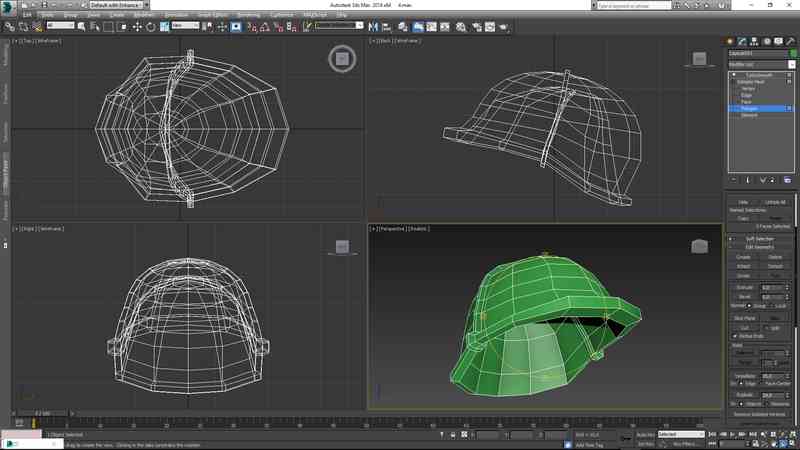
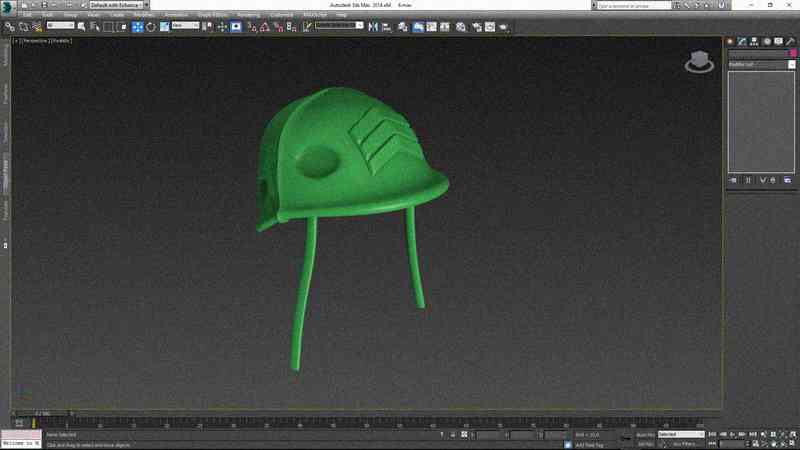
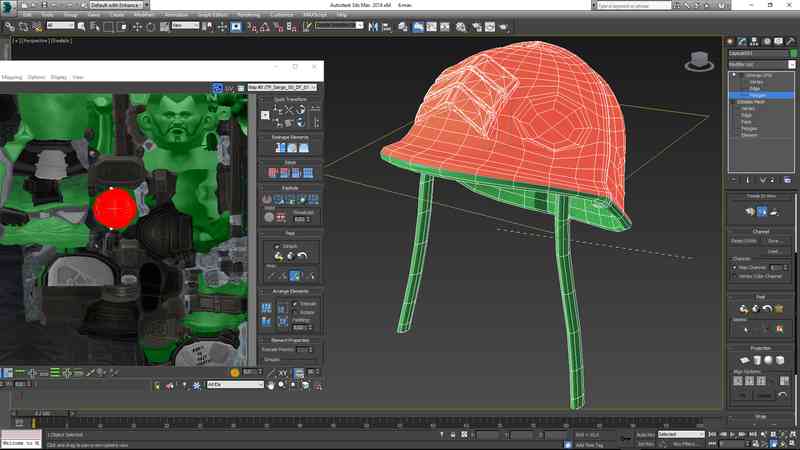
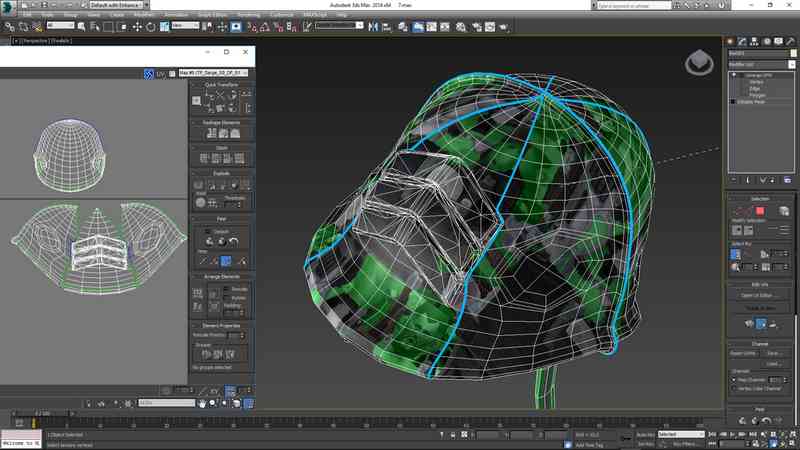
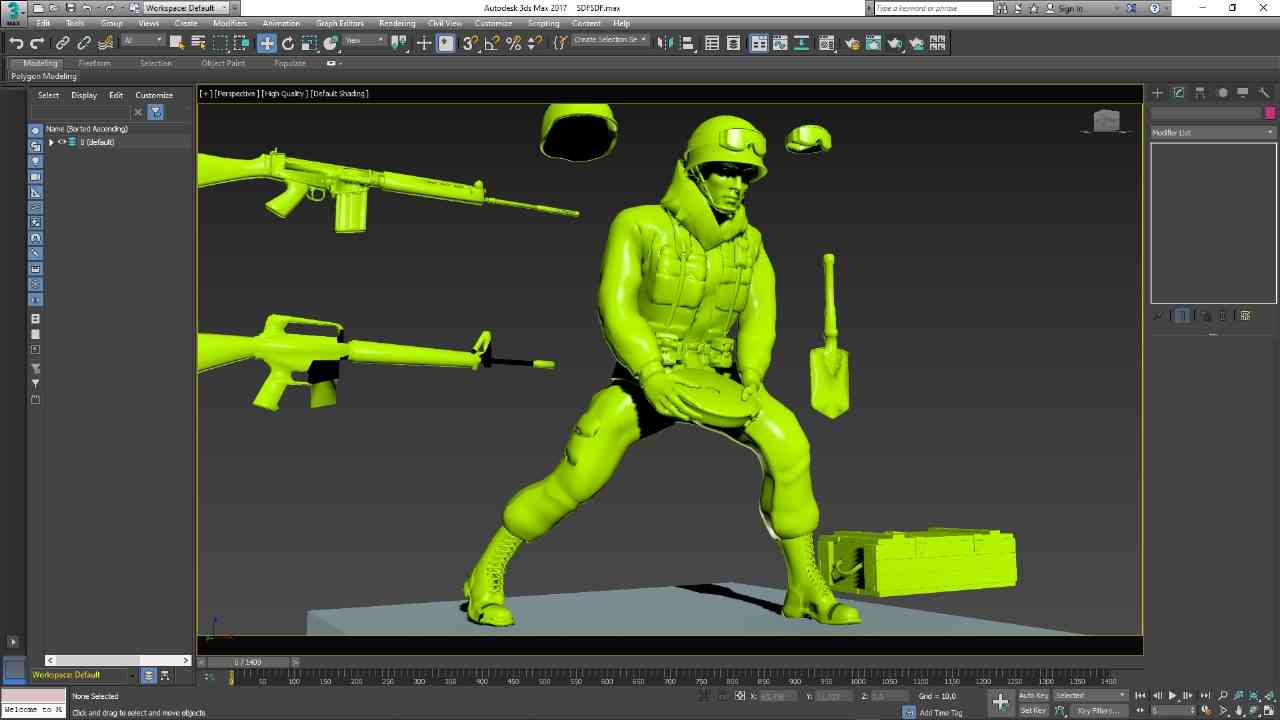
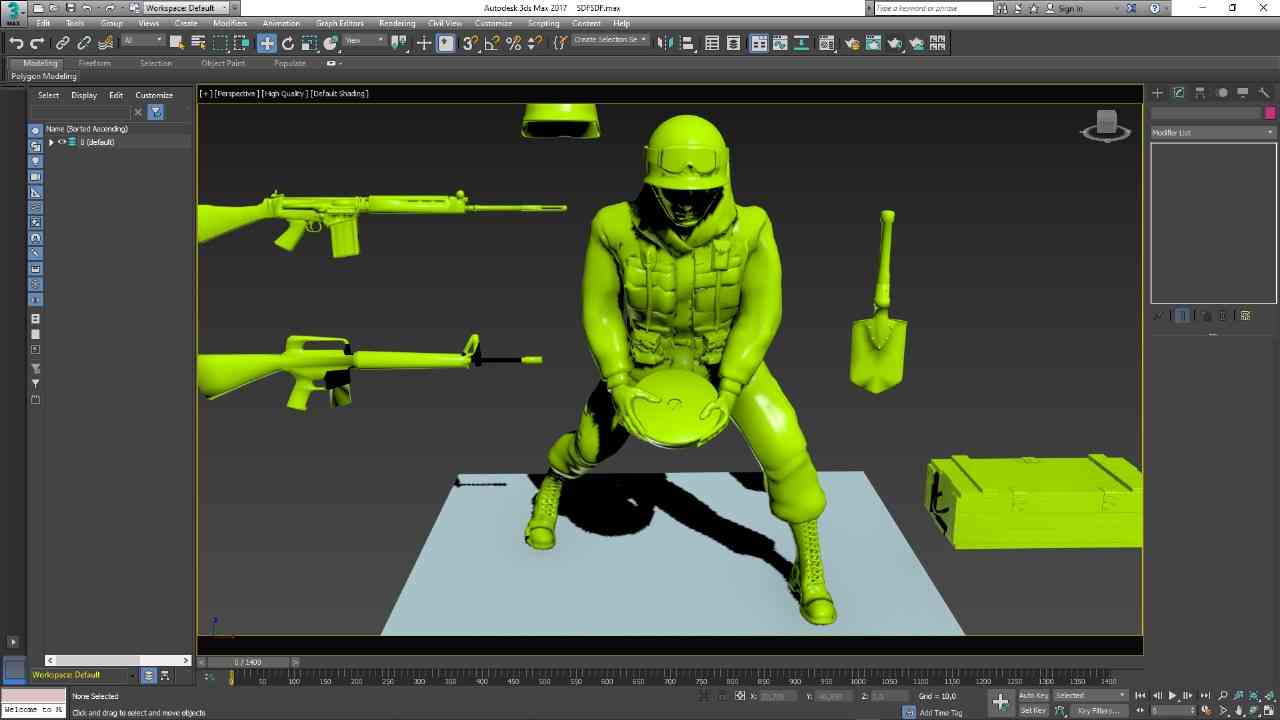
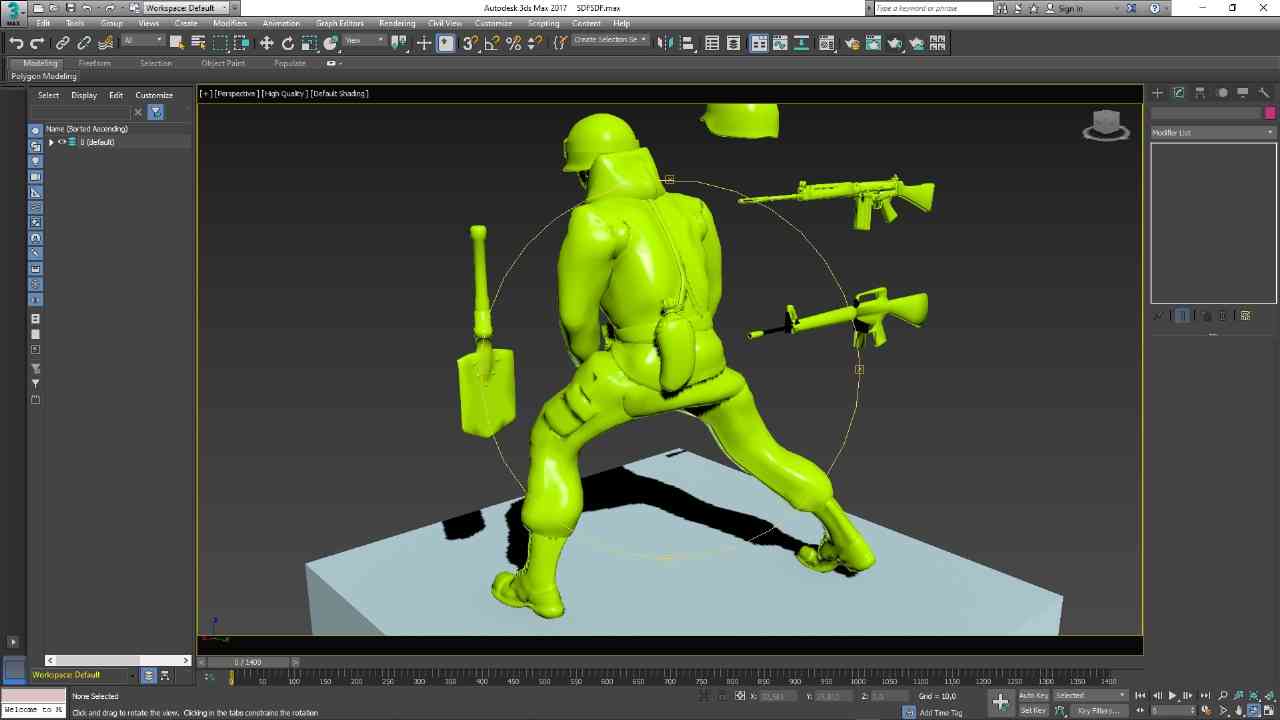
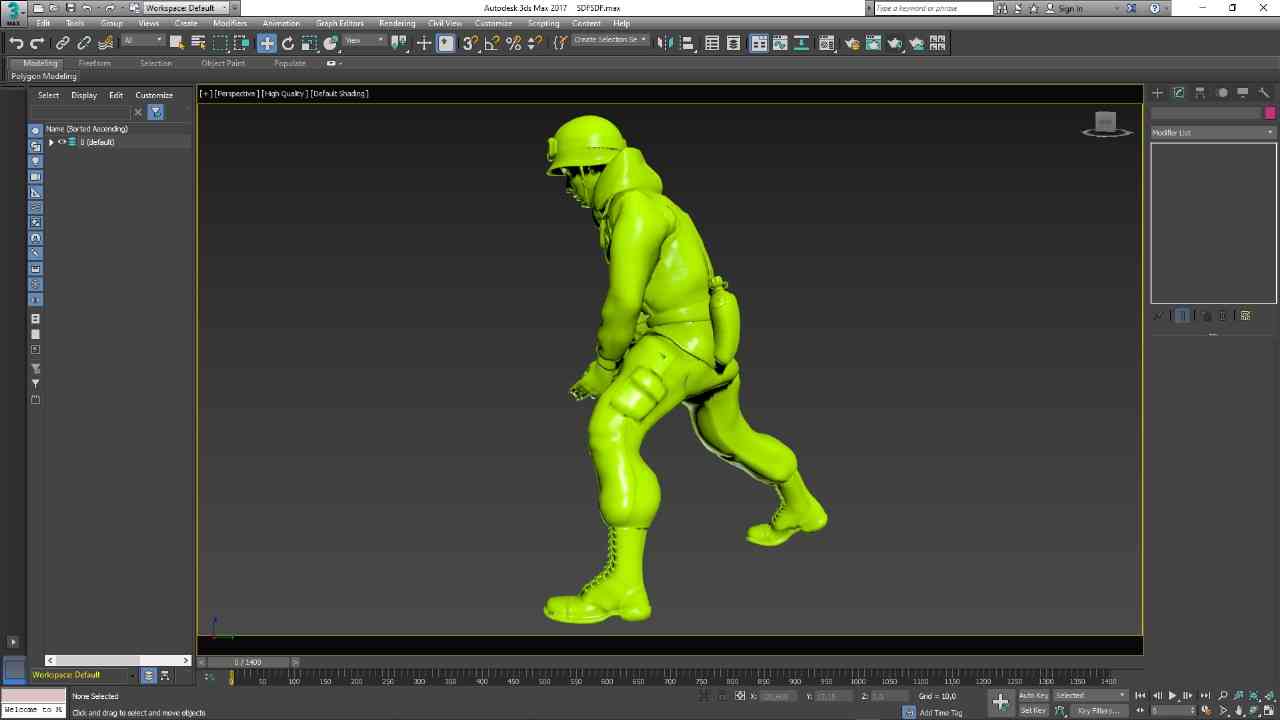
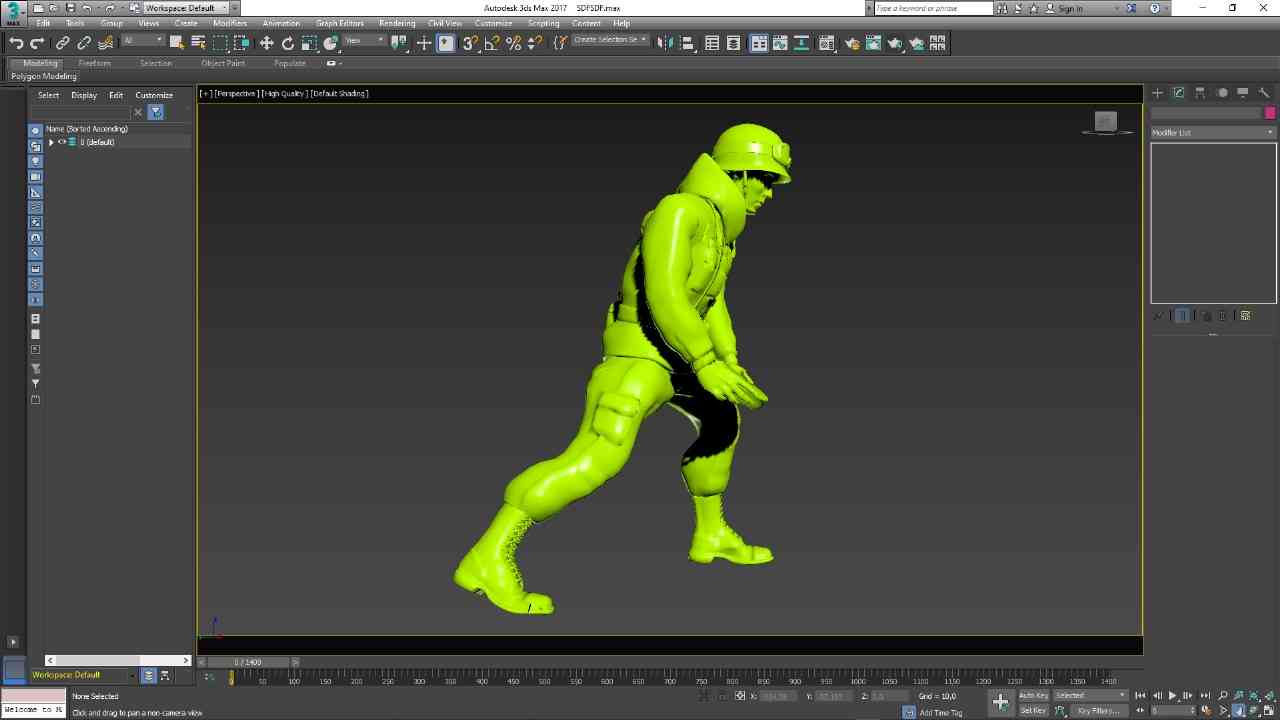
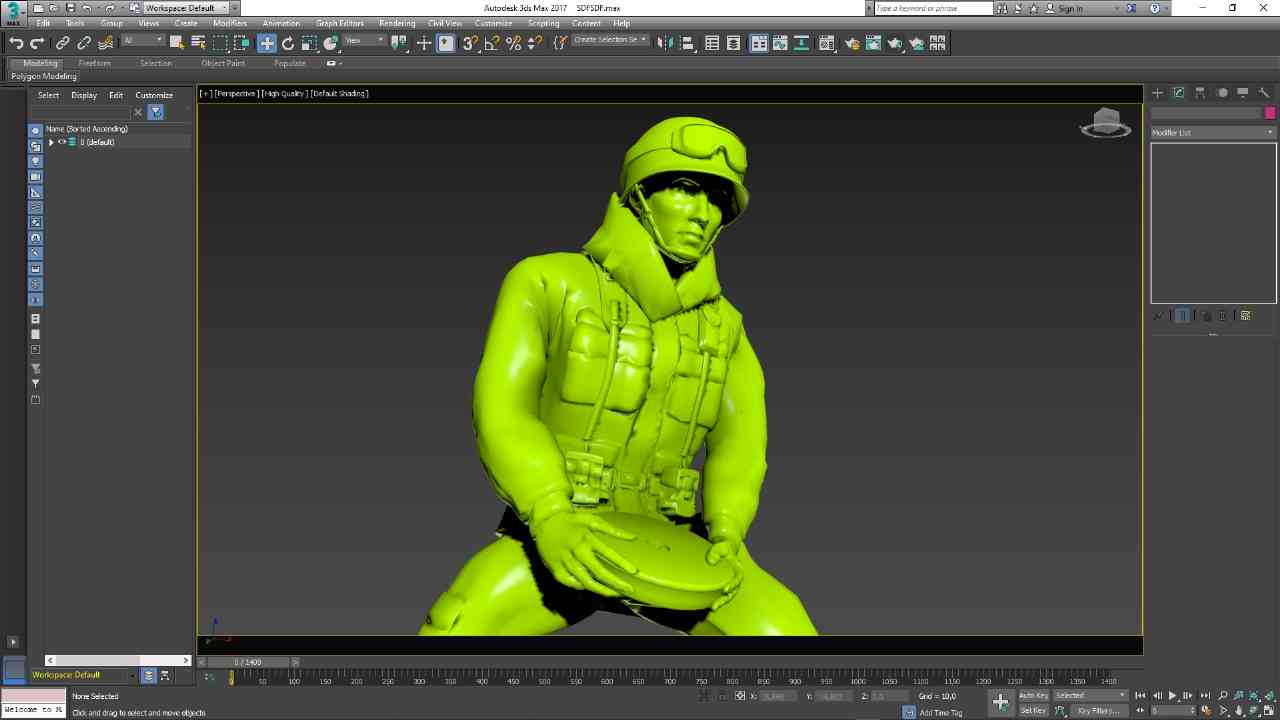
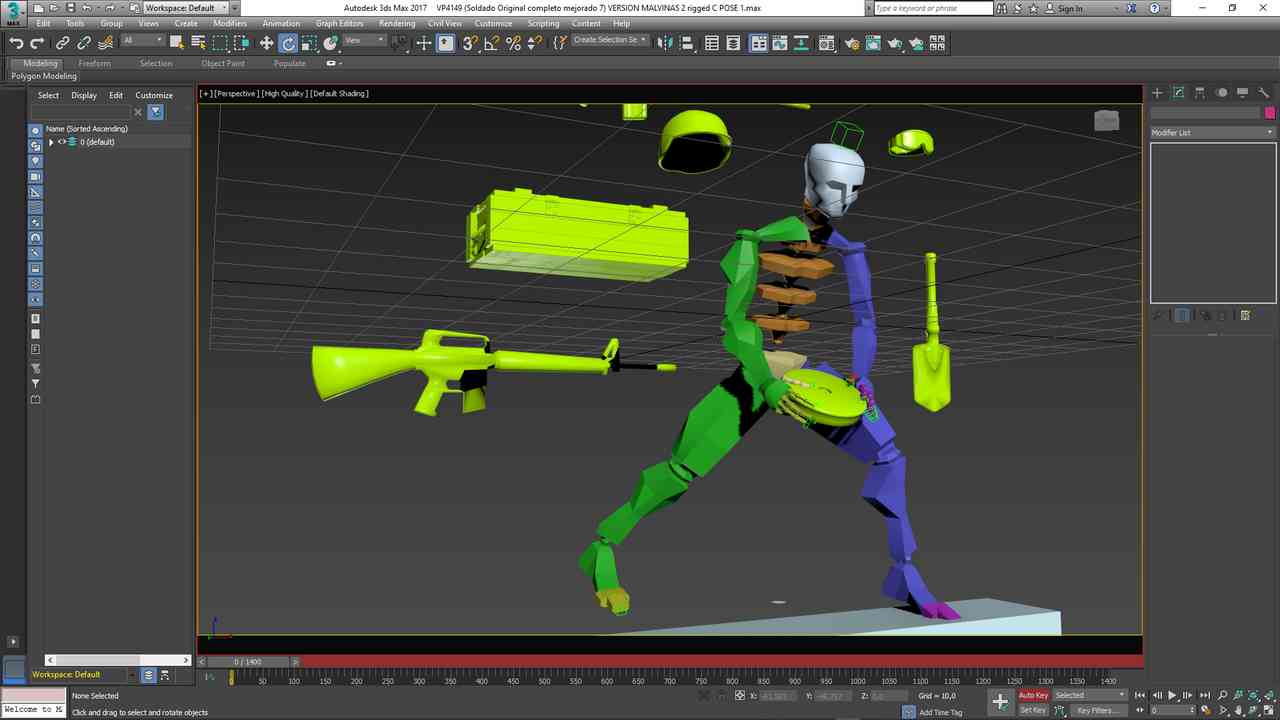
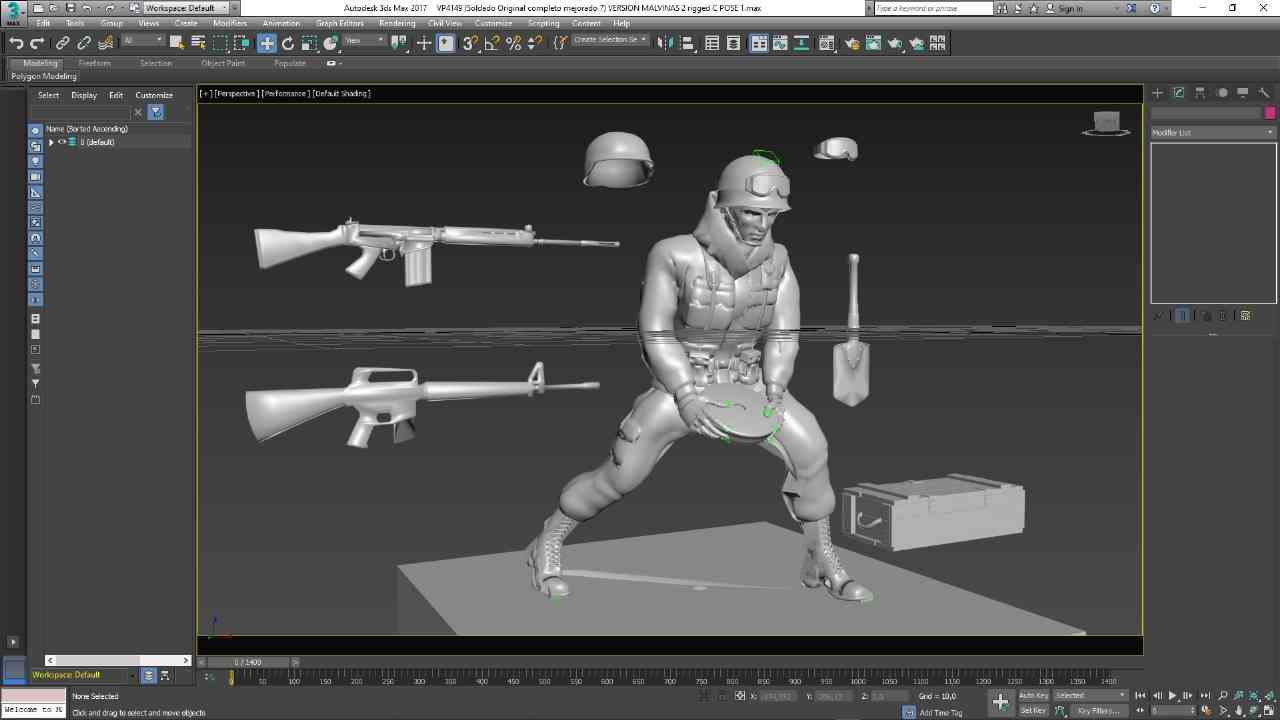
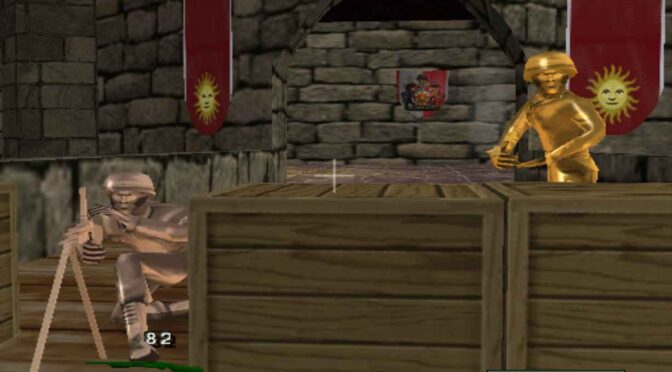
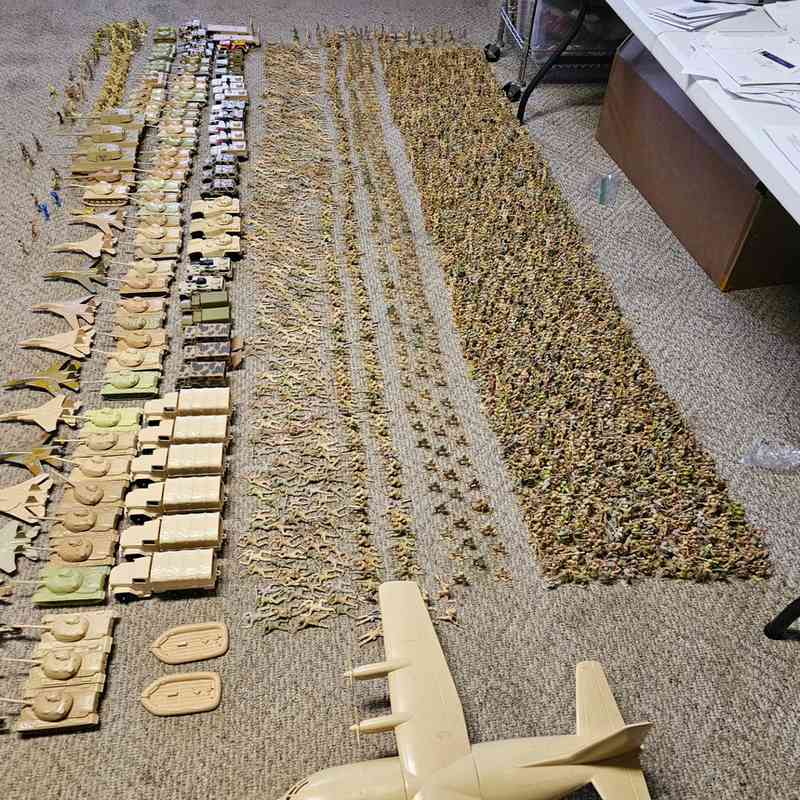
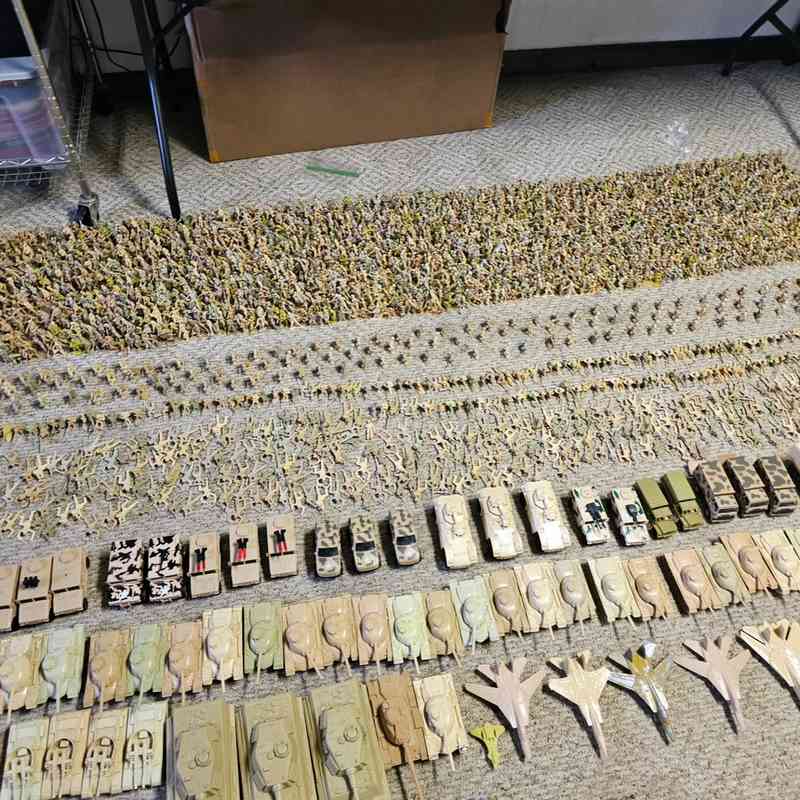
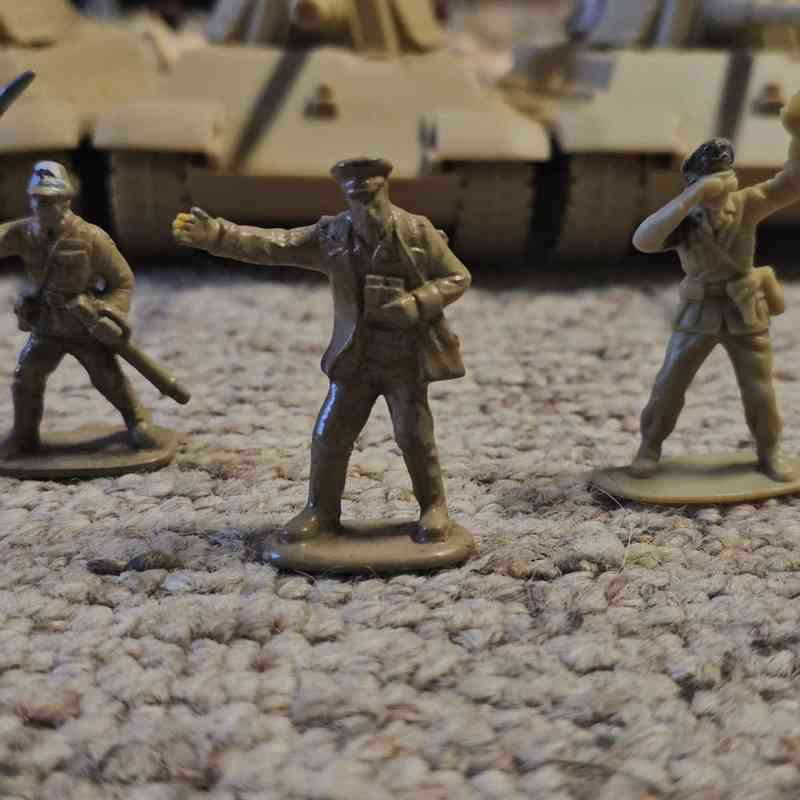
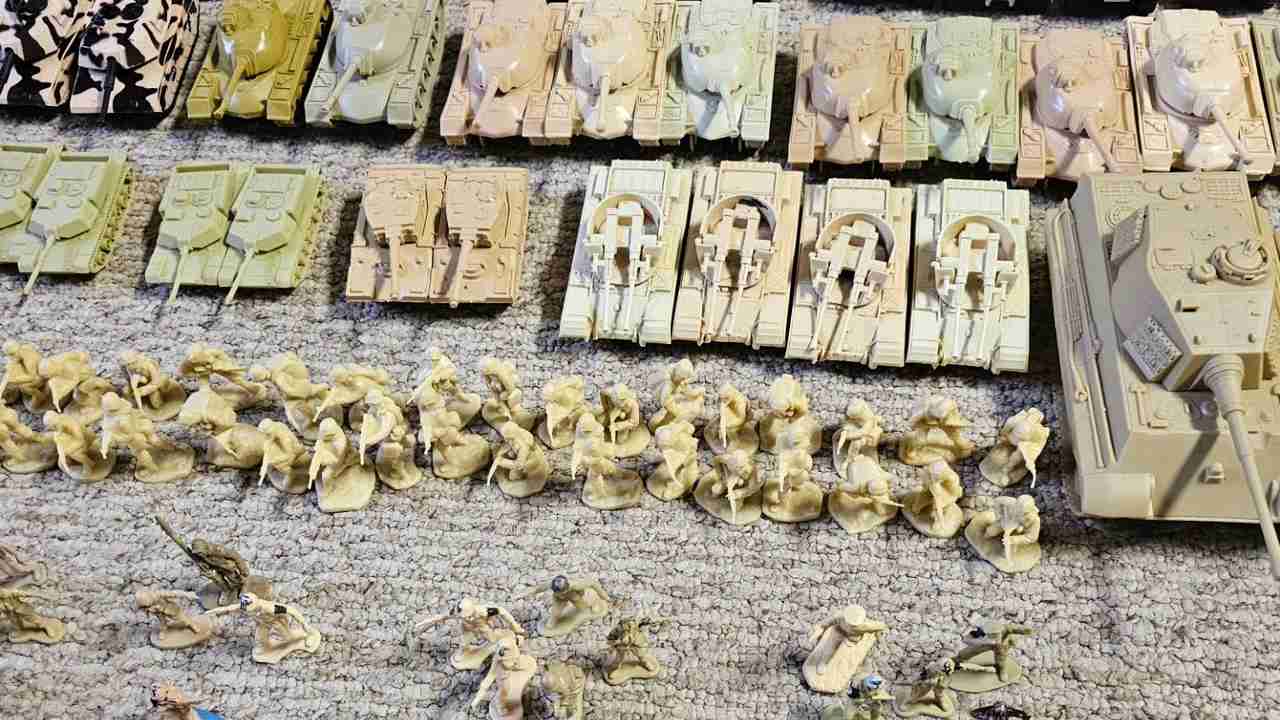
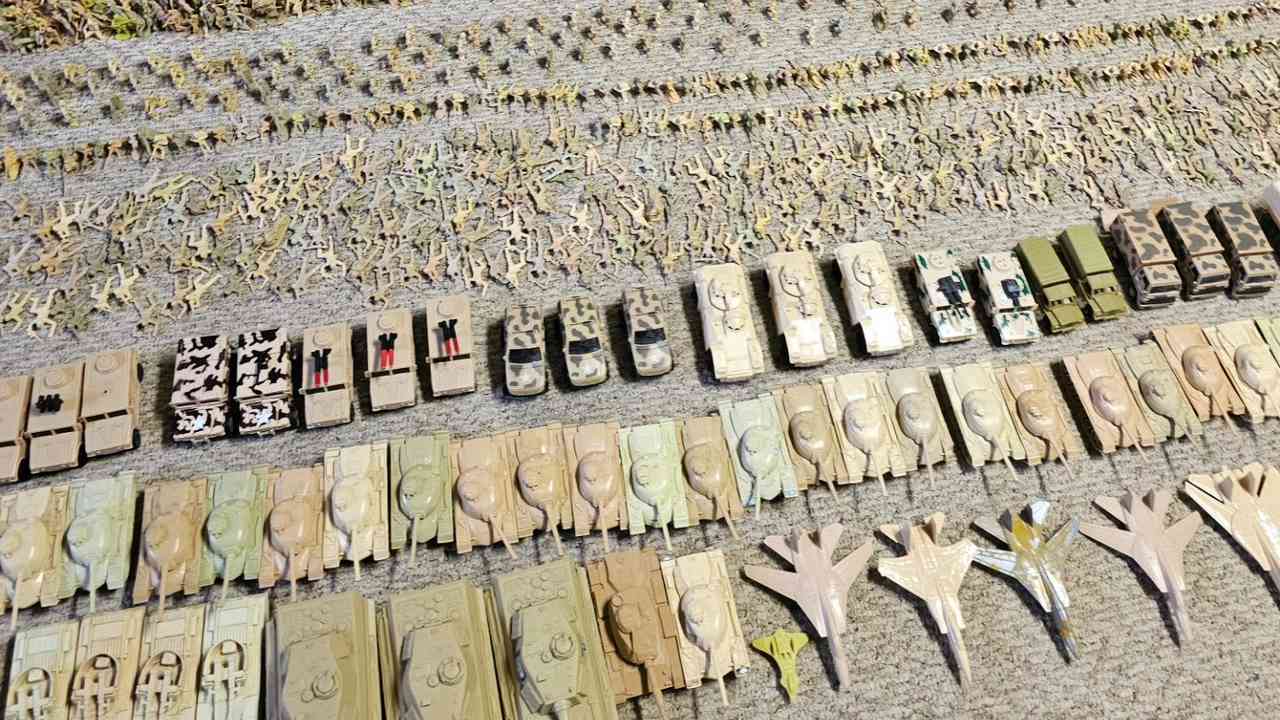
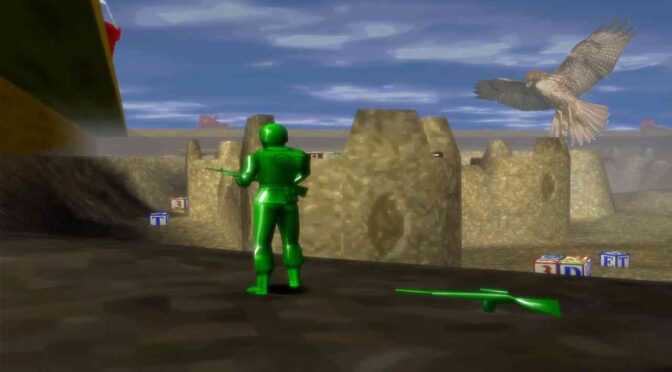
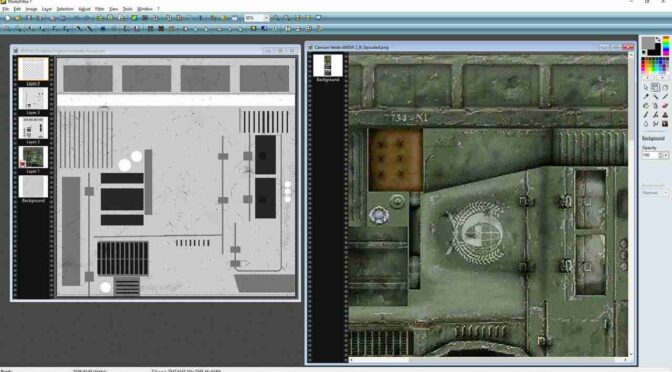
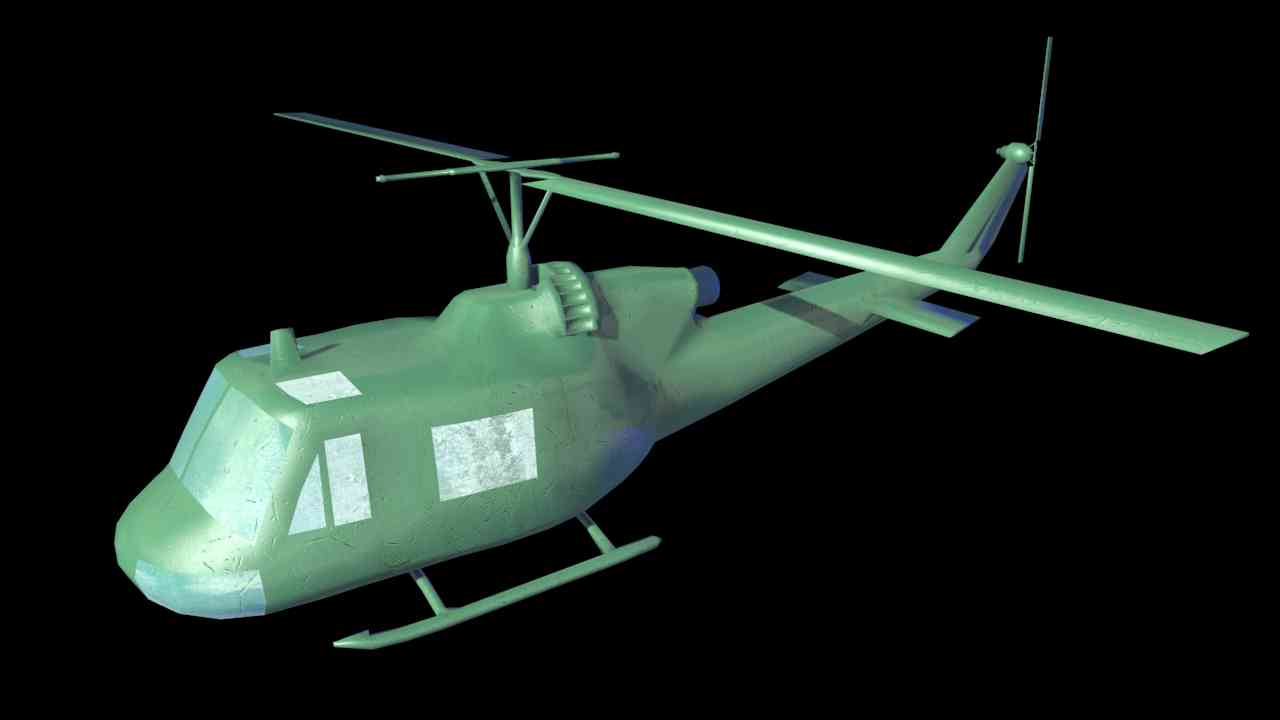
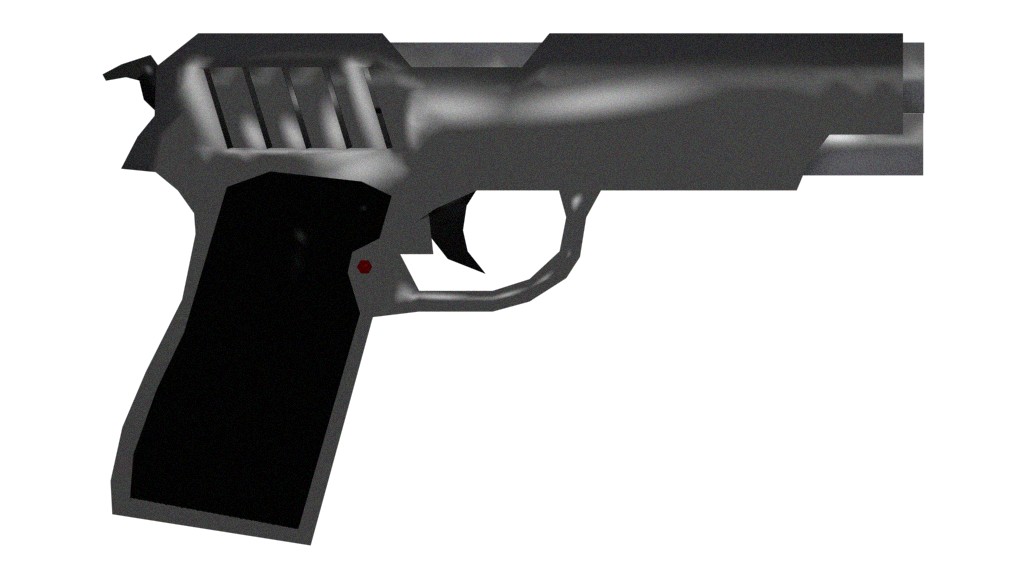
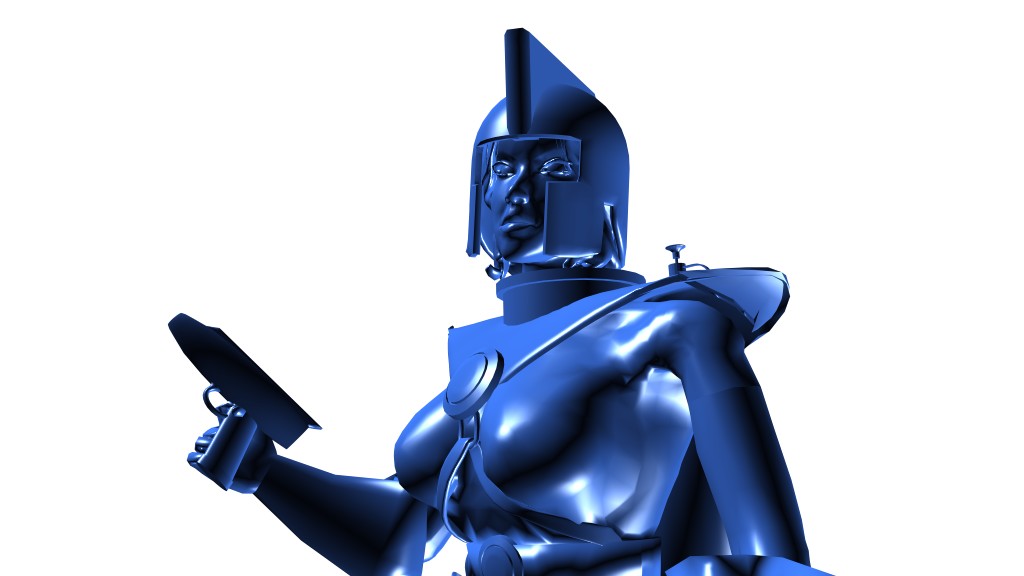
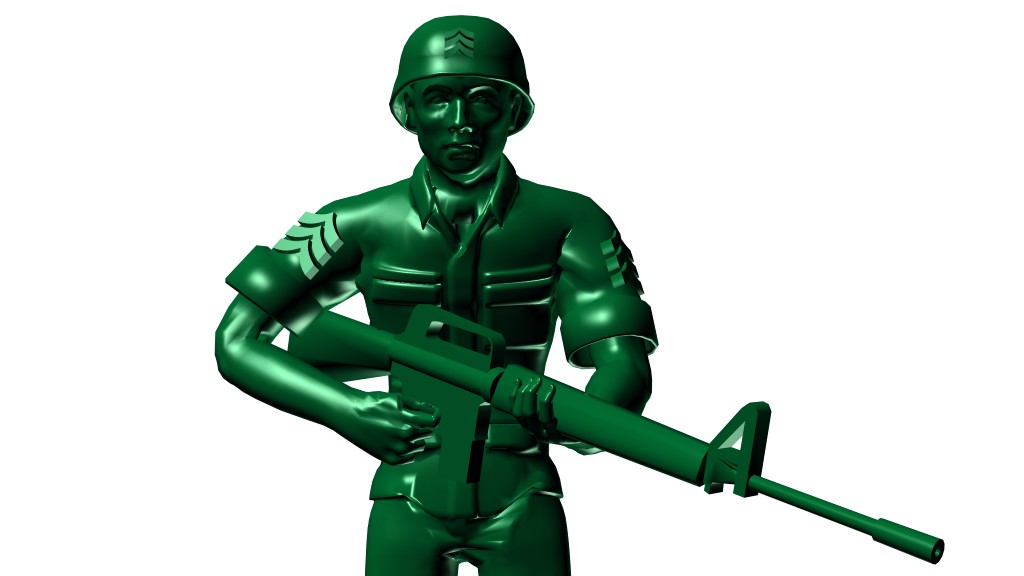
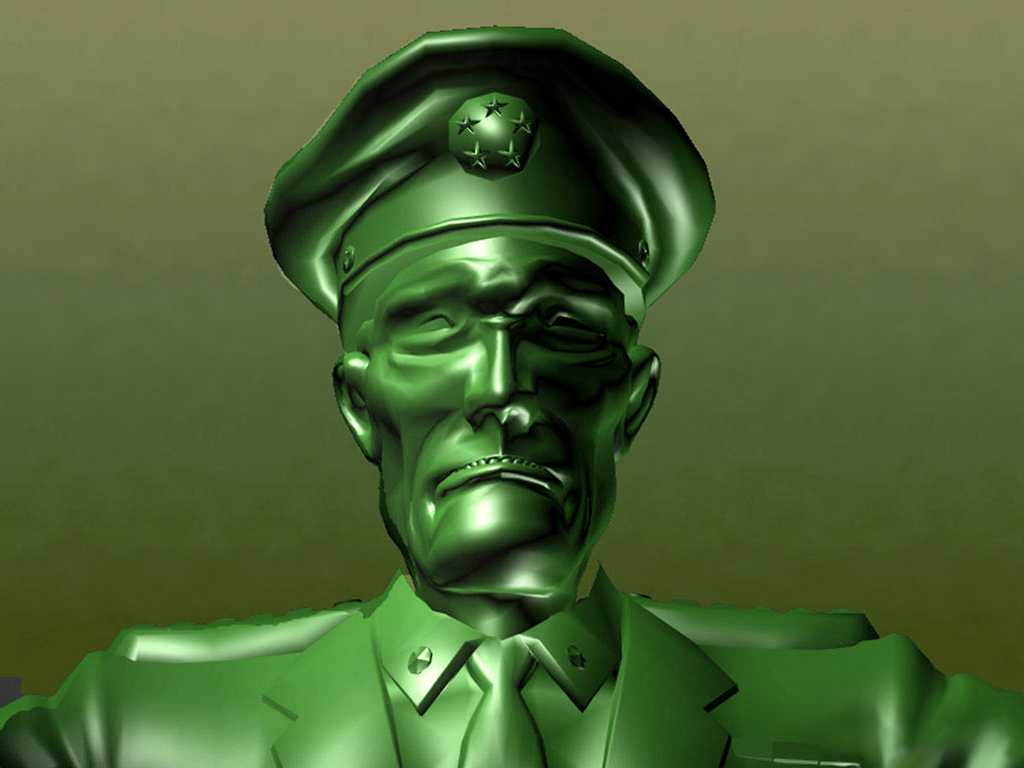
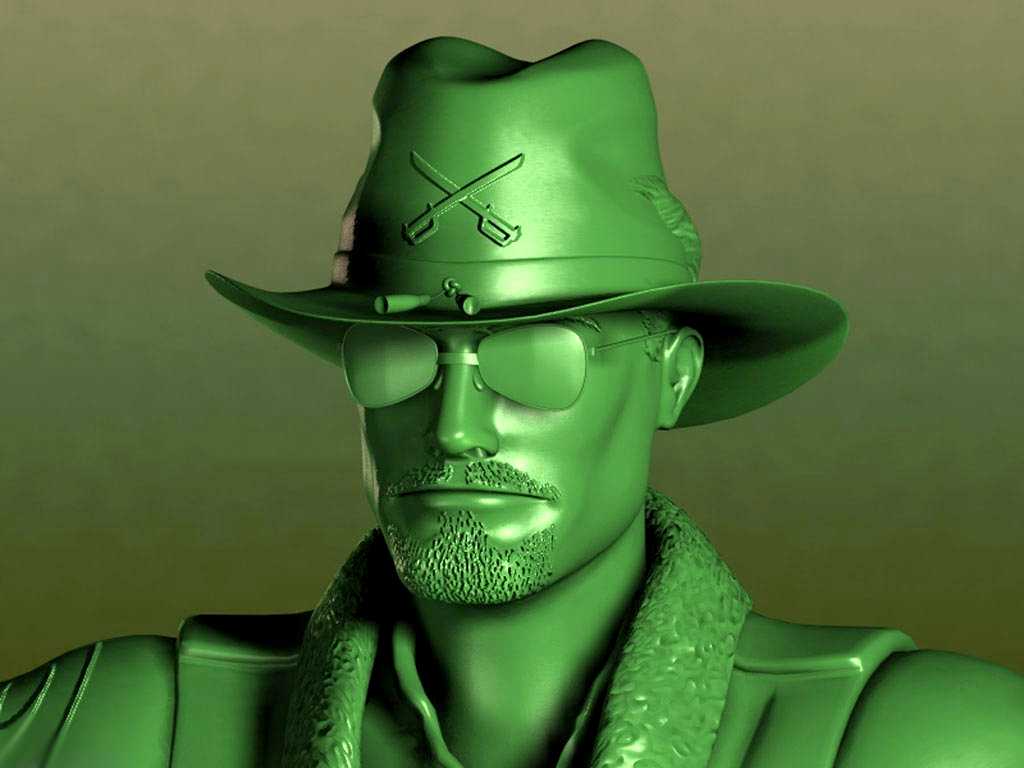
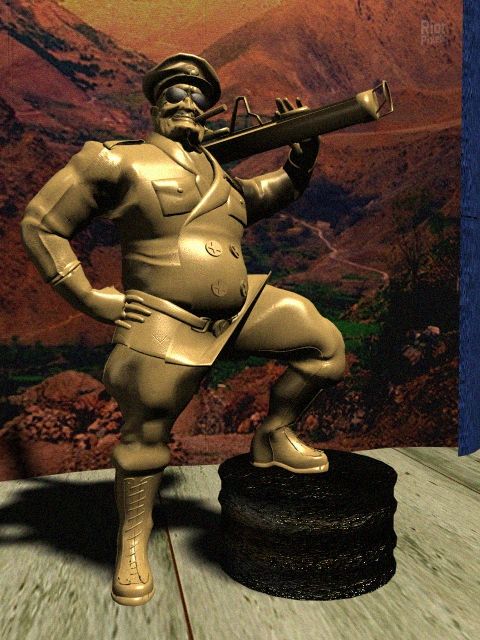
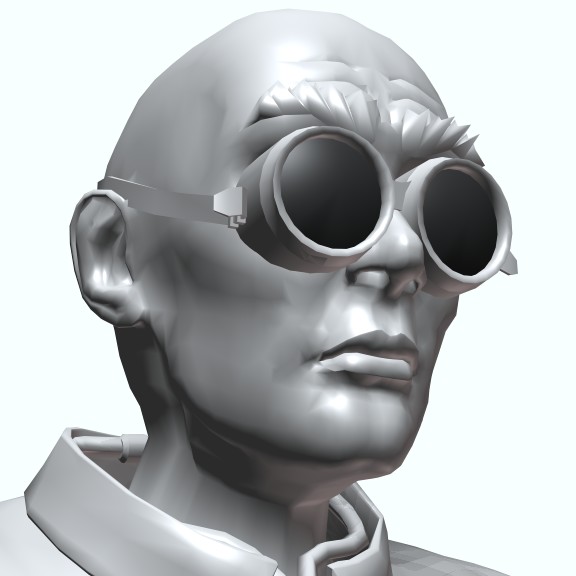
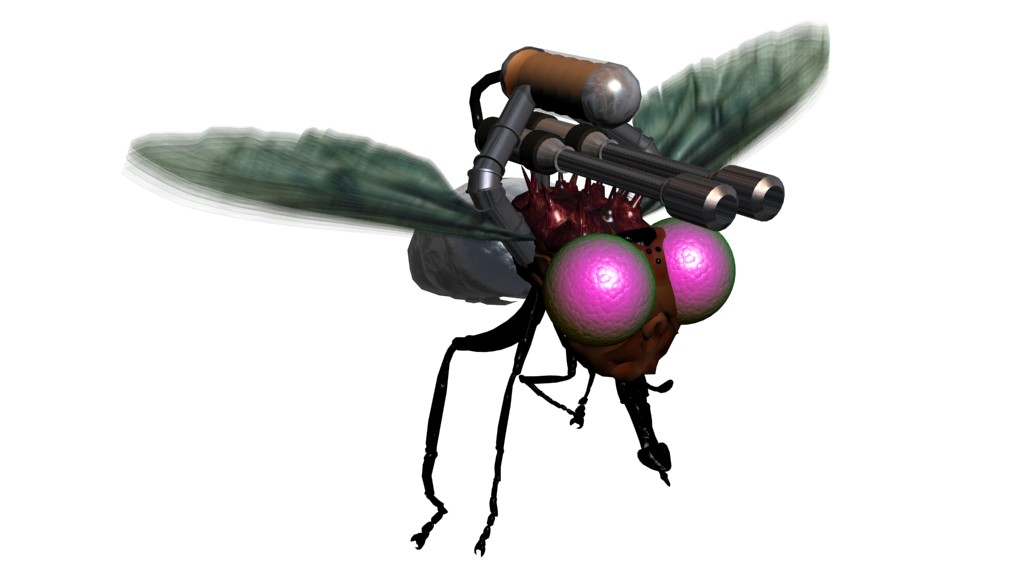
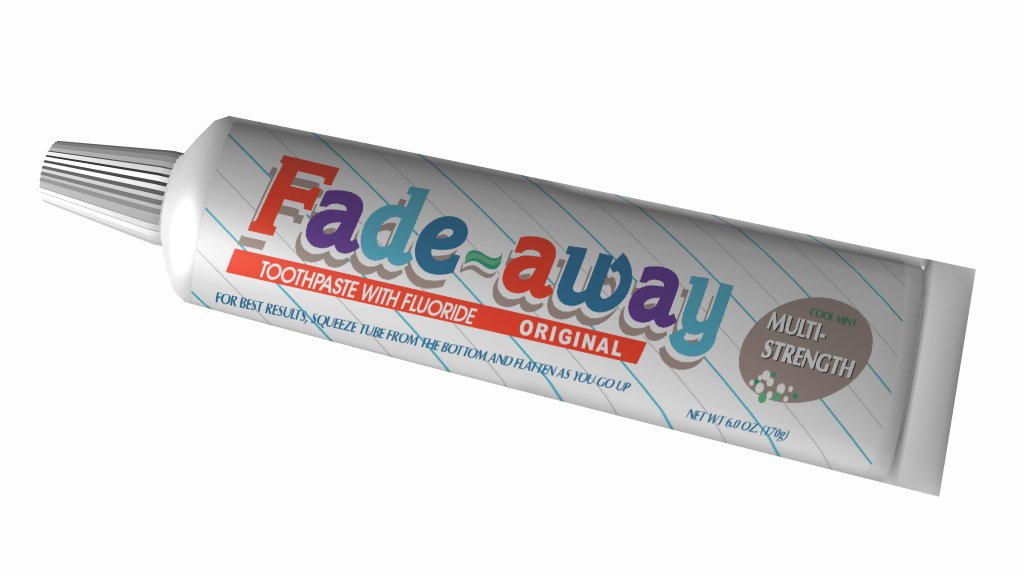
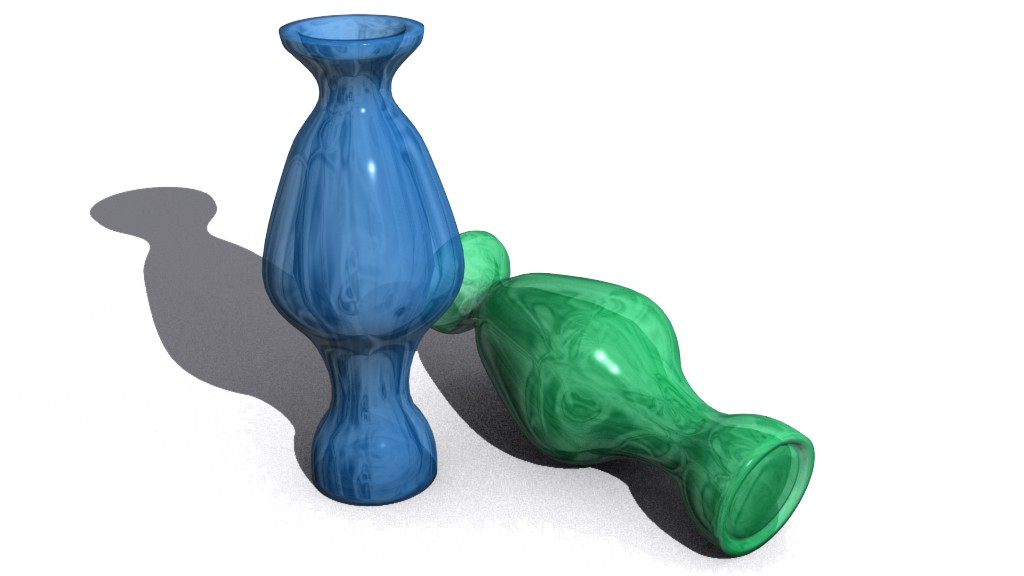
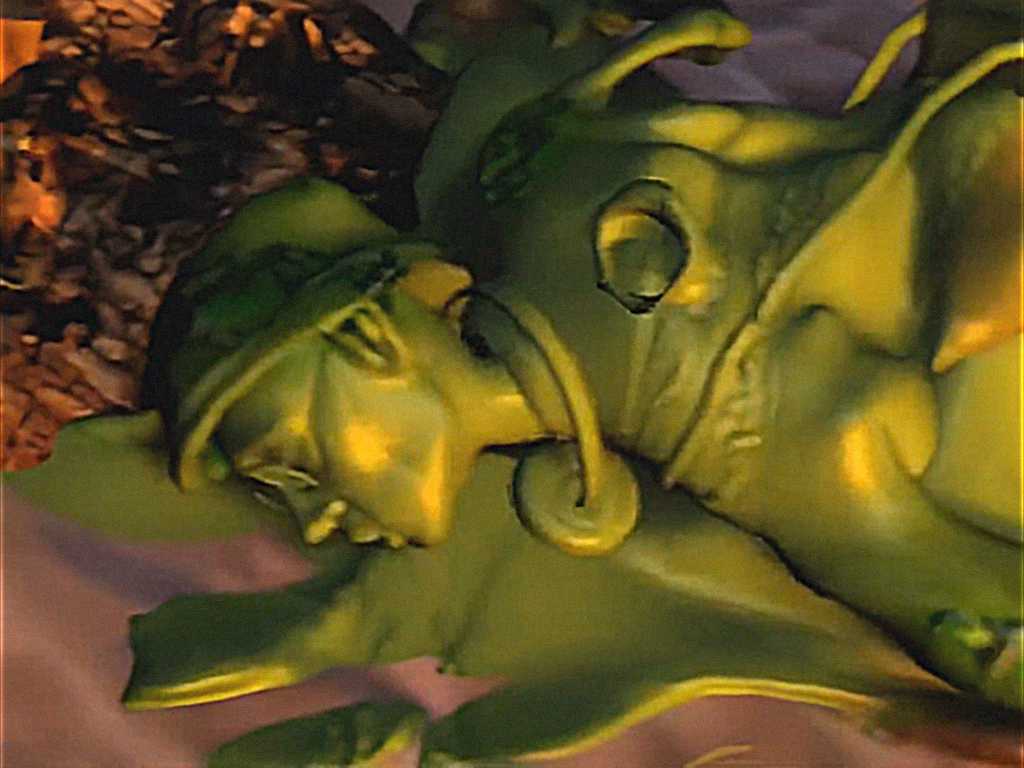
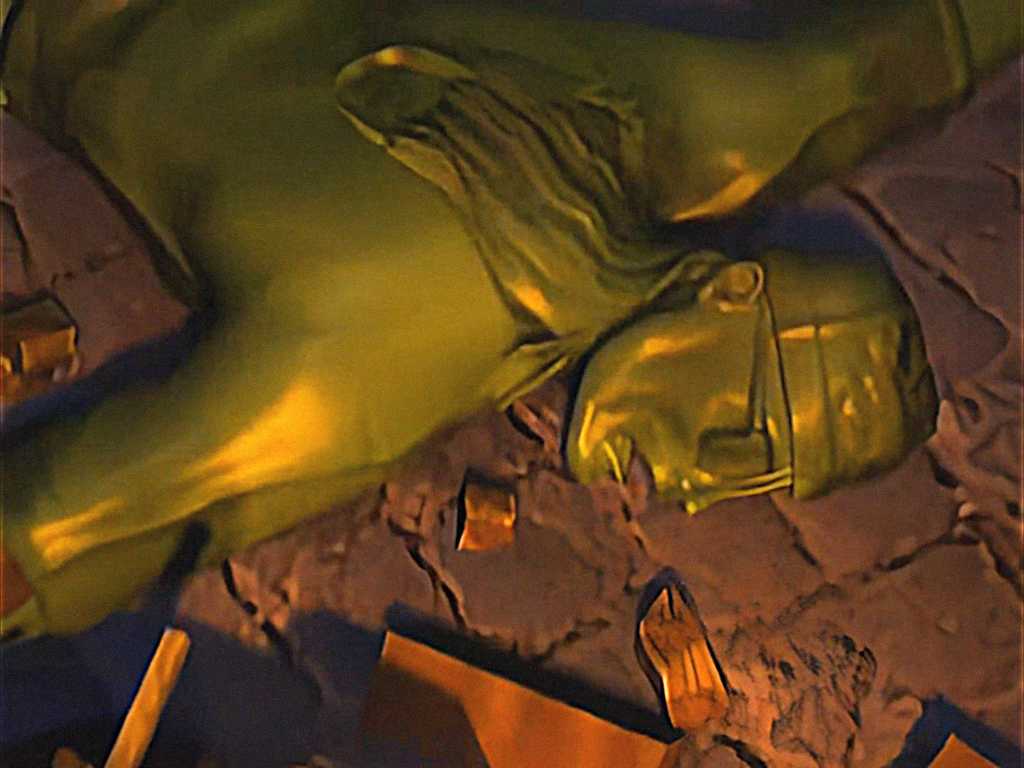
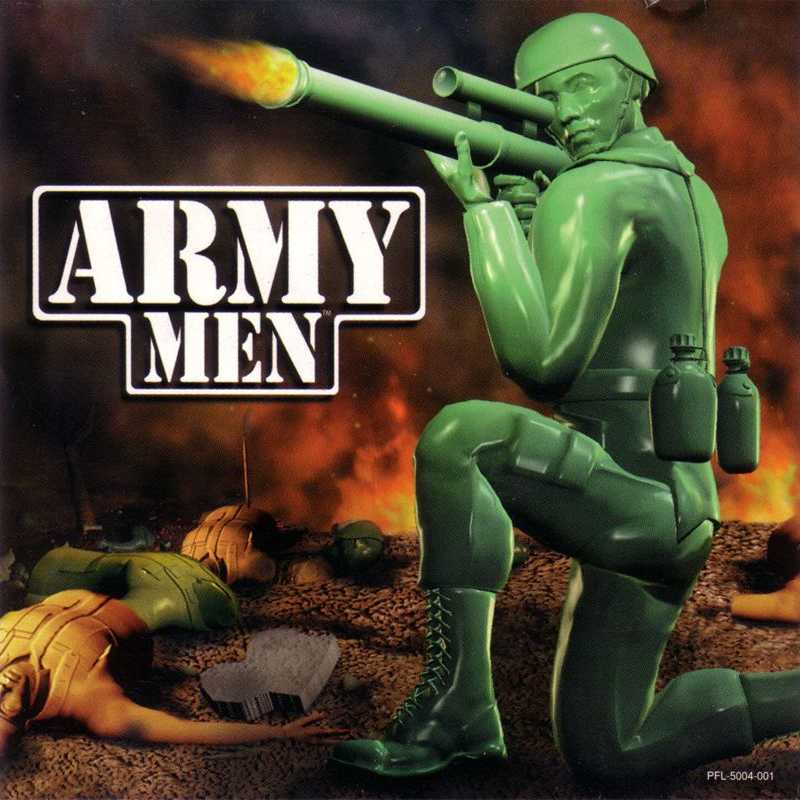
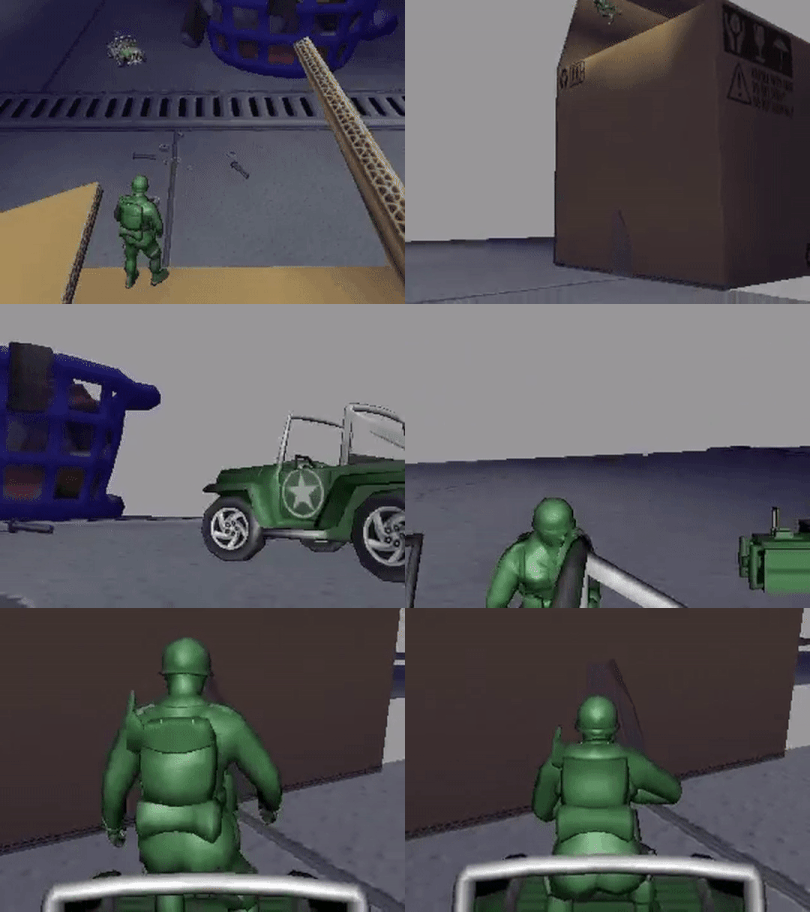
Characters, vehicles, weapons and other 3D models for the project. Below is a series of galleries showing some of the 3D models for Revolution and the rest of the Army Men Toyverse projects.
Characters
Great War Gray Soldiers
Grey Army Men from the past
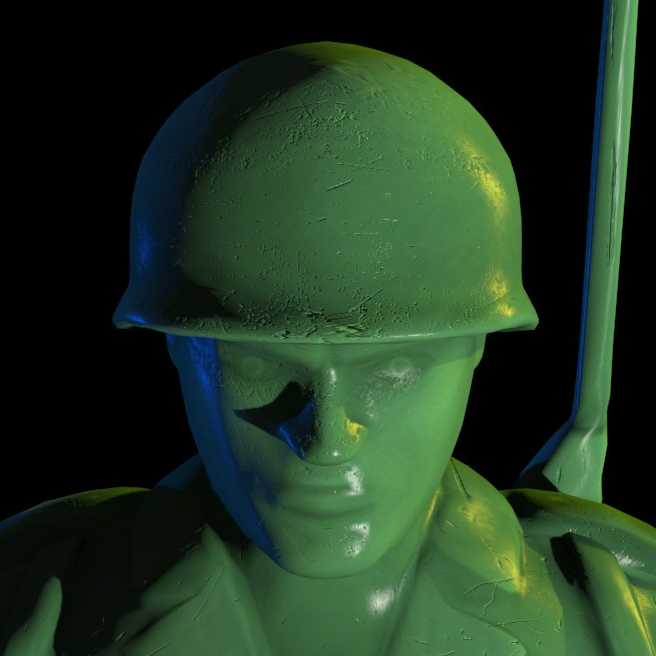
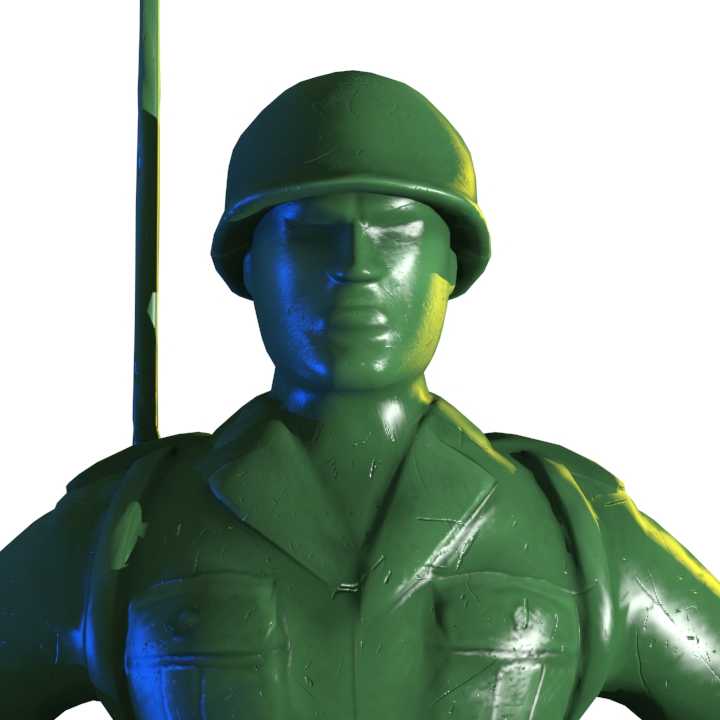
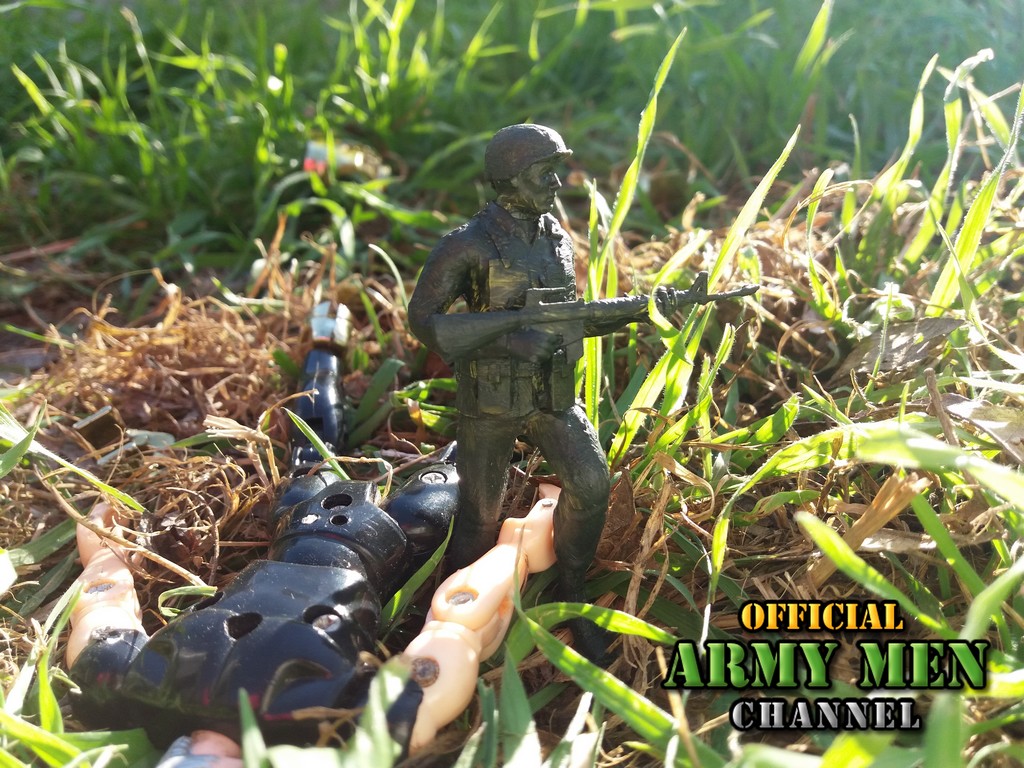
Green Army Men Plastic Soldier
Original Army Men
Army Men General Lilac
Army Men Zombies
Plastro from Army Men
Sarge after Army Men: Toys in Space
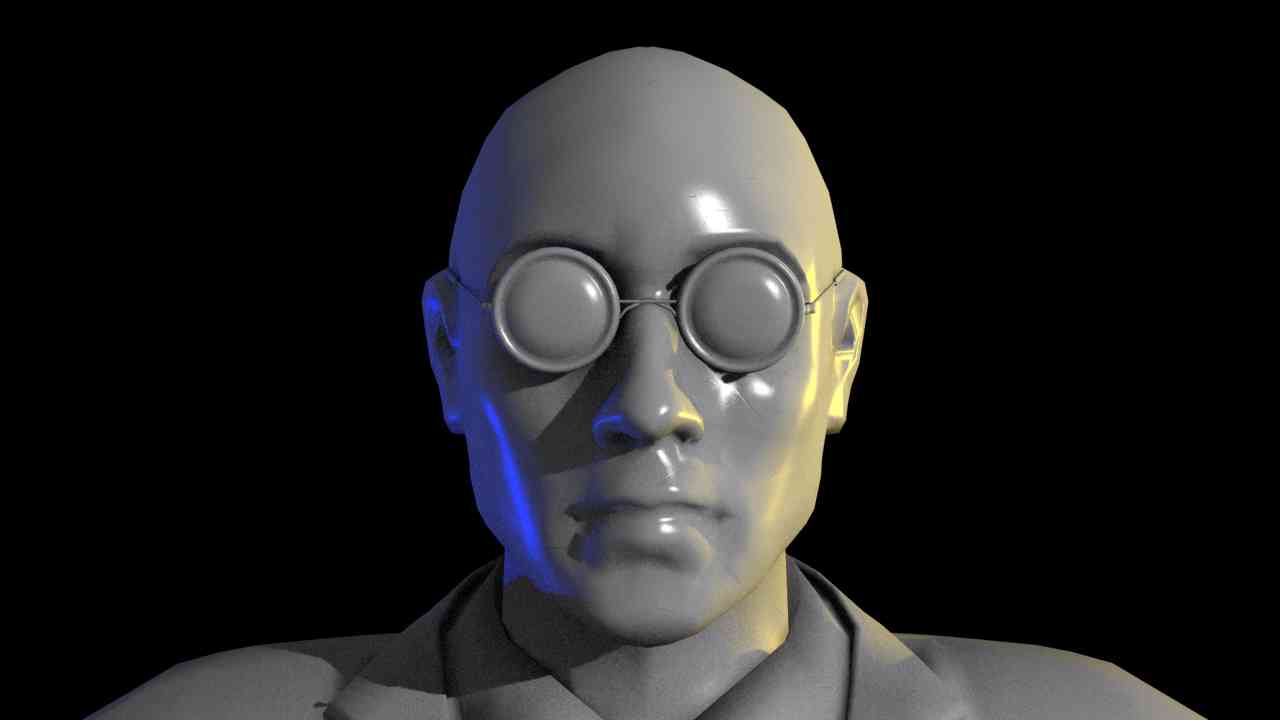
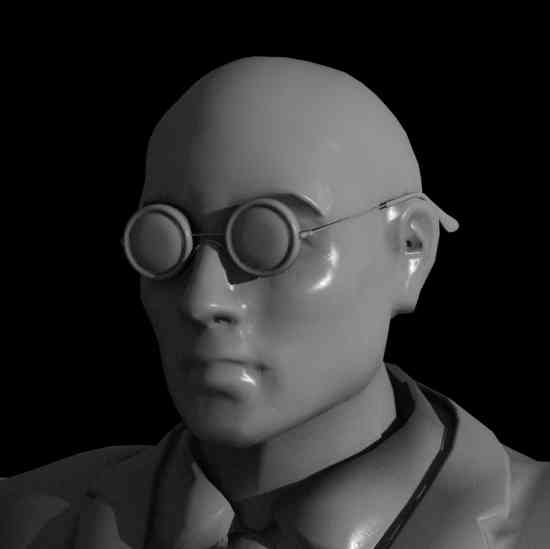
Army Men Dr. Madd
Army Men William Kirk
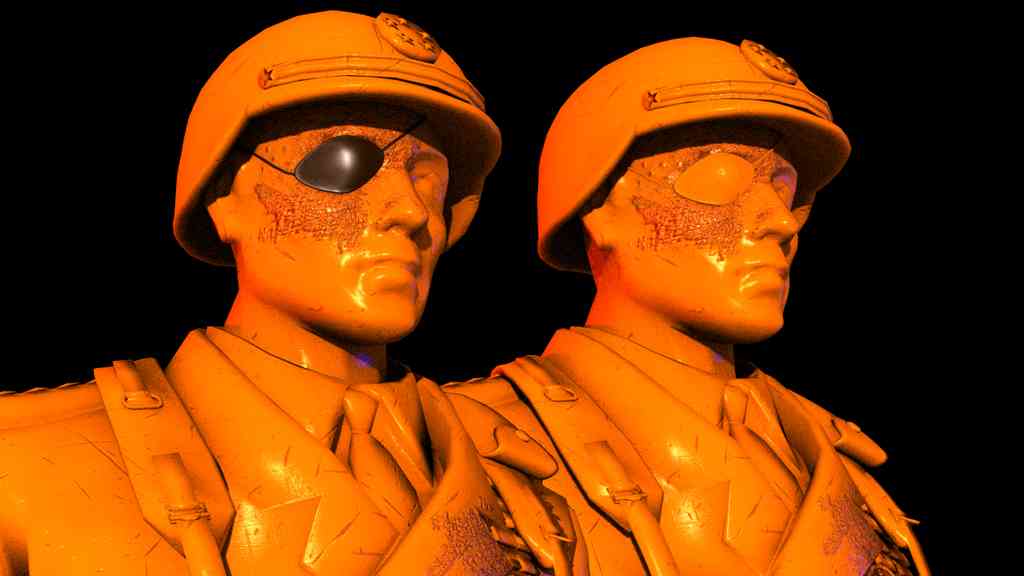
Army Men Orange Army
Army Men Orange Army
Tan Vikki Grimm Army Men
Private Driver from Army Men Major Malfunction
Private Wires from Army Men Major Malfunction
Private Anderson from Army Men Major Malfunction
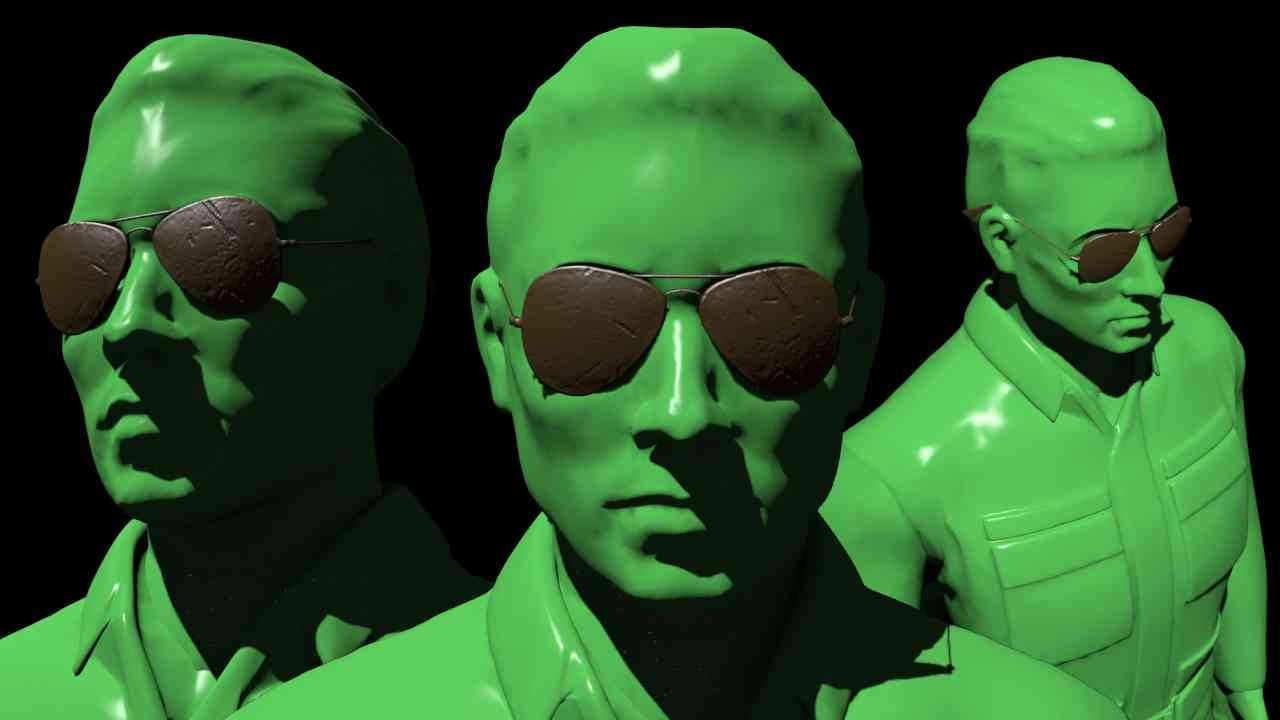
Agent Blue 001
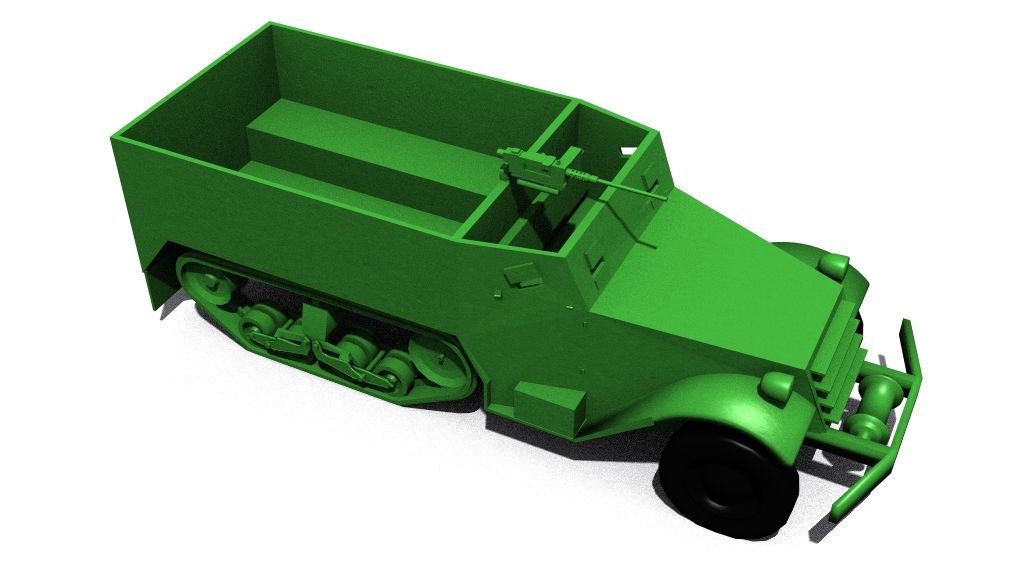
Vehicles
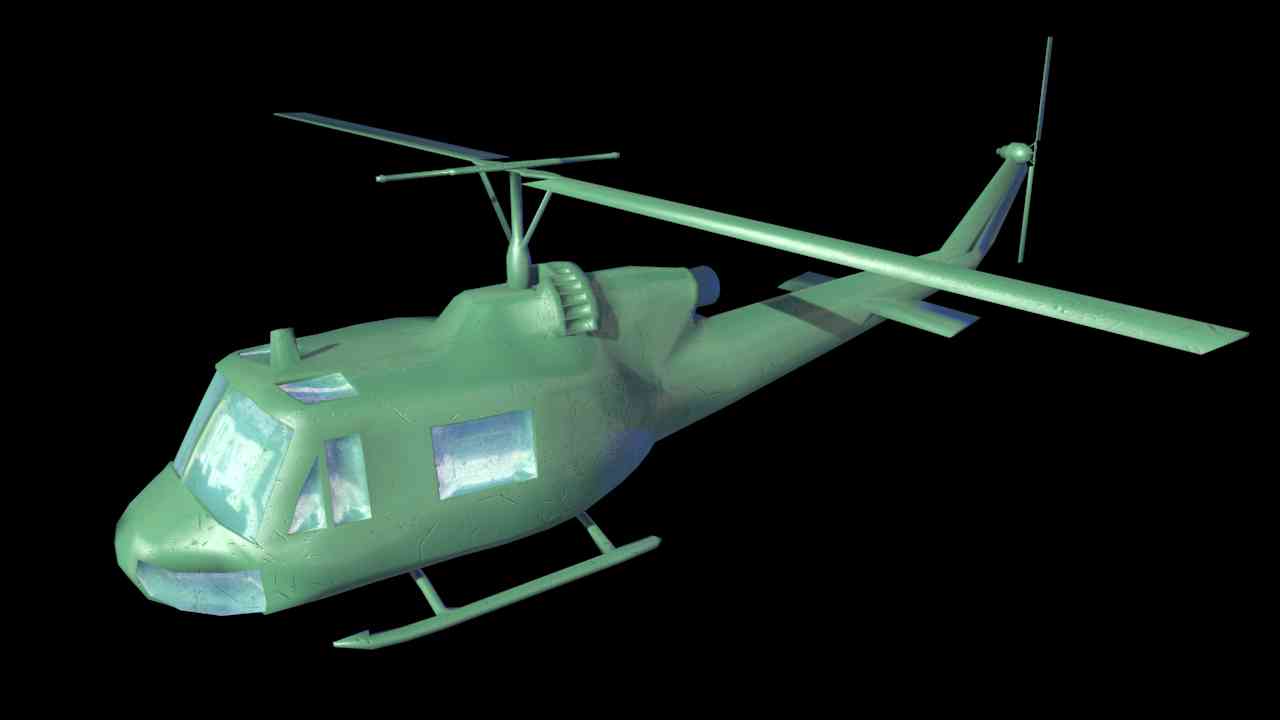
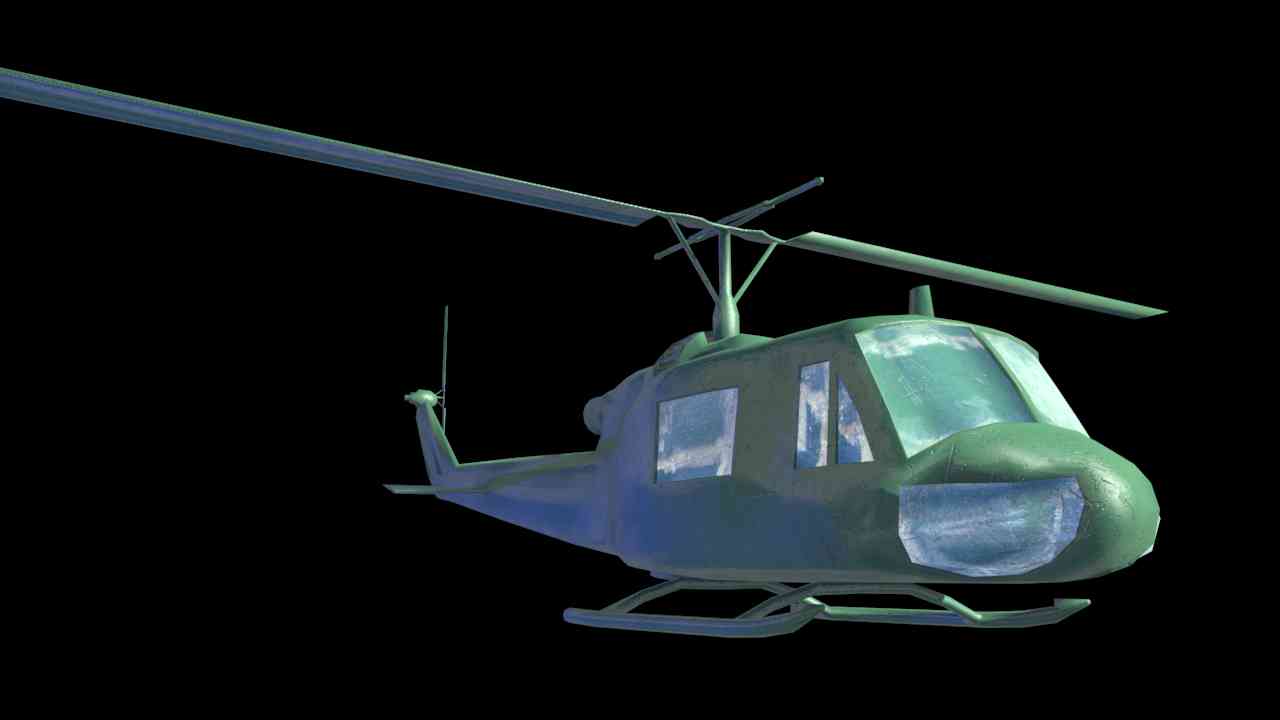
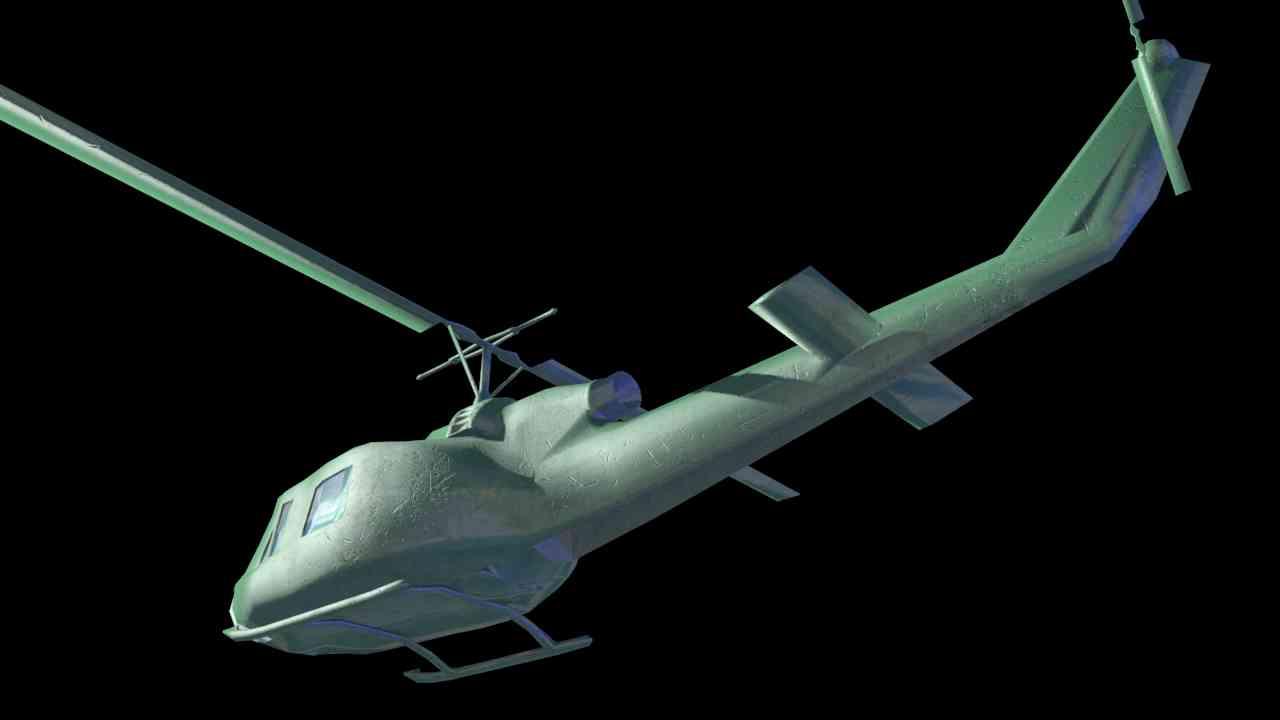
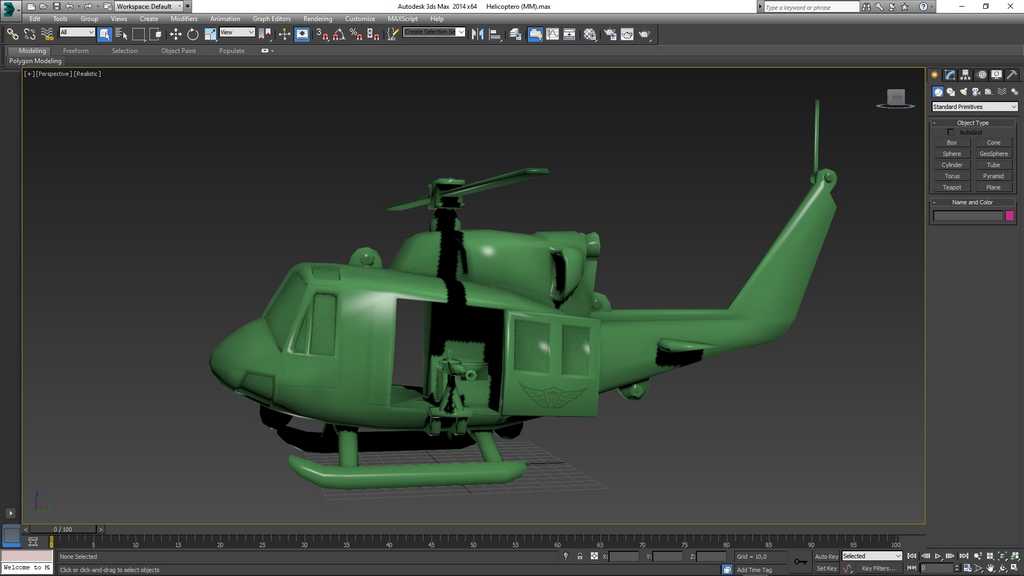
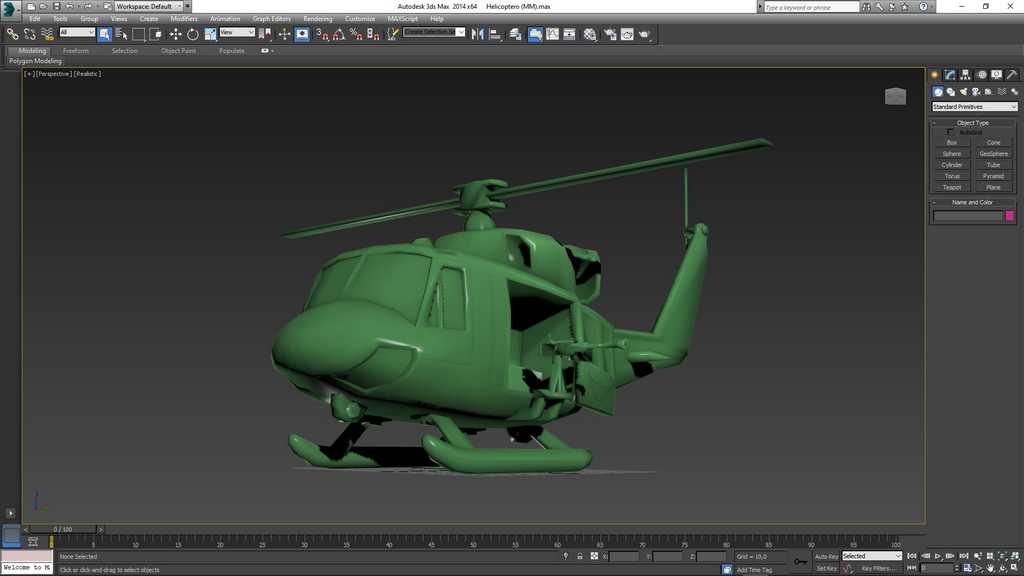
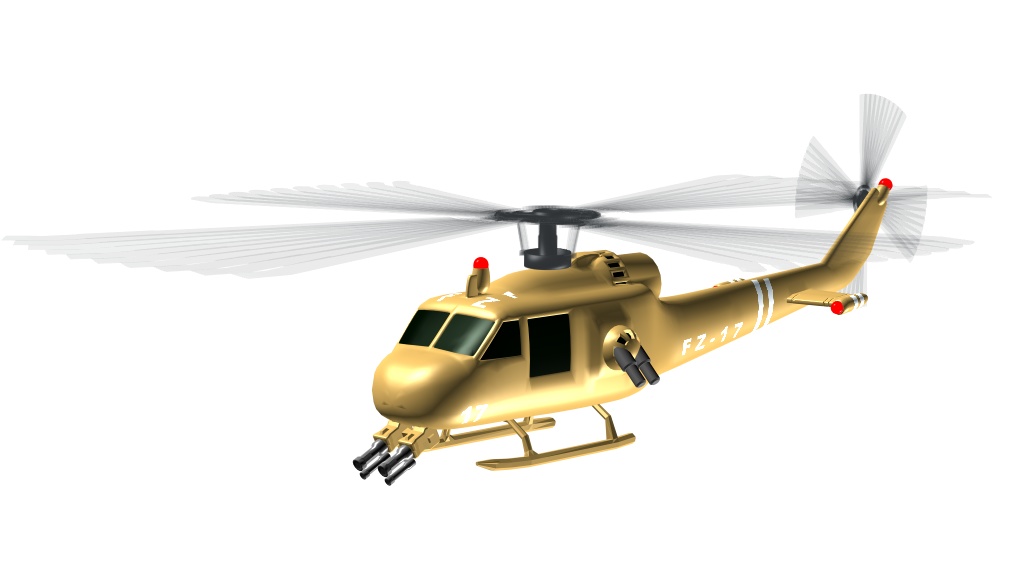
Army Men Huey Helicopter
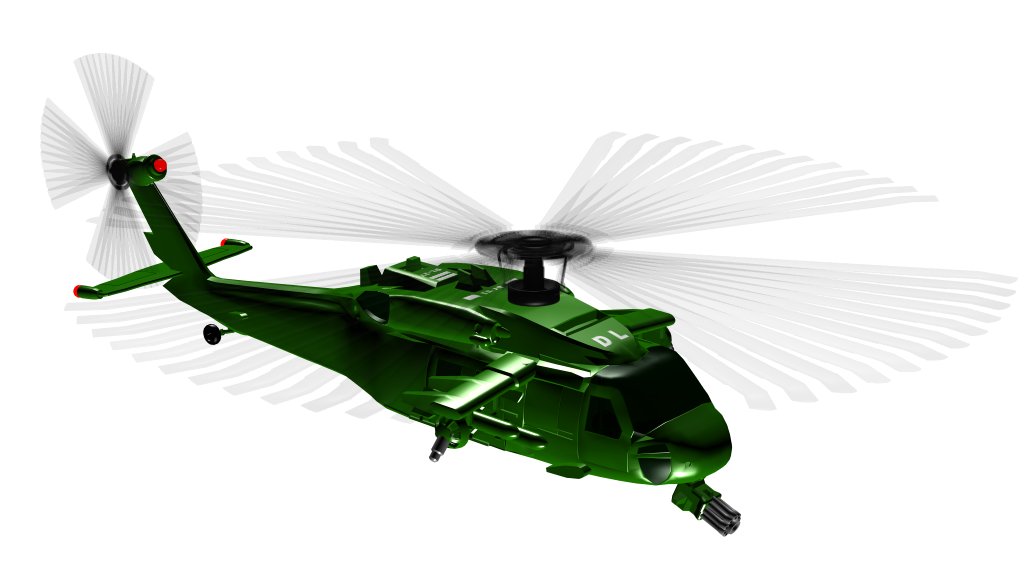
Army Men Toys in Space Huey
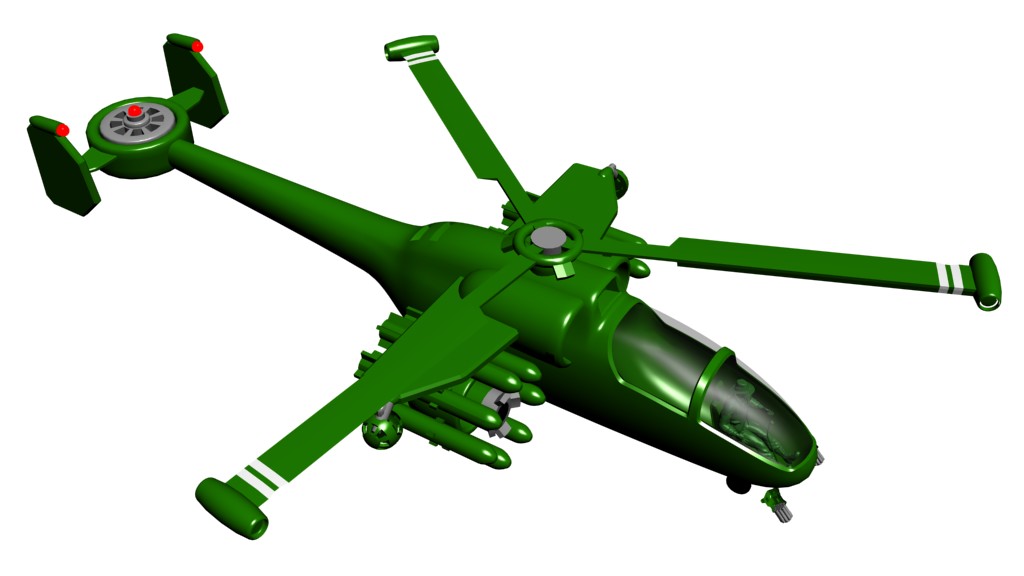
Army Men 2 Huey
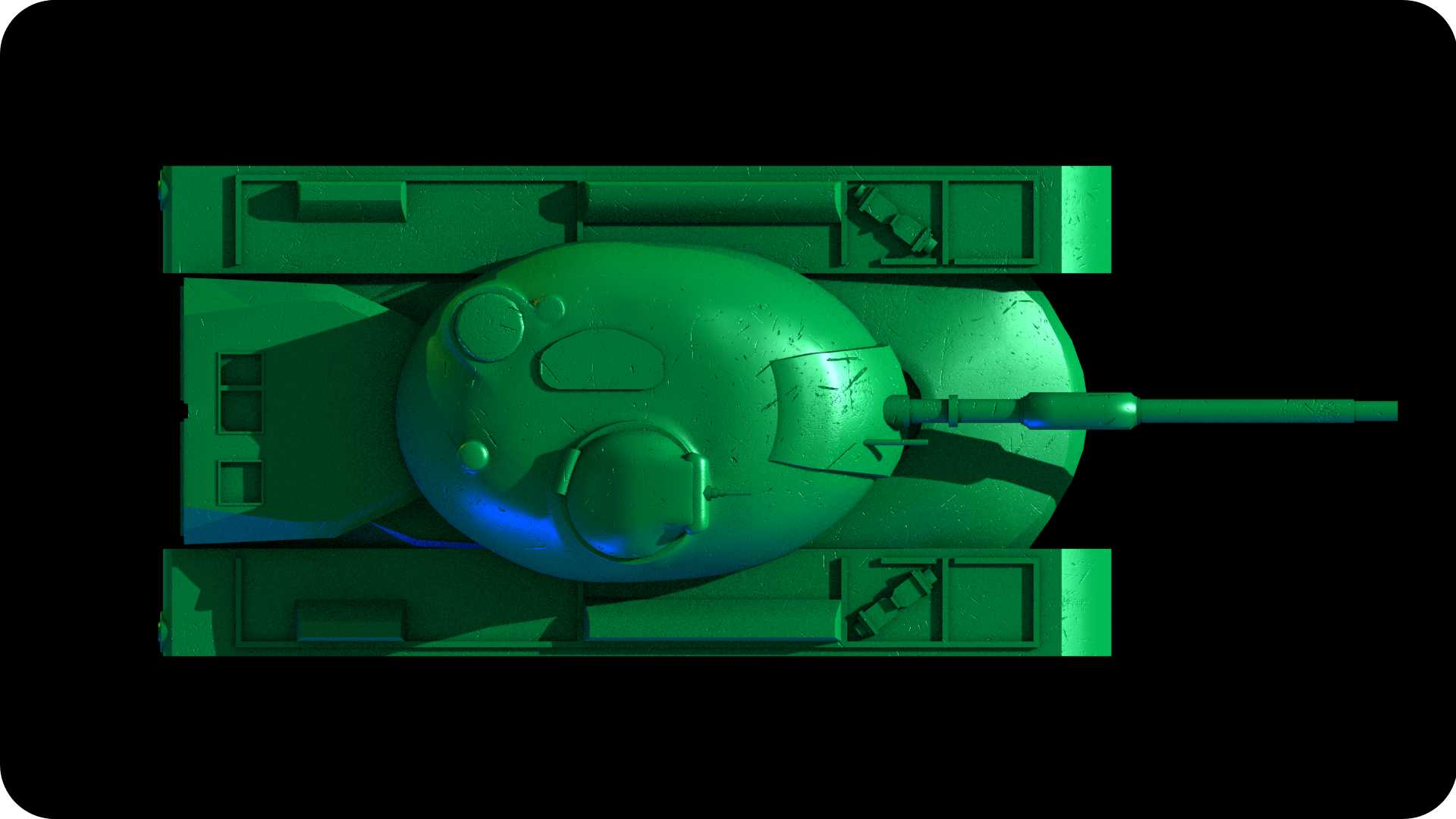
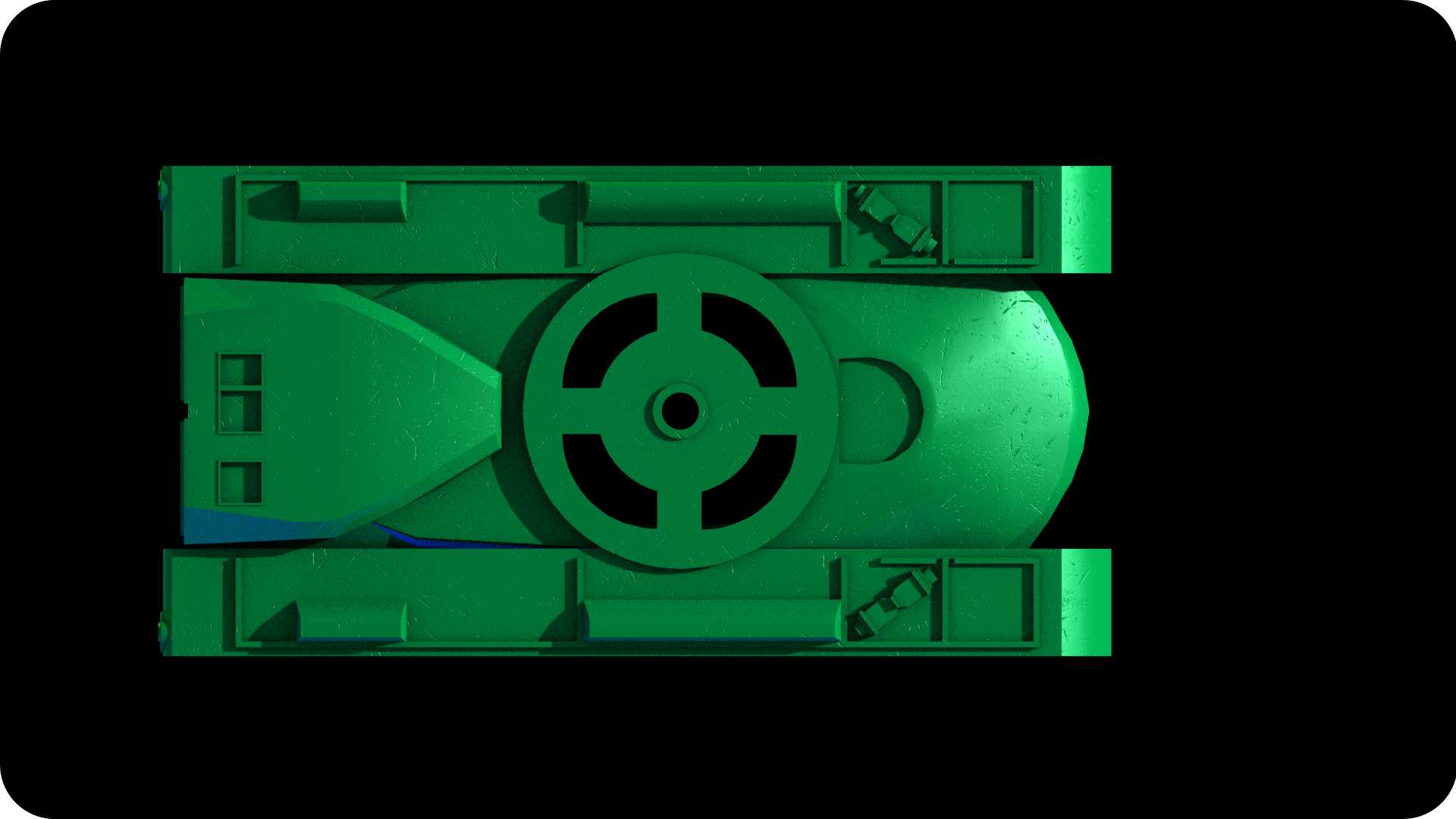
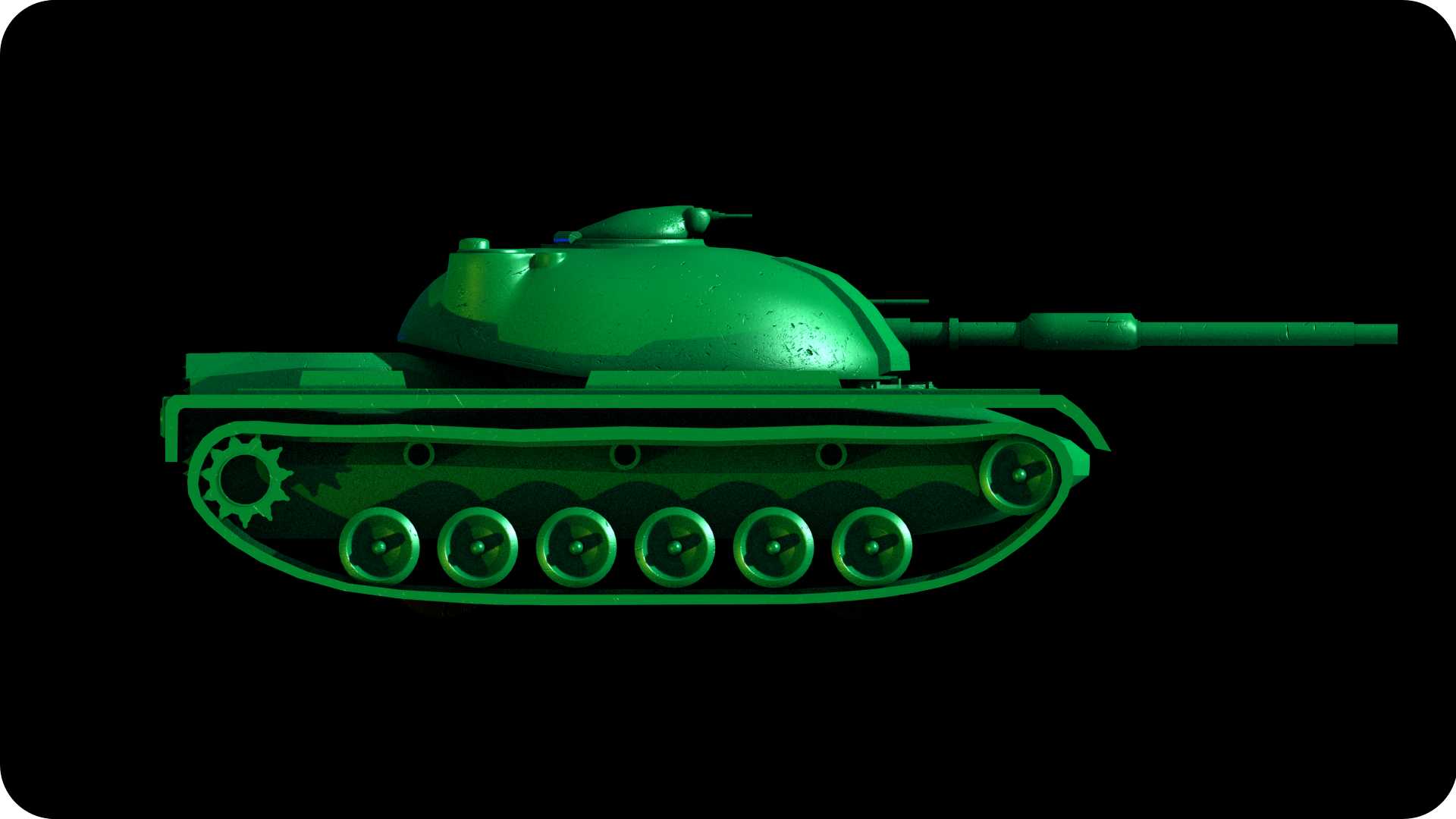
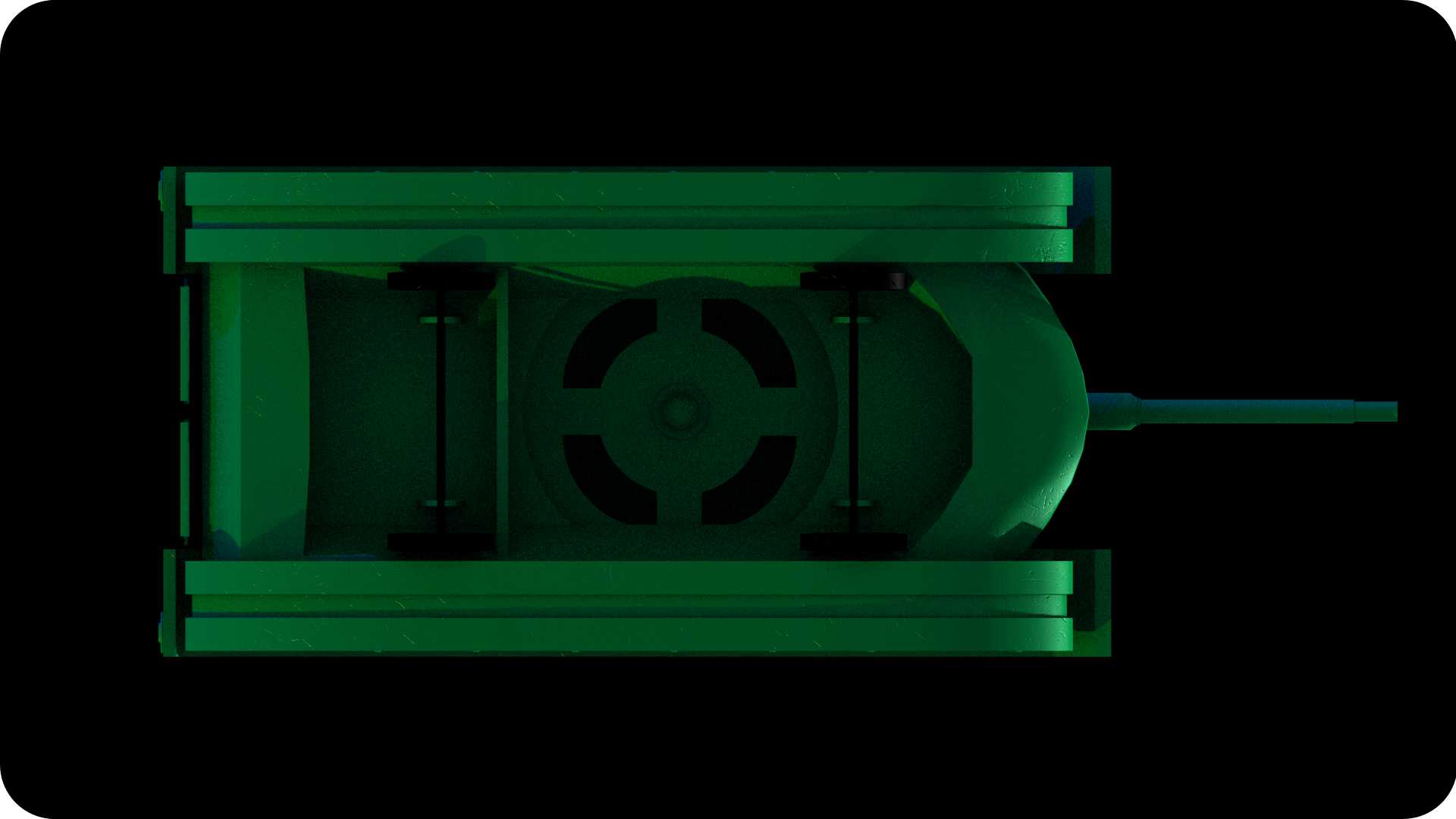
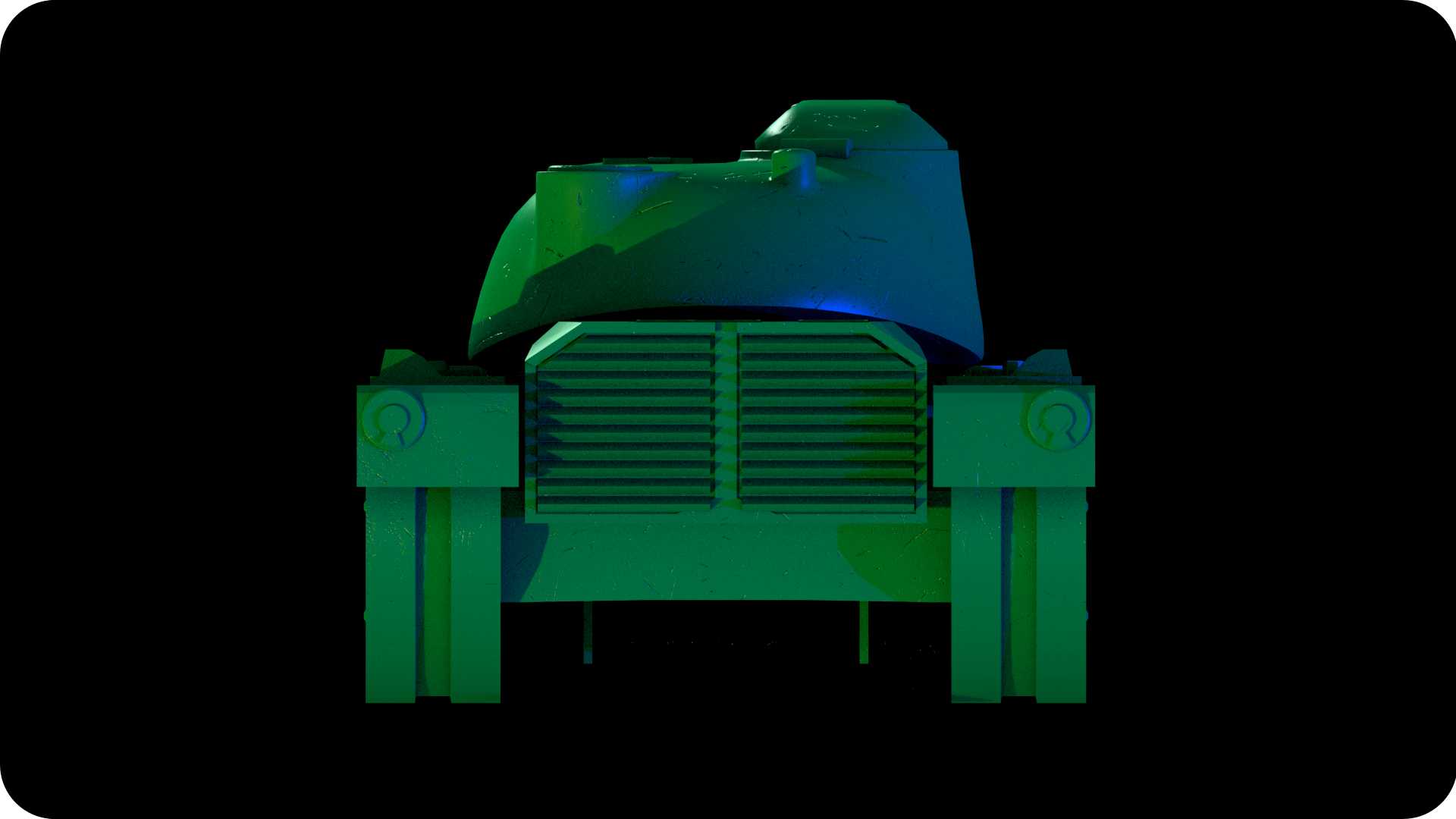
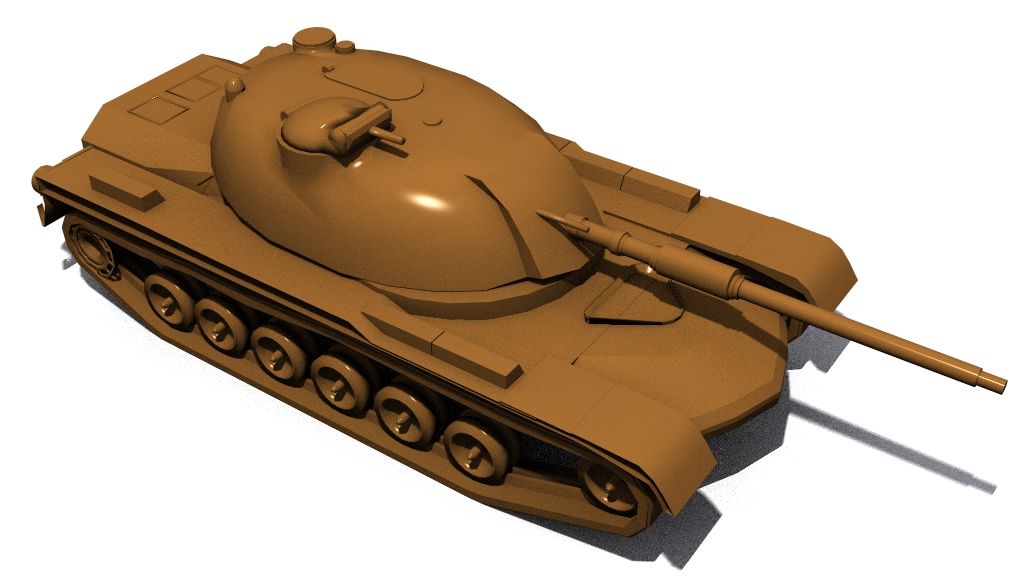
M48 Army Men Plastic Tank
Making of 3D models & 3D printing
Grey Colonel
First Real Life Army Men videogame printed 3D model
Tone, hue, or tonality: the degree to which the visual color stimulus can be described.
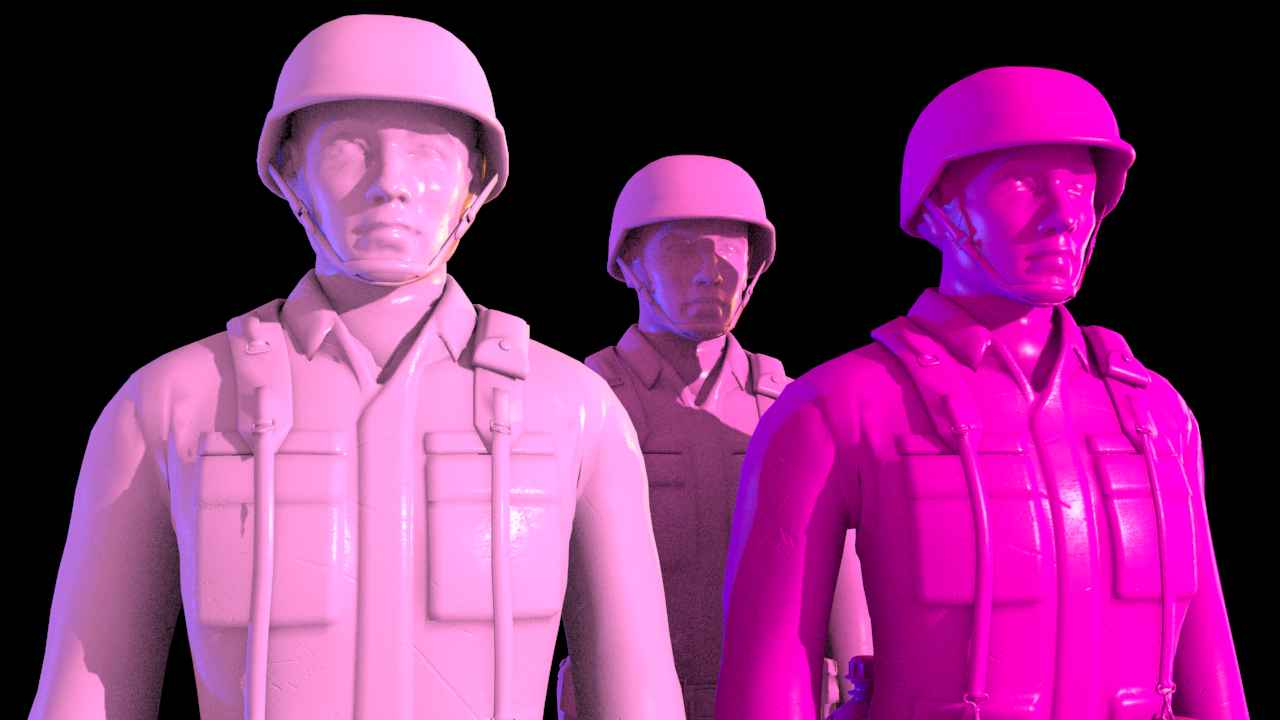
Shades of Violet Army Men
The Army Men armies in our project, especially in canon and in Army Men Revolution, will have different shades within their own ranks, just like plastic soldiers in the real world.
Over the years, the different generations of Army Men have changed in hue. From the Olive Green in Army Men 1, to the English Green in Army Men 2, to the Apple Green in Army Men: Sarge’s Heroes. Even in Army Men: Sarge’s Heroes 2 on Playstation 2 we could see plastic soldiers of different shades within the Tan. So it will be a thing in our project.
PS2 Sarge’s Heroes 2 Tan Soldiers diferente shades of Tan (light ocher and egg yellow)Shades of Tan Army Men Plastic Soldiers
And maybe some soldier has a hue that is between two worlds… between Blue and Violet, Red and Orange, or Green and Tan…
To make an incredible video game sometimes you need to do a lot of research
A Pigeon Fighting – Conceptual Video for Army Men Revolution
A pigeon fighting a plastic soldier sounds ridiculous, until you see it with your own eyes…
High speed. Precision. A weight of 250 Gr (9 ounces or 0.6 pounds). After watching this video, you don’t have to use much of your imagination to know that a pigeon would be a fierce warrior against a 2 inches lightweight Plastic Soldier.
Newton’s second law of motion states that F = ma, or net force is equal to mass times acceleration. A larger net force acting on an object causes a larger acceleration, and objects with larger mass require more force to accelerate. Therefore, the weight added to the high speed would be a tremendous force hitting a plastic soldier.
But of course, the resistance of the plastic would cause the soldier to simply fly away. The same with his beak (experienced directly with my finger in the video) bites a little hard for a human, and can even damage living tissue. But for a plastic soldier it would only cause some deep scratches or marks.
Animal combat investigation
A Cockroach can run at such high speed that it could appear to you so suddenly that it would surely cause you a jump scare, even if you hear his crackling sounds. But, even with its large size compared to a Cockroach, you would never hear a Cat until it is too late.
Like each of the Bravo Company Commandos or the members of Team Assault, each animal has a set of characteristics that makes it part of a diverse variety of formidable opponents. Anyway, this is the limit of our imagination and theoretical knowledge. Which is why we had to go out and look for real information.
The dove that could not live naturally…
When it comes to translating reality into the digital realm, such as animating a pigeon and providing the NPC with, although incredible, realistic characteristics, we have to go outside and look for these components of the Real World and observe them carefully, always thinking from the perspective of a plastic soldier.
On this occasion we were lucky enough to meet a healthy, 100% functional pigeon, which was domesticated by people who then abandoned it in a bird shelter. The first time we saw her, she allowed herself to be petted and stayed quite still, which allowed us to take photographs and measure her to make the 3D model. She had just arrived at the shelter where she was disconnected from all human relationships, staying to live alone with other pigeons, away from humans who only go to the shelter to leave them food and change their water supply. When we returned, months later, her taming level had already begun to disappear. It was at that moment that we took this video.
What is the problem with domesticating a wild animal? The problem is that it makes them useless when it comes to living in their wild environments. A domesticated bird will surely die because of its ignorance, lack of knowledge or because of its “brainwashing”. She will not know how to look for food and will be eaten by a predator or hit by a vehicle, deaths from which she will not flee because she will not even know what they mean. She will not run from a human because she will not known it’s dangerous… dying by slingshot.
Now she was not as comfortable with humans and although she did not escape with the terror of a normal pigeon, she no longer liked being petted, which indicates that her treatment to live in the wild was going well.
She had already chosen a partner, a Messenger (or Racing) Pigeon that was also abandoned, bigger, adult and more beautiful than her, whose wing fracture left him on the ground, never to be able to fly at a height that would allow him to have a normal wild life. With her he had already had 2 chicks, which when they became adults, the caregivers took them out of the shelter to release them and never see them again.
Maybe this story was too long, and away from what we were talking about, right?. Well, I went extended on purpose to prove my next point…
And it’s like that that by accident…
…nothing happened to the pigeon. She is still undergoing treatment with a possible early release. But anyway, all this that we learned accidently and unexpectedly led us not only to realize the real possibilities of a plastic soldier fighting a pigeon, but also the stories that an uninformed person does not even imagine are behind an animal which is considered a “rodent of the air”. Bapulated, ignored, despised and mass murdered, she also tells us (unintentionally) about human nature and his lack of responsibility with the other life forms that make his ecosystem. The difficulties animals must go through to survive, which we do not see, are worthy of admiration.
We humans tend to downplay everything that is small, but on the other hand we are fascinated and concerned about animals such as cats, dogs, lions, elephants, etc. Larger animals that we consider exotic because they are rare and we are not surrounded by them all the time. Therefore, from the Army Men plastic soldier’s perspective, a simple pigeon would be considered an impressive and exotic animal, from a world very different from their own: uncommon. On the other hand, the pigeon would ignore it due to its smaller size, not considering it a threat like if they were insects (unless the Army Men shoot her). It is for all these reasons that we assumed that they would protect a pigeon as much as we would protect an elephant.
Therefore, not only did we learn to admire an animal that we had never even thought of before, but it also opened the doors to an immensity of narrative possibilities for our story. That’s why the title “Animal Warriors” doesn’t just have the simple meaning you thought before reading all this.
The assets of the game will be a lot, but for the most part they will be the same three-dimensional geometry with different textures, as in the case of the Real World assets.
We will try to make each door, each wall, each window and each wooden furniture different, using an algorithm that will modify the location of the textures so that even if they have the same assigned texture, will be different, using mirror and rotated coordinates.
But the most important feature of these 3D assets will be that they will be made up of 2 layers of textures, not just one. And we are not referring to the different images that make a texture (diffuse specular map, opacity map, bump, reflection, self illumination, etc.) but will be made up of 2 textures, one on top of the other, with a system of opacity that will allow the texture from above to show certain characteristics of the texture from below, always talking about the order in which they will be positioned.
A texture will be the one that will have the details of the object, such as depth or any inescapable characteristic such as the hole for the key. The other texture will fulfill the function of color, surface texture and imperfections.
3D models in the Toyverse project vault
We have a mix of original 3D models, new ones and recreated. Below we detail what we’re collecting.
Several 3D models from the Army Men franchise have appeared over the years. Here’s a compilation of the ones the fandom have and the ones we’re missing…
Here you can find links to download some of the 3D models made or acquired by 3DO. All of them will be made available gradually.
1. Official but non-original Army Men 3D models used in the franchise, purchased to third party by 3DO and used as obtained, or modified by 3DO
Models used by 3DO in the Army Men video games, but which were acquired from third-party 3D model banks, used as acquired or with some modifications. In this case ViewPoint 3D models.
3. New and non-official screen accurate copies of Army Men 3D models used in the franchise made by the Toyverse project
Some of these models are loosely or heavily based on the 3DO models seen on screen. Rather than making exact “screen accuarete” copies, we created these vehicles or characters as versions of themselves after what was seen in Army Men, as a sequel to the characters.
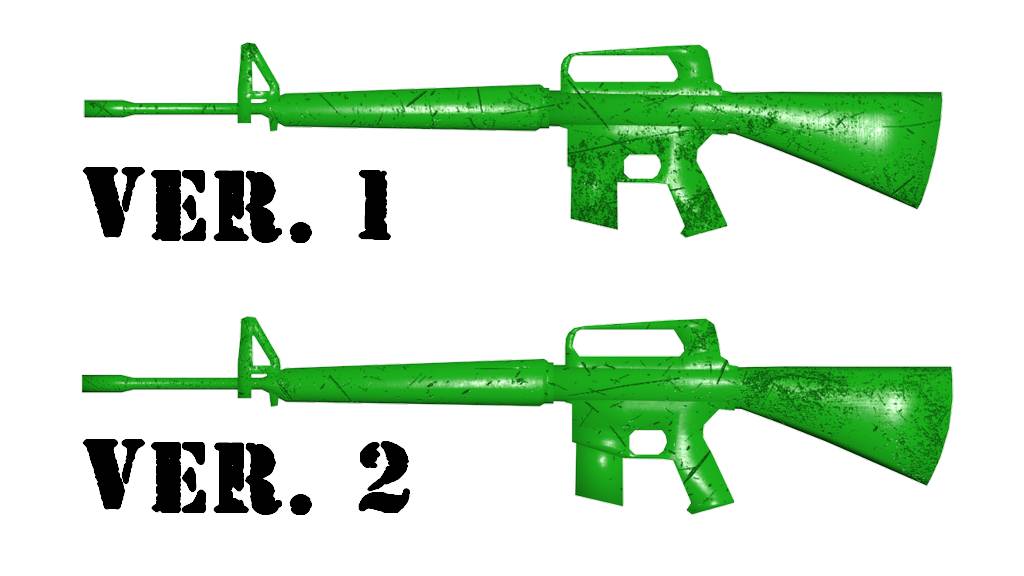
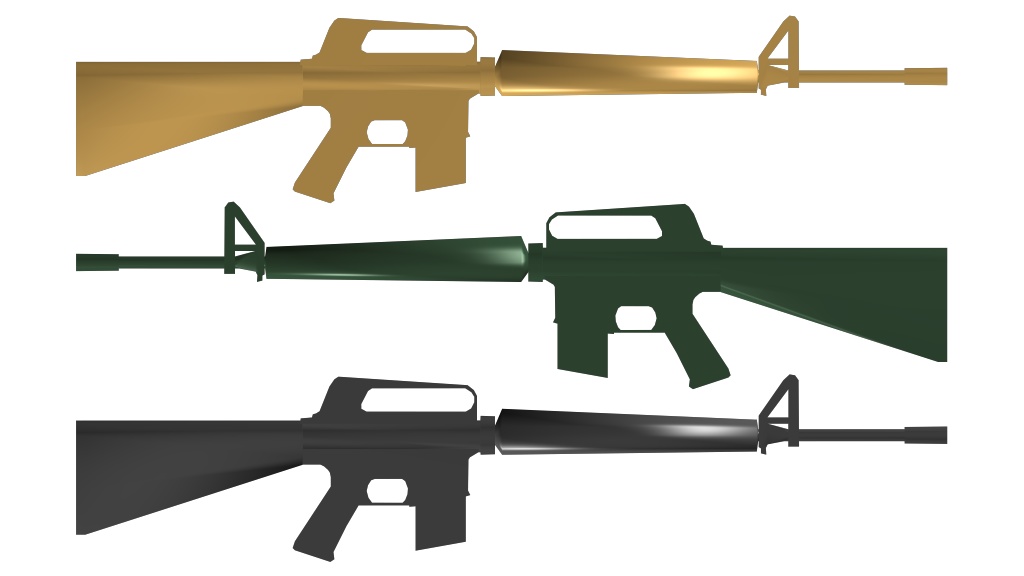
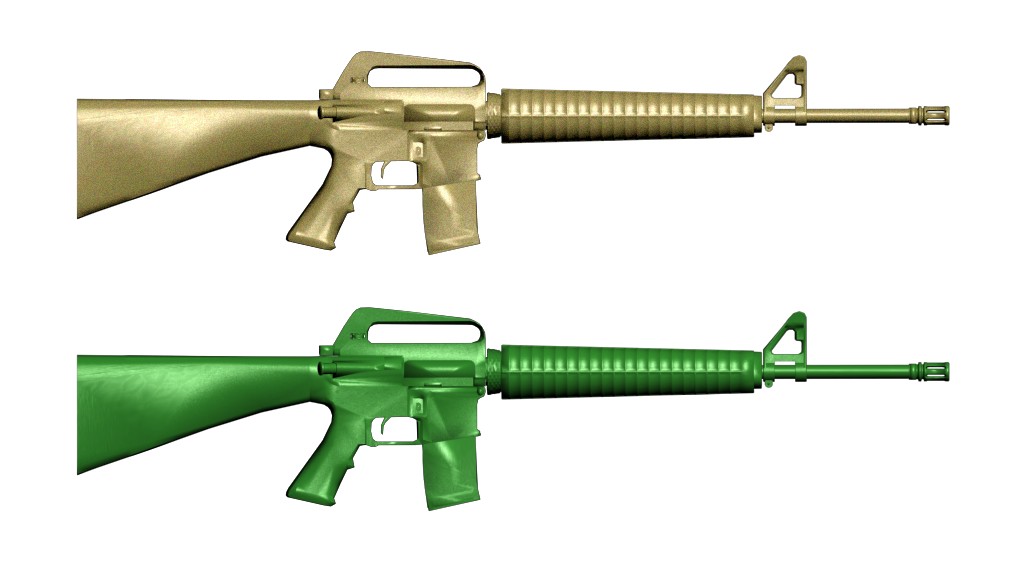
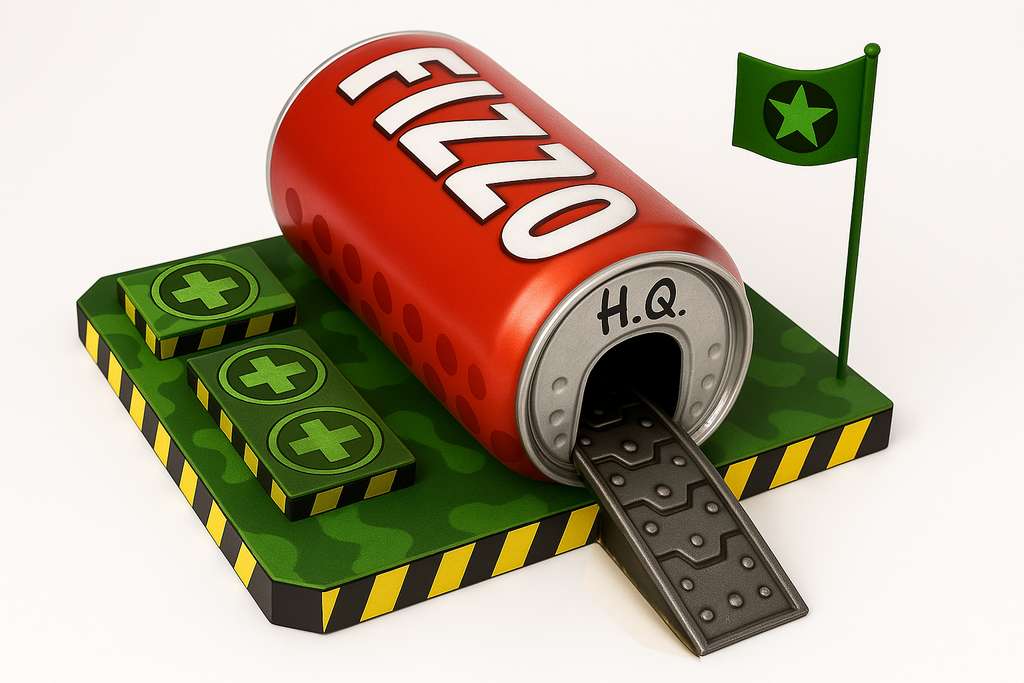
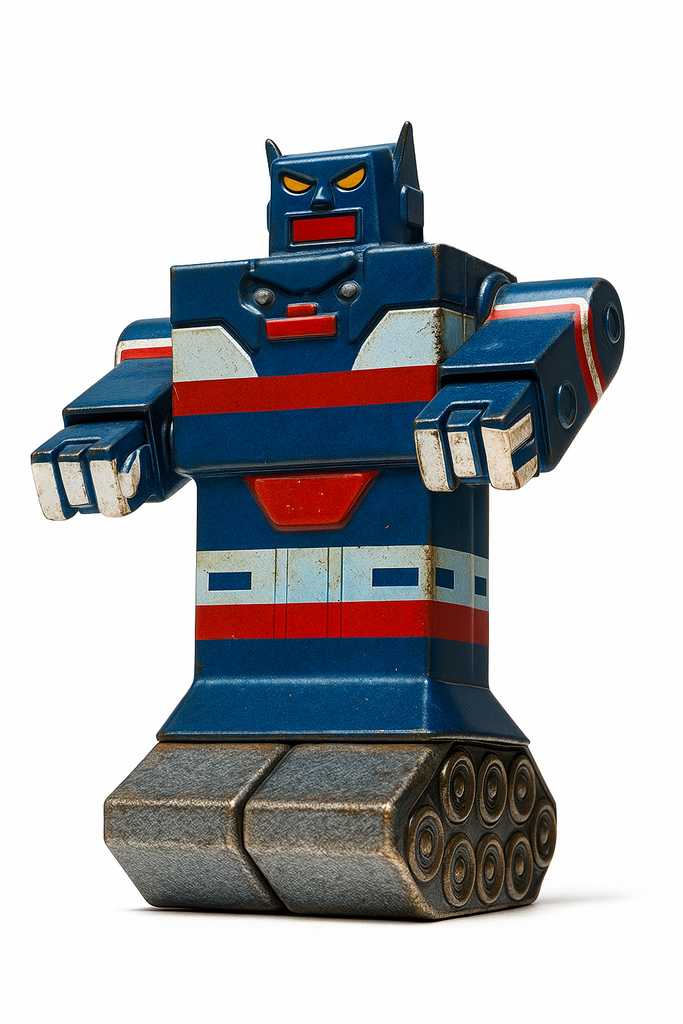
CGI HQ Toyverse OriginalCGI V-Bot Toyverse OriginalCGI Dump Truck Toyverse OriginalArmy Men logo V2 (2000)Remake of M48 Tank Toyverse originalRemake M16A1 Toyverse original
Non-official Original Army Men Toyverse Project 3D models made by the Toyverse project or third party
Some of these models are loosely or heavily based on the 3DO Army Men 3D model style. But also, rather than making an original 3D model, we have adapted 3rd party 3D models. In this case ViewPoint 3D models from the same model batches, also used by 3DO.
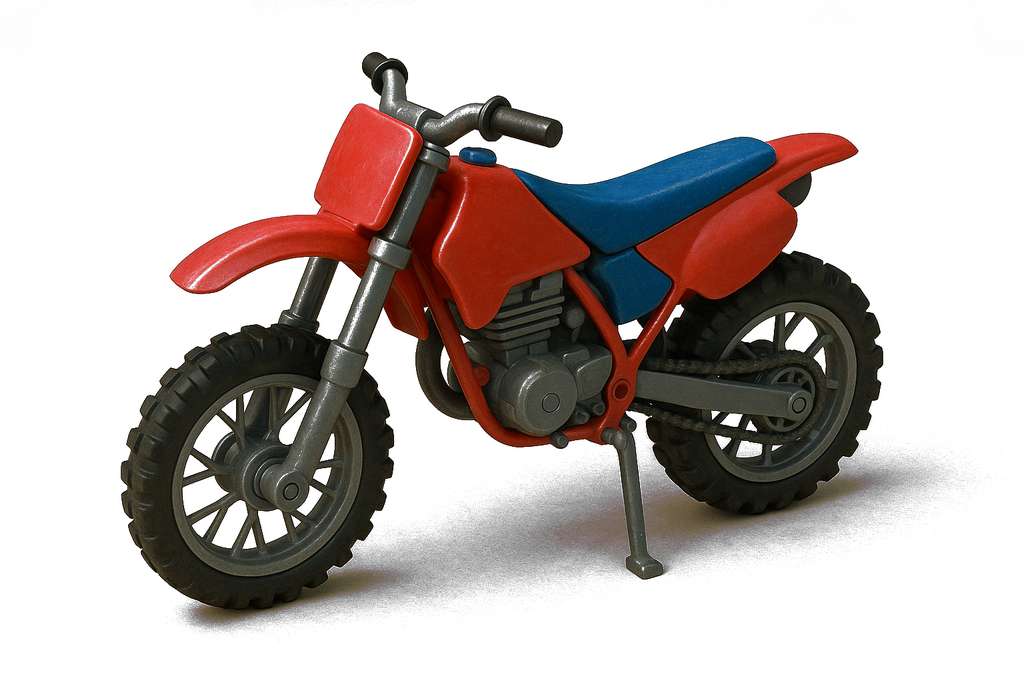
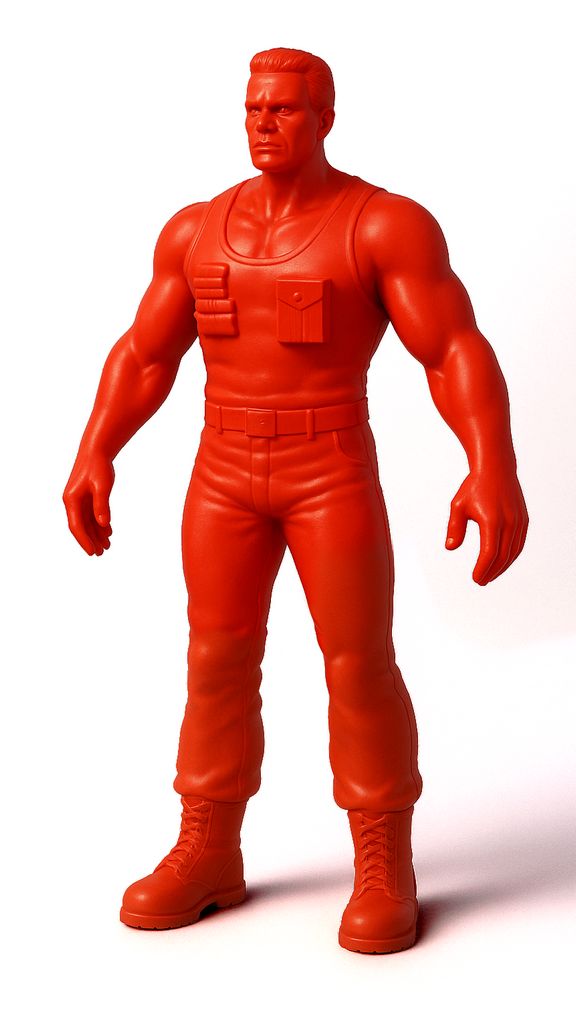
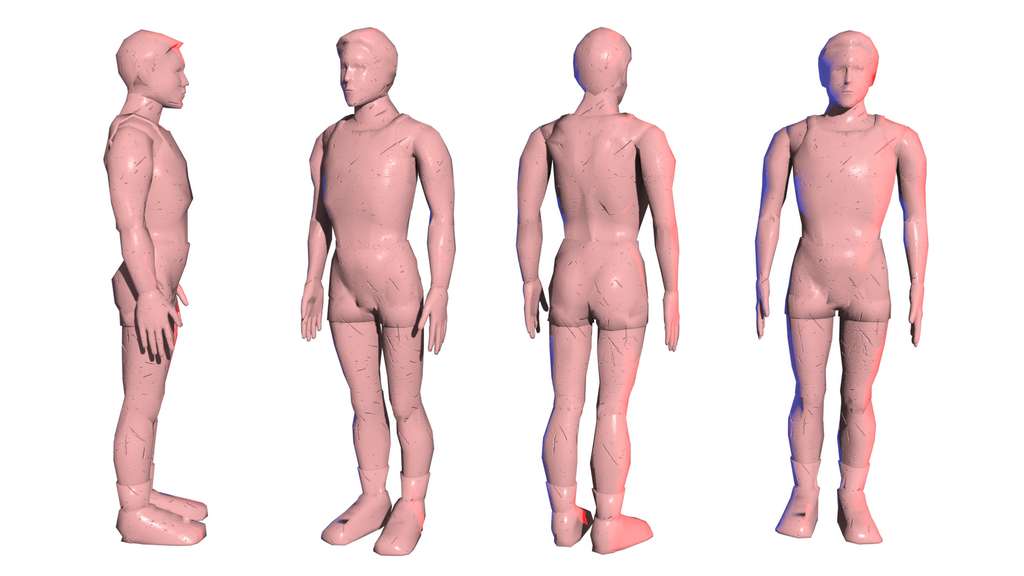
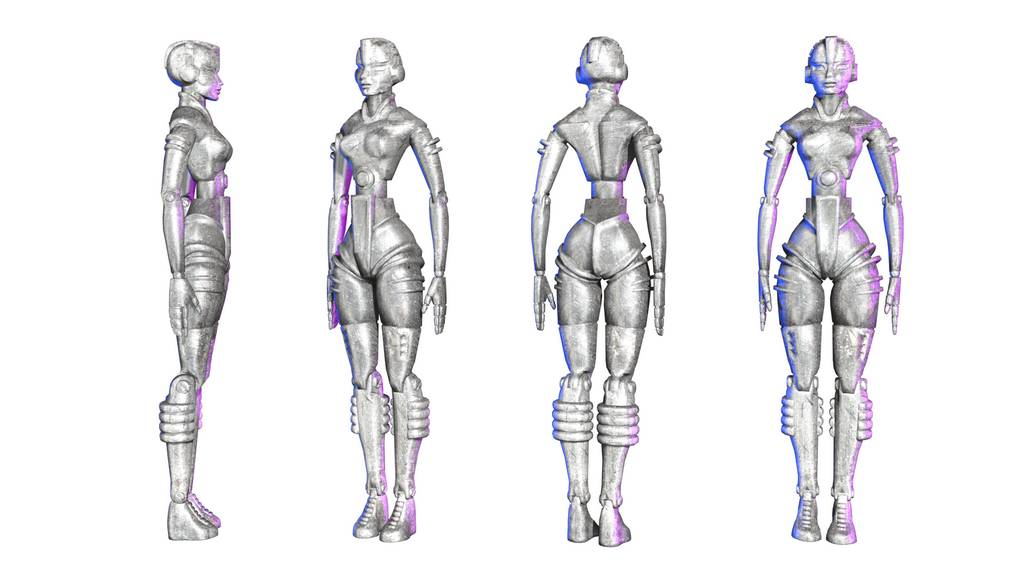
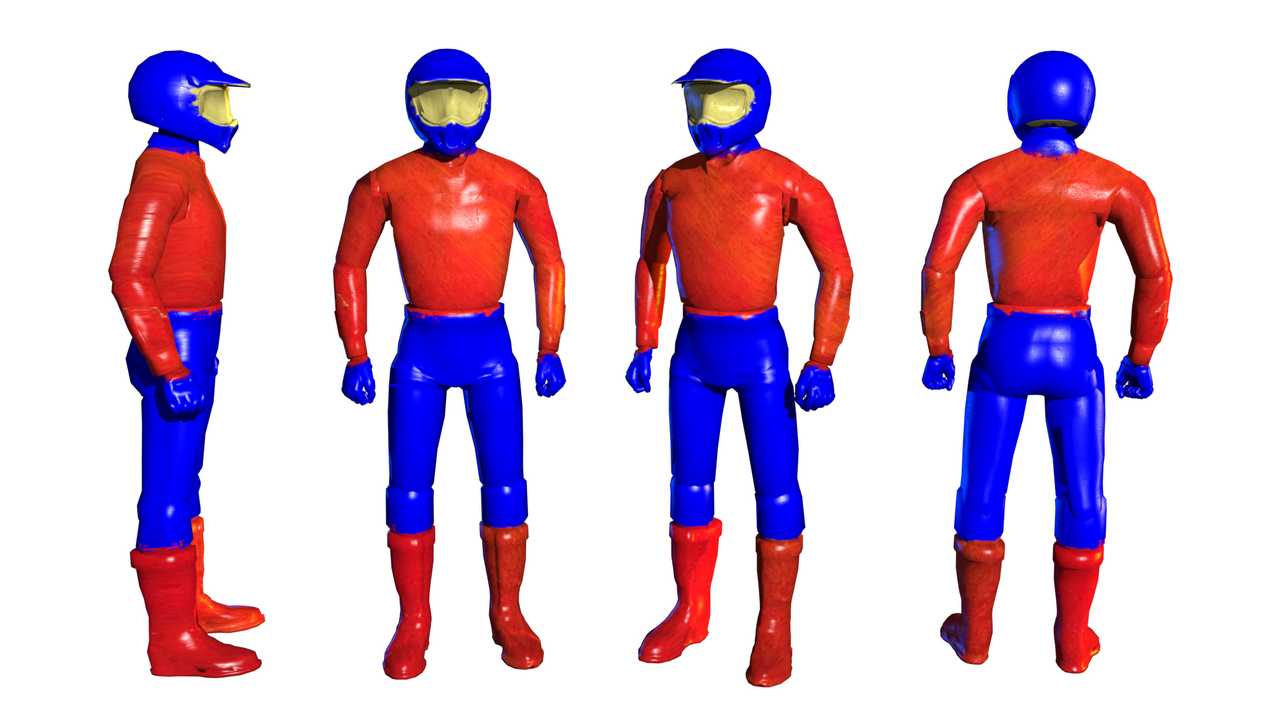
Toyverse Original CGI MotocrossToyverse Original CGI characterGymnast Original VP ModelAmazonas V1 Original VP ModelC3-R34L Original VP ModelBiker Original VP ModelFire Modified VP ModelOriginal VP Model (Agent Blue 001)Modified VP Model Sarge post TISLight Blue Artic Modified VP ModelImperial Greys Modified VP ModelUnnamed Colonel Modified VP ModelModified VP Model (zombies)Unnamed Violet General Modified VP ModelOriginal VP Model
“Well, Portal Runner is no longer considered canon, with this situation that you say (PR is canon), we should add Superman and Batman to the game because it adds new things to the game.” – A particular Army Men die-hard fan
Everything this guy said have no sense. Who said Portal Runner is not considered canon?, and what does Batman have to do with it? I get it, it’s a metaphor. It doesn’t make sense anyway.
“head canon” it’s a personal thing, not the real thing.
It’s VERY strange that some fans have that “I like this so it’s canon. But I don’t like this so it’s not canon” with things that don’t really bother them, but it seems to hurt their sensitivities. You may not like Portal Runner, that’s legal. But it is exaggerated that if it offends you to such a degree that you hate it.
I really don’t understand it. I mean, it’s not that I like Portal Runner, but it doesn’t bother me either. It’s like Teletubbies annoy me just for existing lol
“I’m not a fan, but I know it brought interesting things to the Army Men canon. Because it is a game from the Army Men franchise. That is unavoidable.” – Thanos
What rules said that Portal Runner isn’t canon?. Be careful with imagining something so strongly that you believe it to be true. Because there is no such rules. There are only presumptions by some fans who believe that some things are not canon, others are from another continuity, etc etc etc. But no one said anything about Portal Runner lol.
Another debate in the Army Men community is about Army Men: Sarge’s War: the Heroes, Vikki Grimm and Colonel Grimm who died in the Peace Treaty terrorist attack were all clones… because many refuse to accept that that happened. And while the ending shows us those tubes with names, the reality is that it remains somewhat ambiguous… unless you listen to the father of the Army Men canon, Michael Mendheim: he himself said in an interview that he wanted to kill them, as a metaphor for the bad time they were going through during the development of Sarge’s War, the bankruptcy of 3DO, between layoffs, cancellations and warnings of a bleak future for the company and its employees. On the other hand, it is understandable that the childhood of many has been marked by this… but that is the truth. ALTHOUGH, it does not mean that it has to be the end… since despite their intentions, they left us some elements to reverse that bitter ending (the tubes with names).
Holders of the truth
The only ones who knew the truth about these “canon” & “inconsistencies” things no longer exist, the 3DO team from that time, behind the Army Men games. And I’m not even really sure about that, since I don’t think they were that involved with it to the point of being obsessive about it.
By the way, before someone does it: It is not valid if a former 3DO employee say something today and for that reason it will be considered the truth, because years passed and those who decided that, were an entire group with bosses who had the last word. Anyway in these years since that, we have never seen anyone on the internet talking about it. So, point for this theory!
But then… how?
The only way I think we can bring some light to this “canon” matter is to gather the entire old group, together, and ask them. But anyway, a LOT of time passed and more than sure they no longer even remember, because of this, or because it was simply a job and they were never that interested in it.
Or on the other hand they can be gathered by someone and made them to say whatever he wants them to say, which is why I think it is no longer possible to get REAL answers today.
What should perhaps be accepted is the suggestion or ideas of an old member of the team. That couldn’t be ignored!
But with all my years in video game development I can tell you one REAL thing that few or no one can tell you here…
Because of how storytelling works, most of the biggest inconsistencies were actually left, on purpose, with AMBIGUITY. That is, without really defining it. And that’s totally on purpose. When you don’t know how to solve something or fix something that is difficult to fix, but that should be a necessary change, you leave it poorly defined, open to interpretation, ambiguous. That can be understood in various ways or admit different interpretations and, consequently, give rise to doubts, uncertainty or confusion. But also a certain level of satisfaction on each side of the debate.
I’ll give you an example…Sarge VS Sarge Hawk. It was NEVER defined, and that’s on purpose. Surely, according to what I personally assume given my knowledge, for the developers Sarge Hawk was supposed to be the same protagonist of the previous games. The clearest clue is the similarity between Sarge’s original voice and Hawk’s voice, as well as their personalities. And of course, that Sarge disappeared from continuity with Hawk appearance lol.
Here is the solution: SOFT REBOOT
You have a classic property (Army Men), one that’s made money hand over fist for you for years, perhaps decades, but now, it’s getting a little long in the tooth. Maybe it’s dated, maybe recent installments have tarnished their name, maybe it’s just bogged down in “Continuity Lockout”. Perhaps you’ve just finished the story you wanted to tell, or you’re still telling that story and don’t want to ruin it yet. Or maybe you’ve finally been given the budget to make the entry in the franchise you’d wanted to make years ago but couldn’t afford.
That’s what happens with good ol’ franchises. But in this case I know for a source that was the dev’s bosses who want a different approach, a more “mainstream” product, or just what they need to upgrade their approach.
Resetting the thing to bring in new fans sounds like a good idea, but maybe the core storyline is still interesting if you can get rid of the bad superficial elements that accumulated around it over the years, or peel back the exaggeration of its problems over time; maybe you’re about to release it into a wider market where they never got the previous entry while pleasing existing fans; maybe you want to make a straight sequel but have to take a new direction because of drastic creative team changes; or maybe you’re simply afraid of the backlash to a Continuity Reboot.
In the case of the Army Men franchise, I think YES OR YES they needed a change. What else could they do after AM1, 2, TIS, WW and AT that was new using exactly the same elements without going away from that? It would have worked with the die-hard fans and bigots, but not with the general public from whom they need the money.
Yes, Army Men 1 was a success… but when could they replicate that success with exactly the same thing? It was a one-time win.
What to do? Well, perhaps a “softer” approach will serve. Instead of starting over, dip into the Troper Well and pull out a way of explaining you’re not really tossing away the classic stories the fans love. There are many ways to accomplish this:
It could take place after a lengthy Time Skip, allowing you to make a Same Plot Sequel with a new generation of characters and a few old favorites popping in for a Continuity Cameo.
It could be an Alternate Timeline that diverges from the “main” timeline thanks to time travel shenanigans, so you can do a fresh, modern take on iconic scenarios while the main timeline exists in parallel.
It could start with a Retool where the setting and scenario are significantly changed and the cumbersome or outdated aspects are dropped.
It could be a prequel with younger actors where all the things the old audience knows are hinted at, without being burdened by excessive continuity that will drive off new audiences.
It could be a side story taking place in the same universe that coincidentally features characters or situations the old audience is familiar with.
It could treat the original with Broad Strokes, so that the things the old audience liked happened for sure, but the things they didn’t like didn’t happen.
Essentially, a Soft Reboot. It has many elements of a reboot, and feels a lot like one, without actually getting rid of the old continuity.
Contrast the “hard” Continuity Reboot, in which the old story and continuing plotlines are explicitly kept, but minimally/mostly copied and started over from Day 1. Also not to be confused with a Soft Reset or Canon Discontinuity.
In the case of Army Men and what came after with the big changes made with Sarge’s Heroes, Air Attack, etc. was a kind of Soft Reboot, where they introduced everything new with a great future ahead, a lot of room to expand a develop (or at least that’s what they thought), without removing many of the elements that fans were familiar with, such as the plastic soldier original design.
Something very symbolic to represent this change and say goodbye to the old continuity, and that NO ONE has talked about, is the first scene of the Sarge Heroes campaign, this one…
Saying goodbye to the old Army Men, welcome to the new one!
This is LITERALLY the developers sending you the message of the change, to you and for them, like a “farewell” tribute. You go from the Sarge continuity to the new. It shows you the classic soldier, as always was, who suddenly leaves the scene, drastically, to make way for Plastro’s new design with everything that is coming behind with him, and the next scene shows you the new protagonist, Sarge Hawk.
To finish with my words…
They NEVER clarified anything because from the beginning they didn’t want to. They wanted it to be open to interpretation so that everyone would be satisfied with their interpretations of the events. Those who want to believe that Sarge Hawk and all that continuity is something different have nothing to contradict them. And those who want to believe that it is a sequel and that Sarge is now somehow Sarge Hawk, have nothing to contradict them either (au contraire). In short, everyone is happy. And Portal Runner is canon.
Project to restore old Army Men films into full color
On the anniversary of the 70 years of the famous Green Nation Newscast, using technologies from the extinct humans of the Real World, we present some images of the color restoration in progress, where we can even see several of the nation’s heroes who us have long since left, including their star reporter: Vikki Grimm.
Teaser trailer of the Green Plastic News – restoration project
Army Men: Sarge’s War: The eulogy for an entire series
It’s a complicated subject, the Army Men series. The 3DO Company released somewhere in the realm of 25 games between 1998 and 2002. When you consider some of the ports were made from the ground up and entirely distinctive to the platform they were released on, the actual number of unique games is probably around 35 or more. I’m sure you can already see the problem.
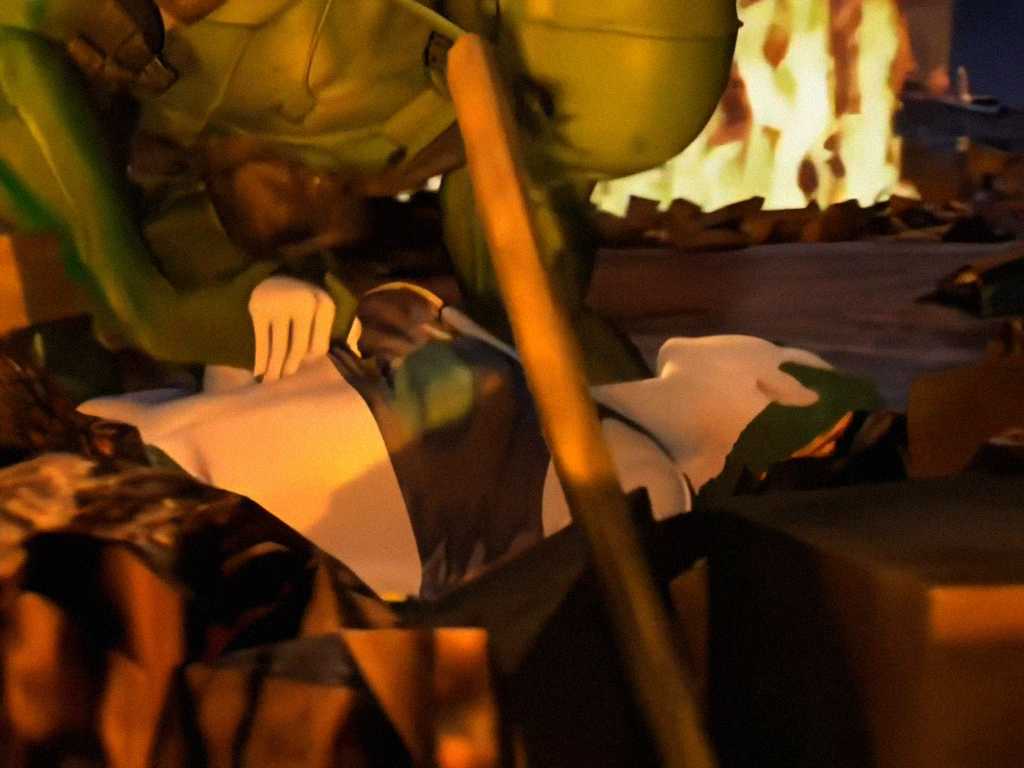
Army Men Sarge’s War Vikki Dead
“The problem was with all the early success of these Army Men games, the executives at 3DO thought they could ship an Army Men game (or bundle) every quarter and be successful,” Michael Mendheim, creative director of Battletanx and the Sarge’s Heroes subseries, told me. It’s obvious. The output was stunning, putting even history’s most prolific market spammers, like Guitar Hero, to shame. What started as a promising series with a few hits on its hands quickly declined into one that was treated with scorn and derision by players and the press.
The result is that the Army Men games are poorly remembered. I’ve previously compared the series to a shotgun blast: a sudden and abrupt spread, sometimes causing a lot of agony. Few mourned the loss of the franchise, but I still visit to place flowers on its grave.
Army Men Sarge’s War Col Grimm dead
The 3DO Company was founded by Trip Hawkins, who previously founded Electronic Arts years earlier. Hawkins dreamt of a console that would become the universal medium for games. Licensing fees would be almost non-existent, so developers and publishers would jump aboard with little risk, abandoning frontrunners Nintendo and Sega. Hawkins left EA to pursue this dream, but by 1996, the 3DO Interactive Multiplayer flopped under the weight of FMV game ports, and the company had to pivot to purely making software. Hawkins even took on a creative role to help out his teams.
Army Men started out quietly enough in 1998. The first game on PC, merely titled Army Men, was a reasonable success. Early the next year, Army Men II came out alongside a PlayStation remake of the first game called Army Men 3D. Again, these were pretty successful. By the end of 1999, however, a second PC title, Army Men: Toys in Space, the 3D action title Army Men: Sarge’s Heroes, and the top-down helicopter game Army Men: Air Attack were all released. Five titles in its second year, and the snowball had only just begun rolling.
Army Men Sarge’s War Riff dead
That’s where Michael Mendheim comes in. In 1998, he was creative director on Battletanx, which was a hit for 3DO. He was then given creative license on his own Army Men title and envisioned a character-driven game with more of a story, and that became Sarge’s Heroes.
Once again, Sarge’s Heroes was a hit. If I can wade into the story for a moment, it’s where I was introduced to the series, and it’s one that still holds a place in my heart. It had its rough spots, but a lot of its design, especially when it came to its levels, was fantastic. I remember following it through Nintendo Power up to its release and playing the hell out of it.
While I’ve trudged through a great deal of the Army Men series since then and could give you the full and detailed history, that’s quite a detour. We’re going to hurry the story along here.
Army Men Sarge’s War Scorch dead
The important fact is that not only did the quality of Army Men titles start to plummet almost immediately, but the public’s appetite for the games declined just as fast. I’d say that the four PlayStation Army Men: World War games are pretty consistent fun, but by the release of the last two titles, the press was practically ignoring them.
It became something of a laughing stock. In 2001, Portal Runner was released to harsh reception. After a particularly scathing review in Gamepro Magazine, Trip Hawkins even went as far as writing to the Editor-in-Chief to defend the title in an almost comical fashion. He described the staff as “angry young men” and threatened to reduce their advertising. I can understand him wanting to defend his creation, but the letter wasn’t a good look.
Around 2002, the pace of releases from 3DO had slowed and the writing was on the wall. “We already had a round of layoffs; everyone was nervous about the company’s future,” said Mendheim. He had a team working on a game called Four Horsemen of the Apocalypse. “It was an edgy, gritty, post-apocalyptic nightmare, based on the Book of Revelation.” Mendheim also believed this to be the best chance at saving 3DO, but it wasn’t to be. “I was called into a meeting and told that I could keep a small team working on Horsemen but everyone else, including myself, would need to make another Army Men game. That Army Men game would be Sarge’s War.”
Army Men Sarge’s War Thick dead
Sarge’s War would be the last 3DO developed Army Men game, put together in haste as the company took on water. “Honestly, it was like developing the game on the Titanic and it took 9 months for the ship to sink,” described Mendheim.
If you’ve played Sarge’s War, you may have been stricken with how tonally different it was from previous games. The series’ standard features were there, but a lot of the color was washed out of it. In its place was a grittier veneer, even over its more cartoonish elements. The entire supporting cast of the Sarge’s Heroes sub-series–all of them–were killed in an explosion, sending Sergeant Hawk into an avenging rage.
This was the sound of a series dying. There are plenty of franchises that have disappeared from the face of the planet, never to be heard from again. Jazz Jackrabbit, Top Gear, F-Zero; there are many easy examples of games that have just…gone away. Sarge’s War was a game on its deathbed, one last defiant scream before the embrace of oblivion. It was a deliberate move to put the final nail in the coffin and bring closure to the series.
Army Men Sarge’s War Hoover dead
I think Michael Mendheim put it best. “There are certain games that you just put your heart and soul into because you love the content, they are your babies. Sarge’s Heroes was one of those games for me. Every character in the game was developed with love and passion. Sarge’s Heroes was fun, positive, and hopeful. It was a game that made you laugh and feel some magic.”
“Sarge’s War was the opposite of that. It was grim and dark. The story in Sarge’s War was about loss. Losing everything that you love and care about. In the plotline, the entire cast and crew – Sarge’s Heroes died with 3DO. Everyone except for Sarge.”
“When I killed off Sarge’s Heroes, I also killed my desire to ever design another Army Men game. I designed the first and last game in the Sarge’s Heroes product line.”
By the end of development, 3DO had already breathed its last, and Sarge’s War wound up getting released by Global Star Software, a subsidiary of Take-Two and the new home of the Army Men license. Some sources credit Tactical Development for completing the game, but according to Mendheim, “Our orders were to finish the game and that is what we did…the game was delivered completed as the ship went down.”
Army Men Sarge’s War Shrap dead
In comparison to the Army Men games that came before it, Sarge’s War was less rickety. It’s obvious that some of 3DO’s best remaining talent had worked on it, though under less than ideal constraints. It doesn’t reach the height of the series, but knowing the story behind it underlines it with melancholy. It’s a surreal experience.
“There are no bad guys in this story; everyone did their absolute best to try and keep the company alive,” explains Mendheim. “No one sets out to make a bad game. No one worked harder than Trip Hawkins, who even put his own money on the line to try and save the company. Unfortunately, not every story has a happy ending.”
Global Star made a token effort at continuing the Army Men series. Their first attempt was Team 17’s Army Men: Major Malfunction in 2006, which I’ve previously covered, and it’s awful. Later they’d try another reboot with Army Men: Soldiers of Misfortune in 2008, which is similarly terrible. There was a mobile game for pre-smart phones, and then that’s it. Aside from a few re-releases, the series has been left to rest peacefully.
Army Men: Sarge’s War Hawk
Whether or not it deserved that fate is a matter of opinion. On one hand, it was unwise and intrusive to flood the market with those titles. Releasing games of questionable quality to bank on a brand should never be commended. But on the other hand, they weren’t without merit or appeal. The best games were just buried under the worst. It could have been straightened out. It didn’t have to end this way.
Or, as Michael Mendheim put it: “I always look back at my time at 3DO and think what could have been if we had managed the brand better by releasing only one Army Men game a year and each year releasing a different type of Army Men game with cool innovations and game mechanics…maybe, just maybe Army Men and 3DO might still be alive.”
During the mid-to-late 1990s, as video games began branching out beyond traditional genres, a surprisingly simple idea sparked the birth of one of gaming’s most memorable franchises. That spark was to bring the iconic green plastic toy soldiers (the Army Men) to digital life. What followed was a mix of action, strategy, and tongue-in-cheek satire that would grow into a universe of its own: the early foundations of what we now call the Toyverse.
The project emerged from The 3DO Company, founded by industry pioneer Trip Hawkins, who had already changed gaming history with Electronic Arts. At that time, 3DO was primarily focused on software development and searching for its next big concept… something that could blend strategy, humor, and accessibility. The result went far beyond expectation, shaping not just a game, but a world of plastic warfare and nostalgic imagination.
Origins of the Idea
It all began in 1996, when Keith Bullen, an art designer from Electronic Arts, was hired by 3DO to direct the visuals for a new project, then tentatively called War Sports. The goal was to create something in the spirit of Return Fire, 3DO’s popular vehicular shooter, but with stronger squad-based mechanics. Marketing wanted an “E for Everyone” rating, an idea ironically tied to the ESRB system that Trip Hawkins himself had helped establish.
“I remember various marketing meetings when ideas like green blood and making the soldiers robots were brought up as ways to get the game a friendly rating. I didn’t like any of these ideas.” – Keith recalls
At that time, that’s what was done with Half-Life to sell it in Germany: making the human enemies… robots.
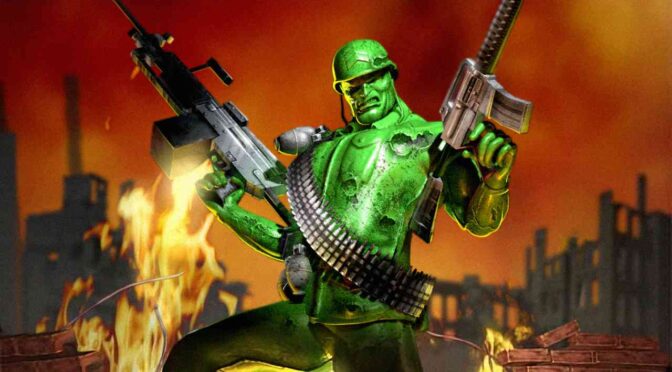
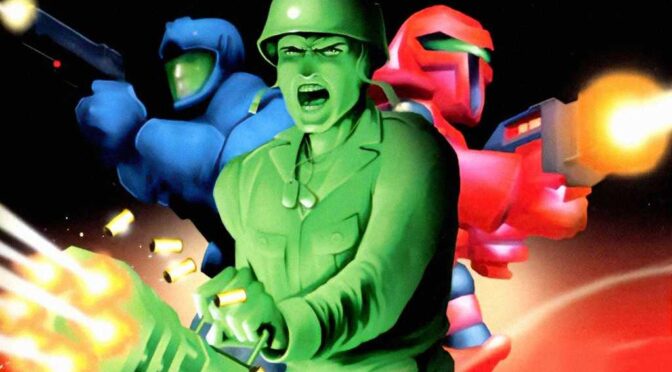
Army Men Plastic Soldiers
Months passed without a clear direction, until Bullen had a eureka moment. He thought back to his childhood days, setting up tiny armies in the backyard and taking turns throwing rocks with his brother to knock them down. That memory (of creativity, chaos, and fun) became the emotional core of Army Men.
The toy soldiers had long been a universal symbol of imagination. From the Louis Marx playsets of the 1950s to Toy Story in 1995, these little green figures had stood the test of time. By centering the game around them, Bullen found a way to capture both nostalgia and originality, something fun for players who wanted a break from the gritty realism and machismo of other war games.
Once the toy soldier idea took hold, Keith’s role evolved from art director to lead designer.
“Once the soldiers became plastic, we had to come up with a universe with real terrains and plastic soldiers,” he says. “We wanted the world to feel serious to the Army Men characters’ point of view but fun and nostalgic for the player.”
This is key: “The (plastic) world had to feel real and serious for the Army Men.” With these words, coming from Keith Bullen himself, we can cement this as a fact, dispelling any doubt or denial: For the inhabitants of the Plastic World, war is not a joke… it’s serious. That’s why Sarge’s War isn’t excluded from the equation (as many fans wish), because whether we like it or not, it respects this original principle of the idea behind Army Men.
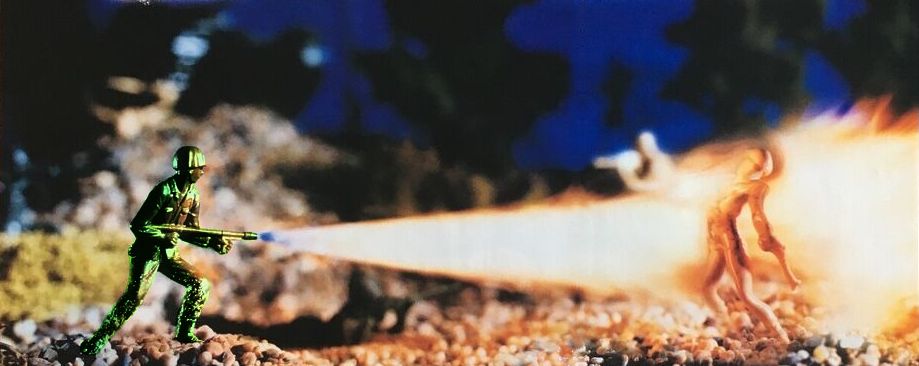
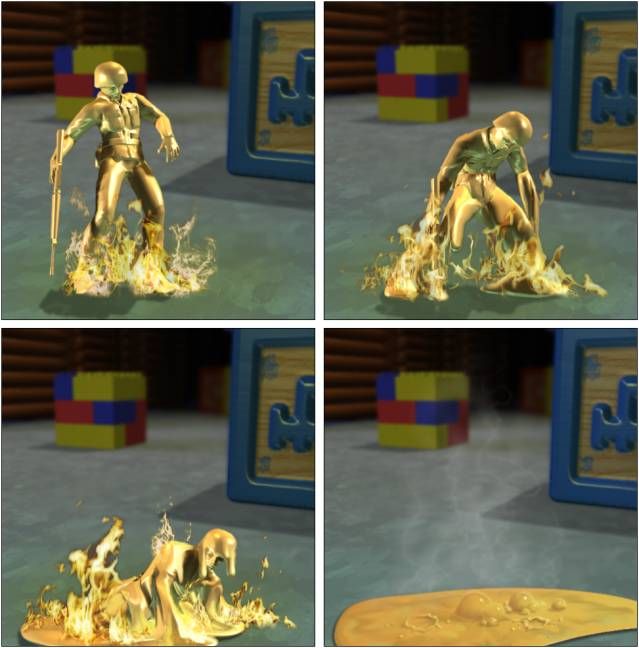
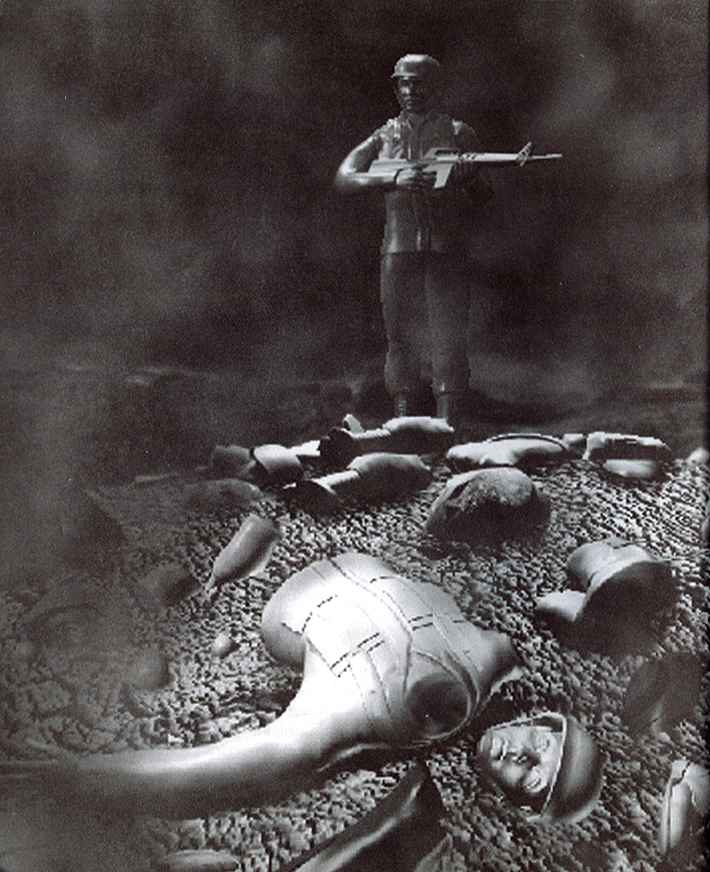
The team paid careful attention to the way plastic behaved in real life, how light hit its glossy surface, how it bent, shattered, and melted.
“We paid close attention to the physics in the animations. It was very important to me that the plastic pieces reacted to the world as if they were made of the same light plastic as the original figures.”
But turning that idea into a finished product wasn’t easy. The small team of six soon grew to more than ten as Bullen became creative director.
“It was very challenging convincing the team to adopt my new gameplay ideas… It took several months to finally get everyone on board.”
Executives were another obstacle. Early pitches for Army Men were dismissed as childish, “too young” some said. RTS fans, they argued, wouldn’t take seriously a game about toys. Yet Bullen persisted, finding clever ways to win people over.
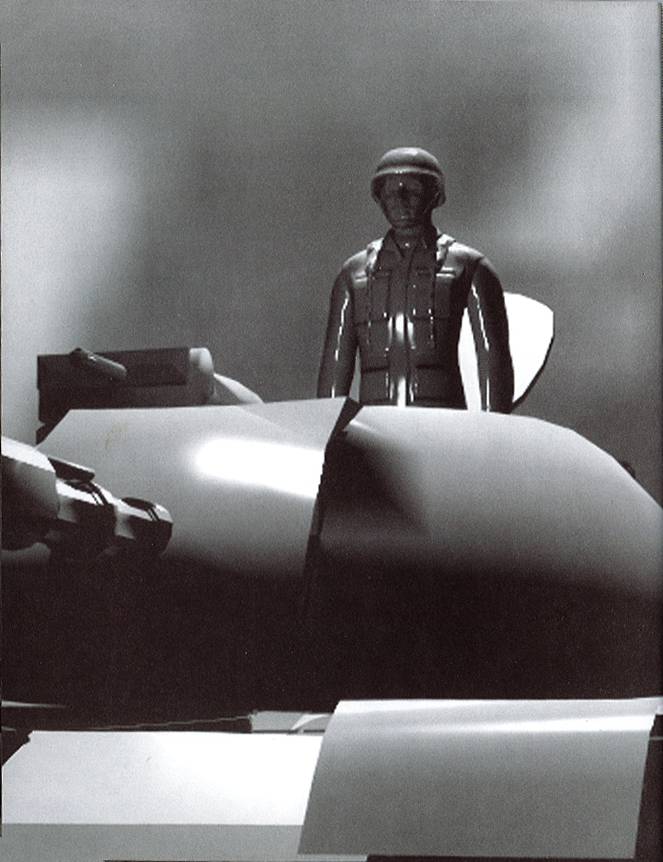
The “bought” generic soldier 3D model
“I then bought a 3D model of a generic Army Man and brought in some classic toy green and tan Army Men to use as pose references,” he remembers. “For several weeks, many people from every department in the company would stop to discuss the posed 3D model… Soon after, the momentum switched from the product being perceived as too juvenile to being an awesome nostalgic experience.”
This is key: “I then bought a 3D model of a generic Army Man”. This is a direct confirmation of the source of the classic Army Men 3D model: it was purchased, obtained from 3D model packages, in this case the ViewPoint DataLabs ones (and it’s not the only 3D model from third party sources).
Sarge with rolled up sleeves, a modified version of the original 3D model
That was the turning point. Nostalgia had done its job.
From the Backyard to the Battlefield
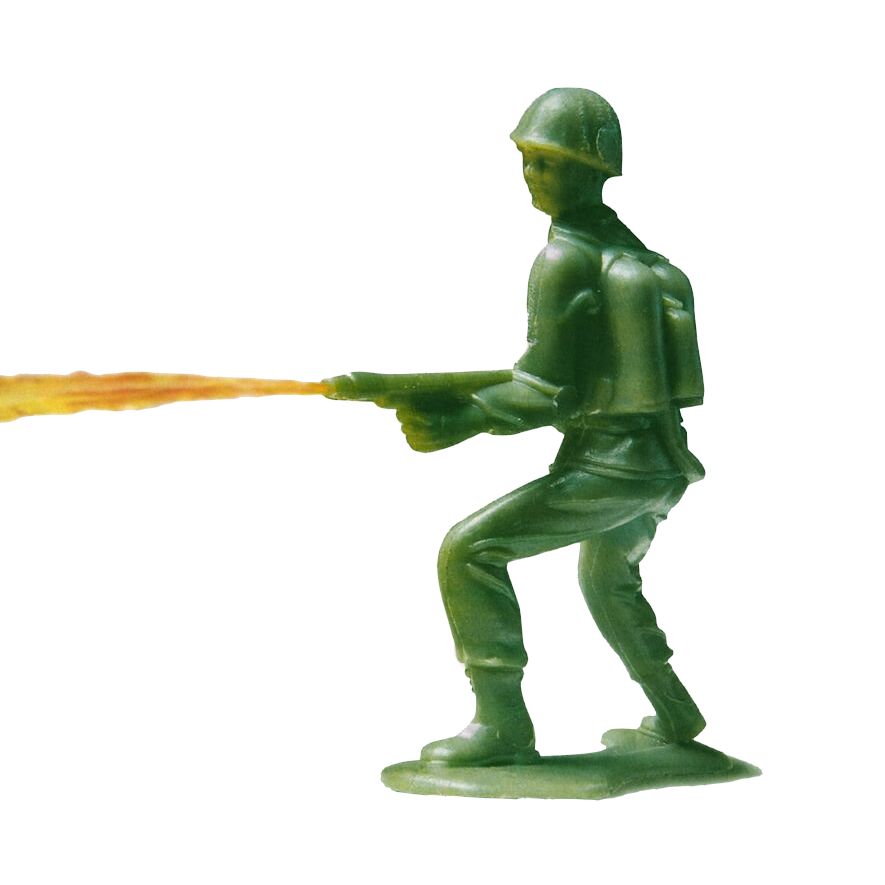
The next challenge was translating the tactile world of toy soldiers into an interactive one. The developers recreated classic units like riflemen and bazooka troopers, while experimenting with how plastic would melt or break apart.
“We destroyed many plastic Army Men in the 3DO parking lot for the sake of realistic plastic physics,” Keith admits. “The enhanced fear of fire when you are made of plastic was a theme we relied on throughout the series.”
To tie everything together, Army Men adopted a satirical tone. The game opened with a mock newsreel showing the totalitarian Tans preparing to invade the Greens.
Army Men News reel Introduction
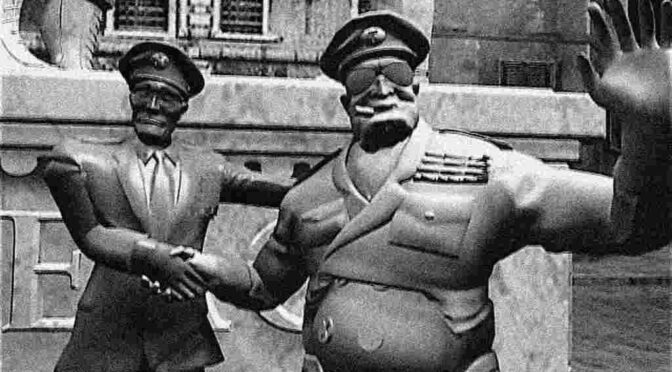
The Mussolini Tan leader
“We watched many hours of authentic old reels… The Tan leader gesturing like Mussolini was one of my favourite segments.”
Originally planned as a real-time strategy game, Army Men evolved into something more direct and personal. Players would take control of Sarge, a Green Army hero.
By the way, it was the RTT (Real Time Tactics) videogame, not a RTS. At least we called it that way today.
“I’ve always preferred arcade-like action games over strategy games,” says Keith. “So I redesigned the game around the central character of Sarge… as in games like Ikari Warriors.”
The final product blended tactical movement with fast-paced action.
“The gameplay became more about tactics, rather than strategy,” Bullen notes, crediting Crusader: No Remorse as an influence.
One of the concept’s earliest champions was 3DO founder Trip Hawkins himself.
“Toy soldiers were my dominant play pattern as a child and I’d always invented strong storylines and adventures around them,” he says. “Besides all the World War soldiers, I had Swoppets from the Wars Of The Roses, Roman centurions, and others – including cowboys, of course.”
Hawkins immediately recognized the blend of nostalgia, humor, and design potential behind Army Men.
“It inspired me to do something more central with humour in the genre and a stronger narrative.”
To him, the plastic theme wasn’t just an aesthetic choice: it was a creative platform.
“We were focused on the US market… nobody cared about them, because they’d not grown up with those toys.”
Despite the game’s playful tone, Hawkins insisted that warfare and destruction were essential to the experience.
“Creatively, we also wanted to have fun repeating some of the famous play patterns from childhood… It allowed us to cast our villains with a bit of sadism, that is still funny because… they’re just toys.”
Colonel Grimm with Sarge
A Legacy Beyond Plastic
The development cycle lasted just over a year, despite several restarts. Once the formula clicked, Hawkins knew they had something special.
“This is what we live for in game development and publishing… to do something we really believe in and love.”
Across three themed terrains (desert, alpine, and swamp) Army Men culminated in a memorable twist: Sarge crossing into the Real World, a scene that would directly lead into Army Men II. The franchise quickly exploded, selling over 7 million copies across every major platform and generating more than $300 million in revenue.
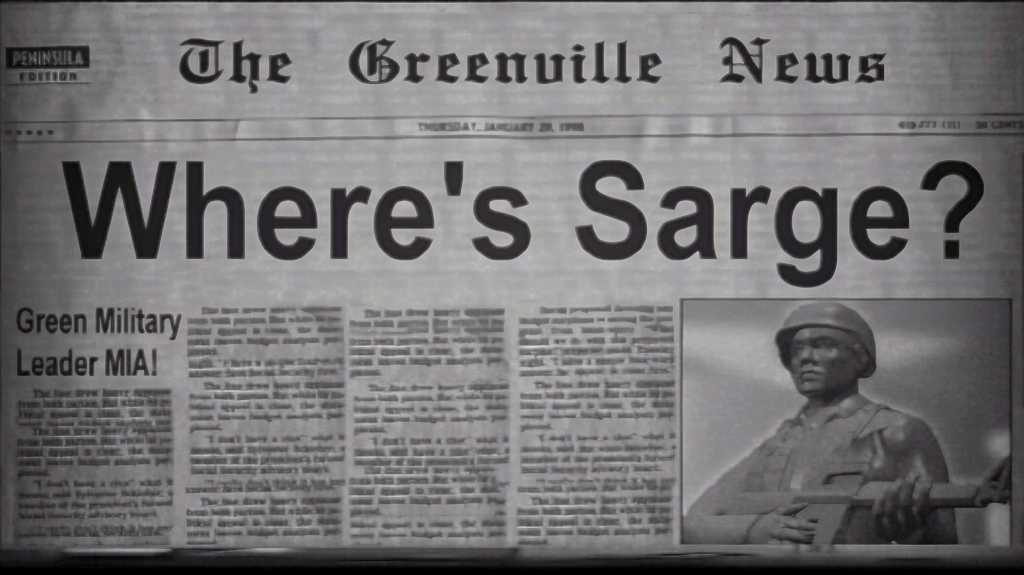
The Greenville News 01/29/1998
Looking back, Bullen reflects on the impact of that first title:
“I never would have imagined that it would spawn 23 sequels and spin-offs… My goal was to create a game that I would want to play and not a clone of a game I had played before.”
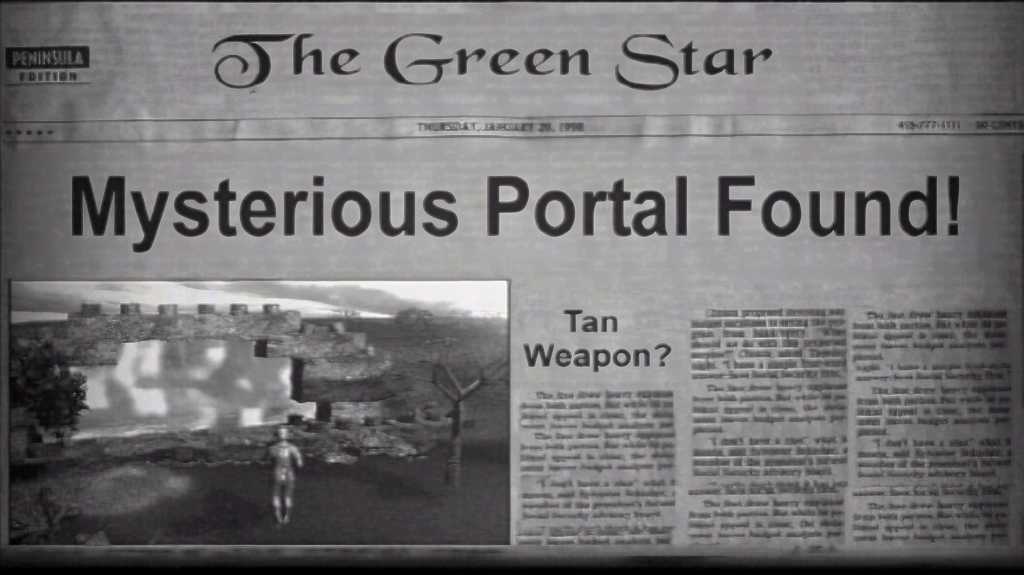
The Green Star 01/29/1998
Indeed, Army Men defied easy classification. It was part shooter, part strategy, part parody… a digital sandbox that reimagined childhood battles through the eyes of living toys. Beneath the surface, it captured something universal: the creative spirit of play itself.
From Sarge’s Heroes to the ever-expanding Toyverse, the legacy of those little plastic soldiers continues to march on.
The first very revealing article was Team17’s recalling history of their first 100 games, when celebrating the release of game number one hundred, PLANET ALPHA. In this chapter, they’re heading to 2005 & 2006, a time of both 2D and 3D Worms games and their first foray into work-for-hire projects on both Lemmings and Army Men.
In an unexpected twist, Team17 was granted creative freedom while working on the Army Men franchise. This allowed them to introduce a new main character and even eliminate the recurring character, Sarge, in the opening sequence (Sarge or Sarge Hawk. In any case, it seems they never knew, they really confused the franchise canon). This bold move highlights the unique creative liberties Team17 enjoyed during the development process. You can read the complete article in: https://team17.com
1. Team17’s 100 Games – Part Nine: 2005-2006 (Published: Nov 7, 2018)
(…)
48/100 Army Men: Major Malfunction
Year: 2006 | Developer: Team17 | Publisher: Global Star | Format: PlayStation 2, Xbox
When Team17 was founded in 1990 it was entirely possible, thanks to open platforms like the Amiga, for a small group of programmers and artists to make and release their own game. But times changed. As next generation consoles took over, team sizes grew and budgets ballooned. Releasing a game was virtually impossible without publisher support and this meant you had a limited number of ways to get a game made. Either own a best-selling IP or develop for somebody else’s. In this climate, Team17 found itself pitching to publishers for “work-for-hire” projects. Sometimes this led to us working on a game like Lemmings, other times it led to Army Men: Major Malfunction… Perhaps the most surprising game in our entire history.
Recruited to Team17 after a 10-year stint at Rare, Gavin Hood found himself in command of the Army Men project and worked on the pitch. “I had literally only joined the company a few months before and was sitting opposite the head of design,” says Hood. “I remember most of the designers were working hard on a Worms title as it neared the end of production so I was asked to come up with something to pitch. I guess it went okay because we got the deal and I got the chance to lead it.”
Working on someone else’s franchise, you’d think that the publisher would have final say on any creative decisions but actually, as Hood explains, Team17 were given free rein on Army Men and even got away with a few unexpected choices. “We wanted to use a different main character to many of the other Army Men games and not only did we not meet resistance to this, but we even microwaved recurring main character Sarge in the opening sequence to set up the introduction of our own character. I’m actually proud that we were able to melt a series character in the opening of a game and everyone concerned be okay with that!”
Army Men Major Malfunction Huey Helicopter
Every game has its unique challenges and for Army Men it was designing a 3D world in the era before off-the-shelf game engines made the process more streamlined. “The programmers wrote a set of tools that, because of the limited time we had, were made to work on development kits using the Xbox Controller,” Hood explains. “We had to place enemies, assign A.I. to them and set their patrols all using an Xbox Pad, even the cutscenes were done in the same way. Using those tools was a nightmare but the advantage was we could throw a load of stuff into a level and just hit play. It was awful to use with a pad but the speed at which we could test ideas and get something into each of the environments is probably the only reason we hit deadlines.”
A WIP CG animation from the Escape From Precinct 17 mission
“It was an interesting game to work on,” concludes Hood. “I remember having grand ideas about what the game would end up being and although it might not have exactly reached those heights there are some things I think we got right. There are a lot of pop culture references in there that I still think we handled well .” Even the subtitle, “Major Malfunction”, was a reference to a line from Stanley Kubrick’s Full Metal Jacket!
“Looking back, the game obviously wasn’t a masterpiece but everyone on the team got everything done in a very short development time with makeshift tools! It probably won’t go down as Team17’s finest hour or be the game I’m proudest of, but I did at least get to buy a lot toy soldiers and put them all over the office!”
Before 3D design and video game design, other talented artists had to face the challenge of making small beings look realistic, and showing giant environments from their perspective. In this first part of this series, we will reveal some of its ingenious secrets, knowledge that will help improve the experience of the small world of Army Men: Revolution
Films like “Honey, I Shrunk The Kids”, The Indian in the Cupboard, Ant-Man, Fantastic Voyage, Inner Space, Willow, Hook, among others, are all movies that have used different techniques of visual effects to do large things smaller, or show how the world looks from the perspective of a plastic soldier.
The visual effects supervisor, Eric Brevig, has worked on this type of films, including one of our favorites, “The Indian in the Cupboard”, which presented visual effects by the ILM of George Lucas, a visual effects company created by “The Creator of Star Wars” to be able to make Star Wars.
These techniques have varied, from the forced perspective, large sets, filming on green or blue screen and, of course, digital media such as 3D.
But before reading this text we copied and pasted, with our opinions interjected, we ask you to go first to read it in the original source, attached below!
vfxblog: What had been your experience with any miniaturisation effects prior to The Indian in the Cupboard?
Eric Brevig: I had done certain short sequences in other projects. I did a 3D, double 70mm Disney EPCOT film for the theme park around 1980. It was like a dream sequence for a pavilion that they built there about imagination. And part of the dream sequence had the little boy, who was the main character, imagining that he was looking at a miniature circus, maybe three feet across, filled with tiny clowns a few inches tall and so forth. Then later on he shrunk down to fit into somebody’s hand.
And so that was the first time I had to really wrap my head around how you shoot mixed scale characters like that so that the perspective is correct and so forth. And since that was a 70mm 3D, meaning stereo 3D, project, there was much less tolerance for cheating things like scale and perspective.
I also did work on the Honey, I Shrunk the Audience for another Disney theme park several years later and just continued the same sort of things. I was on Hook at ILM as well with Tinkerbell. It was very familiar territory for me by the time The Indian in the Cupboard came up.
vfxblog: What is the major thing you think you have to get right with any kind of scale or miniaturisation work?
Eric Brevig: You have to be able to have the tiny element look like it was photographed from the same camera as the large element. And that means all aspects of photography – depth of field, shadow size, obviously camera position and camera motion and lighting. In Hook, because most of the time Tinkerbell was a fairy character that was glowing, the lighting became a combination of casting her light onto the background.
I remember we had a scene that I’d actually proposed to Steven Spielberg because I loved it in the Peter Pan animation, where the little Tinkerbell character walks up Peter’s shirt. Robin Williams was wearing a shirt and we had the character, Tinkerbell, walk through an ink pad so she left tiny little footprints. And it was just a lot of fun to work with Robin and getting him to, in a very tight close up, track his eyes where I was going to composite in the Tinkerbell character, and I gave him a little guide to follow. And then on overscale piece of blue screen set, we shot Julia Roberts following the same path.
But one thing that’s kind of fun when you’re doing little characters like that is that you can speed up the action because little things can move quickly. So I was adjusting the timing so that, at the rate that an adult Julia Roberts, full size, could walk up a set that looked like somebody’s blue chest, laying down of course, that her character, composited in, would track exactly where his eyes had been looking.
vfxblog: With Tinkerbell in Hook, and in several other films like Honey, I Shrunk the Kids, one of the main methods was to build over-sized sets. And then there’s also shooting the actors against bluescreen and compositing them in, and there were some forced perspective shots. But was that kind of the idea, to mix it up a bit, so that audience isn’t really quite sure how you’ve done it?
Eric Brevig: Yeah, I think that’s the most fun. We did one or two forced perspective shots, which I love to do and I kind of, growing up really was enamoured with the work that the Disney studios had done on Darby O’Gill and the Little People, which was all essentially forced perspective. There’s maybe one or two composited shots in the entire movie, but most of it was very sophisticated forced perspective and mirror shots, where a front surface mirror is partially removed, revealing a background set that’s painted and lined up precisely to match the foreground.
When I was a student in college, one of my student films, because I had no technical equipment to do anything sophisticated, was basically a mixed scale student film, where I bought $1 mirror tiles at the local construction supplies store and carefully scraped off the silver from the back and lined it up with the foreground set and the background set. So that was all stuff that I loved to play with and experiment with as a kid. And then, because I think on Hook Steven really wanted to do that the old school way, my art director and I set it up for him, so we could make it look like Julia was in the doll house, and the doll house was in the foreground, and she was on an oversized set in the background.
But the reality is, it is so cumbersome to take the time to do that in front of camera, and so much faster and easier to use compositing and CG that we did it one time and they said, ‘That’s great, let’s not do that anymore, let’s just go back to the way you want to do it,’ which is using multiple photography elements.
vfxblog: Hook came out in 1991. By the time Indian and the Cupboard came along in 1995, had digital compositing moved on to a point that was even more beneficial for pulling off scale shots?
Eric Brevig: Well, it didn’t necessarily help with scale, because both the large scale and small scale characters were played by actors, so you’re obliged to photograph them both. If you have a small character in a fantasy world or in a CG world, life is much easier. But if you’ve got both characters, large and small scale on screen together in a photorealistic world, you’re obliged to come up with a way to photograph them both so that they both look like they’re in the same environment. And also, for the actors and performers, you have to come up with a way for them to interact and act together.
So a lot of the work on Indian in the Cupboard was to facilitate that kind of emotional relationship that was the core of the movie. It wasn’t a fantasy – well, it was a fantasy, but it wasn’t a spectacular visual effects extravaganza that was showing off, look what we can do. It was an intimate tale of two characters from different worlds and different scales who developed this emotional bond. So it was really important to allow the actor, his name was Litefoot, who played Little Bear, to be able to hear and react to, as an actor, this giant boy. And similarly I had to help the boy, who was played by Hal Scardino, find where to look and so forth and be able to act with the Indian actor so that there was this genuine sense of two people communicating.
vfxblog: I’m curious if going from optical compositing to digital compositing made any difference at all?
Eric Brevig: Well it didn’t really make a big change because essentially we were just replacing the clunky, mechanical, optical printer phase with the equally clunky, primitive digital compositing stage. But it gave me the opportunity to do some fun, nuanced enhancements. I remember there was a shot of, I think it was a cowboy, he’s supposed to be two inches tall and he’s walking across a bed with a comforter on it, and I had a big uneven surface that was blue and shot David Keith, who was playing the cowboy, walking across that.
And my director of photography is a fella named Chuck Shuman, who I worked with on a lot of movies, from Total Recall to The Abyss, and he’s one of the most precise and brilliant directors of photography in understanding how to match the lighting between a small set and an oversized set. And he would actually match the size of the lights, scaled up, when we shot the actors portraying little people, because that’s the way the light wraps around you, is the relationship between the size of the light source and the size of you. And so, when we would shoot the normal set, we would have normal sized lights, whatever size they were, a foot across, and he would rig, for bluescreen miniature people, I think the scale was like 24:1, 24 foot wide illuminated surface that would cast the matching shadows.
In any event, we would shoot these, but there really wasn’t a way to puppeteer how the footsteps would move the fabric because oversized fabric never looked convincing. One of the things that I learned early on was, if you can always shoot the non-miniature stuff on real sets with real cloth, like you would normal macro photograph, it adds a verisimilitude to the scene that you can’t get with oversized props and so forth, which are very difficult to pull off and not have them look a little bit like oversized props.
In any event, as our character walks across this blanket, we were able to digitally put in little divots and depress the cloth wherever his foot stepped, which just sort of locked him in, in a way that you could never had done without digital. Because we’re essentially just warping, or morphing a little bit, some of the background imagery as his foot is making contact. So there were really nice little enhancements like that, as well as just the ability to perfect the compositing edges and so forth, in a way that photo mechanical compositing did not allow us to do.
vfxblog: You mentioned a really cool thing there, which was matching lighting for when a character is shot big and when they’re shot small. What about camera movement, did you use motion control to match up small and large shot plates?
Eric Brevig: I would decide based upon the needs of the shot, which camera – because we had to photograph foregrounds and backgrounds with cameras because they were both real environments – which camera would lead the shot. Let’s say it’s the little boy and he picks up this tiny Indian and he moves across the screen with it in his hand. I would photograph that with a traditional camera, tracking the boy. And he’d have just a little tiny object, I think I used something that looked like a bent paperclip, so that he had something in his hand that was showing him where to put his eye line and kept him honest about how he was holding it, but was easy to paint out.
And then after we had shot that, we would analyse the footage within the duration of the shot that was intended to be used in the movie and we’d say, ‘Okay, here at the beginning we’re one foot away from his hand and six inches above that. Okay, well that’s equal to 24 foot back and 12 feet above.’ And so we would design a camera move, using a very big crane arm, so that we would, as the boy moves through the shot, the camera’s now six inches from the character and one inch above his head, well, that equals 12 feet back and six inches would be six feet above his head.
So, we would basically plot out in the real world what we were doing in terms of matching that camera. And because you have a lot of space for leeway when you’re moving a camera 50 feet through a sound stage, it doesn’t matter if you’re a little bit to the right or the left of where you’re supposed to be, because then by tracking the two and using digital compositing to lock the two together, you’re able to make the perspective of one non-motion control shoot fit the other one by sort of locking them together afterwards.
If instead the shot is driven by what the little characters are doing, well, there was one very nice shot where the camera’s creeping across the little boy’s bedroom, and we can hear the Indian is singing some sort of traditional song. And the camera peers over this toy box that’s in the foreground, and we see that the Indian’s sitting on top of this little half-built structure that’s going to be his home. So what we did is, we figured out the total distance needed at the scale of our adult actor, and it was like a 100 foot camera move, and then we’d come down and we’d peer over where the box would be and then we boomed down, basically into a close-up of him, and we shot that first.
And then by tracking it and using a motion control system to shoot the same move on a bedroom set, we were able to lock them together precisely in photography and really get that sense of no hindrance to the camera wherever it went, because we were shooting on a genuine bedroom sized set, rather than a little bluescreen of the Indian. All the depth of field and focus and all that stuff was exactly as it should be, so it felt like you’re crawling, you know, the camera sort of creeping through this room and peering over a little toy box and there, in shallow depth of field, on this half built house, we’d find the Indian character.
Once again, my director of photography, being aware of what we were doing, would take incredibly precise notes on, for example the bedroom set. Including colour temperature from each of the lights and positioning, and we’d really create that on the giant scale of the screen stage and the two fit together really, really precisely.
The Army Men Videogames Website, home of the Army Men Toyverse
Manage Consent
To provide the best experiences, we use technologies like cookies to store and/or access device information. Consenting to these technologies will allow us to process data such as browsing behavior or unique IDs on this site. Not consenting or withdrawing consent, may adversely affect certain features and functions.
Functional
Always active
The technical storage or access is strictly necessary for the legitimate purpose of enabling the use of a specific service explicitly requested by the subscriber or user, or for the sole purpose of carrying out the transmission of a communication over an electronic communications network.
Preferences
The technical storage or access is necessary for the legitimate purpose of storing preferences that are not requested by the subscriber or user.
Statistics
The technical storage or access that is used exclusively for statistical purposes.The technical storage or access that is used exclusively for anonymous statistical purposes. Without a subpoena, voluntary compliance on the part of your Internet Service Provider, or additional records from a third party, information stored or retrieved for this purpose alone cannot usually be used to identify you.
Marketing
The technical storage or access is required to create user profiles to send advertising, or to track the user on a website or across several websites for similar marketing purposes.