Category Archives: Army Men History

Heroes may die, but plastic lasts forever. By Zoey Handley – destructoid.com – including some words from Michael Mendheim – Jun 27, 2021

Original source

https://destructoid.com/sarges-war-eulogy/

Army Men: Sarge’s War: The eulogy for an entire series

It’s a complicated subject, the Army Men series. The 3DO Company released somewhere in the realm of 25 games between 1998 and 2002. When you consider some of the ports were made from the ground up and entirely distinctive to the platform they were released on, the actual number of unique games is probably around 35 or more. I’m sure you can already see the problem.
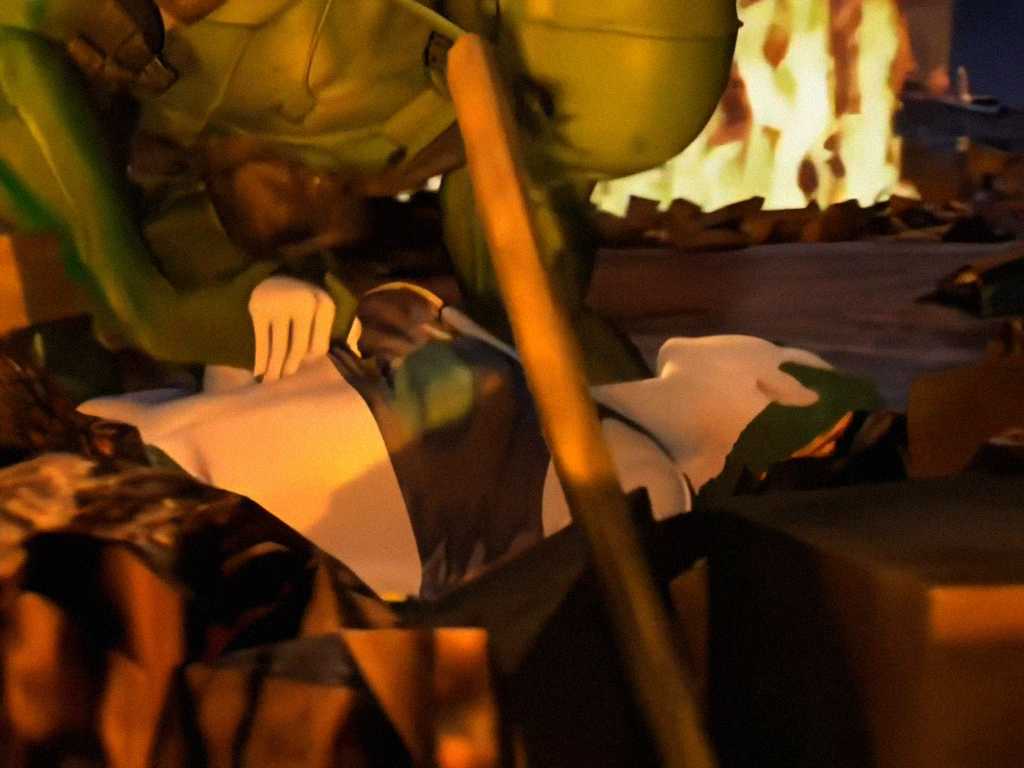
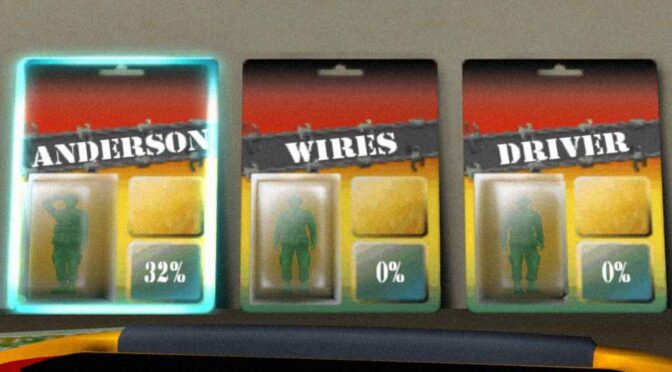
Army Men Vikki Dead
Army Men Sarge’s War Vikki Dead

“The problem was with all the early success of these Army Men games, the executives at 3DO thought they could ship an Army Men game (or bundle) every quarter and be successful,” Michael Mendheim, creative director of Battletanx and the Sarge’s Heroes subseries, told me. It’s obvious. The output was stunning, putting even history’s most prolific market spammers, like Guitar Hero, to shame. What started as a promising series with a few hits on its hands quickly declined into one that was treated with scorn and derision by players and the press.

The result is that the Army Men games are poorly remembered. I’ve previously compared the series to a shotgun blast: a sudden and abrupt spread, sometimes causing a lot of agony. Few mourned the loss of the franchise, but I still visit to place flowers on its grave.
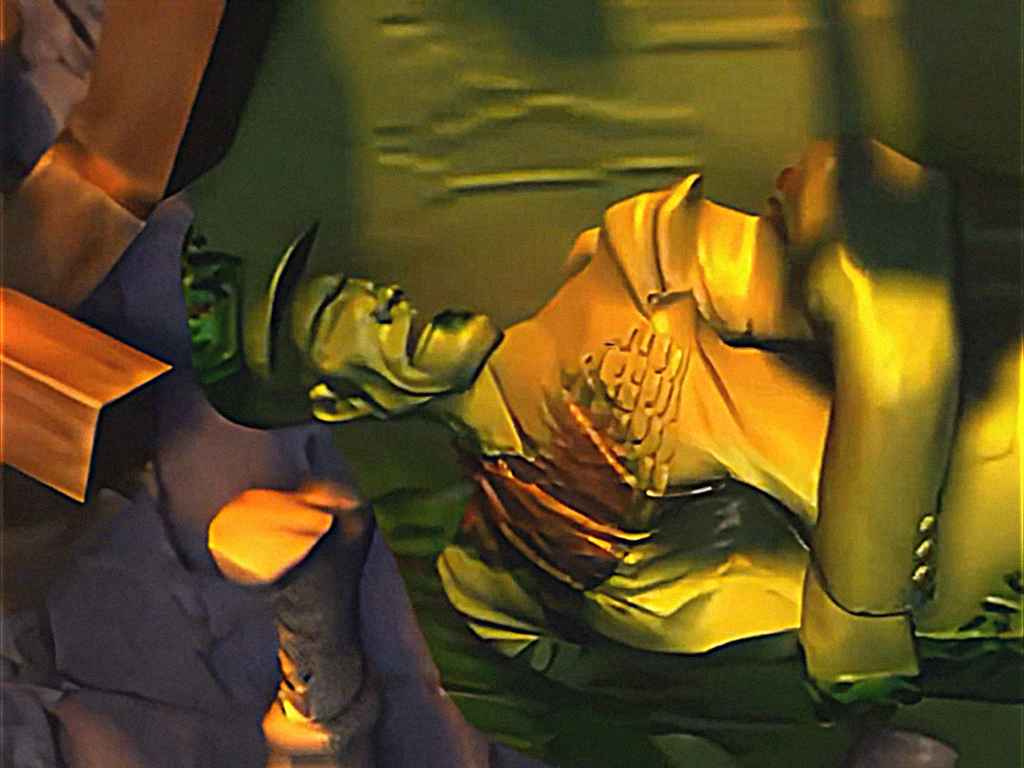
Col Grimm dead
Army Men Sarge’s War Col Grimm dead

The 3DO Company was founded by Trip Hawkins, who previously founded Electronic Arts years earlier. Hawkins dreamt of a console that would become the universal medium for games. Licensing fees would be almost non-existent, so developers and publishers would jump aboard with little risk, abandoning frontrunners Nintendo and Sega. Hawkins left EA to pursue this dream, but by 1996, the 3DO Interactive Multiplayer flopped under the weight of FMV game ports, and the company had to pivot to purely making software. Hawkins even took on a creative role to help out his teams.

Army Men started out quietly enough in 1998. The first game on PC, merely titled Army Men, was a reasonable success. Early the next year, Army Men II came out alongside a PlayStation remake of the first game called Army Men 3D. Again, these were pretty successful. By the end of 1999, however, a second PC title, Army Men: Toys in Space, the 3D action title Army Men: Sarge’s Heroes, and the top-down helicopter game Army Men: Air Attack were all released. Five titles in its second year, and the snowball had only just begun rolling.
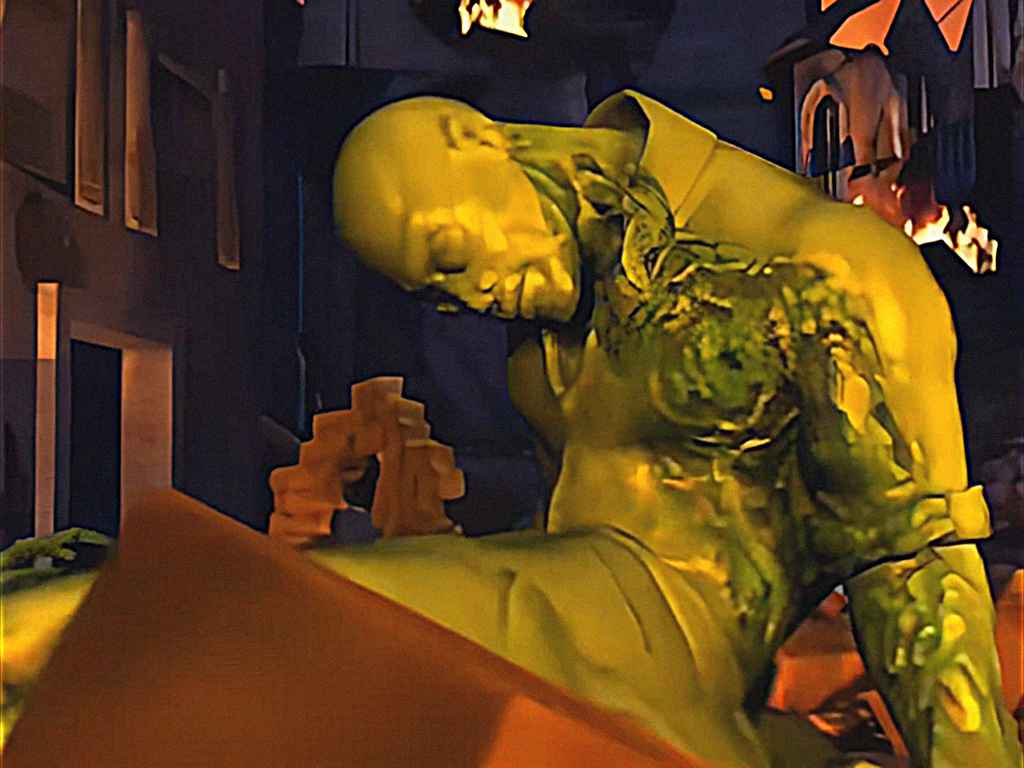
Riff dead
Army Men Sarge’s War Riff dead

That’s where Michael Mendheim comes in. In 1998, he was creative director on Battletanx, which was a hit for 3DO. He was then given creative license on his own Army Men title and envisioned a character-driven game with more of a story, and that became Sarge’s Heroes.

Once again, Sarge’s Heroes was a hit. If I can wade into the story for a moment, it’s where I was introduced to the series, and it’s one that still holds a place in my heart. It had its rough spots, but a lot of its design, especially when it came to its levels, was fantastic. I remember following it through Nintendo Power up to its release and playing the hell out of it.

While I’ve trudged through a great deal of the Army Men series since then and could give you the full and detailed history, that’s quite a detour. We’re going to hurry the story along here.
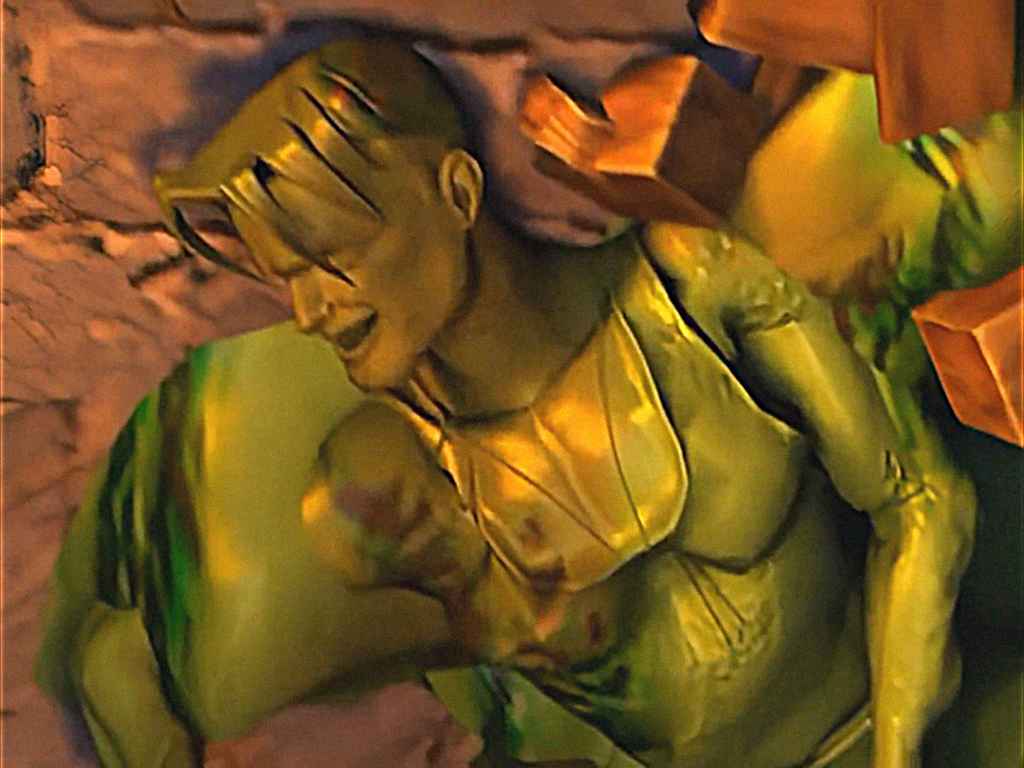
Scorch dead
Army Men Sarge’s War Scorch dead

The important fact is that not only did the quality of Army Men titles start to plummet almost immediately, but the public’s appetite for the games declined just as fast. I’d say that the four PlayStation Army Men: World War games are pretty consistent fun, but by the release of the last two titles, the press was practically ignoring them.

It became something of a laughing stock. In 2001, Portal Runner was released to harsh reception. After a particularly scathing review in Gamepro Magazine, Trip Hawkins even went as far as writing to the Editor-in-Chief to defend the title in an almost comical fashion. He described the staff as “angry young men” and threatened to reduce their advertising. I can understand him wanting to defend his creation, but the letter wasn’t a good look.

Around 2002, the pace of releases from 3DO had slowed and the writing was on the wall. “We already had a round of layoffs; everyone was nervous about the company’s future,” said Mendheim. He had a team working on a game called Four Horsemen of the Apocalypse. “It was an edgy, gritty, post-apocalyptic nightmare, based on the Book of Revelation.” Mendheim also believed this to be the best chance at saving 3DO, but it wasn’t to be. “I was called into a meeting and told that I could keep a small team working on Horsemen but everyone else, including myself, would need to make another Army Men game. That Army Men game would be Sarge’s War.”
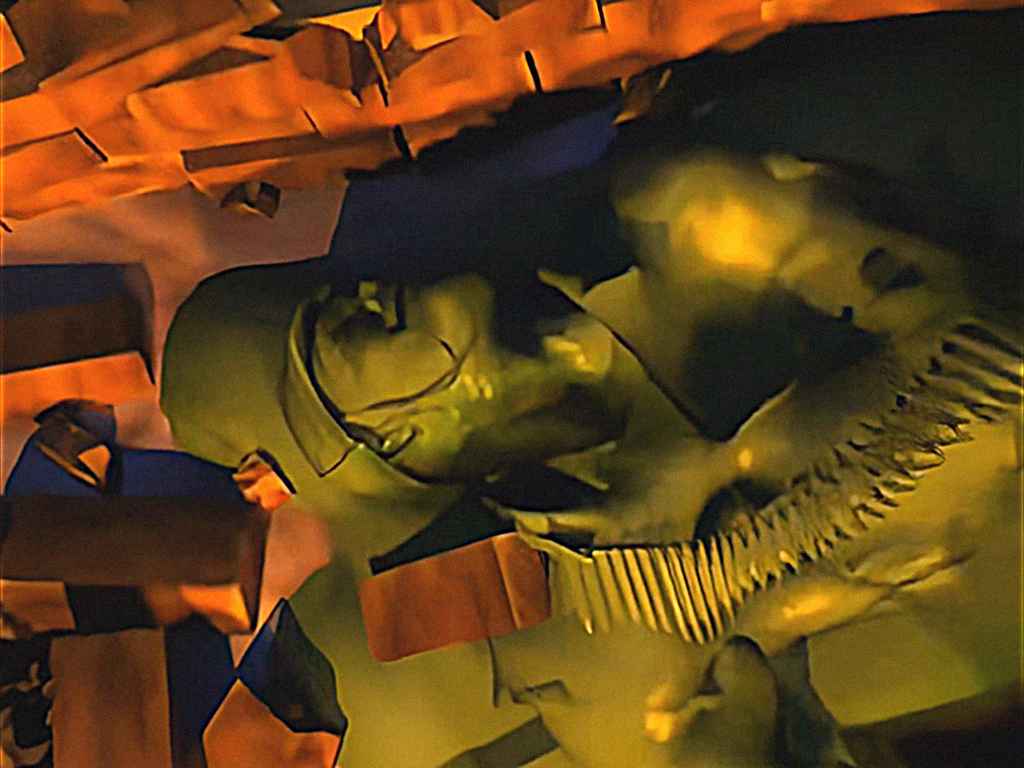
Thick dead
Army Men Sarge’s War Thick dead

Sarge’s War would be the last 3DO developed Army Men game, put together in haste as the company took on water. “Honestly, it was like developing the game on the Titanic and it took 9 months for the ship to sink,” described Mendheim.

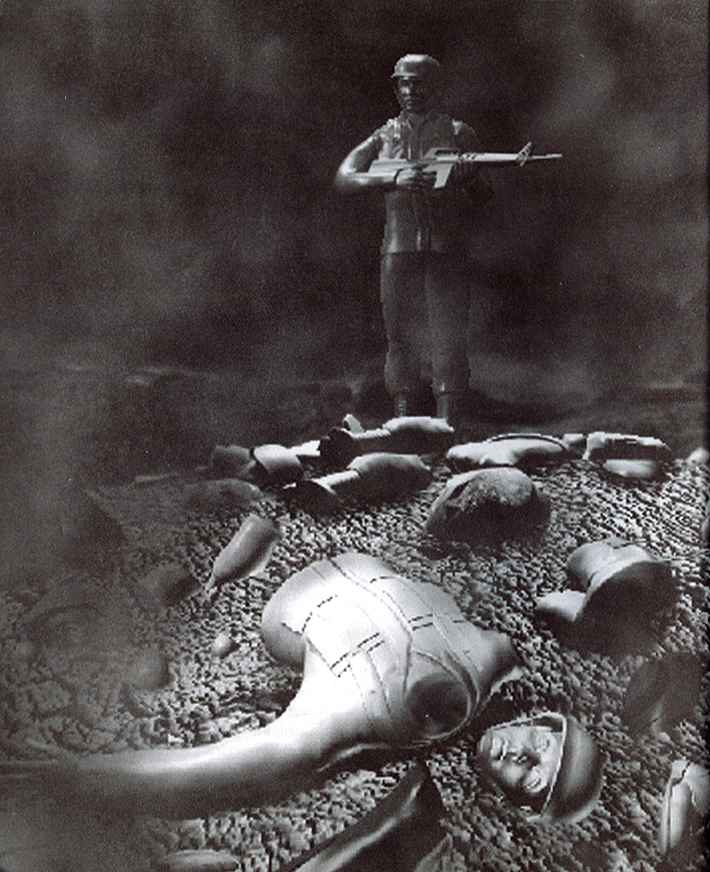
If you’ve played Sarge’s War, you may have been stricken with how tonally different it was from previous games. The series’ standard features were there, but a lot of the color was washed out of it. In its place was a grittier veneer, even over its more cartoonish elements. The entire supporting cast of the Sarge’s Heroes sub-series–all of them–were killed in an explosion, sending Sergeant Hawk into an avenging rage.

This was the sound of a series dying. There are plenty of franchises that have disappeared from the face of the planet, never to be heard from again. Jazz JackrabbitTop GearF-Zero; there are many easy examples of games that have just…gone away. Sarge’s War was a game on its deathbed, one last defiant scream before the embrace of oblivion. It was a deliberate move to put the final nail in the coffin and bring closure to the series.
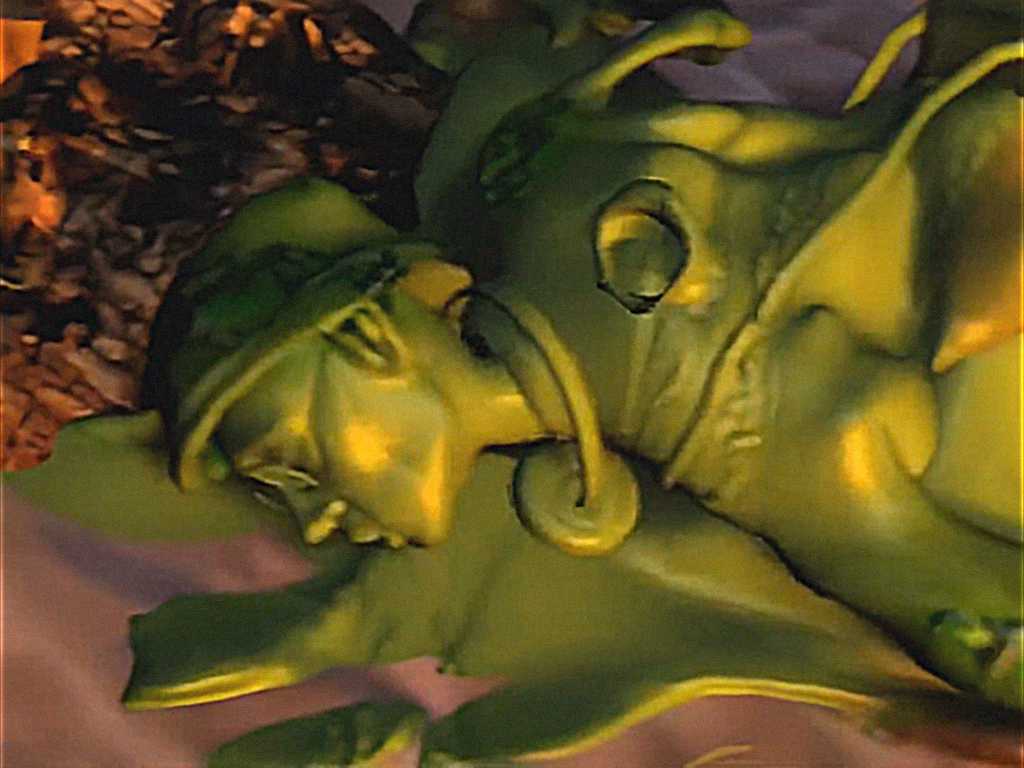
Hoover dead
Army Men Sarge’s War Hoover dead

I think Michael Mendheim put it best. “There are certain games that you just put your heart and soul into because you love the content, they are your babies. Sarge’s Heroes was one of those games for me. Every character in the game was developed with love and passion. Sarge’s Heroes was fun, positive, and hopeful. It was a game that made you laugh and feel some magic.”

Sarge’s War was the opposite of that. It was grim and dark. The story in Sarge’s War was about loss. Losing everything that you love and care about. In the plotline, the entire cast and crew – Sarge’s Heroes died with 3DO. Everyone except for Sarge.”

“When I killed off Sarge’s Heroes, I also killed my desire to ever design another Army Men game. I designed the first and last game in the Sarge’s Heroes product line.”

By the end of development, 3DO had already breathed its last, and Sarge’s War wound up getting released by Global Star Software, a subsidiary of Take-Two and the new home of the Army Men license. Some sources credit Tactical Development for completing the game, but according to Mendheim, “Our orders were to finish the game and that is what we did…the game was delivered completed as the ship went down.”
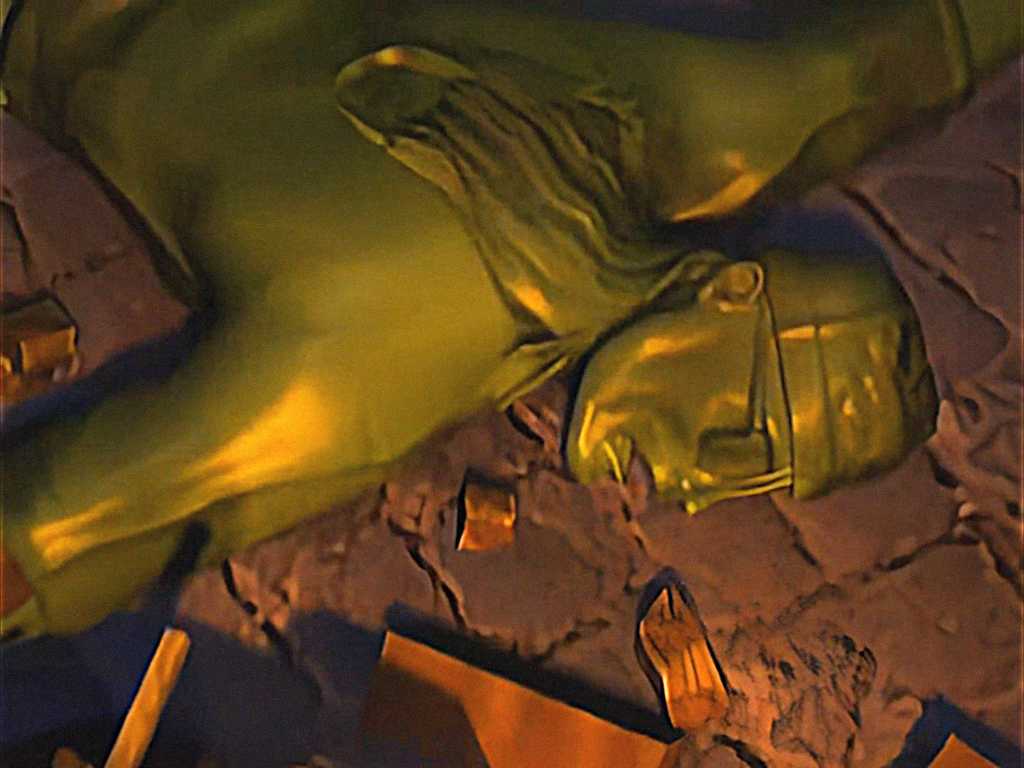
Shrap dead
Army Men Sarge’s War Shrap dead

In comparison to the Army Men games that came before it, Sarge’s War was less rickety. It’s obvious that some of 3DO’s best remaining talent had worked on it, though under less than ideal constraints. It doesn’t reach the height of the series, but knowing the story behind it underlines it with melancholy. It’s a surreal experience.

“There are no bad guys in this story; everyone did their absolute best to try and keep the company alive,” explains Mendheim. “No one sets out to make a bad game. No one worked harder than Trip Hawkins, who even put his own money on the line to try and save the company. Unfortunately, not every story has a happy ending.”

Global Star made a token effort at continuing the Army Men series. Their first attempt was Team 17’s Army Men: Major Malfunction in 2006, which I’ve previously covered, and it’s awful. Later they’d try another reboot with Army Men: Soldiers of Misfortune in 2008, which is similarly terrible. There was a mobile game for pre-smart phones, and then that’s it. Aside from a few re-releases, the series has been left to rest peacefully.

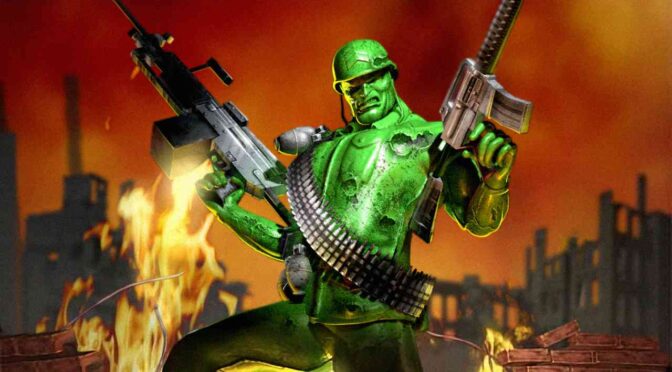
Army Men: Sarge's War Hawk
Army Men: Sarge’s War Hawk

Whether or not it deserved that fate is a matter of opinion. On one hand, it was unwise and intrusive to flood the market with those titles. Releasing games of questionable quality to bank on a brand should never be commended. But on the other hand, they weren’t without merit or appeal. The best games were just buried under the worst. It could have been straightened out. It didn’t have to end this way.

Or, as Michael Mendheim put it: “I always look back at my time at 3DO and think what could have been if we had managed the brand better by releasing only one Army Men game a year and each year releasing a different type of Army Men game with cool innovations and game mechanics…maybe, just maybe Army Men and 3DO might still be alive.”

The Making Of: Army Men – RetroGamer magazine. May 16, 2019. By Hareth Al Bustani

Exclusive interview with Trip Hawkins and Keith Bullen

During the mid-to-late 1990s, as video games began branching out beyond traditional genres, a surprisingly simple idea sparked the birth of one of gaming’s most memorable franchises. That spark was to bring the iconic green plastic toy soldiers (the Army Men) to digital life. What followed was a mix of action, strategy, and tongue-in-cheek satire that would grow into a universe of its own: the early foundations of what we now call the Toyverse.

The project emerged from The 3DO Company, founded by industry pioneer Trip Hawkins, who had already changed gaming history with Electronic Arts. At that time, 3DO was primarily focused on software development and searching for its next big concept… something that could blend strategy, humor, and accessibility. The result went far beyond expectation, shaping not just a game, but a world of plastic warfare and nostalgic imagination.

Origins of the Idea

It all began in 1996, when Keith Bullen, an art designer from Electronic Arts, was hired by 3DO to direct the visuals for a new project, then tentatively called War Sports. The goal was to create something in the spirit of Return Fire, 3DO’s popular vehicular shooter, but with stronger squad-based mechanics. Marketing wanted an “E for Everyone” rating, an idea ironically tied to the ESRB system that Trip Hawkins himself had helped establish.

“I remember various marketing meetings when ideas like green blood and making the soldiers robots were brought up as ways to get the game a friendly rating. I didn’t like any of these ideas.” – Keith recalls

Army Men Plastic Soldiers

Months passed without a clear direction, until Bullen had a eureka moment. He thought back to his childhood days, setting up tiny armies in the backyard and taking turns throwing rocks with his brother to knock them down. That memory (of creativity, chaos, and fun) became the emotional core of Army Men.

The toy soldiers had long been a universal symbol of imagination. From the Louis Marx playsets of the 1950s to Toy Story in 1995, these little green figures had stood the test of time. By centering the game around them, Bullen found a way to capture both nostalgia and originality, something fun for players who wanted a break from the gritty realism and machismo of other war games.

Army Men PC
Army Men PC (1998)

Building the Plastic World

Once the toy soldier idea took hold, Keith’s role evolved from art director to lead designer.

“Once the soldiers became plastic, we had to come up with a universe with real terrains and plastic soldiers,” he says. “We wanted the world to feel serious to the Army Men characters’ point of view but fun and nostalgic for the player.”

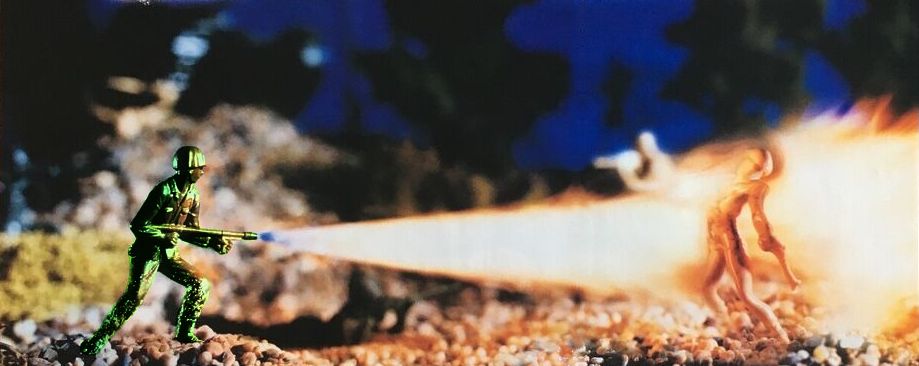
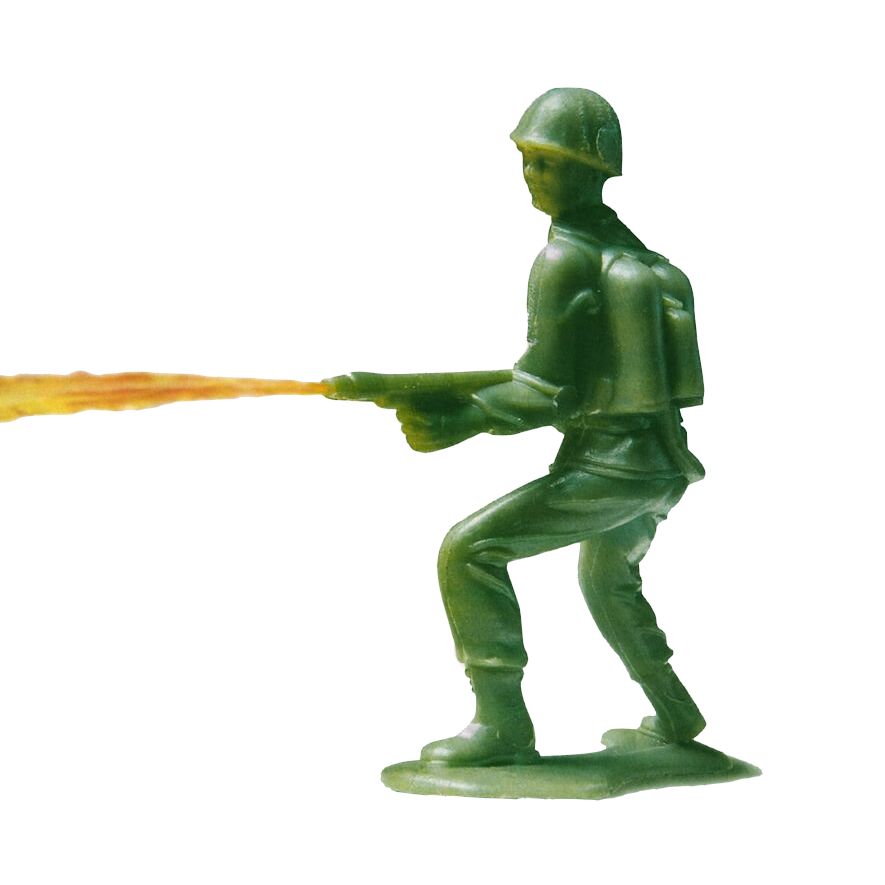
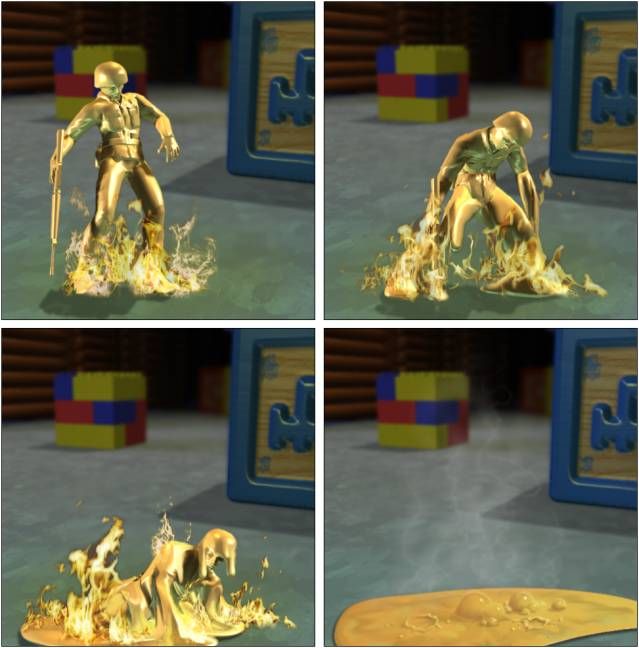
The team paid careful attention to the way plastic behaved in real life, how light hit its glossy surface, how it bent, shattered, and melted.

Green Army Men flamethrower

“We paid close attention to the physics in the animations. It was very important to me that the plastic pieces reacted to the world as if they were made of the same light plastic as the original figures.”

But turning that idea into a finished product wasn’t easy. The small team of six soon grew to more than ten as Bullen became creative director.

“It was very challenging convincing the team to adopt my new gameplay ideas… It took several months to finally get everyone on board.”

Executives were another obstacle. Early pitches for Army Men were dismissed as childish, “too young” some said. RTS fans, they argued, wouldn’t take seriously a game about toys. Yet Bullen persisted, finding clever ways to win people over.

Green Plastic Soldier
The “bought” generic soldier 3D model

“I then bought a 3D model of a generic Army Man and brought in some classic toy green and tan Army Men to use as pose references,” he remembers.
“For several weeks, many people from every department in the company would stop to discuss the posed 3D model… Soon after, the momentum switched from the product being perceived as too juvenile to being an awesome nostalgic experience.”

Sarge with rolled up sleeves, a modified version of the original 3D model

That was the turning point. Nostalgia had done its job.

From the Backyard to the Battlefield

The next challenge was translating the tactile world of toy soldiers into an interactive one. The developers recreated classic units like riflemen and bazooka troopers, while experimenting with how plastic would melt or break apart.

“We destroyed many plastic Army Men in the 3DO parking lot for the sake of realistic plastic physics,” Keith admits.
“The enhanced fear of fire when you are made of plastic was a theme we relied on throughout the series.”

To tie everything together, Army Men adopted a satirical tone. The game opened with a mock newsreel showing the totalitarian Tans preparing to invade the Greens.

Army Men News reel Introduction
Plastro from Army Men
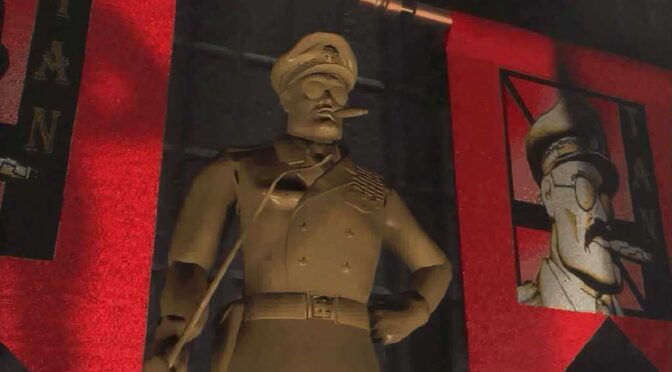
The Mussolini Tan leader

“We watched many hours of authentic old reels… The Tan leader gesturing like Mussolini was one of my favourite segments.”

Originally planned as a real-time strategy game, Army Men evolved into something more direct and personal. Players would take control of Sarge, a Green Army hero.

“I’ve always preferred arcade-like action games over strategy games,” says Keith.
“So I redesigned the game around the central character of Sarge… as in games like Ikari Warriors.”

The final product blended tactical movement with fast-paced action.

“The gameplay became more about tactics, rather than strategy,” Bullen notes, crediting Crusader: No Remorse as an influence.

Trip Hawkins’ Perspective

One of the concept’s earliest champions was 3DO founder Trip Hawkins himself.

“Toy soldiers were my dominant play pattern as a child and I’d always invented strong storylines and adventures around them,” he says.
“Besides all the World War soldiers, I had Swoppets from the Wars Of The Roses, Roman centurions, and others – including cowboys, of course.”

Hawkins immediately recognized the blend of nostalgia, humor, and design potential behind Army Men.

“It inspired me to do something more central with humour in the genre and a stronger narrative.”

To him, the plastic theme wasn’t just an aesthetic choice: it was a creative platform.

“We were focused on the US market… nobody cared about them, because they’d not grown up with those toys.”

Despite the game’s playful tone, Hawkins insisted that warfare and destruction were essential to the experience.

“Creatively, we also wanted to have fun repeating some of the famous play patterns from childhood… It allowed us to cast our villains with a bit of sadism, that is still funny because… they’re just toys.”

Colonel Grimm and Sarge from Army Men
Colonel Grimm with Sarge

A Legacy Beyond Plastic

The development cycle lasted just over a year, despite several restarts. Once the formula clicked, Hawkins knew they had something special.

“This is what we live for in game development and publishing… to do something we really believe in and love.”

Across three themed terrains (desert, alpine, and swamp) Army Men culminated in a memorable twist: Sarge crossing into the Real World, a scene that would directly lead into Army Men II. The franchise quickly exploded, selling over 7 million copies across every major platform and generating more than $300 million in revenue.

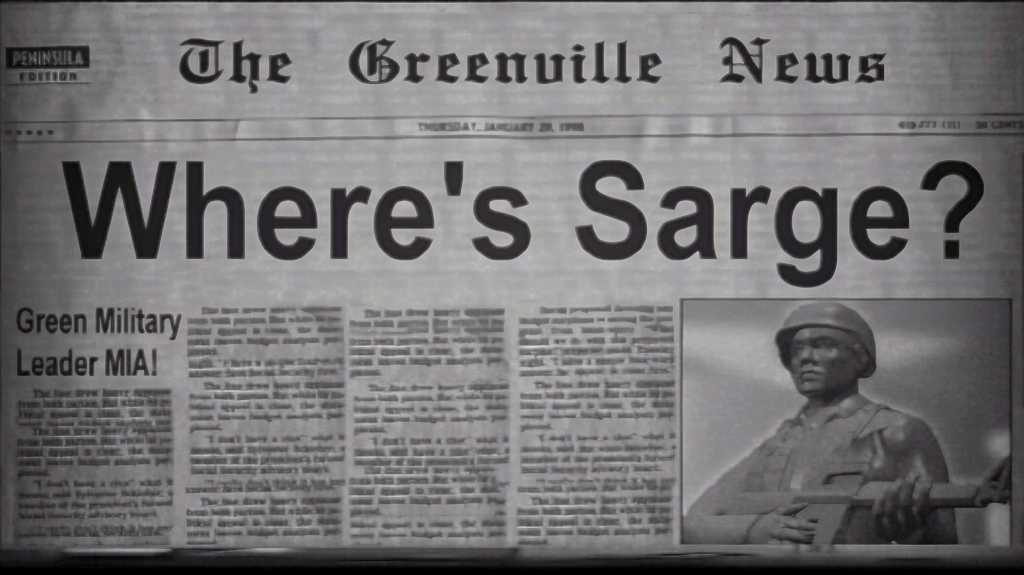
The Greenville News
The Greenville News 01/29/1998

Looking back, Bullen reflects on the impact of that first title:

“I never would have imagined that it would spawn 23 sequels and spin-offs… My goal was to create a game that I would want to play and not a clone of a game I had played before.”

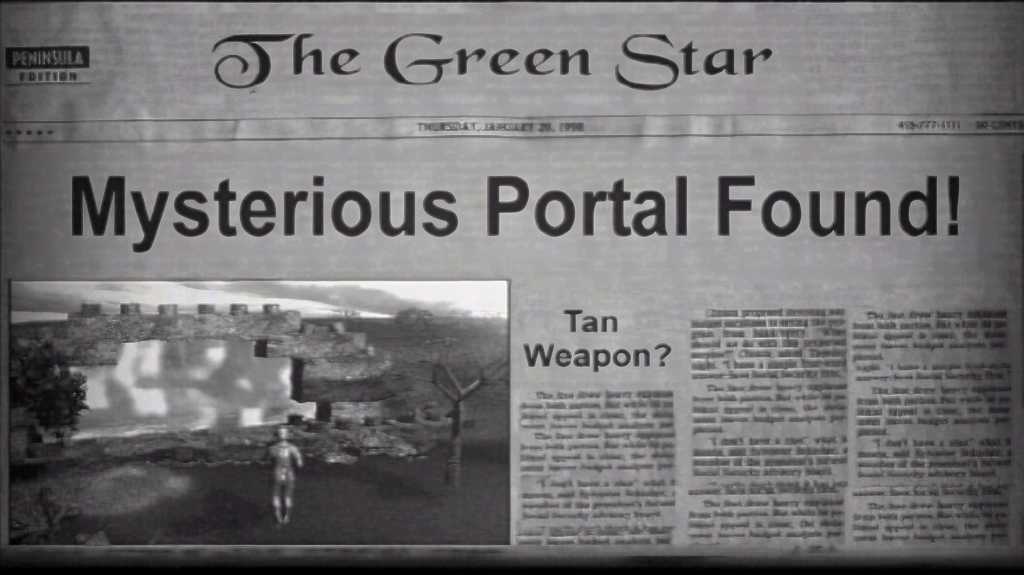
The Green Star
The Green Star 01/29/1998

Indeed, Army Men defied easy classification. It was part shooter, part strategy, part parody… a digital sandbox that reimagined childhood battles through the eyes of living toys. Beneath the surface, it captured something universal: the creative spirit of play itself.

From Sarge’s Heroes to the ever-expanding Toyverse, the legacy of those little plastic soldiers continues to march on.

Army Men PC inside
Sources for this article:

Original source: Retro Gamer (2019), “The Making Of: Army Men” by Hareth Al Bustani.
https://www.pressreader.com/uk/retro-gamer/20190516/281672551382117
Edited and adapted for armymen.com.ar

Behind the scenes: Army Men: Major Malfunction

Original sources:
  1. Team17 source: https://www.team17.com/team17s-100-games-part-nine-2005-2006-lemmings-worms-army-men

This proves that canonically, Sarge died.

The first very revealing article was Team17’s recalling history of their first 100 games, when celebrating the release of game number one hundred, PLANET ALPHA. In this chapter, they’re heading to 2005 & 2006, a time of both 2D and 3D Worms games and their first foray into work-for-hire projects on both Lemmings and Army Men.

In an unexpected twist, Team17 was granted creative freedom while working on the Army Men franchise. This allowed them to introduce a new main character and even eliminate the recurring character, Sarge, in the opening sequence (Sarge or Sarge Hawk. In any case, it seems they never knew, they really confused the franchise canon). This bold move highlights the unique creative liberties Team17 enjoyed during the development process. You can read the complete article in: https://team17.com

1. Team17’s 100 Games – Part Nine: 2005-2006 (Published: Nov 7, 2018)

(…)

48/100
Army Men: Major Malfunction

Army Men Major Malfunction
Year: 2006 | Developer: Team17 | Publisher: Global Star | Format: PlayStation 2, Xbox

When Team17 was founded in 1990 it was entirely possible, thanks to open platforms like the Amiga, for a small group of programmers and artists to make and release their own game. But times changed. As next generation consoles took over, team sizes grew and budgets ballooned. Releasing a game was virtually impossible without publisher support and this meant you had a limited number of ways to get a game made. Either own a best-selling IP or develop for somebody else’s. In this climate, Team17 found itself pitching to publishers for “work-for-hire” projects. Sometimes this led to us working on a game like Lemmings, other times it led to Army Men: Major Malfunction… Perhaps the most surprising game in our entire history.

Recruited to Team17 after a 10-year stint at Rare, Gavin Hood found himself in command of the Army Men project and worked on the pitch. “I had literally only joined the company a few months before and was sitting opposite the head of design,” says Hood. “I remember most of the designers were working hard on a Worms title as it neared the end of production so I was asked to come up with something to pitch. I guess it went okay because we got the deal and I got the chance to lead it.”

Working on someone else’s franchise, you’d think that the publisher would have final say on any creative decisions but actually, as Hood explains, Team17 were given free rein on Army Men and even got away with a few unexpected choices. “We wanted to use a different main character to many of the other Army Men games and not only did we not meet resistance to this, but we even microwaved recurring main character Sarge in the opening sequence to set up the introduction of our own character. I’m actually proud that we were able to melt a series character in the opening of a game and everyone concerned be okay with that!”

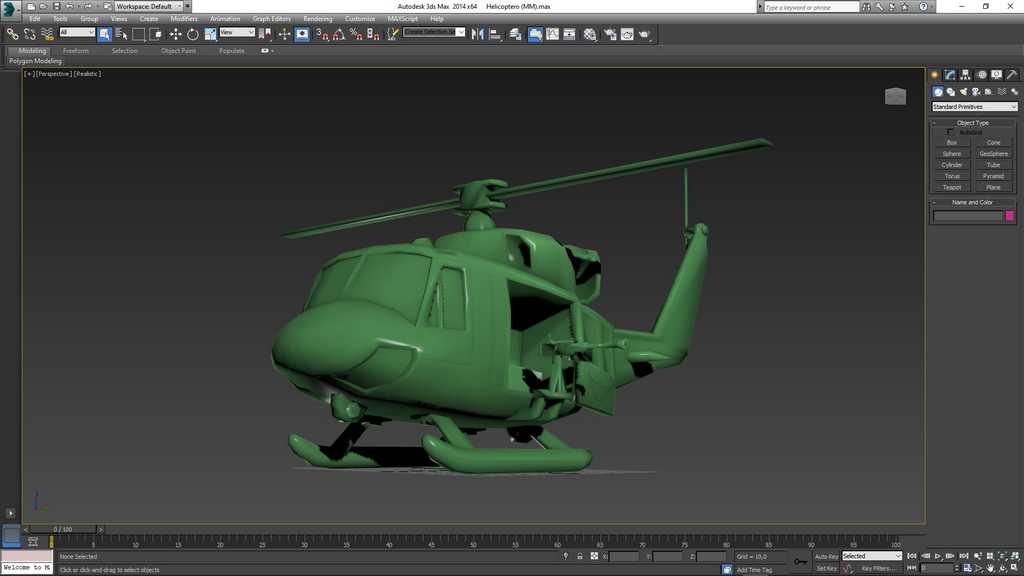
Major Malfunction Huey
Army Men Major Malfunction Huey Helicopter

Every game has its unique challenges and for Army Men it was designing a 3D world in the era before off-the-shelf game engines made the process more streamlined. “The programmers wrote a set of tools that, because of the limited time we had, were made to work on development kits using the Xbox Controller,” Hood explains. “We had to place enemies, assign A.I. to them and set their patrols all using an Xbox Pad, even the cutscenes were done in the same way. Using those tools was a nightmare but the advantage was we could throw a load of stuff into a level and just hit play. It was awful to use with a pad but the speed at which we could test ideas and get something into each of the environments is probably the only reason we hit deadlines.”

Army Men Major Malfunction WIP
A WIP CG animation from the Escape From Precinct 17 mission

“It was an interesting game to work on,” concludes Hood. “I remember having grand ideas about what the game would end up being and although it might not have exactly reached those heights there are some things I think we got right. There are a lot of pop culture references in there that I still think we handled well .” Even the subtitle, “Major Malfunction”, was a reference to a line from Stanley Kubrick’s Full Metal Jacket!

“Looking back, the game obviously wasn’t a masterpiece but everyone on the team got everything done in a very short development time with makeshift tools! It probably won’t go down as Team17’s finest hour or be the game I’m proudest of, but I did at least get to buy a lot toy soldiers and put them all over the office!”

(…)

Trip Hawkins, The 3DO Company and other interviews: Army Men highlights!

Original sources:
  1. https://futuregamez.net/3do-interview

1) Trip Hawkins 3DO Interview, September 23, 1999 on futuregamez.net by David Warner ~ Dreamcast Australia

The games industry can be tough at times. Trip Hawkins should know. He built Electronic Arts from nothing to become the largest gaming company in the world. Several years later he left Electronic Arts to form the 3DO company. 3DO designed a console architecture which was developed by Panasonic. Unfortunately the system lacked software support and coupled with a high price ($US700) the system died soon after the Playstation’s and Saturn’s launch. After another failed hardware bid with M2, Trip Hawkins decided that 3DO was better off as a software company. Once again Trip is aiming to create a major software company, and the games so far have proven themselves as world class titles. I thought it would be nice to have a chat to one of the most powerful men in the gaming industry.

Here are the Army Men highlights from this interview you can read in this link: https://futuregamez.net/3do-interview

Trip Hawkins 3DO Interview, September 23, 1999 on futuregamez.net by David Warner ~ Dreamcast Australia
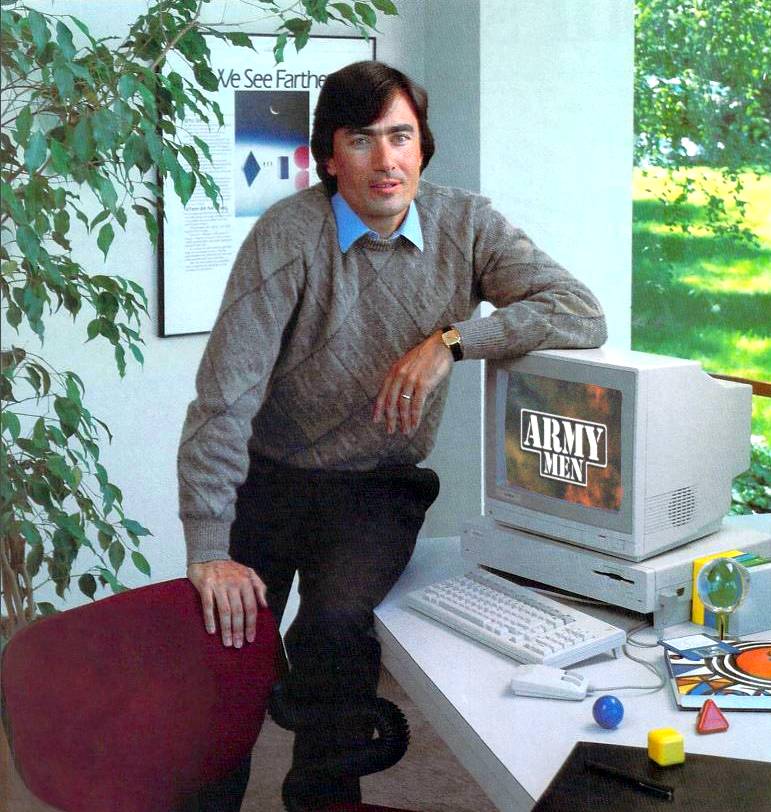
Young Trip Hawkins
Young Trip Hawkins at 3DO

(…)

– What are your thoughts on technology in regards to gaming and gameplay?

Trip: My mission at 3DO is to turn people into lifelong gamers. That’s why I have been making games for over 25 years. That’s also why I have on occasion in the past made forays into the hardware side of the business when I felt it needed to be moved forward in the interest of gamers.

Sony and others have done a great job moving the hardware to where it is now. It’s very exciting to see the capabilities of these systems getting where they are. The medium is the message, after all. I have always felt that great games need to be simple, hot and deep. That’s how I built EA and EA Sports in particular.

And that’s the same philosophy with 3DO’s game brands like Army MenBattleTanxHeroes of Might and Magic, and High Heat Baseball.

(…)

– Can you explain a little about your major 3DO games titles?

Trip: Army Men is a best-seller because people are emotionally enthralled with the idea that some of their favorite toys have come to life in a way that lets their imagination run wild. Our new lines, Army Men: Sarge’s Heroes and Army Men: Air Attack, add new dimensions to this fantasy world. The first is a terrific character adventure action game with a great story. The second is a charming helicopter action game. (…)

(…)

Would you like to see any other 3DO games ported to the Dreamcast?
Trip: Army MenHigh Heat Baseball, and BattleTanx are great brands that would do well on any platform.

Interview with Nick Earl, Army Men Producer – “Army Men Official Strategies & Secrets” Book by Brett Skogen (Jan 1, 1998 by Sybex Inc.)

It’s no easy feat to develop a best-selling computer game. With the gaming community’s insatiable appetite—always wanting better graphics, special effects, story, and, most importantly, gameplay—it takes a dedicated team of professional producers, writers, programmers, graphic artists, and others to put a finished game on the shelves.

Army Men is no exception. With an estimated budget of 1.5 million dollars, over 20 dedicated people spent two years of their lives making this game. The results are definitely worth it though—this game is one hell of an adventure!

One of the key members of the Army Men team was its producer, Nick Earl. Nick is currently an Executive Producer at 3DO, where he oversees the development of Army Men and BattleTanx products. He’s been with 3DO for over five years, starting out as one of the original 3rd Party Evangelists. Later, he founded and managed the Affiliated Label and Licensing Programs at 3DO, before finally climbing to the producer ranks at one of the company’s studios. As the producer of Army Men, Nick had the responsibility of managing the day-to-day concerns of the project, while keeping the development team in focus and motivated. Nice work, Nick, you did a great job.

Fortunately, Nick was able to spare a few minutes to answer some questions as he put the finishing touches on the game.

Nick Speaks: Q & A with the producer

From the start, what was the vision for Army Men? What did you want to achieve?

Nick: There were a couple of inspirations for Army Men. Back when we started thinking about doing a military game, we were playing a lot of Return Fire, developed by Silent Software. We all loved the game, but yearned for better enemy AI and the ability to give orders to intelligent squads. So, the first vision was an action/strategy game that would give the player depth. But the real and enduring vision developed when we were laying out missions with the little plastic green and tan soldiers one afternoon. Suddenly it hit us to do the game based on plastic army men! As we started to build the design, it gained momentum, and pretty soon we knew we were onto something big.

Where did you get your inspiration for Sarge?

Nick: This was really Keith Bullen’s (the designer of Army Men) idea. He realized early on that the player would want to bond and identify with a personality rather than just move plastic armies around a battlefield as is usually done in a strategy game. With the introduction of the plastic concept, the design really started to evolve from a strategy game toward immersing the player in a fantasy world created in the mind when playing with these great little toys. We knew right away that we wanted to have all of the classic poses, weapons, vehicles, and, most importantly, special effects, such as melting a Tan soldier into a pool of tan plastic with a flamethrower! Many other things evolved over time.

For example, at first the concept was to have Sarge ferry his units to different parts of the world and then issue orders to his troops, who would go off and carry them out. After talking to the magazine editors and focus groups, we realized that the player would want to bond with Sarge and his immediate world by being the one who gets to do all the destruction!

Therefore, we made Sarge tougher and able to carry and use all of the classic weapons. And most importantly, we gave Sarge the persona of a classic soldier. Now, we had what we thought was the best design for a game based plastic soldiers, one other evolution of Army Men was to use the MovieTone news concept. During their time, those clips did such a good job of making the war seem heroic, but not bloody and tragic. The nature of plastic physics lends itself perfectly to this notion—lots of action, heroism, and challenge, but none of the nasty and sickening effects of war.

Obviously, your team spent some time renting WWII movies. What movies were most inspirational?

Nick: Some of the mission objectives are loosely based on the classic WWII movies such as Bridge over the River Kwai, The Great Escape, and Kelly’s Heroes. There is something so dramatic yet clean about these movies—we thought that Army Men worked well within this theme. After all, plastic army men were invented right after WWII.

What’s the origin of the game’s engine? Did you modify an existing one or create your own?

Nick: We built one from scratch. The Technical Lead was Nicky Robinson, who, with the help of several engineers, built a great engine that allows this highly detailed art to come to life.

What has been the most difficult part of bringing Army Men to life?

Nick: Capturing the exact positions and then transitioning them into fully animated sequences. For instance, having a flame thrower start in the classic pose, then run with his weapon, fire it while running, dive, roll, and then move right back into the classic pose. We also spent a lot of time and energy balancing each mission to get the right combination of action, strategy, and intrigue. This is what really brings Army Men to life, because each mission is so fun and compelling that you keep coming back for more—you really feel like you are Sarge blowing up bridges, shattering Tan enemies, and liberating your Green troops from prison camps.

What else does Army Men offer the gamer?

Nick: We like to think that we will give the player a compelling, tough, and heroic character (Sarge), thrilling and humorous plastic special effects, absolutely beautiful art and animations, and an opportunity to really immerse oneself in those great battles we all played out in our backyards when we were kids. We see Army Men as a great blend of action and strategy, and of serious missions sprinkled with humor such as tanks flipping over to reveal hollow underbellies!

What’s your favorite strategy/tip for getting through the game’s missions? For a multiplayer game?

Nick: Wow, there are many. I think the best advice is to be methodical and thoughtful as you progress. There are numerous times that you think you have the mission solved when all of a sudden a Tan tank appears out of nowhere to shatter you! By thinking ahead and planning, you can neutralize such events with a few strategically placed mines or a mortar. I also recommend dropping to the prone position and rolling when in a fire fight. You are less vulnerable, and your chances of hitting the enemy are increased. For a multiplayer game, my favorite strategy is to hide in trees, and when an enemy runs by, melt him with the flame thrower before he knows what happened!

Any Easter Eggs in the game you want to confess to?

Nick: I don’t want to give much away, but after calling in air support a few times, you just may be surprised! I also recommend checking out the lake in the Alpine campaign’s Out of the Mountain mission. You will get a kick out of what lurks there. The best one by far, however, is the final-win cinematic—it has a really great twist.

On a personal note, what are some of your favorite things?

Nick: My favorite game, other than Army Men of course, is probably NHL Hockey ’98. My favorite musical groups are Pink Floyd, Led Zeppelin, U2, and the Grateful Dead. If I had to pick a favorite song, it would probably be “Comfortably Numb” by Floyd or “Unforgettable Fire” by U2, depending on my mood. As far as movies, my two favorites are Platoon and The Graduate.

What’s your next project after Army Men?

Nick: Army Men! I am doing an Army Men sequel for PC, as well as entirely new designs for PlayStation and Nintendo 64.

Thanks, Nick, we all look forward to Army Men sequels in the near future!

About the autor of “Army Men Official Strategies & Secrets Book”

Brett Skogen has worn many hats in the gaming industry: reviewer, strategy guide editor, marketing specialist, and producer. Brett is the author of Hexen II Official Strategies & Secrets and co-author of Final Fantasy Tactics Battle Strategy Guide, both from Sybex.