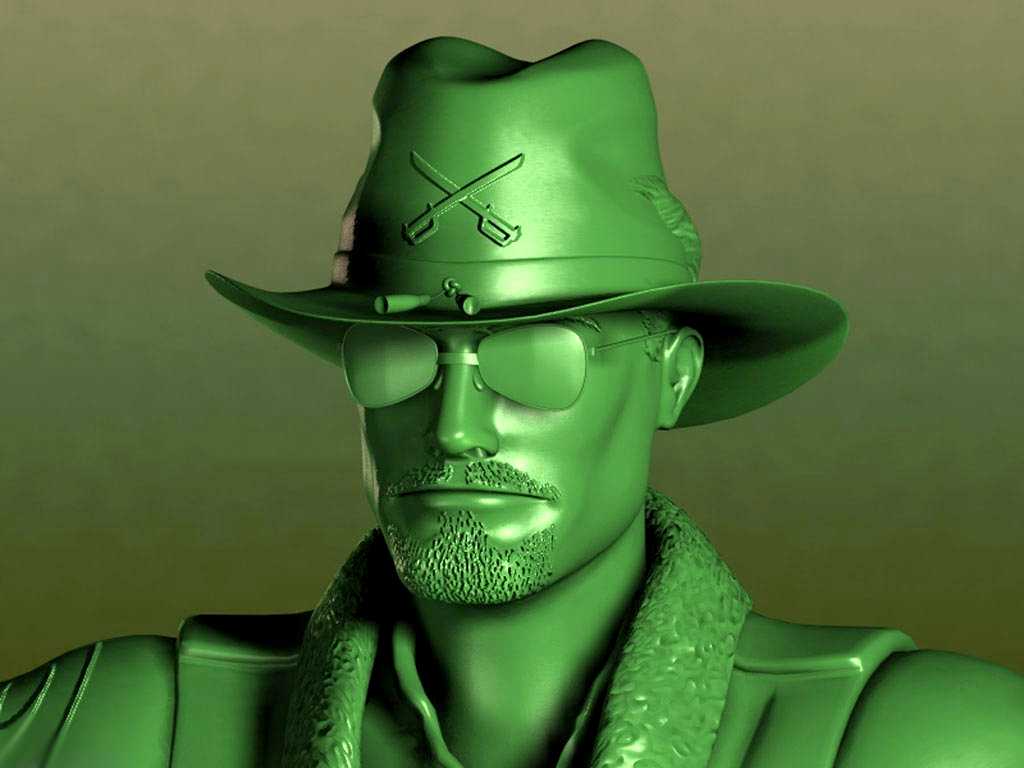
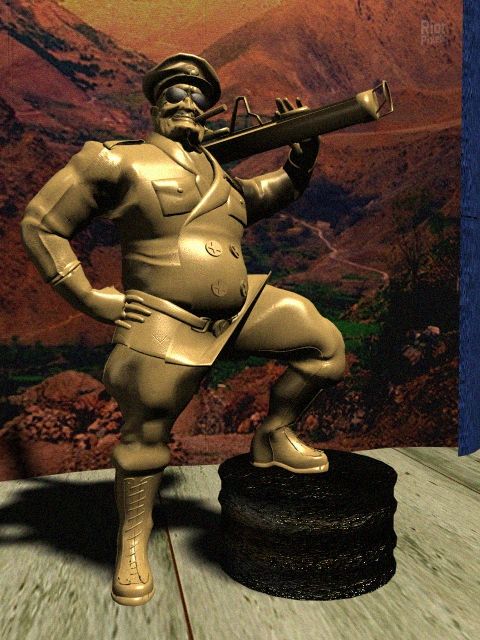
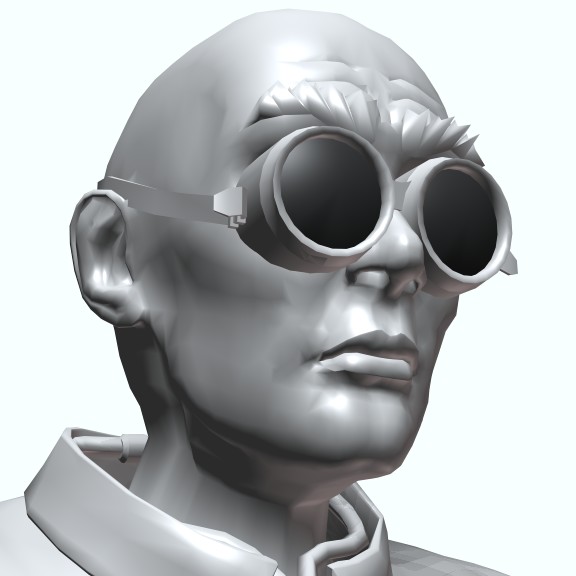
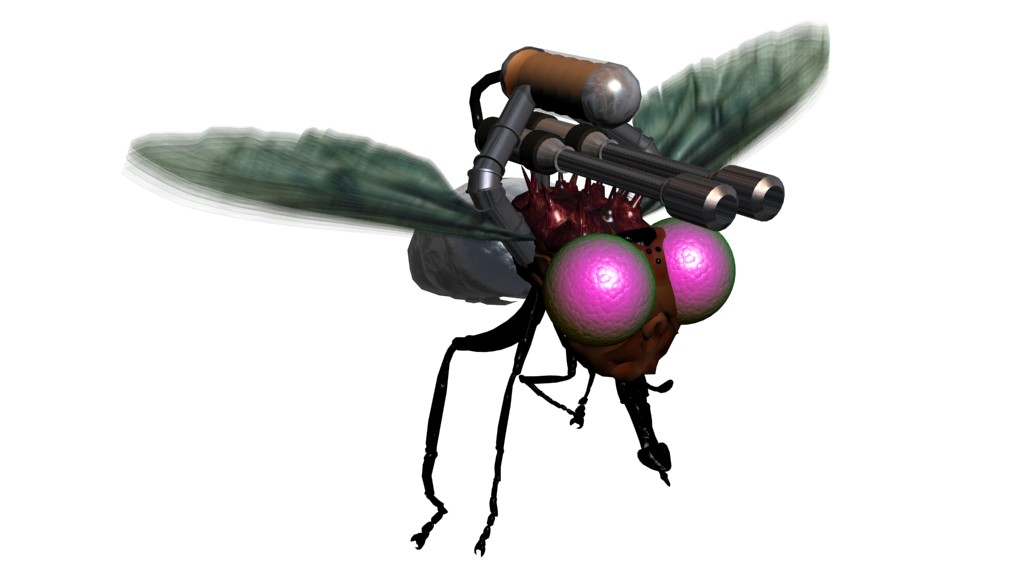
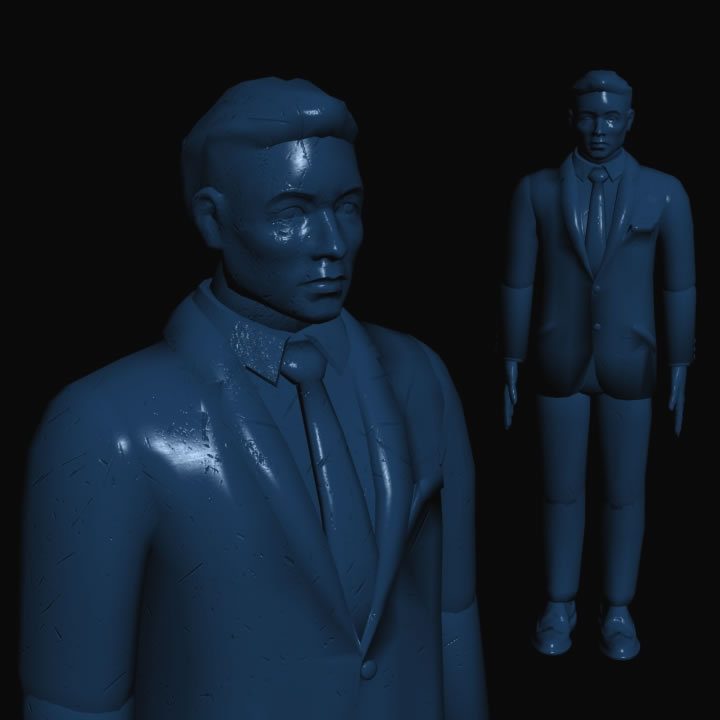
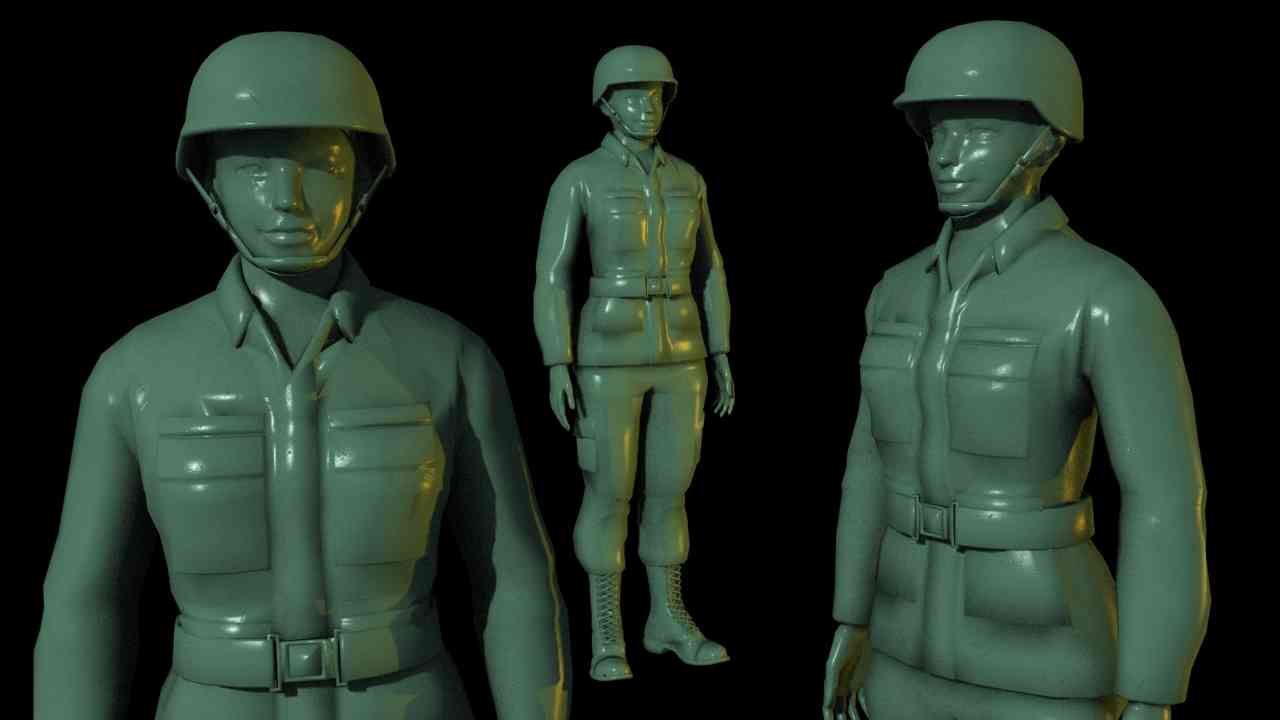
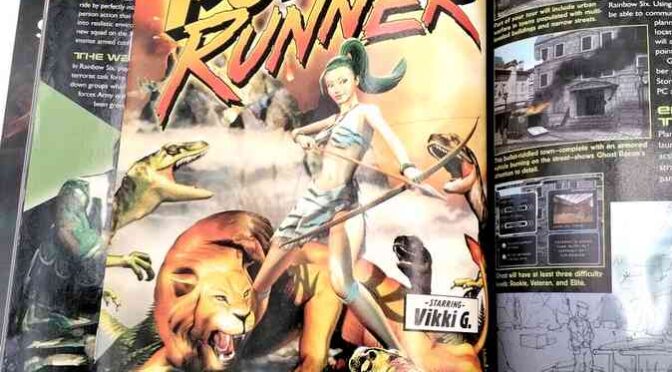
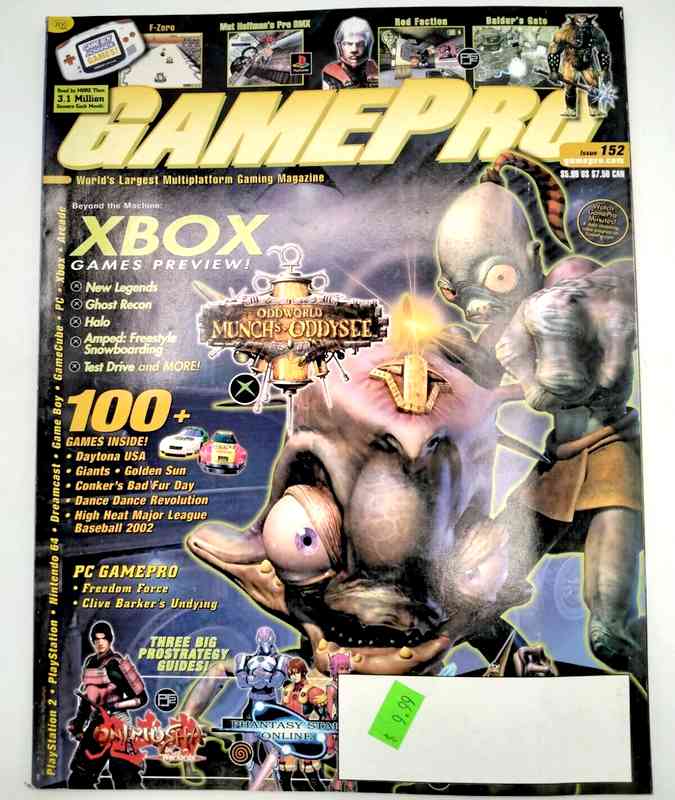
What is more difficult than creating a character from scratch? Recreate a pre-existing one from low resolution images
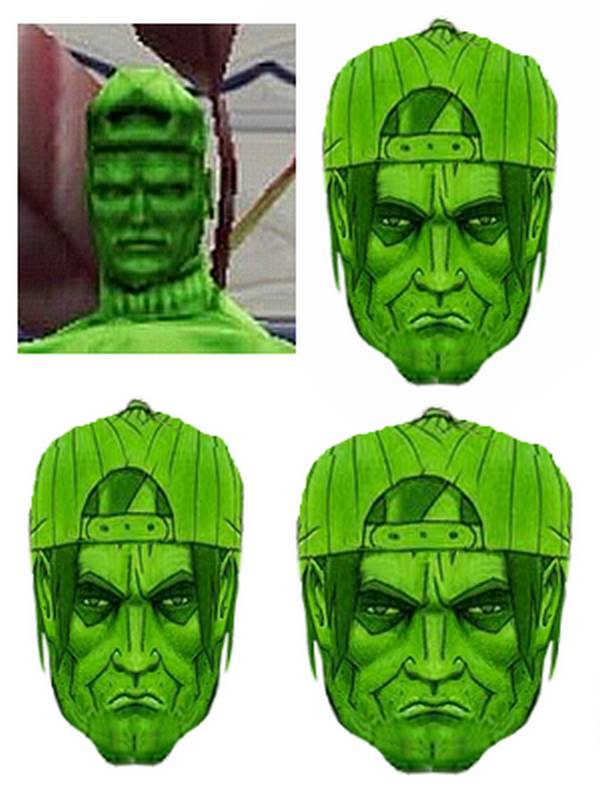
Something extremely difficult is to imitate a 3D model only with poor quality reference images. It is a tedious and slow job, much more difficult to do than creating a character from 0, at least from the point of view of whoever writes this article, especially if the intention is for the imitation to be as accurate as possible.
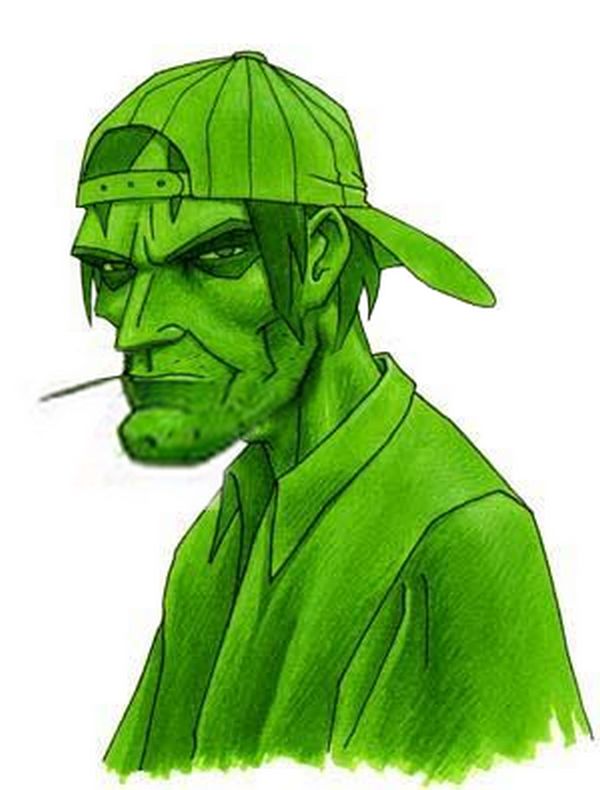
Recreating Major Gooding
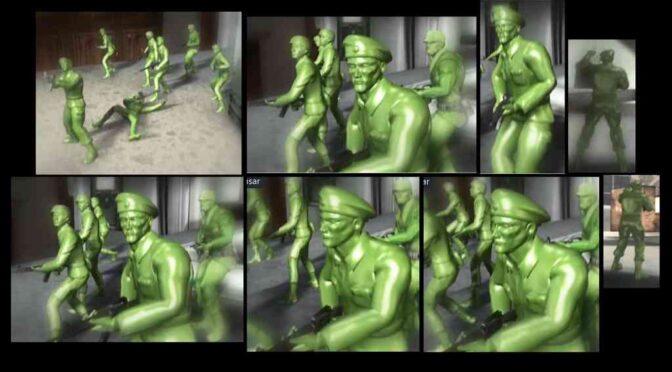
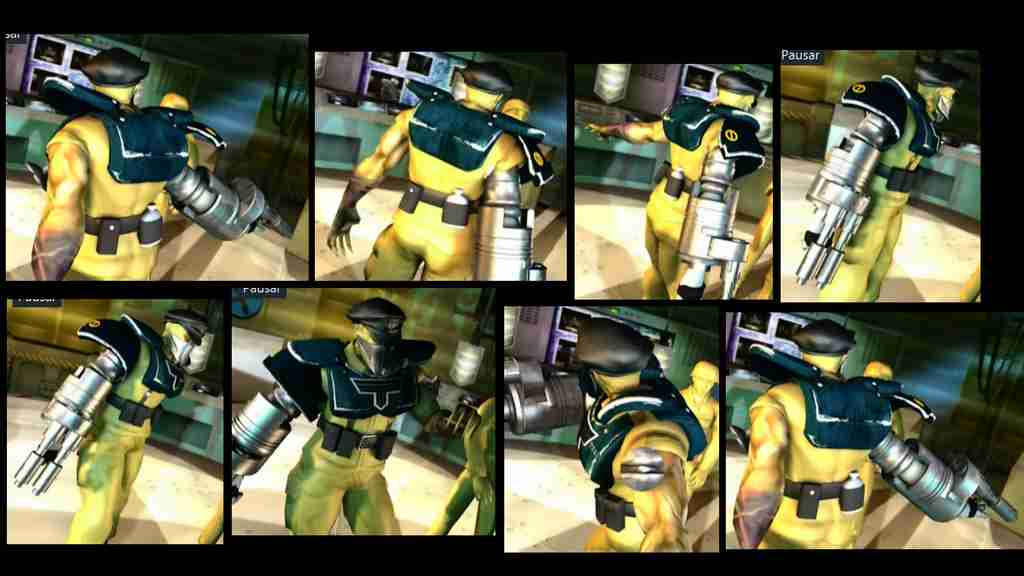
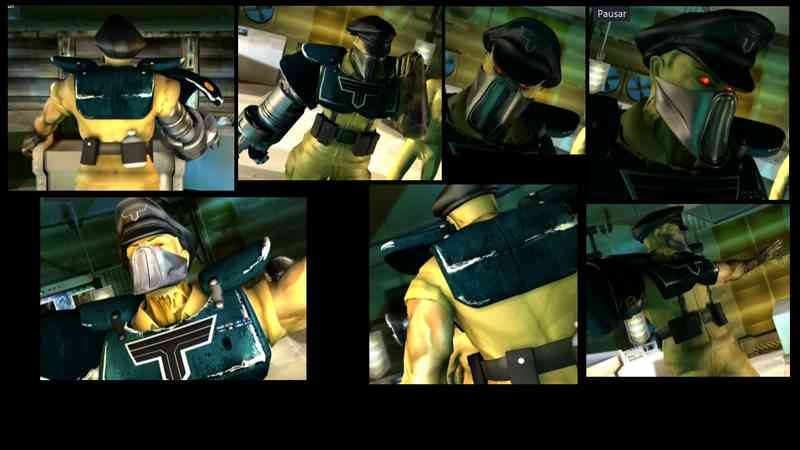
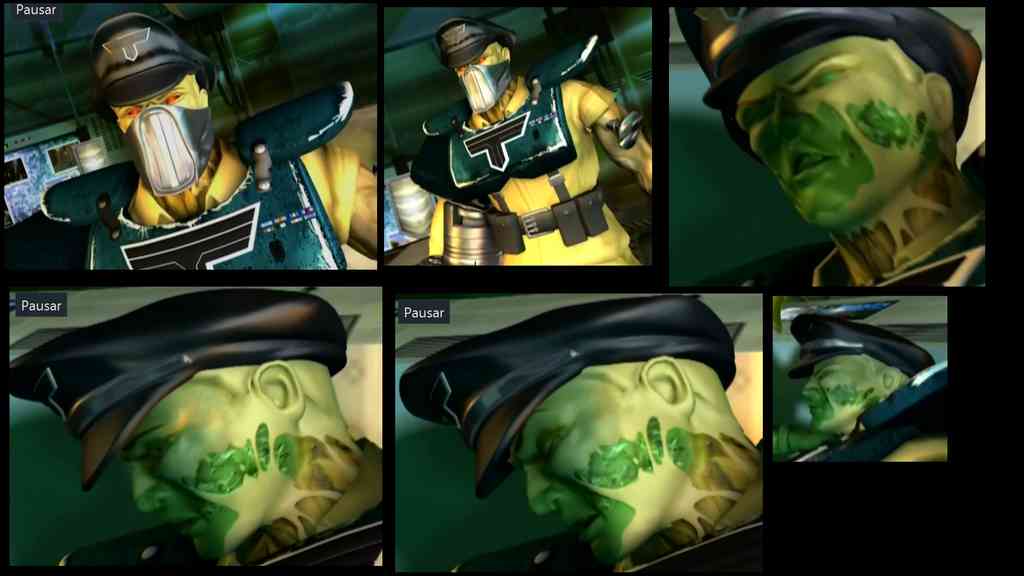
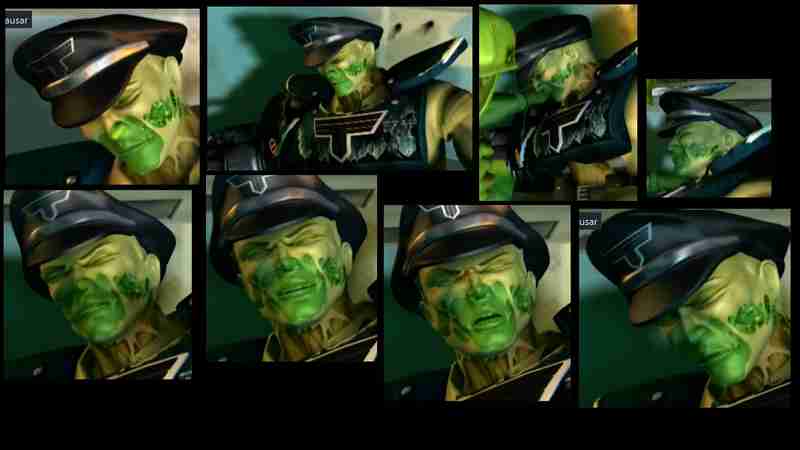
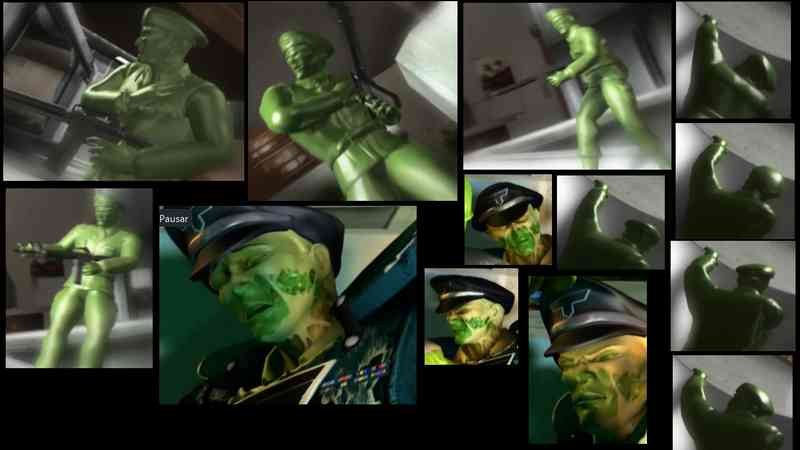
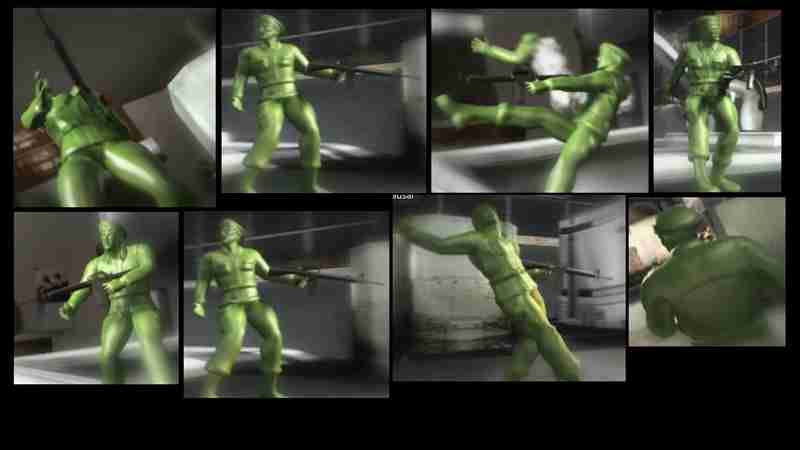
So let’s start at the beginning… we’re going to design Major Gooding, before he became Lord Malice, for a flashback animation. So let’s “hunt” the reference images directly from the source: the CGI FMV of Sarge’s War
The kitchen that brings back memories, the perspective of Hawk
Sarge’s War ending, the perspective of Gooding / Lord Malice
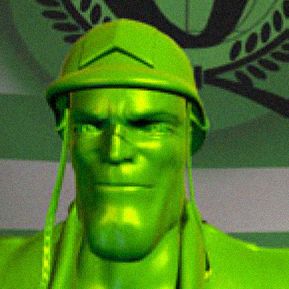
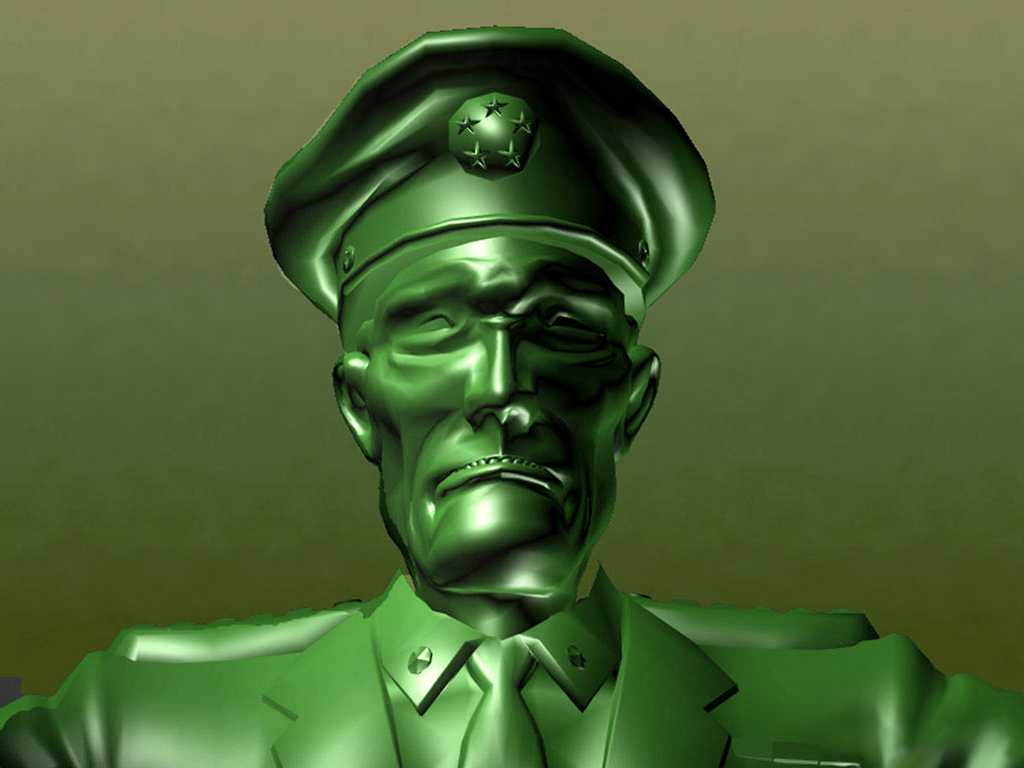
We have 2 640×480 blurry CGI scenes where we see Lord Malice’s past, when he was Major Gooding. One is Sarge Hawk’s point of view when he arrives at the kitchen that brings back his memories, the other is Malice’s point of view before he dies, when he tells Hawk what really happened. From these 2 scenes we captured the following images…
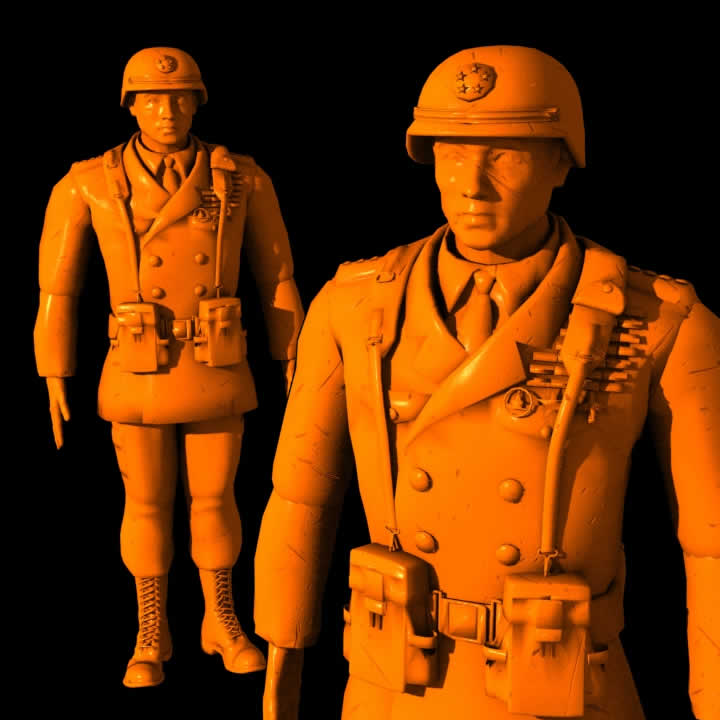
Army Men Lord Malice / Major Gooding
Army Men Lord Malice / Major Gooding
Army Men Lord Malice / Major Gooding
Army Men Lord Malice / Major Gooding
Army Men Lord Malice / Major Gooding
Army Men Lord Malice / Major Gooding
Army Men Lord Malice / Major Gooding
Army Men Lord Malice / Major Gooding
Another source of reference could be the 3D model of Lord Malice that we fought at the end of the game. But that is a topic for the second part, perhaps.
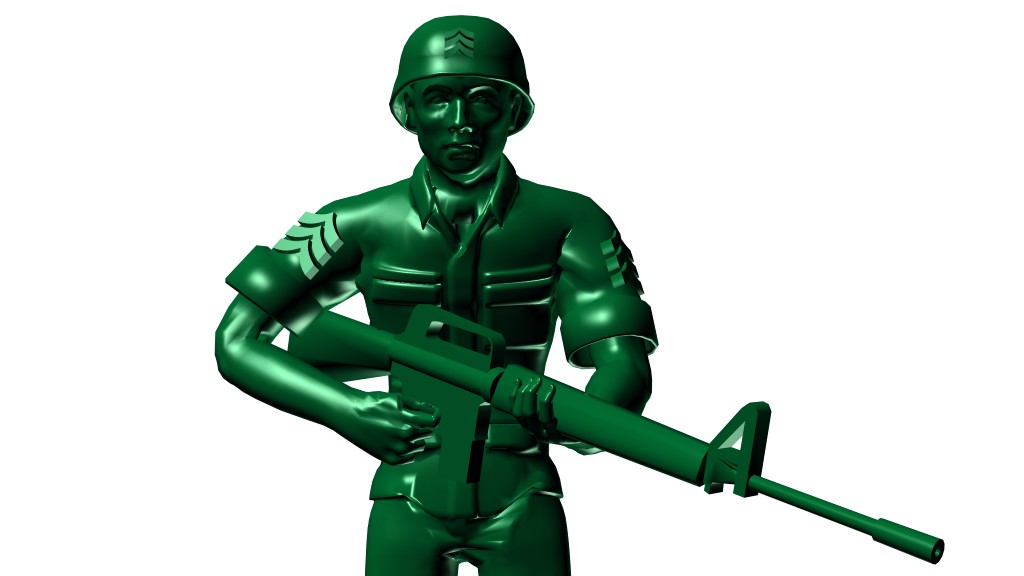
Army Men Toyverse 3D model, finally here!
Army Men Major Gooding (before Lord Malice) with Hero M16
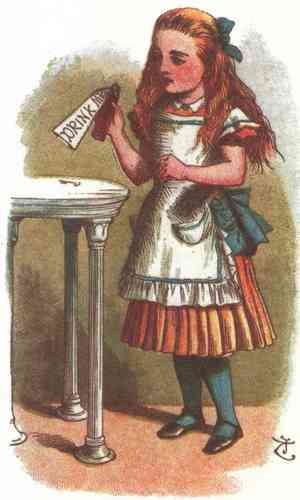
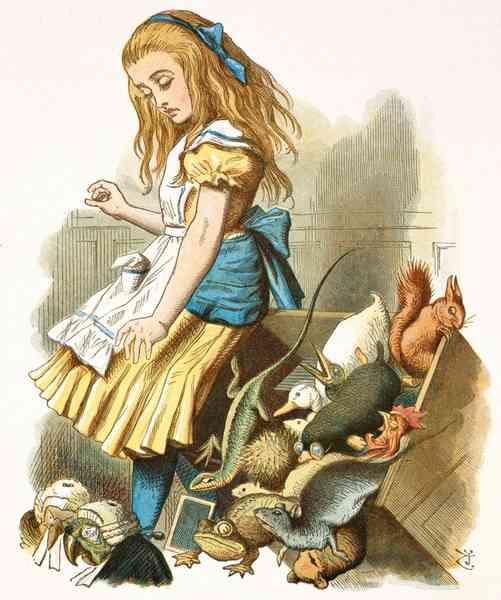
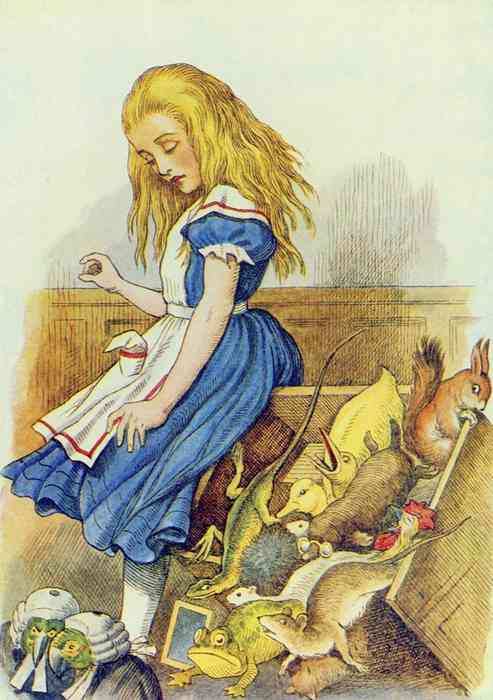
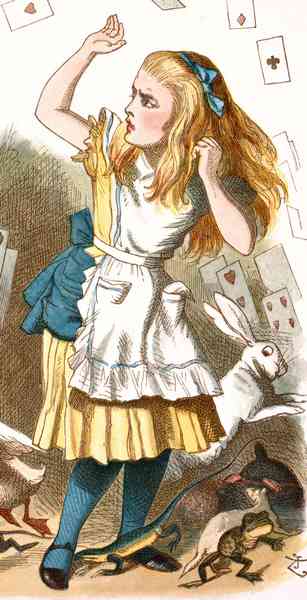
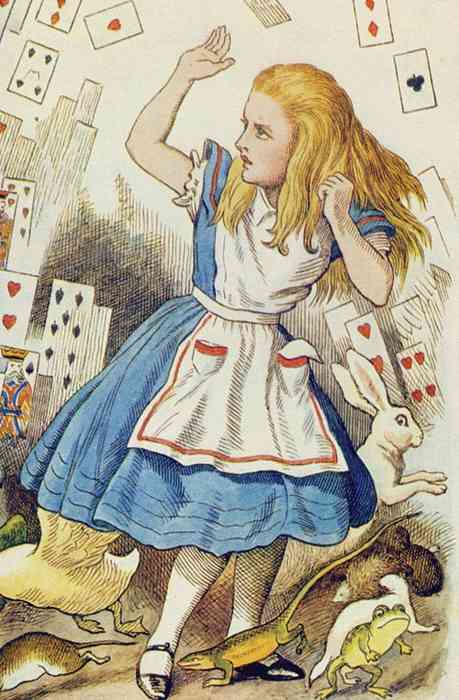
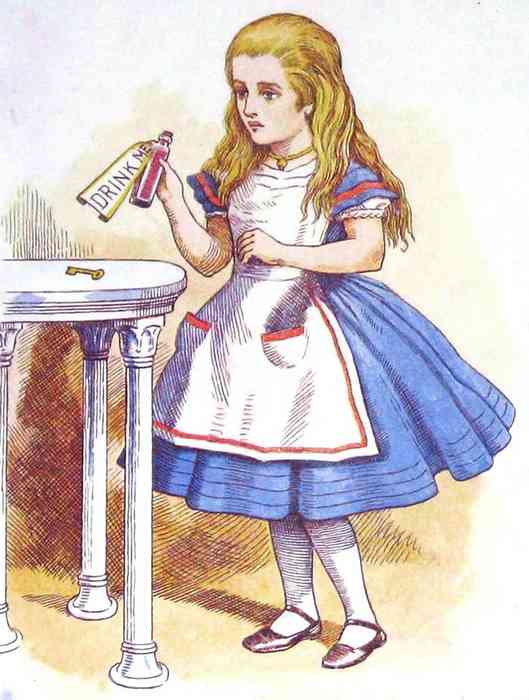
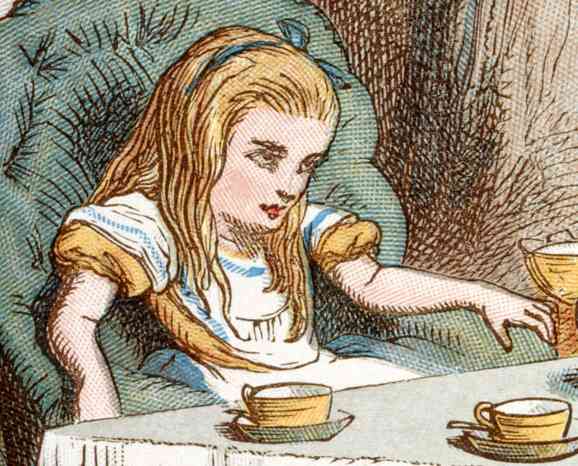
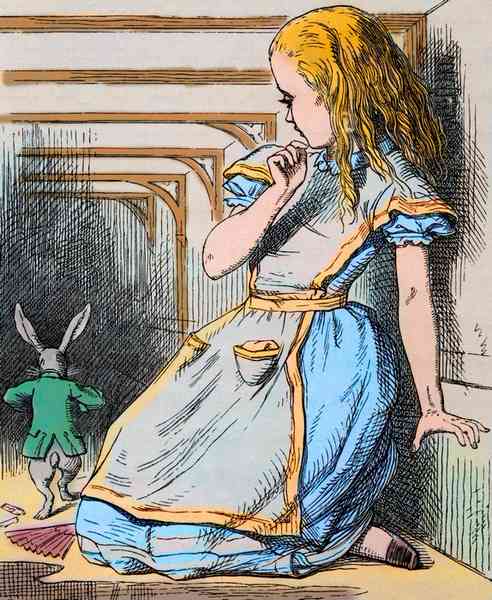
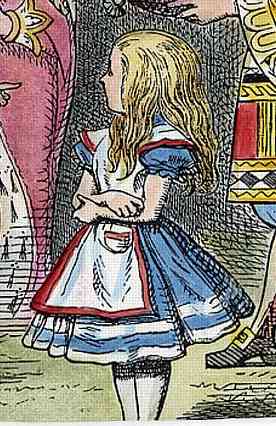
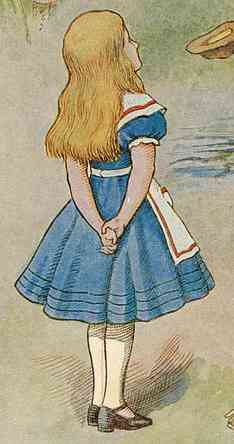
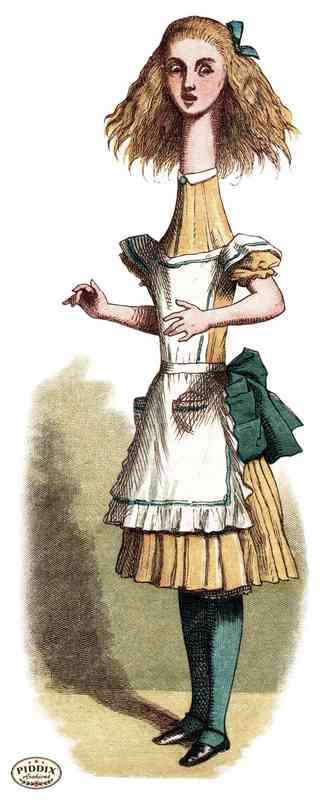
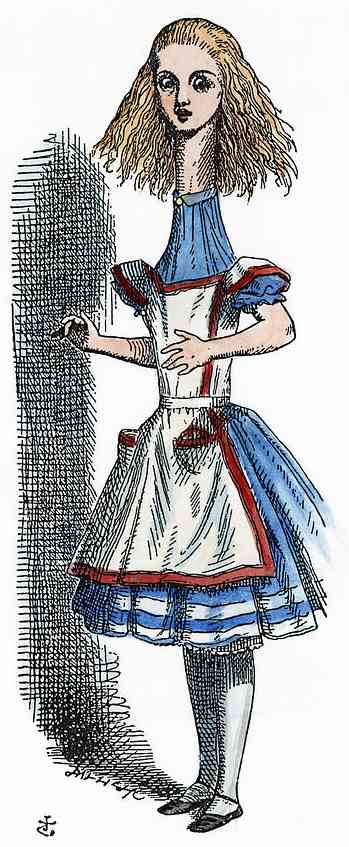
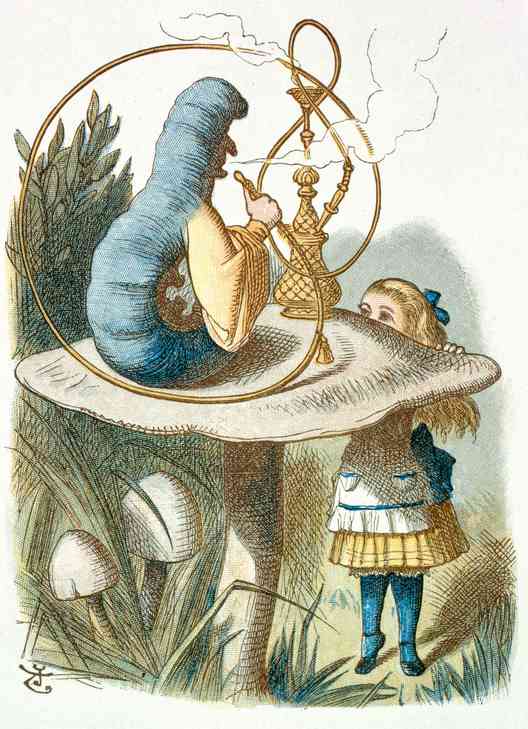
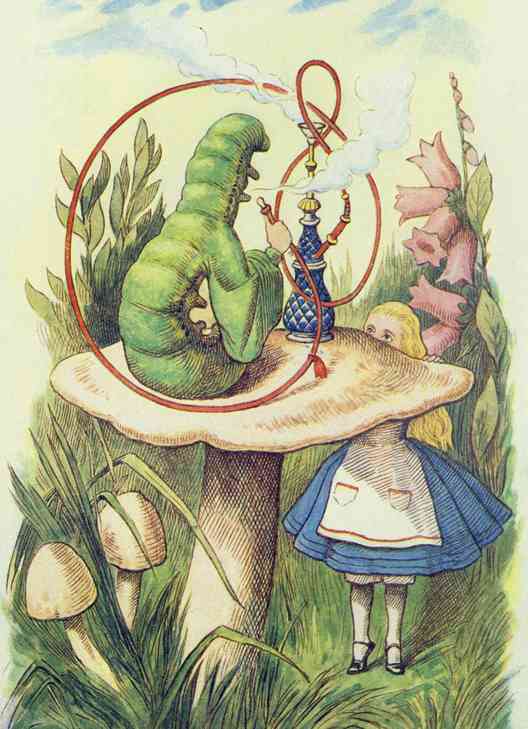
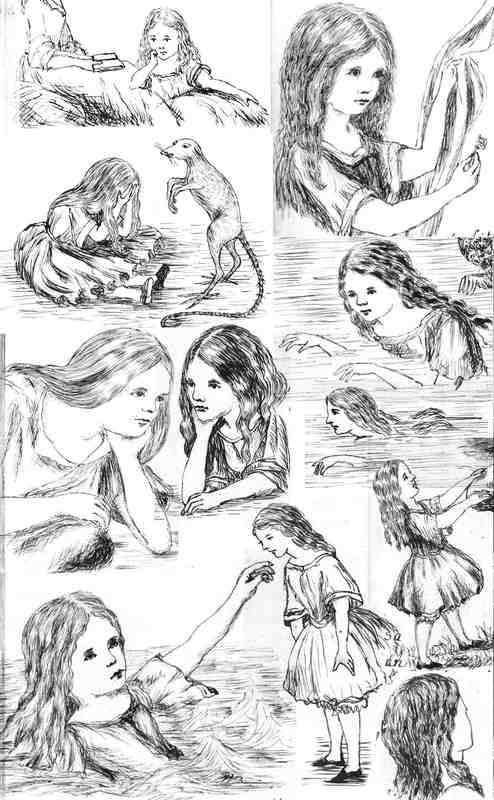
Recreating original Lewis Carroll’s Alice in Wonderland
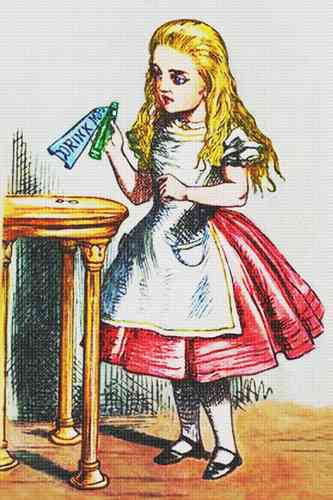
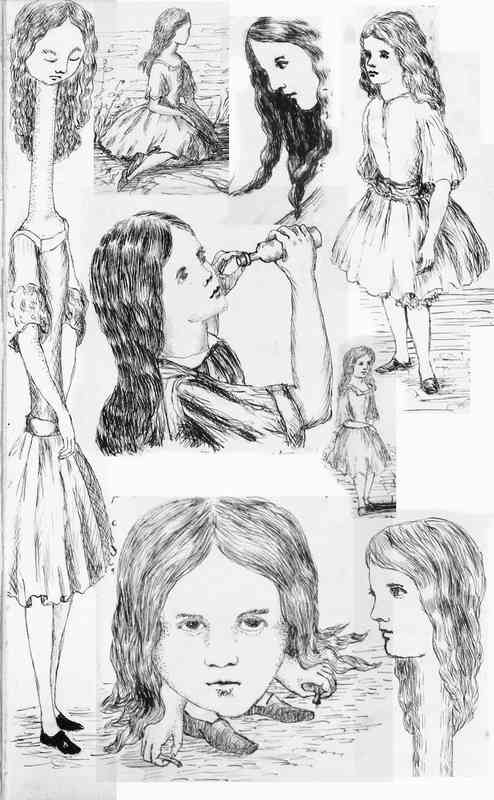
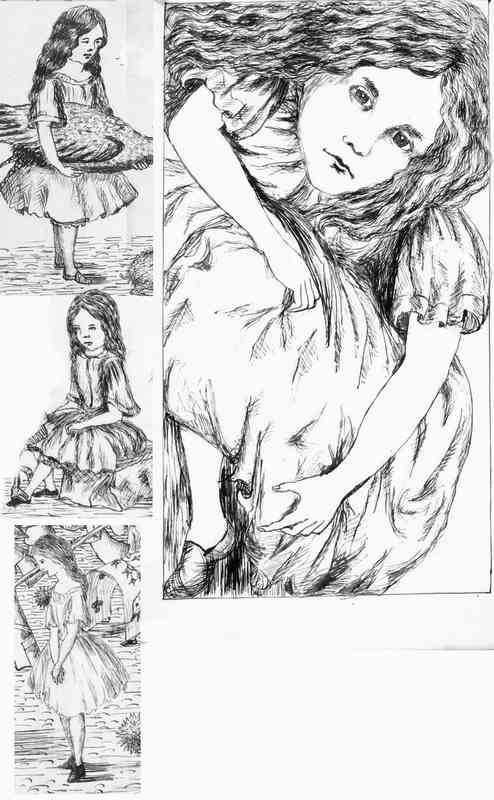
In this case we have the reference illustrations for Alice’s original design, from which we will create the 3D modeling
Alice in Wonderland John Tenniel drawingAlice in Wonderland John Tenniel drawingAlice in Wonderland John Tenniel drawingAlice in Wonderland John Tenniel drawingAlice in Wonderland John Tenniel drawingAlice in Wonderland John Tenniel drawingAlice in Wonderland John Tenniel drawingAlice in Wonderland John Tenniel drawingAlice in Wonderland John Tenniel drawingAlice in Wonderland John Tenniel drawingAlice in Wonderland John Tenniel drawingAlice in Wonderland John Tenniel drawingAlice in Wonderland John Tenniel drawingAlice in Wonderland John Tenniel drawingAlice in Wonderland John Tenniel drawingAlice in Wonderland John Tenniel drawingAlice in Wonderland original designAlice in Wonderland original designAlice in Wonderland original design
…Creating…? Bullseye
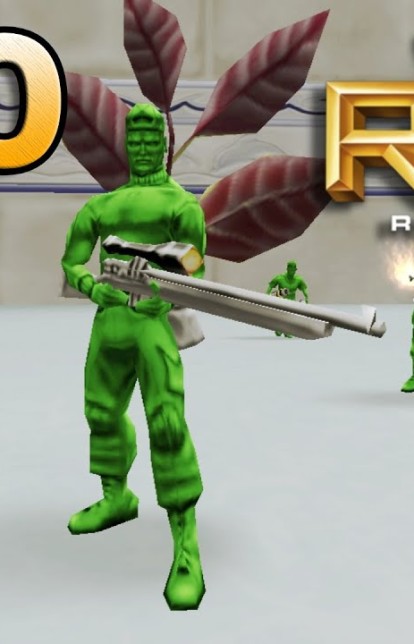
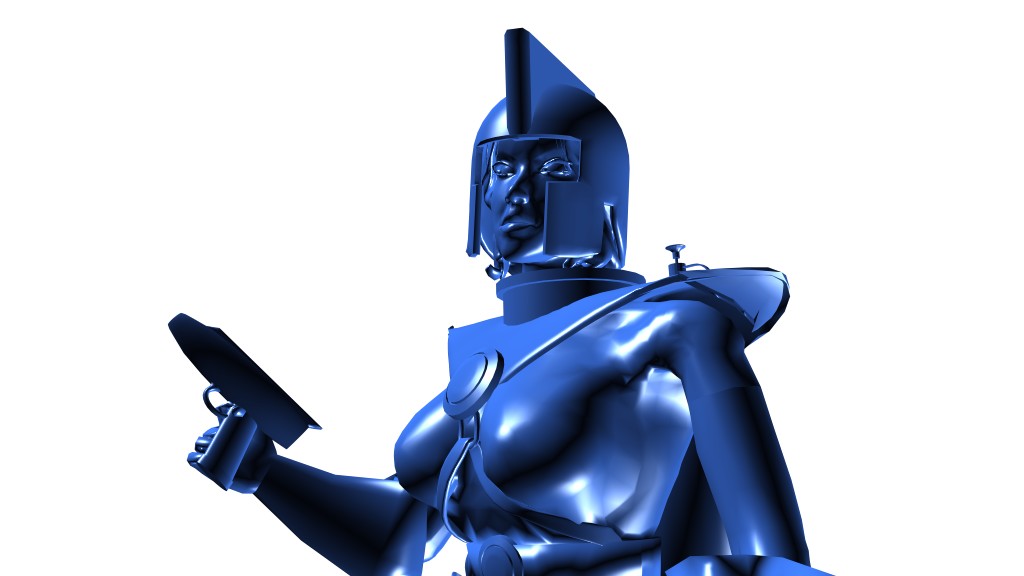
Bullseye is the latest addition to the Bravo Company Commandos, seen only in RTS. Although he has an in-game model and a piece of concept art, we never saw his CGI look like the rest. So here’s an exploration of how we’ll get his look.
Bullseye Original Concept Art Army Men RTS
Bullseye Original in-game 3D model Army Men RTS
Bullseye Original Concept Art modified Army Men RTS
Designing Bullseye using the frontal in-game 3D model Army Men RTS
Anyway, we’ve spoken directly with RTS designers, and through them and the obvious on-screen, the look of the Commando’s Ice Man will be almost the same as in-game, as the in-game models are based on the CGI models.
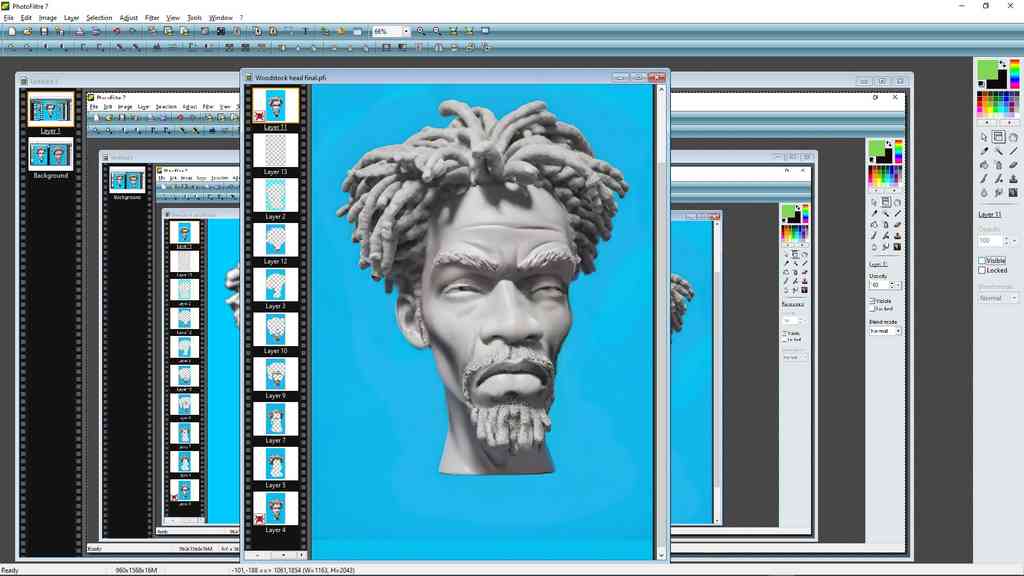
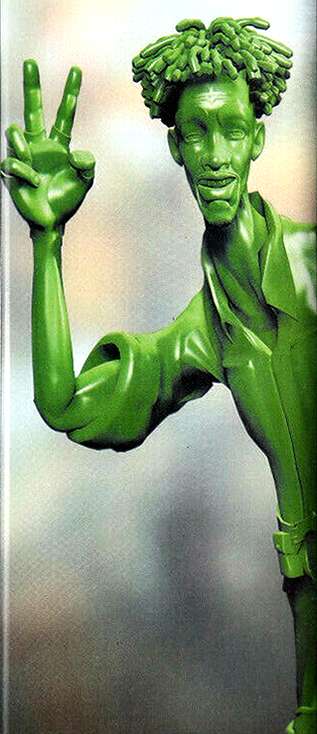
Woodstock ’99 VS current era Woodstock
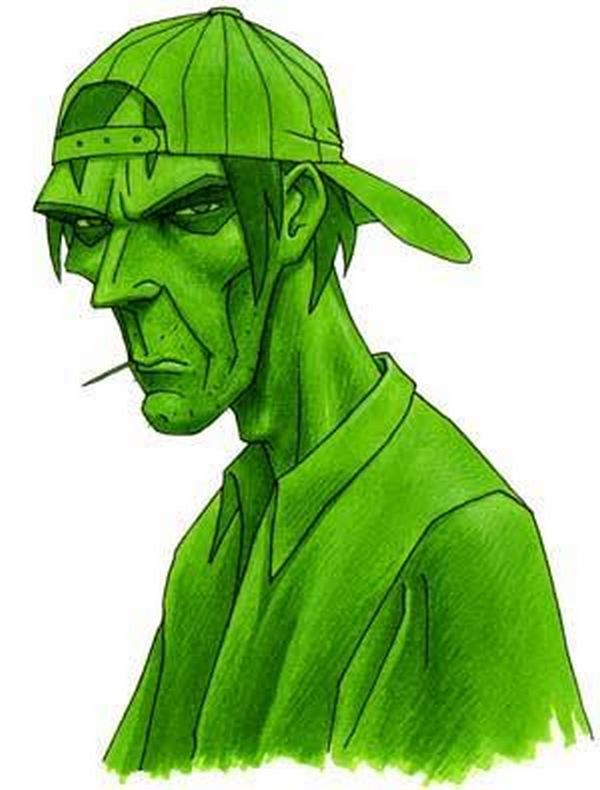
Recreating Woodstock from Army Men: Air Attack 2 from reference footage was a difficult task, given the lack of good sources. But, in the end, after speaking with Air Attack 2 designers, we have the best result, expanding the character further, with a 25 years later version, a veteran somewhat battered by a plastic-solvent addiction who works at the Green Army helicopter pilot school.
The best reference images of Woodstock out there…
This article is being written and will be completed in the future.
To make an incredible video game sometimes you need to do a lot of research
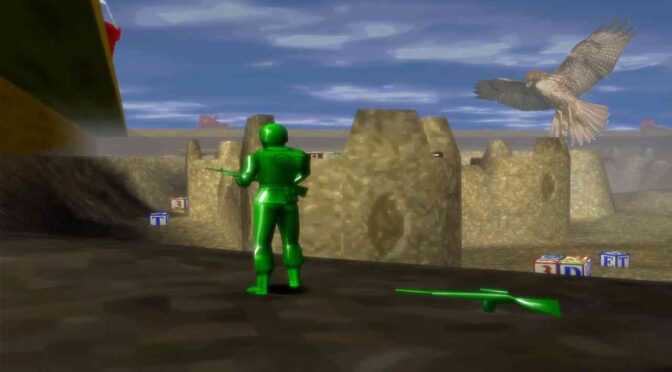
A Pigeon Fighting – Conceptual Video for Army Men Revolution
A pigeon fighting a plastic soldier sounds ridiculous, until you see it with your own eyes…
High speed. Precision. A weight of 250 Gr (9 ounces or 0.6 pounds). After watching this video, you don’t have to use much of your imagination to know that a pigeon would be a fierce warrior against a 2 inches lightweight Plastic Soldier.
Newton’s second law of motion states that F = ma, or net force is equal to mass times acceleration. A larger net force acting on an object causes a larger acceleration, and objects with larger mass require more force to accelerate. Therefore, the weight added to the high speed would be a tremendous force hitting a plastic soldier.
But of course, the resistance of the plastic would cause the soldier to simply fly away. The same with his beak (experienced directly with my finger in the video) bites a little hard for a human, and can even damage living tissue. But for a plastic soldier it would only cause some deep scratches or marks.
Animal combat investigation
A Cockroach can run at such high speed that it could appear to you so suddenly that it would surely cause you a jump scare, even if you hear his crackling sounds. But, even with its large size compared to a Cockroach, you would never hear a Cat until it is too late.
Like each of the Bravo Company Commandos or the members of Team Assault, each animal has a set of characteristics that makes it part of a diverse variety of formidable opponents. Anyway, this is the limit of our imagination and theoretical knowledge. Which is why we had to go out and look for real information.
The dove that could not live naturally…
When it comes to translating reality into the digital realm, such as animating a pigeon and providing the NPC with, although incredible, realistic characteristics, we have to go outside and look for these components of the Real World and observe them carefully, always thinking from the perspective of a plastic soldier.
On this occasion we were lucky enough to meet a healthy, 100% functional pigeon, which was domesticated by people who then abandoned it in a bird shelter. The first time we saw her, she allowed herself to be petted and stayed quite still, which allowed us to take photographs and measure her to make the 3D model. She had just arrived at the shelter where she was disconnected from all human relationships, staying to live alone with other pigeons, away from humans who only go to the shelter to leave them food and change their water supply. When we returned, months later, her taming level had already begun to disappear. It was at that moment that we took this video.
What is the problem with domesticating a wild animal? The problem is that it makes them useless when it comes to living in their wild environments. A domesticated bird will surely die because of its ignorance, lack of knowledge or because of its “brainwashing”. She will not know how to look for food and will be eaten by a predator or hit by a vehicle, deaths from which she will not flee because she will not even know what they mean. She will not run from a human because she will not known it’s dangerous… dying by slingshot.
Now she was not as comfortable with humans and although she did not escape with the terror of a normal pigeon, she no longer liked being petted, which indicates that her treatment to live in the wild was going well.
She had already chosen a partner, a Messenger (or Racing) Pigeon that was also abandoned, bigger, adult and more beautiful than her, whose wing fracture left him on the ground, never to be able to fly at a height that would allow him to have a normal wild life. With her he had already had 2 chicks, which when they became adults, the caregivers took them out of the shelter to release them and never see them again.
Maybe this story was too long, and away from what we were talking about, right?. Well, I went extended on purpose to prove my next point…
And it’s like that that by accident…
…nothing happened to the pigeon. She is still undergoing treatment with a possible early release. But anyway, all this that we learned accidently and unexpectedly led us not only to realize the real possibilities of a plastic soldier fighting a pigeon, but also the stories that an uninformed person does not even imagine are behind an animal which is considered a “rodent of the air”. Bapulated, ignored, despised and mass murdered, she also tells us (unintentionally) about human nature and his lack of responsibility with the other life forms that make his ecosystem. The difficulties animals must go through to survive, which we do not see, are worthy of admiration.
We humans tend to downplay everything that is small, but on the other hand we are fascinated and concerned about animals such as cats, dogs, lions, elephants, etc. Larger animals that we consider exotic because they are rare and we are not surrounded by them all the time. Therefore, from the Army Men plastic soldier’s perspective, a simple pigeon would be considered an impressive and exotic animal, from a world very different from their own: uncommon. On the other hand, the pigeon would ignore it due to its smaller size, not considering it a threat like if they were insects (unless the Army Men shoot her). It is for all these reasons that we assumed that they would protect a pigeon as much as we would protect an elephant.
Therefore, not only did we learn to admire an animal that we had never even thought of before, but it also opened the doors to an immensity of narrative possibilities for our story. That’s why the title “Animal Warriors” doesn’t just have the simple meaning you thought before reading all this.
The assets of the game will be a lot, but for the most part they will be the same three-dimensional geometry with different textures, as in the case of the Real World assets.
We will try to make each door, each wall, each window and each wooden furniture different, using an algorithm that will modify the location of the textures so that even if they have the same assigned texture, will be different, using mirror and rotated coordinates.
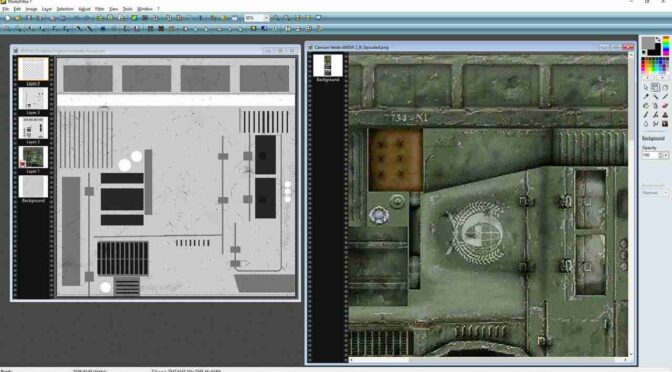
But the most important feature of these 3D assets will be that they will be made up of 2 layers of textures, not just one. And we are not referring to the different images that make a texture (diffuse specular map, opacity map, bump, reflection, self illumination, etc.) but will be made up of 2 textures, one on top of the other, with a system of opacity that will allow the texture from above to show certain characteristics of the texture from below, always talking about the order in which they will be positioned.
A texture will be the one that will have the details of the object, such as depth or any inescapable characteristic such as the hole for the key. The other texture will fulfill the function of color, surface texture and imperfections.
3D models in the Toyverse project vault
We have a mix of original 3D models, new ones and recreated. Below we detail what we’re collecting.
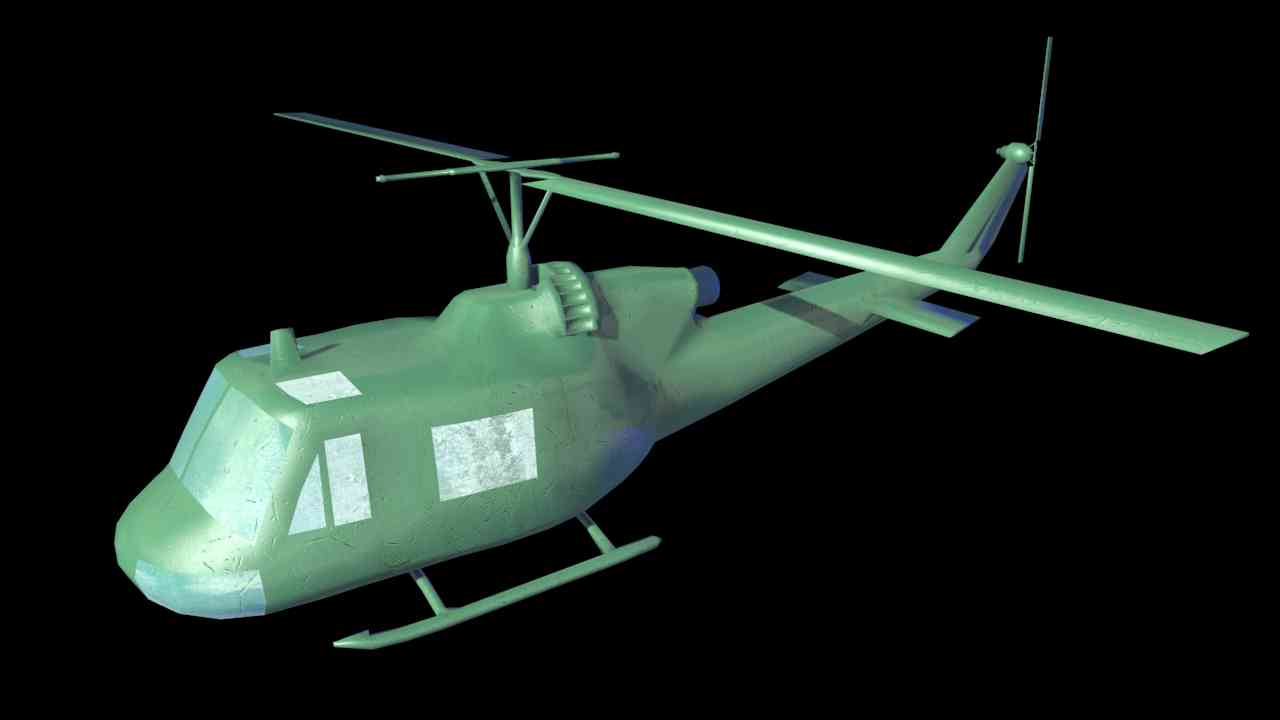
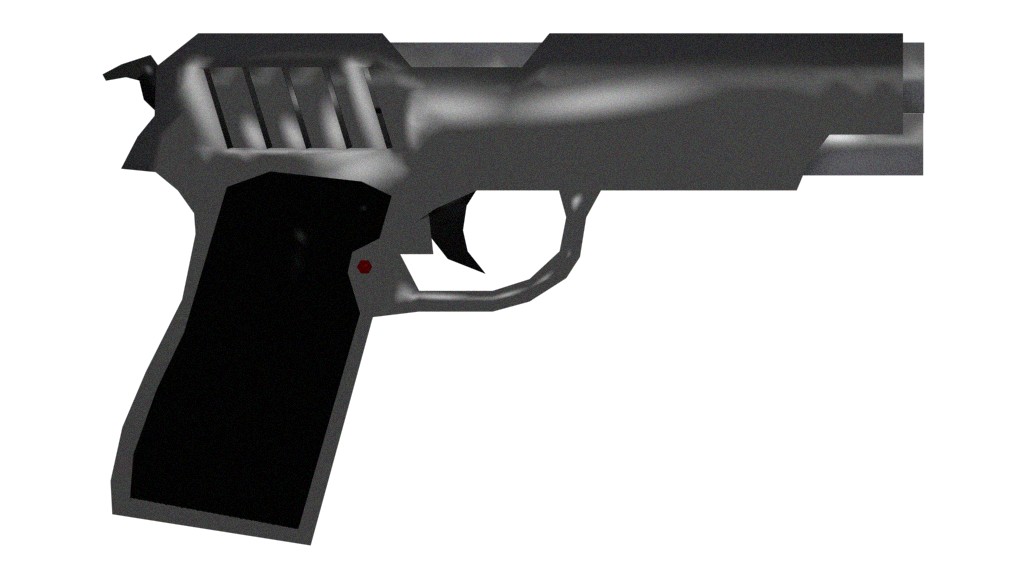
Several 3D models from the Army Men franchise have appeared over the years. Here’s a compilation of the ones the fandom have and the ones we’re missing…
Here you can find links to download some of the 3D models made or acquired by 3DO. All of them will be made available gradually.
1. Official but non-original Army Men 3D models used in the franchise, purchased to third party by 3DO and used as obtained, or modified by 3DO
Models used by 3DO in the Army Men video games, but which were acquired from third-party 3D model banks, used as acquired or with some modifications. In this case ViewPoint 3D models.
3. New and non-official screen accurate copies of Army Men 3D models used in the franchise made by the Toyverse project
Some of these models are loosely or heavily based on the 3DO models seen on screen. Rather than making exact “screen accuarete” copies, we created these vehicles or characters as versions of themselves after what was seen in Army Men, as a sequel to the characters.
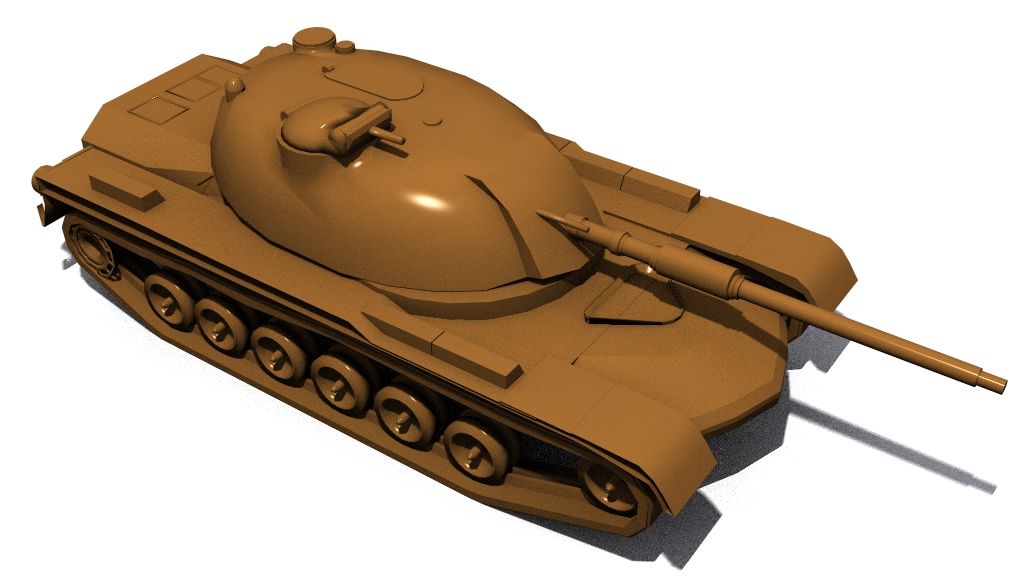
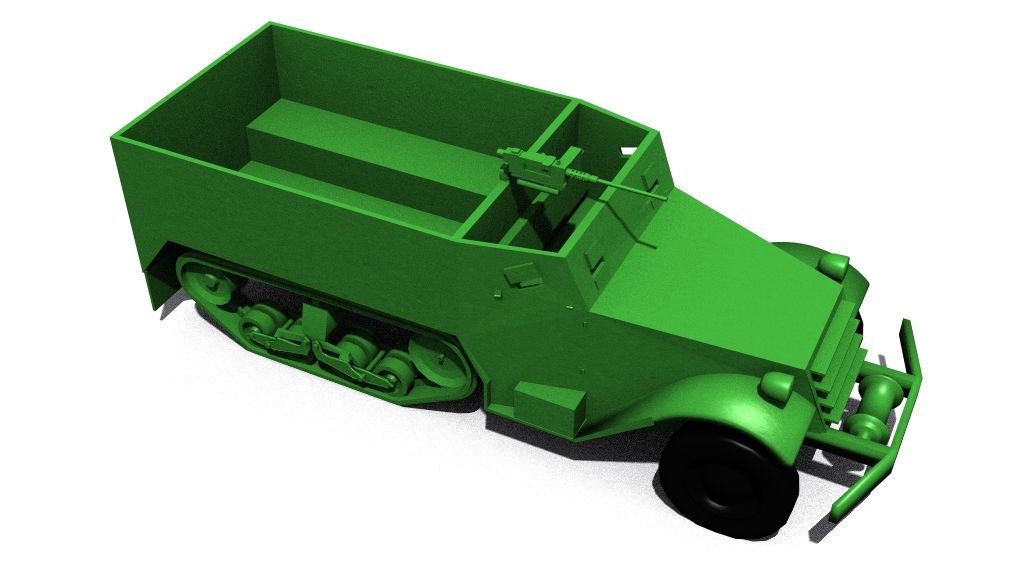
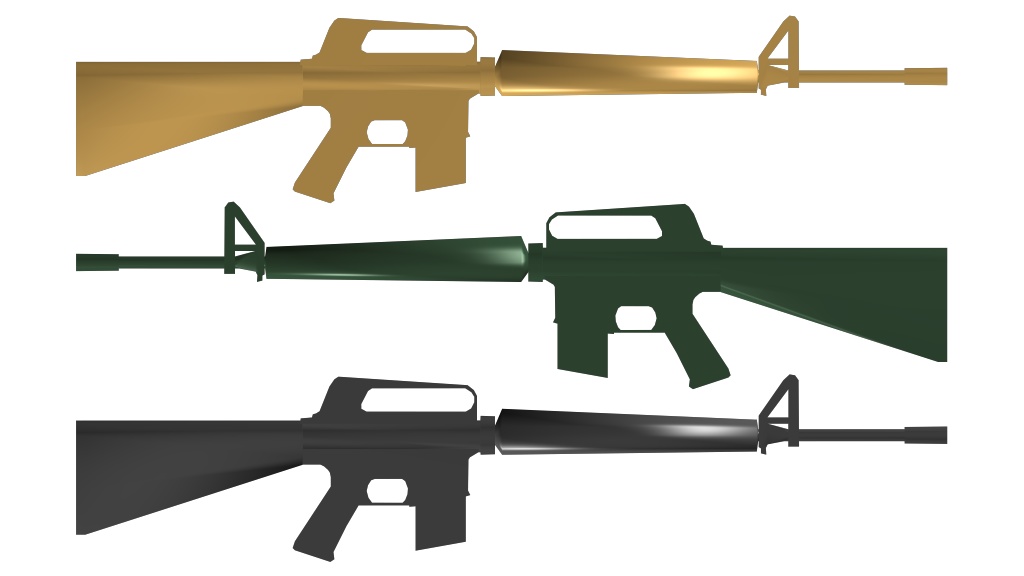
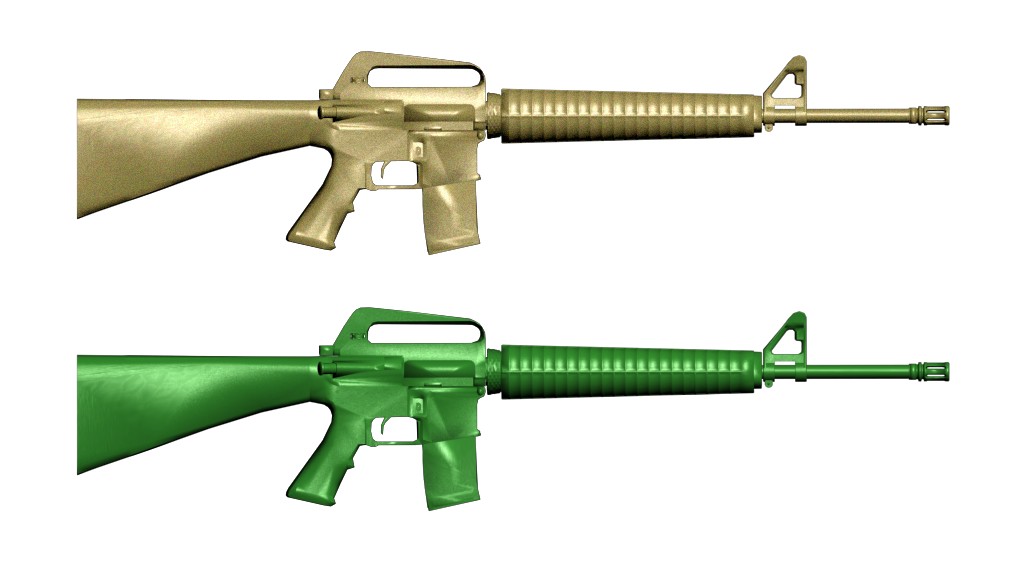
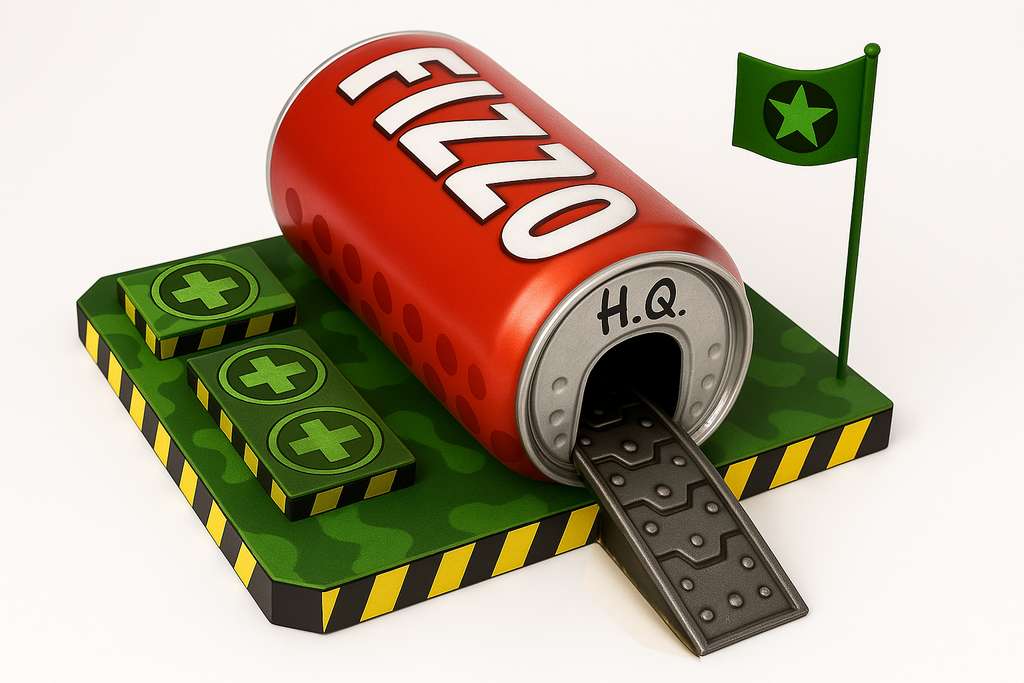
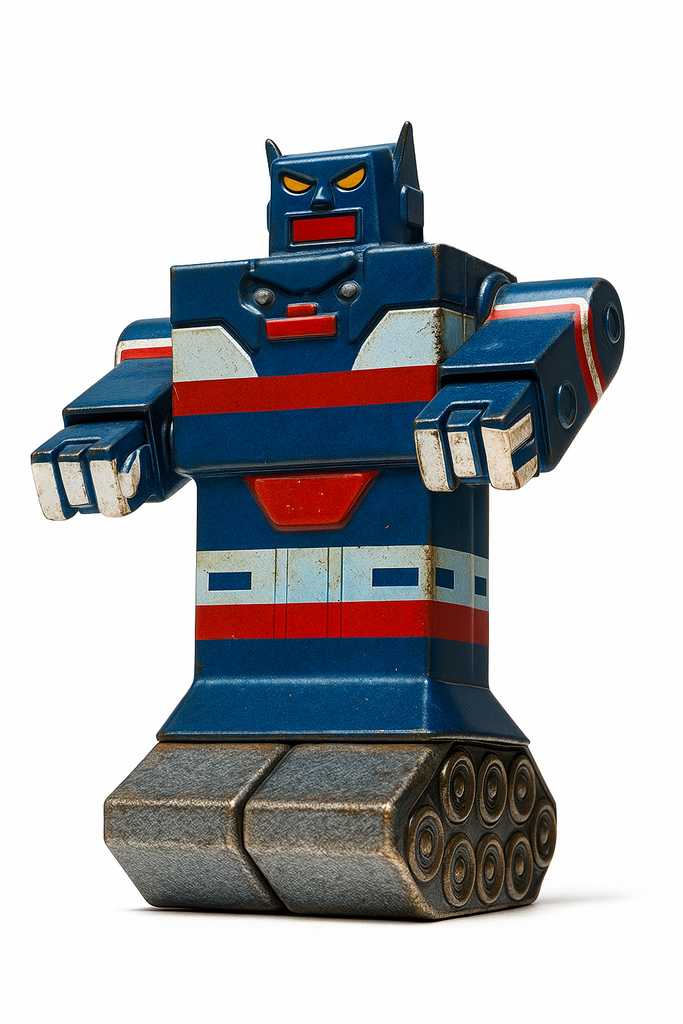
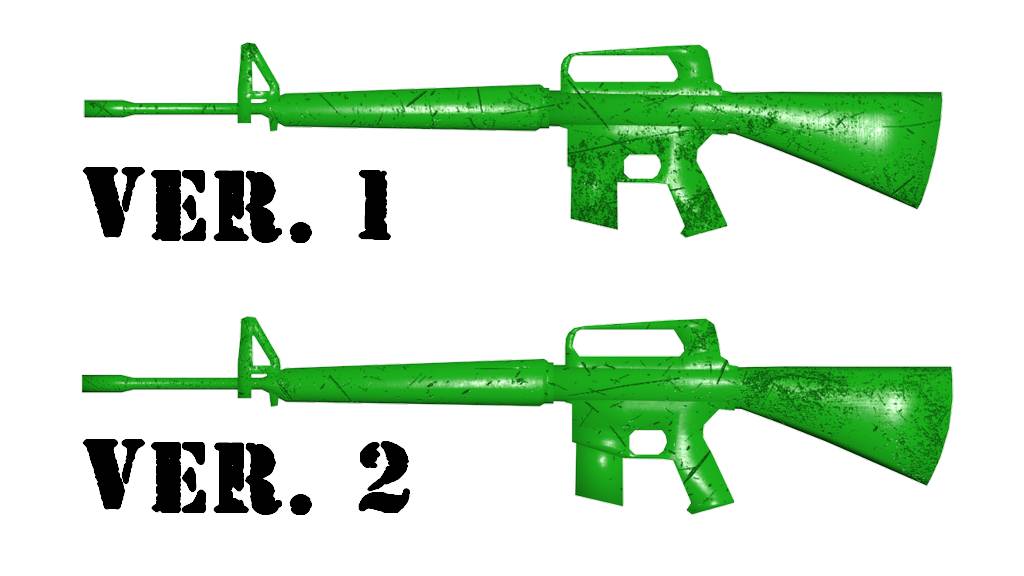
CGI HQ Toyverse OriginalCGI V-Bot Toyverse OriginalCGI Dump Truck Toyverse OriginalArmy Men logo V2 (2000)Remake of M48 Tank Toyverse originalRemake M16A1 Toyverse original
Non-official Original Army Men Toyverse Project 3D models made by the Toyverse project or third party
Some of these models are loosely or heavily based on the 3DO Army Men 3D model style. But also, rather than making an original 3D model, we have adapted 3rd party 3D models. In this case ViewPoint 3D models from the same model batches, also used by 3DO.
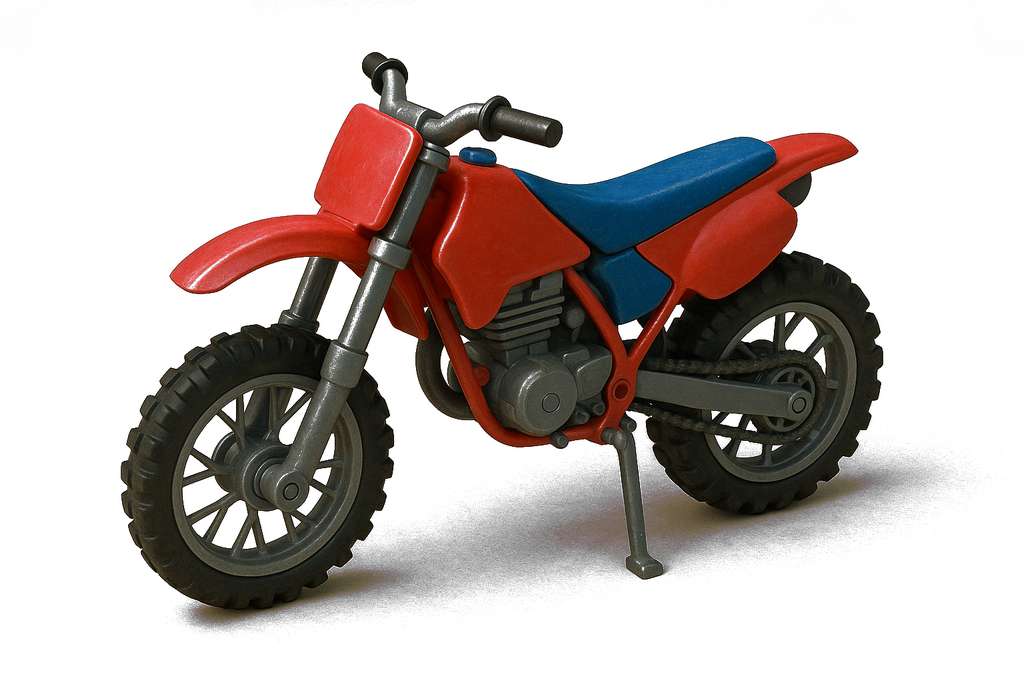
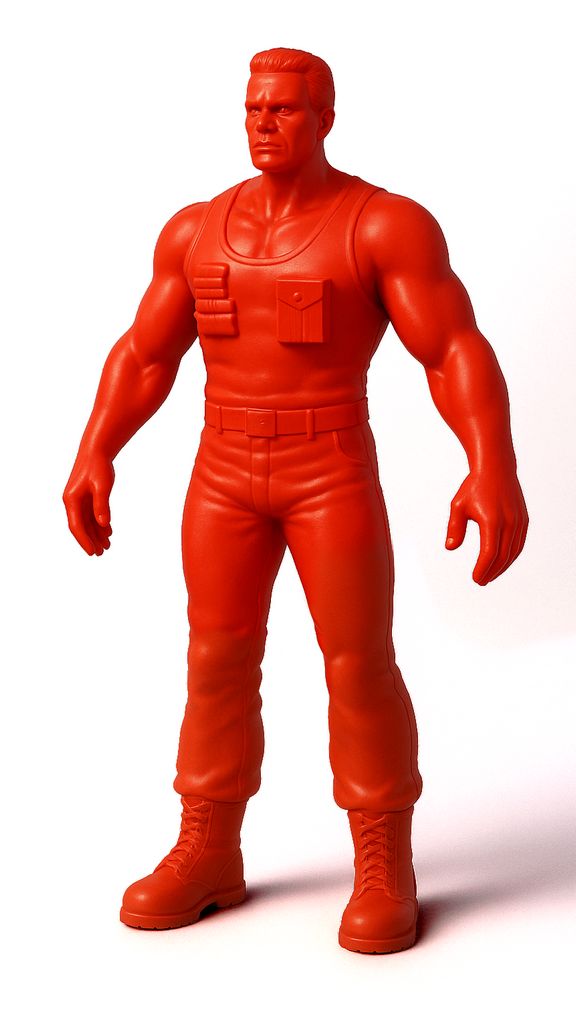
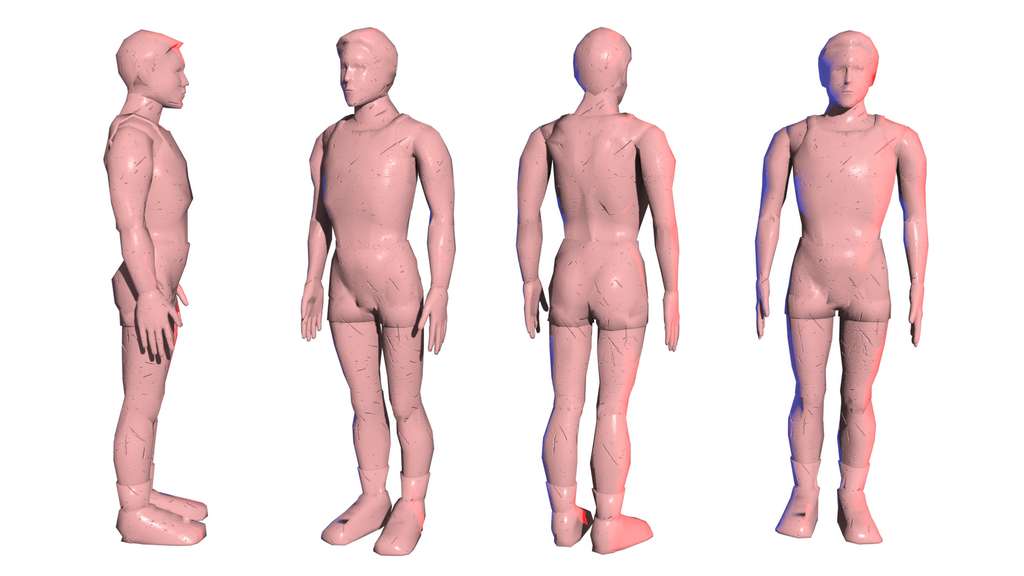
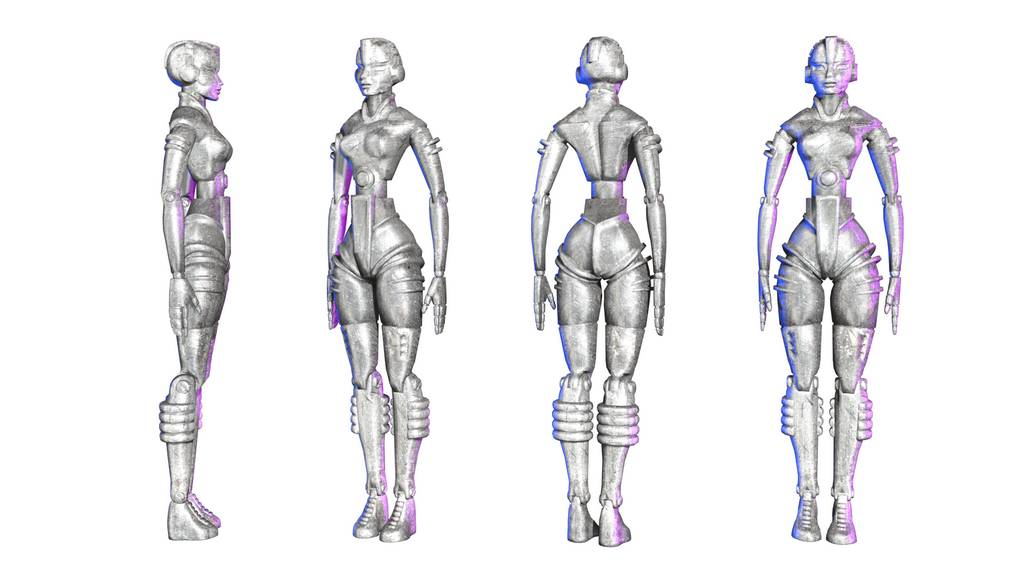
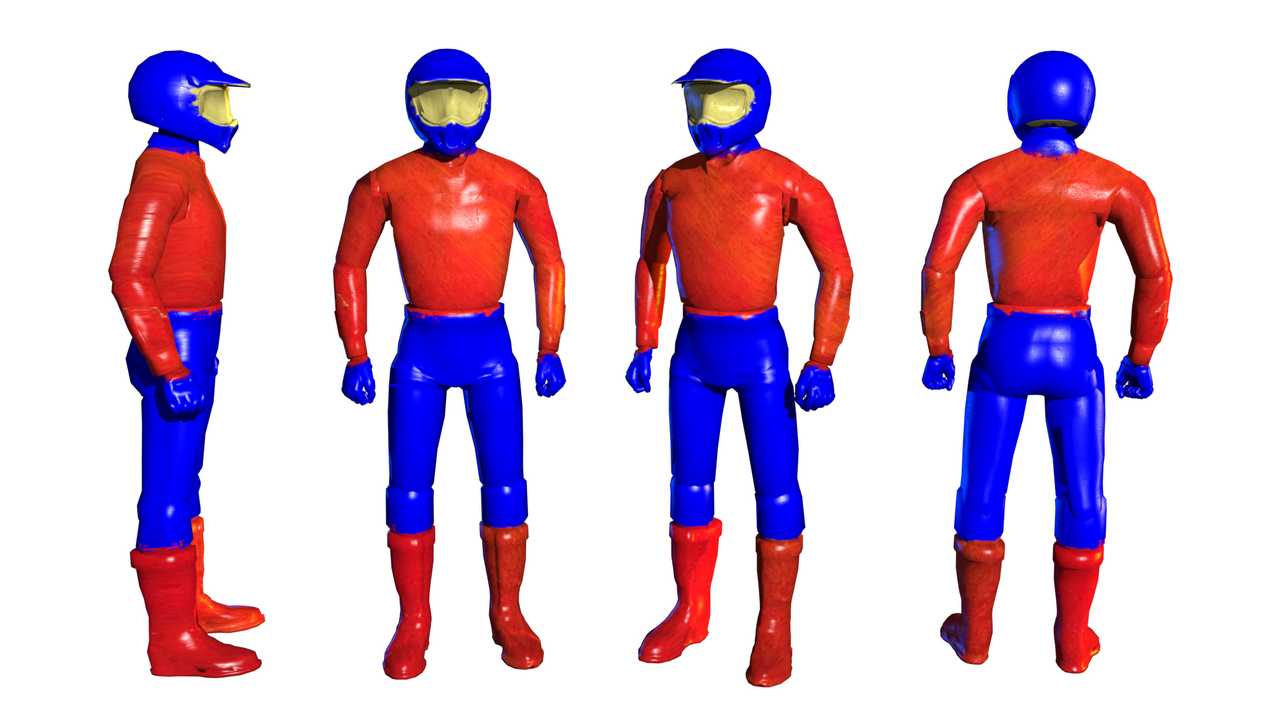
Toyverse Original CGI MotocrossToyverse Original CGI characterGymnast Original VP ModelAmazonas V1 Original VP ModelC3-R34L Original VP ModelBiker Original VP ModelFire Modified VP ModelOriginal VP Model (Agent Blue 001)Modified VP Model Sarge post TISLight Blue Artic Modified VP ModelImperial Greys Modified VP ModelUnnamed Colonel Modified VP ModelModified VP Model (zombies)Unnamed Violet General Modified VP ModelOriginal VP Model
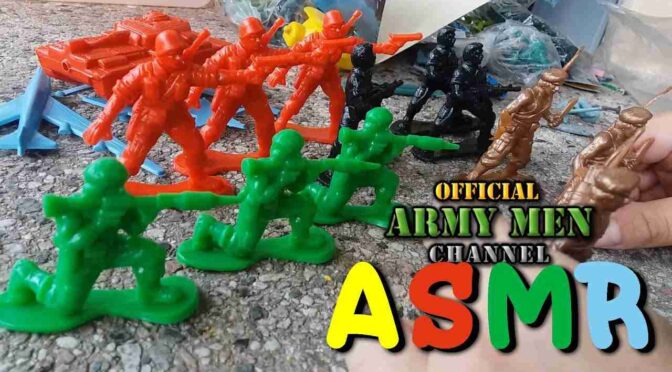
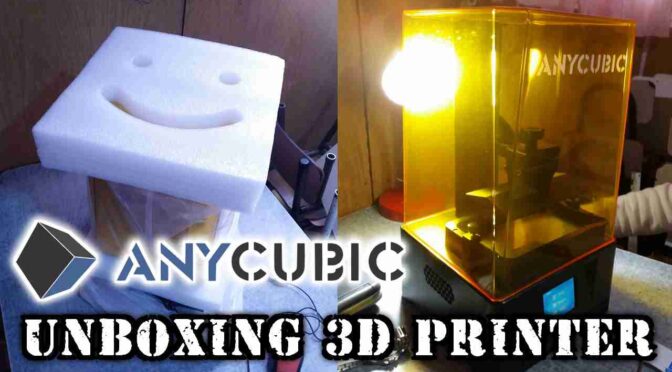
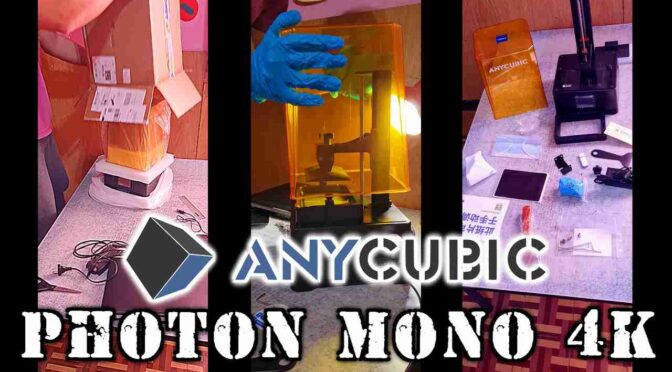
Unboxing ASMR video! Our new 3D printer has arrived with which we will make the protagonists of the Army Men games a reality in our physical world, making plastic soldiers go where no Army Men had gone before.
Before 3D design and video game design, other talented artists had to face the challenge of making small beings look realistic, and showing giant environments from their perspective. In this first part of this series, we will reveal some of its ingenious secrets, knowledge that will help improve the experience of the small world of Army Men: Revolution
Films like “Honey, I Shrunk The Kids”, The Indian in the Cupboard, Ant-Man, Fantastic Voyage, Inner Space, Willow, Hook, among others, are all movies that have used different techniques of visual effects to do large things smaller, or show how the world looks from the perspective of a plastic soldier.
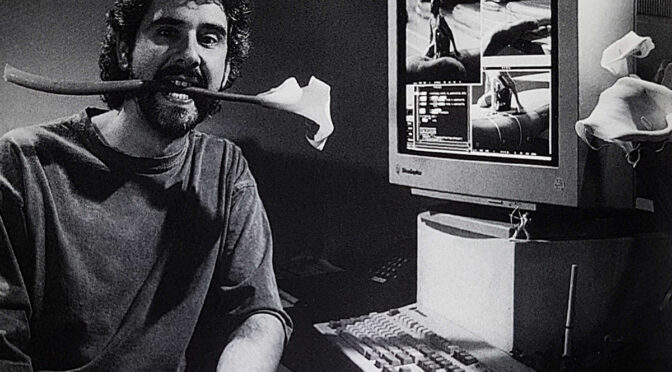
The visual effects supervisor, Eric Brevig, has worked on this type of films, including one of our favorites, “The Indian in the Cupboard”, which presented visual effects by the ILM of George Lucas, a visual effects company created by “The Creator of Star Wars” to be able to make Star Wars.
These techniques have varied, from the forced perspective, large sets, filming on green or blue screen and, of course, digital media such as 3D.
But before reading this text we copied and pasted, with our opinions interjected, we ask you to go first to read it in the original source, attached below!
vfxblog: What had been your experience with any miniaturisation effects prior to The Indian in the Cupboard?
Eric Brevig: I had done certain short sequences in other projects. I did a 3D, double 70mm Disney EPCOT film for the theme park around 1980. It was like a dream sequence for a pavilion that they built there about imagination. And part of the dream sequence had the little boy, who was the main character, imagining that he was looking at a miniature circus, maybe three feet across, filled with tiny clowns a few inches tall and so forth. Then later on he shrunk down to fit into somebody’s hand.
And so that was the first time I had to really wrap my head around how you shoot mixed scale characters like that so that the perspective is correct and so forth. And since that was a 70mm 3D, meaning stereo 3D, project, there was much less tolerance for cheating things like scale and perspective.
I also did work on the Honey, I Shrunk the Audience for another Disney theme park several years later and just continued the same sort of things. I was on Hook at ILM as well with Tinkerbell. It was very familiar territory for me by the time The Indian in the Cupboard came up.
vfxblog: What is the major thing you think you have to get right with any kind of scale or miniaturisation work?
Eric Brevig: You have to be able to have the tiny element look like it was photographed from the same camera as the large element. And that means all aspects of photography – depth of field, shadow size, obviously camera position and camera motion and lighting. In Hook, because most of the time Tinkerbell was a fairy character that was glowing, the lighting became a combination of casting her light onto the background.
I remember we had a scene that I’d actually proposed to Steven Spielberg because I loved it in the Peter Pan animation, where the little Tinkerbell character walks up Peter’s shirt. Robin Williams was wearing a shirt and we had the character, Tinkerbell, walk through an ink pad so she left tiny little footprints. And it was just a lot of fun to work with Robin and getting him to, in a very tight close up, track his eyes where I was going to composite in the Tinkerbell character, and I gave him a little guide to follow. And then on overscale piece of blue screen set, we shot Julia Roberts following the same path.
But one thing that’s kind of fun when you’re doing little characters like that is that you can speed up the action because little things can move quickly. So I was adjusting the timing so that, at the rate that an adult Julia Roberts, full size, could walk up a set that looked like somebody’s blue chest, laying down of course, that her character, composited in, would track exactly where his eyes had been looking.
vfxblog: With Tinkerbell in Hook, and in several other films like Honey, I Shrunk the Kids, one of the main methods was to build over-sized sets. And then there’s also shooting the actors against bluescreen and compositing them in, and there were some forced perspective shots. But was that kind of the idea, to mix it up a bit, so that audience isn’t really quite sure how you’ve done it?
Eric Brevig: Yeah, I think that’s the most fun. We did one or two forced perspective shots, which I love to do and I kind of, growing up really was enamoured with the work that the Disney studios had done on Darby O’Gill and the Little People, which was all essentially forced perspective. There’s maybe one or two composited shots in the entire movie, but most of it was very sophisticated forced perspective and mirror shots, where a front surface mirror is partially removed, revealing a background set that’s painted and lined up precisely to match the foreground.
When I was a student in college, one of my student films, because I had no technical equipment to do anything sophisticated, was basically a mixed scale student film, where I bought $1 mirror tiles at the local construction supplies store and carefully scraped off the silver from the back and lined it up with the foreground set and the background set. So that was all stuff that I loved to play with and experiment with as a kid. And then, because I think on Hook Steven really wanted to do that the old school way, my art director and I set it up for him, so we could make it look like Julia was in the doll house, and the doll house was in the foreground, and she was on an oversized set in the background.
But the reality is, it is so cumbersome to take the time to do that in front of camera, and so much faster and easier to use compositing and CG that we did it one time and they said, ‘That’s great, let’s not do that anymore, let’s just go back to the way you want to do it,’ which is using multiple photography elements.
vfxblog: Hook came out in 1991. By the time Indian and the Cupboard came along in 1995, had digital compositing moved on to a point that was even more beneficial for pulling off scale shots?
Eric Brevig: Well, it didn’t necessarily help with scale, because both the large scale and small scale characters were played by actors, so you’re obliged to photograph them both. If you have a small character in a fantasy world or in a CG world, life is much easier. But if you’ve got both characters, large and small scale on screen together in a photorealistic world, you’re obliged to come up with a way to photograph them both so that they both look like they’re in the same environment. And also, for the actors and performers, you have to come up with a way for them to interact and act together.
So a lot of the work on Indian in the Cupboard was to facilitate that kind of emotional relationship that was the core of the movie. It wasn’t a fantasy – well, it was a fantasy, but it wasn’t a spectacular visual effects extravaganza that was showing off, look what we can do. It was an intimate tale of two characters from different worlds and different scales who developed this emotional bond. So it was really important to allow the actor, his name was Litefoot, who played Little Bear, to be able to hear and react to, as an actor, this giant boy. And similarly I had to help the boy, who was played by Hal Scardino, find where to look and so forth and be able to act with the Indian actor so that there was this genuine sense of two people communicating.
vfxblog: I’m curious if going from optical compositing to digital compositing made any difference at all?
Eric Brevig: Well it didn’t really make a big change because essentially we were just replacing the clunky, mechanical, optical printer phase with the equally clunky, primitive digital compositing stage. But it gave me the opportunity to do some fun, nuanced enhancements. I remember there was a shot of, I think it was a cowboy, he’s supposed to be two inches tall and he’s walking across a bed with a comforter on it, and I had a big uneven surface that was blue and shot David Keith, who was playing the cowboy, walking across that.
And my director of photography is a fella named Chuck Shuman, who I worked with on a lot of movies, from Total Recall to The Abyss, and he’s one of the most precise and brilliant directors of photography in understanding how to match the lighting between a small set and an oversized set. And he would actually match the size of the lights, scaled up, when we shot the actors portraying little people, because that’s the way the light wraps around you, is the relationship between the size of the light source and the size of you. And so, when we would shoot the normal set, we would have normal sized lights, whatever size they were, a foot across, and he would rig, for bluescreen miniature people, I think the scale was like 24:1, 24 foot wide illuminated surface that would cast the matching shadows.
In any event, we would shoot these, but there really wasn’t a way to puppeteer how the footsteps would move the fabric because oversized fabric never looked convincing. One of the things that I learned early on was, if you can always shoot the non-miniature stuff on real sets with real cloth, like you would normal macro photograph, it adds a verisimilitude to the scene that you can’t get with oversized props and so forth, which are very difficult to pull off and not have them look a little bit like oversized props.
In any event, as our character walks across this blanket, we were able to digitally put in little divots and depress the cloth wherever his foot stepped, which just sort of locked him in, in a way that you could never had done without digital. Because we’re essentially just warping, or morphing a little bit, some of the background imagery as his foot is making contact. So there were really nice little enhancements like that, as well as just the ability to perfect the compositing edges and so forth, in a way that photo mechanical compositing did not allow us to do.
vfxblog: You mentioned a really cool thing there, which was matching lighting for when a character is shot big and when they’re shot small. What about camera movement, did you use motion control to match up small and large shot plates?
Eric Brevig: I would decide based upon the needs of the shot, which camera – because we had to photograph foregrounds and backgrounds with cameras because they were both real environments – which camera would lead the shot. Let’s say it’s the little boy and he picks up this tiny Indian and he moves across the screen with it in his hand. I would photograph that with a traditional camera, tracking the boy. And he’d have just a little tiny object, I think I used something that looked like a bent paperclip, so that he had something in his hand that was showing him where to put his eye line and kept him honest about how he was holding it, but was easy to paint out.
And then after we had shot that, we would analyse the footage within the duration of the shot that was intended to be used in the movie and we’d say, ‘Okay, here at the beginning we’re one foot away from his hand and six inches above that. Okay, well that’s equal to 24 foot back and 12 feet above.’ And so we would design a camera move, using a very big crane arm, so that we would, as the boy moves through the shot, the camera’s now six inches from the character and one inch above his head, well, that equals 12 feet back and six inches would be six feet above his head.
So, we would basically plot out in the real world what we were doing in terms of matching that camera. And because you have a lot of space for leeway when you’re moving a camera 50 feet through a sound stage, it doesn’t matter if you’re a little bit to the right or the left of where you’re supposed to be, because then by tracking the two and using digital compositing to lock the two together, you’re able to make the perspective of one non-motion control shoot fit the other one by sort of locking them together afterwards.
If instead the shot is driven by what the little characters are doing, well, there was one very nice shot where the camera’s creeping across the little boy’s bedroom, and we can hear the Indian is singing some sort of traditional song. And the camera peers over this toy box that’s in the foreground, and we see that the Indian’s sitting on top of this little half-built structure that’s going to be his home. So what we did is, we figured out the total distance needed at the scale of our adult actor, and it was like a 100 foot camera move, and then we’d come down and we’d peer over where the box would be and then we boomed down, basically into a close-up of him, and we shot that first.
And then by tracking it and using a motion control system to shoot the same move on a bedroom set, we were able to lock them together precisely in photography and really get that sense of no hindrance to the camera wherever it went, because we were shooting on a genuine bedroom sized set, rather than a little bluescreen of the Indian. All the depth of field and focus and all that stuff was exactly as it should be, so it felt like you’re crawling, you know, the camera sort of creeping through this room and peering over a little toy box and there, in shallow depth of field, on this half built house, we’d find the Indian character.
Once again, my director of photography, being aware of what we were doing, would take incredibly precise notes on, for example the bedroom set. Including colour temperature from each of the lights and positioning, and we’d really create that on the giant scale of the screen stage and the two fit together really, really precisely.
The Army Men Videogames Website, home of the Army Men Toyverse
Manage Consent
To provide the best experiences, we use technologies like cookies to store and/or access device information. Consenting to these technologies will allow us to process data such as browsing behavior or unique IDs on this site. Not consenting or withdrawing consent, may adversely affect certain features and functions.
Functional
Always active
The technical storage or access is strictly necessary for the legitimate purpose of enabling the use of a specific service explicitly requested by the subscriber or user, or for the sole purpose of carrying out the transmission of a communication over an electronic communications network.
Preferences
The technical storage or access is necessary for the legitimate purpose of storing preferences that are not requested by the subscriber or user.
Statistics
The technical storage or access that is used exclusively for statistical purposes.The technical storage or access that is used exclusively for anonymous statistical purposes. Without a subpoena, voluntary compliance on the part of your Internet Service Provider, or additional records from a third party, information stored or retrieved for this purpose alone cannot usually be used to identify you.
Marketing
The technical storage or access is required to create user profiles to send advertising, or to track the user on a website or across several websites for similar marketing purposes.